You’re sitting on the couch, minding your own business, when your cat climbs onto your lap, locks eyes with you, and starts rhythmically pushing their paws in and out like they’re auditioning for a bread-making competition. Sound familiar? If you’ve ever wondered whether your cat is trying to tell you something, or simply gone completely rogue, you’re definitely not alone.
Cat kneading is one of those behaviors that looks a little bizarre on the surface but is actually packed with biological meaning, emotional history, and even a dash of neuroscience. There’s a whole world of fascinating science tucked inside those little paws. Let’s dive in.
What Exactly Is Kneading, Anyway?
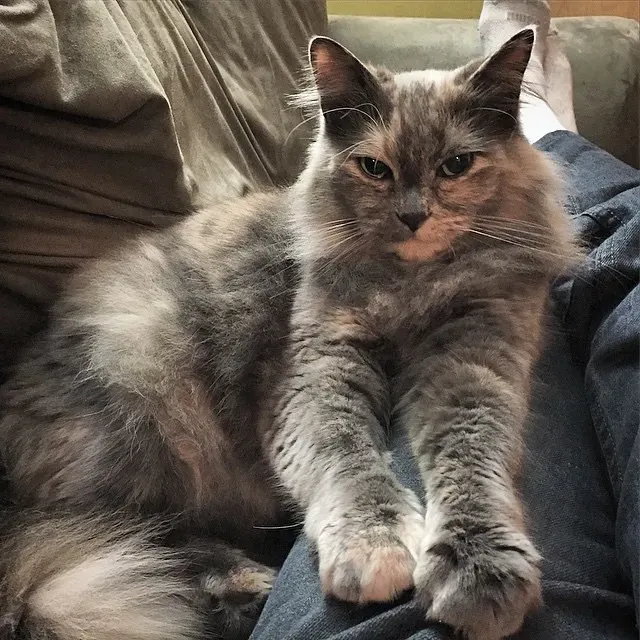
Kneading is a behavior frequently observed in domestic cats where, when a cat feels at ease, it may push out and pull in its front paws against a surface such as furniture or carpet, or against another pet or human, often alternating between right and left limbs. Think of it like a slow, rhythmic massage motion. It’s oddly hypnotic to watch.
Each stroke is accompanied by a grasping motion of the claws as if the cat were kneading dough. The cat exerts firm downward pressure with its paw, opening its toes to expose its claws, then closes its claws as it lifts its paw. The process takes place with alternate paws at intervals of one to two seconds. So yes, your cat is remarkably precise about it. They’ve basically perfected a technique you never asked them to learn.
It All Starts in Kittenhood
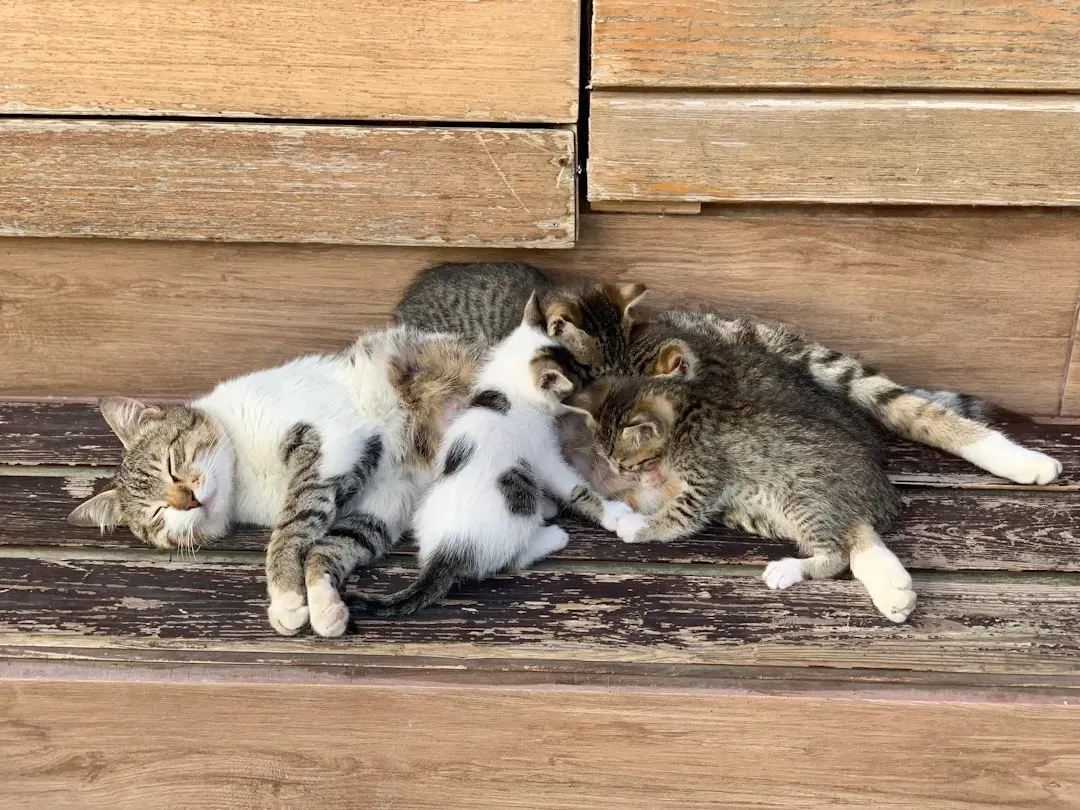
Kneading originates from kittenhood, when kittens press their paws against their mother’s belly to stimulate milk flow. This comforting behavior often persists into adulthood, associated with feelings of security and contentment. It’s one of the very first things a kitten ever does in life. From the moment they’re born, this motion is hardwired into them.
Kittens use a kneading action to stimulate milk production from their mother cat when nursing. Because nursing and being around a mother cat’s calming pheromones encourages a sense of contentment in young kittens, many cats will continue to knead into adulthood to create a similar sense of calm and relaxation. So when your cat kneads you, they’re essentially reaching back into their earliest memories of feeling completely safe. Honestly, that’s kind of beautiful.
Your Cat’s Brain on Kneading: The Dopamine Connection
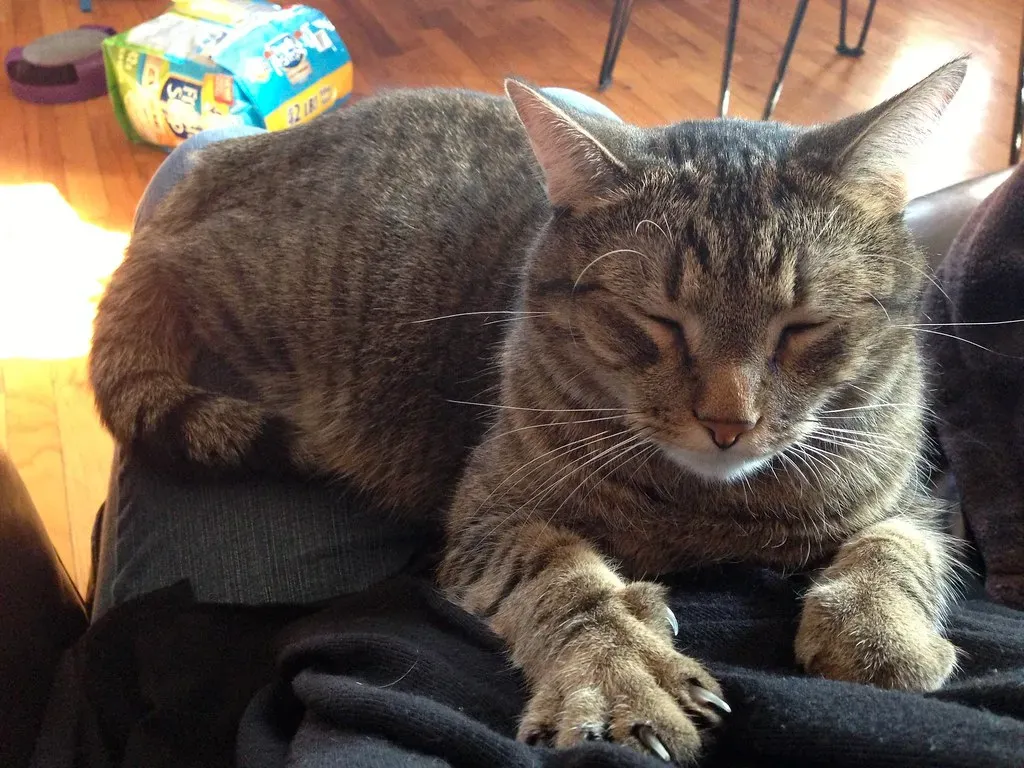
Kneading in cats triggers the release of dopamine, a neurotransmitter associated with pleasure and reward. This behavior, often beginning in kittenhood, is instinctive and tied to the comfort of nursing. As kittens knead their mother’s belly, dopamine is released, enhancing feelings of contentment and security. This physiological response persists into adulthood, meaning that when adult cats knead, they are re-experiencing those early comforting sensations.
Think of it this way: kneading is your cat’s version of comfort food. It’s not about hunger. It’s about the warm, rewarding feeling that the memory of nourishment brings. In the same way as feeding from their mother made kittens feel safe, secure, and happy, continuing this behavior as an adult may well cause a release of feel-good neurotransmitters that create the same feeling. They may well feel the same safety and security around you as they did their mother, and so that instinct is triggered as a love language.
You Are Their Safe Place: Kneading as a Sign of Trust
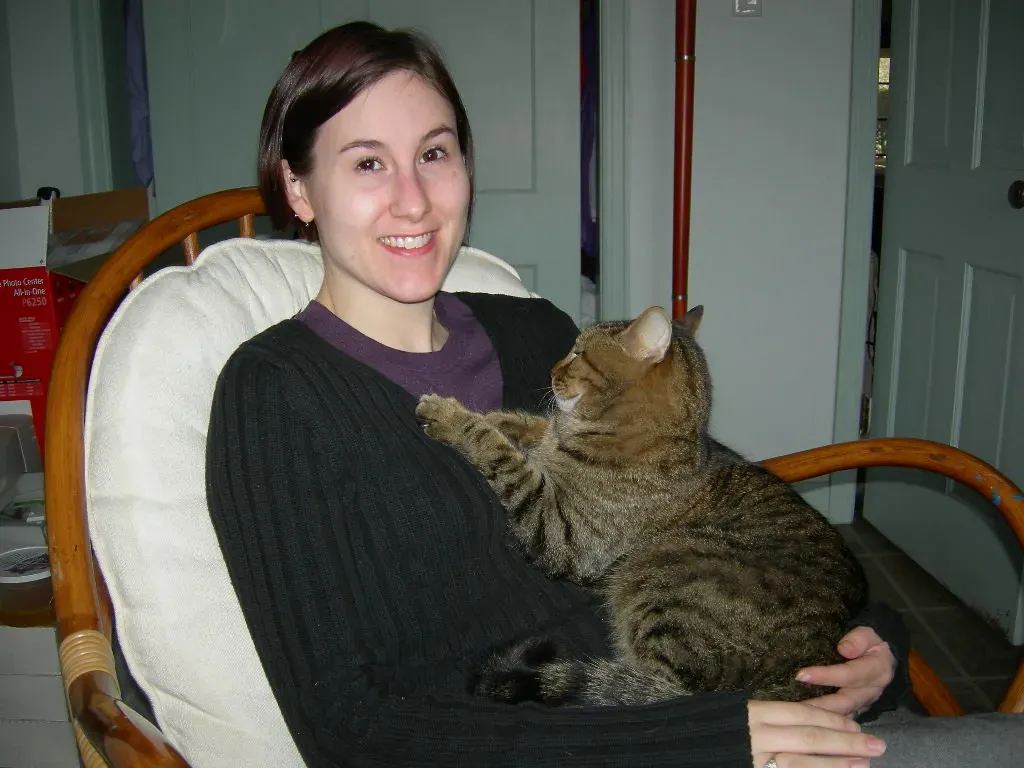
When a cat kneads their owner, it can be a sign of trust and affection. This behavior demonstrates that the cat feels safe and comfortable in the presence of their human companion. Let that sink in. Out of everywhere your cat could be, they chose you. Your lap. Your stomach. Your unfortunately thin T-shirt.
Cats will knead on preferred people in the house or their favorite person, so kneading can also be that affiliative, social behavior that can help build a bond. Kneading usually means the cat feels happy, friendly and safe. Kneading on you is often a sign of trust and bonding. It’s your kitty’s way of saying you’re part of their safe space. So the next time those little claws start digging in, try to remember: this is a compliment.
Your Cat Is Literally Claiming You as Theirs
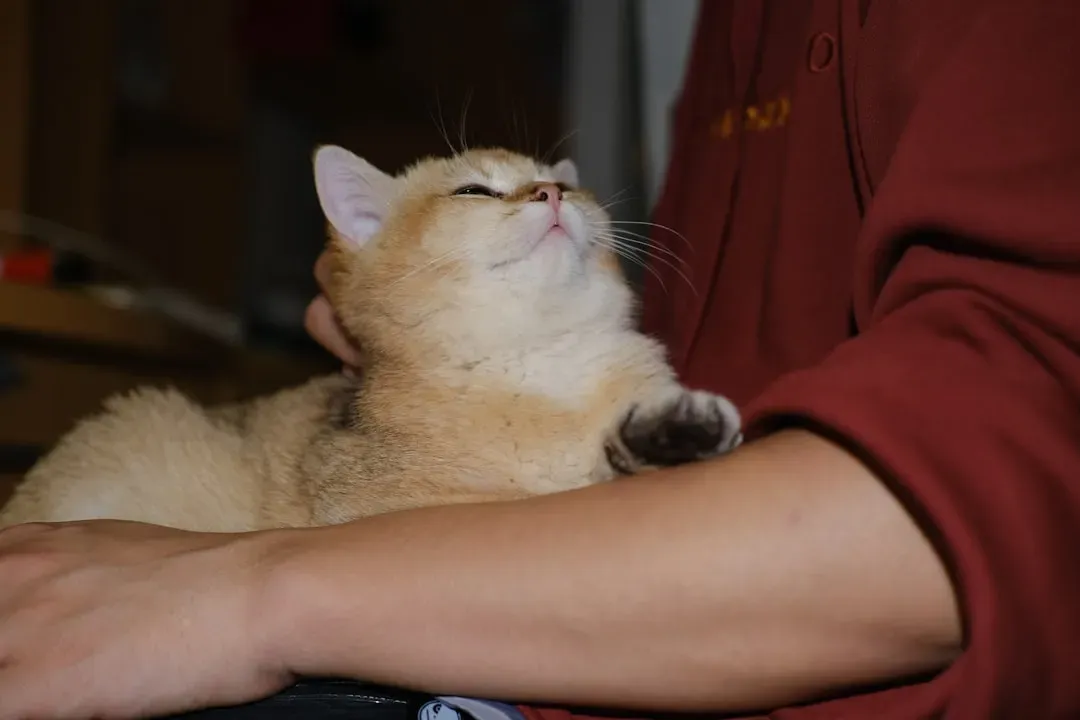
Some believe that kneading is actually one of the many ways felines mark spaces, furniture, and people as “theirs.” As it turns out, cats have scent glands tucked between their toes that are stimulated by kneading movements. So, the next time your cat kneads you or the things around your home, they could just be saying, “this is all mine!”
A possible answer to why cats knead is that they’re trying to mark their territory, because there are scent glands that release pheromones in their paws. By pushing their paws in and out they activate these scent glands, so they could be doing this on your lap to mark you as their own and warning other cats to back off. It’s possessive, yes. But in the most endearing way possible. You’ve been claimed, and that means something.
A Wild Ancestor’s Nesting Habit Lives On
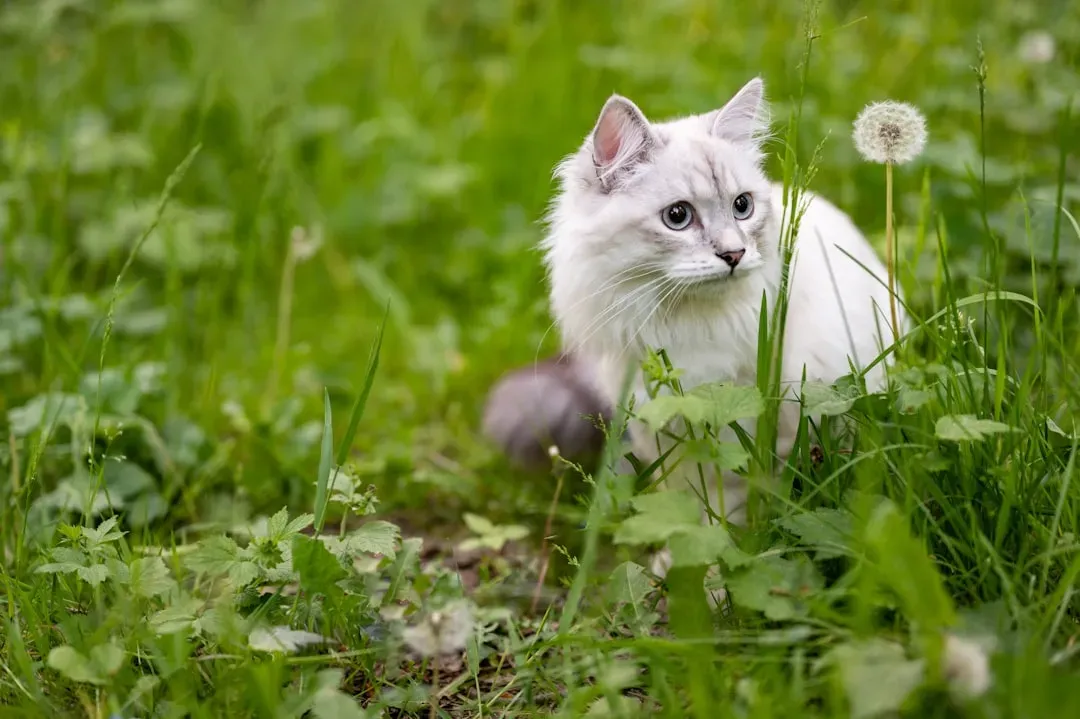
One theory for cats kneading is that it’s a behavior that’s been passed down from their wild ancestors. Wild cats will paw at piles of leaves or tall grass to create a nest for themselves and their young to relax and sleep in. By doing this to the ground they’re not only creating a soft nest, but they’re also checking for predators, prey, or dangerous things hidden in the foliage. Your sofa cushion is, apparently, a potential hazard zone.
In the same way you may see a dog spin in circles before laying down and getting comfortable, you may see a cat kneading to create a soft sleeping place before they lay down and get comfortable. A cat’s wild feline ancestors would knead tall grass to create a resting place, and this behavior may be part of a cat’s natural instinct. Kneading can be a cat’s way of “making their bed” before they lay down. So yes, your lap is their mattress. You’re welcome.
Kneading as Stress Relief and Self-Soothing
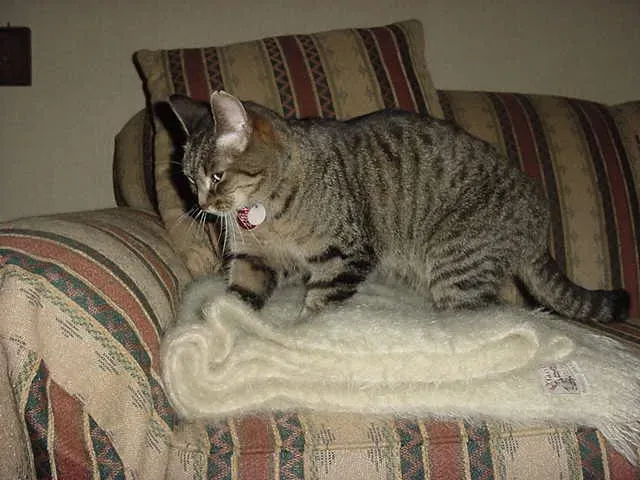
Some cats knead when they’re anxious or seeking comfort. It’s the same instinct that soothed them as kittens during nursing. If your feline pal starts kneading during stressful times, like a move or new household pet, it might be their version of a stress-relief technique. It’s a coping mechanism, plain and simple.
Because kneading is a comforting action, cats who feel stressed or are experiencing pain may knead to soothe themselves. If you notice a significant change in your feline friend’s behavior, schedule a visit with your veterinarian to rule out a medical or behavioral problem. It’s hard to say for sure when it crosses a line, but if your cat suddenly starts kneading dramatically more or less than usual, that’s worth paying attention to.
Kneading Keeps Your Cat Physically Limber
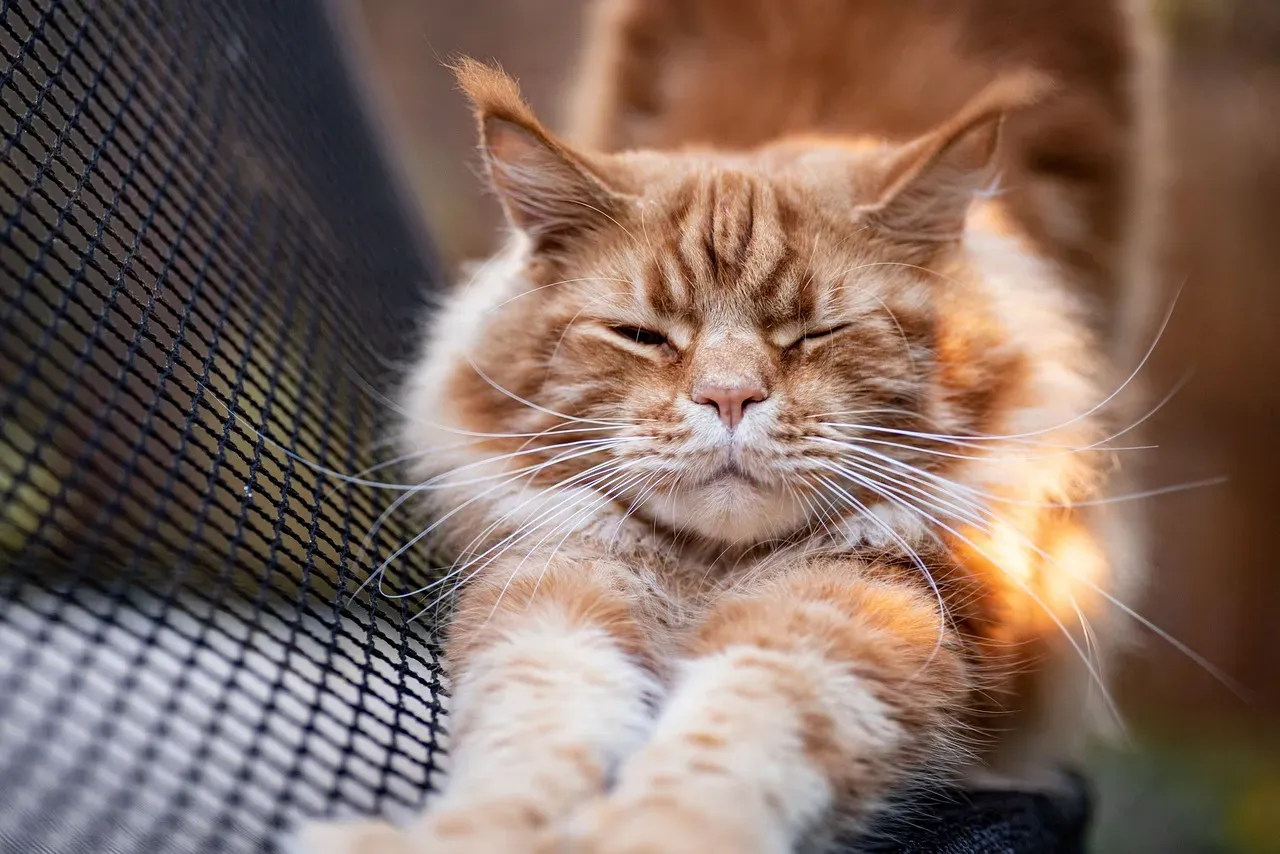
Kneading also gives cats a chance to stretch their muscles and maintain agility. The rhythmic movement engages their shoulder, leg, and back muscles, encouraging good circulation and easing any stiffness. Think of it as your cat’s version of a morning yoga stretch. Just with more puncture risk to your thighs.
Cats love to sleep and take naps. All of that sleeping can make a cat’s muscles stiff. When they wake up, you may see them kneading as a way to stretch out their muscles. This can be their way of keeping themselves limber until it’s time for the next nap. It’s a full-body maintenance routine squeezed into an adorable little ritual.
How to Handle the Claw Problem Without Punishing Your Cat
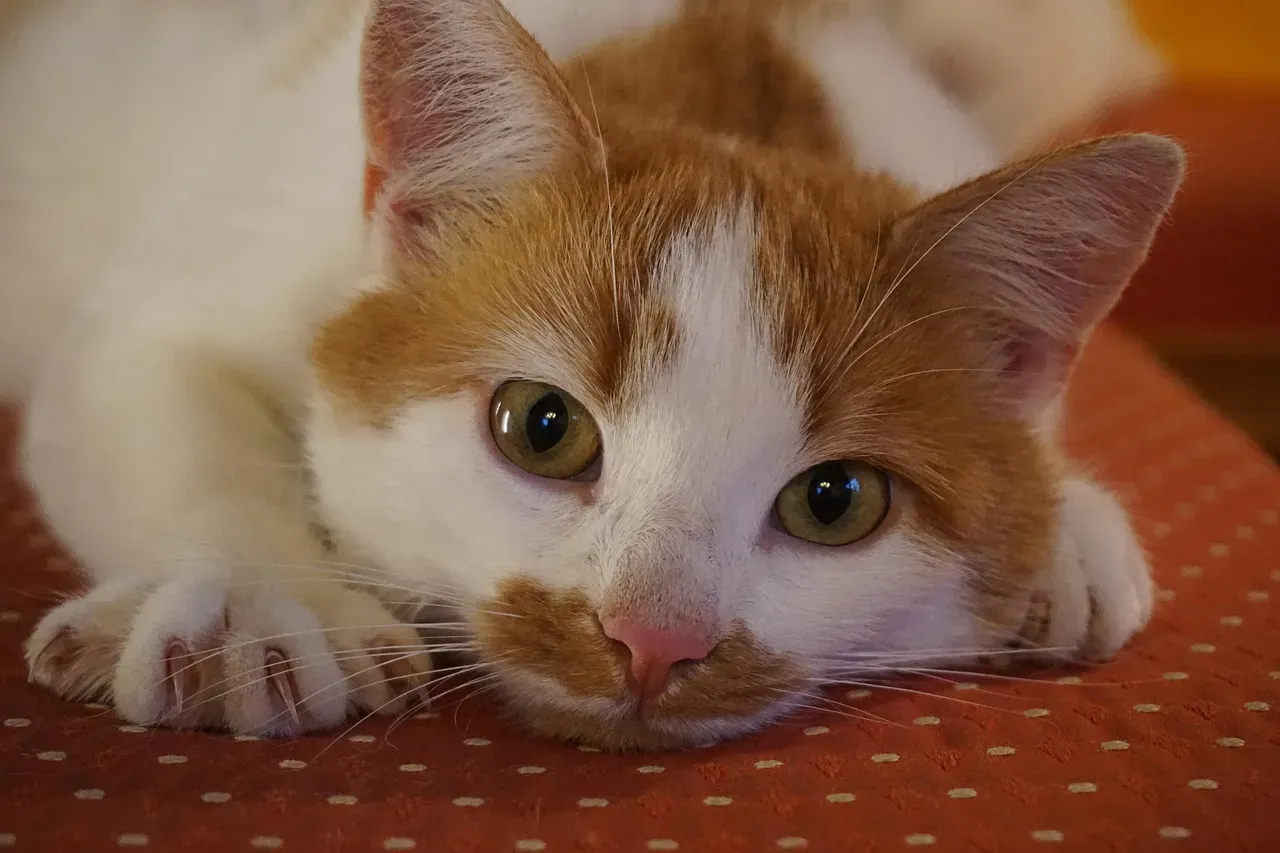
When a cat kneads on their owner, it can be painful if their claws are digging into your leg or your stomach. The better a cat feels, the harder he or she is likely to knead. Never discipline a cat for this behavior because they are not trying to hurt you. They are trying to show you how happy they are! Harder kneading actually means deeper love. Try to hold on to that thought while quietly wincing.
Keep your cat’s nails trimmed short to prevent injury to your skin and damage to your furniture from kneading. You can also place a blanket on your legs and stomach to provide a barrier between your skin and your cat’s claws if their kneading is uncomfortable for you. Remember that kneading is a natural behavior, and your cat needs an acceptable outlet to express their instincts. Rather than preventing your cat from kneading, you can redirect their behavior to an appropriate location. Simple, practical, and kind to both you and your cat.
Conclusion: Those Little Paws Are Saying Something Big
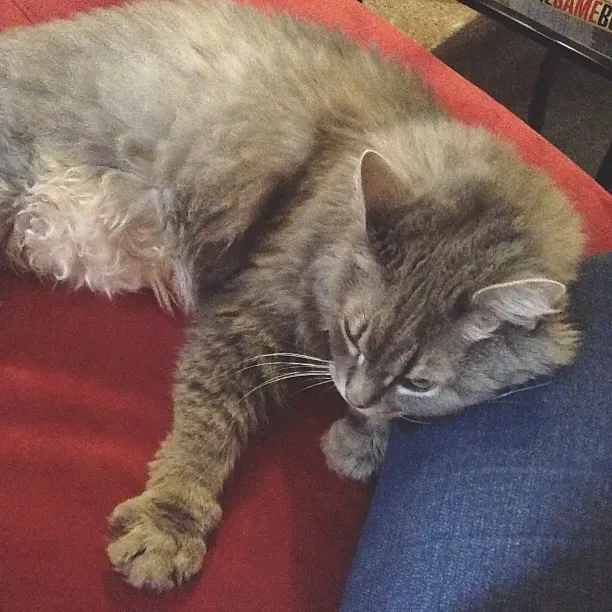
When your cat kneads you, it’s not random. It’s not weird. It’s actually one of the most layered and genuine forms of communication in the feline world. Every rhythmic push of those paws carries the weight of evolutionary instinct, early emotional memories, hormonal reward systems, and a very real form of love.
Your cat has, essentially, decided that you are their mother, their safe haven, their territory, and their comfort blanket all rolled into one. Cat kneading is a fascinating behavior that reflects the intricate instincts and evolutionary history of our feline companions. Whether rooted in their early experiences as nursing kittens, territorial marking, muscle stretching, nurturing tendencies, or inherited reflexes, kneading serves multiple purposes for cats. Understanding and appreciating this behavior can deepen the bond between cat owners and their pets.
So the next time your cat climbs on your lap and starts making biscuits with those tiny determined paws, maybe just let them. Grab a blanket, protect your thighs, and appreciate the moment for what it truly is. A small, purring creature telling you, in the only language it has, that you are its whole world. Did you ever expect something so scientifically fascinating to be hiding in something that looks so wonderfully silly? Tell us in the comments what your cat’s kneading habits are like!
Kristina is a young writer from India. An arts graduate and an avid content creator, Kristina is passionate about animals and wildlife. She enjoys exploring topics related to pet care, animal behavior, conservation, and nature, combining thorough research with engaging storytelling.