You love your cat. Probably more than you’d care to admit out loud. You’ve spent a small fortune on toys, premium food, maybe even a custom cat tree that takes up half the living room. So here’s a question that might genuinely rattle you – when was the last time you looked at your houseplants with the same level of care?
Most cat owners never do. Houseplants feel safe, natural, even wholesome. They clean the air, add colour to your home, and make the place feel alive. The dark irony is that some of the most popular, most beautiful plants you could bring through your front door are quietly capable of ending your cat’s life. You don’t need a rare exotic species to cause a catastrophe. Some of the deadliest offenders are the ones sitting on your windowsill right now. Let’s dive in.
1. Lilies: The Most Lethal Bloom You Can Own
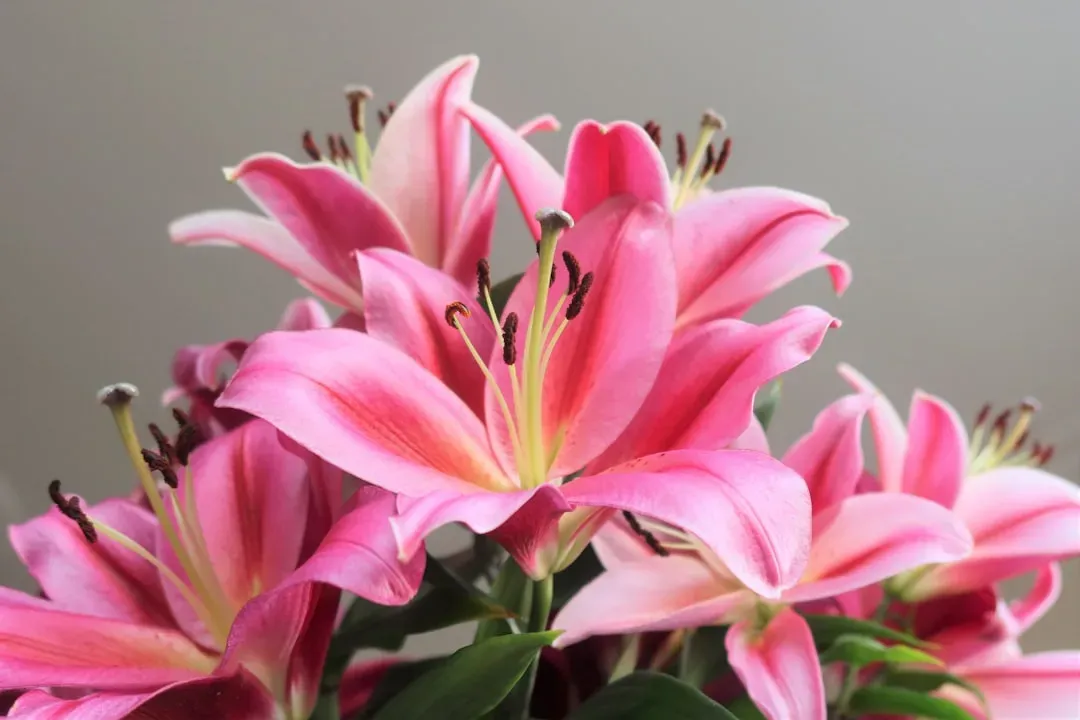
Let’s be real – lilies are gorgeous. They’re one of the most beloved flowers in the world, regularly gifted, regularly celebrated, and regularly kept in homes everywhere. That’s exactly what makes them so dangerous. Lilies are lethally toxic to cats. In fact, they are so poisonous that a cat can suffer fatal kidney failure just from biting into a lily leaf or petal, licking lily pollen from its paws, or drinking water from a vase containing cut lilies.
The timeline of lily poisoning is terrifyingly fast. Within 12 hours of ingesting the lily, symptoms begin to appear, including appetite loss, vomiting, lethargy, and drooling. After twelve hours, the toxin begins to damage the kidneys, and after about eighteen hours, that damage becomes irreversible. Think about that for a moment. Less than a day. There is no antidote for lily poisoning in cats, which means every single minute matters. If you suspect exposure, you drop everything and get to a vet immediately.
2. Sago Palm: The Tropical Deceiver With a Dark Secret

The sago palm has a beautifully exotic quality to it. Those feathery, arching fronds make any living room feel like a tropical retreat. Sago palm plants may look beautiful in your home or garden, but they hide a deadly secret for feline friends. These common ornamental plants are extremely poisonous to cats, with every part containing toxins that can cause severe liver damage within hours of ingestion. Honestly, it’s one of the most deceptively dangerous plants you’ll ever look at.
The mechanism of destruction is a toxin called cycasin. All parts of the sago palm plant are toxic, but the seeds are the deadliest. The main toxic compound is cycasin, which causes severe liver damage. Here’s the sobering truth about survival odds: even with intensive vet care, the survival rate is only about 50%. You wouldn’t gamble on those odds with your cat’s life, so the safest approach is simply to never bring a sago palm into your home.
3. Pothos: The Trendy Houseplant That Hides a Painful Sting
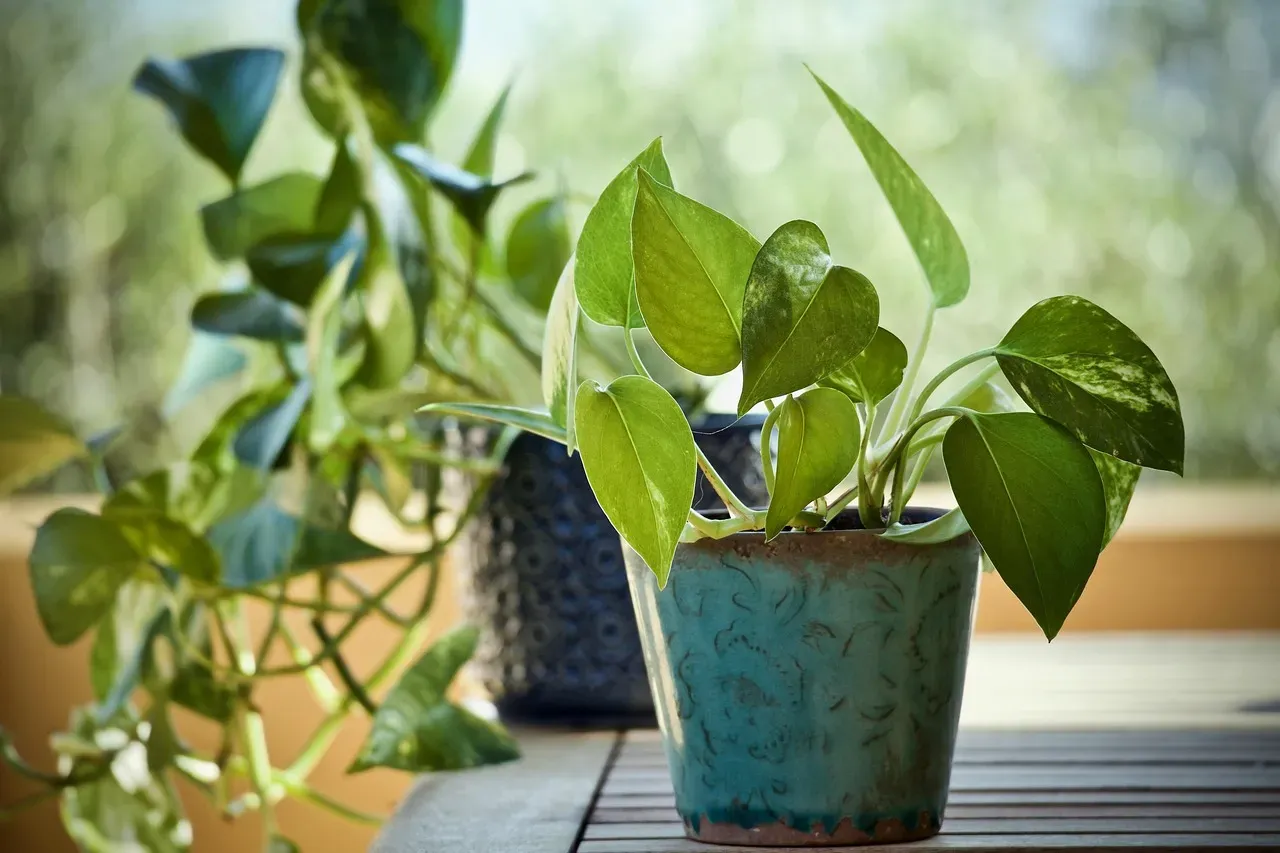
Pothos is everywhere right now. Interior designers love it, beginners love it, and social media absolutely adores its cascading green vines. Pothos, like monstera, can be found in many households because it is easy to care for and creates a stunning visual appeal. This plant has long stems that sometimes drape over and out of its container, making it appealing to cats who like to chew on plants. Therein lies the problem – it practically invites a curious cat to take a bite.
Pothos, also known as Devil’s Ivy, is a common houseplant that is easy to care for. However, it contains insoluble calcium oxalates that can cause oral irritation, excessive drooling, vomiting, and difficulty swallowing in cats. Imagine biting into something that feels like it’s made of tiny, invisible shards of glass. That’s a reasonable approximation of what your cat experiences when it chews on a pothos leaf. Some of the other symptoms your cat could have after nibbling on a pothos plant include swollen tongue and lips, difficulty swallowing, loss of appetite, excessive drooling, and vomiting. Not a plant worth keeping within reach of a curious feline.
4. Aloe Vera: When Your First Aid Plant Becomes a Feline Hazard
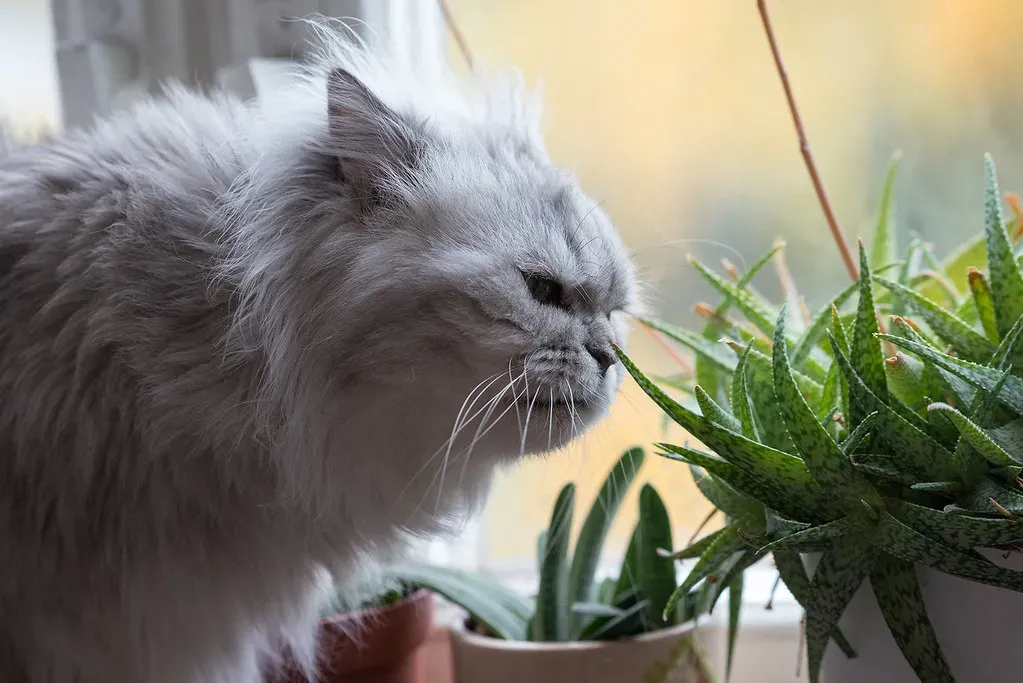
This one genuinely surprises people. Aloe vera has built a reputation as nature’s healer – you reach for it after sunburn, after a kitchen accident, after a scrape. It feels pure, helpful, and good. Though aloe vera is often a household staple, especially in the kitchen, where its healing powers can be employed at the ready, this plant is toxic to cats. That beloved succulent on your kitchen counter could make your cat very sick indeed.
Here’s the thing – the problem lies in what makes the plant tick chemically. The true aloe contains saponins, just like the snake plant. It also contains chemical compounds, called anthraquinones, that are produced by a variety of other plants. These compounds affect your cat’s digestive system and, along with saponins, can cause vomiting, diarrhea, abdominal pain, and other signs of gastrointestinal distress. Other aloe poisoning symptoms include oral irritation, urine that has turned red in color, depression, lethargy, and tremors, though this last symptom is rare. For a plant that’s supposed to soothe, it causes a remarkable amount of suffering in cats.
5. Snake Plant: The Indestructible Houseplant With a Hidden Bite
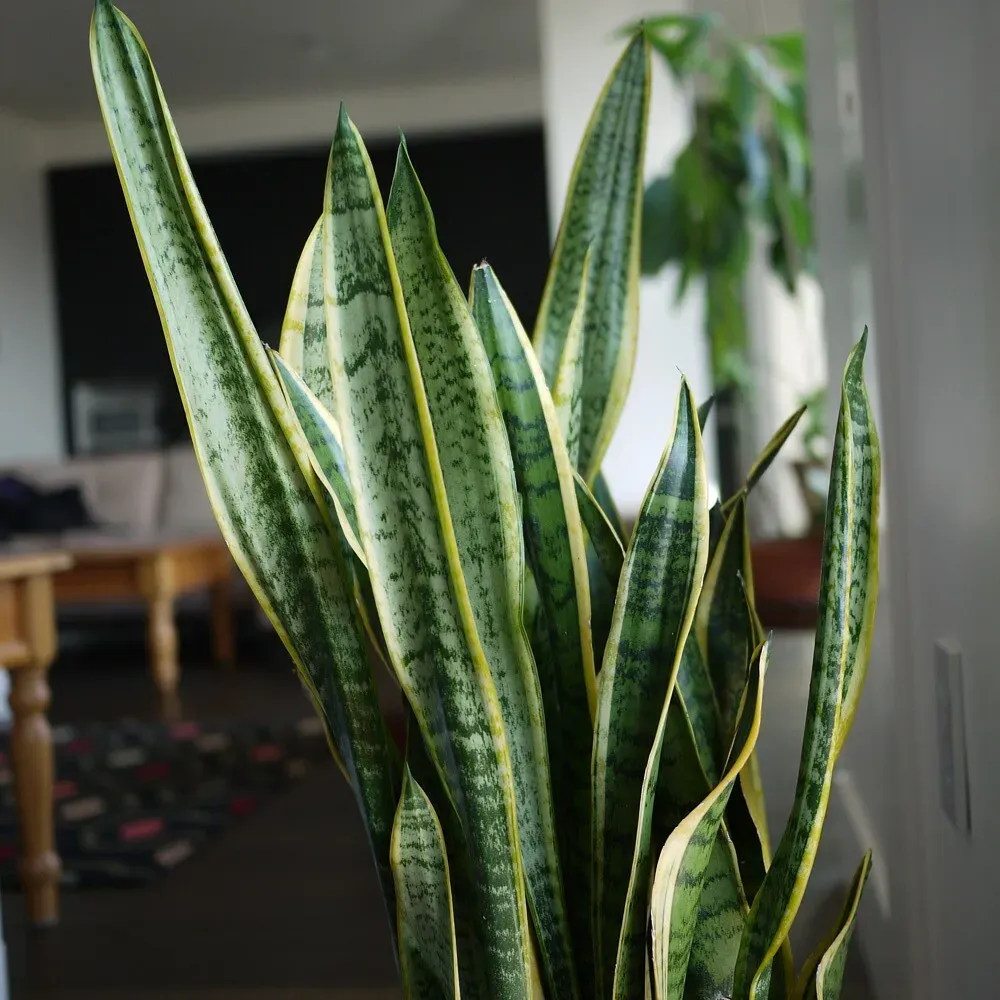
You could probably neglect a snake plant for a month and it would still be standing tall, looking perfect. That’s its appeal. The snake plant (Sansevieria trifasciata) is a resilient, low-maintenance houseplant with tall, snake-like leaves that grow straight up. It’s one of those plants that suits both the green-thumbed enthusiast and the chronically forgetful. Unfortunately, that reputation for toughness extends to the effect it has on your cat’s stomach.
The snake plant is a wildly popular hard-to-kill houseplant anyone can grow. However, snake plants contain chemical compounds called saponins, which result in feline nausea, vomiting and diarrhea if consumed or chewed on. The toxicity is generally considered less severe than plants like the lily or sago palm, but it’s still absolutely nothing to dismiss. If you suspect your cat has chewed on or eaten a snake plant, call your veterinarian or a hotline immediately. You’ll be given instructions based on the severity of the symptoms. A plant so stubborn it refuses to die should probably not be trusted around your cat.
6. Cyclamen: The Pretty Winter Gift That Can Stop a Heartbeat
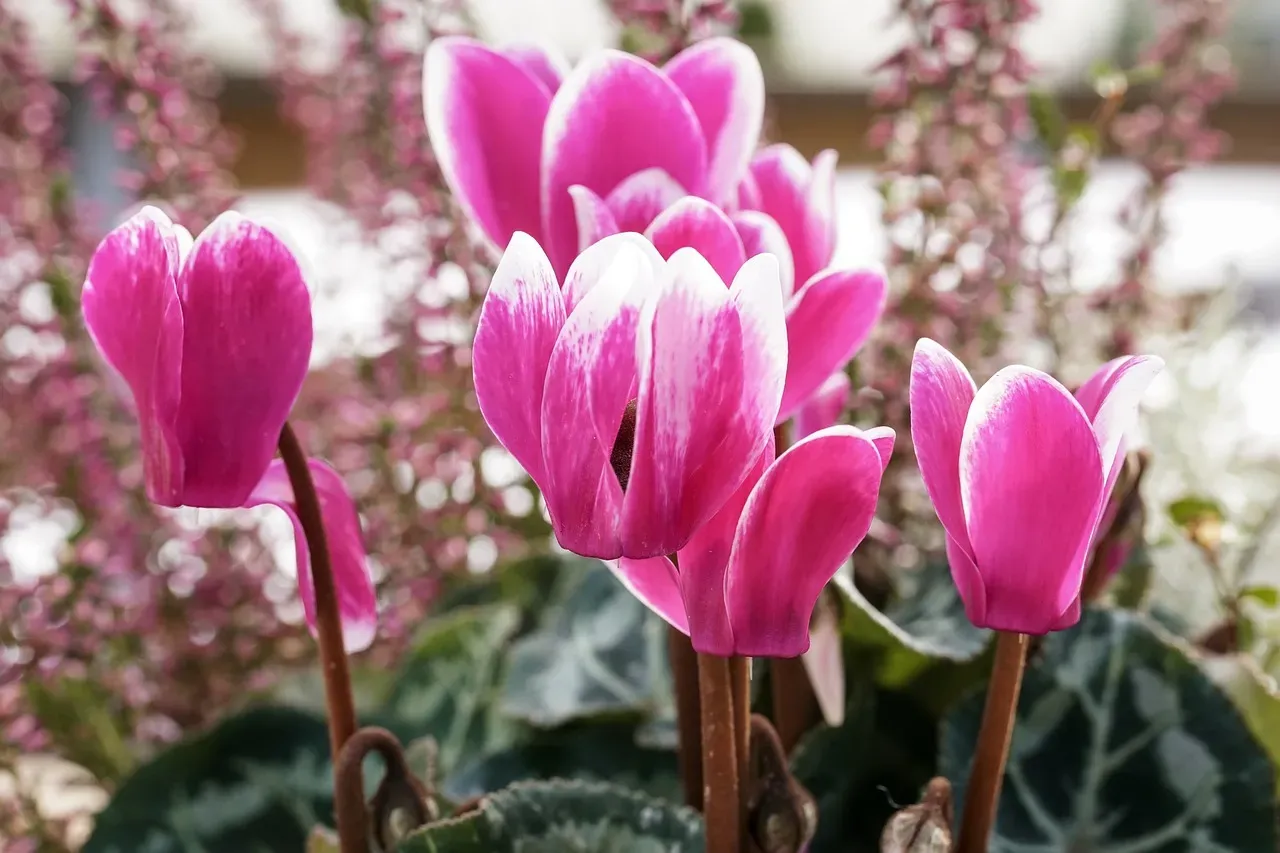
Cyclamen is the kind of plant that shows up during the winter months – wrapped beautifully, cheerfully gifted, placed on a sideboard or dining table where it brightens up the cold season. A common flowering plant that is often given as a gift, due to the beautiful flowers that typically blossom during the winter months, don’t let their beauty fool you, as they are very toxic. All parts of this plant, especially their parts below the soil, can be deadly to your cat.
The compound responsible for cyclamen’s toxicity is particularly sinister. Cyclamens contain saponins, also referred to as triterpene glycosides. All parts of the Cyclamen plant contain saponins, however, the tubers, the parts that are underground, contain the largest amount and therefore are the most toxic parts of this plant. What makes this especially alarming is the potential for cardiac involvement. When cats ingest large amounts of this plant, especially the tubers or roots, these toxins can cause cardiac problems, such as arrhythmias, meaning an irregular rate and rhythm of the heart. A pretty winter centrepiece that could cause your cat’s heart to malfunction – that’s not a risk worth taking for the sake of seasonal decoration.
Conclusion: Your Home, Your Responsibility
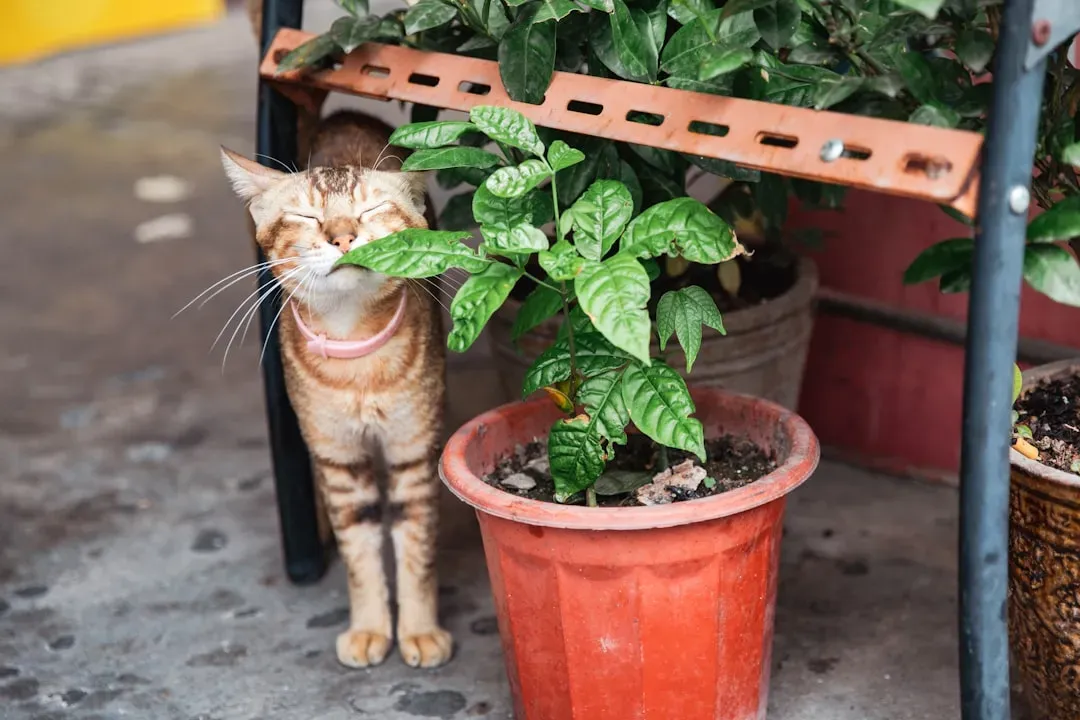
Here’s the uncomfortable reality that this article has been building toward: your cat doesn’t know what’s dangerous. Curious cats may nibble on leaves or flowers, exposing themselves to toxic substances that can cause mild irritation, severe health issues, or even death. Your cat trusts you completely and navigates your home with zero awareness of what the plants around it contain. That responsibility lands entirely on your shoulders.
The good news is that action is simple. Prevention is key to ensuring your cat’s safety. Research plants before bringing them into your home, opt for cat-safe alternatives, and keep toxic plants out of reach if you choose to have them. If you ever find yourself in doubt about whether your cat has been exposed to something toxic, contact either your local veterinarian or the ASPCA Poison Control’s 24-hour emergency poison hotline at (888) 426-4435.
A lush, beautiful home and a safe, healthy cat are not mutually exclusive goals. You just have to choose your plants as carefully as you choose everything else you bring into the life of someone you love. Take a look at your windowsill today – what would you change? Tell us in the comments.
Kristina is a young writer from India. An arts graduate and an avid content creator, Kristina is passionate about animals and wildlife. She enjoys exploring topics related to pet care, animal behavior, conservation, and nature, combining thorough research with engaging storytelling.