You probably noticed it happens in a split second. Your cat strolls into the room, locks eyes with you from across the floor, and you think – is that a greeting, or is it something else entirely? Cats are famously hard to read, especially for first-time owners who expect wagging tails and open excitement. The truth is so much more subtle and, honestly, so much more fascinating.
Every time your cat moves toward you, or chooses not to, a rich conversation is taking place in a language without words. The way their tail arches, the pace of their stride, what their ears and eyes are doing – it all adds up to a very clear message, if you know how to listen. So let’s dive in.
The Upright Tail Approach: Your Cat’s Version of a Wave
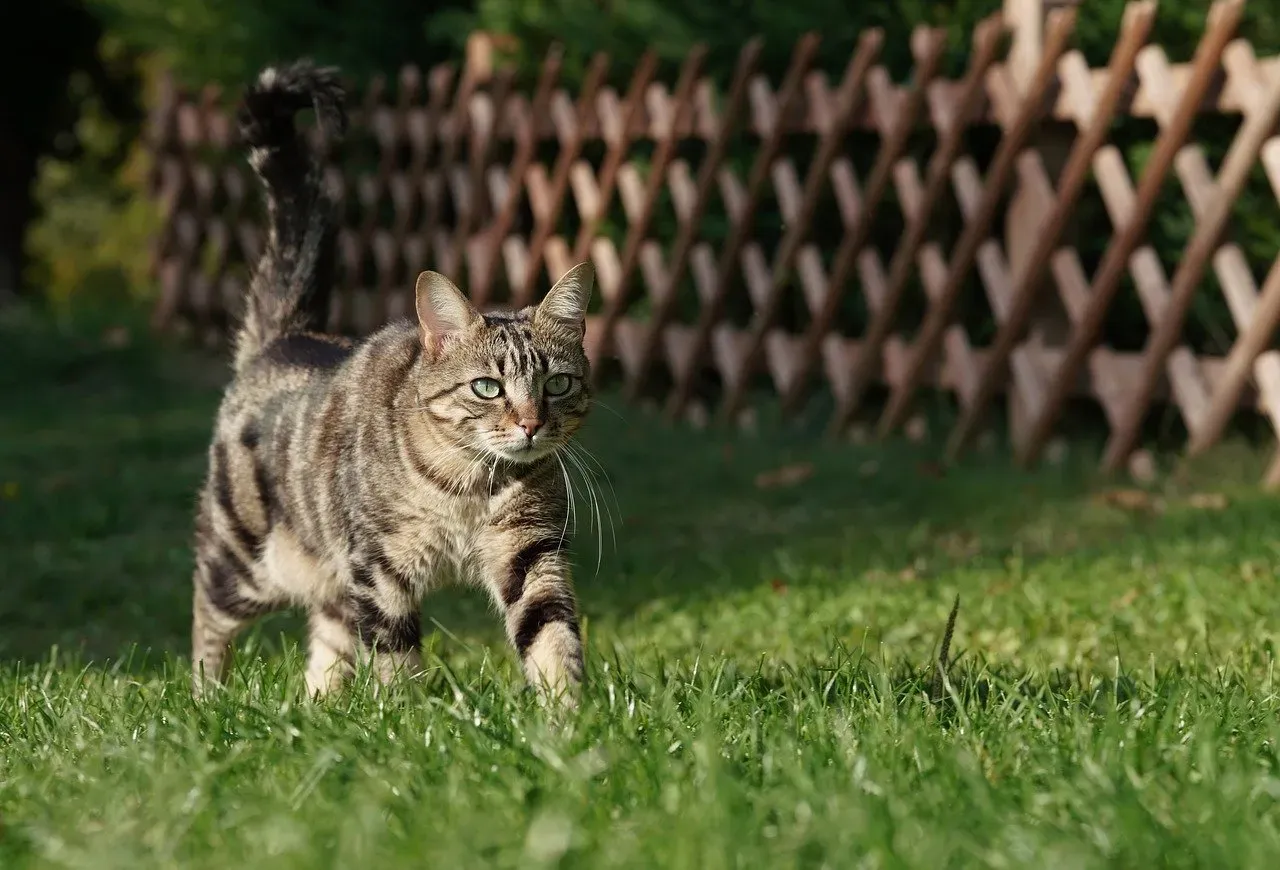
If your cat walks toward you with their tail pointing straight up toward the ceiling, consider yourself genuinely honored. When a cat’s tail is upright, they are feeling social and confident, and are approaching in a friendly manner. It sounds simple, but this single signal carries enormous emotional weight in the feline world.
Here’s the thing – this gesture actually originates from kittenhood. This cat tail language indicates a friendly greeting between cats, and it’s how kittens greet their mothers. So when your adult cat strolls over to you with that proud vertical tail, they are essentially treating you the way they once treated the one being in the world they trusted absolutely. That’s not nothing.
When greeting their owners, cats often hold their tails straight up with a quivering motion that indicates extreme happiness. That little quiver at the base? Think of it as the feline equivalent of a happy dance. A tail that points up accompanied with a quiver at the base of the tail is often an indication your cat is especially excited to see you.
The Question Mark Tail: An Invitation You Shouldn’t Ignore
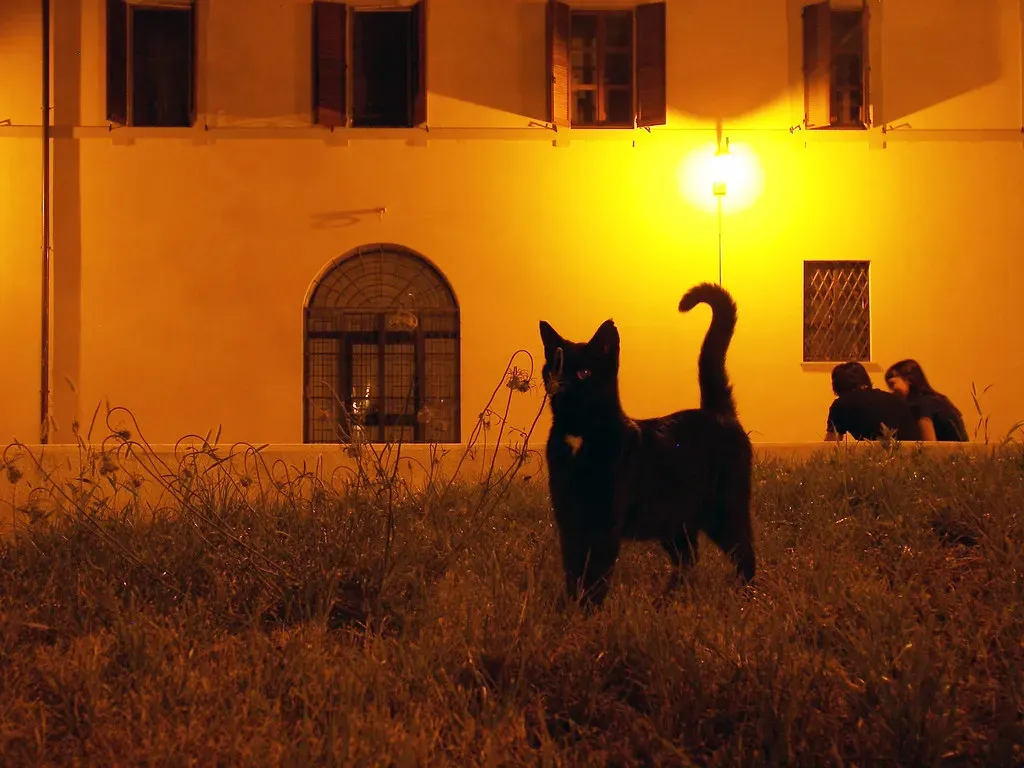
You may have seen your cat approach you with a tail that’s high but curled at the tip, like a giant fuzzy question mark. That shape is not random. You may notice that sometimes your cat’s tail looks like a question mark – it stands upright but curls at the end, and this cat tail language indicates that your cat is happy and approaching amicably. When your cat’s tail is in this position, it means it’s an invitation to interact with your cat.
Pet owners can relax when cats approach them with their tail high in this position: it’s a friendly greeting. Your cat is saying “I’m your feline friend.” A question mark tail may be accompanied by purring. Honestly, if you see this and you’ve got a free hand, reach out. Your cat is practically begging for a gentle chin scratch.
The Slow, Deliberate Walk: Quiet Confidence and Deep Comfort
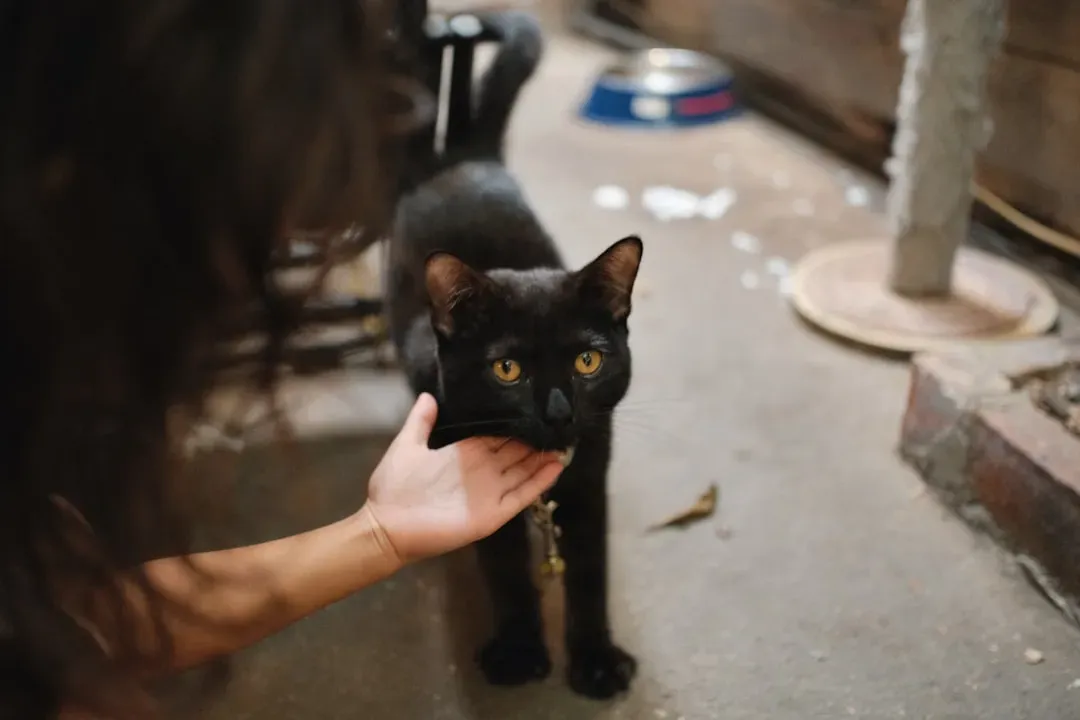
There is something almost regal about a cat that takes its sweet time walking toward you. No rushing, no urgency – just a slow, measured approach, as if they have all the time in the world. By approaching their owner slowly, a cat is signaling that they trust and feel comfortable around them. This slow approach allows the cat to gauge the owner’s reaction and ensure that they are in a safe and welcoming environment.
One of the most common reasons why a cat may slowly walk towards their owner is to show affection and seek attention. Cats are known to be independent creatures, but they also crave companionship and interaction with their human companions. Think of it like this – a nervous cat darts, a confident cat strolls. The slow walk is a declaration of peace. It’s your cat saying, “I have no reason to rush. I know you’re safe.”
The Headbutt Approach: When Your Cat Claims You as Family
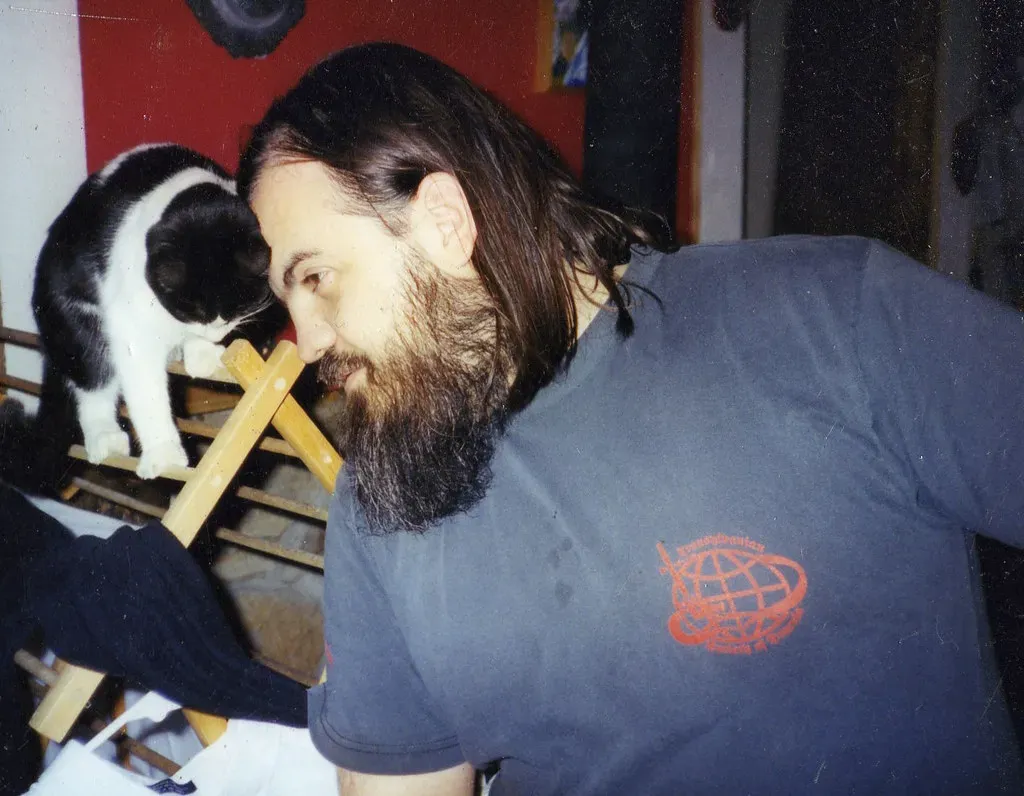
Few things in the cat world feel quite as disarmingly sweet as a cat walking straight up to you and pressing their forehead gently into your face, hand, or knee. This behavior is called bunting, and it carries more meaning than most people realize. Headbutting is a comforting, trusting behavior. It means they feel safe and relaxed with you, and even emotionally connected. It’s a highly vulnerable move.
When cats headbutt, they release pheromones from scent glands in their head area. This marks their territory and creates a familiar scent profile that helps them feel secure in their environment. In other words, your cat isn’t just saying hello – they are literally marking you as theirs, weaving your scent into the fabric of their safe world. If your cat headbutts you, take it as a compliment – they’re including you in their trusted circle.
Mother cats use gentle head bumps to guide and reassure their kittens, establishing this behavior as a fundamental form of positive communication from an early age. So in some ways, when your cat bunts you, they are reverting to one of the most primal, tender forms of communication they ever learned.
Approaching with Slow Blinking Eyes: The Feline Kiss
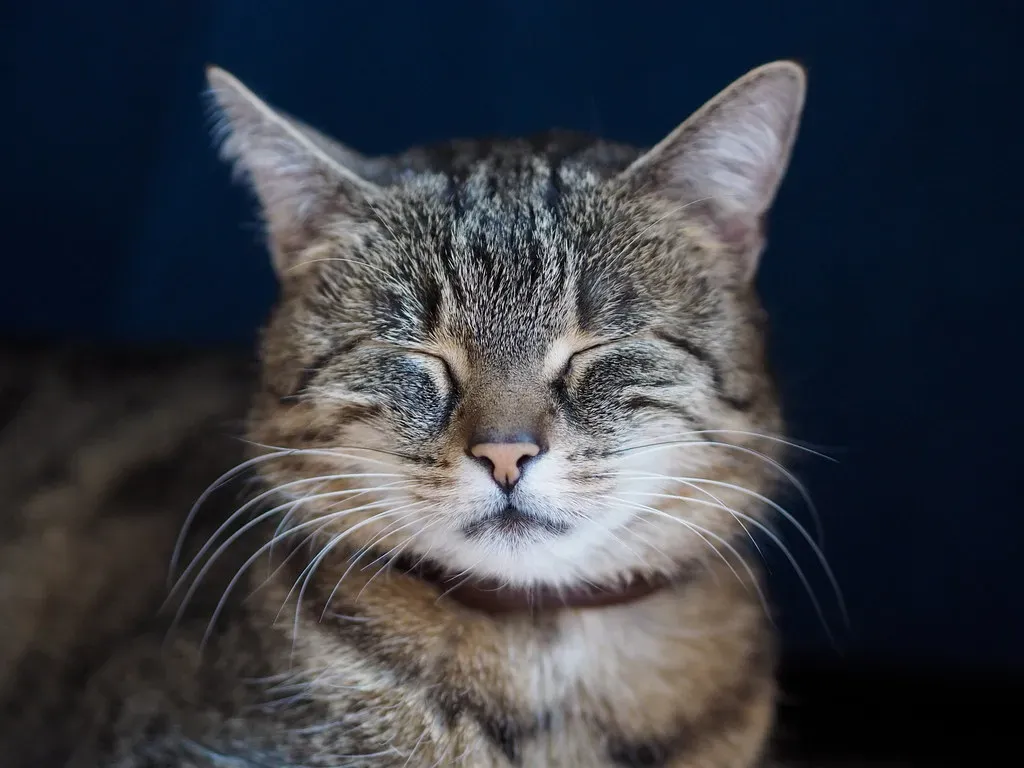
Sometimes a cat’s approach isn’t just about their body and tail. Their eyes tell the whole story even before they take a single step. Slow blinking is one of the most heartwarming signals in cat body language. Often called a “cat kiss,” this gesture reflects trust and relaxation. Many cats will return the gesture if you slow blink at them first.
In contrast to a direct stare, cats will lower their eyelids or slowly blink them to show trust and affection to their owners. When your cat walks toward you while delivering those long, lazy blinks, they are essentially approaching with arms wide open – in their own quiet, dignified way. If your cat is telling you through their body language that they feel comfortable and relaxed around you, you can tell them the same: slowly blink at them and move your head slightly to the side. If you’re lucky, your cat will do the same back.
The Run-Up Greeting: Pure Joy in Motion
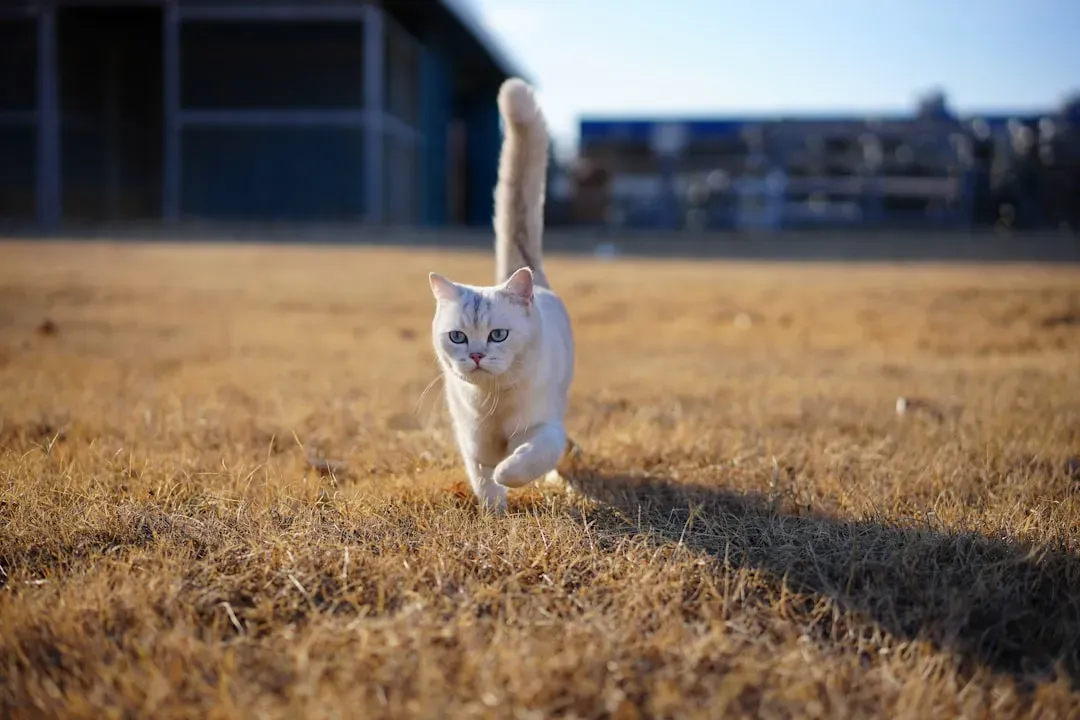
Occasionally, you will witness something that makes even the most seasoned cat person grin – the full-on sprint toward you the moment you walk through the door. No subtlety, no slow dramatic entrance. Just a cat at full speed, tail up, possibly vocalizing the whole way. If your cat comes running to greet you when you come home, it’s a good sign that your cat trusts you.
Meowing in greeting is a sign of affection and trust. Normal cat behavior does not much rely on actual vocalizations; instead, they mostly use body language, posture, and scent to communicate. So when your cat tears across the room to meet you and adds a meow on top of it? That is a double declaration of love and trust combined. Research shows cats adjust their body language and vocalizations when interacting with humans, using more eye contact and meows than they do with other cats. You are genuinely special to them.
Turning Their Back to You: Trust in Disguise
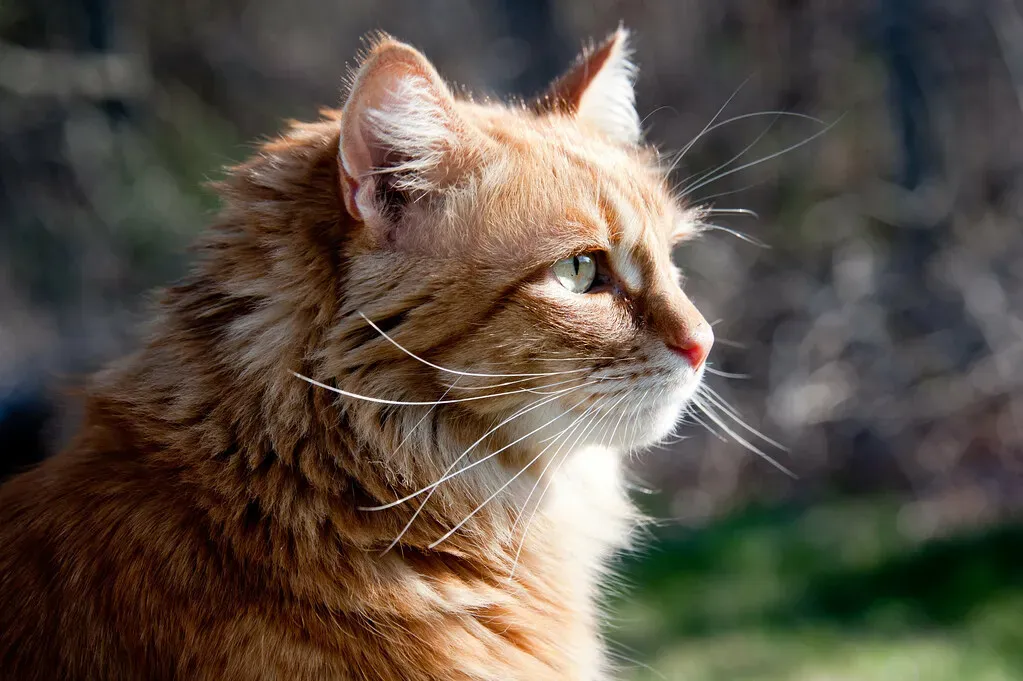
Here is a behavior that genuinely trips people up. Your cat approaches, sits down nearby, and then turns their back completely toward you. Insulting, right? Actually, the opposite is true. A cat who faces away from you may not necessarily be disinterested – their letting their guard down around you can also signal comfort and willingness to be touched, so get a feel for the context.
They will only turn their back on someone they trust. If your cat is in front of you, “presenting butt,” it means your cat trusts you. Think of it like this – prey animals in the wild never turn their backs on a threat. A cat showing you its back is essentially saying, “I have zero concerns about you being behind me.” That is a remarkable level of trust, even if it looks a lot like indifference.
The Crouched or Low Approach: Reading Anxiety and Fear
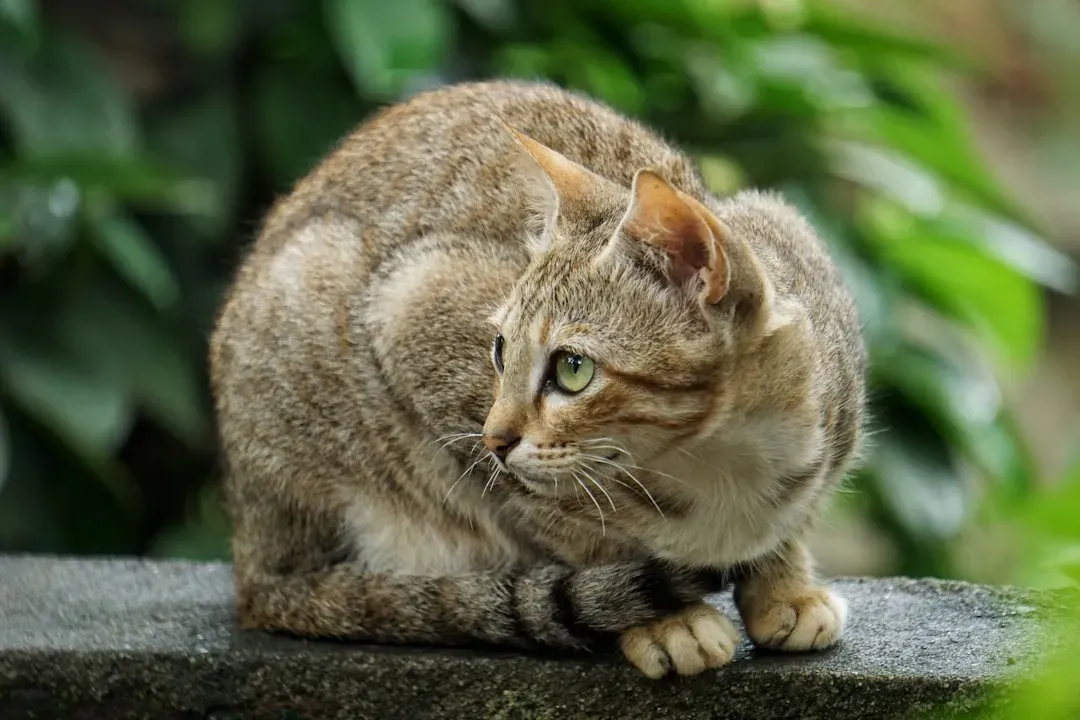
Not every approach from your cat signals warmth and connection. When your cat moves toward you low to the ground, body tense, tail either tucked or pressed down, the message is a very different one. A fearful cat is lying on its belly or crouching directly on top of its paws. Its entire body may be shaking and very near the ground when standing up, with breathing that is fast and legs bent near the surface, and its tail curled and very close to its body.
A cat may lower their tail below the level of their back if they are frightened or anxious. If your cat’s tail is tucked between their legs, then they are really scared or may be experiencing pain. If you see this kind of approach repeatedly, it’s worth slowing things down entirely. Cats are prey animals at heart, so quick steps or looming figures can trigger their flight response. If you walk by briskly, your cat might see it as a threat and bolt to safety. Sometimes the solution is simply being calmer and slower in your own movements.
Reading the Whole Picture: Why Context Always Matters
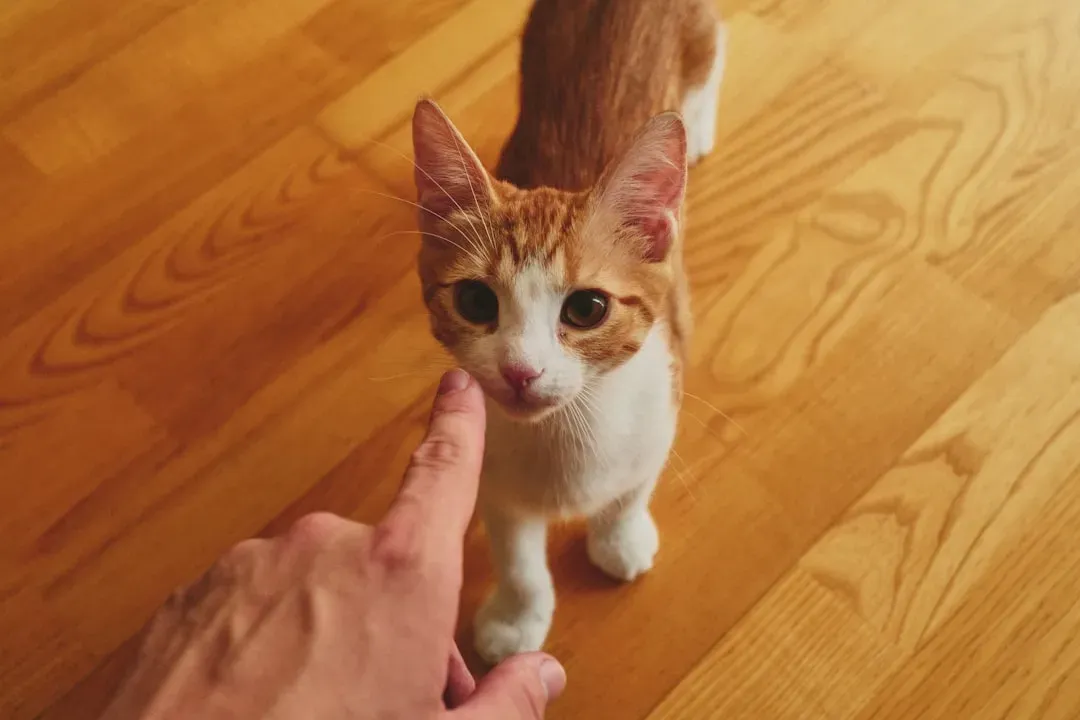
Here’s the most important lesson – you can never read just one signal in isolation. A wagging tail on a dog almost always means happiness, but on a cat, the rules are entirely different. Context matters immensely when interpreting cat body language. A single gesture can mean different things depending on the situation.
Usually cats use a combination of communication signals through their ears, eyes, and body posture. Think of it like reading a sentence – you don’t just look at one word. A tail up combined with relaxed eyes and soft ears means something completely different than a tail up combined with flattened ears and dilated pupils. Every cat is unique, and their behaviors are influenced by their individual personality, past experiences, and environment. By paying attention to your cat’s body language, vocalizations, and actions, you can learn to decode their silent language and better understand their needs.
When you learn to read these signals, you’re better equipped to respond appropriately, whether that means offering affection, giving space, or engaging in play. The more time you invest in learning your specific cat’s patterns, the richer and more rewarding that bond becomes. It is genuinely one of the most satisfying things about living with a cat.
Conclusion
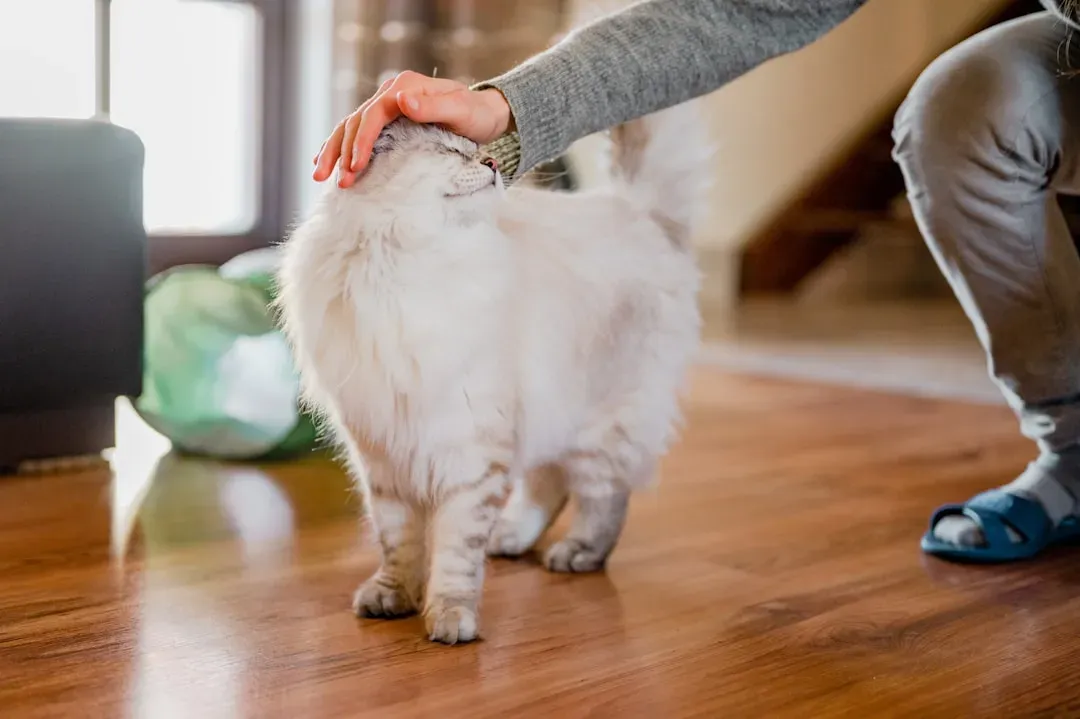
Cats are not emotionally closed off. They are not cold or unfeeling. They are deeply nuanced communicators who simply speak a language that requires patience and observation to understand. Every approach your cat makes – whether it’s a slow stroll, a full sprint, a headbutt, or even a quiet back-turn – is a window into exactly how they feel about you and about the world you share together.
The tail, the pace, the eyes, the posture: none of these signals exist in a vacuum. Together, they tell a story of trust either built, withheld, or still being quietly negotiated. The more attention you pay, the more your cat will open up. And once a cat truly trusts you, that bond is one of the most quietly extraordinary things you will ever experience.
So the next time your cat walks into the room and heads in your direction – take a second look. What do you think they’re really trying to say?
Kristina is a young writer from India. An arts graduate and an avid content creator, Kristina is passionate about animals and wildlife. She enjoys exploring topics related to pet care, animal behavior, conservation, and nature, combining thorough research with engaging storytelling.