City living keeps getting cozier, and millions of people are realizing that sharing a small apartment with the right cat is one of life’s genuine pleasures. Not a burden. Not a compromise. A genuine, purring upgrade. The question that stumps most prospective pet owners, though, is not whether to get a cat – it’s which cat to get.
Honestly, pick the wrong breed and you could end up with a restless, vocal creature doing laps around your studio at 3 a.m. Pick the right one, and you’ve got the perfect flatmate – calm, low-key, and absolutely delighted by a sunny windowsill. Veterinarians have a lot to say about this, and their insights might just surprise you. Let’s dive in.
Why Cats and Small Apartments Actually Work Well Together
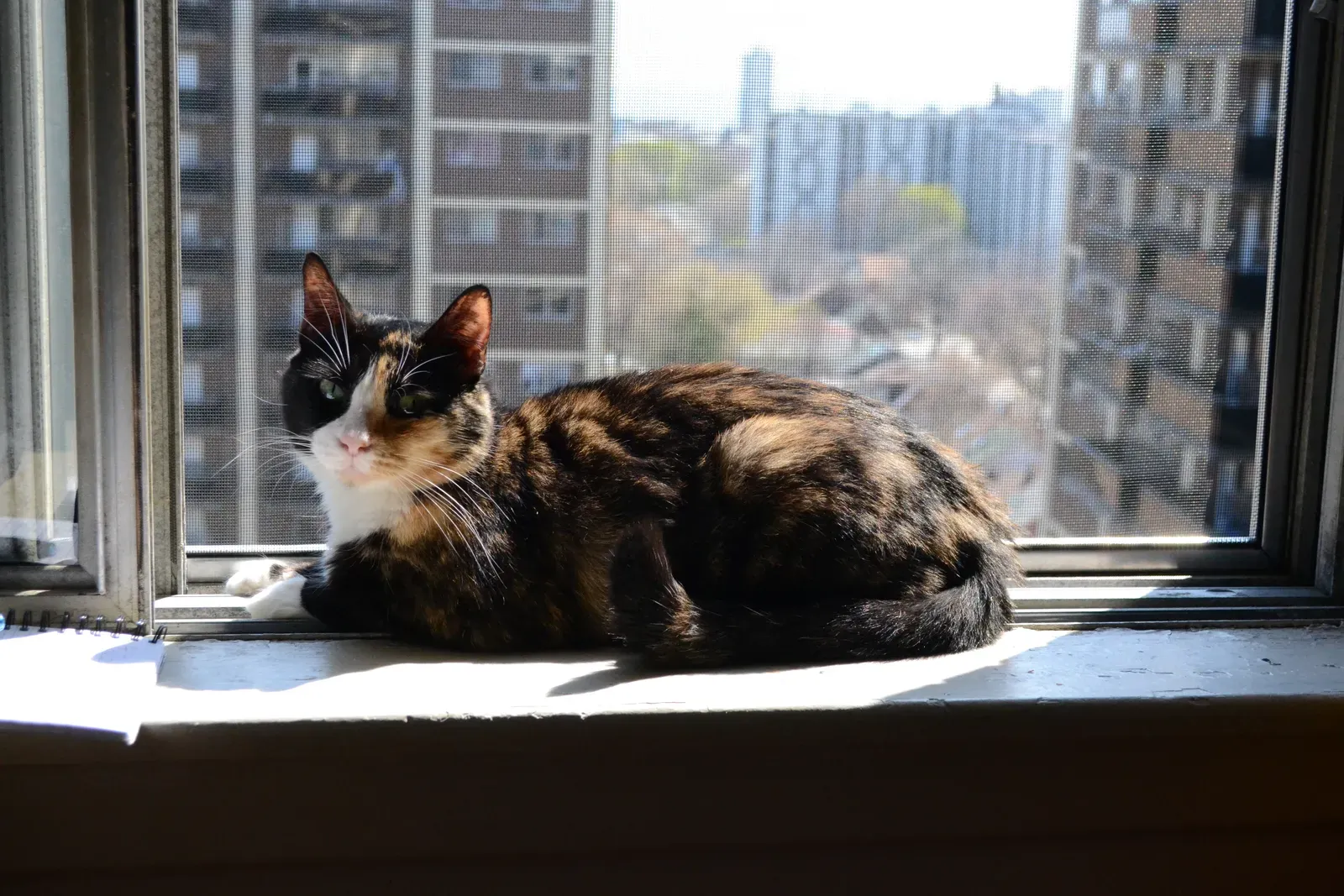
Let’s be real – cats have a reputation for being independent, and that reputation serves apartment dwellers extremely well. Dr. Ann Hohenhaus, senior veterinarian and director of pet health information at Schwarzman Animal Medical Center, explains that one of the biggest advantages of choosing a cat for a small home comes down to size. A cat simply takes up less room than most other companion animals, making the whole arrangement feel much more manageable from the start.
Cats also naturally gravitate toward high perches, which makes vertical space just as valuable as floor space – and a tall cat tree can instantly expand an apartment’s usability from a feline perspective. Think of it like this: while your apartment might only have 600 square feet of floor, adding a few vertical levels is essentially giving your cat a multi-story penthouse. That’s a clever workaround that most dog setups simply can’t replicate.
According to Dr. Liza Cahn, DVM, a veterinarian at Embrace Pet Insurance, most cats can thrive in apartments as long as they are provided with socialization, exercise, enrichment opportunities, and enough basic resources to avoid competition in multi-cat homes. Still, not every breed is wired the same way, and that distinction really does matter.
The Ragdoll: A Gentle Giant Made for Cozy Living
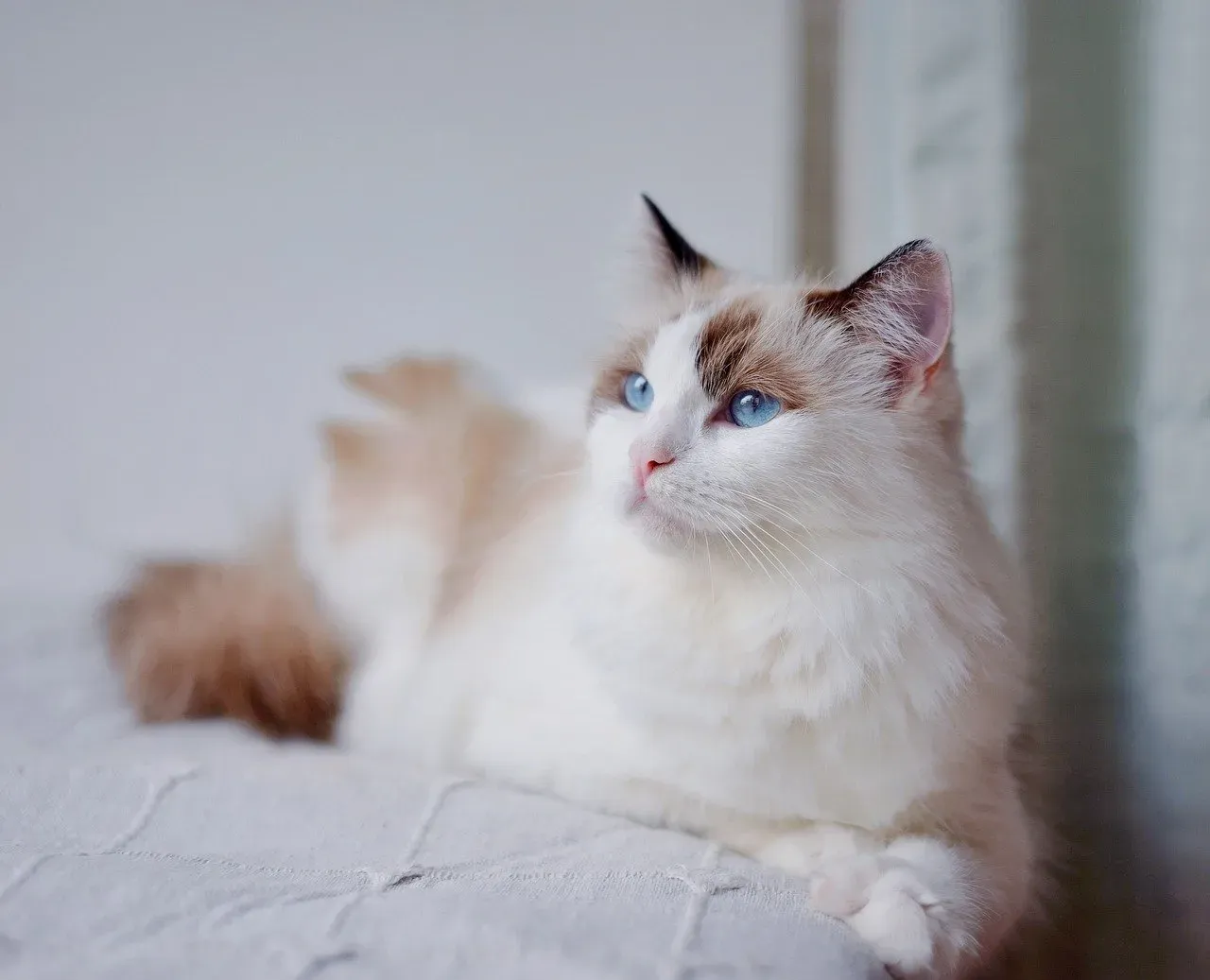
If you’ve ever imagined having a cat that flops into your arms like a stuffed animal, the Ragdoll is exactly that. Ragdolls are gentle giants who go limp when picked up, hence their name, and they are incredibly affectionate and thrive on companionship without tending to be destructive – content to nap and cuddle, making them ideal for apartment living. That kind of temperament is a genuine gift in a small space.
A Ragdoll’s personality makes it one of the best cat breeds for apartment living, even though these cats are on the larger side – Ragdolls love companionship, thrive in cozy apartments, and are happy to lounge with their people. Their size might give you pause at first, but what they lack in compact dimensions they more than make up for in sheer laid-back energy. This breed is also welcoming of guests and other pets, and since they are low in energy and don’t require much exercise, they are ideal for owners with a busy work schedule.
The British Shorthair: The Apartment’s Ideal Roommate
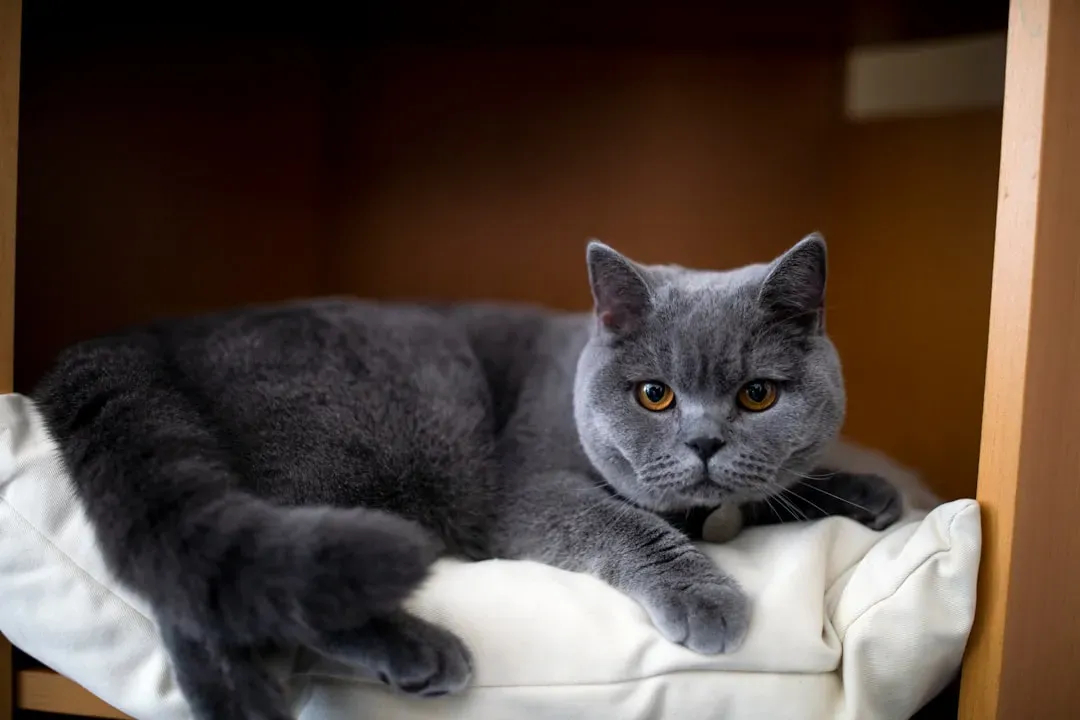
There’s a reason the British Shorthair keeps appearing at the top of nearly every vet-approved apartment cat list. These cats tend to be reserved, calm, and gentle, and are less likely than some other breeds to meow for attention or get hyper-energetic – and they are not known for being big climbers. For anyone living in a shared building where noise travels, that last point alone is worth its weight in gold.
Their balanced energy level suits apartment life particularly well – while kittens can be playful and need interaction, adults mellow into relaxed cats that enjoy short play sessions and plenty of downtime, often entertaining themselves without demanding constant attention. Think of them as the cat equivalent of a good book companion: present, calm, and never overwhelming. British Shorthairs are a breed to consider if you’re looking for a low-maintenance cat, since the short hair won’t require much grooming, and they can even be left alone for longer periods compared to other indoor cats.
The Russian Blue: Quiet, Rare, and Remarkably Self-Sufficient
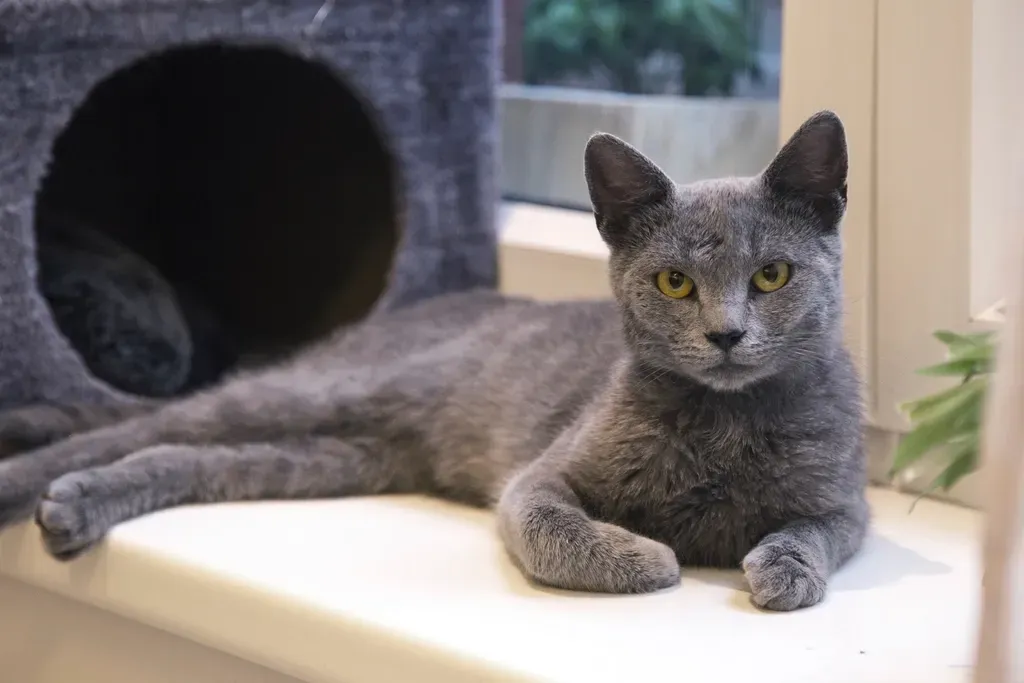
Here’s a breed that doesn’t get nearly enough attention, and that’s somewhat fitting because the Russian Blue itself tends to keep things quiet. This breed is often known for being independent and aloof, and their quiet nature makes them excellent pets for those living in small apartments or shared spaces – they bond deeply with their owners but can be shy around strangers. That natural reservation toward outsiders actually makes them wonderfully suited to apartment life, where your space is your sanctuary.
Russian Blues are quiet and relaxed, independent enough to be left for the day but still enjoying playtime when you get home – tranquil and a little withdrawn, making them perfect companions for a cozy and calm apartment. They are also considered a good choice for allergy sufferers, as Sphynx cats and Russian Blues are top choices for lower allergen levels. If you spend long hours at work and want a cat that won’t stage a dramatic protest every time you leave, a Russian Blue is honestly hard to beat.
The Scottish Fold and Persian: Charm Meets Calm

The Scottish Fold is one of those breeds that looks like it was designed specifically for apartment aesthetics. The Scottish Fold is a distinctive indoor-friendly breed famous for its folded ears and round, expressive eyes – known for its even-tempered nature and suitability for family environments, it is affectionate, people-oriented, and calm, making it well-suited to apartment and home living. They also have a charming habit of following their people from room to room, which in a small apartment means they’re never far from the action.
The Persian, on the other hand, is the definition of unhurried elegance. Famous for its flat face, round eyes, and luxurious coat, this calm and affectionate cat prefers quiet homes and close bonds with its family – well-suited to indoor living, Persians are independent yet people-oriented and happy to lounge on furniture or curl up beside their favorite humans rather than climbing or exploring high spaces, with their low-energy nature making them ideal for apartments. One important note worth flagging: daily grooming is essential to maintain their thick, flowing coat and keep shedding manageable. If you’re prepared for that small trade-off, a Persian in an apartment is a genuinely beautiful match.
The Burmese: Small Space, Big Personality
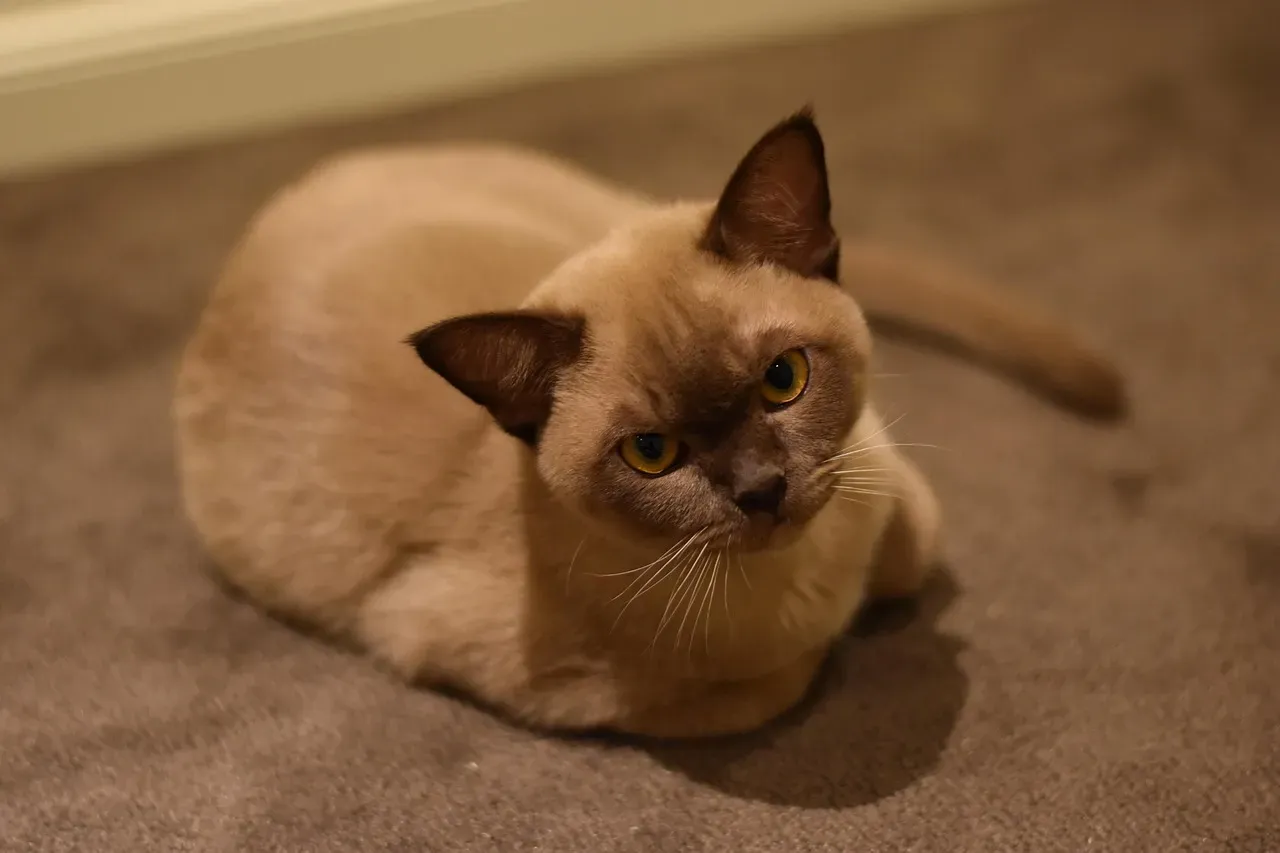
If you want a cat with genuine warmth and personality without the chaos of a high-energy breed, the Burmese deserves serious consideration. Burmese cats are known for being loving and affectionate, playful into adulthood but not overly hyper – they thrive on companionship and are content in smaller homes as long as they have human interaction. That balance between playful and settled is surprisingly rare and incredibly valuable in compact living.
These cats adapt beautifully to indoor routines, happily balancing athletic play with long cuddle sessions, and are sturdy without being demanding, making them easy to manage in apartments or smaller homes – social by nature, Burmese cats bond deeply with their families and prefer not to be left alone for long stretches, and a notable fact about the breed is its long lifespan, offering many years of loyal companionship. Think of a Burmese as someone who genuinely enjoys your company but won’t burn the house down if you step out for a few hours.
What Vets Say About Setting Up the Perfect Apartment for a Cat
Choosing the right breed is only half the equation. How you set up your space matters just as much. While small homes require some creative arranging, a roomy litter box and clear separation between food and toileting areas remain essential – litter boxes and feeding areas should be as far apart as practical. In a studio apartment, that might take a little ingenuity, but it’s entirely doable.
Providing vertical spaces like cat trees and shelves can maximize your cat’s living area and keep them entertained without taking up floor space. Vets also caution that behavior remains the clearest window into how a cat is actually coping with its environment. According to Dr. Hohenhaus, behavior is the clearest indicator of discomfort, noting that an unhappy cat will not eat, will hide or refuse to use the litter box, or will use every opportunity to try and escape. Spotting those signs early makes all the difference between a thriving cat and a stressed one.
The great news for apartment dwellers is that the right cat doesn’t just tolerate small-space living – it genuinely flourishes in it. From the cloud-soft Ragdoll to the quietly self-possessed Russian Blue, there is a breed calibrated for almost every personality and lifestyle. The key is doing the research before falling in love with a pair of eyes at the shelter window.
Vets are consistent on one point: temperament, energy level, and adaptability matter far more than size. It is important to choose a breed that is a good match with your living environment for both of your well-being, and within any breed, each individual cat is unique, with a whole spectrum of temperaments possible. So whether you live in a cozy one-bedroom or a micro-studio, there is almost certainly a feline companion out there who will look at your four walls and think, yes – this is exactly enough.
What kind of apartment cat do you think suits your lifestyle best? Drop your thoughts in the comments below – you might just inspire someone else to find their perfect match.
Kristina is a young writer from India. An arts graduate and an avid content creator, Kristina is passionate about animals and wildlife. She enjoys exploring topics related to pet care, animal behavior, conservation, and nature, combining thorough research with engaging storytelling.