You think you’re in charge. You set the feeding schedule. You bought the bed, the toys, the treats. You even chose the cat. Didn’t you? Well, here’s the thing – science strongly disagrees with your confidence. Cats have been quietly, brilliantly, and shamelessly running the show for thousands of years, and most of us are only just catching on.
What makes this whole situation so fascinating isn’t just that cats manipulate us. It’s how they do it – with precision, charm, and an almost eerie understanding of what makes us tick. You’re about to discover eight surprisingly genius tactics your cat uses on you every single day. Be prepared to look at your fluffy roommate very differently.
1. The Cry Hidden Inside the Purr
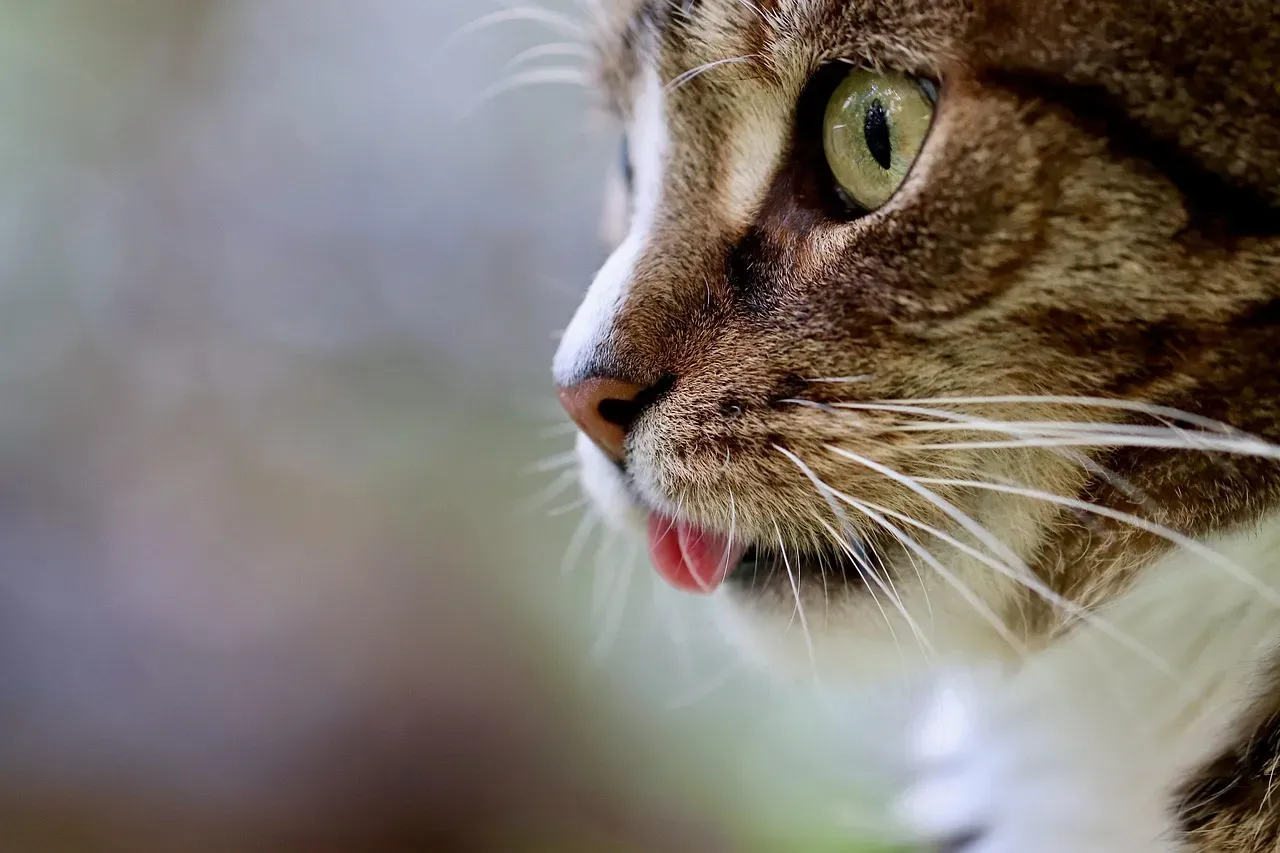
This one is almost too clever. When your cat is hungry and wants food now, they don’t just purr. They purr in a strangely plaintive way that you find difficult to ignore, and researchers at the University of Sussex discovered why – embedded within those low purring sounds is a high-pitched signal that sounds like a cry or a meow. It’s basically a wolf in sheep’s clothing, except furrier and sitting on your kitchen counter.
This extra sound sits at a frequency of around 380 Hz, which is more like a cry or a meow – and the frequency is actually very similar to that of a crying infant, which explains why it tugs so powerfully on human heartstrings. Your cat has essentially figured out how to press your parental instinct button on demand. Honestly? That’s genius-level manipulation, and you’ve been falling for it every morning without even realizing it.
2. Reading You Better Than You Read Them
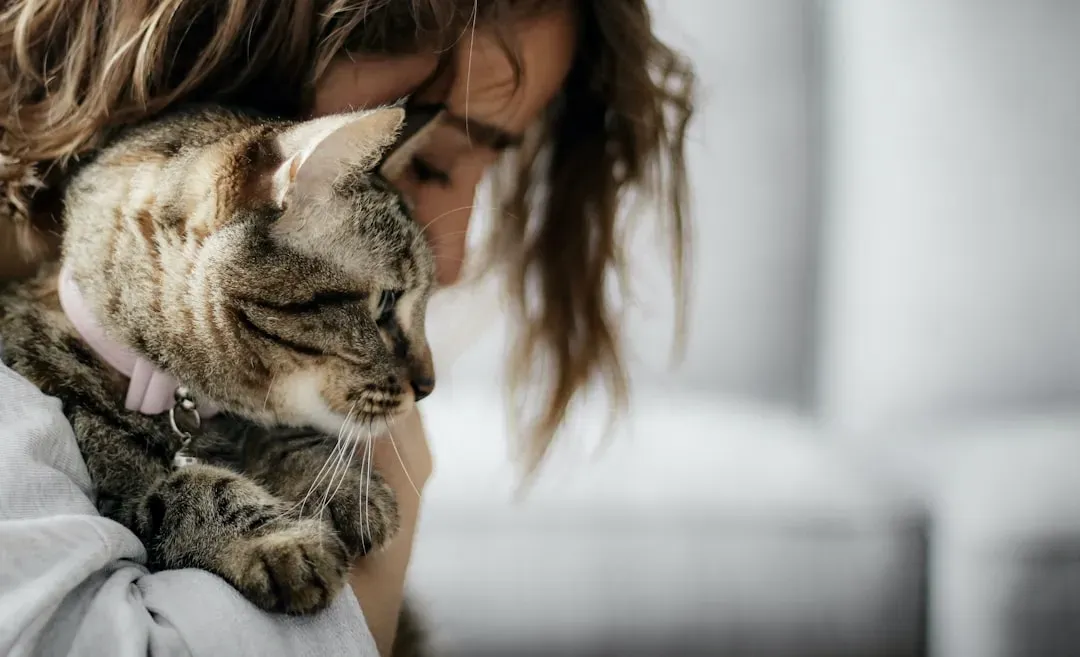
Cats have evolved alongside people, allowing them to observe human behaviors, and they use these observations to develop manipulative behaviors that get the desired results – through a process called social referencing. Think of it like this: your cat is quietly studying you the way a chess grandmaster studies an opponent. Every reaction you give becomes useful data.
Cats can observe your behavior through social referencing – something children learn and use right into adulthood. It’s what happens when you’re in an unfamiliar situation and use the reactions of the people around you to inform your own behavior. The fact that your cat does this too says a lot about just how sophisticated their intelligence really is. They’re not randomly bothering you – they’re running calculations.
3. The Slow Blink That Melts You Every Time
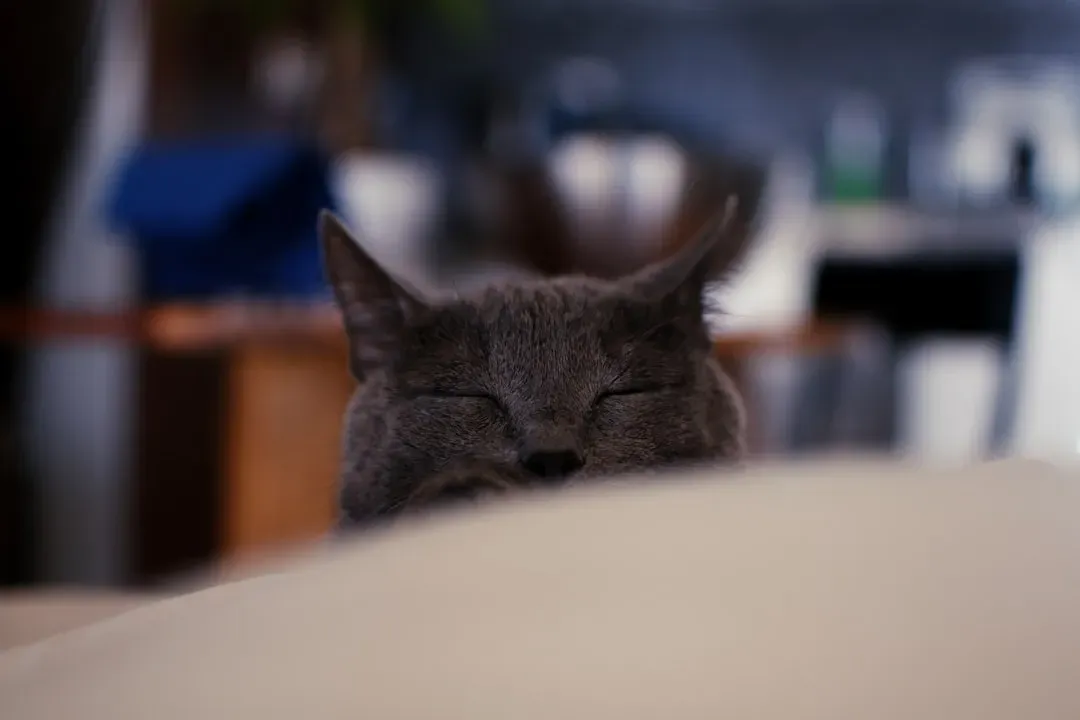
If your cat has ever given you a slow blink, you’ve just been manipulated into feeling loved. Studies show that cats use slow blinking as a way to bond with humans, signaling trust and affection while also ensuring more attention and care. It feels warm and intimate – because it is, but it also serves a very practical purpose for your cat. You pet them more. You talk to them more. You give them more of everything.
Researchers found that when humans slow blink at cats, the cats are more likely to approach and return the gesture. So you’re not just being manipulated – you’re actively participating in the manipulation by blinking back. It’s a beautifully constructed loop where your cat gets affection and you get the warm fuzzy feeling of a “special moment.” Everybody wins, but your cat wins a little more.
4. The Meow That’s Designed Specifically for You
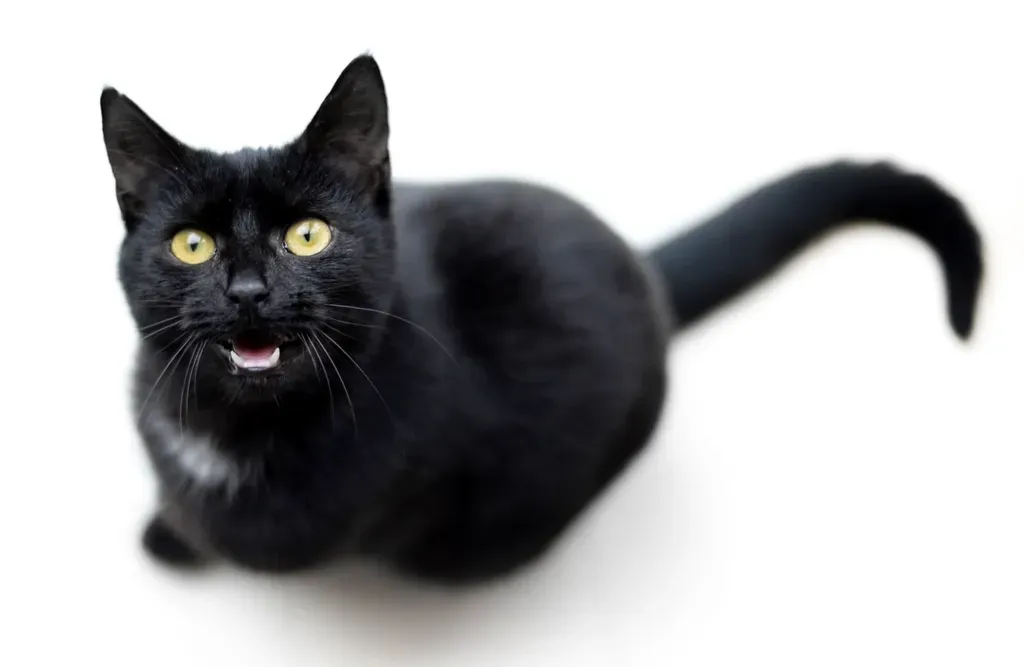
Here’s something that might genuinely surprise you: adult cats almost never meow at each other. A study from Nature found that cats developed unique vocalizations to communicate with humans, while wild cats rarely meow at each other. That means every meow you hear is essentially tailor-made for human ears – yours specifically. Your cat has developed a personal language just to get a response out of you.
According to science, cats understand how to meow to get what they desire. One study in the Journal of Comparative Psychology revealed that the most urgent meows were much longer and vocalized at lower frequencies, while pleasant meows were shorter with energy at both high and low frequencies. Cats don’t understand the meaning of their meows, but they do know which meows elicit which human behaviors. That’s trial-and-error learning at a remarkably high level.
5. The Baby Face That Bypasses Your Rational Brain
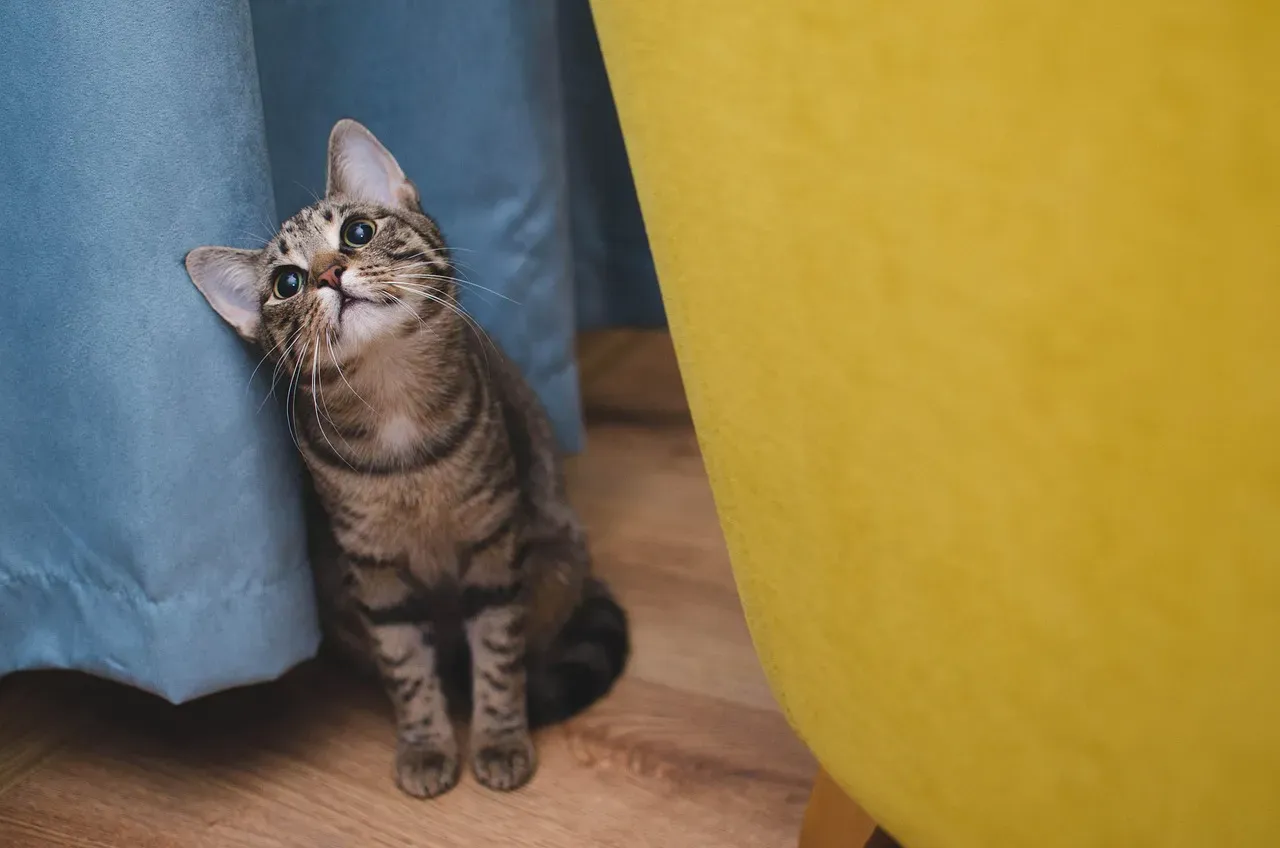
You think your cat is cute because, well, they just are. Turns out, there’s a far more scientific explanation for your helpless adoration. According to research in Frontiers in Psychology, cats have physical traits that resemble those of infants – referred to as kinderschema or baby schema, a concept coined by ethologist Konrad Lorenz – which includes a large head, a round face, and big eyes, traits that increase perceived cuteness and motivate adults to nurture and give more attention. Your cat’s face is quite literally designed to disarm you.
The study determined that cats elicit this nurturing behavior in humans, which researchers confirmed by manipulating pictures of cats, dogs, and babies – increasing and decreasing their baby schema traits. So when you look at your cat and feel an overwhelming urge to protect and pamper them, that’s not a personal quirk. That’s biology being expertly exploited. Your cat didn’t even have to try – evolution did the work for them.
6. Copying You to Connect With You
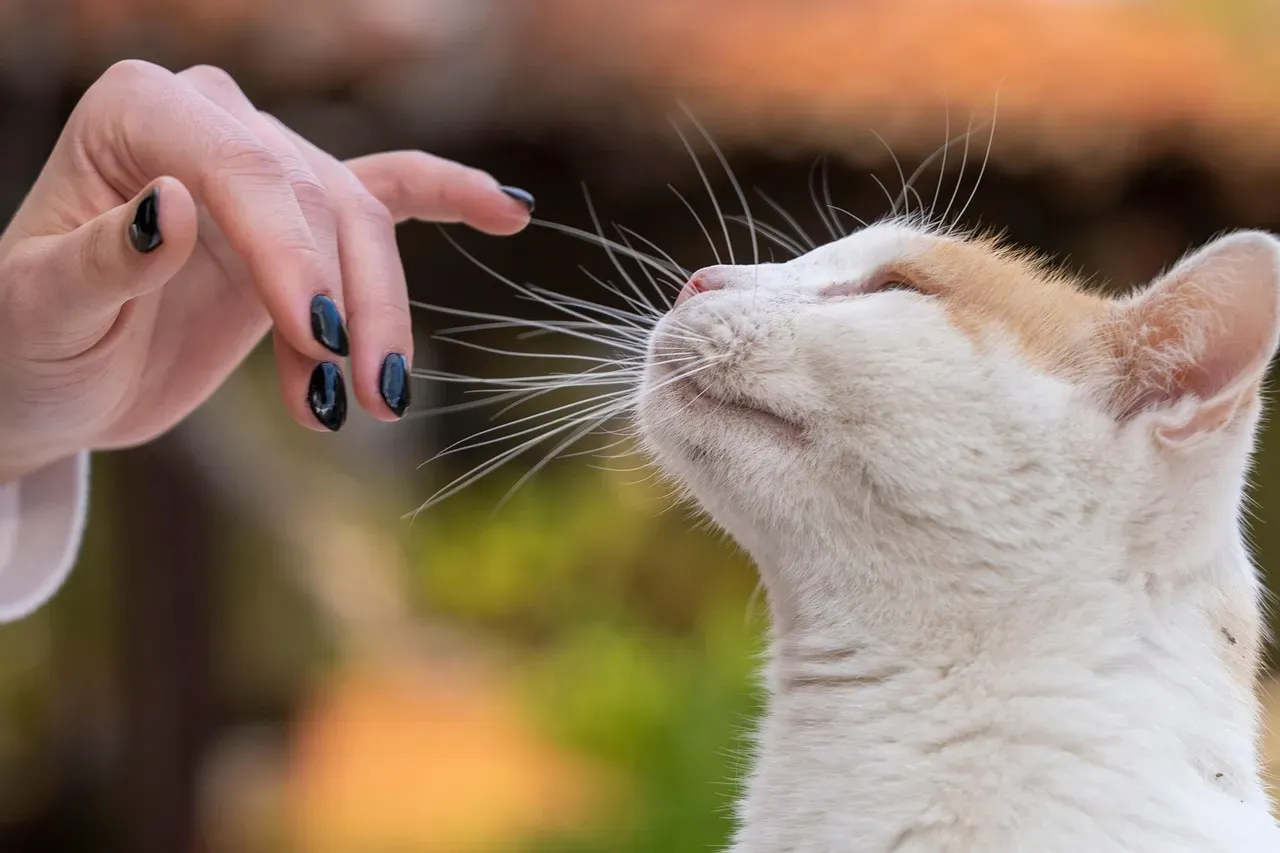
I know it sounds crazy, but your cat might actually be imitating you. In a remarkable scientific demonstration published in Animal Cognition, a cat named Ebisu was studied for her ability to mirror her owner’s actions. Ebisu could copy familiar actions like opening a plastic drawer, and when her owner raised her hand and touched a cardboard box or bent down and rubbed her face against it, Ebisu accurately copied her owner more than 81% of the time across 16 subsequent trials. That’s not luck – that’s intentional mimicry.
Previously, only dolphins, parrots, apes, and killer whales had been shown to imitate people, so cats having the same ability suggests it may be widespread in the animal kingdom, evolving early in animal evolution. Think about what this means for your relationship with your cat. When they seem to “get” you, they might genuinely be learning from you and using that knowledge to deepen the bond – which, predictably, makes you more generous and attentive toward them.
7. Escalating the Ask Until You Cave
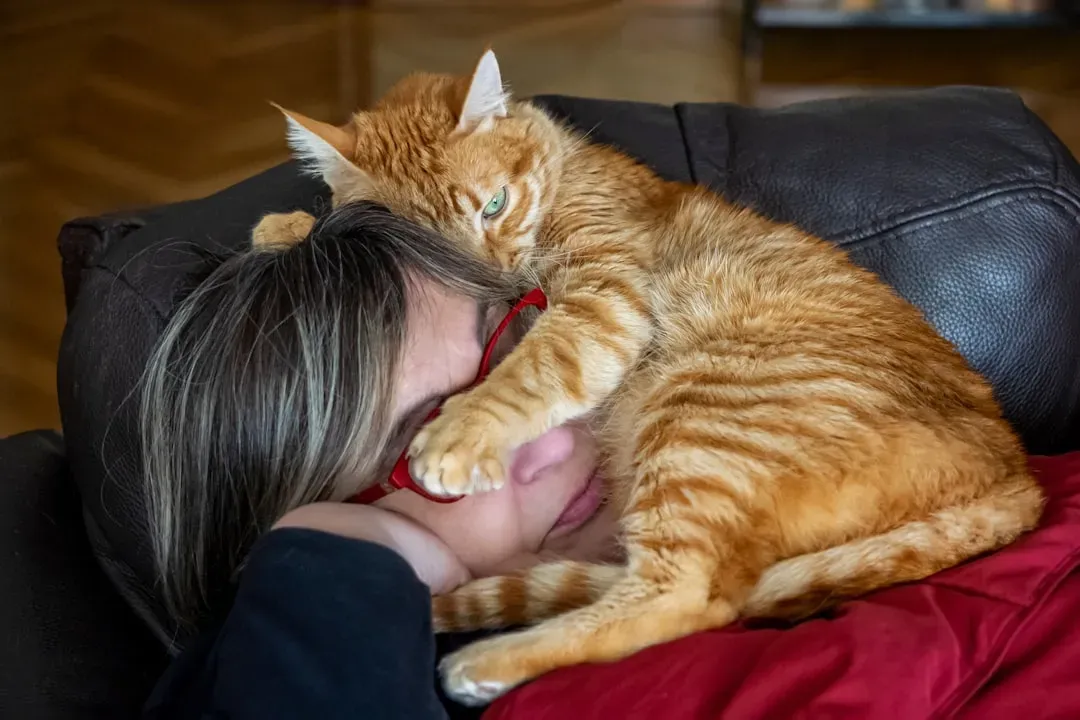
Your cat is a master of the strategic escalation. It starts small and builds with deliberate patience. If your cat wants attention, they start by rubbing against your leg or bumping you with their head – and if you ignore that attempt, they will likely jump onto your lap or lie down on your papers and computer, and start purring. Every ignored request gets upgraded to a louder, harder-to-dismiss version. Sound familiar? That’s a negotiating tactic.
Cats are perfect alarm clocks and always stick to their schedule because they live for routine – and if your cat wakes you up at the same time every morning, demands to be fed at the same time every day, and expects your free time after you come home, you have a small tiger-like boss at home. The escalation isn’t random frustration. It’s a finely tuned pressure campaign, and it works on you almost every single time. You know it does.
8. Using Affection as a Strategic Tool
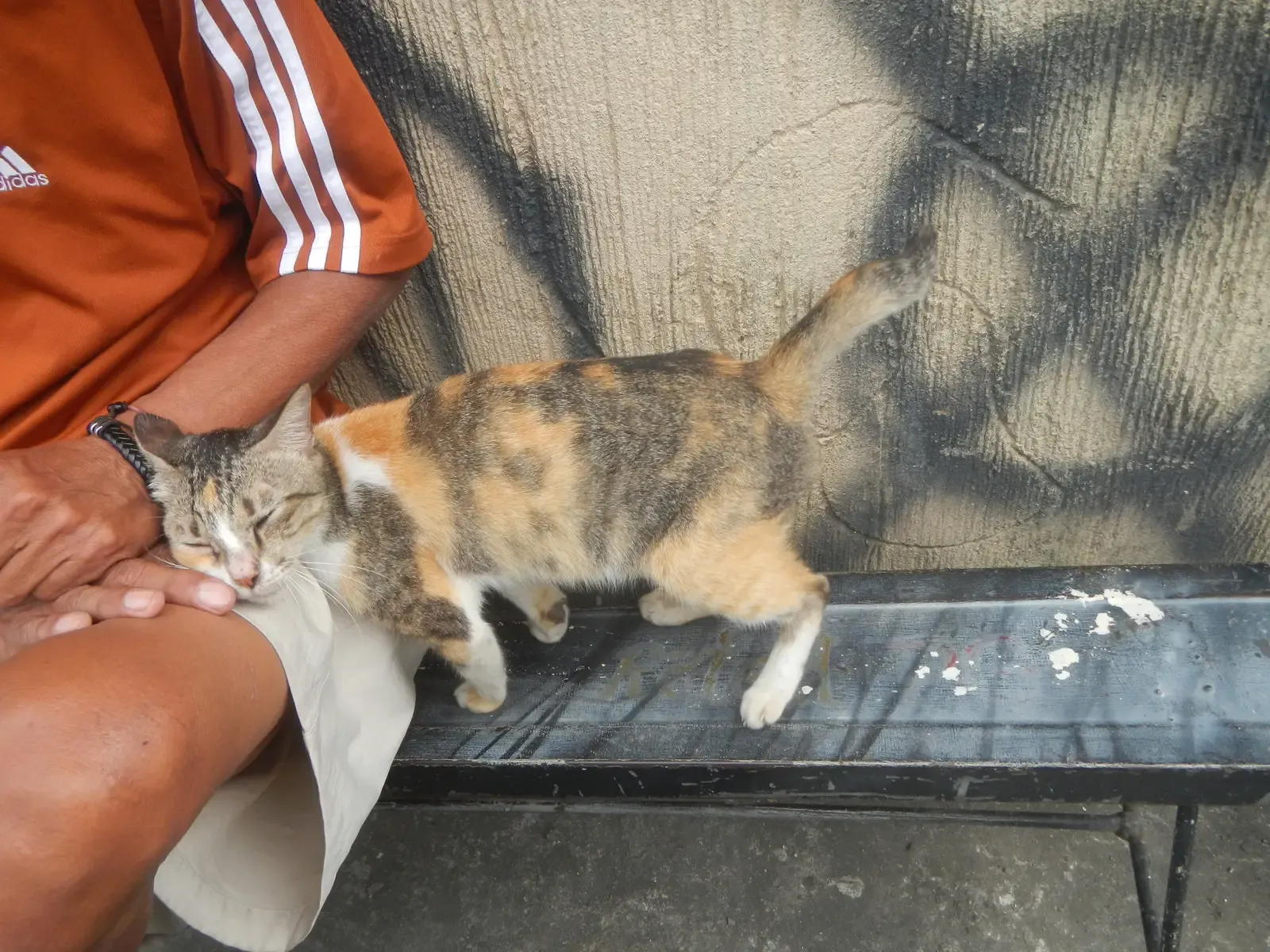
Here’s perhaps the most heartwarming – and most cunning – manipulation of all. Your cat genuinely prefers spending time with you, sometimes even over food. In a study published in Behavioral Processes, cats were presented with a choice between food, toys, and human interaction – and half of the cats chose to interact with humans despite not having been fed for the past two and a half hours, with cats being a mix of domesticated and shelter cats, implying that all cats value humans, even those they don’t know well.
Research also shows that when an owner seems down or withdrawn, the cat changes its behavior in response – vocalizing more frequently and engaging in more head and flank-rubbing. In other words, your cat reads your emotional state and responds to it. They offer comfort precisely when you need it most. Is that manipulation? Maybe. Is it also genuinely touching? Absolutely. Scientists believe that this manipulative behavior is how cats interact with humans, and it’s deeply ingrained in how cats form relationships with us. It’s not scheming – it’s their love language.
Conclusion: Your Cat Has Won, and You’re Okay With It
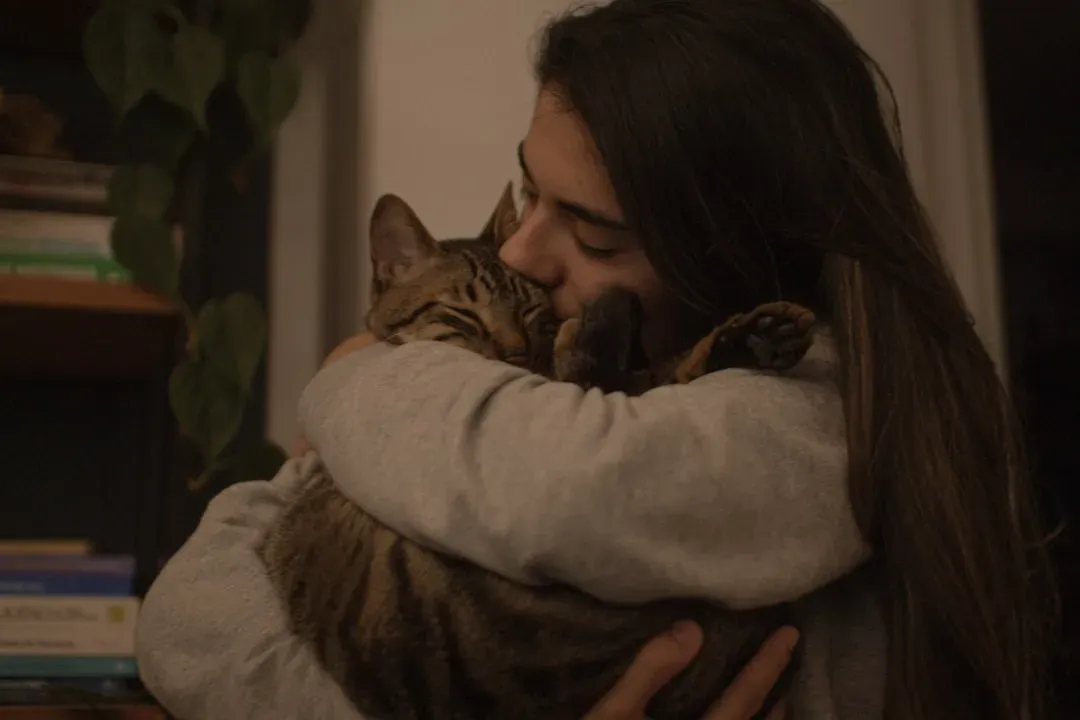
Let’s be real – none of this is actually bad news. Yes, your cat has spent years studying your behavior, fine-tuning their vocalizations, exploiting your parental instincts, and using their irresistible round face against you. It’s not a sign of weakness to be outmaneuvered by a cat, and you don’t need to change anything about the way you act toward your feline friend – this dynamic has been part of the human-cat relationship for centuries, and it will likely stay that way for many more.
The real revelation here is that the relationship is mutual. Your cat needs you, chooses you, and even, in their own quietly calculated way, loves you. Many felines find human interaction more pleasurable than food – and don’t take that lightly, cats love food – so deep down, they care about you in their own way. You may be the one being played, but you’re also the one they choose to play with every single day.
So the next time your cat hits you with a slow blink, a perfectly timed purr, or a face so absurdly cute it short-circuits your brain – just smile. You’re not being outsmarted. You’re being loved, feline style. Does knowing all this change how you feel about your cat? Probably not. And honestly, that might be the greatest manipulation of all. What do you think – are you ready to admit your cat runs the show? Drop your thoughts in the comments.
Kristina is a young writer from India. An arts graduate and an avid content creator, Kristina is passionate about animals and wildlife. She enjoys exploring topics related to pet care, animal behavior, conservation, and nature, combining thorough research with engaging storytelling.