You’re sitting quietly on the couch, maybe scrolling through your phone, minding your own business. Then your cat ambles over, presses their tiny forehead against yours, or gently kneads your thigh with steady, rhythmic paws. You smile, maybe chuckle a little, and think nothing more of it. But here’s the thing – what just happened was not random at all.
Cats have a reputation. Cold. Detached. Mysteriously indifferent. But science keeps quietly dismantling that stereotype, revealing a rich inner language of warmth, trust, and social bonding that most of us simply miss because we’re not fluent in feline. Research shows cats’ reputation as cold and aloof pets is undeserved. Once you understand what your cat is actually saying with their body, their eyes, and yes, even their peculiar “gifts,” you’ll never look at them the same way. Let’s dive in.
The Science of Cat Attachment: They Actually Love You
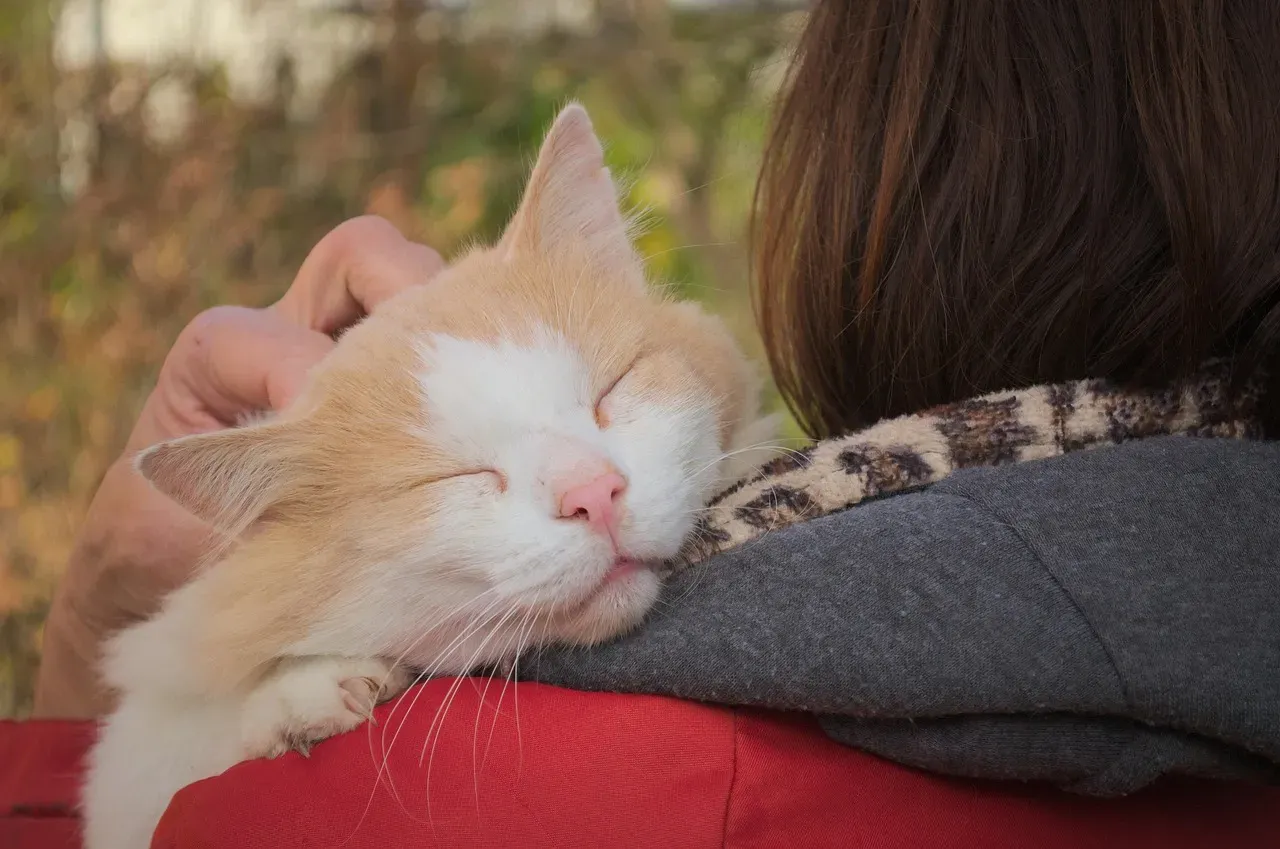
Let’s be real – most cat owners have wondered at least once whether their cat actually cares about them or just tolerates their presence like a warm couch cushion. That question is more valid than you might think, because cats communicate affection in ways that look nothing like what humans expect. A study published in Current Biology found that cats form attachment bonds to their human caretakers in very much the same way that dogs and human children do.
A 2019 study revealed that cats have the same attachment to their owners that babies show to their parents – kittens in the study acted distressed when their caregivers left and happy and secure when they returned, and they still acted this way one year later. Honestly, that’s pretty remarkable. Your cat isn’t just tolerating you. They are genuinely bonded to you in a way science can now confirm.
Headbutting: The Most Underrated Declaration of Love
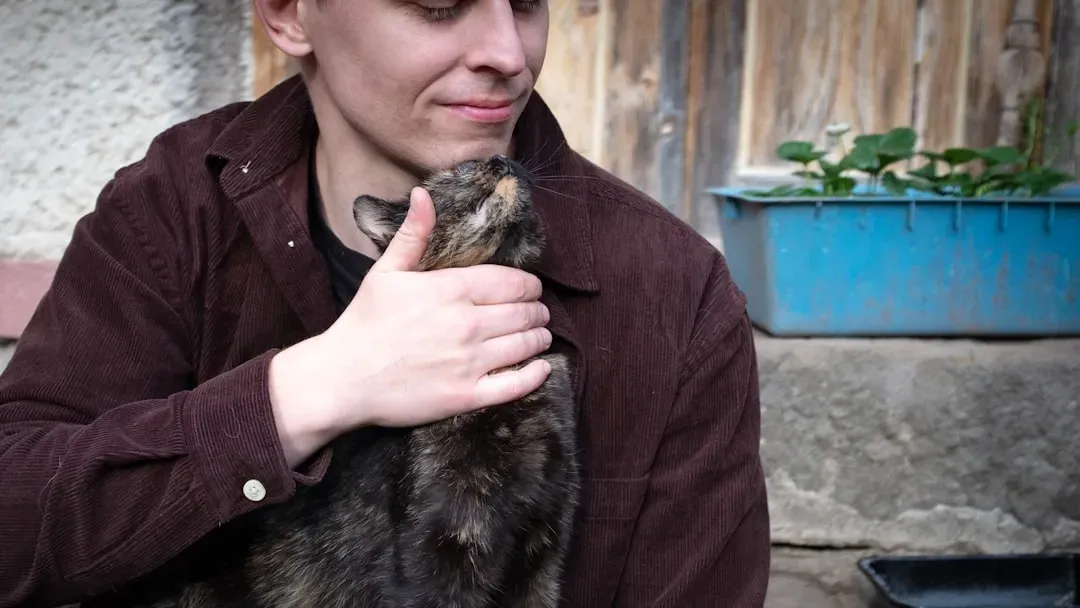
If your cat has ever walked up to you and planted their forehead firmly against your chin or cheek, you may have laughed it off as cute. Stop laughing and start feeling honored. If your cat bumps their head against you or rubs their face on you, they are being affectionate and marking you as part of their territory, using scent glands on their cheeks, forehead, and chin that release pheromones – and when they rub against you, they’re leaving their scent behind, essentially claiming you as their own.
Headbutting and cheek rubbing are social behaviors that are learned and expressed throughout kittenhood, and both are ways in which cats build bonds and affection with other animals and, by extension, with the humans they do it to. Cats have an incredibly sophisticated sense of smell, and when they love another creature, they attempt to both mark and mingle scents with them. Think of it like a feline handshake, except the handshake also means “you are mine, and I am proud of it.”
The Slow Blink: Your Cat’s Version of a Kiss
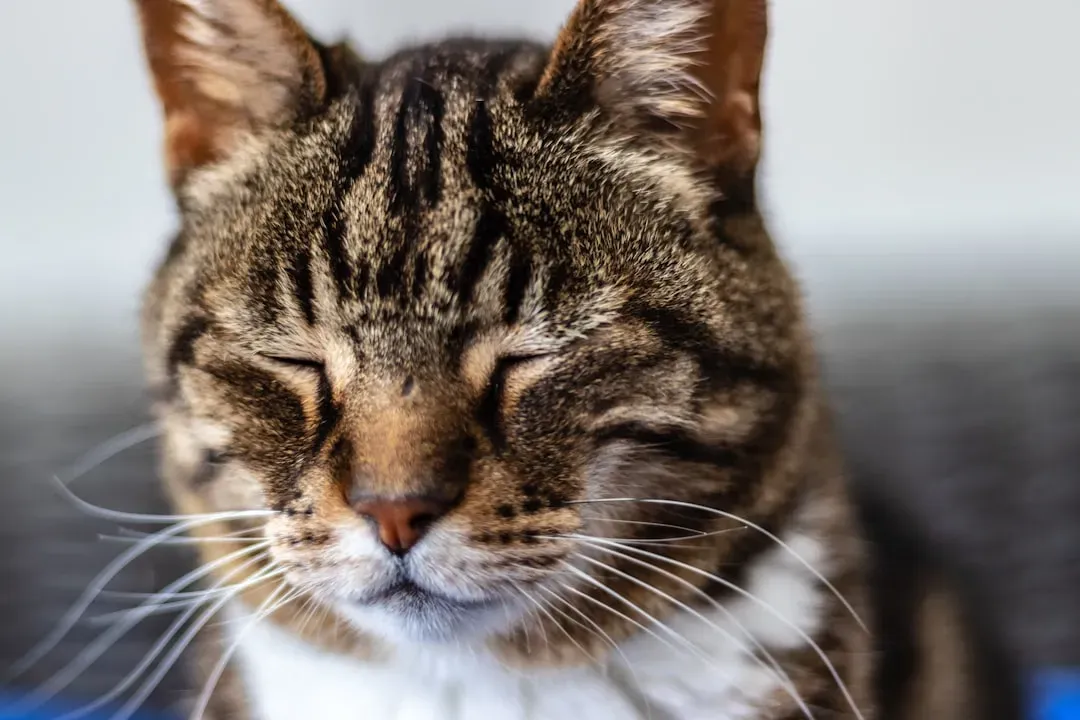
Here is something most people have no idea about. When your cat sits across the room, stares at you, and then slowly closes and reopens their eyes like they’re half-asleep, they are not being dramatic. They are expressing something deeply meaningful. Research suggests slow blinks are associated with a positive emotional state and can be a sign of trust, contentment, and affection, similar to a human smile.
When a cat looks at you and then slowly closes and reopens its eyes, it’s a sign of trust and affection – in the feline world, direct eye contact can be seen as a challenge, but a slow blink signals that your cat feels safe and comfortable around you, basically saying “I love you.” You can actually reply in kind. Try slowly blinking back the next time you catch your cat doing this. If you wish to return the compliment, blink and your cat might blink back.
Kneading or “Making Biscuits”: A Childhood Memory Meant for You
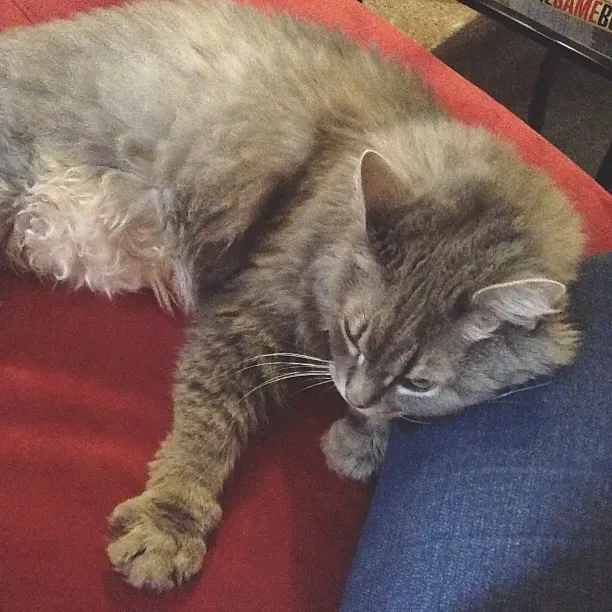
Few things in the cat world are as simultaneously adorable and confusing as kneading. Your cat settles into your lap, begins rhythmically pressing their paws into your legs, and you wince a little – because those claws are sharp – but also feel weirdly touched. Kneading, often referred to as “making biscuits,” is the rhythmic motion cats make by pushing their paws into a soft surface, alternating between left and right paws, and this behavior is commonly observed when a cat is relaxed, such as on a cozy blanket or their owner’s lap.
Kneading originates from kittenhood, when kittens press their paws against their mother’s belly to stimulate milk flow, and this comforting behavior often persists into adulthood, associated with feelings of security and contentment. Kneading in cats triggers the release of dopamine, a neurotransmitter associated with pleasure and reward – as kittens knead their mother’s belly, dopamine is released, enhancing feelings of contentment and security, and this physiological response persists into adulthood, meaning adult cats re-experience those early comforting sensations. In other words, when your cat kneads you, you are their safe place.
The Upright Tail: A Wave You Never Knew You Were Receiving
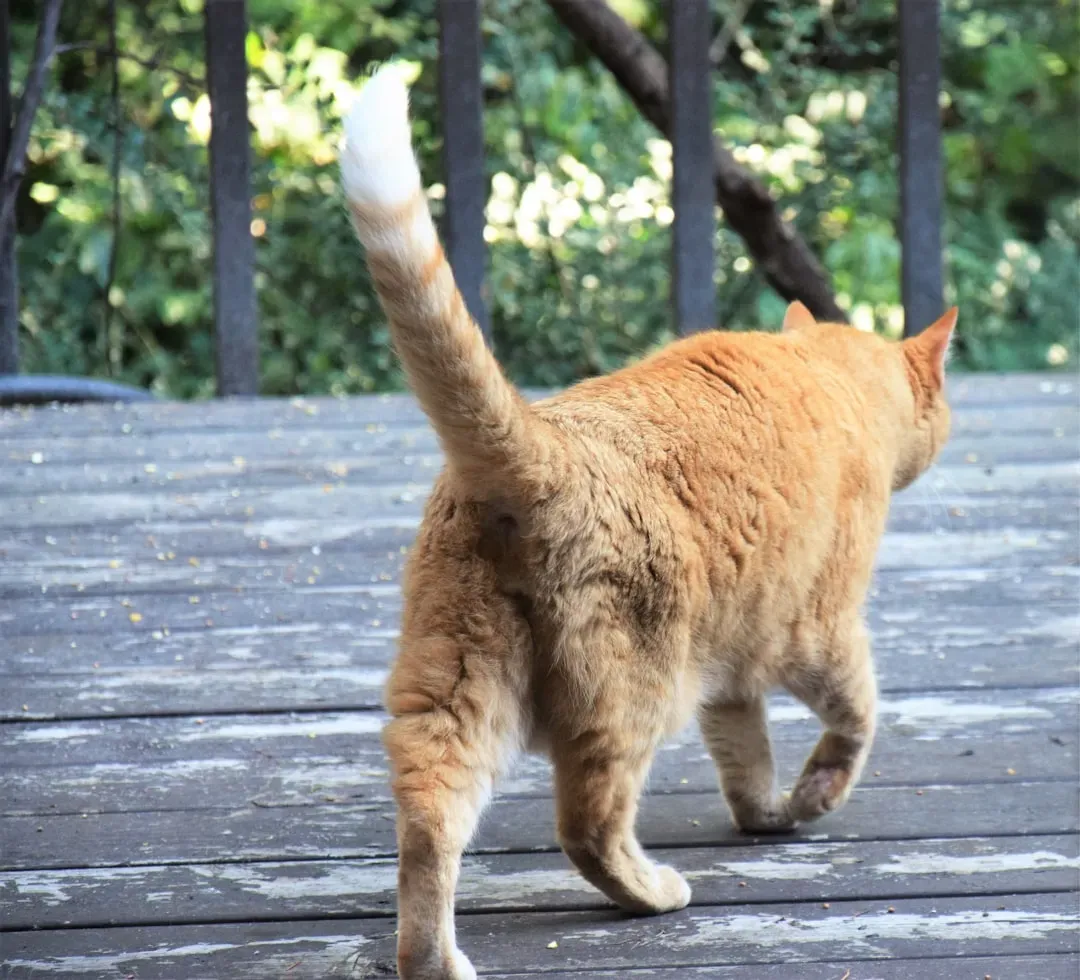
Your cat walks toward you with their tail pointing straight up in the air like a little flag on a parade float. Adorable, yes. Meaningful, absolutely. A tail held in the upright flagpole position shows a friendly intention – the feline equivalent of a wave – indicating familiarity, trust, and affection, and some cats also use an upright question-mark-shaped tail to greet someone they like or to motion that they want to play.
An upright tail that curves slightly at the top is a sign that your pet is happy and content, and a happy cat may drape their tail over you or press the tail against you while winding through your legs. The tail, as an important communication tool, is also useful for the cat to show love – when it’s high, it means calmness and happiness, and if they move it around your legs, embracing you, it can be seen as a hug. I think that’s genuinely one of the sweetest things in the animal kingdom, honestly.
Grooming You: Membership in the Inner Circle
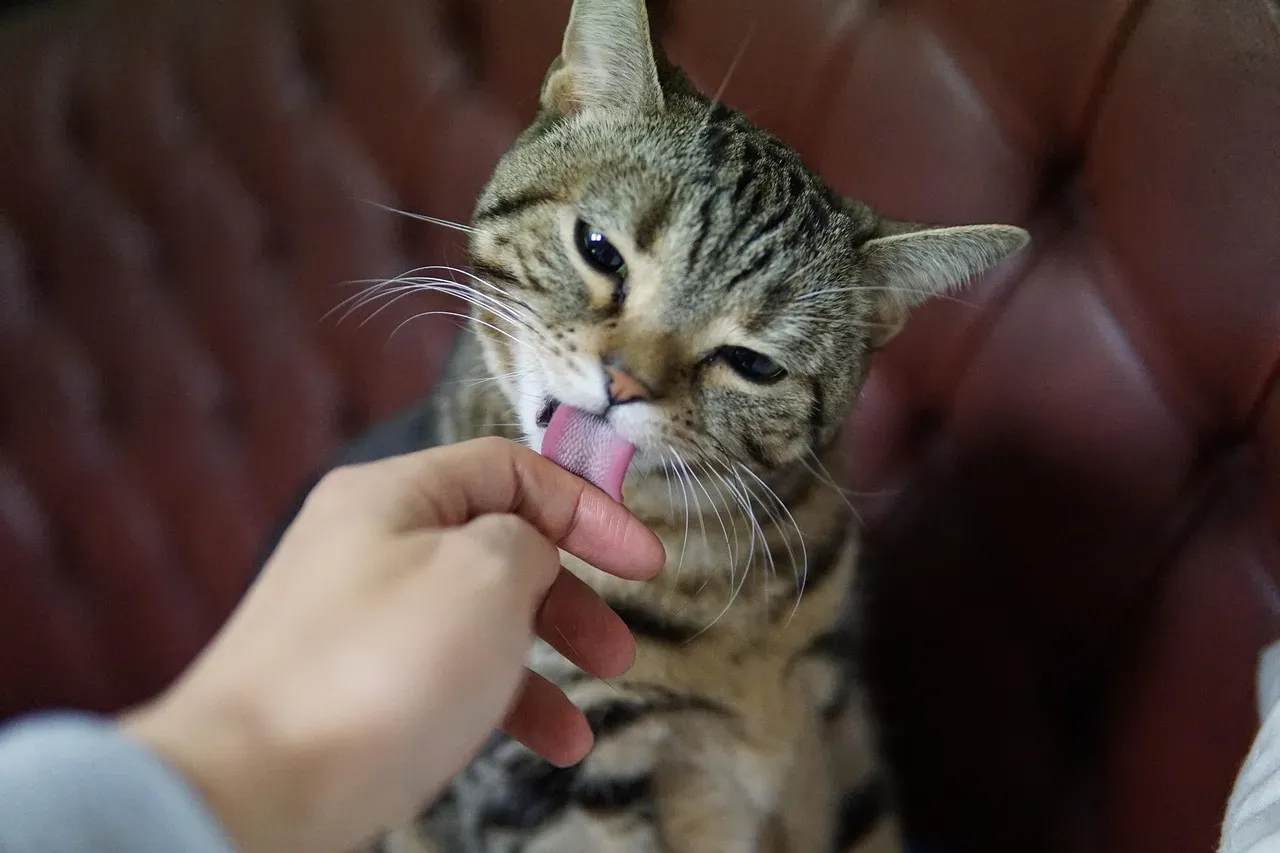
If your cat has ever licked your hand, arm, or face with that sandpaper tongue of theirs, you might have thought it was about your salty skin or just a weird quirk. You were wrong. Cats groom themselves meticulously, but they also groom other cats as a sign of bonding – if your cat licks you, they’re engaging in this same social grooming behavior, treating you as if you were another cat in their family.
Grooming only happens between cats with a warm relationship, so licking your hand or face can be a show of endearment, even though those barbed tongues may not feel all that gentle. If your cat grooms or kneads you, that’s another sign of love and affection – cats groom each other to mix their scents and show trust, and they knead to show they are relaxed and content, just like when they were kittens. So the next time that tongue scrapes your forearm, try to feel the love behind it. It’s there, scratchy and all.
Belly Up: The Ultimate Feline Trust Fall
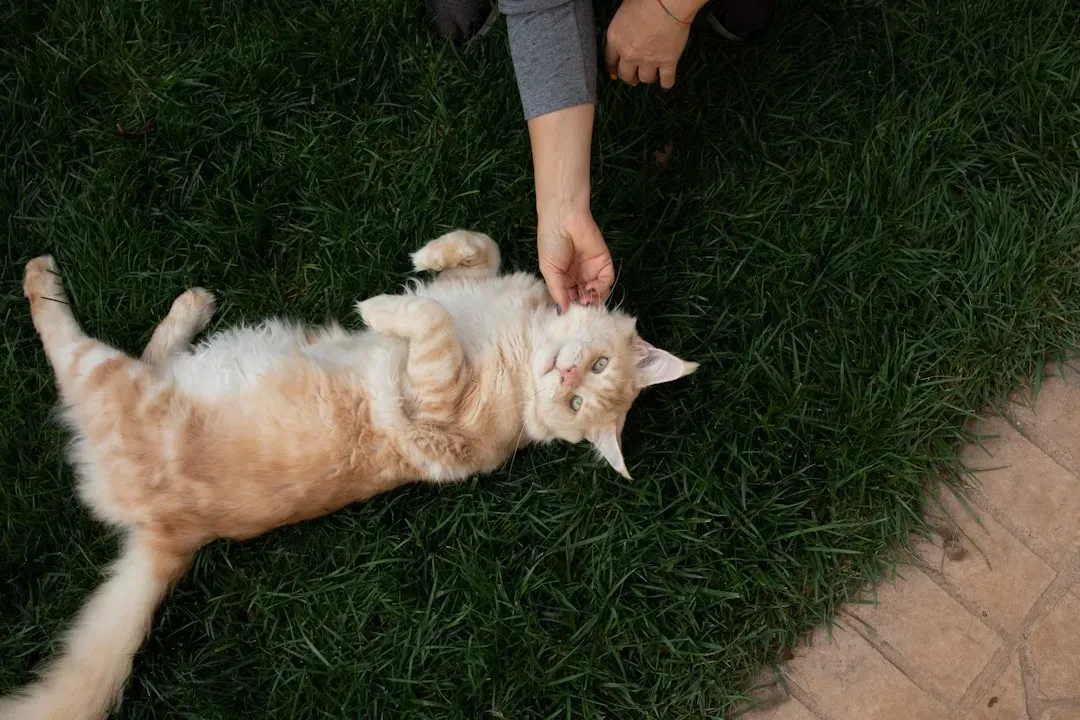
There is probably no more misunderstood signal in all of cat behavior than the belly display. Your cat rolls onto their back, stretches out, and you reach down to rub their tummy. Disaster follows. But here’s what you missed. One of the most confusing cat behaviors is when they roll onto their backs and expose their bellies – many people assume this is an invitation for belly rubs, but it’s actually a deep showing of trust, meaning the cat is comfortable around you and open to vulnerability.
When a cat shows their belly, it’s a display of complete trust and comfort – as the belly is one of the most vulnerable areas on a cat’s body, exposing it means they feel safe and secure in your presence, and this behavior is reserved for those they love and trust the most. The belly display is not an invitation to touch. It’s a standing ovation. Respond with admiration, not a rub, and you’ll both be happier for it.
Sleeping on You or Near You: The Honor of Being Chosen
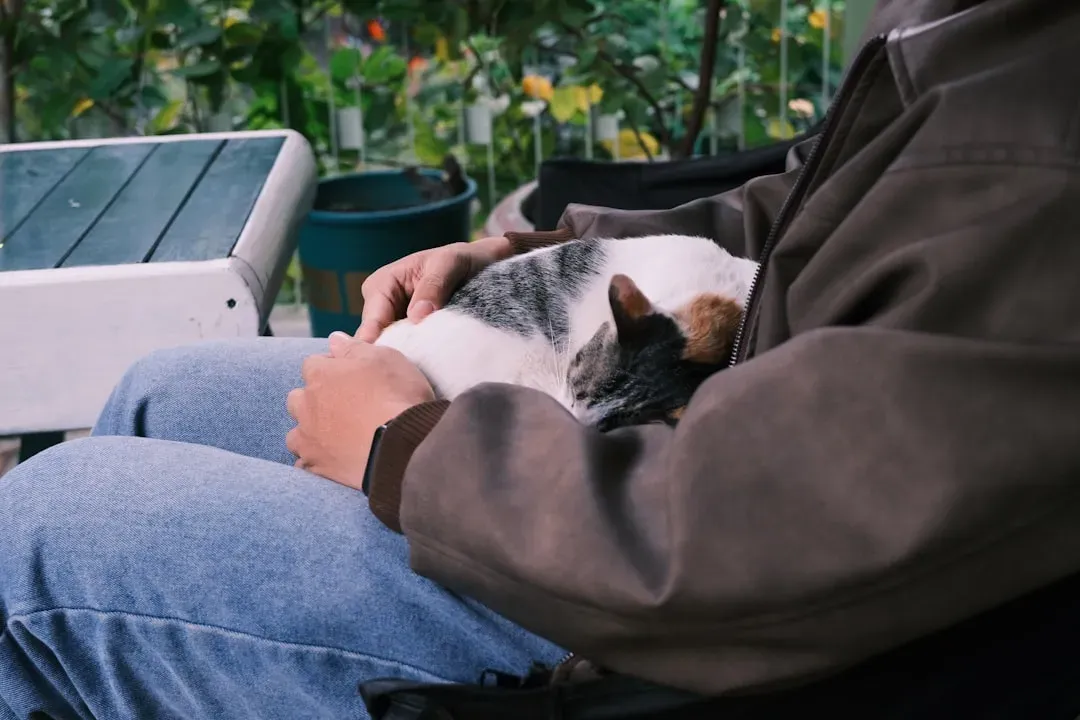
Cats are vulnerable when they sleep. They know it. Which is why where your cat chooses to nap is far more significant than most people realize. Cats sleep a lot, but like most animals, they are most vulnerable when snoozing – as a result, they are only going to sleep where they feel most comfortable and secure, and if that’s with you, your cat definitely sees you in a positive light.
Cats are creatures of habit, and if your cat chooses to sleep near you or even on your bed, it’s a sign that they feel safe and comfortable with you – this behavior is an expression of their love and trust. Curling up on your lap for a nap is a sign of deep trust. Think about it this way: your cat could sleep absolutely anywhere in the house. They picked you. That’s not nothing.
Bringing You “Gifts”: Gross, But Actually Profound
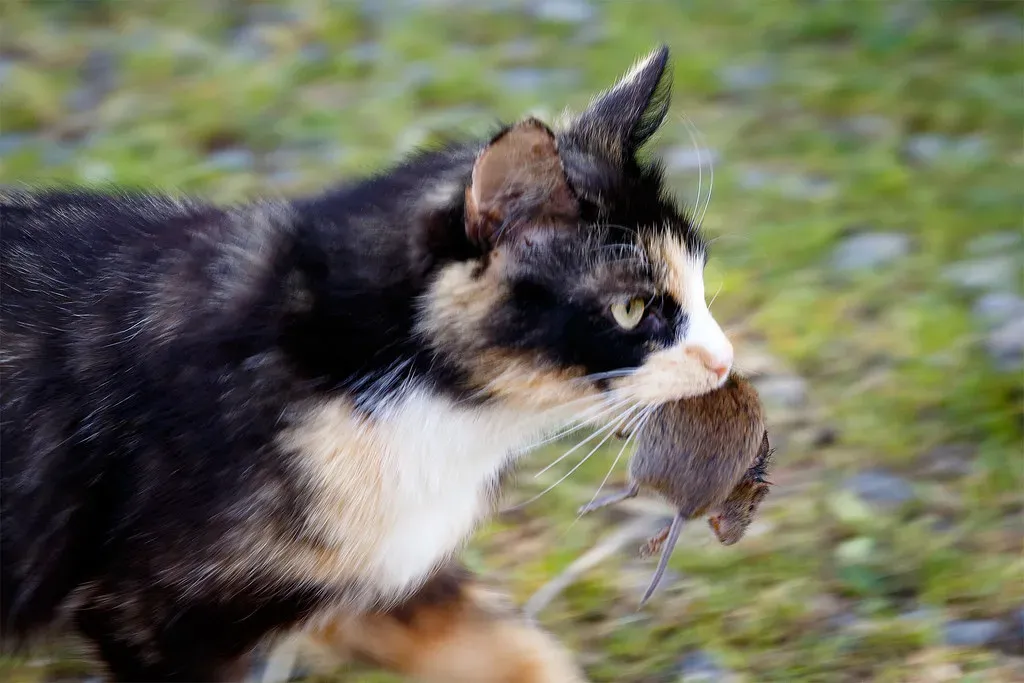
Okay. This one takes the most mental flexibility to appreciate. You open your door or wake up in the morning and find a dead bird, a half-alive mouse, or a random toy deposited with great ceremony at your feet. Your first instinct is horror. Your second instinct should be gratitude. When cats bring gifts, they’re often expressing affection and trust – by sharing their “prey” with you, they’re demonstrating that they consider you part of their family group, and this behavior helps strengthen the bond between cat and owner.
The main hypothesis is that this behavior is maternal. In the wild, mother cats go out and hunt and then bring the food back for their kittens – this not only feeds the young cats but also provides something for them to practice how to hunt and recognize prey, so in the context of human pet owners, cats may see their humans as “not so efficient kittens.” A veterinarian called it “somewhat of a compliment” – they feel comfortable in their home, and they consider you part of their family. Hard to argue with that, even if you’d prefer a different gift.
Conclusion: Your Cat Is Talking. Are You Listening?
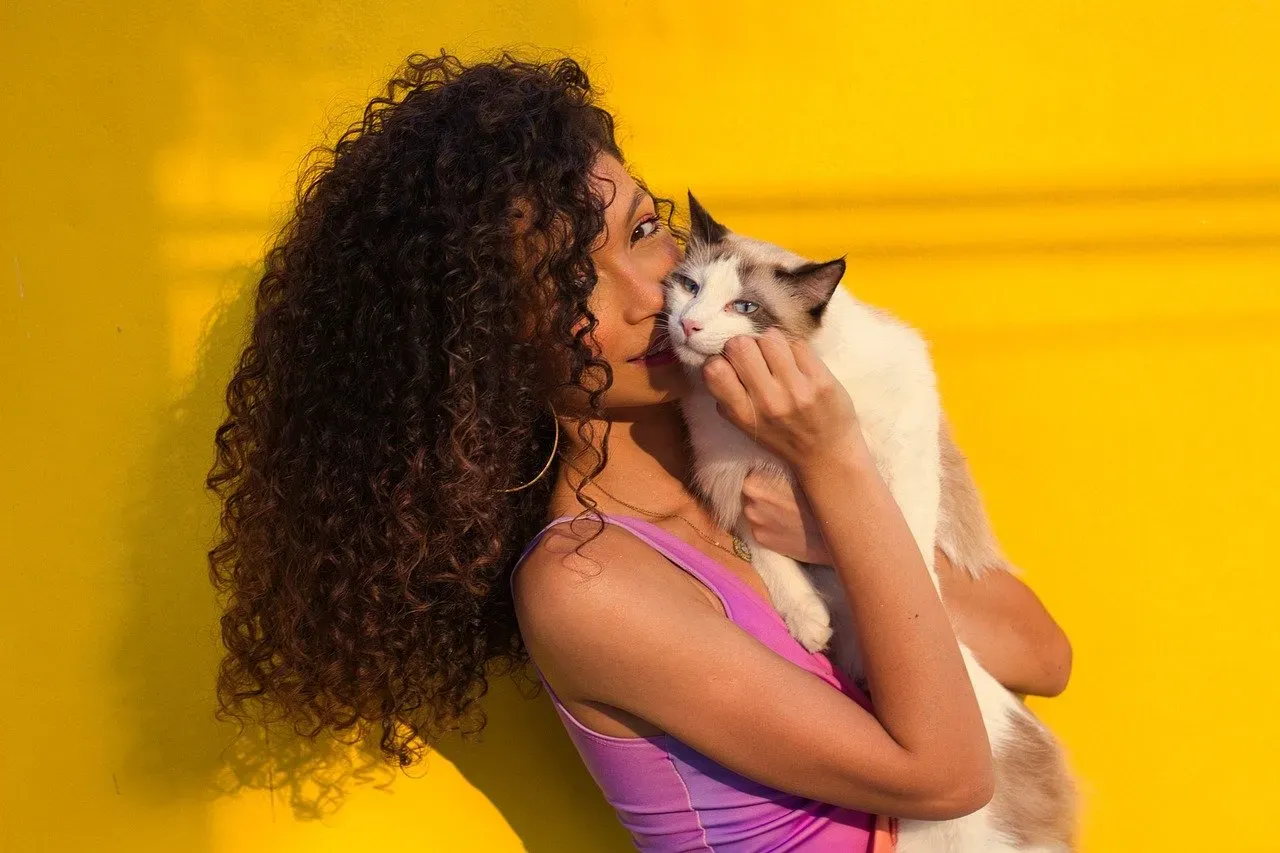
Cats have never been cold. They’ve simply been misread. Cats behave towards humans in the same way that they respond to their feline friends, so the secret of whether your cat feels bonded to you lies in their behavior. Every headbutt, slow blink, midnight kneading session, and proudly delivered dead mouse is part of a language that has existed long before we learned to interpret it.
Cats, merely through their presence and of course their behavior, can affect human moods, and human mood differences have also been shown to affect the behavior of cats. The relationship is mutual, dynamic, and genuinely emotional in both directions. The bond you share with your cat is not just a pet-owner relationship – it’s a friendship, a partnership, a unique companionship that transcends species barriers.
So the next time your cat does something that seems random – presses their face into yours for no reason, watches you with half-closed eyes from across the room, or drops a toy at your feet with quiet pride – pause before you dismiss it. You’re not witnessing a quirk. You’re receiving a compliment in a language older than words. The real question is: how often have you been saying “thank you” back?
Kristina is a young writer from India. An arts graduate and an avid content creator, Kristina is passionate about animals and wildlife. She enjoys exploring topics related to pet care, animal behavior, conservation, and nature, combining thorough research with engaging storytelling.