Most people assume that cats are simply stubborn little creatures who hate change and spend their days silently judging every decision you make. Honestly, there’s some truth in that. But the reality of how cats process and respond to change is far more layered, surprising, and even beautiful than most owners ever realize.
Your cat isn’t just waiting out the storm. When the world around them shifts, something genuinely remarkable happens inside those small, often baffling brains. Let’s dive into the science, the quirks, and the genuinely fascinating ways your cat adapts to a world that never stays the same.
Why Cats Are Wired to Resist Change in the First Place
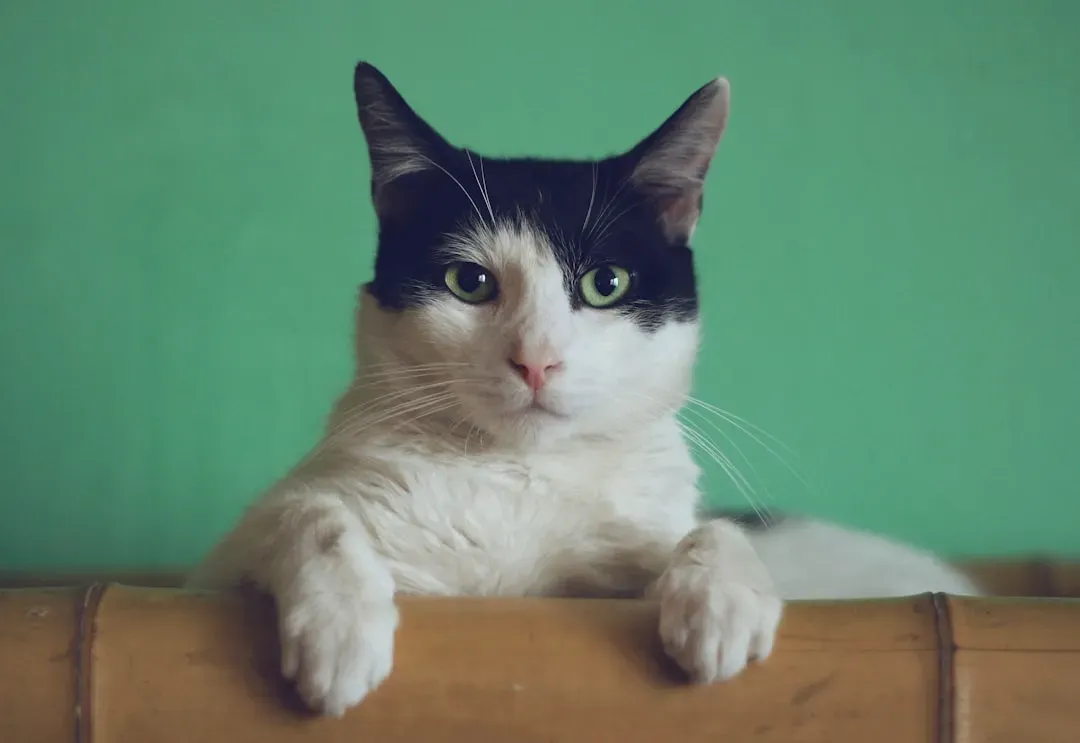
Here’s the thing about cats that most people get wrong. They aren’t being dramatic when they act out after you rearrange the furniture or bring home a new couch. Cats are creatures of habit and take great comfort in routine and predictability, because this gives them security and a regular status quo. Think of it like a mental map. Your cat has memorized every square inch of their world, and when you move something, it’s like someone erasing part of that map in the middle of the night.
Cats are creatures of habit who form strong attachments to their environment, making relocation a particularly challenging transition that can trigger anxiety, behavioral issues, and health problems if not handled properly. It’s not stubbornness. It’s survival instinct that goes back thousands of years. Understanding this is the first step to actually helping your cat navigate change with much less distress.
The Surprising Timeline: How Long Adaptation Really Takes
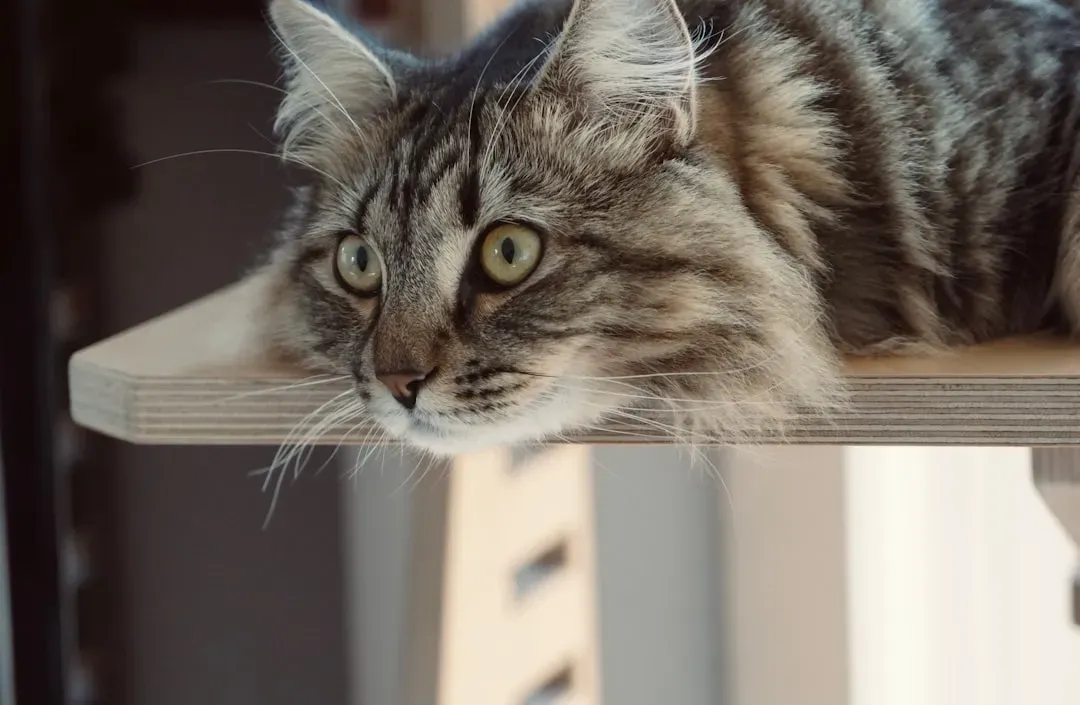
You may have heard of the 3-3-3 rule, and if you haven’t, it’s genuinely worth knowing. The 3-3-3 rule is a valuable framework for understanding how cats adjust to a new home. Cats can need 3 days for initial acclimatization, 3 weeks to settle into routines, and 3 months to feel fully at home. That last part, three whole months, tends to surprise people who expected their cat to bounce back after a week.
The timeline isn’t one-size-fits-all, though, and that’s where it gets interesting. Some cats may adapt more quickly, following a 2:2:2 pattern, while others, particularly senior or feral cats, might need extended periods like 4:4:4 or even 6:6:6. Patience is paramount: allow two to four weeks minimum for complete adjustment, with some sensitive cats needing up to eight weeks to fully settle into their new environment. Your cat isn’t being slow. They’re being thorough.
The Secret Language of Stress: Reading Your Cat’s Hidden Signals
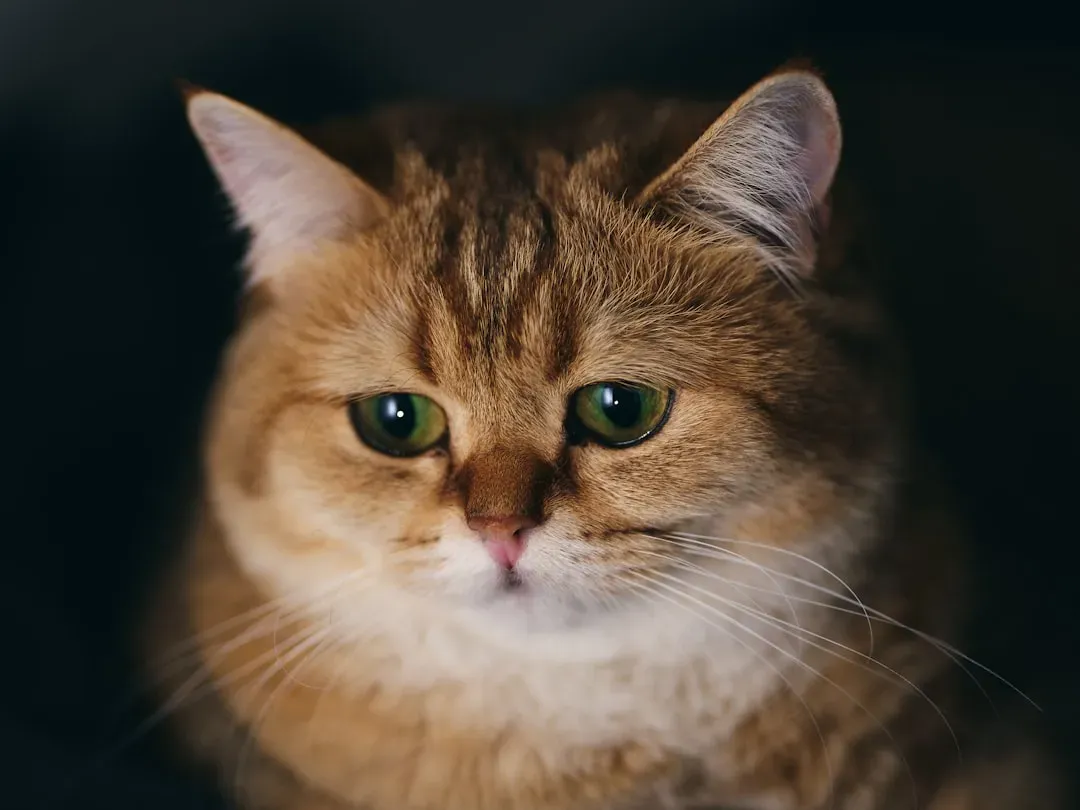
One of the most fascinating aspects of feline adaptation is that your cat is almost always communicating their stress levels to you, whether you realize it or not. Domestic cats are exposed to a variety of stressful stimuli that may trigger behavioral changes, with some of the most common stressors including changes in environment, inter-cat conflict, and a poor human-cat relationship. The trick is learning to read the signals they send out.
Like humans, cats experience stress from changes in their environment, routine, or interactions with other animals and people. This stress can manifest in various ways, from excessive grooming and hiding to more severe behavioral issues like aggression or refusal to eat. I think one of the most overlooked signals is overgrooming. It looks innocent, even soothing, but a cat creating bald spots by over-licking is essentially screaming for help in the only language they have.
Scent: The Invisible Tool Your Cat Uses to Rewrite Their World
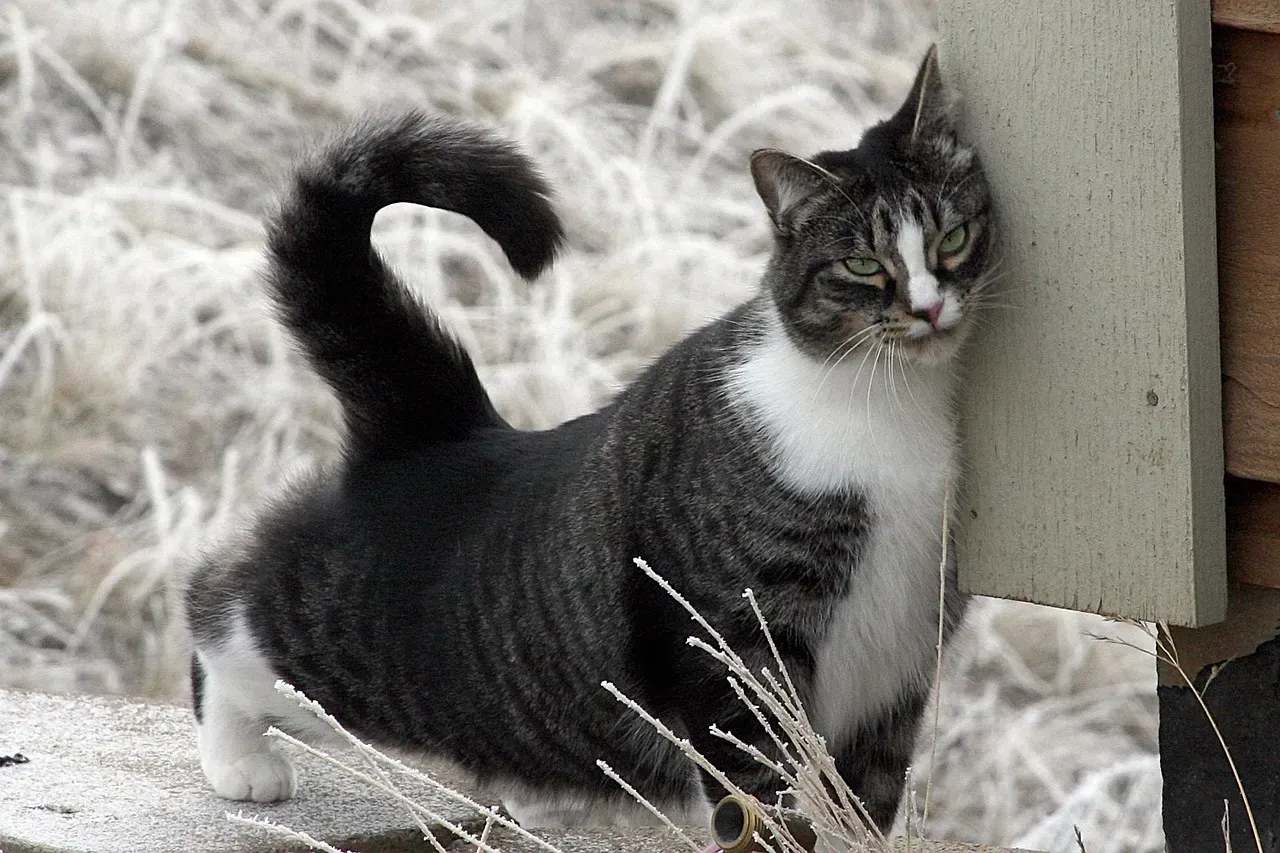
This is where cat biology gets genuinely mind-bending. When your cat rubs their face on the corner of a wall or the leg of a chair, they aren’t being affectionate with the furniture. When your cat rubs their face on furniture and other objects, they’re using pheromones that signal the objects are familiar and safe. With a technique called scent swapping, we can mimic this behavior. It’s basically your cat writing “I live here” in invisible ink across everything they own.
Cats have lots of different glands that release pheromones, and many are concentrated around their face, on the chin, lower ears, forehead, cheeks, and around the mouth. You can actually use this knowledge practically. By taking a soft cloth and rubbing it around the house on objects, and specifically on new items like a new couch, you help your cat claim that space as safe territory. It’s a small gesture that can dramatically reduce a cat’s anxiety during transitions.
The Role of Routine: Your Cat’s Most Powerful Security Blanket
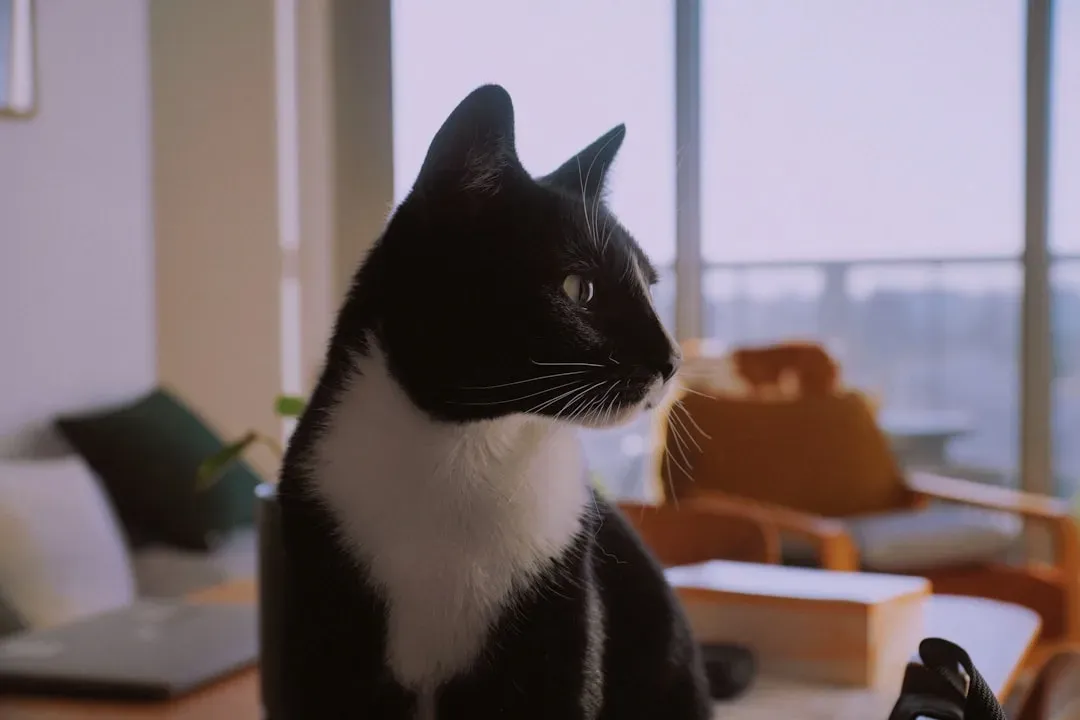
If you want to understand what keeps a cat grounded during change, look at routine first. Predictability and consistency in routine and responses can help cats feel safe, secure, and happy. Predictable surroundings also provide your cat some perceived control over their physical environment and social interactions, which helps reduce stress, build resilience, and enables cats to cope better with new challenges. That word, “control,” is key. Cats crave a sense of agency.
Sudden changes can trigger anxiety, as cats are sensitive to disruptions in their environment. By providing a stable routine, such as consistent mealtimes and regular play, cats are less likely to experience stress-related behaviors like hiding, excessive grooming, or aggression. A predictable environment fosters feelings of safety, which is critical for a cat’s emotional and physical well-being. Think of routine as your cat’s anchor rope. Change can toss the waters around them, but that anchor keeps them from drifting completely.
How Play Accelerates Adaptation Like Nothing Else
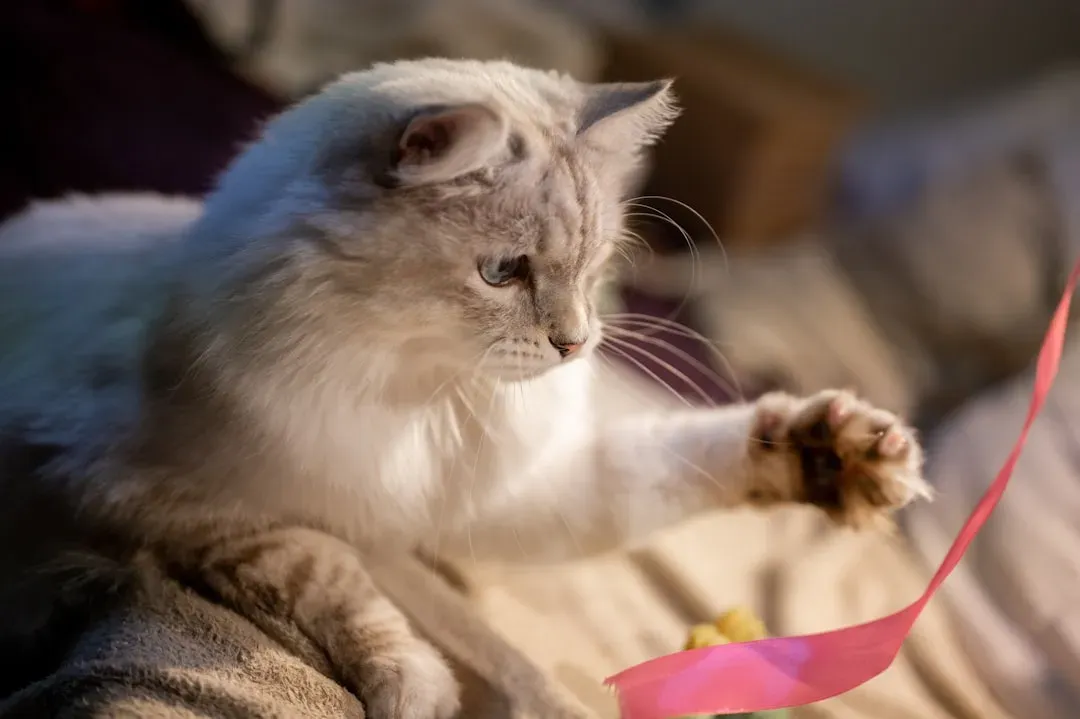
Let’s be real, play is massively underrated as an adaptive tool for cats. Most owners think of it as entertainment. It’s actually therapy. Engaging your cat in interactive play helps them release tension, expend energy, and engage in innate predatory behavior. The power of play also helps build positive associations with their new environment. You’re not just playing with your cat. You’re essentially reprogramming their emotional association with a new or stressful space.
Research shows that interactive play sessions release pent-up energy and encourage healthy bonding, which in turn reduces tension. There’s also a confidence angle here that most people miss entirely. Playing might also help your feline companion build confidence, since cats have to concentrate to coordinate those complex run-and-pounce combinations. Achieving a complicated pounce could actually boost your cat’s confidence. A more confident cat is a more adaptable cat. Full stop.
When Cats Meet New Humans or New Animals: The Art of Careful Introduction
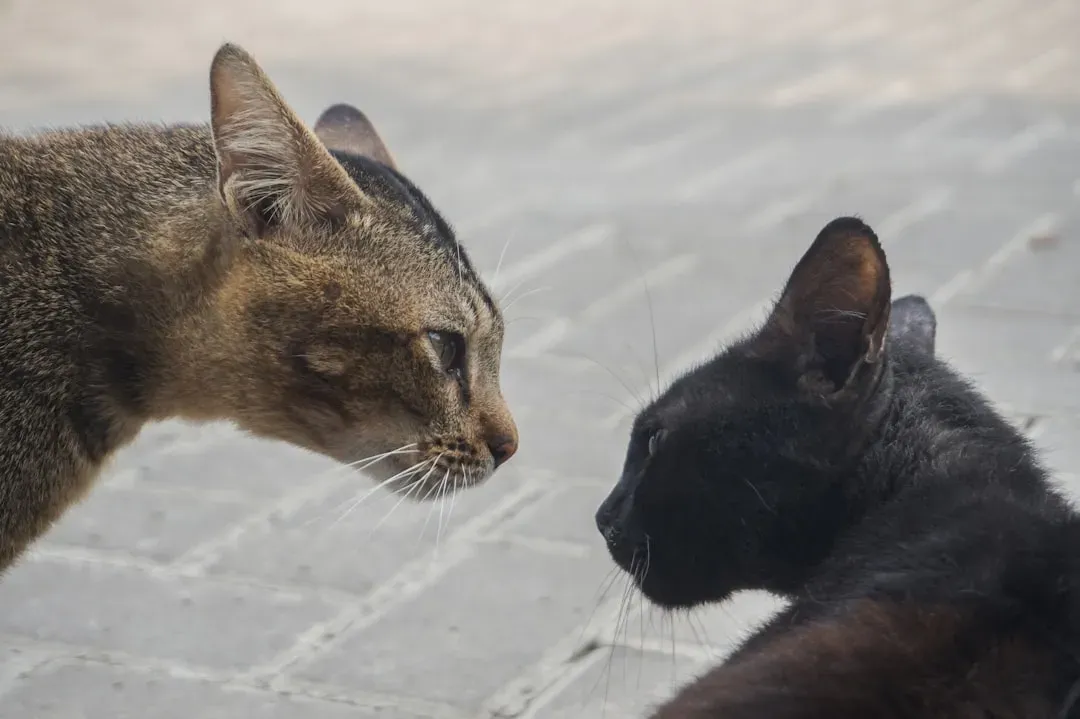
Few transitions stress a cat out quite like being asked to share their territory. Introducing cats to other animals may need to be a very slow process, as individual cats vary dramatically as to how well they accept new animals into their living space. Conservative introductions are always best, because a first encounter that goes badly can have long-lasting effects. I know it sounds frustrating when you just want everyone to get along immediately, but rushing this process can set you back by months.
Cats are aware of even the smallest changes in your household, including the presence of a new person or pet. When introducing a new human partner into a home with a resident cat, something as simple as scent matters enormously. Putting a couple of that person’s shirts near your cat’s favorite sleeping areas, or wearing their jacket while petting your cat, can help create positive associations through scent. It’s practically genius when you think about it, using smell to tell your cat, “This person is safe.”
Vertical Space and Hiding Spots: How Environment Design Supports Adaptation
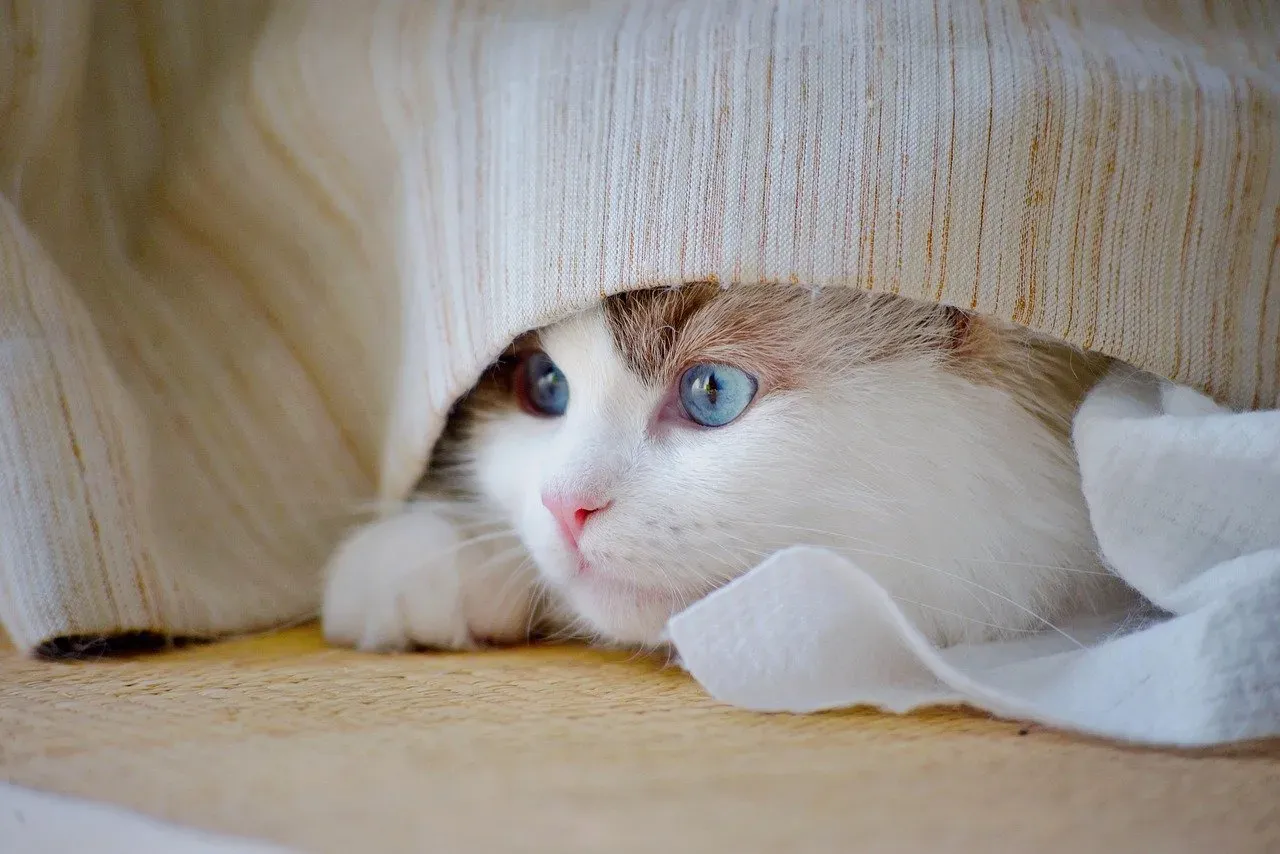
Here’s something most cat owners don’t fully appreciate. The physical layout of your home can either speed up or completely stall your cat’s adaptation process. You should provide each household cat with an elevated, cozy resting place that has at least two escape routes. Cats like to survey their surroundings from above and feel safest when they can make a quick exit if needed. This isn’t about being pampered. It’s about satisfying a deeply hardwired need for safety and surveillance.
Environmental enrichment accelerates adjustment by providing vertical spaces, multiple resource stations, and hiding spots that address cats’ natural territorial and safety needs. Don’t underestimate the power of a well-placed cardboard box either. Cats often seek hiding places when stressed, so a cardboard box on its side or an open cat carrier is useful as a place your cat can retreat to temporarily while they adapt to their new surroundings. Something that costs nothing can be the most important piece of furniture in your house for a stressed cat.
When Adaptation Stalls: Knowing When to Seek Professional Help
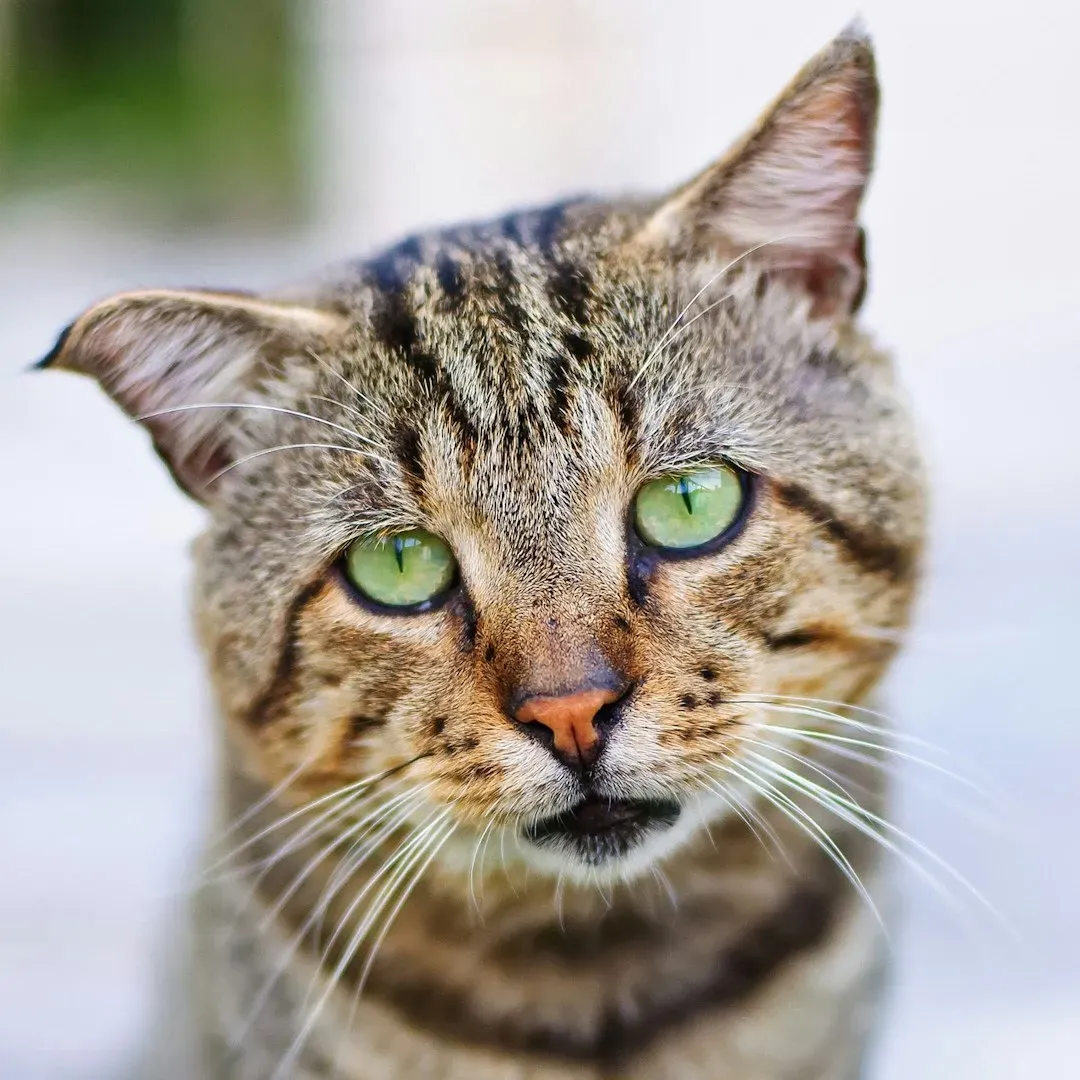
Sometimes, despite your best efforts, your cat’s adaptation gets genuinely stuck. It’s hard to say for sure where the line between “normal adjustment” and “needs help” falls, but there are some clear warning signs. If you notice prolonged behavioral changes such as continuous hiding, uncharacteristic aggression, or a persistent decline in eating habits, it might be time to seek professional help. Your instincts as an owner matter here. If something feels off for too long, trust that feeling.
Experts have found that prolonged stress can compromise a cat’s immune system, leading to more frequent health issues. In some cases, veterinary intervention can make a significant difference. Medication may be used to manage specific behavioral issues such as anxiety. For example, cats with separation anxiety may benefit from anti-anxiety medication, which can help them feel more calm and relaxed. It’s important to note that medication should only be used as a last resort and should always be prescribed by a veterinarian. Think of it as a bridge, not a permanent solution.
Conclusion: Your Cat Is More Resilient Than You Think

There’s a profound irony in the cat’s reputation as an aloof, change-resistant creature. Beneath all that sighing and glaring, cats are quietly running some of the most sophisticated adaptive processes in the animal world. They read scent maps, rebuild emotional associations through play, and use routine as a psychological anchor when everything else feels uncertain. That’s not intolerance of change. That’s resilience in disguise.
You, as their owner, play a far bigger role in your cat’s adaptation than you might realize. The way you introduce new people, design their physical environment, maintain their routine, and respond to their stress signals can mean the difference between a cat who thrives and one who suffers silently. The fascinating truth is that your cat wants to adapt. They just need you to understand how.
So the next time your cat stares blankly at a new piece of furniture or hides under the bed for three days after you move, don’t write it off as drama. You’re watching a remarkable process unfold. Have you ever noticed your cat doing something unexpected during a big life change? You might have been witnessing their adaptation in action all along.
Kristina is a young writer from India. An arts graduate and an avid content creator, Kristina is passionate about animals and wildlife. She enjoys exploring topics related to pet care, animal behavior, conservation, and nature, combining thorough research with engaging storytelling.