You probably think of your cat as a master of doing absolutely nothing. A fuzzy, sleep-obsessed creature who barely notices you half the time. Honestly, I get it. Cats have a reputation for being notoriously self-centered, and anyone who has ever been ignored by a cat in favor of a cardboard box might agree.
Here’s the thing though: that reputation is wildly misleading. Cats are often seen as independent and aloof creatures, but beneath their calm exterior lies a deep sense of loyalty and awareness toward their human companions. While they may not guard you in the same way a dog would, cats have their own unique ways of showing protection. Some of these signs are so subtle that most owners chalk them up to quirky cat behavior. Others happen right in front of your eyes while your cat appears to be doing nothing more than snoozing. So let’s get into it, because what you are about to discover about your cat may genuinely surprise you.
1. Your Cat Positions Itself Between You and Strangers
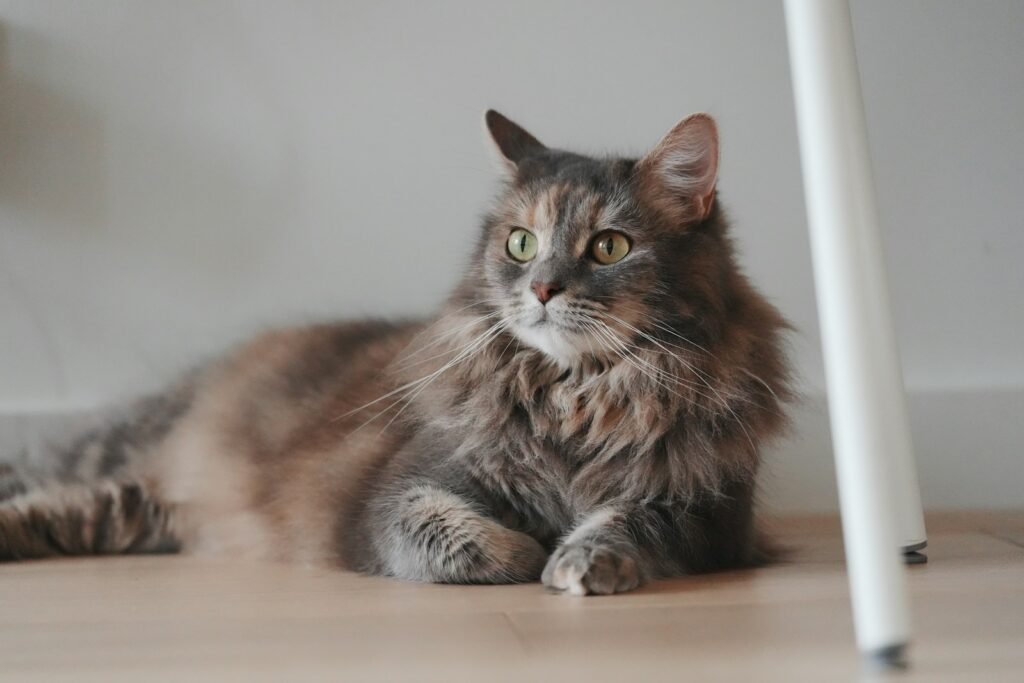
You might not have thought much about where exactly your cat plants itself whenever someone new walks through the door. It feels like coincidence, right? It’s actually anything but. One of the most common protective signs is when your cat positions itself between you and something unfamiliar, such as a new visitor, another pet, or even a strange noise. This stance signals alertness and a readiness to assess potential danger before it reaches you.
Think of it like having a very small, furry bodyguard who doesn’t need a paycheck. A protective cat stays alert, positions itself between you and the perceived threat, and may display defensive body language such as a puffed tail or focused stare. You will notice this especially when someone your cat has not warmed up to yet comes close to you. That stiff posture and steady gaze is not attitude. It is vigilance, plain and simple.
2. Your Cat Follows You From Room to Room
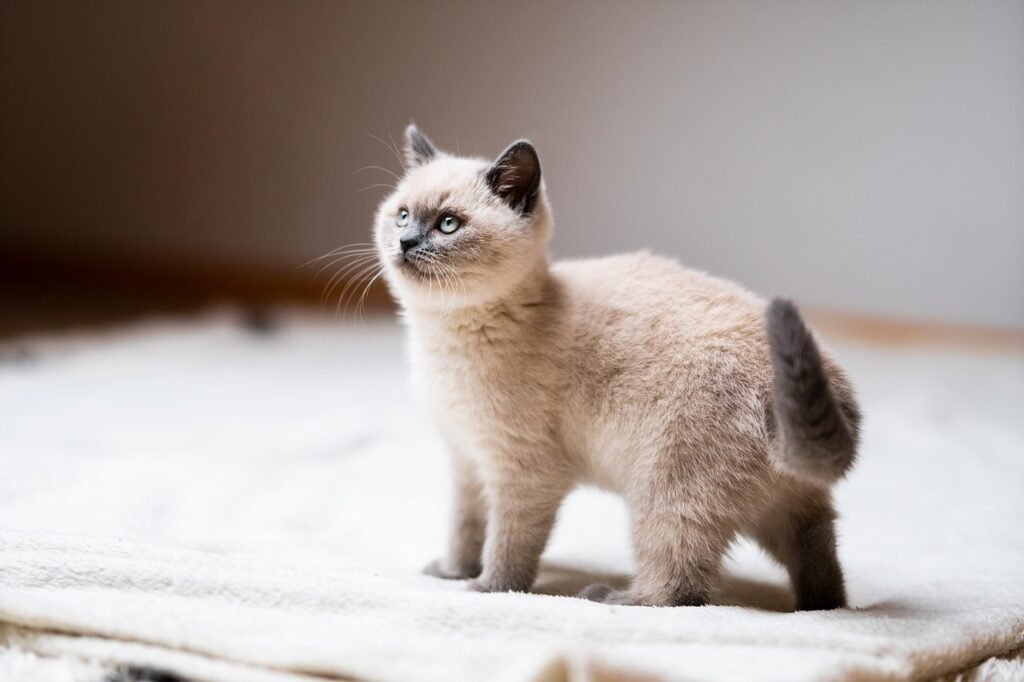
Ever feel like you have a tiny shadow glued to your heels? You walk to the kitchen, the cat follows. You head to the bathroom, the cat follows. I know it sounds a little absurd, but this room-to-room trailing is a genuinely meaningful behavior. When your cat trails you from room to room, it is often a sign of attachment and vigilance. Cats that feel bonded to their owners like to stay within sight to ensure everything is safe.
The protective dimension gets especially interesting when you are stressed or unwell. This behavior can also stem from curiosity or a desire for companionship. However, if your cat follows you more closely when you are upset or unwell, it may be expressing protective concern. It is almost like your cat has an internal radar for when you need extra eyes on your environment, even if you did not ask for them.
3. Your Cat Sleeps at the Foot of Your Bed
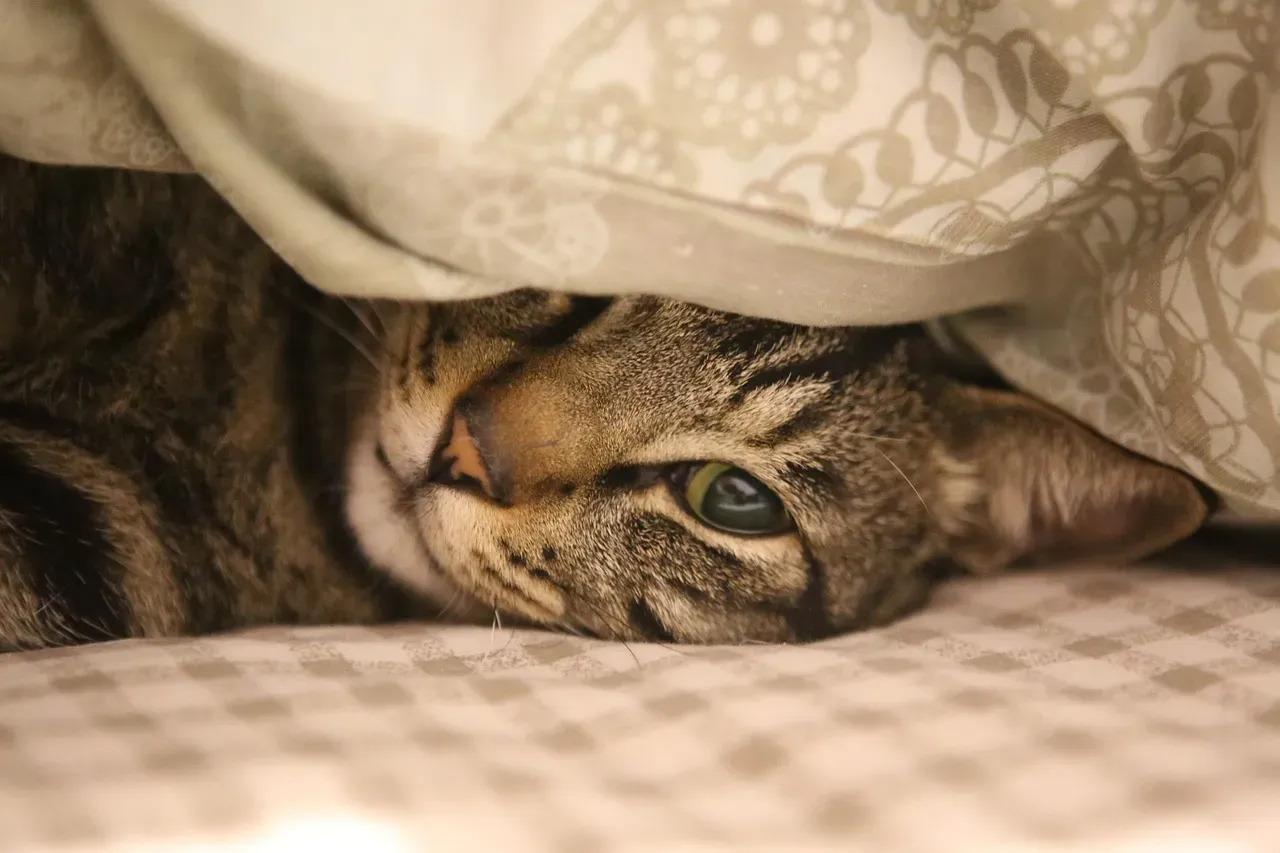
If you have ever woken up to find your cat curled at the foot of your bed rather than sprawled on the pillow beside your head, you were probably not thinking much of it. The foot-of-the-bed position is not random, though. Have you ever wondered why your cats like to sleep near your feet at night? It turns out they choose that location to protect not only themselves but you as well. Blame those instincts that are still hanging around from the days when cats were wild.
Some cats are especially attentive while their owners sleep, displaying behaviors that might seem like protective instincts. Cats that sleep close to or on their owner’s bed may be providing comfort while subtly keeping watch, particularly if they rest by the door or foot of the bed. It is like they chose the most strategic location, the one with the best view of potential danger, before settling in for the night. Smart little creatures.
4. Your Cat Reacts to Sounds Before You Even Hear Them
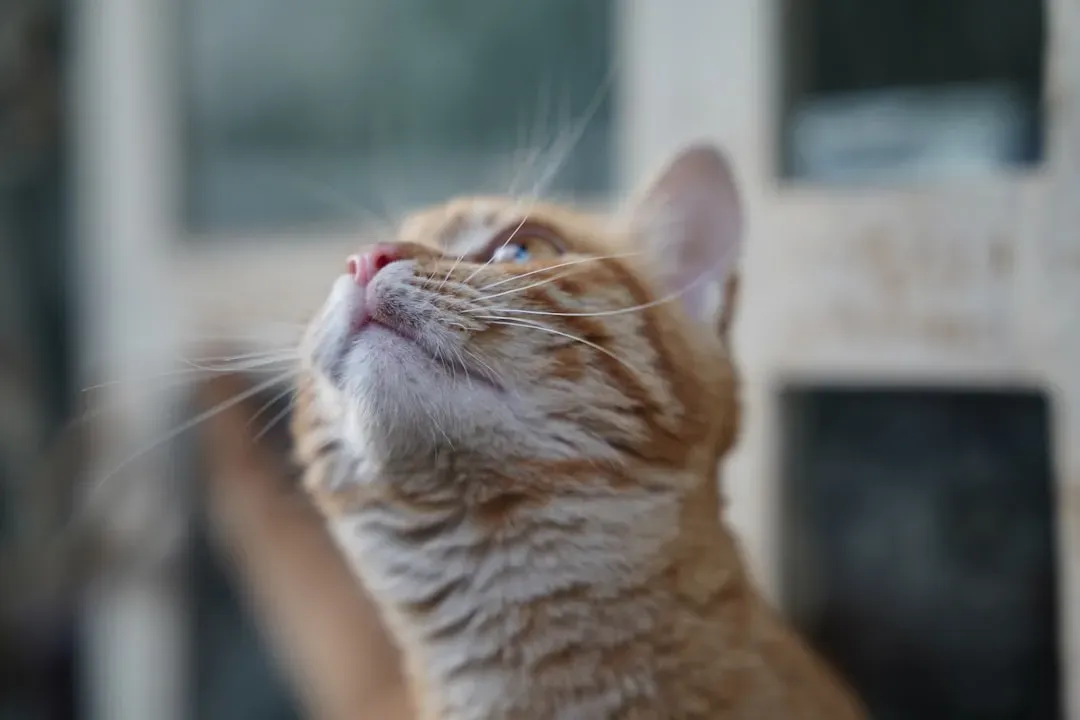
Your cat’s head snaps toward the hallway. Their ears rotate like tiny satellite dishes. You heard absolutely nothing. A few seconds later, you finally hear the footsteps outside or the knock at the door your cat already knew about. This is not some supernatural sixth sense, though it can certainly feel that way. Cats have extraordinarily sharp senses, with hearing being their forte. They can detect faint noises much earlier than we can. While they might not confront an intruder like a dog, their heightened awareness can serve as an early warning system.
Their hearing can pick up on the slightest sounds. This is why many cats will jolt awake at the most minor noise, often even checking up on you in the process. If something is off, your cat will likely be the first to know, and they might even attempt to alert you. So the next time your cat bolts upright from a dead sleep and stares intently at the wall, do not laugh it off too quickly. They may be picking up something your human ears just cannot catch.
5. Your Cat Becomes Clingy When You Are Anxious or Sick
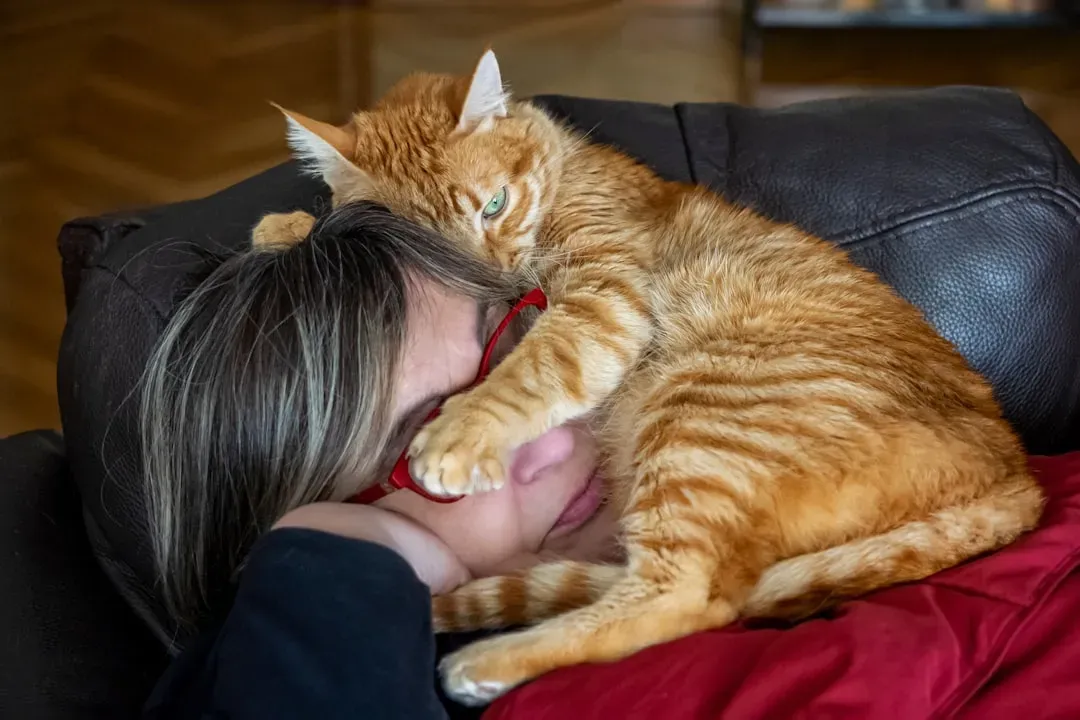
You’ve had a rough day. The tension is all over your face, your shoulders are tight, and you feel pretty miserable. Then, out of nowhere, your usually indifferent cat is suddenly on your lap, purring like a little engine. Cats are very sensitive to their owner’s moods and can often sense when their owners are anxious or scared. In these cases, they may offer comfort and support to their owners, which can be seen as a form of protection.
Because of their sensitivity and ability to pick up on energy, cats can often tell when you need extra love. Many will cuddle close when you’re sick, brush up against you while you’re crying, or even just settle on the foot of your bed while you’re resting, showing you they’re close by if needed. This kind of emotional protection is real and genuinely valuable, even if it does not involve claws or hissing. Sometimes the softest guard is the most powerful one.
6. Your Cat Hisses or Growls at Specific People Near You
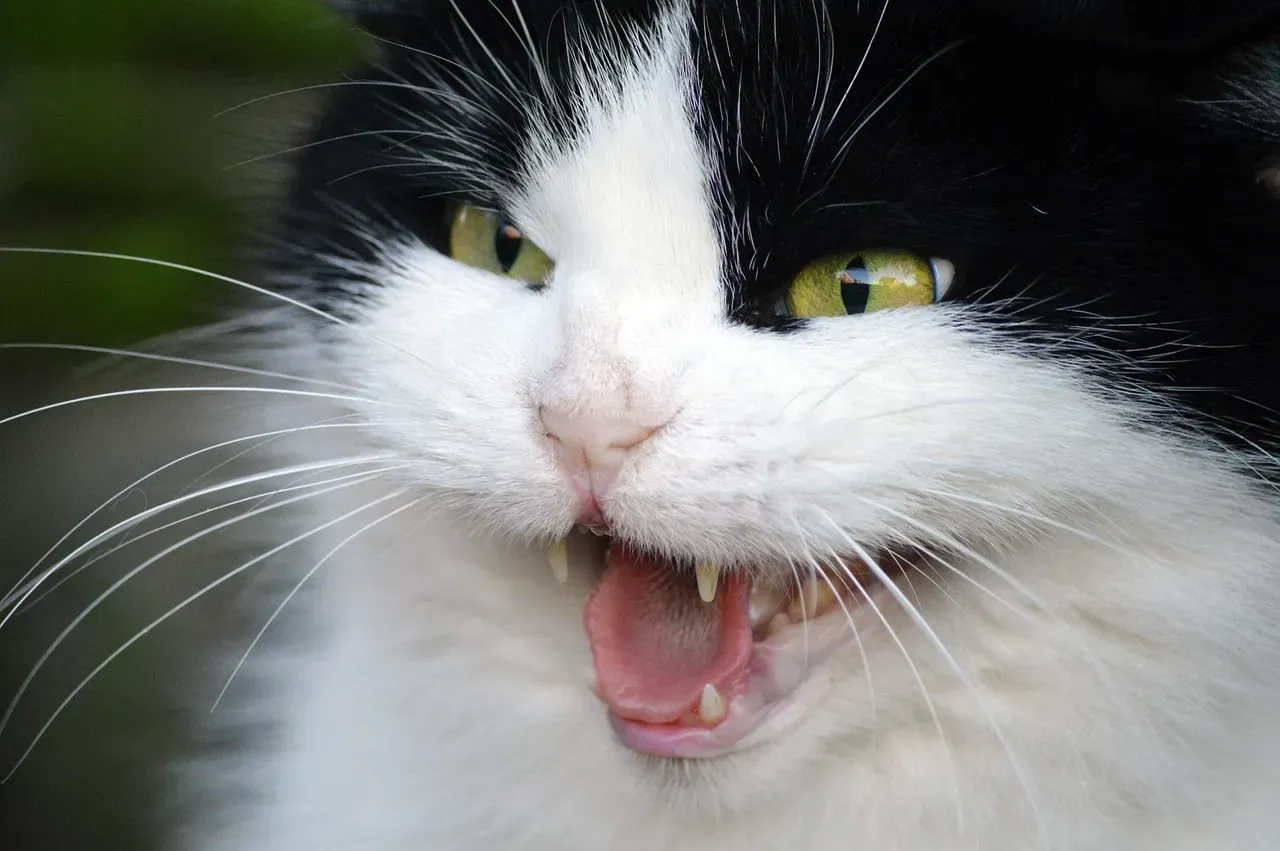
Let’s be real: if your cat has ever full-on hissed at someone who came too close to you, it can feel awkward. Maybe even a little embarrassing. Still, there is something happening beneath that hissing that deserves your attention. Once your cat starts hissing, spitting, and growling, they are sending out a warning. They are saying that they are angry, annoyed, or afraid and are telling the threat to stay back.
Cats growl to protect themselves. It’s a warning to alert their owner of possible threats. What makes this especially interesting is that cats are so sensitive to humans and perceptive to their environments that they can usually pick up on someone’s ill intentions or negative energy. Just like how dogs are great judges of character, cats too can sense if someone isn’t safe to be around. Your cat is not being rude. Your cat might actually be doing you a favor.
7. Your Cat Stares at You Intently While You Sleep
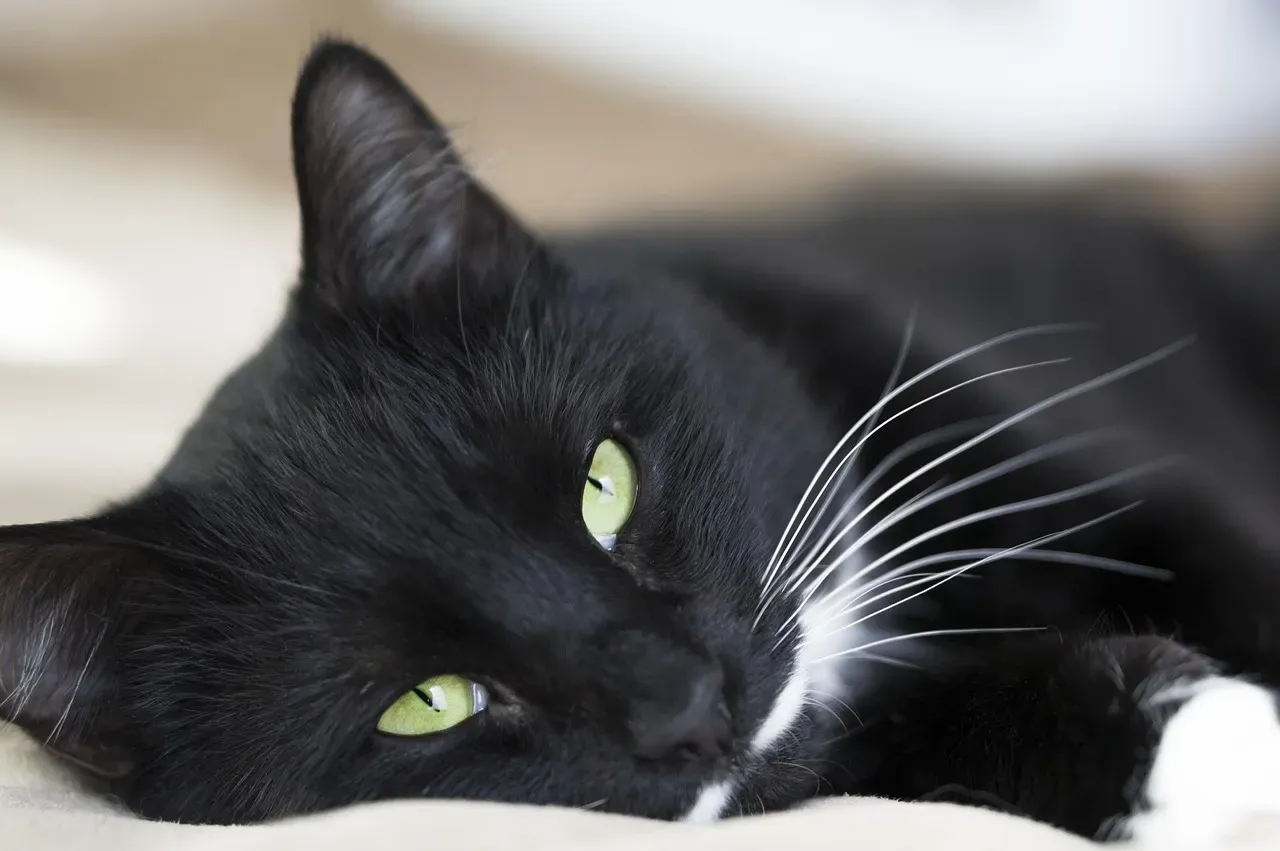
Waking up to your cat staring at you from two inches away is one of life’s more unsettling experiences. Honestly, it can feel borderline creepy. However, that unblinking gaze carries far more meaning than most people realize. This instinct hasn’t faded away with domestication. When your cat sits quietly by your side while you sleep, it’s not merely idling away time; it’s engaging in a form of protective watchfulness.
Research has shown that cats can form strong emotional attachments similar to those seen in human infants or dogs. When they stare at us while we sleep, they’re often reaffirming trust, a silent acknowledgment of companionship built over time through shared experiences. Think of it less like surveillance and more like a love letter written in eye contact. Strange? Yes. Sweet? Absolutely.
8. Your Cat Arches Its Back and Puffs Up Near You During Tense Moments
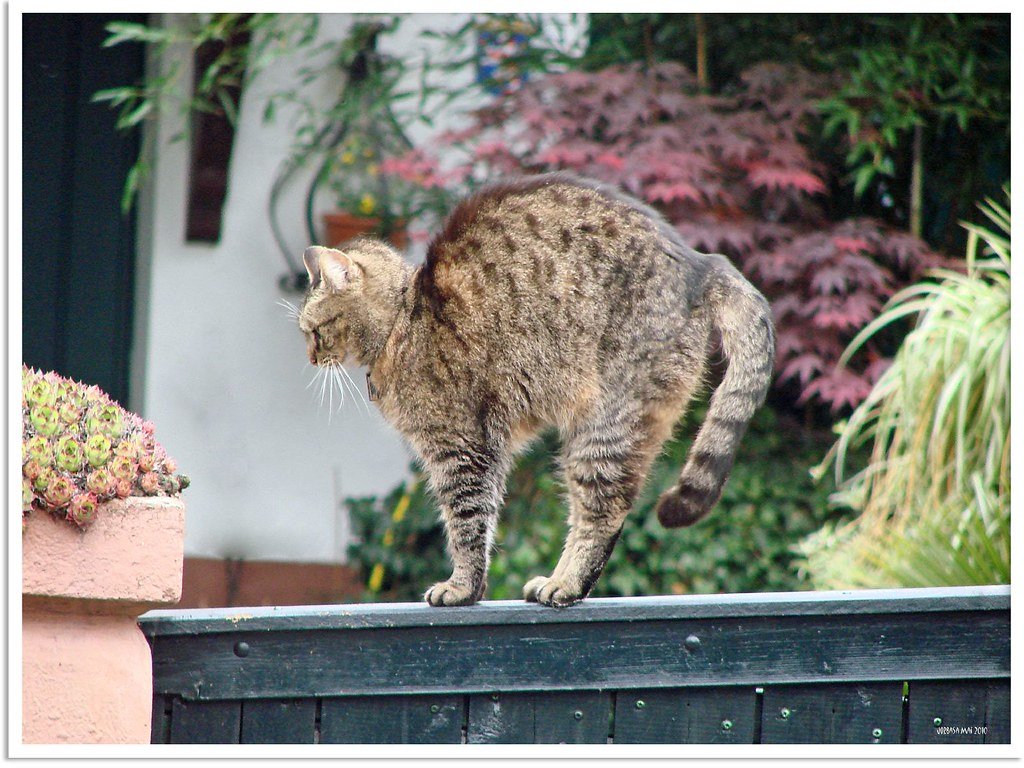
You have seen it before, that dramatic Halloween-cat pose where your cat looks like it has been inflated. It is actually one of the most visible signs your cat has switched into full protection mode. When cats feel threatened and ready to defend themselves or you, they puff out their fur and appear much bigger. You’ll notice the fur being particularly puffy along the spine and on the tail, which is called piloerection. This is a response through the nervous system that occurs due to natural reflexes in reaction to shock, anger, or fright.
Cats often puff up their tails or even the fur on their whole body in response to a threat. By doing this, they make themselves look bigger and hopefully scarier to a potential enemy. The goal is to prevent a fight by frightening off the threat instead. The visual effect is a bit like watching someone puff out their chest before a confrontation. Your cat is essentially saying: “You do not want to mess with us.” And often, it works.
9. Your Cat Periodically Checks On You During the Night
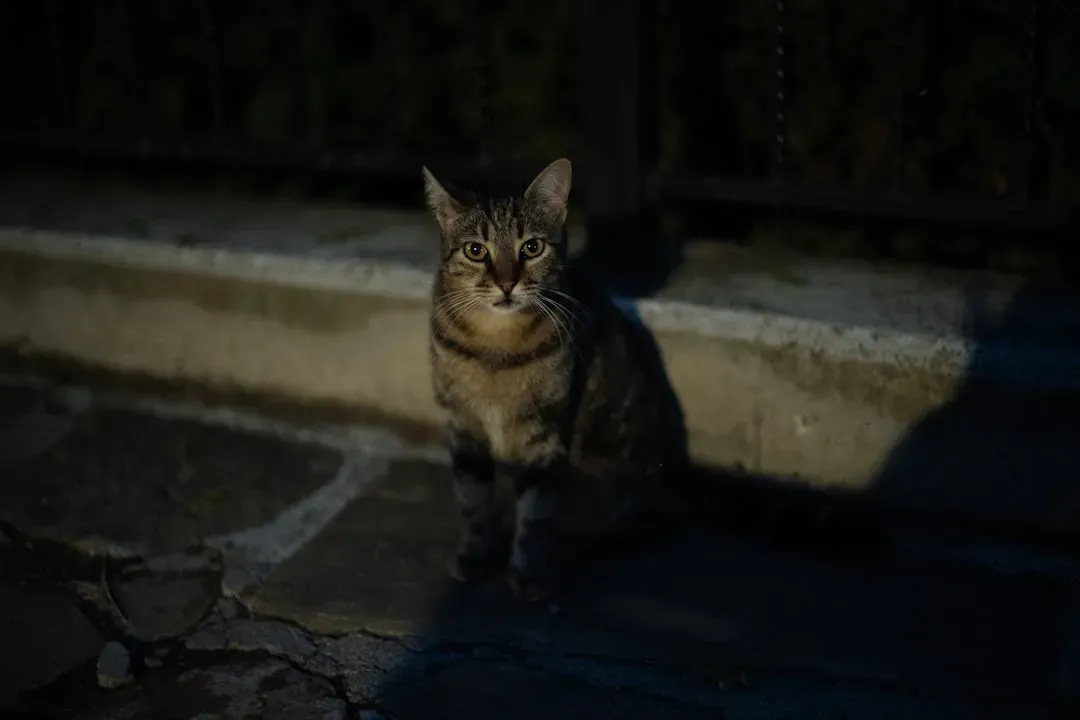
Many cat owners report their cats gently pawing at them or lightly touching their face during the night and assuming it is just normal cat weirdness. Here’s the thing: that midnight tap may actually be a wellness check. Even while resting, a cat’s sharp hearing remains active, and they may react to unfamiliar sounds to ensure there’s no immediate threat. Some protective cats will periodically check in during the night by patting their owner, purring, or gently licking them.
This behavior has real-world consequences worth paying attention to. In Florida, a family cat emerged as an unexpected hero by alerting owners about the dangerous presence of carbon monoxide. The odorless and colorless nature of this gas makes it a silent killer. One night, as the lethal gas filled the family’s home, the cat, sensing the danger, acted urgently. Displaying atypical behavior through loud meows or persistent pawing, the feline managed to wake its owners. Feeling the early poisoning symptoms, the family promptly evacuated and called for medical help. Their cat’s keen senses and timely intervention prevented what could have been a tragic event.
10. Your Cat’s Tail Lashes Rapidly While Sitting Near You
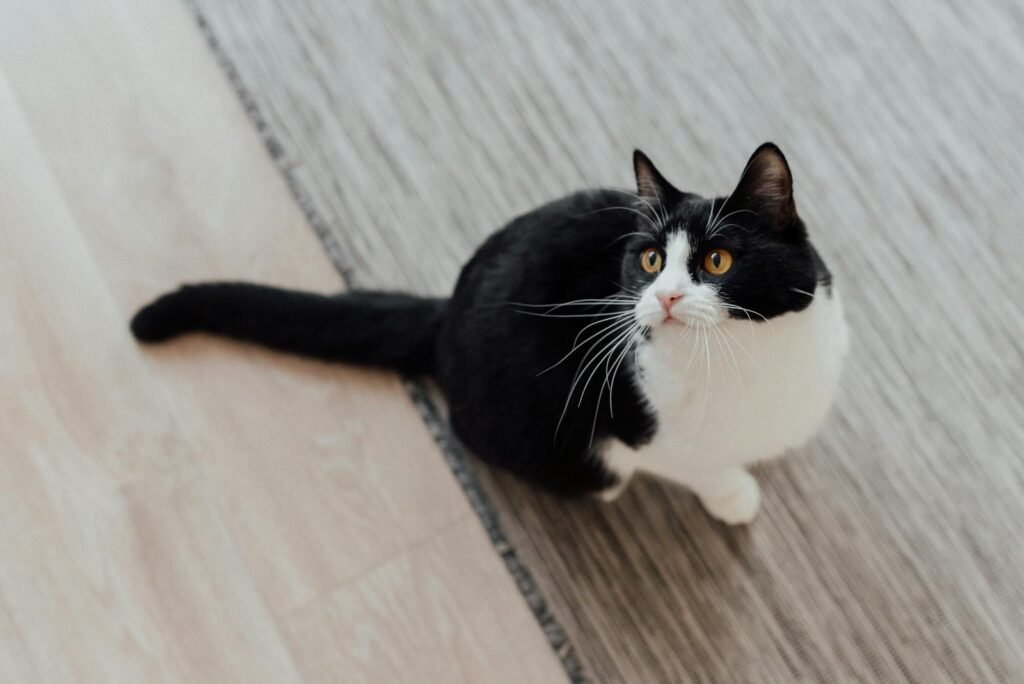
A wagging tail means a happy dog. On a cat, a rapidly lashing tail tells an entirely different story. If you notice your cat sitting beside you with its tail flicking sharply back and forth, it is not boredom or irritation at you specifically. A cat’s tail is one of the most expressive parts of their body. Fast, aggressive tail movements are a sign that a cat is worked up and could indicate that they’re ready to engage and protect you. Some cats crouch low to the ground and swat their tail, preparing to pounce if necessary.
Cats exhibit a lot of their moods and feelings with their tails. Quick and sharp tail movements are usually a sign that your cat is paying very close attention to something. Typically, you see these tail movements when your feline is hunting. However, they will also pop up when they are trying to protect against something. Usually, these tail movements will occur when your cat is looking at the thing they’re trying to protect you from, but they may also occur whenever your cat is lying around and trying to relax but is very tense. Essentially, a twitching tail while your cat is near you means their internal alarm system is very much switched on.
Conclusion: Your Cat Is More Than Just a Napping Machine
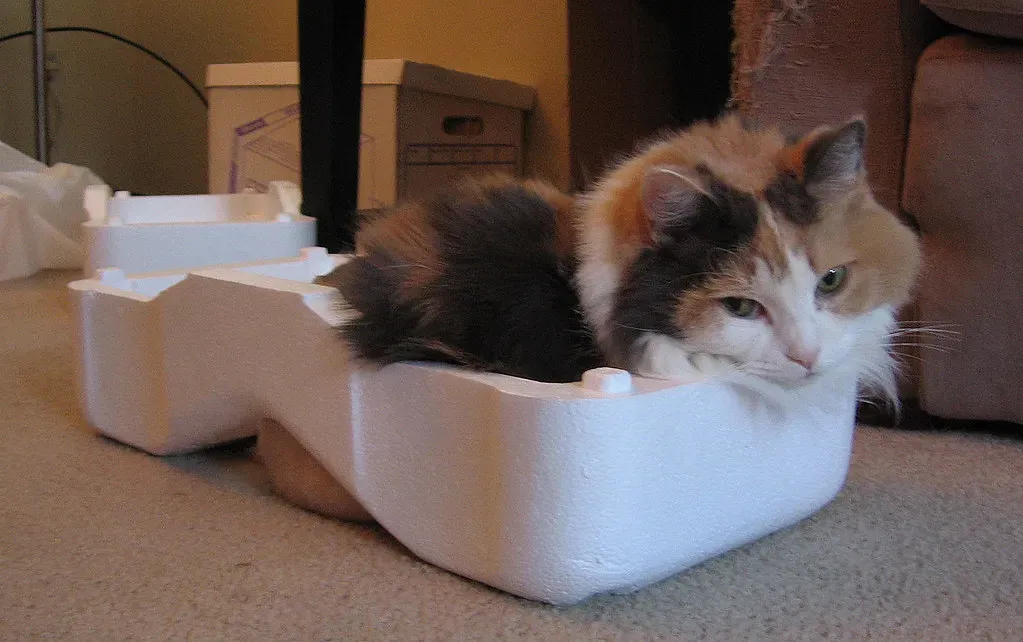
Most of us underestimate what goes on behind those half-lidded, sleepy cat eyes. The truth is, studies suggest that cats are attached to their owners. They not only rely on people for their food and water but also for comfort and security. So while it might come as a surprise to the owners of aloof, independent cats, they can care very deeply about their owners. That care often manifests in these small, quiet, easy-to-miss protective gestures.
Cats may not guard their owners with loud barks or physical defense, but their protective instincts run deep. Through subtle gestures like staying close, watching over you, or reacting to unfamiliar sounds, they express loyalty and care in their own quiet way. Your cat is not just tolerating you. They are, in their own mysterious and wonderfully understated way, looking out for you, even from the comfort of a sunlit nap.
So the next time your cat gives a stranger the side-eye or taps your face at 3 a.m., maybe say thank you instead of groaning. They are just doing their job. What other surprising things does your cat do that you now see in a completely new light? Tell us in the comments.
Kristina is a young writer from India. An arts graduate and an avid content creator, Kristina is passionate about animals and wildlife. She enjoys exploring topics related to pet care, animal behavior, conservation, and nature, combining thorough research with engaging storytelling.