You love your cat. You feed them, cuddle them, buy them overpriced toys they ignore in favor of an empty cardboard box. Yet somehow, despite all that effort, your cat occasionally looks at you like you are the single most irritating creature on the planet. Sound familiar?
The truth is, when you live with someone, certain things are bound to bother them, and your cat is no exception. While you may feel frustrated when your furry family member makes a mess, your cat can feel equally annoyed with you. Because cats communicate differently, many people simply don’t pick up on the subtle signs of irritation in their feline friends. So before your relationship with your kitty hits a wall, let’s figure out what you might be doing wrong. Let’s dive in.
1. Rubbing That Irresistible Belly
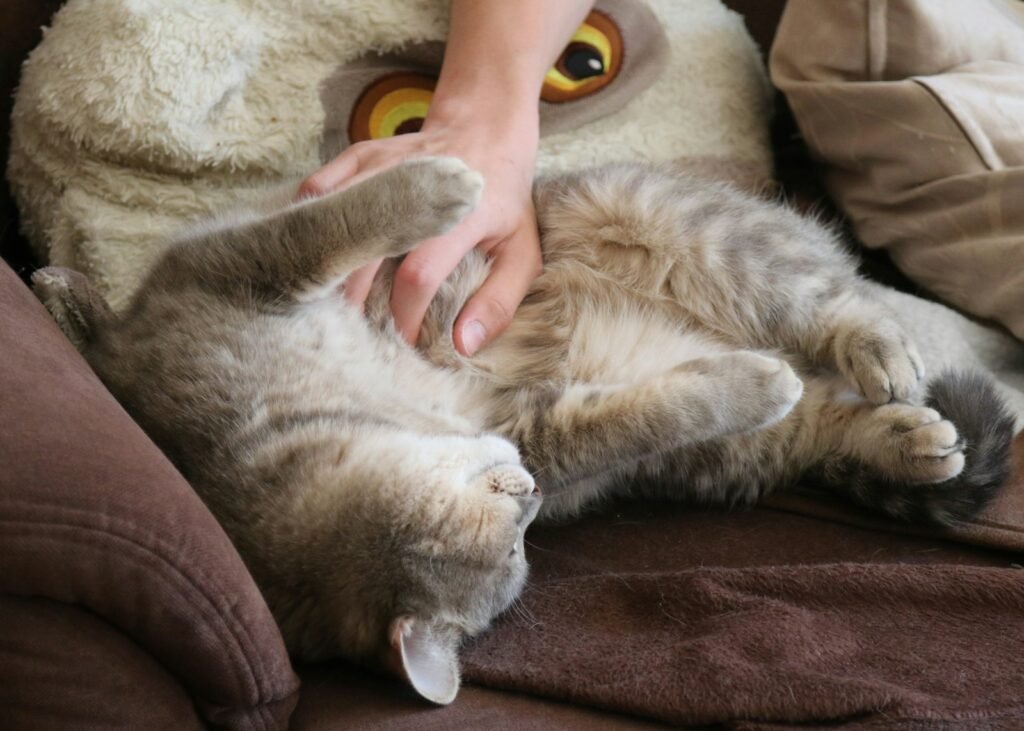
Here’s the thing – when your cat rolls onto their back and stretches out, every human instinct screams “belly rub time!” It looks like an invitation. It practically is an advertisement. Yet when your beloved cat flops on the ground, stretches out on their back, shows off their belly, and rolls from side to side, it seems like an obvious invitation to rub that fluffy tummy. However, doing so is at your peril, as in general, cats don’t like this area to be touched.
So what is actually going on? When a cat rolls over on their back, they obviously look super cute. When they move around like that, it’s called a social roll. It can be an invitation for play and it means they are relaxed, but it is not an invitation for a belly rub, and most people misinterpret that. Instead of going for the tummy, try a gentle chin scratch or a slow stroke along the back. Your cat will thank you with something close to appreciation, which in cat terms is still mostly indifference, but the warmer kind.
2. Playing Loud Music or Making Sudden Loud Noises
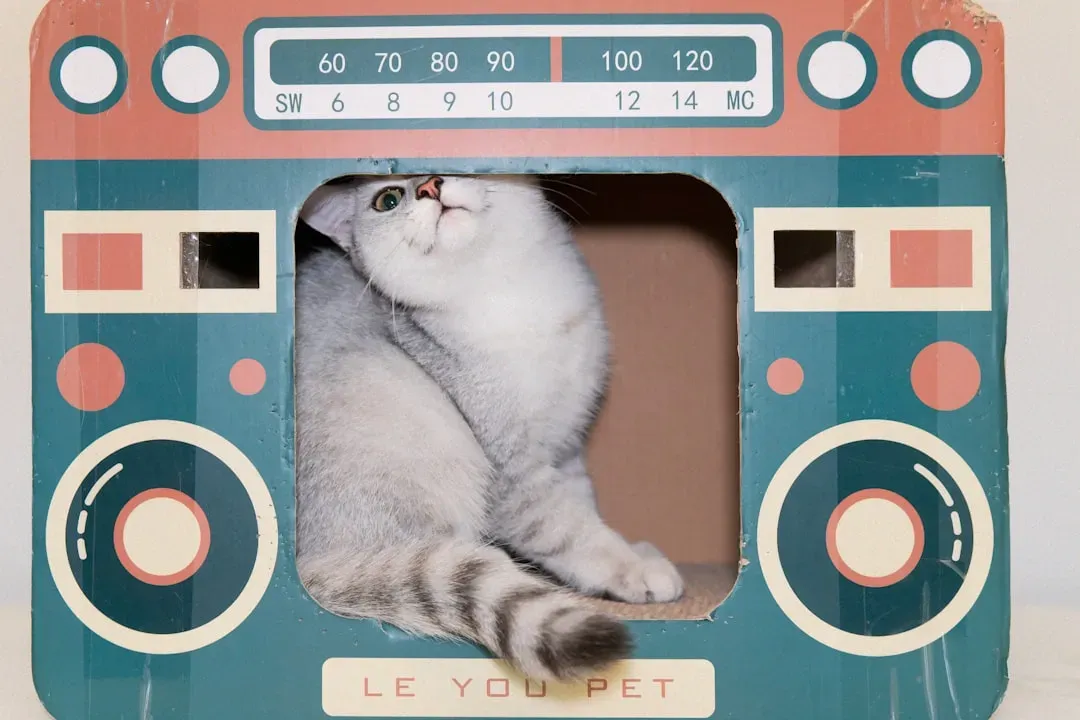
You probably crank up your favorite playlist without a second thought. Your cat, however, is not enjoying the concert. Cats have very sensitive ears, which are helpful for alerting them to predators and for assisting them in finding and stalking prey. Noises that sound loud to humans are especially loud to a cat’s sensitive ears and may startle a cat or overwhelm it. Think of it like this: imagine someone turning up the volume on a speaker directly beside your ear every time they felt like dancing. Not ideal.
Cats have ultra-strong hearing senses, with about three times the upper range of human hearing. This means when the garbage truck comes by, when the doorbell rings, or the neighbor’s dog barks incessantly, your cat definitely minds. High-pitched sounds, such as humming from lightbulbs and electronics, dimming switches, or the kettle heating up your nightly tea, could also be adding to your cat’s discomfort. A simple fix is keeping your volume levels lower, especially near spaces your cat frequents. Give them a quiet room they can retreat to when things get noisy.
3. Forcing Cuddles When Your Cat Hasn’t Asked for Them
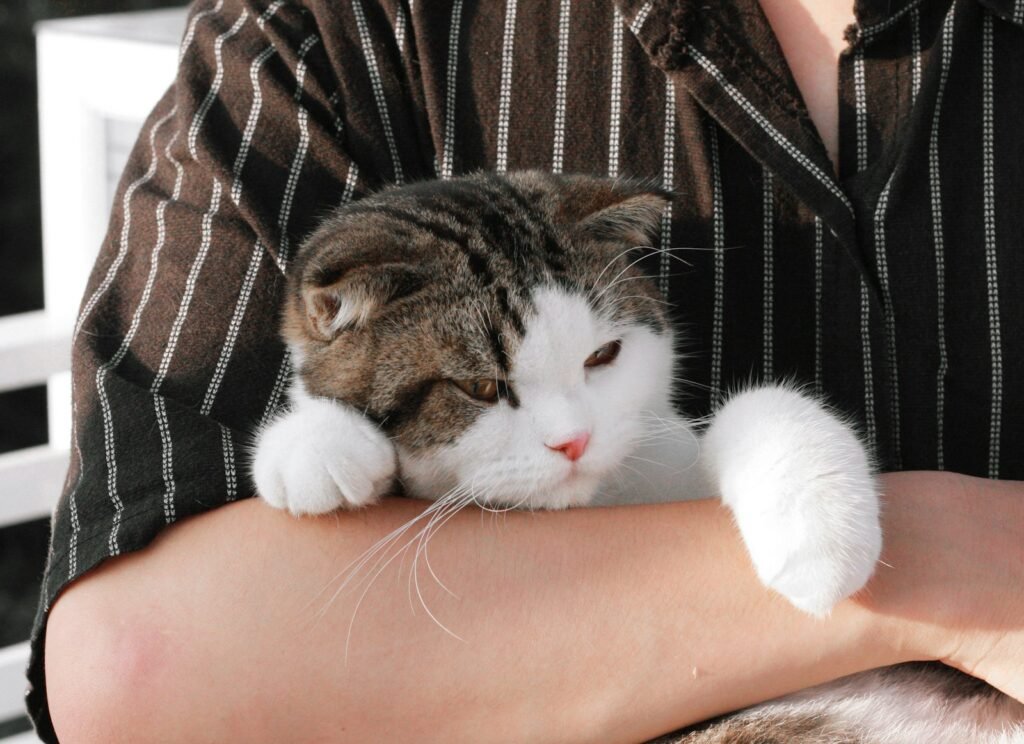
Honestly, this is one most cat owners are guilty of, and it makes total sense. Your cat looks soft, warm, and incredibly huggable. You want to scoop them up. The majority of feline friends enjoy a cuddle with their favourite human. However, you should always wait for a cat to come to you. After all, you’d feel pretty anxious, or just annoyed, if some giant scooped you up without asking. That perspective shift is genuinely useful.
Being stroked or picked up when it’s not wanted or enjoyed is stressful for cats. The key is reading the signals your cat sends out. Most cats only want short bursts of fuss and interaction, even if you’re doing something they enjoy. It’s a good idea to pause when you’re petting a cat to see if they still want you to carry on. They’ll soon nudge you if they want some more. Let your cat lead. It feels counterintuitive, but the result is a much more relaxed, trusting animal – and honestly, more meaningful cuddles.
4. Neglecting to Clean the Litter Box Daily
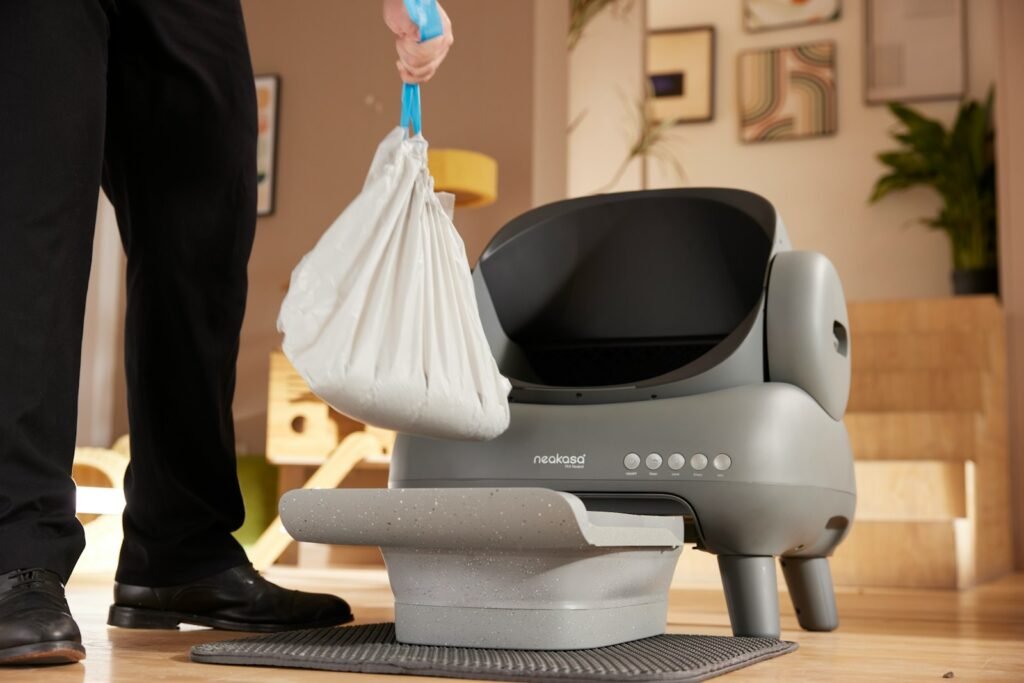
Let’s be real – scooping the litter box is nobody’s highlight of the day. Yet skipping it is probably one of the fastest ways to quietly drive your cat mad. Scooping out the cat box isn’t anyone’s favorite chore, but not doing it on the daily is the number-one way to annoy your cat. Regular scooping is essential for a cat’s physical and emotional wellbeing. Not cleaning the box increases the chance your cat will find somewhere else around the house to go potty. Yes, that means your laundry pile. You’ve been warned.
Think about it from your cat’s perspective. Nobody likes using a dirty bathroom, including your cat. Poor litter box placement, the wrong litter type, and a too-small box can all cause distress when your cat wants to use their bathroom. The practical fix? Follow this rule when setting up your cat’s litter boxes: provide one box per cat, plus one extra. Scoop the boxes twice daily, if not more frequently, and completely refresh the litter and disinfect the box weekly. Choose fine, unscented litter, unless your cat has a different preference, and place boxes in low-traffic areas with minimal noise.
5. Disrupting Their Routine Without Warning
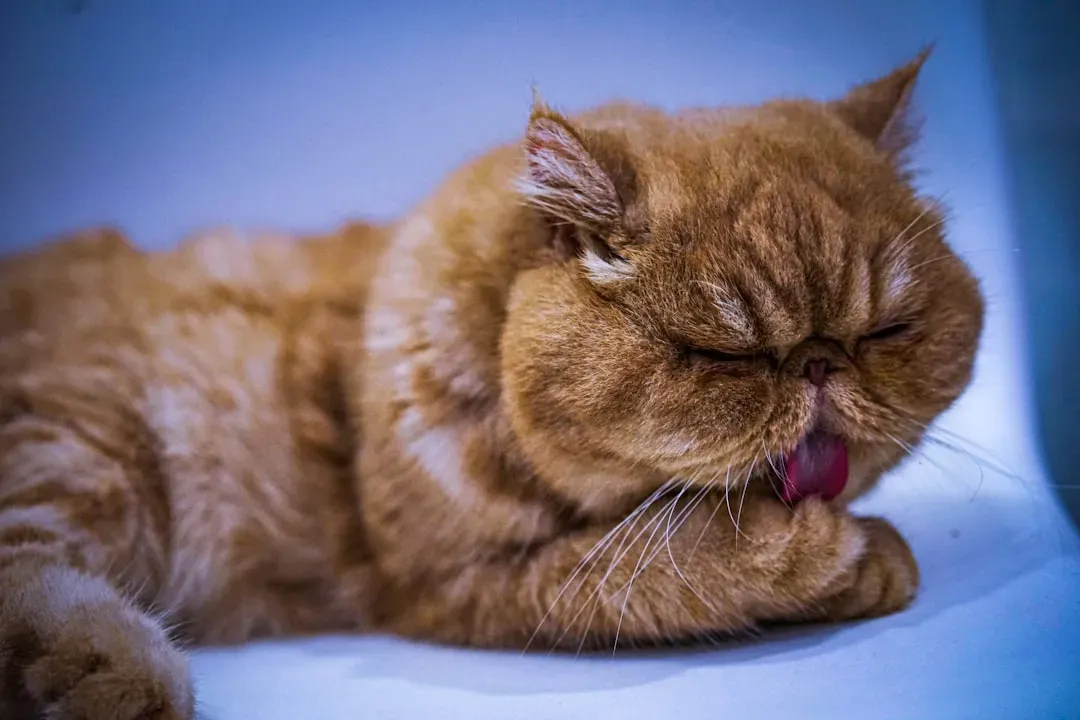
Cats are creatures of habit in a way that would make even the most rigid human scheduler impressed. Cats thrive on routine and predictability, and even small disruptions can be stressful for them. Things that shake up these routines or introduce something new can make cats feel like their boundaries have been crossed. While these changes may seem insignificant to humans, they can be a major source of stress for cats. Moving furniture around? Switching their feeding time? Bringing home a new piece of furniture? To you it’s a redesign. To your cat, it’s a minor catastrophe.
Some of the main causes of stress in cats include environmental changes, a barren environment, a poor human-cat relationship, inter-cat conflict, and lack of control and predictability. Novelty may be stressful in itself, and therefore changes in the physical environment of the cat, as well as the arrival of a new household member or a change in the daily routine, may all lead to stress. The simple solution is to keep a consistent schedule for feeding and play, introduce changes gradually, and always give your cat a safe, familiar corner of the home to retreat to. Predictability is love, in cat language.
6. Touching or Pulling Their Tail
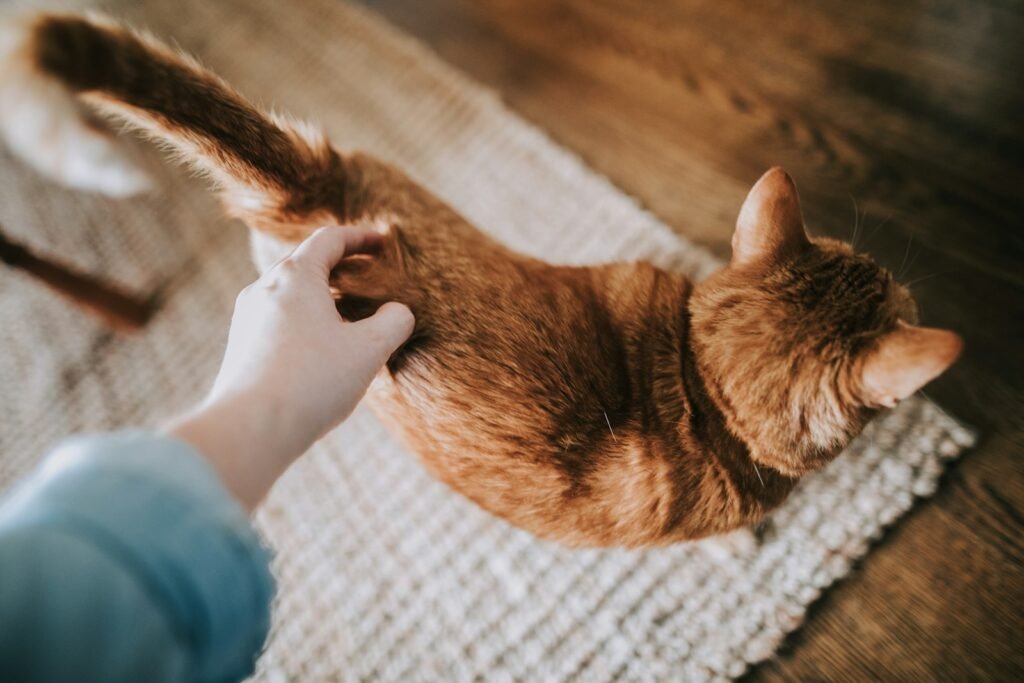
It dangles there, swishing back and forth, looking absolutely irresistible. I get it. Still, grabbing your cat’s tail is something you’ll want to stop doing immediately. Many cats find it upsetting when their tail is touched, as it’s a sensitive area packed with nerves. The tail is an extension of the spine and a key way cats express emotions like excitement, fear, or irritation. When someone suddenly grabs or strokes the tail, it can feel threatening, causing cats to retreat or lash out.
A cat’s tail contains thousands of sensitive nerve endings, which is why most felines would prefer if you left this part of them alone. The large concentration of nerves makes the tail feel hyper-sensitive to touch. It also increases the risk of injuries, and damage to a tail can cause all kinds of problems. These include reduced balance, spinal injuries, and a loosening of the muscles that control urination. That last point alone should be reason enough to keep your hands away. If your cat’s tail is swishing rapidly, that’s their version of a warning sign. Respect it.
7. Changing Scents and Fragrances in Your Home
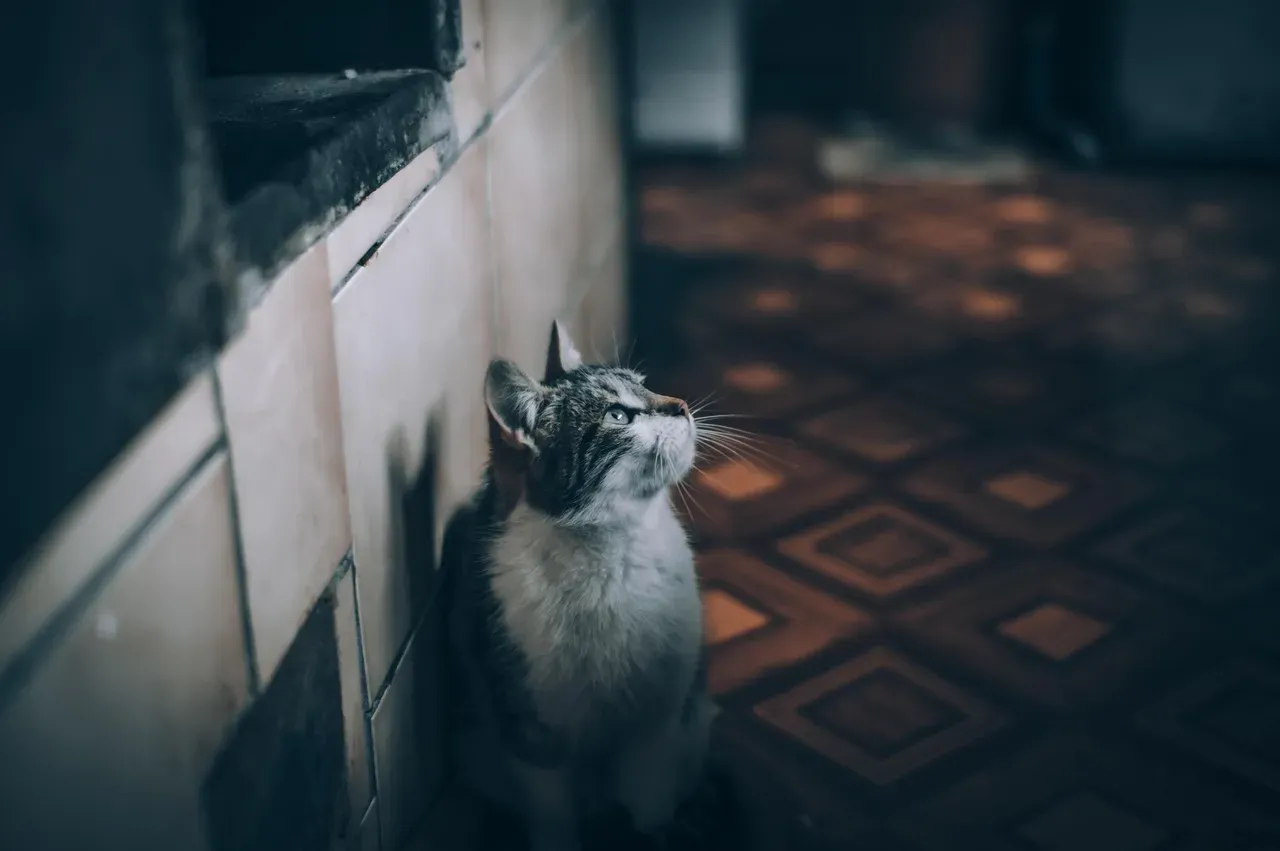
You switched to a new air freshener, lit a fancy new candle, or started using a lemon-scented floor cleaner. The house smells amazing to you. To your cat, it might as well be a full-blown alien invasion. Cats have an incredible sense of smell which is much more powerful than ours. Significant changes to the smell of their home can be a real concern to cats, even though it may not be obvious to us.
Smells are super important to cats, and familiar scents signify comfort and safety. Switching up air fresheners or home fragrances can disorient your cat. Even a freshly washed blanket that used to smell like them can suddenly feel like strange territory. The smell of your favorite scented candle, lemon-scented cleaner, and even freshly-laundered clothes might make you feel relaxed, but your cat might not feel the same way. Opt for unscented cleaning products where possible, and if you must use air fresheners, keep them away from your cat’s main resting and feeding areas.
8. Pestering Your Cat While They Sleep or Rest
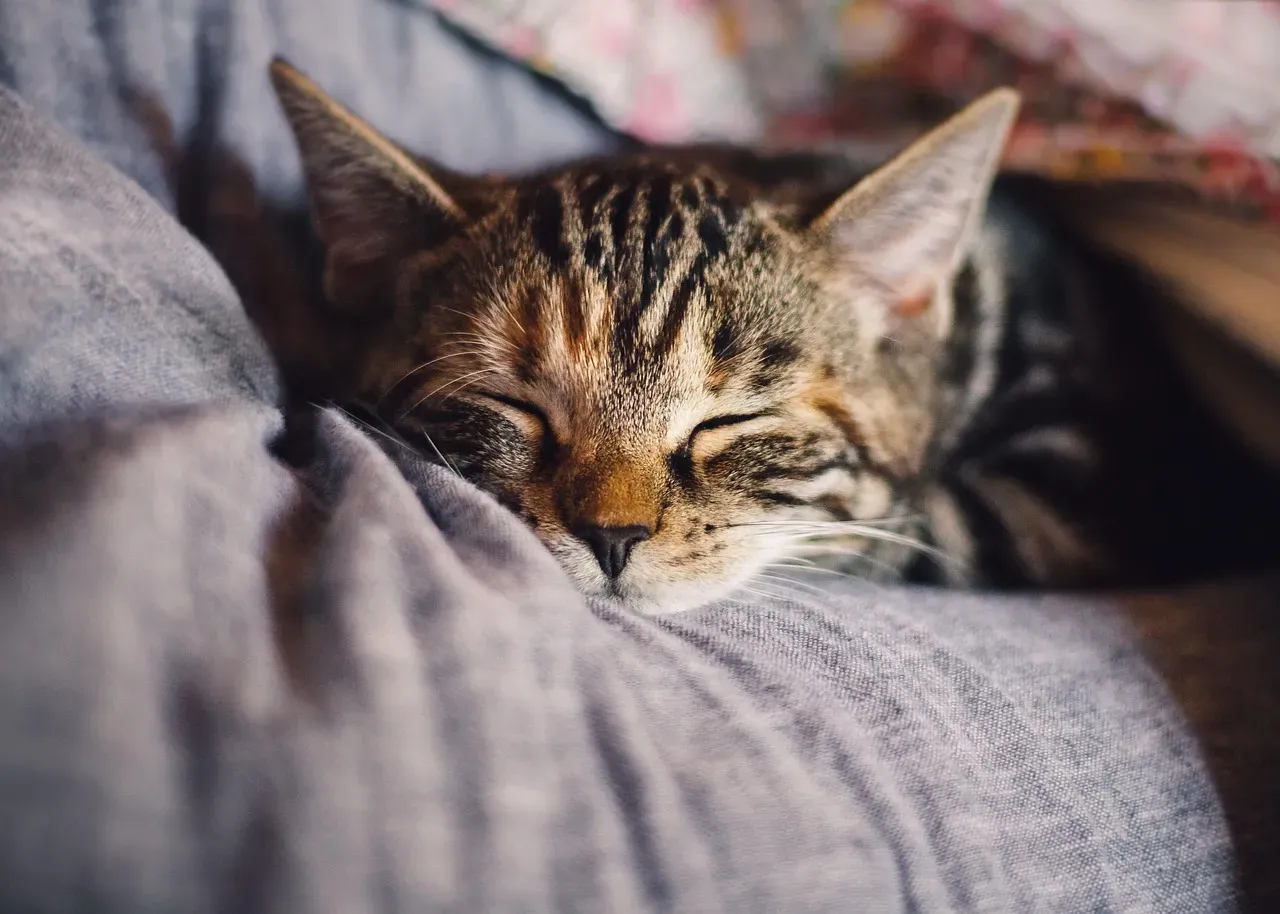
Your cat has found the sunniest spot on the couch, curled into a perfect little loaf, and is deep in what appears to be very important dreaming. You walk over, poke them, call their name, maybe shake a treat bag. Imagine you’ve just stretched out on your bed for a little snooze, when someone comes along wanting you to entertain them. You wouldn’t love it, and neither does your cat. This behavior is considered the second-best way to annoy your cat, after a dirty litter box.
It’s hard to say for sure exactly how deeply a sleeping cat is aware of disturbances, but the behavioral signals are pretty clear. Look for signs like ears back or flat, tail flicking, and even growling or hissing. This is an indication to stop and give them their space. You are pestering your cat while they are trying to rest or don’t want to play. Let sleeping cats lie, as the saying almost goes. Allowing your cat to initiate contact with you, so they feel they have choice and control over the interaction, is probably the easiest way to establish the quality and quantity of affection that they want.
Final Thoughts: Your Cat Is Trying to Tell You Something
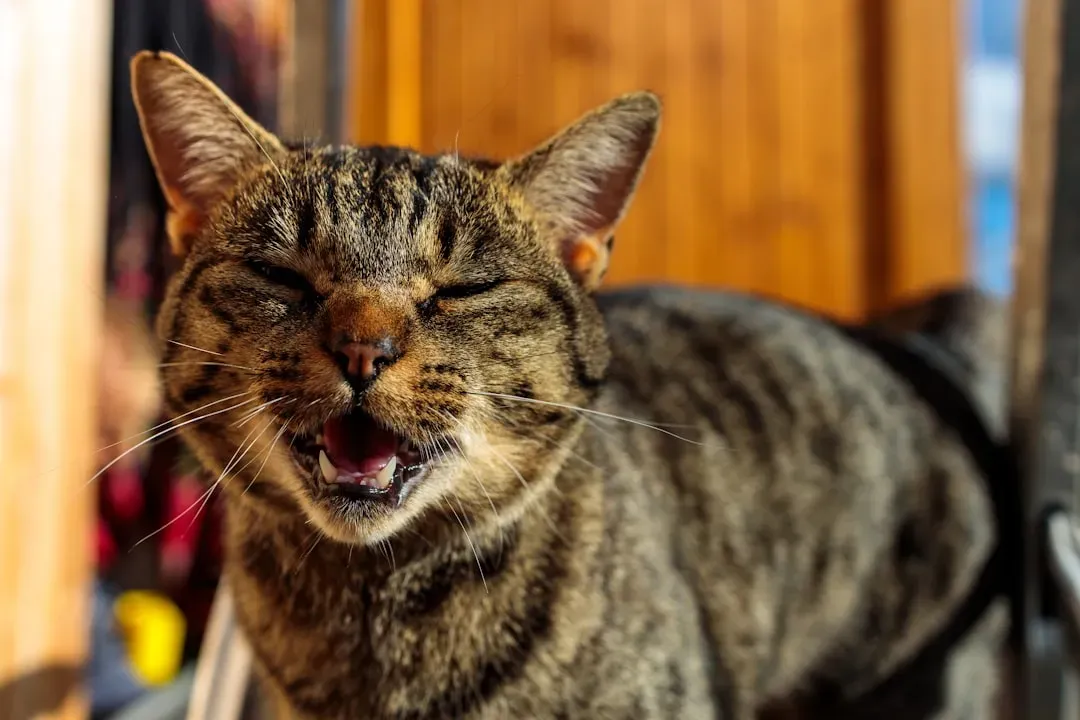
Here’s the bottom line: most of these habits come from a place of genuine love and affection. You’re not a bad pet parent for grabbing a belly or cranking up the music. You just may not have realized how differently your cat experiences the world around them. Knowing these common cat annoyances can help you reduce stress, improve your cat’s behavior, and strengthen the bond with your furry companion.
Domestic cats are exposed to a variety of stressful stimuli, which may have a negative effect on the cats’ welfare and trigger a number of behavioural changes. Some of the stressors most commonly encountered by cats include changes in environment, inter-cat conflict, a poor human-cat relationship, and the cat’s inability to perform highly motivated behaviour patterns. The good news is that small adjustments in your daily habits can make a massive difference in your cat’s happiness and overall wellbeing.
Pay attention to what your cat’s body language is telling you. A flicking tail, flattened ears, or a deliberate retreat are not personal insults – they are communication. Once you start tuning in, you’ll realize your cat has been trying to talk to you all along. The real question is: how many of these habits did you recognize in yourself today?
Kristina is a young writer from India. An arts graduate and an avid content creator, Kristina is passionate about animals and wildlife. She enjoys exploring topics related to pet care, animal behavior, conservation, and nature, combining thorough research with engaging storytelling.