You’re sitting on the couch, minding your own business, when you feel it. That unmistakable pressure of two unblinking eyes drilling a hole straight through your soul. You look up. Your cat is staring at you. Again. Motionless. Expressionless. Intense as a Roman statue with better fur.
Most people assume it’s some kind of power play or feline attitude. Honestly, that’s a pretty human way to read it. The truth, it turns out, runs far deeper than dominance or curiosity. It stretches back thousands of years, across civilizations and cultures that saw cats as something very different from just fluffy house pets. Let’s dive in.
The Eyes That Started a Civilization
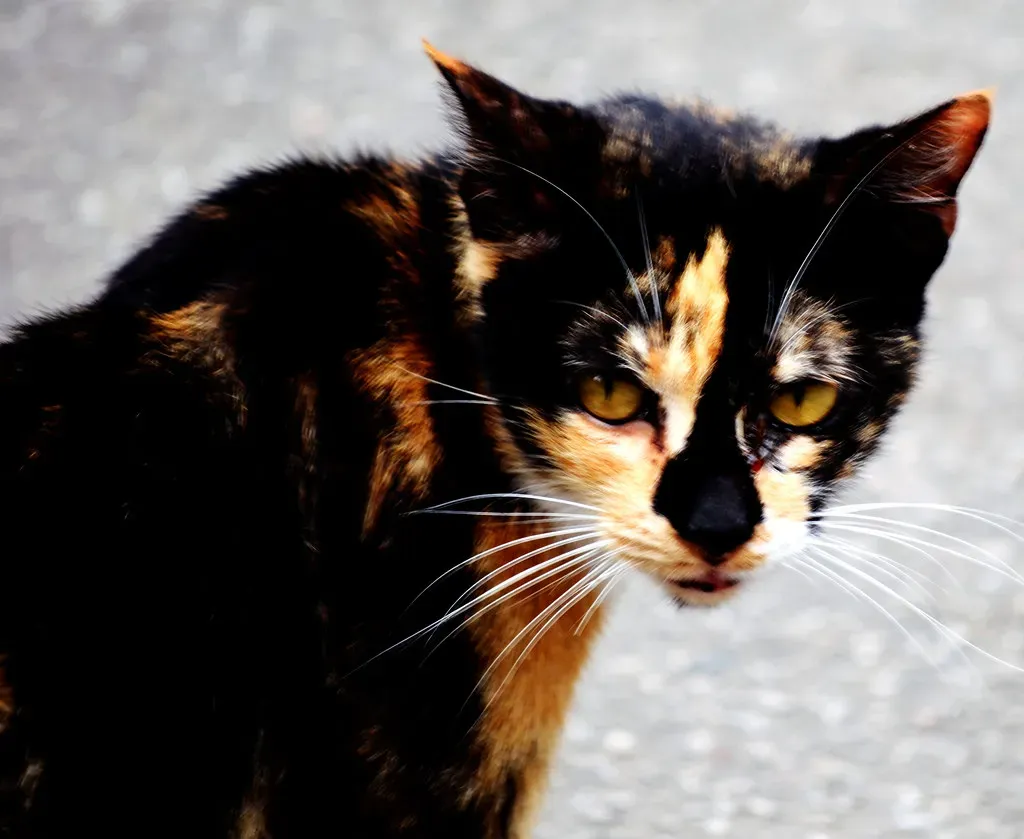
Long before your cat was staring at you from the end of the bed, feline eyes were already shaping human history. DNA evidence suggests that wild cats first “self-domesticated” in the Near East and Egypt roughly 10,000 years ago when spotted felines wandered into early agricultural societies to feed on grain-stealing rodents and stuck around for the free scraps and backrubs from grateful humans. Think about that for a second. Cats chose us. We didn’t exactly recruit them.
The level of devotion ancient Egyptians showed toward their cats went far beyond a pet owner’s warm affection. Over the millennia, cats in Egypt evolved from useful village predators to physical embodiments of the gods and symbols of divine protection. So when your cat stares at you like it owns the room, it may simply be continuing a very old tradition of doing exactly that.
Sacred Gaze: What Ancient Egypt Really Believed
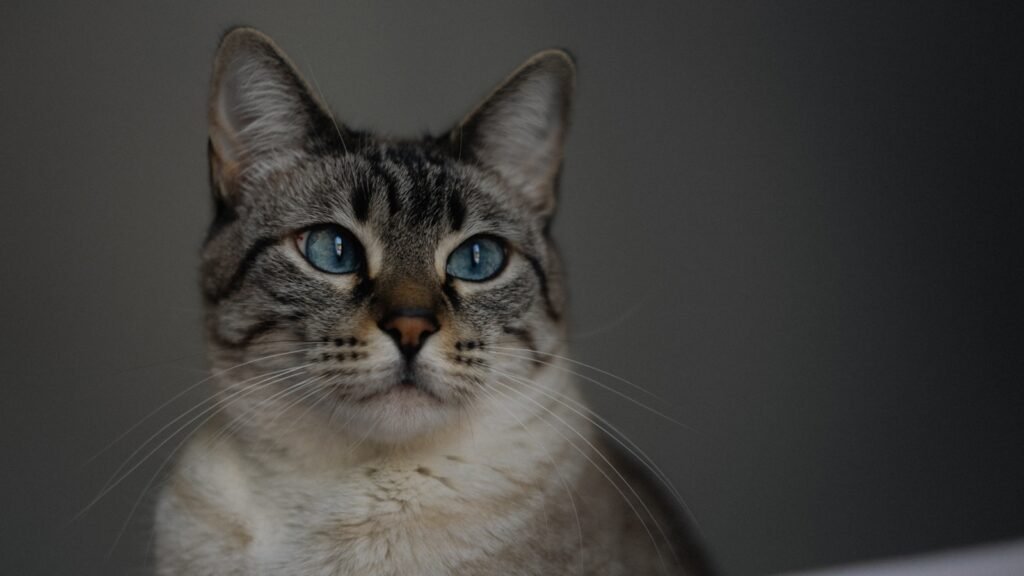
Ancient Egyptians did not worship cats, but they did believe that cats held a bit of divine energy within them. The most widespread belief was that domestic cats carried the divine essence of Bastet, the cat-headed goddess who represented fertility, domesticity, music, dance and pleasure. That’s not a small thing. These weren’t quirky superstitions. These were deep, structural cultural beliefs that shaped law and daily life.
In Ancient Egyptian belief, the cat may be carrying a divine message, offering protection, or channeling sacred energy from the goddess Bastet. In Ancient Egyptian culture, cats were more than just animals – they were seen as spiritual beings with strong power and purpose. The goddess Bastet, who had the head of a cat, symbolized both peace in the home and strength in defense. When a cat stared directly at someone, it was believed to be a sacred act, a possible manifestation of divine wisdom or a sign that a spiritual message was being delivered. The stare, in other words, was never nothing.
From Temples to Tombs: Cats as Sacred Companions
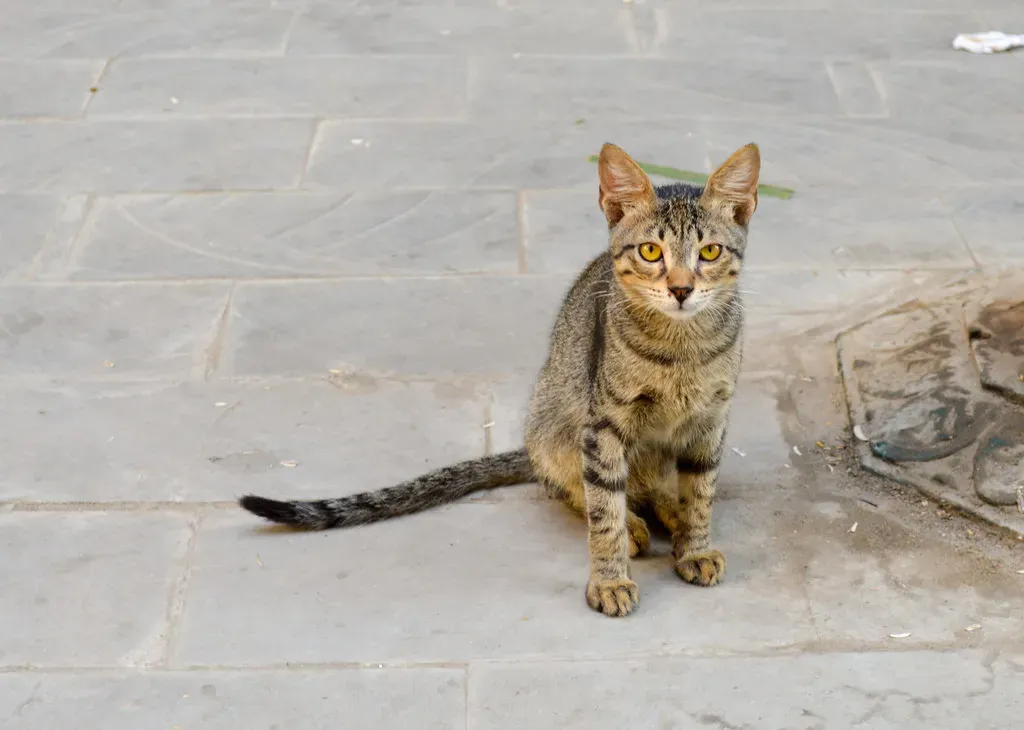
Cats were protected by law, and harming one was considered a grave offense, potentially punishable by death. This reverence extended to the afterlife, where cats were often mummified and buried with their owners or offered as mummified votive offerings to the goddess Bastet, reflecting their sacred status within society. Honestly, the idea of burying a pet alongside a human is both strange and deeply touching, depending on how you look at it.
After keeping a cat as a live-in pet during their lives, ancient Egyptians continued that relationship into the afterlife. The tomb was considered one’s posthumous house for eternity. In tombs, Egyptians would depict their family, their greatest titles and awards, and the things they enjoyed doing. To see cats included in these tableaus speaks to their importance both in the daily lives of ancient Egyptians and in their hope that they continued with them into the Hereafter. Your cat’s intense gaze is, in a strange sense, carrying all of that history in its eyes.
Cross-Cultural Stares: How Other Civilizations Read the Cat’s Gaze
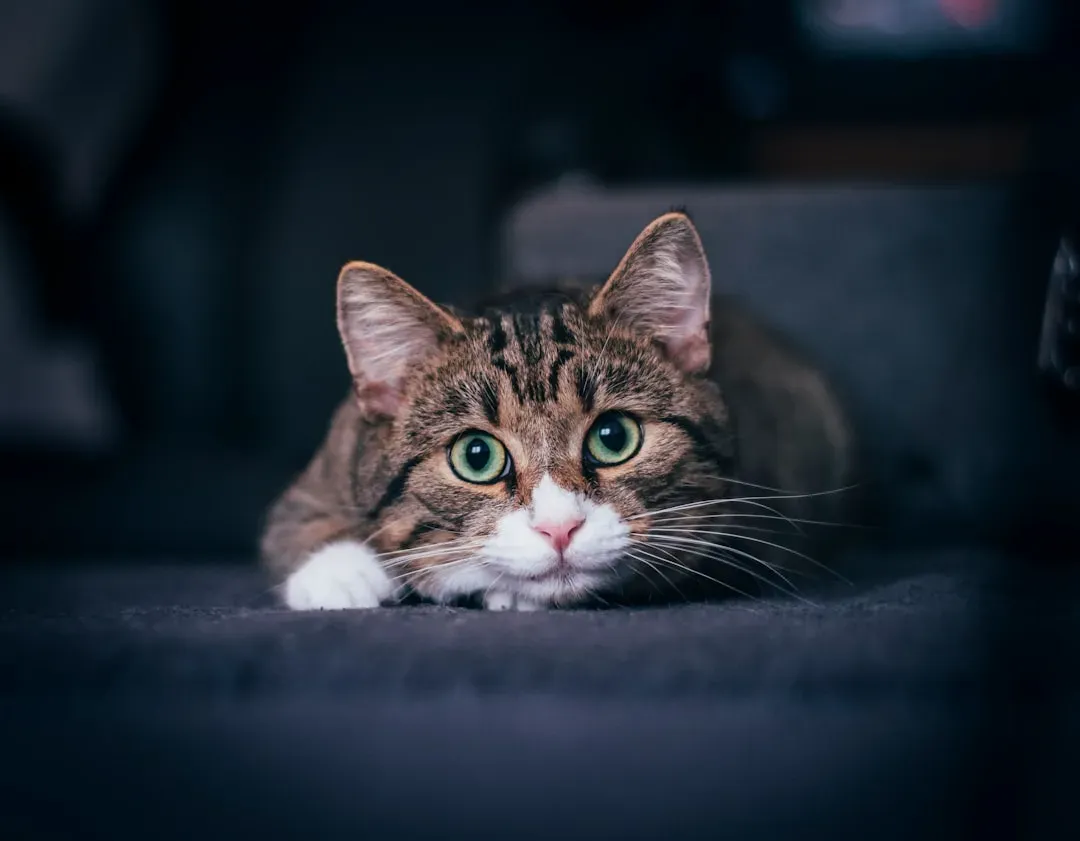
Egypt wasn’t alone in giving meaning to feline eye contact. In Japanese culture, cats are seen as bearers of good fortune and protection and guardianship. The famous Maneki-neko, the beckoning cat, symbolizes prosperity and protection. When a cat stares at you in Japanese tradition, it might be offering blessings or warning of impending changes. Different take, same essential respect for what the gaze might mean.
Native American traditions view cats as powerful sacred animals with strong connections to the spirit world. Their stares are often interpreted as messages from ancestors or spirit guides, offering guidance from mystical realms during important life moments. Meanwhile, in Celtic mythology, cats hold a special place as keepers of the otherworld. The symbolism in Celtic traditions suggests that when a cat stares intently, it might be seeing through the veil between worlds. I think there’s something beautifully universal about the human instinct to look into those unblinking eyes and wonder what’s really going on.
The Science Behind That Piercing Stare
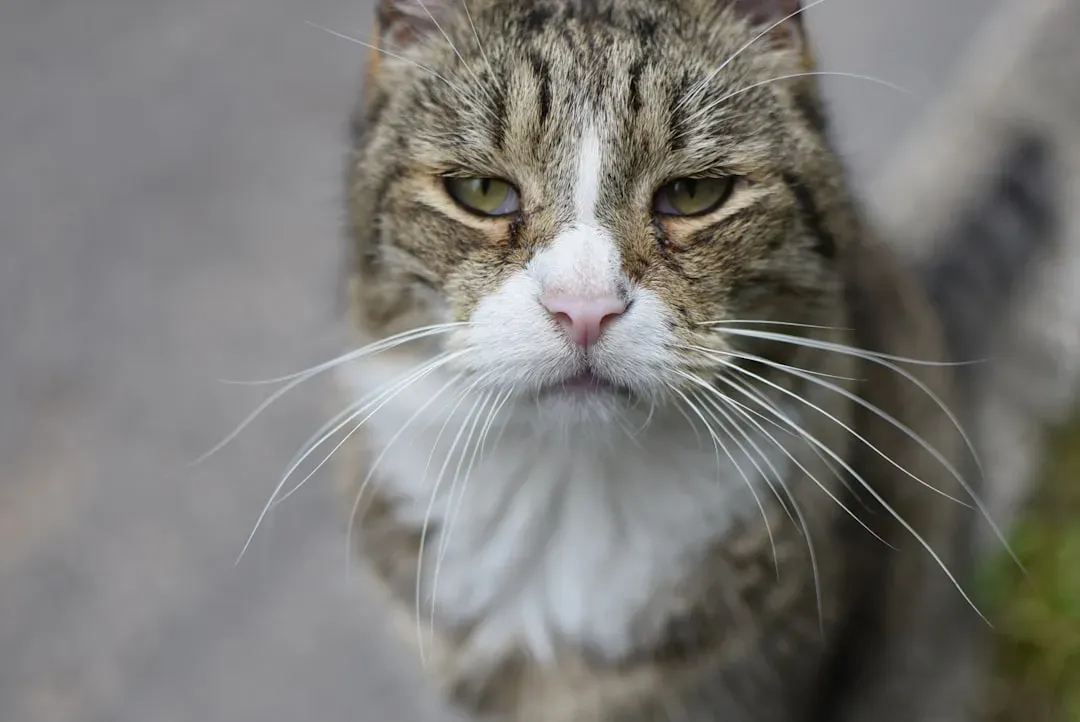
Here’s where things get really fascinating. According to Burgess Pet Care, cats gaze at humans to share information in the same way people do. Ethologist Péter Pongrácz noted that most animals rarely gaze at each other, and when they do, it’s often a sign of hostility. To see cats use gaze the way people do, to share information, is “really surprising.” The findings provide stronger proof that cats have evolved to be capable of complex communication with humans.
From a scientific perspective, cats have evolved to be highly observant creatures. Their keen eyesight and ability to focus intently come from their heritage as both predators and prey. So that stare isn’t random. It’s the product of millions of years of evolutionary refinement, aimed directly at your face right now. You’re welcome.
It’s Not a Threat: Decoding the Different Types of Stares
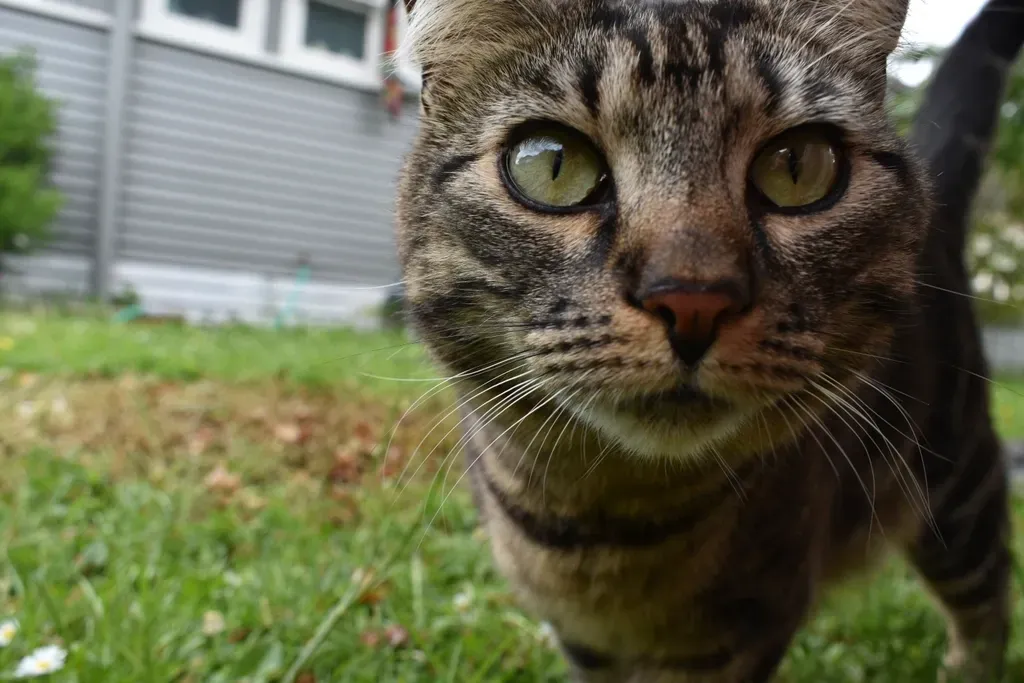
Let’s be real. Not all stares are created equal, and this is important to understand. A cat’s stare can convey a range of emotions, from affection and contentment to fear and aggression. By staring at their humans, cats may be trying to communicate their emotions or simply trying to get their attention. The key is reading context, not just eye contact alone.
Cats can display affection by making eye contact with you and performing soft blinks. The very act of making eye contact and voluntarily blinking indicates the cat’s feeling for you – you make them feel safe and comfortable enough to close their eyes. Some cats will perform a soft blink before approaching you for attention. On the flip side, when a cat gives a hard, unblinking stare paired with stiff body language and piloerection along the back and tail, it is telling the other party that if they do not back away, things may escalate. One stare is love. The other is a warning. Big difference.
The Slow Blink: Science Finally Cracks the Cat’s Secret Language
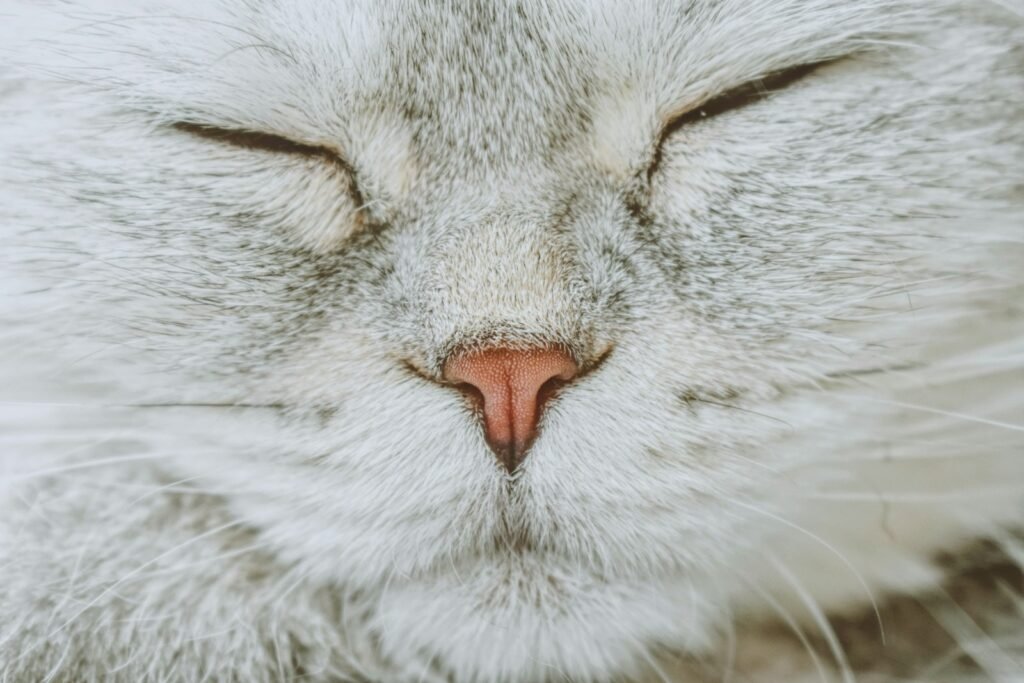
This is the part that might genuinely blow your mind. A 2020 study published in Scientific Reports tested whether cats respond differently when humans copy the slow-blink expression. The researchers ran two experiments. In the first, cat owners sat a short distance from their pets and slowly blinked when their cat looked at them. The cats were significantly more likely to return the blink compared to moments with no interaction.
From that study, the slow blink sequence appears to be an indicator of positive emotion in cats. Even more remarkable, scientists confirmed that this simple gesture makes cats, both familiar and strange, more likely to approach and engage with humans. So when your cat slows its blink down to a languid, half-lidded gaze, it’s not being sleepy or aloof. It’s saying something that humans took thousands of years to actually decode.
When Your Cat Stares at “Nothing”: The Sensory Explanation
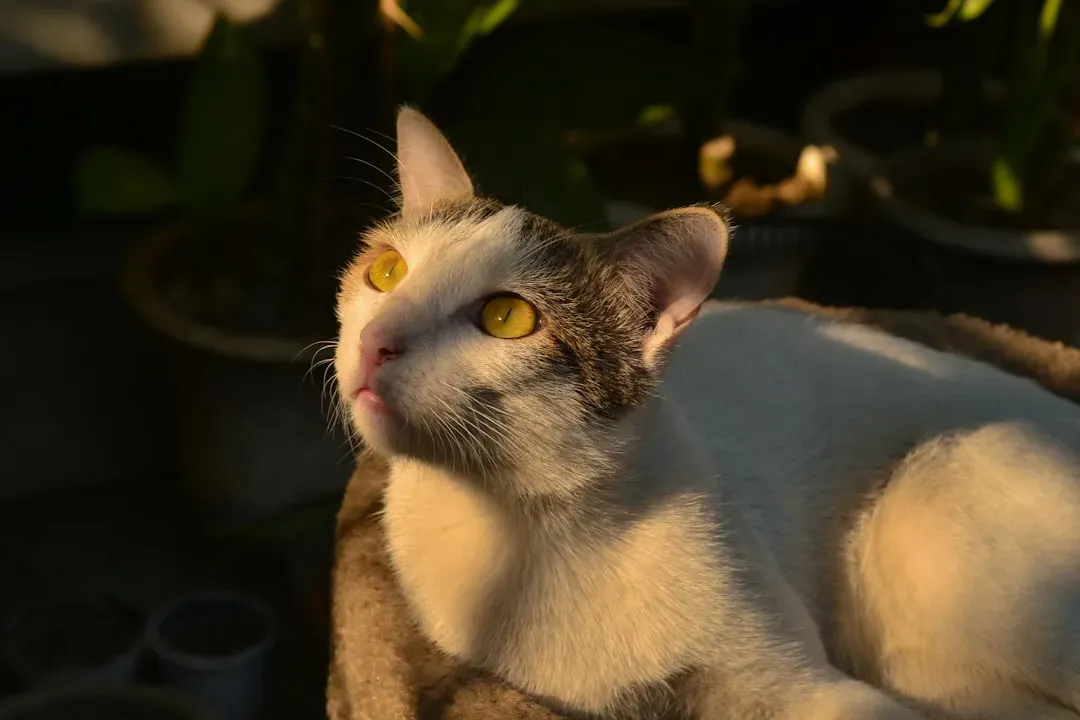
You’ve seen it. Your cat locks onto a corner of the ceiling and stares with the intensity of someone defusing a bomb. There’s nothing there. Nothing you can see, anyway. In reality, your cat isn’t seeing ghosts. Cats have exceptional sensory abilities that allow them to pick up on sights, sounds, and scents far beyond human perception. What seems like “nothing” to us often makes perfect sense to them.
Cats may stare at walls or empty spaces out of curiosity or to keep an eye on their surroundings. They may also be reacting to sounds or smells that humans cannot perceive. Picture it like trying to understand why someone is staring down a hallway when you’re both wearing different headphones. Their world is just tuned to a frequency yours can’t quite reach.
The Spiritual Dimension: What Belief Systems Say the Stare Really Means
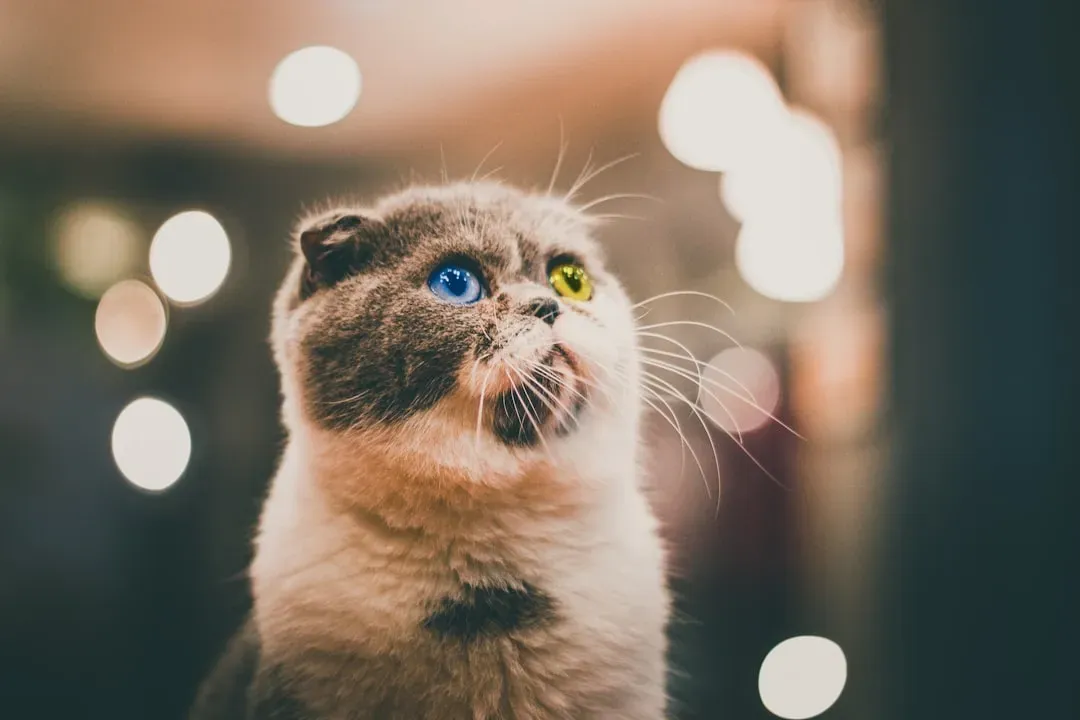
Set aside pure science for a moment. Cats possess heightened sensitivity to energy fields that humans typically can’t detect, positioning them as natural spiritual barometers. Their unwavering stare frequently occurs during periods when we’re experiencing internal shifts, emotional transformation, or approaching important life decisions. Whether you believe in energy fields or not, the observation itself is hard to dismiss if you’ve lived with a cat.
If a cat stares at you intently, it may be an invitation for personal growth, self-discovery, or emotional healing. And while that’s not something science can put in a test tube, the subjective experience of being seen so completely by an animal, one that chose to stay in your home and watch your face, is genuinely powerful. Across cultures, the spiritual meanings of cat staring often revolve around heightened awareness, intuitive insights, and a call to explore the depths of one’s inner self.
How to Actually Respond When Your Cat Stares at You
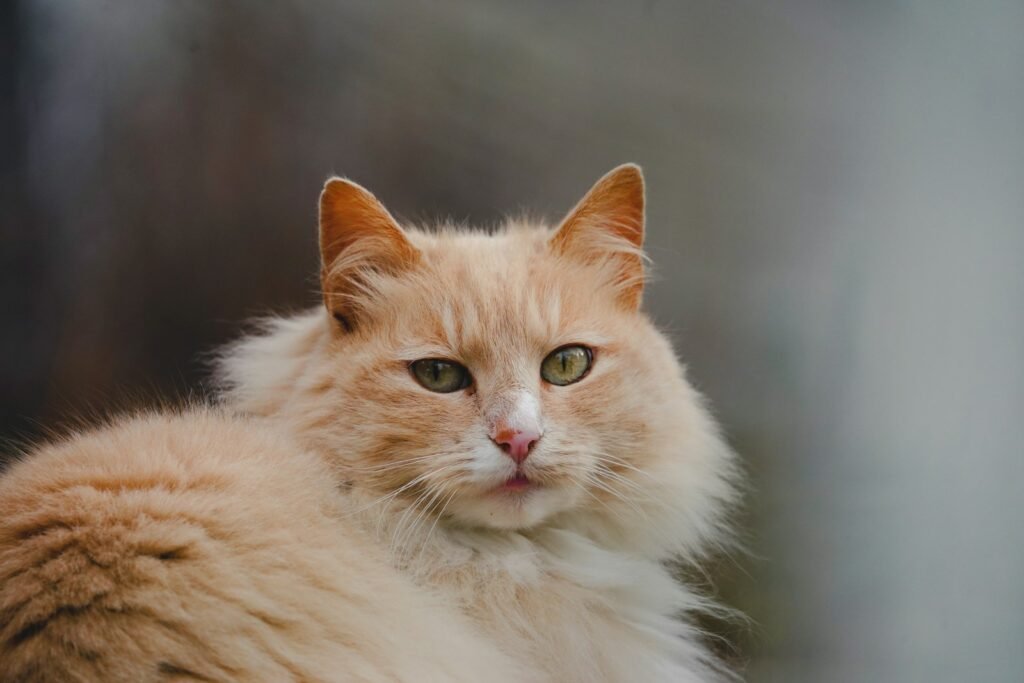
So, what should you do? First, don’t panic and don’t stare back like you’re entering a competition. Cat behaviorists agree it’s best not to hold prolonged eye contact with a cat, as they may interpret it as a threat or challenge. A slow blink, on the other hand, is often interpreted as friendly and affectionate. Think of it like crossing your arms versus opening them in a hug. Same conversation, very different outcome.
Interpreting cat body language during staring episodes provides more profound insight. Relaxed ears and soft eyes mean positive energy exchange. Dilated pupils and tense posture suggest they sense danger or discomfort. Watch tail movements and whisker positions for additional clues. Put it all together, and you start to realize your cat has been having full conversations with you for years. You just weren’t listening closely enough.
Conclusion: The Stare That Spans Millennia
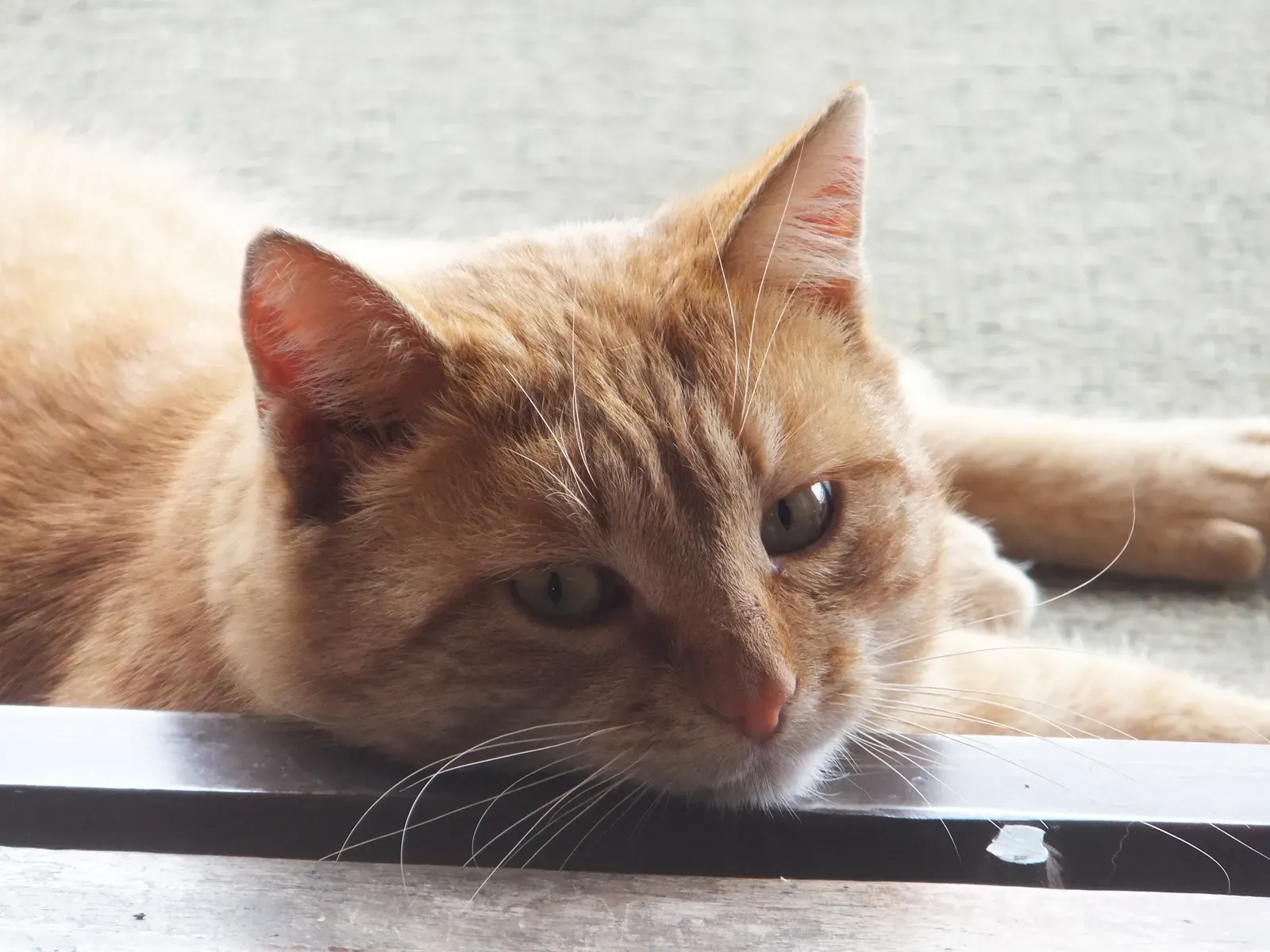
Your cat’s stare is not aggression. It’s not a power trip. It’s not even really a mystery, once you start paying attention. It’s communication layered with thousands of years of shared history between cats and humans, carrying echoes of Egyptian temples, Norse mythology, Japanese folklore, and cutting-edge behavioral science all at once.
The next time those eyes lock onto yours, hold the gaze softly, then let your eyelids drift slowly closed and back open. You’re not just bonding with your pet. You’re participating in one of the oldest, quietest rituals on earth. And honestly? That’s worth a moment of silence.
Have you ever tried slow-blinking back at your cat and noticed a difference? What did your cat do? Tell us in the comments – you might be surprised how many others share your story.
Kristina is a young writer from India. An arts graduate and an avid content creator, Kristina is passionate about animals and wildlife. She enjoys exploring topics related to pet care, animal behavior, conservation, and nature, combining thorough research with engaging storytelling.