You’ve probably watched your cat’s whiskers flicker, twitch, and fan out, and thought nothing more of it than a cute little quirk. Maybe you assumed it was just a reflex, or that your cat was dreaming about chasing a bird. Honestly, I thought the same thing for years. The truth, though, is something far more extraordinary.
Those delicate strands framing your cat’s face are not just decoration. They are an extraordinarily refined sensory and communication system that shapes nearly every aspect of your cat’s daily life, from hunting and navigation to emotional expression and social connection. Once you understand what’s really happening every time those whiskers move, you’ll never look at your cat the same way again. Let’s dive in.
What Cat Whiskers Actually Are (And Why They’re Nothing Like Normal Hair)
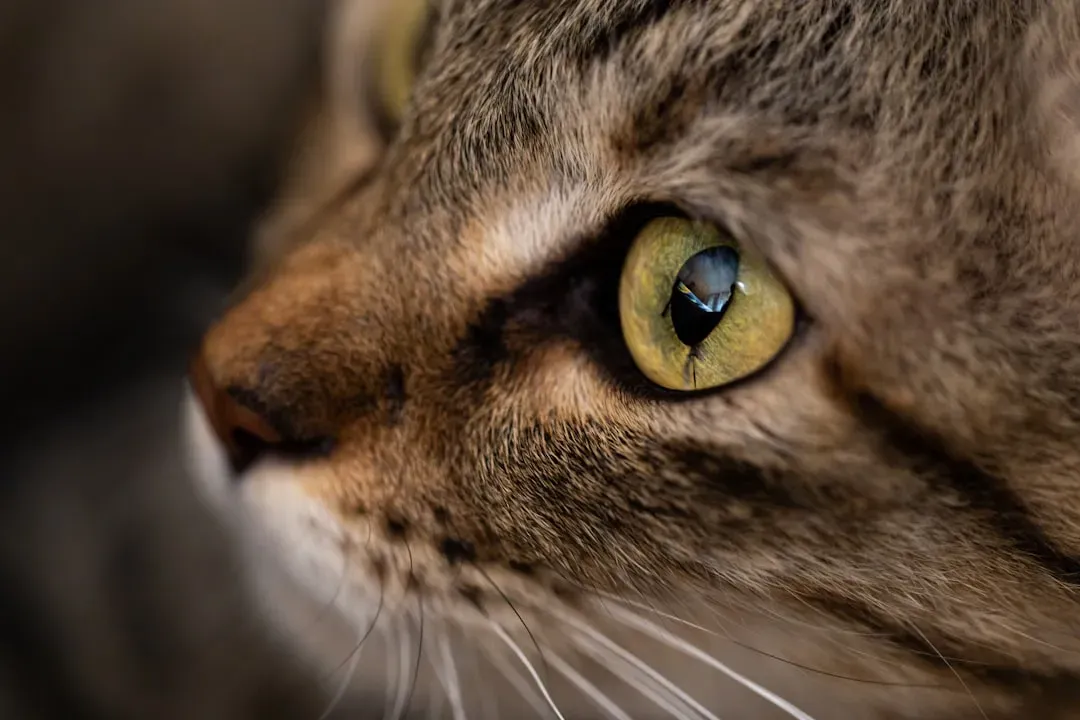
Most people casually refer to cat whiskers as fancy hair, but that comparison barely scratches the surface. Whiskers, or vibrissae, are not ordinary hair. These tactile sensors are deeply embedded in the cat’s skin and are richly innervated and supplied with blood, making them incredibly sensitive to the slightest environmental changes and playing a crucial role in a cat’s spatial awareness and mood expression.
Whiskers are more sensitive than regular hairs because the follicles they originate from are packed with blood vessels and nerves. In fact, a cat’s whiskers are as sensitive as a human’s fingertips. So while a human’s sense of touch is in the fingers, a cat essentially touches the world with its face. Think about that for a second. Your cat’s entire face is as responsive and tactile as the tips of your hands. That’s genuinely remarkable.
The Brain Connection: How Much Neurological Power Goes Into a Single Whisker
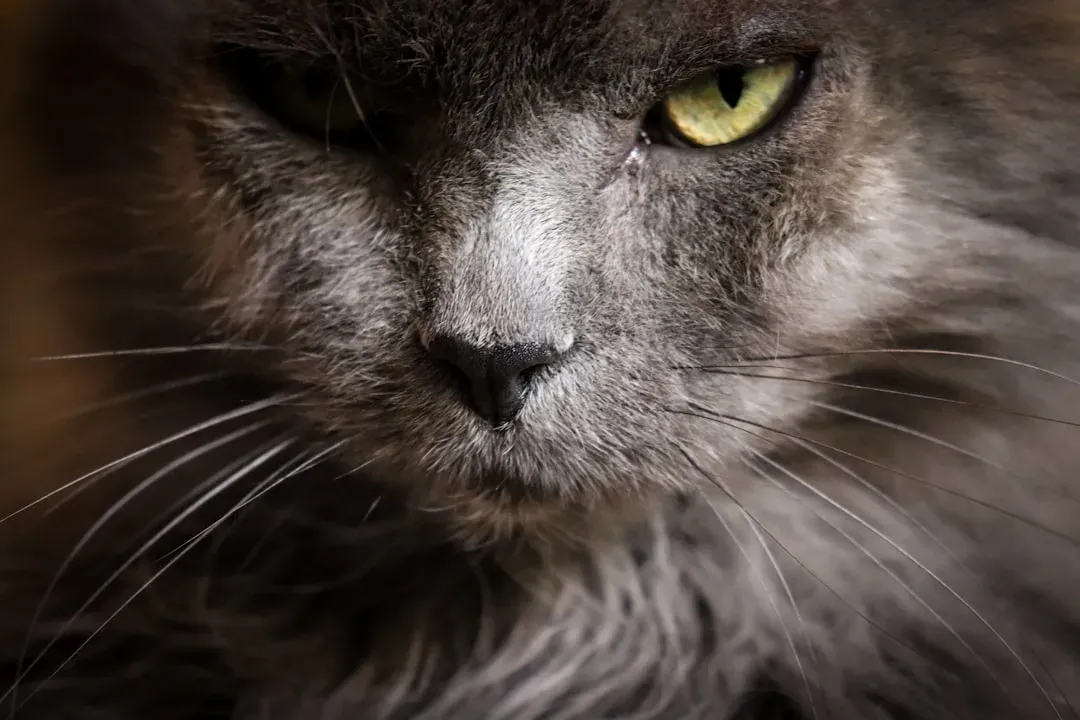
A good portion of a cat’s brain is devoted to processing data from touch sensors. Whiskers are reliable touch sensors, and almost forty percent of the brain’s sensory area aligns with body parts that have whiskers. Each individual whisker can be traced back to a specific spot in the brain, which means that whiskers occupy valuable neurological real estate in a cat’s body.
Unlike ordinary fur, vibrissae are highly sensitive tactile sensors anchored three times deeper into the skin. They’re surrounded by hair follicles loaded with touch-sensitive nerves and tiny blood-filled capsules called sinus complexes. When the whisker moves, even slightly, it sends a signal through this nerve-dense hub to the brain, specifically to regions responsible for tactile perception and spatial awareness. That’s not just impressive biology. That’s a live, real-time data feed running constantly from your cat’s face straight to its brain.
Forward, Relaxed, or Pulled Back: What Each Whisker Position Tells You
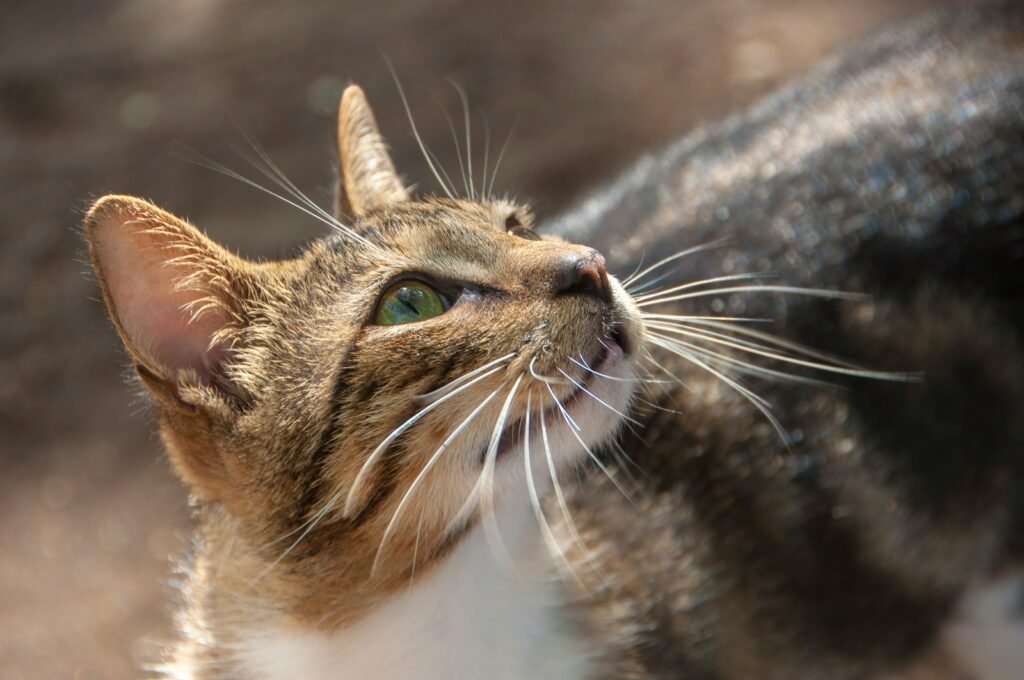
You can learn a lot about how your cat is feeling simply by watching their whiskers. When a cat is relaxed, their whiskers are loose and out to the side. If they’re alert or curious, the whiskers point forward. When they are scared or angry, the whiskers pull back tightly against the face. It’s a mood board written in fine hair, and it’s refreshingly honest once you know how to read it.
Happy or curious cats elevate their whiskers above their eyes, giving them that cute, wide-eyed appearance everyone loves. If a cat feels threatened, they will pull the whiskers on their muzzle taut, flare them, and then direct them forward, toward the threat. So if you’ve ever approached your cat and noticed those whiskers spreading wide and lunging forward, now you know: your cat was locked in and paying close attention to you.
Twitching Whiskers and Emotional States: What the Movement Really Signals
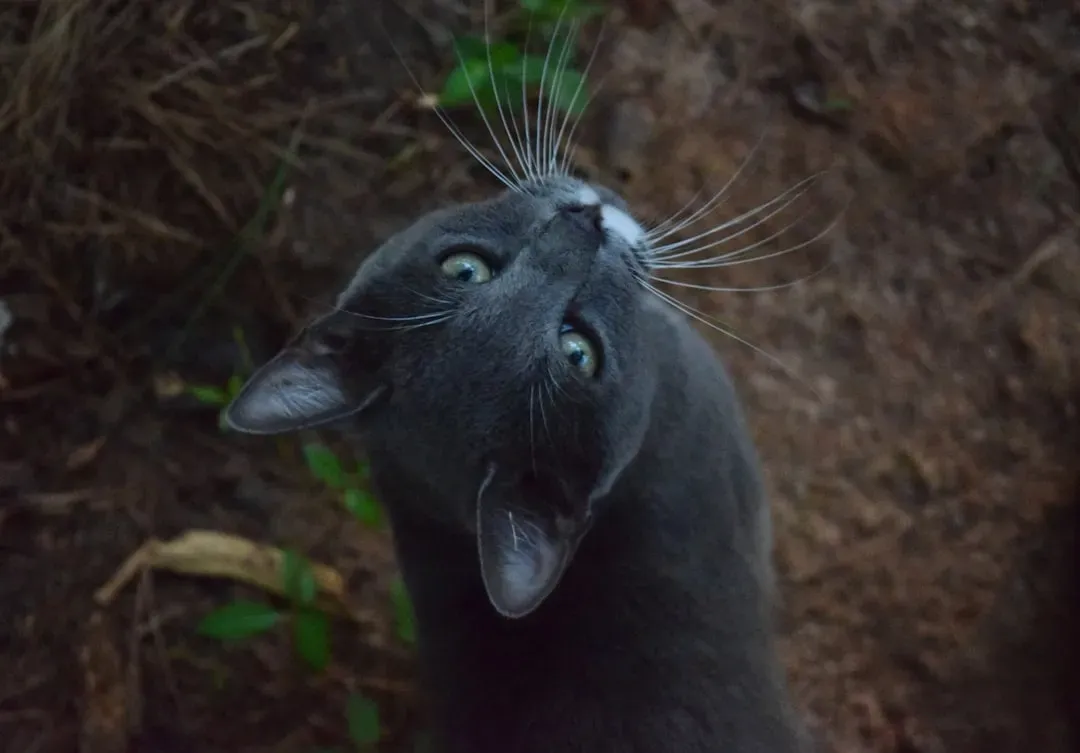
When a cat’s whiskers twitch, it can signal a range of emotions, from curiosity and excitement to fear and aggression. Understanding these subtle cues can help you better understand your feline friend and respond appropriately to their needs. The beauty is that once you start tuning in to this, whisker twitching becomes like a live emotional broadcast.
Twitching whiskers reflect excitement or playful moods. Cat whisker twitching can also be a reflection of a cat’s emotional state. Just like humans, cats experience a range of emotions, from happiness and contentment to anxiety and stress. When a cat’s whiskers twitch, it can be a subtle indicator of how they are feeling at that moment. So that rapid little flicker you see when your cat spots a bird outside the window? Pure, unfiltered excitement. There’s nothing subtle about it once you understand what to look for.
How Whiskers Help Cats Navigate the World, Especially in the Dark
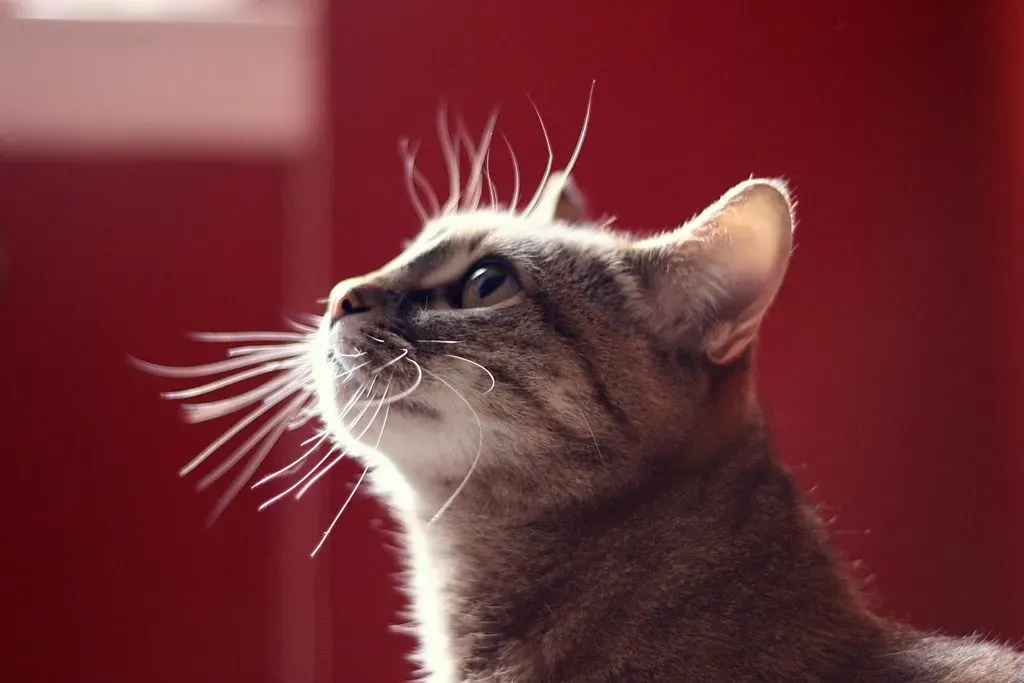
When air flows or an object brushes up against a whisker, the sensitive whisker vibrates and stimulates the nerves in the hair follicle. This vibration gives whiskers their scientific name, vibrissae, from the Latin word vibrio, meaning “to vibrate.” Cat whiskers detect subtle changes in air currents and transmit information about the size, shape, and speed of nearby objects, which helps them navigate the world.
Cats have excellent night vision, but their whiskers give them an extra edge. In low light, they use their whiskers to sense the shape, size, and movement of objects around them, kind of like a sixth sense. By detecting subtle shifts in the air, cats can avoid bumping into things, sneak up on prey, or leap onto high, narrow ledges with precision. Honestly, your cat navigating a dark hallway at two in the morning without knocking a single thing over? That’s the whiskers doing most of the heavy lifting.
The Hidden Whiskers You’ve Probably Never Noticed
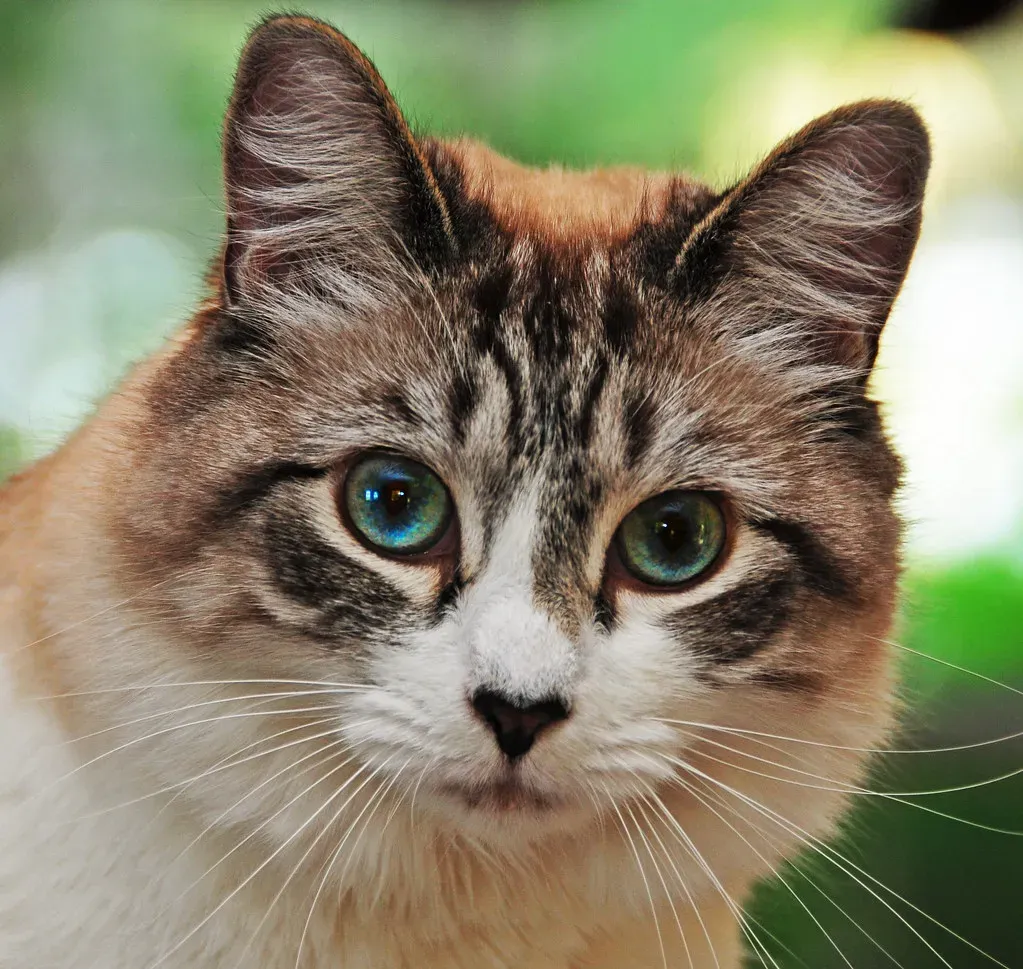
Here’s something that surprises even lifelong cat owners. Most people only think about the obvious whiskers on the muzzle. You probably notice the whiskers around your cat’s nose. But cats also have whiskers on their eyebrows, chin, and even the back of their front legs. The leg whiskers, called carpal vibrissae, help detect movement from prey or obstacles below them, which is especially handy during hunting or climbing.
The whiskers on their forelegs, known as carpal whiskers, are one of the reasons they’re such successful hunters, as they help to determine movement of prey. Although the snout is the most common area, cats also have vibrissae on different parts of the body. They may also have vibrissae on their eyebrows, chin, or on the back of their front paws. Your cat is essentially wearing a full-body sensor suit. Every angle is covered.
Whisker Fatigue Is Real, and Your Food Bowl Might Be Causing It
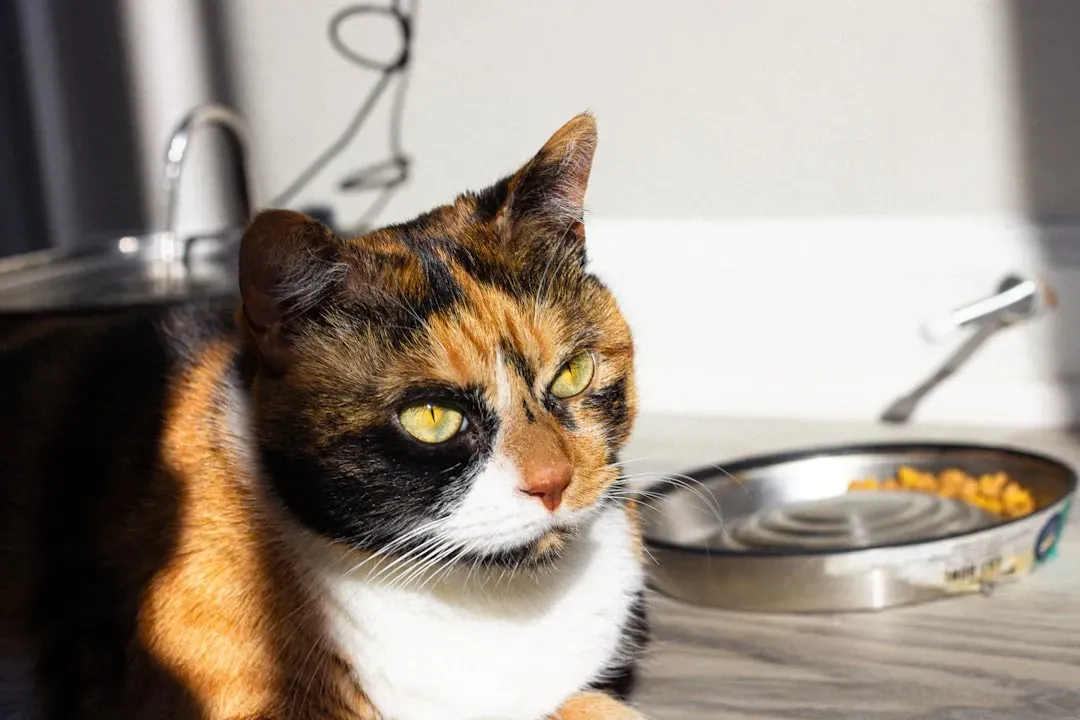
Let’s be real, most cat owners have never heard the term “whisker fatigue” and would probably laugh at it. I get that. It sounds made up. It isn’t. Whisker stress, also known as whisker fatigue, occurs when a cat’s sensitive whiskers are overstimulated, often by touching the sides of a narrow feeding dish. This can lead to mood changes and behavioral issues. Using wide, shallow dishes can prevent this.
Whisker fatigue is a relatively newly recognized condition. It occurs when cats’ whiskers are over-stimulated, often by frequently touching against the sides of their food or water bowls. If your cat paws food out of the bowl instead of eating straight from it, or acts strangely reluctant at mealtimes, this could be the culprit. Something as small as switching to a flatter, wider dish could make a meaningful difference in your cat’s daily comfort.
What Whiskers Communicate Between Cats in Multi-Cat Households
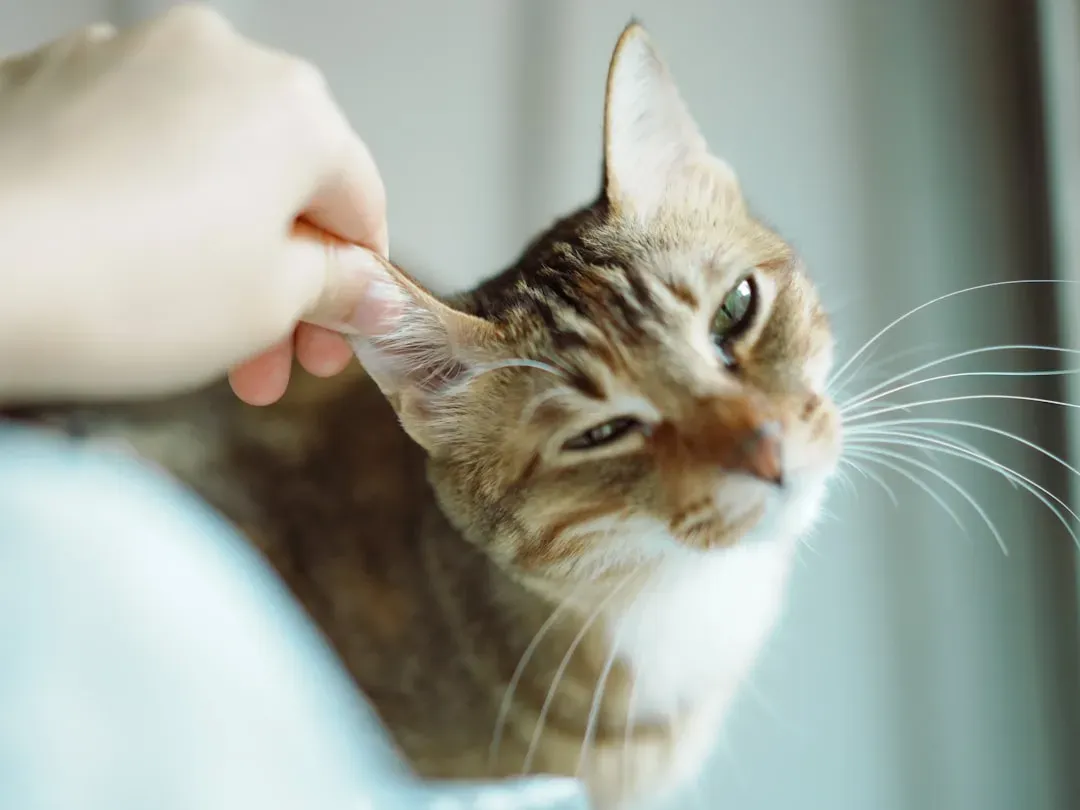
If you live with more than one cat, whiskers are doing serious diplomatic work in your home right now. Whiskers also facilitate non-verbal communication among a household with multiple cats. They help in maintaining social hierarchies and preventing conflicts. Think of them as the silent language that keeps the peace, the quiet negotiators running in the background of every feline interaction.
Cat whiskers can also be involved in communicating with other cats and even observant owners. Tiny muscles around the base of the whiskers allow stressed cats to point their whiskers toward potential threats and relax them when they are content. So when two cats face each other in your living room, both with whiskers fanned wide and forward, they are speaking volumes in a language you cannot hear but absolutely can see, if you know where to look.
When Whisker Twitching Might Be a Health Warning Sign
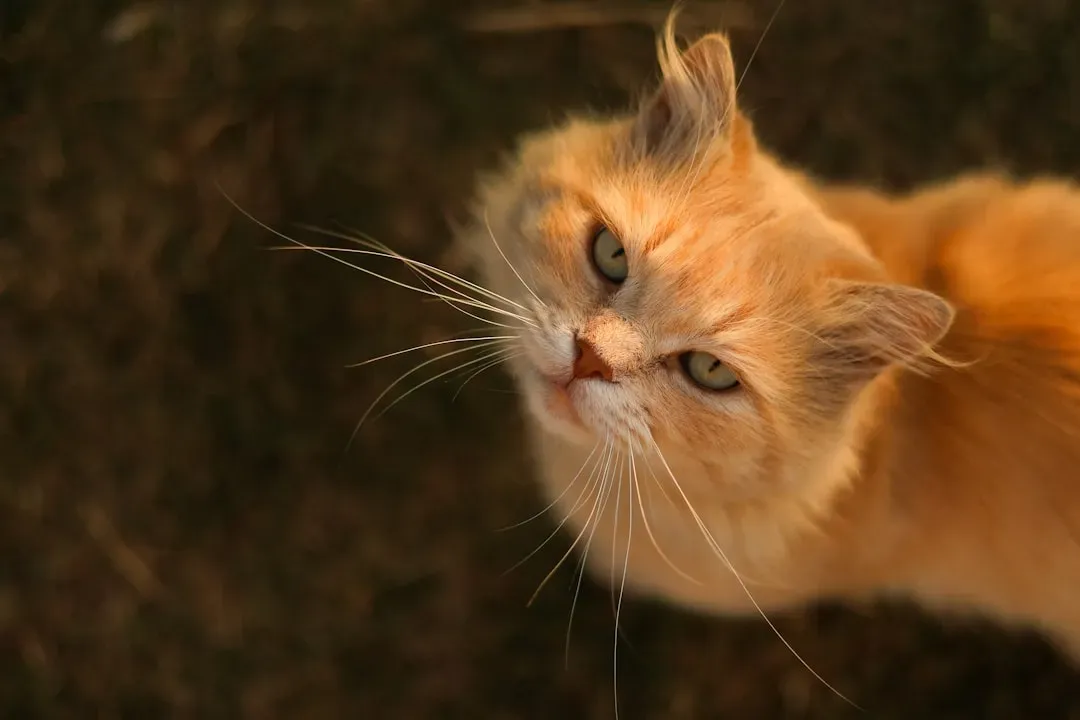
Not all whisker movement is communication. Some of it is your cat’s body sending you a flag. Whisker twitching on one side can indicate minor nerve irritation, muscle spasms, or mild neurological issues. Symptoms include repetitive, involuntary whisker movement without distress. There is a meaningful difference between the expressive, intentional flicker of an engaged cat and the kind of twitching that repeats itself without obvious cause.
Causes range from stress, minor injury, to underlying neurological conditions. Treatment depends on severity; mild cases may resolve without intervention. You should monitor for additional signs like facial drooping or behavioral changes. If twitching persists or worsens, consulting a veterinarian for diagnosis and possible medication or supportive care is recommended. The good news is that in most cases, cat whisker twitching is a normal and harmless behavior. Still, your instinct to pay attention is always the right one.
Why You Should Never Trim or Cut Your Cat’s Whiskers
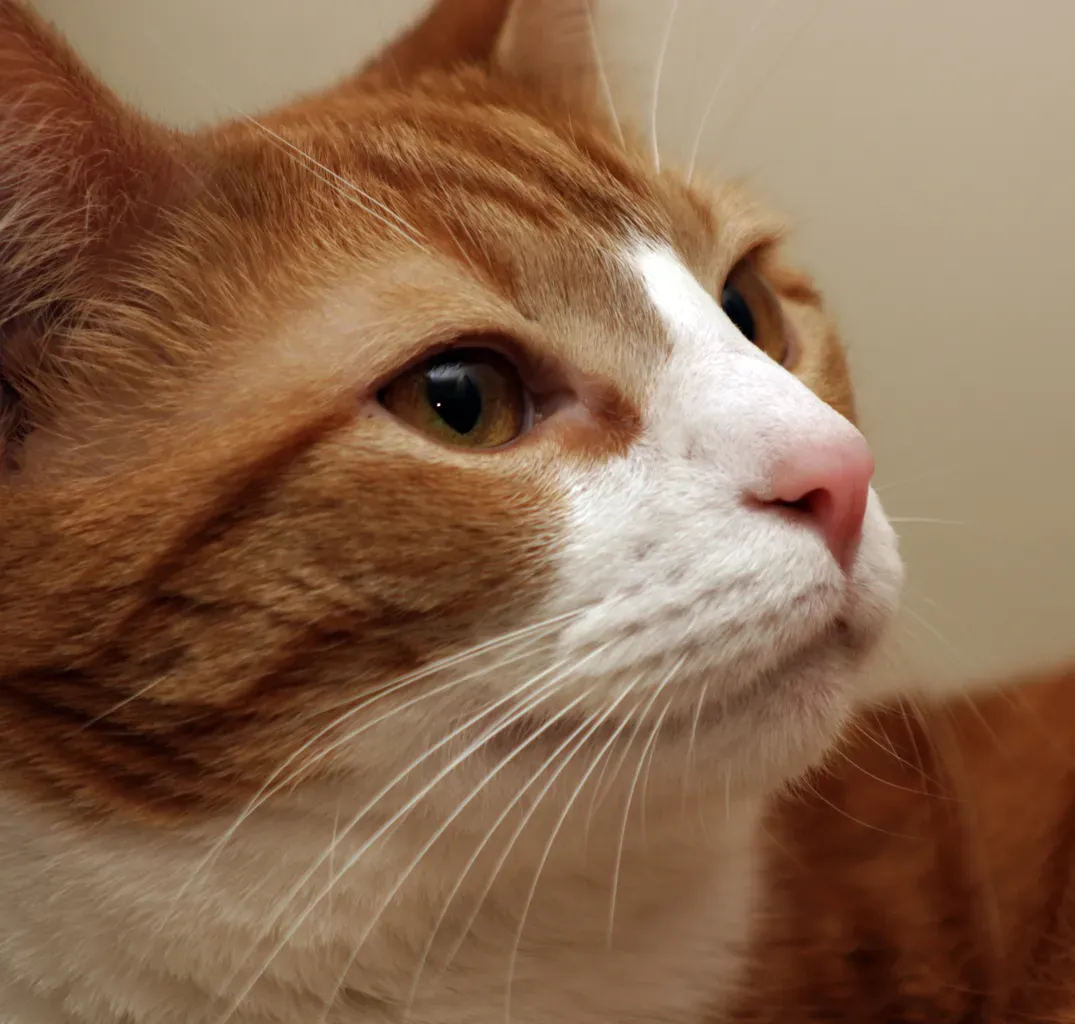
This one feels almost too obvious to say, but people still do it, usually thinking it looks tidier or won’t cause any real harm. Cats do shed whiskers occasionally, but you should never attempt to cut or trim them yourself. If you do, you’re removing crucial sensory information that your cat needs, and she could experience dizziness, confusion, and disorientation. It would be like suddenly removing your sense of touch or sight.
Never trim your cat’s whiskers. Even though they’re just hair, whiskers are essential for a cat’s balance, spatial awareness, and sense of direction. Trimming whiskers can leave cats feeling stressed and disoriented. The good news, if you’re worried about a broken or shed whisker, is that cat whiskers are specialized sensory hairs that, if lost or damaged, generally regrow within a few weeks to a couple of months. This timeframe can vary slightly based on the individual cat’s health and age, and the regrowth process is natural and ensures that the cat retains its navigational and sensory capabilities.
Conclusion: Your Cat Has Been Talking All Along
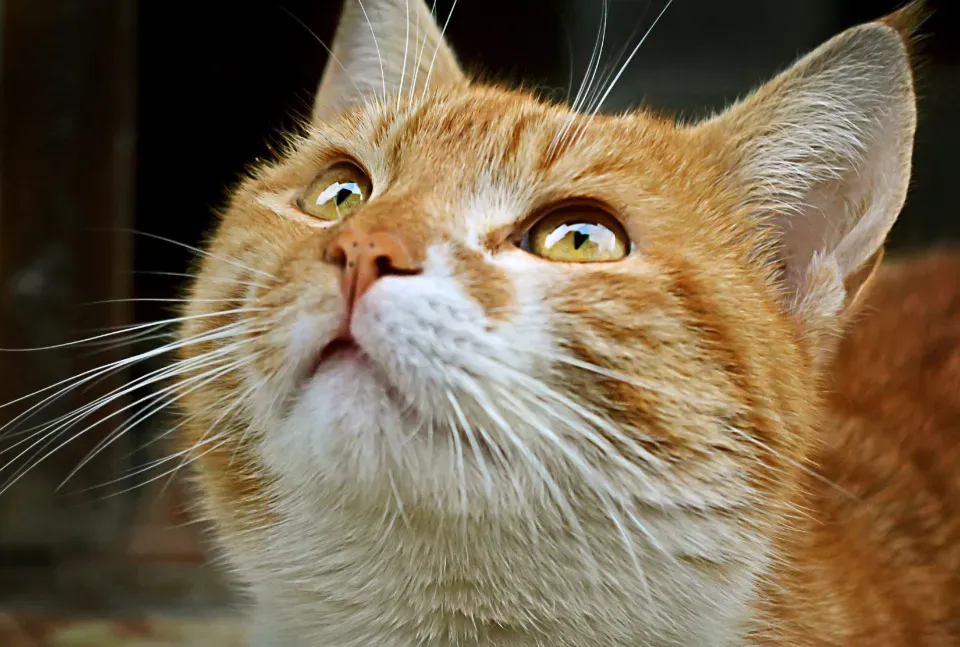
It’s easy to look at a cat and see a creature of mystery, a little aloof, operating on its own schedule, giving away nothing. The reality is that your cat has been communicating constantly, with extraordinary sophistication, through every twitch, fan, and pull of those remarkable whiskers. You just needed the right lens to see it.
Every forward fan signals curiosity, every tight retraction signals stress, every rapid twitch is pure unfiltered feeling broadcasting in real time. Whiskers are a window into a cat’s emotional world. By observing the subtle changes in their position and movement, you can gain insights into your pet’s feelings and needs, enhancing your bond. The relationship you build with your cat deepens the moment you start speaking this language back to them.
The next time you watch those whiskers flicker, pause. Something real is being said. Will you be ready to listen?
Kristina is a young writer from India. An arts graduate and an avid content creator, Kristina is passionate about animals and wildlife. She enjoys exploring topics related to pet care, animal behavior, conservation, and nature, combining thorough research with engaging storytelling.