Most cat owners spend a lot of time wondering what their cat is actually thinking. Does she appreciate the fresh food? Does he feel loved when you scratch behind his ears? Honestly, the relationship between humans and cats is far more layered and emotionally rich than most people give it credit for.
Here is the thing that might surprise you: it is often the smallest, most routine things you do every single day that have the deepest impact on your cat’s sense of safety and security. Not the expensive cat tree, not the fancy treats. The little stuff. Let’s dive in and explore what those things actually are.
1. Keeping a Predictable Daily Routine

You might not think twice about feeding your cat at the same time each morning, but to your feline companion, that consistent rhythm is everything. Few things please a cat more than routine. They love to know what’s coming next, so the moment their daily schedule is completely upended, they can begin to feel a little insecure. Think of it like being a child who always knows dinner is at six: that predictability alone is deeply calming.
Cats are creatures of habit, and a sense of consistency and routine can help them feel secure. Try and keep regular habits, such as mealtimes, grooming sessions, playtime, and toothbrushing, at similar times each day, so that your cat can always predict what is going to happen next. When you do this without even thinking about it, you are essentially handing your cat a security blanket, woven out of time and habit.
2. Staying Calm Around Them (Yes, Even on Bad Days)
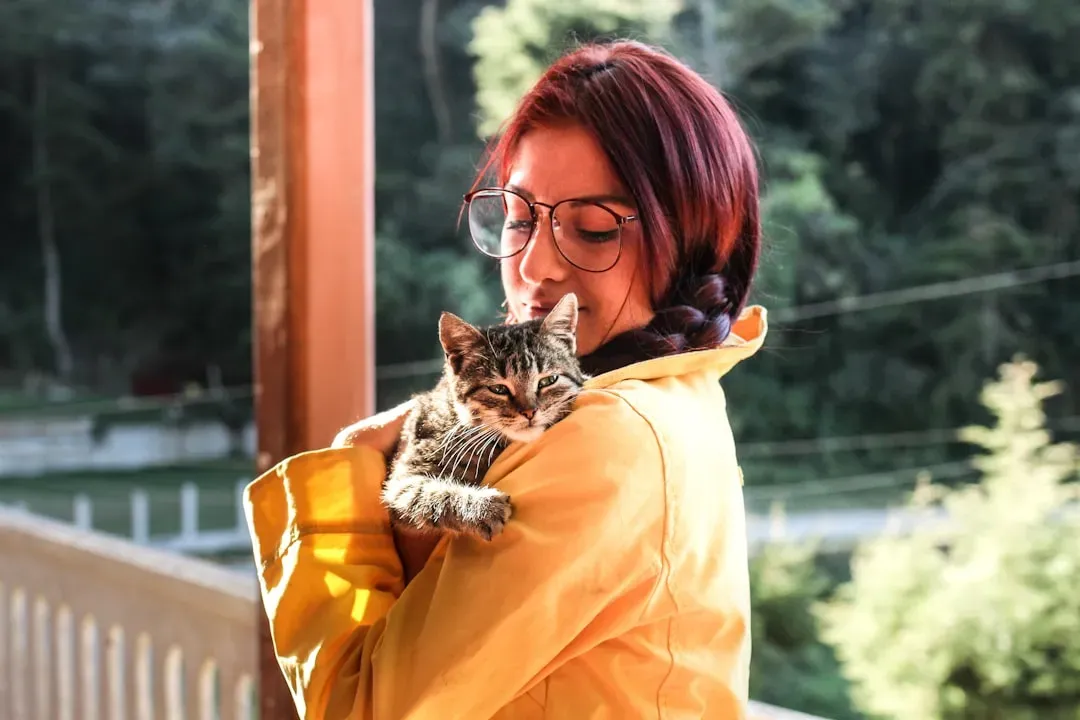
We all have rough days. But here is something worth remembering when you walk through that front door stressed and depleted: your cat is watching you, reading you, and feeling what you feel. Even when you are feeling a bit stressed, do your best to not vent off in front of your pets. Cats will often pick up on a pet parent’s emotional state, and this can have a detrimental or positive effect on their own mood.
Your feline is an intelligent, curious creature who can pick up on heightened emotional states. So where you can, stay calm around your feline so that she feels settled and secure. It is a two-way street, really. A calm you creates a calm cat. Think of yourself as setting the emotional temperature of your entire home, because your cat is paying close attention to the thermostat.
3. Giving Them a Safe, Private Space to Call Their Own
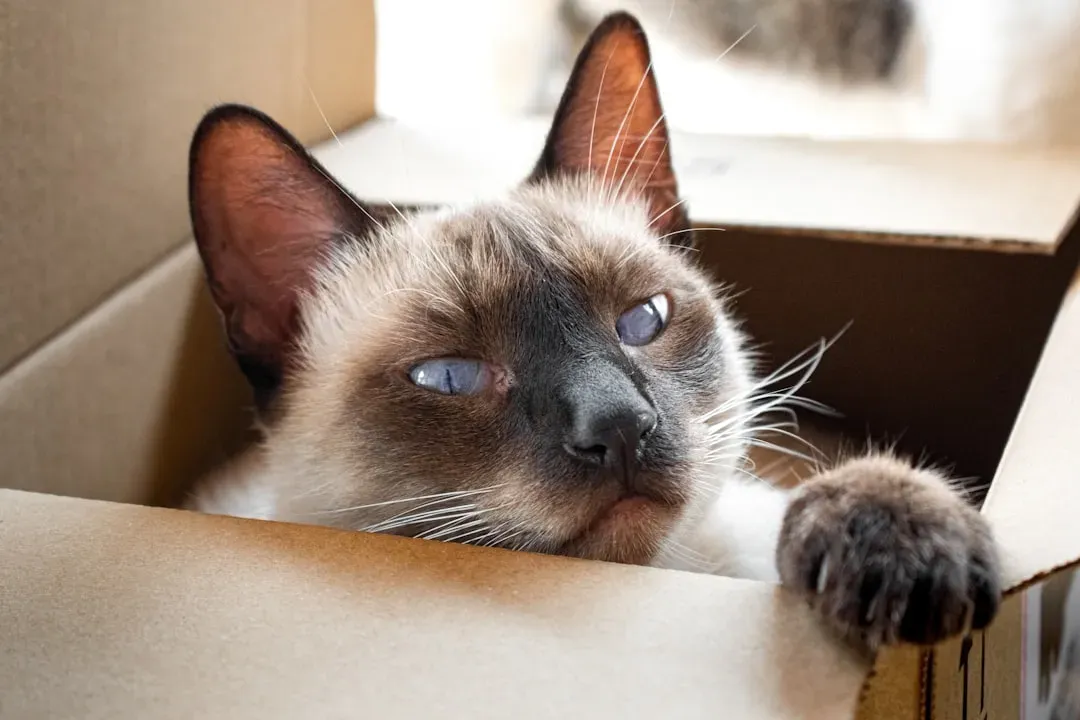
Every cat needs a safe and secure place where they can retreat to and feel protected, or that can be used as a resting area. Your cat should be able to enter and exit from this space from at least two sides if they feel threatened. Most cats prefer the safe space to be big enough to only fit themselves, have sides around it, and be raised off the ground. It sounds almost comically simple, but a cozy corner or a quiet nook matters enormously.
Hiding enrichment has been shown to markedly reduce stress in cats. Providing multiple safe spaces for cats to retreat to can help them feel safe and secure in the event of a perceived threat. You do not need to spend a fortune here. A cardboard box with a soft blanket inside, placed in a low-traffic corner of your home, can genuinely transform your cat’s sense of wellbeing. Honestly, it is the feline equivalent of your own bedroom door.
4. Letting Them Choose When to Engage (and Respecting It When They Don’t)
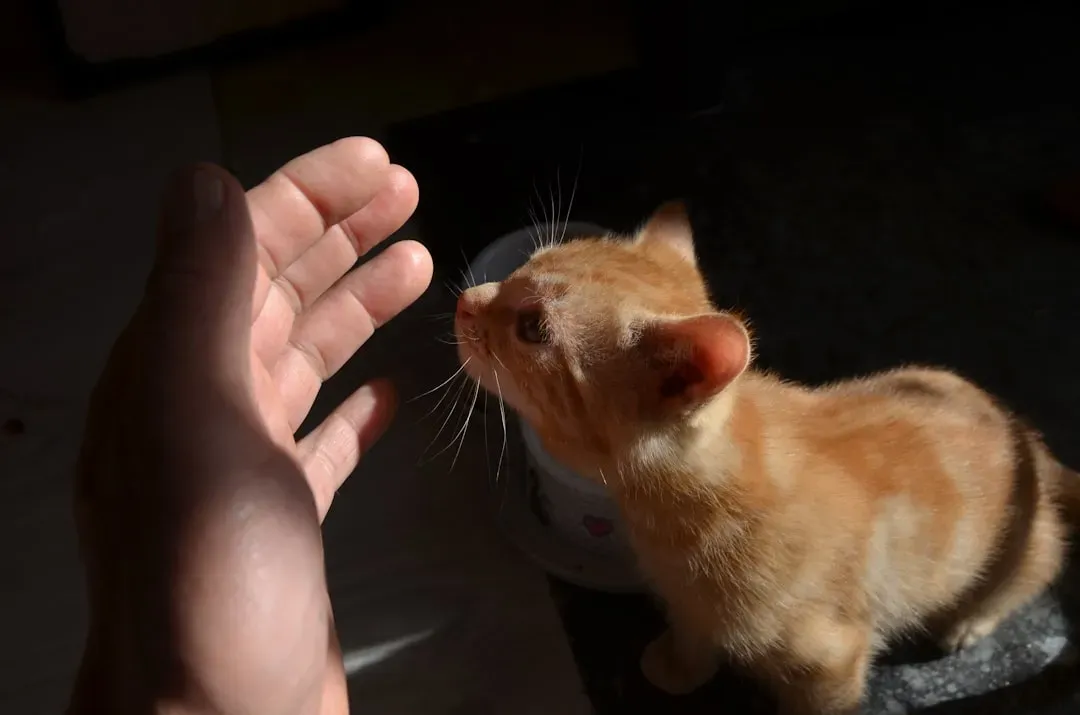
One thing to note when learning how to make a cat feel safe is to make sure you respect their boundaries, and give your cat the time alone they need. Welcoming a new pet is certainly exciting for new owners, but it is important to remember that a big change is stressful for cats. So, follow your new cat’s lead, and play with your feline when they seem to feel like it – this will build a bond of trust.
Let your cat approach at their own pace. When they are ready, allow them to sniff your fingers and reward their bravery with a treat. Gently stroke their forehead if they permit, but if they back away, avoid pushing further. Building trust with a cat takes patience – let them set the pace. I think this is actually one of the hardest things for people to master because we love our cats and we want to show them. Holding back that impulse, though, is one of the kindest gifts you can give.
5. Offering Elevated Perches and High Vantage Points
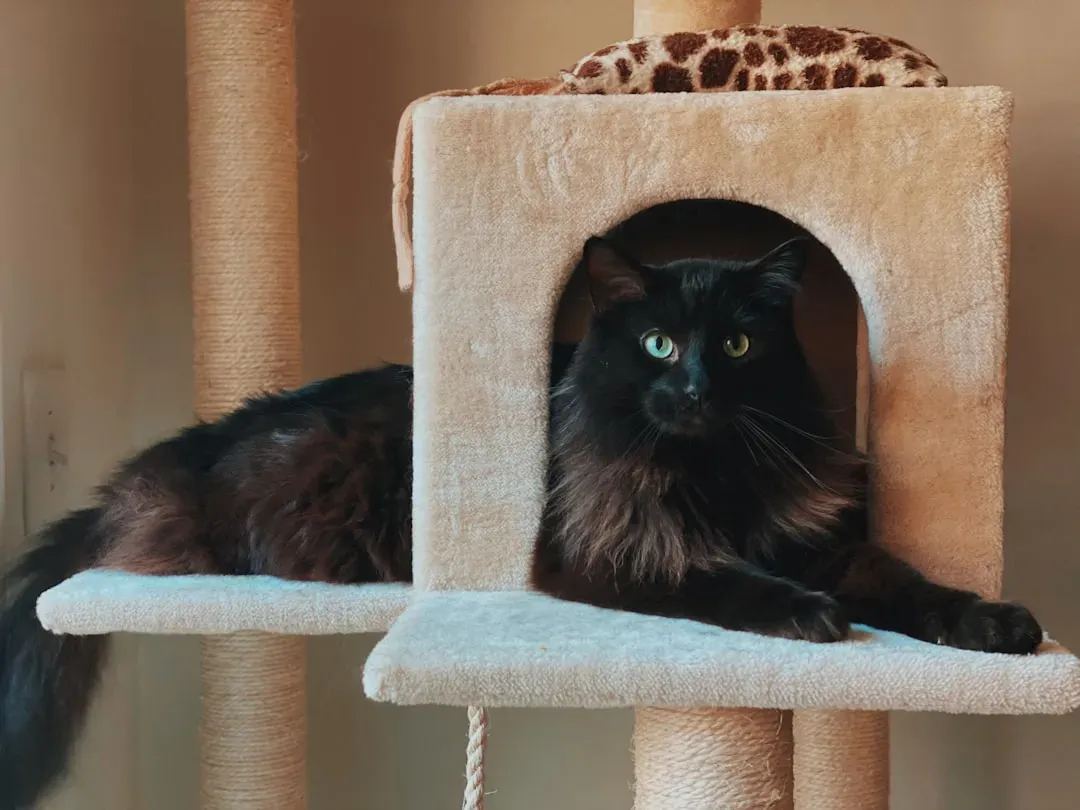
Have you ever noticed how much your cat loves to sit on top of the refrigerator or the highest shelf in the room? That is not just quirky cat behavior. It is a cat’s natural instinct to climb, so it is important for pet parents to invest in cat trees, shelves or a perch. A vertical space gives felines the chance to not only climb, exercise and explore, but it also provides a vantage point, where they feel safe in being able to view all that is below.
Cats love to be up high, as it gives them a good vantage point and protects them from potential predators so, where possible, perches and beds at height are recommended. When you provide a cat tree, mount a wall shelf, or simply allow your cat access to higher ground, you are doing something remarkably powerful: you are giving them control over their environment. For a species that is both predator and prey, that control is priceless.
6. Giving a Slow Blink Back When Your Cat Looks at You
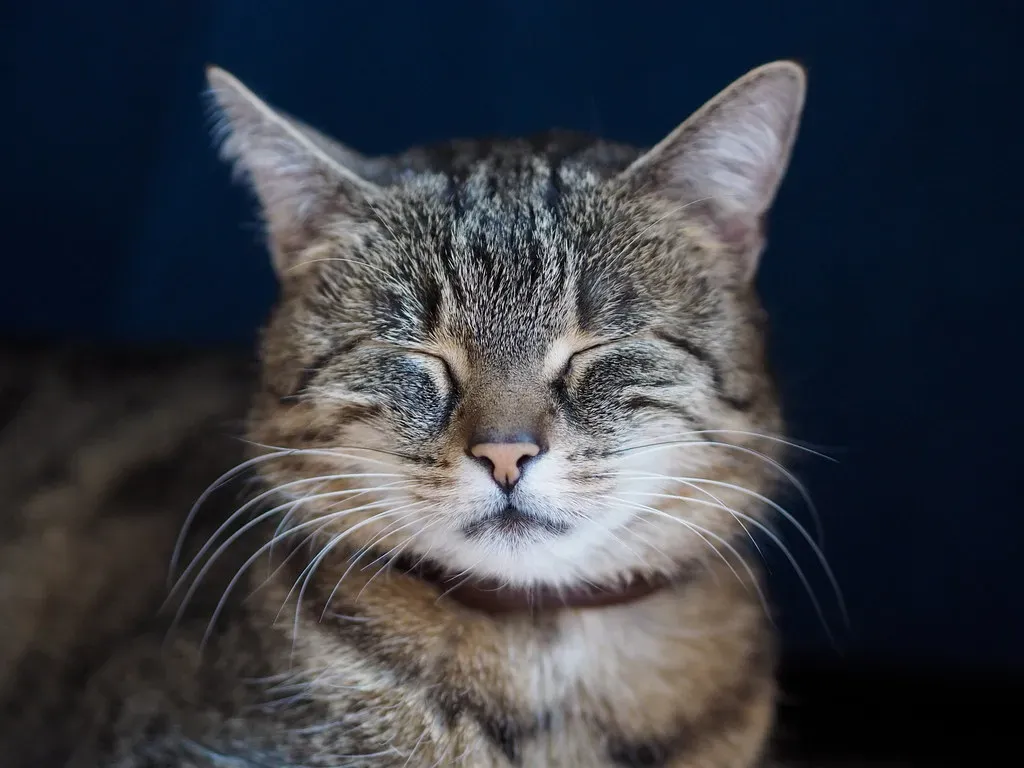
This one is so small, so effortless, and so wildly underappreciated. Cats use slow blinking to demonstrate affection and trust. Eye contact is an important form of communication for cats, and they can use stares, pupil size, and blinking to signal various emotions to other cats and humans if you know what to look for. When your cat slow-blinks at you across the room, they are essentially saying “I trust you completely.”
When a cat purrs while being petted or sitting on your lap, it is a sign of deep affection and comfort. Kneading, where cats push their paws against a soft surface, often accompanies purring. This gesture indicates that your cat feels safe and secure with you. You can return the gesture by slow blinking back at your cat, strengthening the bond between you. Next time your cat catches your gaze and does that dreamy half-blink, try returning it slowly. The communication that happens in that tiny moment is genuinely beautiful.
7. Playing Interactively With Them Every Single Day
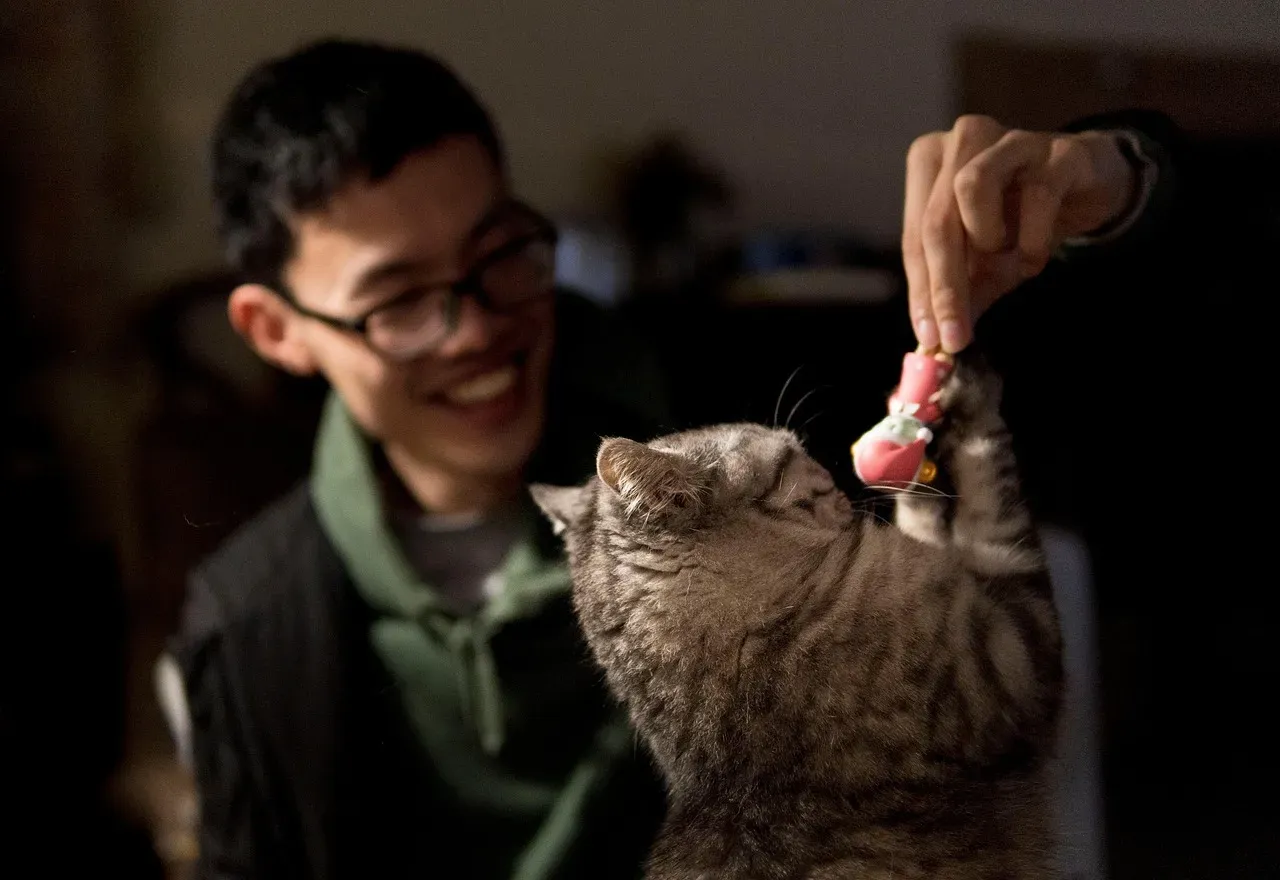
Play and predatory behaviors allow cats to fulfill their natural need to hunt. Play can be motivated with the use of interactive toys that mimic prey. When you carve out even ten or fifteen minutes a day to wave that feather wand or roll a crinkle ball across the floor, you are doing so much more than entertaining your cat. You are actively reinforcing their sense of safety and belonging in the home.
Interactive play and shared routines reinforce this connection. Activities like grooming, playing with feather toys, or quiet time together help your cat associate you with safety and comfort. These shared experiences reduce stress and build trust, making your cat more confident. A 2019 Oregon State University study published in the journal Current Biology explored human-cat bonds and found that felines do, in fact, develop attachments to their caregivers. Daily play is one of the fastest lanes to that attachment.
The Takeaway: Small Moments, Big Security
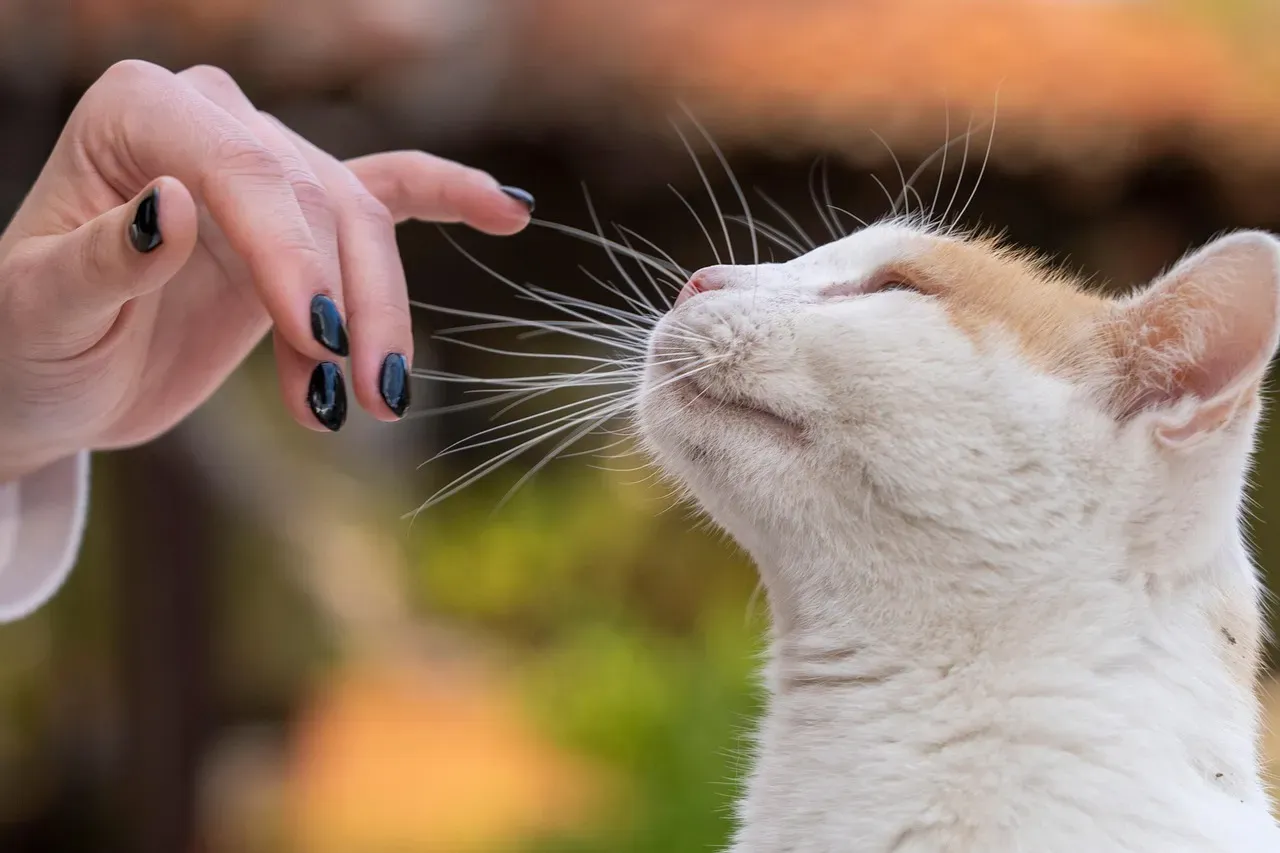
Here is what it all comes down to: you do not need to overhaul your entire lifestyle or your home to make your cat feel like the safest, most loved feline in the world. Cats are sensitive, observant creatures that thrive in calm, predictable environments. When they feel secure, they are happier, healthier, and more affectionate. The magic is already woven into your everyday moments.
Securely attached cats are those that exhibit a strong bond with their owners, characterised by affection, playfulness, and a desire for proximity. These cats feel safe and comfortable around their human companions, often seeking out interaction and displaying relaxed behavior. That kind of bond is not built in grand gestures. It is built in the quiet, consistent, tender small things you probably do already without even realizing it.
So the next time your cat flops dramatically in the middle of the floor, belly exposed, without a care in the world, take a moment to recognize that for what it truly is: your cat telling you, in the most honest way they know how, that you have made them feel completely and utterly safe. Did you ever imagine that something as simple as keeping a feeding schedule or returning a slow blink could carry that much weight?
Kristina is a young writer from India. An arts graduate and an avid content creator, Kristina is passionate about animals and wildlife. She enjoys exploring topics related to pet care, animal behavior, conservation, and nature, combining thorough research with engaging storytelling.