You’re sitting quietly on your couch, maybe scrolling through your phone or watching TV, when suddenly your cat freezes. Their eyes lock onto a completely blank section of the wall. No movement. No sound. Nothing. Your cat, however, looks absolutely convinced that something extraordinary is happening right there on that patch of painted drywall.
It’s one of those moments that makes you genuinely question whether your feline companion is tapping into some mysterious sixth sense, seeing spirits, or has simply lost the plot entirely. Honestly, most cat owners have been there. The good news? There are real, fascinating, and occasionally surprising explanations for this behavior. Let’s dive in and find out what’s really going on.
1. Your Cat’s Hearing Is Operating on a Completely Different Level
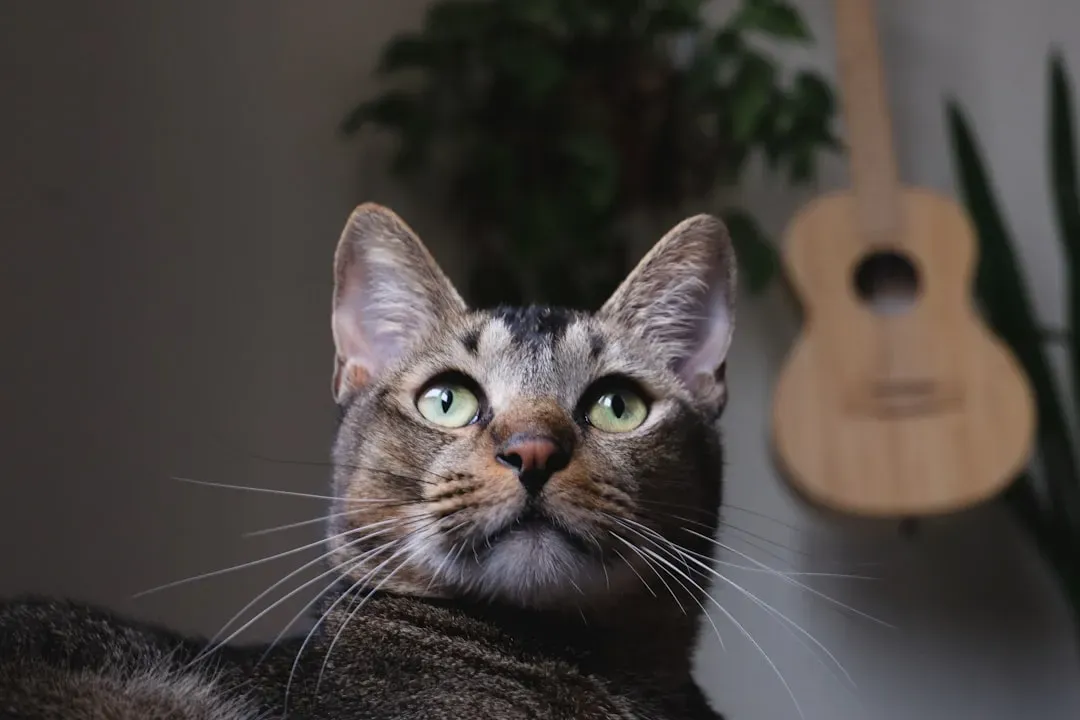
Here’s the thing that blows most people’s minds: your cat is not hearing the same world you are. Cats can hear up to 64,000Hz, whereas a human’s range extends to around 23,000Hz, meaning felines are around three times better at picking up sounds than humans are. That wall you see as totally silent? To your cat, it might sound like a miniature concert hall.
The shape of cats’ ears amplifies sounds, and they can rotate their ears without even moving their heads to better localize where sounds are coming from. So when your cat is staring intensely at a wall and you see nothing at all, they could be zeroing in on the precise location of a sound you can’t even register. Think of it like having a radar dish built right into their head.
2. There Could Literally Be Pests Living Inside Your Walls
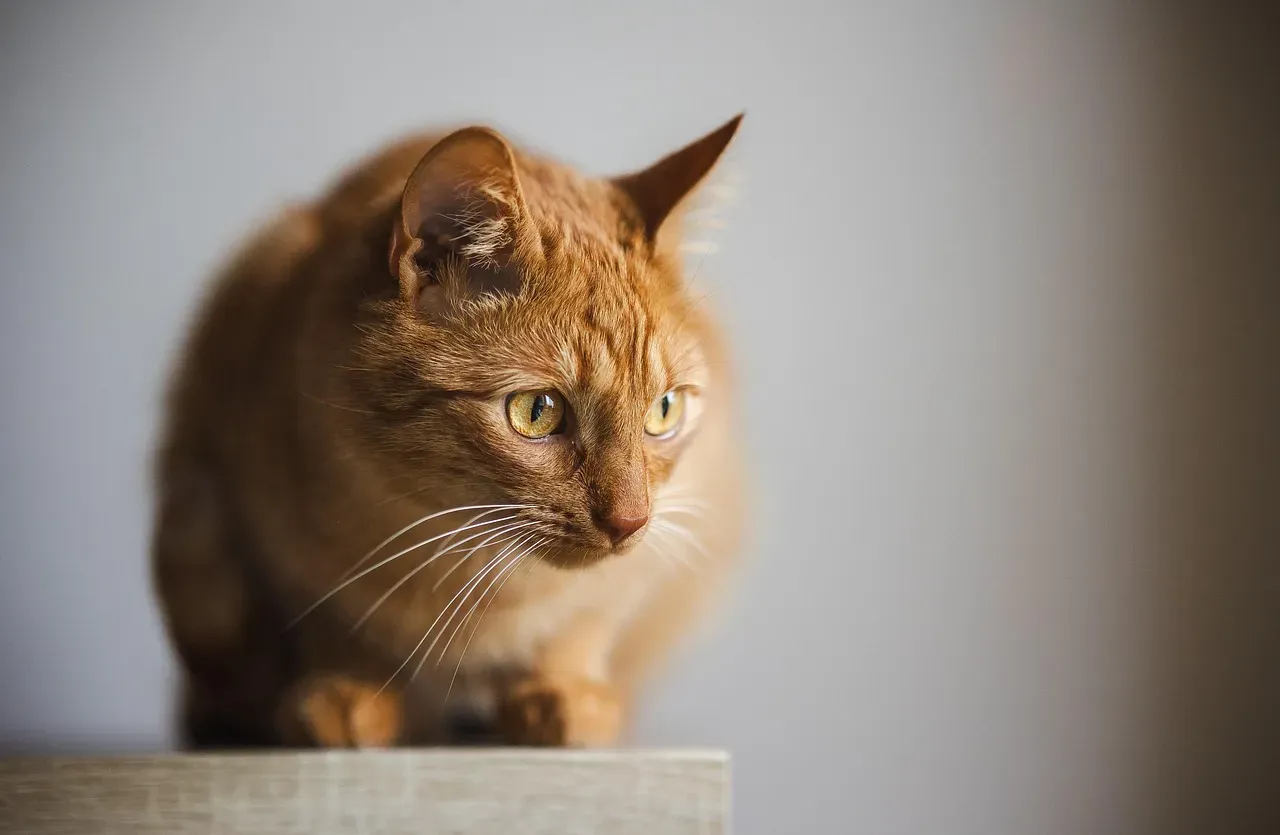
This one tends to make people a little uncomfortable, and honestly, it should. If your cat is persistently meowing, scratching, or watching a particular wall, they might be detecting mice, rats, bats, or squirrels that are not visible or audible to you. When these creatures scuttle behind the drywall, they may trigger your cat’s keen predatory instincts, compelling them to stare in the area where the sounds originate.
Whether that means staring at walls or sniffing under couches, cats are likely to notice a pest in your home before you do. Cats are probably the best pets for pest control because they take care of insects and rodents without any training. If your cat has been fixated on the same exact spot on the wall for days in a row, it might be worth calling a pest control professional rather than dismissing it as weird cat behavior.
3. Your Cat Can See Things Your Eyes Simply Cannot Detect
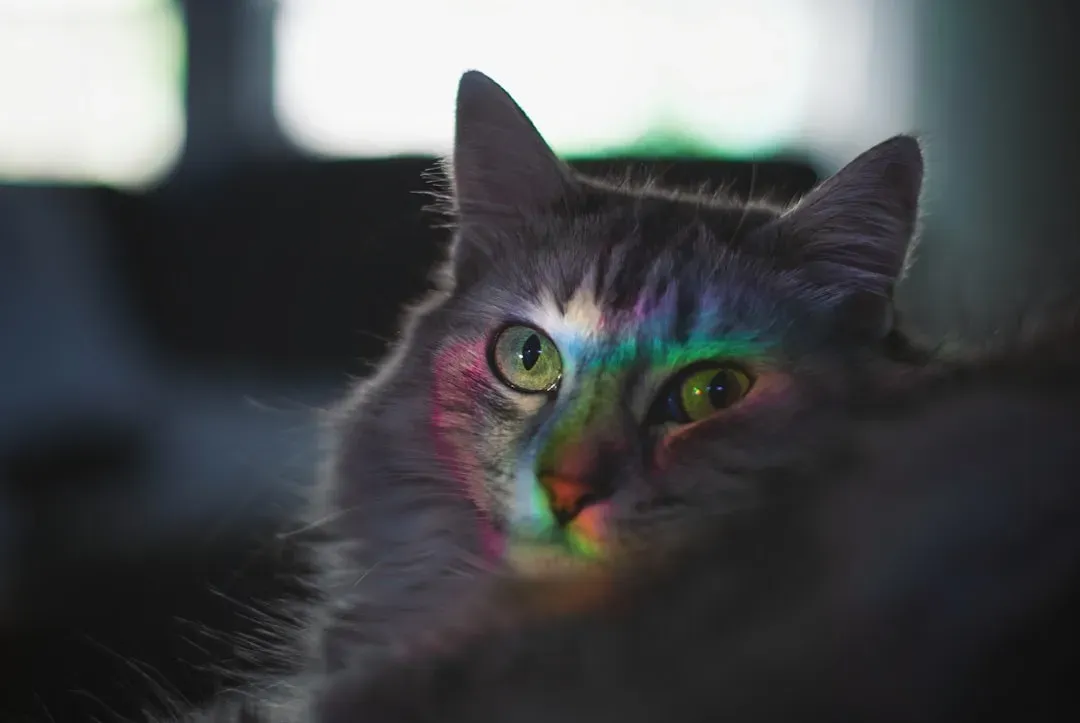
Cats have a reflective layer behind their retina that enables them to see using roughly one sixth of the light that humans need to see. They also have a slightly wider field of view, at 200 degrees compared to our 180 degrees, enabling them to see more around them too. That minor visual advantage turns into a huge deal in a dim room or at night.
Cats can even see ultraviolet wavelengths, a part of the light spectrum invisible to humans. Many materials, from certain fabrics to cleaning products, reflect UV light in patterns we can’t perceive. This makes objects, walls, or floor areas appear more interesting to them, explaining some of that intense staring. Your freshly cleaned wall might look completely plain to you, but to your cat, it could be glowing with UV patterns. Genuinely wild.
4. Your Cat Has Picked Up a Scent You Couldn’t Dream of Detecting
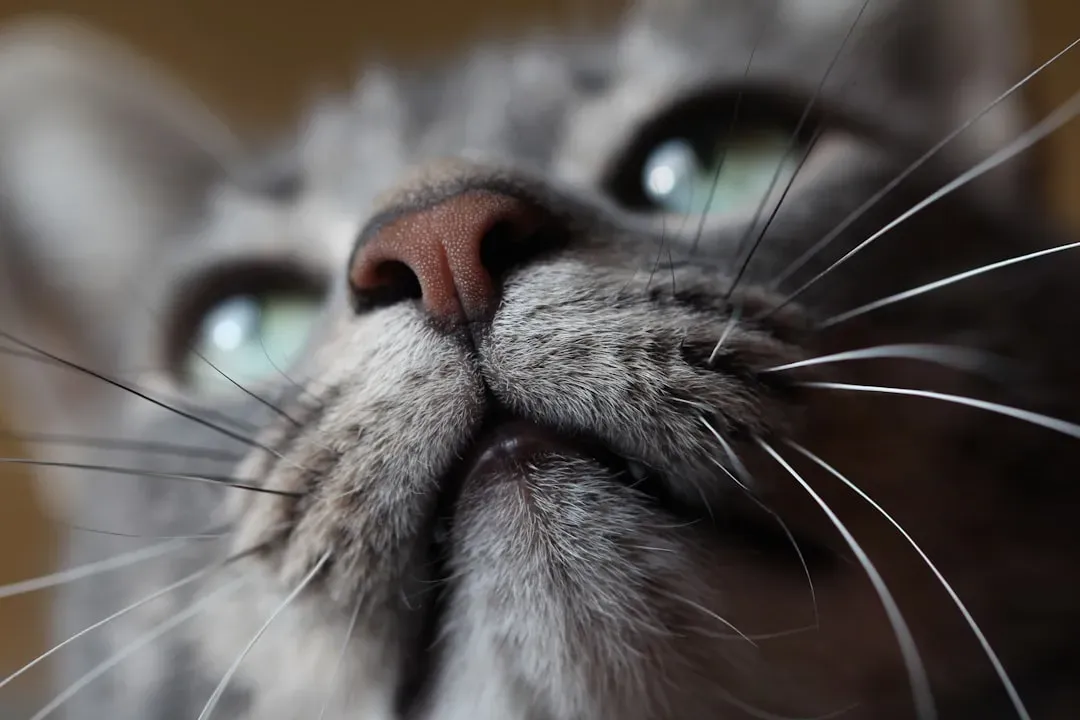
Cats have around 200 million scent receptors in their noses, 40 times more than people. So if your cat is spending a long time staring at the wall, it may be that they have picked up the scent of something in the cavity behind it, and are patiently waiting to see what happens next. Scent, for cats, is basically a whole invisible language written all over every surface of your home.
Cats rely on scent to navigate their environment. A wall, doorway, or window could carry residual scent from you, another pet, or even wildlife outside. Staring is often part of processing these invisible messages. Think of it this way: your cat is essentially reading a newspaper that you cannot see, printed entirely in smells.
5. Your Cat Is in Full-On Hunting Mode
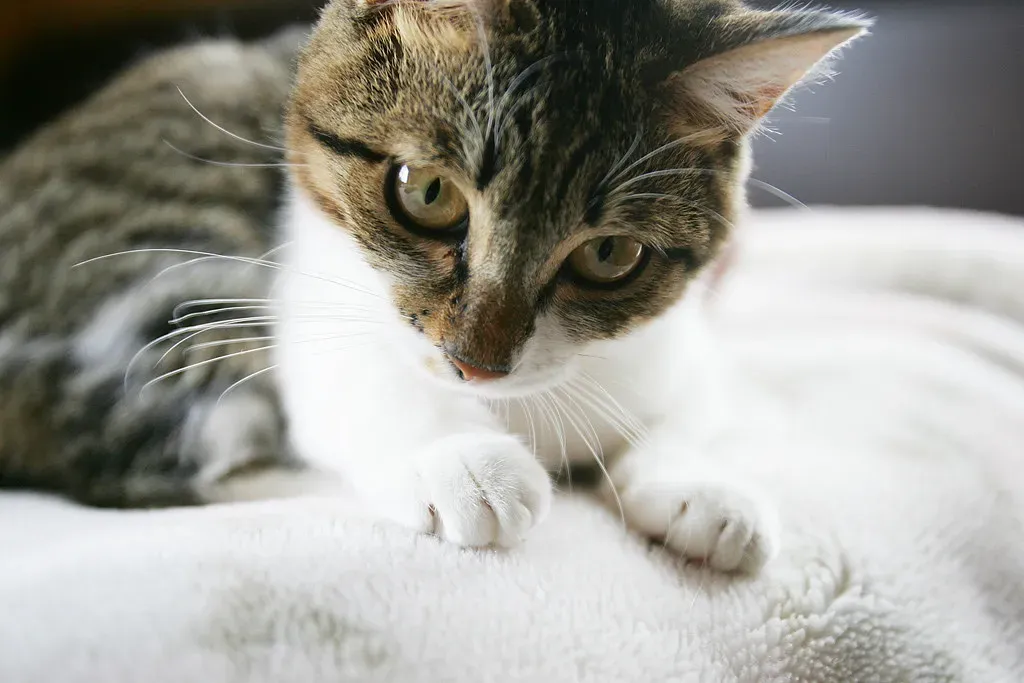
Cats are expert hunters and have a ton of patience when it comes to tracking down and stalking their prey. Cats will often sit still for long periods of time staring at their prey before striking, waiting for the exact right moment before making their move. This could be why they are staring at the wall – they are simply waiting for the perfect moment while hunting something down.
Even indoor cats retain strong prey drives. Cat hunting instincts remain active, whether or not your pet has ever been outside. Fixating, crouching, and staring are all parts of stalking behavior. This type of indoor cat behavior is completely normal. Your cat may be practicing their predatory skills, even if the target is just a faint sound or flicker of movement. Even a shadow or a dust particle floating across a sunbeam is enough to trigger the full predatory sequence.
6. LED Lighting and Electronics Are Creating Invisible Stimuli
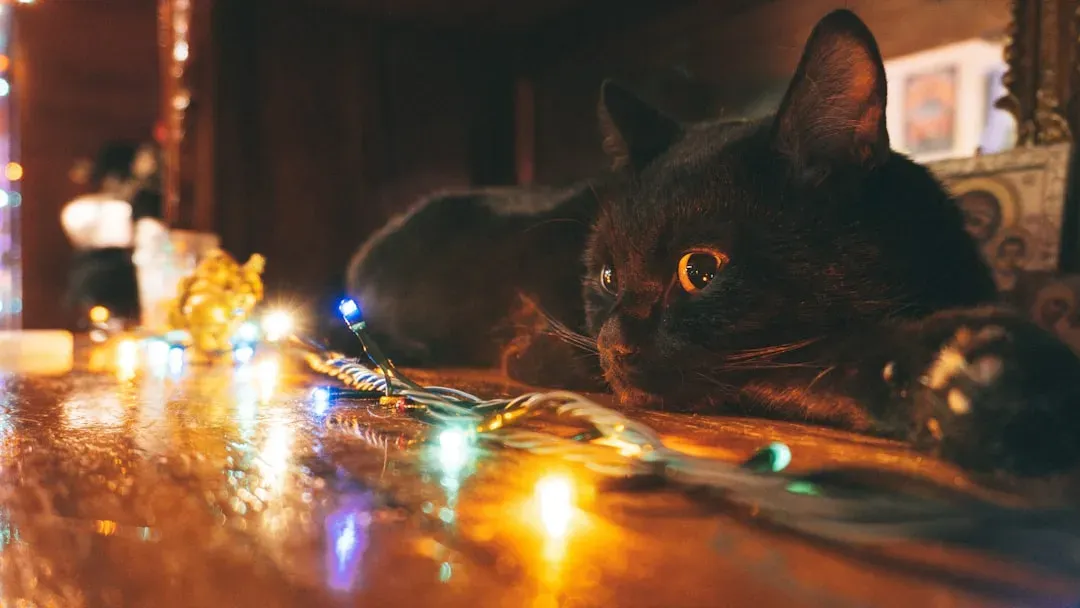
This is one most people never consider. LED lighting can create flicker invisible to humans but noticeable to cats. Certain flooring can hold scents longer, turning seemingly empty spaces into sensory hubs for your feline. Modern homes are essentially filled with low-level stimulation that we’ve completely tuned out, but your cat has not.
Cats can detect ultrasonic sounds made by rodents, insects, and even some electronics that are completely inaudible to you. When your cat is staring at a wall, they might be tracking sounds of mice scratching inside your walls, pipes vibrating, or electrical currents humming through wiring. Your television on standby, your Wi-Fi router, even your refrigerator humming through a shared wall – all of it is perfectly audible to your cat.
7. Your Cat Is Zoning Out, Just Like You Do
Let’s be real: sometimes the explanation is delightfully simple. Another reason your kitty might be staring at the wall is, actually, for no real reason at all. Humans can gaze off into space, so your cat might be doing the same. We never know what’s going through their brains, so it could be they’re distracted by other goings on or simply acting a little bit odd.
A cat staring at the wall may take a short break from their current activity to stop and ponder what they will do next. Cats are different from us in that they sometimes need to pause in the middle of an action to plan their next move and are known to freeze when they are in the midst of figuring something out. It’s basically the feline equivalent of staring blankly at the refrigerator and forgetting why you opened it.
8. Your Cat Could Be Experiencing Feline Hyperesthesia Syndrome
Here’s where things get a bit more serious. Feline hyperesthesia is a rare condition in which muscles contract uncontrollably, causing your cat to twitch, often for no apparent reason. Hypersensitivity is the most common symptom, and you may notice your cat switching suddenly from manic grooming to zoning out in a trance, perhaps even staring at the wall. The following symptoms are linked to feline hyperesthesia: hypersensitivity on the back and in front of the tail, and gazing into space or at walls for long periods of time.
If your cat is having trance-like periods of staring at the wall in between episodes of manic behavior, they could be suffering from feline hyperesthesia syndrome. The cause of this unpleasant syndrome in cats is not fully understood, but affected cats often meow or howl loudly, are sensitive to the touch, groom themselves frantically, especially at the tail base, and have enlarged pupils. Various treatment options have been suggested, so contact your veterinarian without delay if this sounds like your feline companion.
9. Your Cat May Be Showing Signs of Feline Cognitive Dysfunction
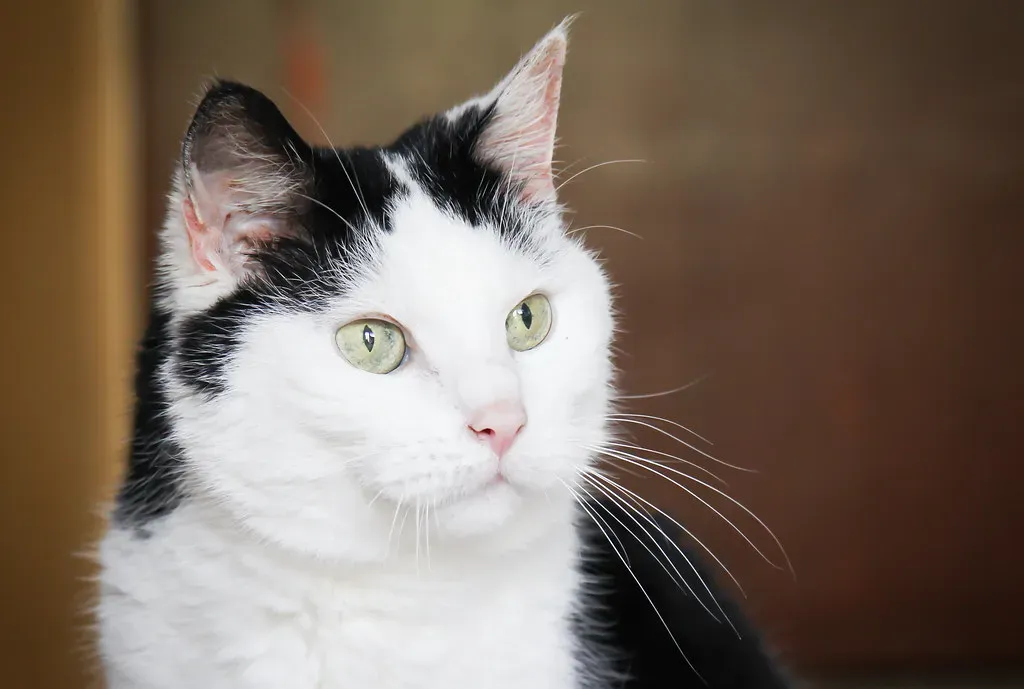
If you share your home with a senior cat, wall-staring takes on an added layer of meaning worth paying attention to. Older cats may develop feline cognitive dysfunction, similar to dementia in humans, which can lead to disoriented staring, pacing, or unusual sleep patterns. If your senior cat stares more often and seems out of it, a vet visit is wise.
Any senior cat showing unusual behavior such as staring at walls, aimless wandering, loss of toilet training, or personality changes should be taken for a thorough checkup with a veterinarian. They may be suffering from feline cognitive dysfunction syndrome, also known as senility or dementia. It’s hard to think about, but catching it early gives your cat the best possible quality of life going forward.
10. Head Pressing Is a Completely Different and Urgent Warning Sign
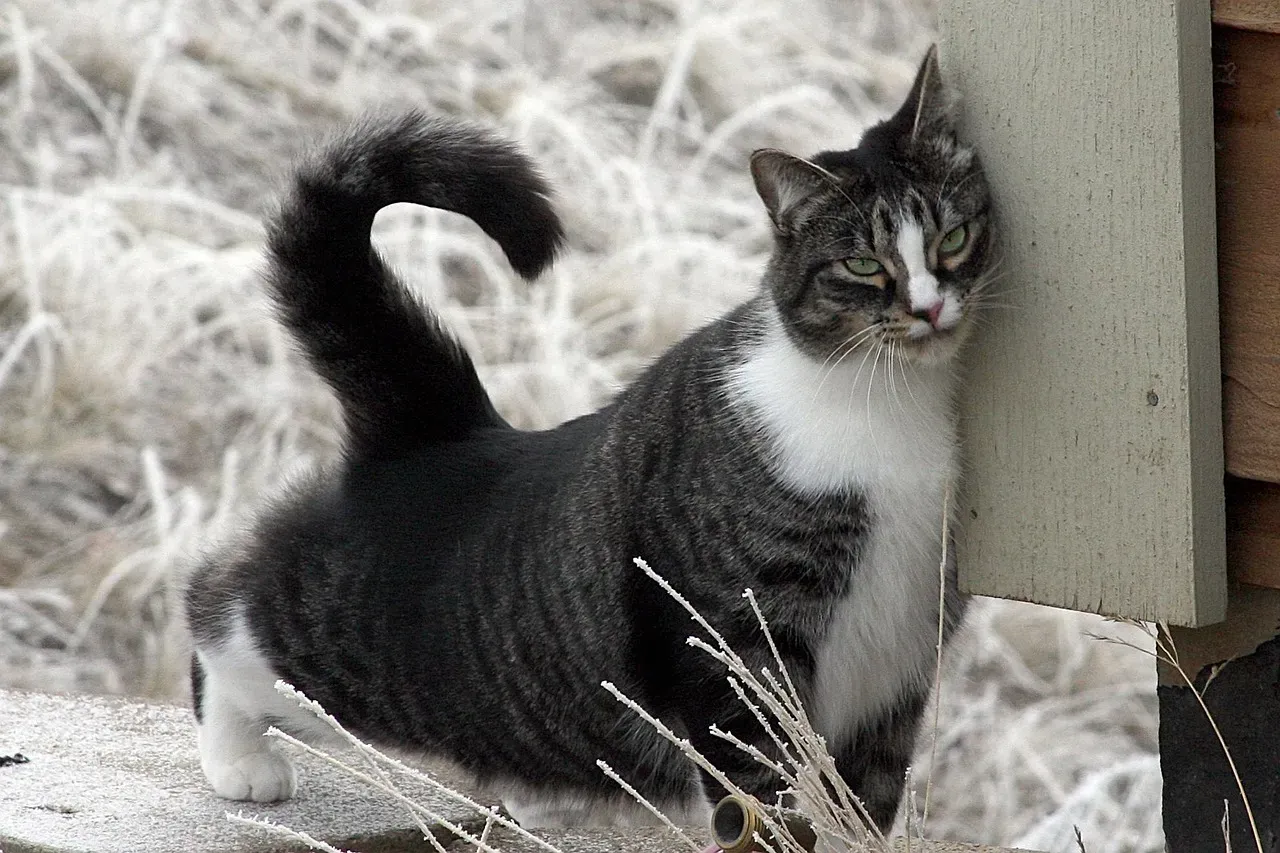
There’s an important distinction that every cat owner should know. Staring at a wall is usually harmless. Pressing their head against a wall is not. Head pressing, literally pressing the head against a solid surface, is not normal and can indicate serious neurological disease. If you see this behavior, contact your vet right away.
Head pressing is no joke. It arises from serious health conditions such as a brain tumor, an infectious disease, a metabolic disorder, or a response to being exposed to a toxin. If your cat progresses from staring at the wall to actually pressing their head against it, you should contact your veterinarian urgently, as this is a sign of several very serious, potentially life-threatening medical conditions. This is one you genuinely cannot afford to wait on.
Conclusion: Your Cat Is Probably Not Seeing Ghosts, but They Are Seeing a Whole Different World
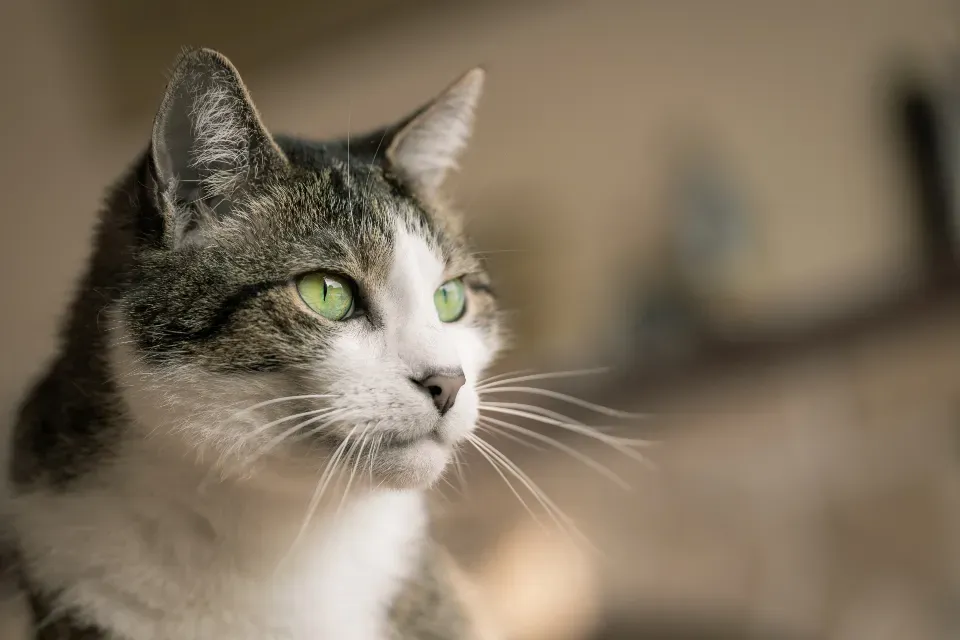
When you step back and look at all of these reasons together, a picture emerges: your cat is not broken, not haunted, and not losing their mind. Your cat is detecting real, physical stimuli with their superior senses. They might be hearing mice in the walls, tracking tiny insects, watching dust particles, listening to ultrasonic sounds from electronics, or observing subtle light and shadow movements. Cats don’t have supernatural abilities, but their hearing and vision are so much better than ours that it can seem that way. What looks like nothing to you is often something very real to your cat.
The takeaway here is to observe your cat with curiosity rather than fear. Most of the time, the wall-staring is completely harmless and honestly kind of impressive. Still, know the red flags: prolonged staring combined with twitching, head pressing, appetite loss, or disorientation all deserve a vet’s attention sooner rather than later.
Your cat is sharing a home with you, but in many ways, they are living in an entirely different sensory universe. Isn’t that kind of remarkable? What would you guess your cat is detecting right now that you have absolutely no idea about? Drop your thoughts in the comments below.
Kristina is a young writer from India. An arts graduate and an avid content creator, Kristina is passionate about animals and wildlife. She enjoys exploring topics related to pet care, animal behavior, conservation, and nature, combining thorough research with engaging storytelling.