You probably recognize the classic meow, the rumbling purr, and maybe even the impatient yowl at dinnertime. But every now and then, your cat lets out a strange noise that makes you stop and think: what on earth was that supposed to mean? Those odd little sounds are rarely random. They’re your cat’s way of sending you surprisingly specific messages about how they feel and what they want from you.
When you start to decode these uncommon noises, you stop seeing your cat as “mysterious” and start realizing just how clearly they’re talking to you. You notice patterns, you catch subtle changes, and you begin to react in ways that make your cat feel safer, calmer, and more connected to you. Here are eight unusual sounds your cat might make, what they’re really trying to say, and what you should actually do when you hear them.
1. The Chirp: A Quick “Follow Me” Alert
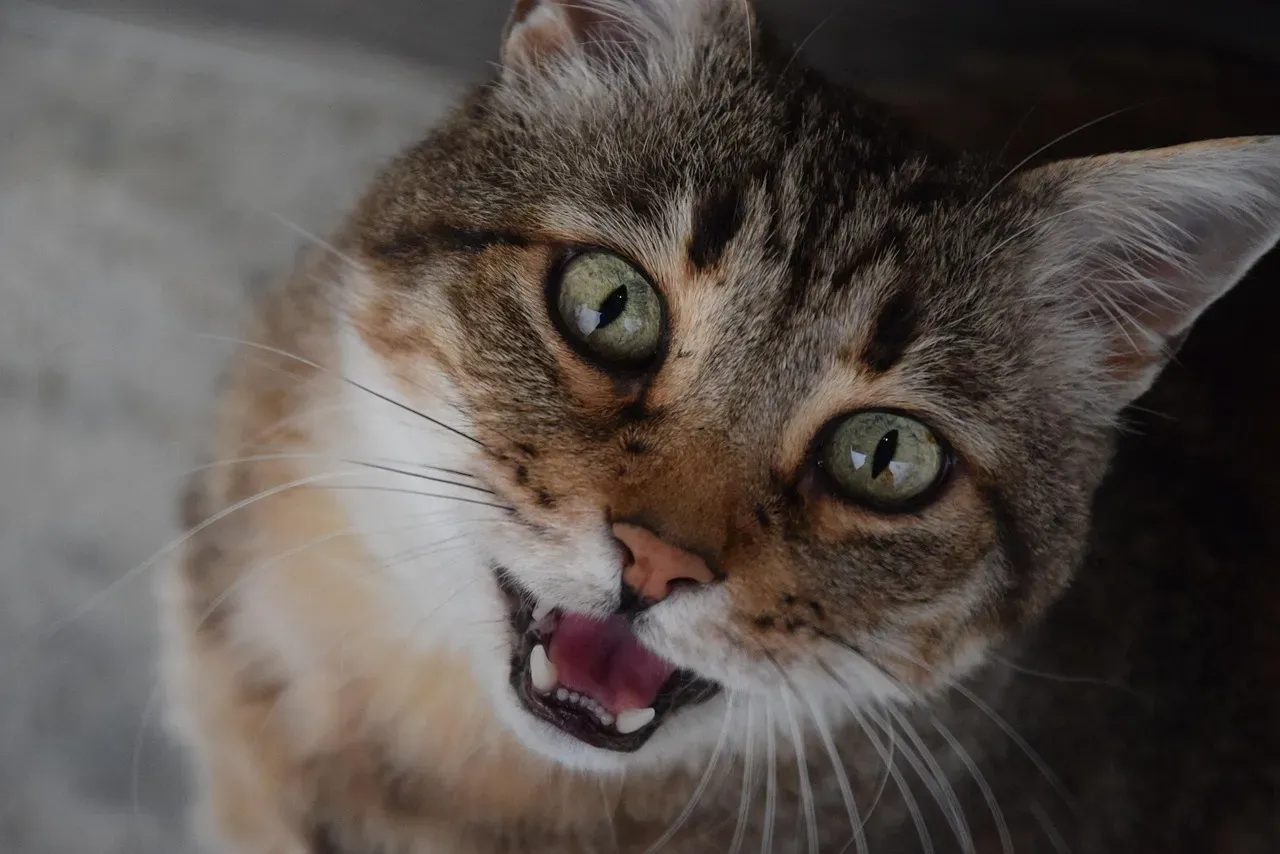
That short, high “brrrp” or “chirp” your cat makes when they trot past you is not just cute background noise. You’re usually hearing it when your cat wants you to notice something or move with them, almost like a tiny verbal nudge that says, “Hey, come on, over here.” You may catch it when you walk in the door, when they jump off a windowsill, or when they suddenly dash toward their favorite room and glance back to see if you’re following.
When you respond by actually following them, you often find some clear reason: an empty food bowl, a toy pushed under the couch, a closed door they want opened, or even another pet doing something they’re not thrilled about. If you consistently ignore this chirp, your cat may either escalate to louder meows or simply give up trying to communicate that way. When you hear it, look at their body language and direction of movement, then indulge them and follow; you’re basically rewarding and reinforcing a polite, low-stress way for them to ask you for help or attention.
2. The Chatter: Frustrated Hunter Mode
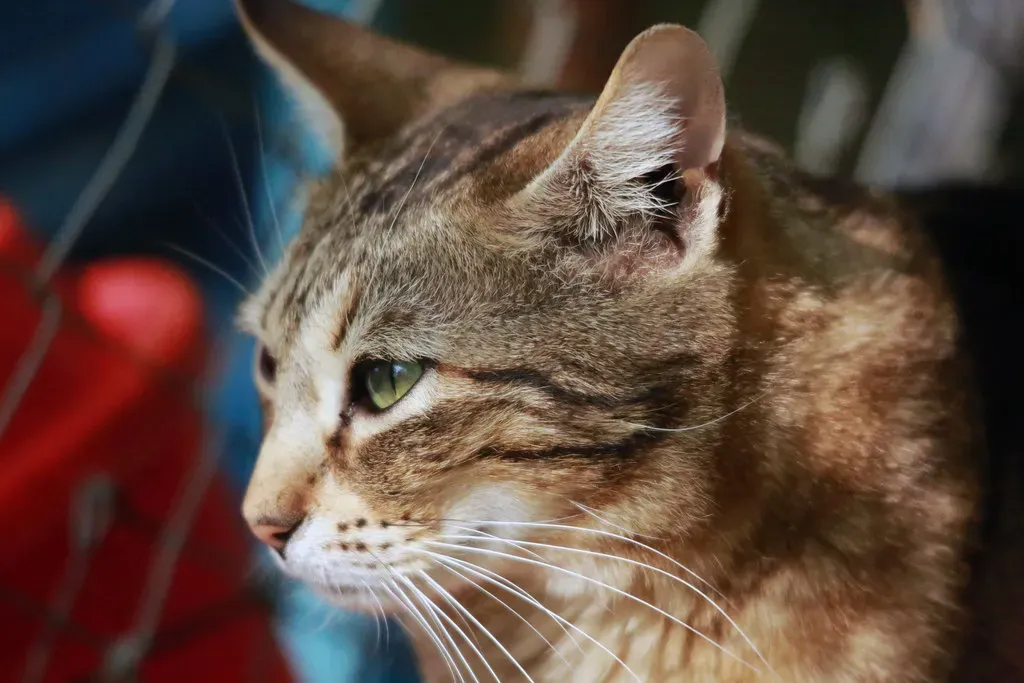
That rapid, teeth-clicking chatter you hear when your cat stares at birds or squirrels out the window is one of the strangest and most fascinating sounds they make. It usually sounds like a series of quick “ek-ek-ek” noises, sometimes mixed with a quiet meow. You’ll often see their jaw quivering and their body locked in laser-focus on their target outside, tail twitching with pent-up energy. What you’re hearing is a mix of hunting excitement, frustration, and instinctive rehearsal.
Since your indoor cat cannot reach the bird, the chatter is like their body’s way of discharging all that hunting drive and tension. For you, this is a sign that your cat is mentally engaged but may also be bored or under-stimulated. You can respond by offering more play sessions that mimic hunting: wand toys that move like prey, treat puzzles, or short, intense play bursts that let them stalk, chase, and “kill.” If you regularly feed that hunting instinct in safe ways, you’ll probably see the chatter accompanied by a more satisfied, relaxed cat afterward.
3. The Trill: Friendly Greeting and Social Bonding
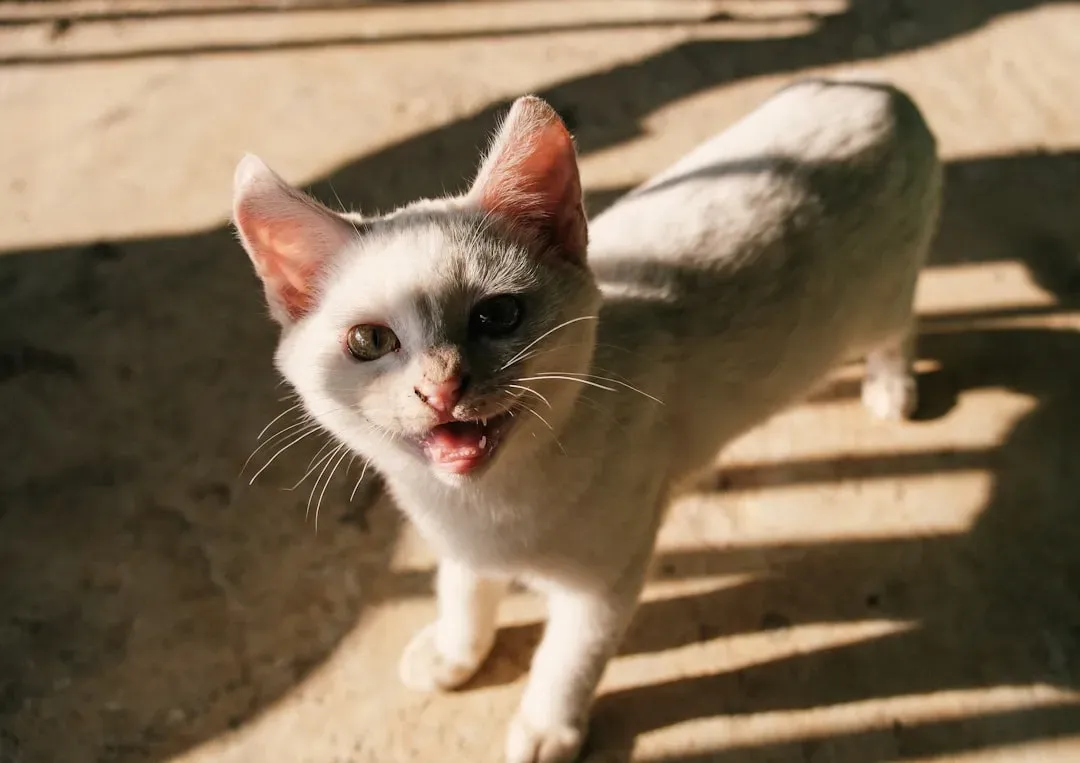
The trill is a rolling, musical sound somewhere between a purr and a meow, often described as a gentle “rrr-up.” When your cat trills at you, they’re not complaining or demanding; they’re saying a very warm, social hello. You’ll often hear it when you come home, when they jump up on the bed in the morning, or when they approach you with a relaxed body, tail up, and maybe a slow blink or two. It’s one of the clearest signs that your cat sees you as part of their trusted social circle.
Responding to a trill by speaking back softly, using their name, and offering a gentle stroke or head scratch can deepen your bond. You’re essentially answering their friendly greeting with one of your own. If you notice your cat rarely trills and mostly only meows loudly, it might be a clue that most of their communication with you feels like asking or complaining. By giving them attention and affection when they trill, you reward and encourage that relaxed, friendly version of their voice and reinforce that you’re listening when they reach out in a positive way.
4. The Growl: A Clear “Back Off” Warning
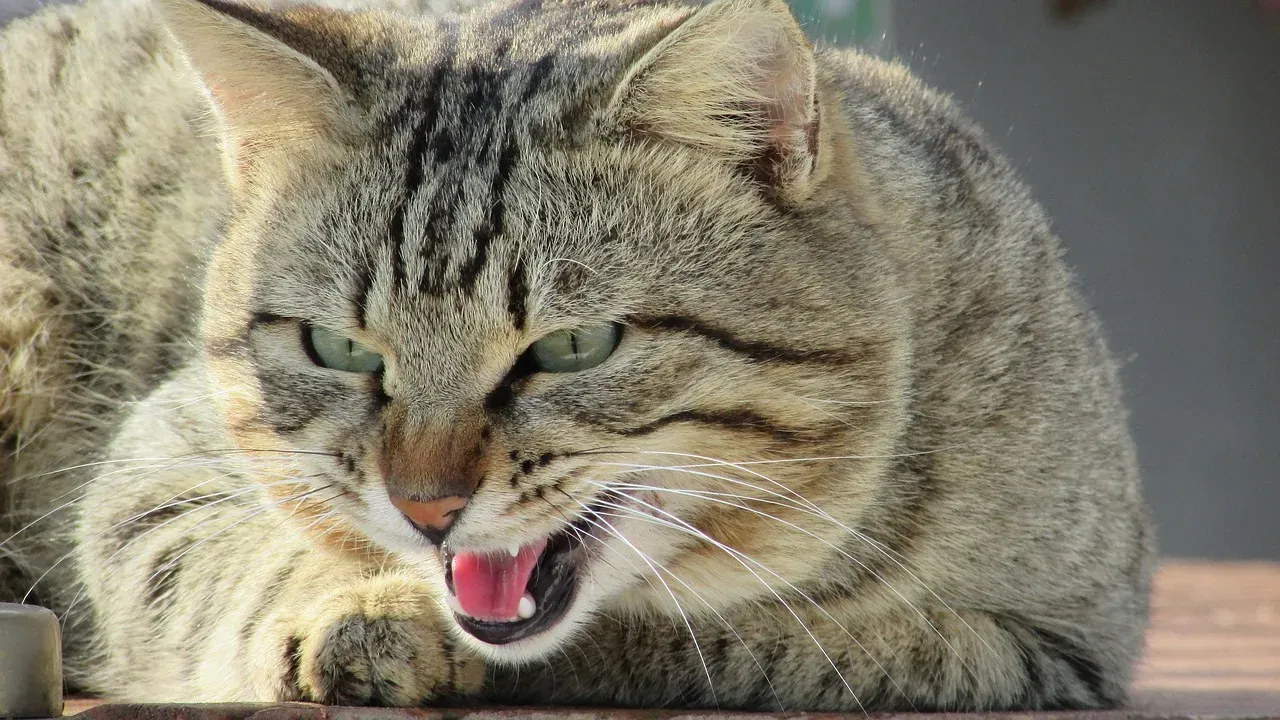
Your cat’s growl is low, drawn out, and unmistakably tense. It might sound almost like a tiny dog’s warning, usually paired with a stiff body, ears flattened, and eyes wide and unblinking. You’ll often hear it around food, toys, favorite sleeping spots, or during tense encounters with other pets. When you hear that sound, your cat is telling you or someone else that they feel threatened, cornered, or extremely uncomfortable.
Instead of scolding or punishing a growl, treat it as a crucial early-warning system that gives you a chance to prevent a bite or scratch. Back off a bit, remove the trigger if you can, or gently separate animals that are in conflict. If your cat is growling during grooming, handling, or vet visits at home, that might be a sign that they’re in pain or that something about the handling feels unsafe to them. Listening to that growl and adjusting your behavior – moving slower, changing how you touch them, or consulting a vet if it’s new and frequent – can protect both their mental and physical well-being.
5. The Chirrup-Meow Combo: Excited Storytelling
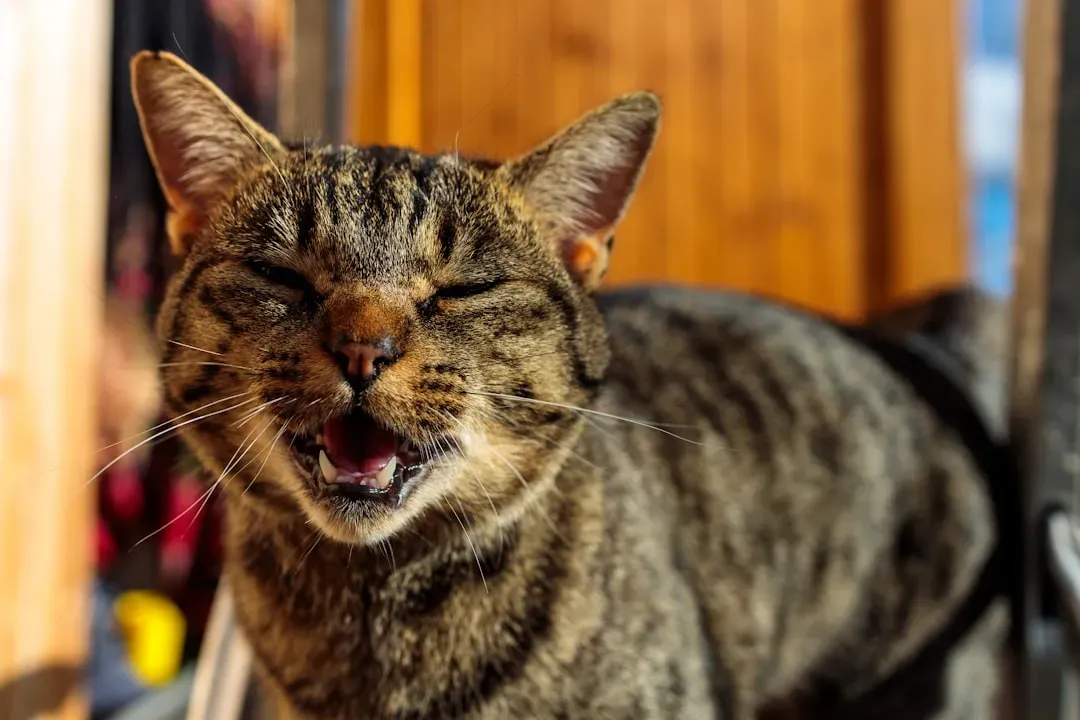
Sometimes your cat produces a weird little sequence that starts as a chirp, slides into a trill, and ends in a soft meow. It often happens when they’re walking toward you with purpose, maybe after exploring another room or finishing some solo play. It sounds a bit like they’re stringing words together, almost as if they’re narrating where they’ve been and what they’ve just done. This combo usually means your cat is feeling energized, social, and eager to interact.
When you pay attention to this sound and respond verbally or physically, you’re essentially joining their “conversation.” Try answering out loud in a calm, playful tone, offering your hand to sniff, or inviting them to jump onto the couch or bed with you. Over time, you may notice that your cat uses this type of vocal sequence at similar times every day, like a daily check-in. By engaging with it, you give your cat a sense that their little life updates matter to you, which can make them more confident and secure in your shared space.
6. The Sudden High-Pitched Shriek: Pain or Extreme Startle
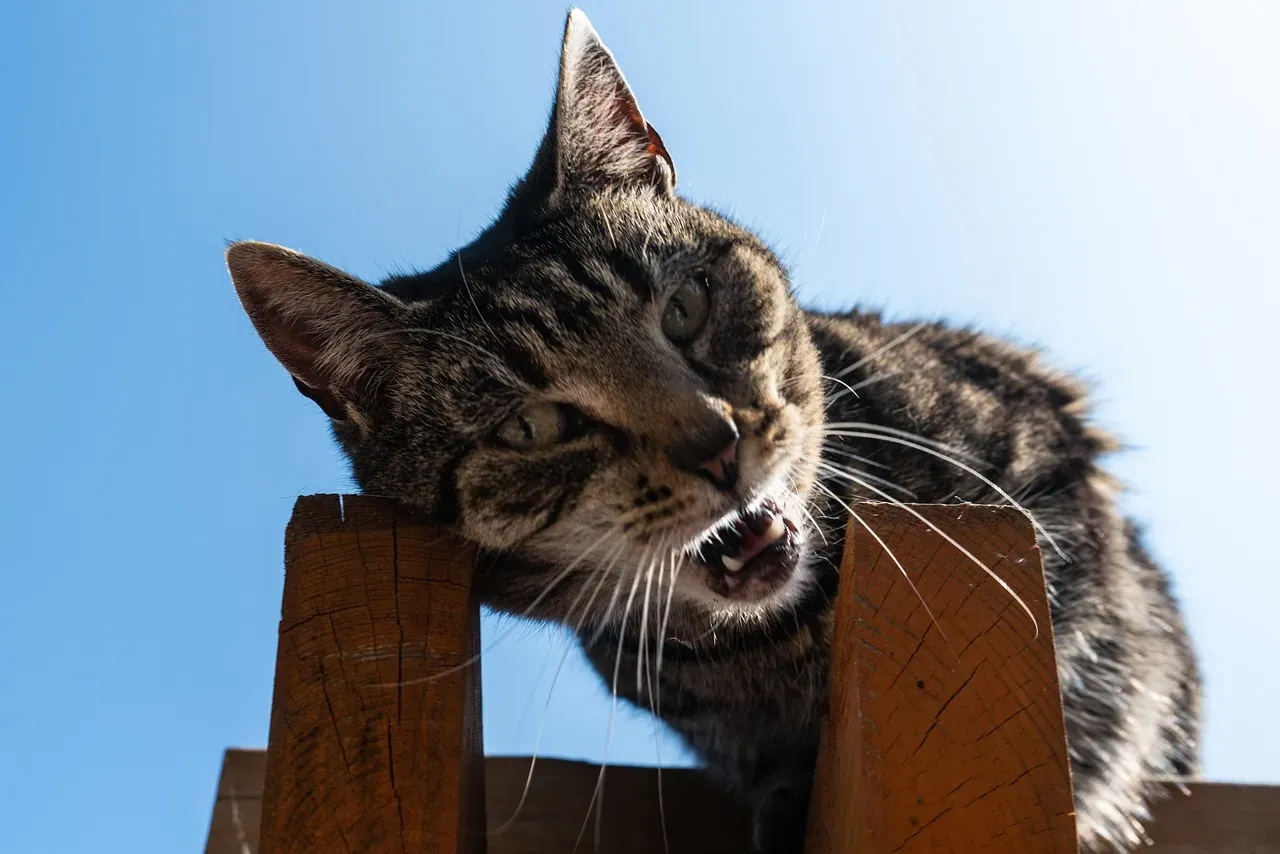
A sharp, high-pitched scream or shriek from your cat is rare – and it’s never something you should ignore. This is the kind of sound you might hear if someone accidentally steps on a tail, a door closes on a paw, or another animal suddenly hurts or seriously scares them. It’s a purely reactive noise, like an instant alarm signal that something is very wrong in that moment. Your adrenaline probably spikes when you hear it, and that’s actually an appropriate response.
If your cat lets out a scream and then limps, hides, or continues to vocalize, you should check them closely for injuries and consider contacting your vet, especially if anything seems off afterward. Even if the incident seems minor, watch their behavior over the next few hours: changes in walking, jumping, eating, or using the litter box can hint at deeper pain. If you hear shrieks during intense play or fights between cats, you may need to step in quickly but safely, interrupt the interaction, and reassess your multi-cat dynamics or play style. That sound is your cue that a boundary has been crossed and your cat’s safety may be at risk.
7. The Strange Warble at Night: Lonely, Disoriented, or Seeking
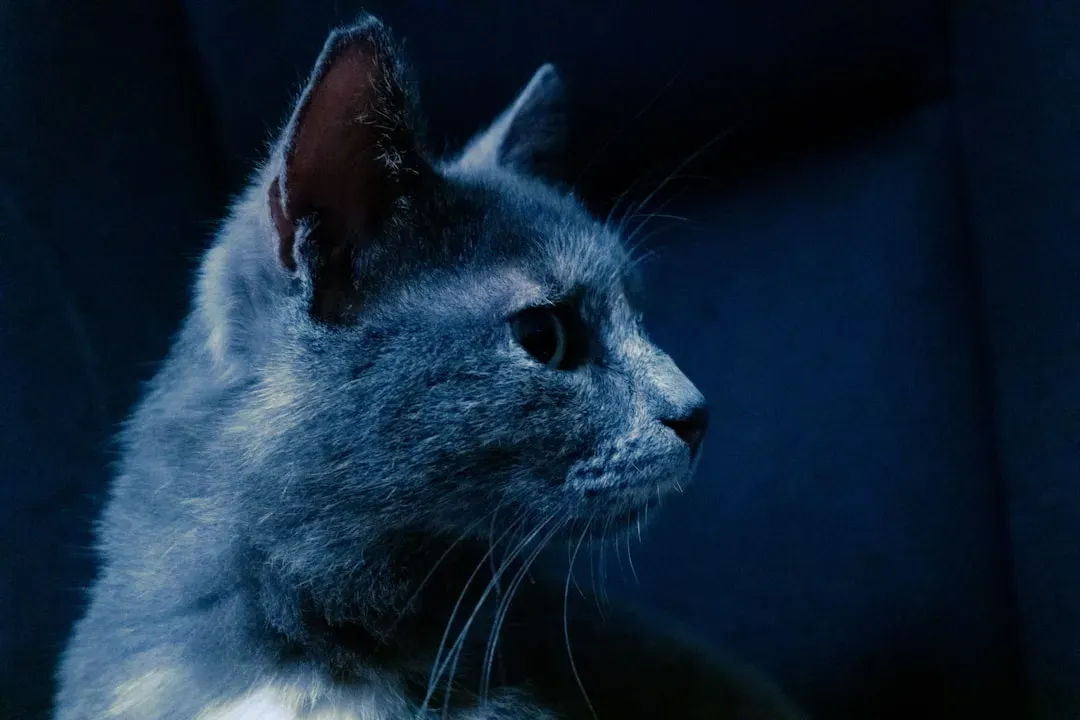
That eerie, echoing warble you sometimes hear in the middle of the night can be unsettling. It is often a drawn-out, wandering vocalization as your cat walks through the house, sometimes with no obvious trigger. For younger cats, this may just be pent-up energy and boredom when the world is quiet and you’re asleep. For older cats, especially seniors, this nighttime calling can sometimes be linked to disorientation, anxiety, or changes in their senses, like hearing or vision.
For you, this sound is a signal to check in on your cat’s routines and health. Are they getting enough active play before bedtime to burn off energy? Do they have safe, cozy sleeping spots near you? If your older cat has suddenly started nighttime warbling, it’s worth discussing with your vet, as it can be associated with age-related cognitive changes or discomfort. You can help by keeping a gentle nightlight on, maintaining a predictable routine, and offering reassurance without turning every night into a full play session that reinforces the behavior.
8. The Odd, Broken Purr: Mixed Emotions and Subtle Discomfort

You may notice that sometimes your cat’s purr does not sound like the smooth, steady rumble you’re used to. It might start and stop abruptly, shift in tone, or be paired with tense body language, wide eyes, or a hunched posture. Many people assume a purr always means happiness, but in reality, cats also purr when they are stressed, in pain, or trying to self-soothe in uncomfortable situations. If the purr sounds oddly shaky or uneven, you should pay close attention to what else is going on with your cat.
When you hear this kind of broken or uneasy purr, check for context: are you at the vet, brushing a knot, or touching an area that might hurt? Are they recovering from an illness or surgery? If the purr appears alongside hiding, changes in appetite, or less interest in play, it may be a quiet clue that something is wrong. In that case, your best move is to create a calm environment, avoid forcing interaction, and reach out to your veterinarian if the behavior continues or you see any other signs of illness or pain.
Conclusion: Learning to “Hear” Your Cat Changes Everything

Once you start paying attention to these uncommon sounds, your relationship with your cat shifts from guessing to genuinely understanding. Those odd chirps, chatters, trills, growls, shrieks, and warbles stop feeling random and start sounding like a language you can actually read. You begin to catch early signs of stress, pain, boredom, or excitement long before they turn into bigger behavior problems, and your cat learns that when they speak, you respond.
By noticing when they call you to follow, when they vent their frustration at the window, when they sing in the hallway at night, or when their purr suddenly feels off, you become a better, more attentive partner in their little world. You do not need to decode every sound perfectly to make a difference; even small changes in how you listen and react can transform the way your cat feels around you. The next time your cat makes a strange noise and you pause to really hear it, what do you think they’re trying to tell you?
Kristina is a young writer from India. An arts graduate and an avid content creator, Kristina is passionate about animals and wildlife. She enjoys exploring topics related to pet care, animal behavior, conservation, and nature, combining thorough research with engaging storytelling.