You spent good money on it. You picked it out carefully, maybe even agonized over the choice. You brought it home, set it down in front of your cat with real excitement – and your cat glanced at it, sniffed once, then walked away to stare at the wall. Sound familiar? If you’ve ever felt personally offended by your feline companion’s complete indifference to a brand new toy, you are absolutely not alone.
Here’s the thing: your cat’s behavior in that moment is not random, not rude, and definitely not a sign of a broken relationship. There are real, fascinating reasons rooted deep in feline psychology and instinct that explain exactly what’s going on. The answers might surprise you, and they’ll almost certainly change how you approach playtime forever. Let’s dive in.
Your Cat Is Wired to Hunt, Not to Play With Gifts
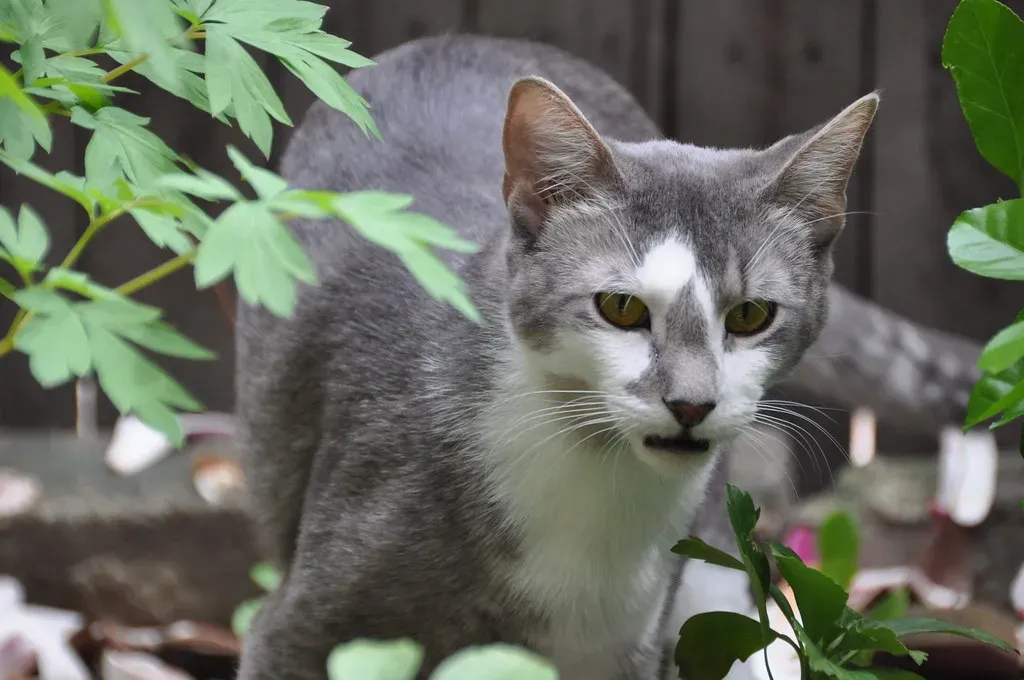
Let’s start with the most fundamental truth about cats. Play in cats isn’t just entertainment – it’s a vital expression of natural hunting behaviors. In the wild, cats spend significant energy stalking, chasing, and capturing prey. So when you place a brand new toy on the floor and expect your cat to go wild, you’re essentially handing them a “dead” animal and expecting them to be thrilled.
When a toy is always available, lying in the same spot day after day, your cat’s brain registers it as “dead” and therefore uninteresting. The hunting instinct requires challenge and novelty. Think of it like this: even the most enthusiastic human athlete won’t sprint toward a finish line that goes nowhere. Your cat needs the whole hunt – the chase, the suspense, the victory.
The Scent Is All Wrong and Your Cat Knows It
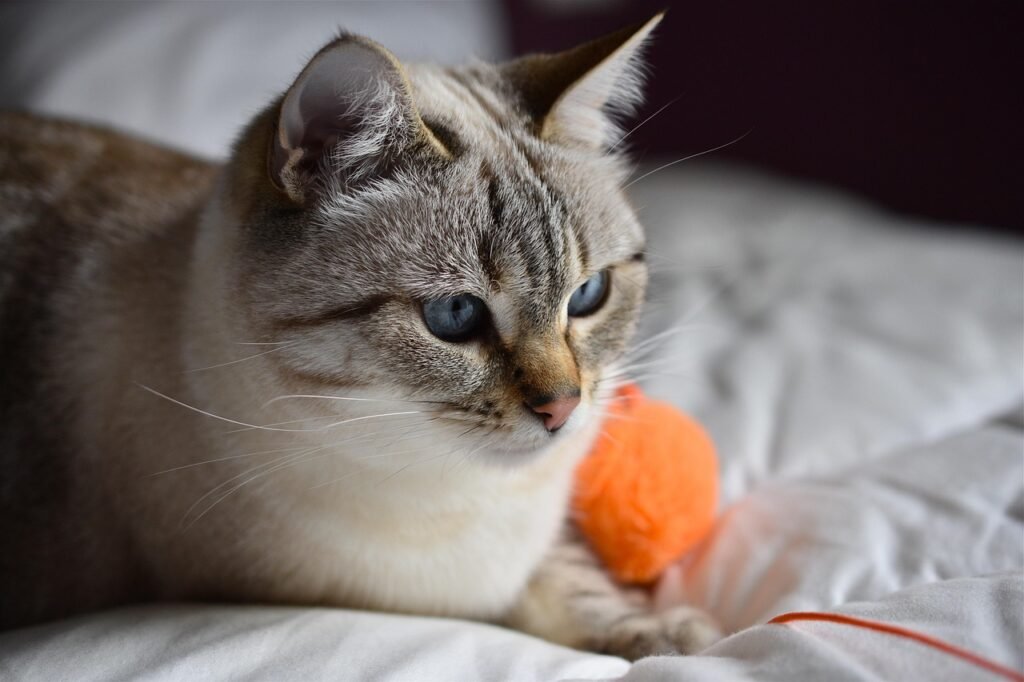
Cats are highly sensitive to scent. A brand new toy fresh out of its packaging carries synthetic odors, factory smells, plastic wrapping residue, and unfamiliar chemical compounds. To your cat’s incredibly refined nose, that toy smells nothing like prey, and possibly like something worth avoiding altogether.
Honestly, this one surprises a lot of cat owners who never think about it. Adding cat-safe scents like silvervine or valerian root to toys can make a familiar object smell like prey. Alternatively, rubbing the toy with a live catnip leaf rather than dried, which loses potency, can make a significant difference. Before giving up on a new toy, try giving it a natural scent makeover first – you might be shocked by the reaction.
Your Cat Has a Specific Prey Type Preference
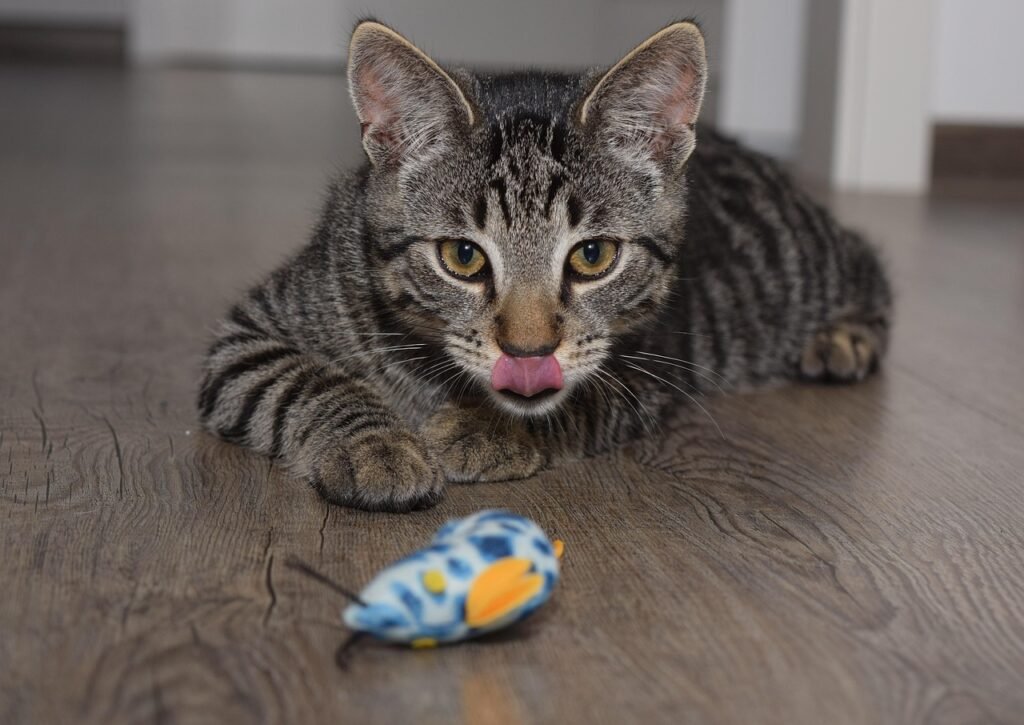
Some cats are ground hunters, instinctively drawn to movement that mimics rodents skittering along the floor. Others are bird-focused and respond best to toys that flutter, hover, or perch before moving again. When these instincts aren’t matched – for example, a rodent-hunting cat only offered feather wands – play often stalls.
This is a bigger deal than most people realize. Not all cats want the same play experience, and this is where many people get stuck buying the wrong toys. Some cats are “ground hunters” who want toys that scurry along the floor. Others are “air hunters” who go crazy for anything that flies or dangles. Watch how your cat reacts to natural insects or rustling leaves – that behavior is your roadmap to the right toy category.
The Toy Doesn’t Move Like Real Prey
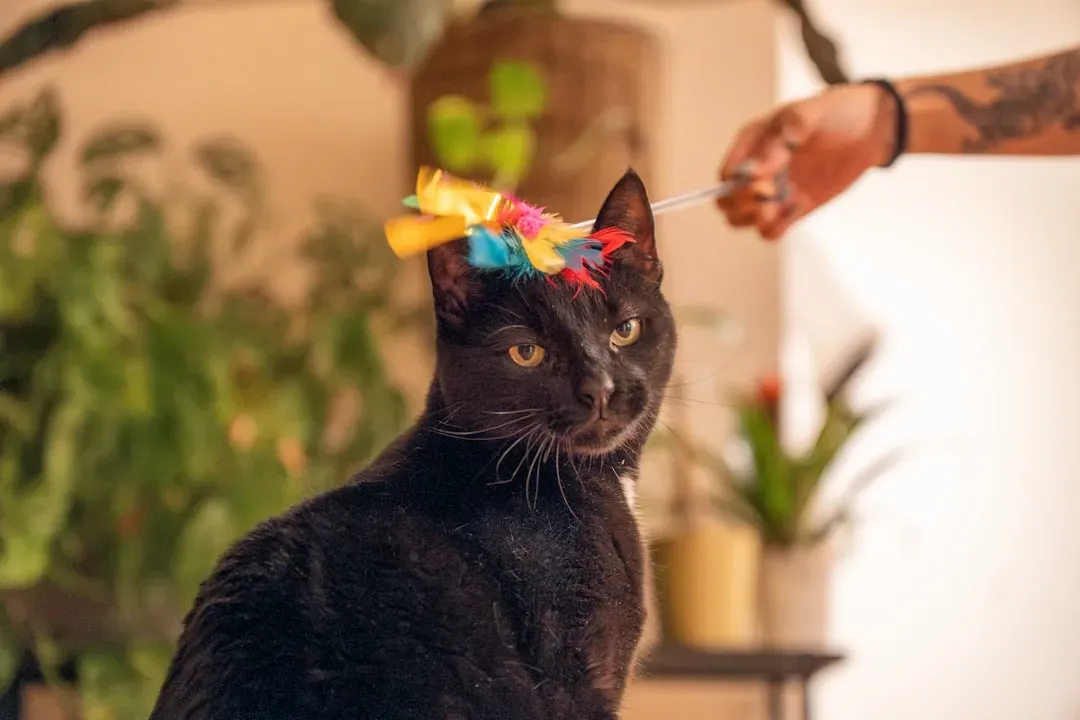
Static toys have a built-in problem: they don’t move like prey. Even the best toy becomes boring if it just sits there waiting to be batted around. Your participation transforms a boring object into an exciting hunt. This is a point that even experienced cat owners often overlook. The toy itself is almost secondary to how it’s presented.
Dragging a feather wand behind furniture, making a toy “hide” under a blanket, or bouncing a ball in unpredictable patterns activates your cat’s predatory sequence. This doesn’t mean you need to play for hours. Two focused 10-minute play sessions daily, where you actively make toys move in prey-like ways, will do more for your cat’s engagement than 20 toys sitting untouched in a basket.
Stress and Environmental Changes Are Silencing the Playful Side
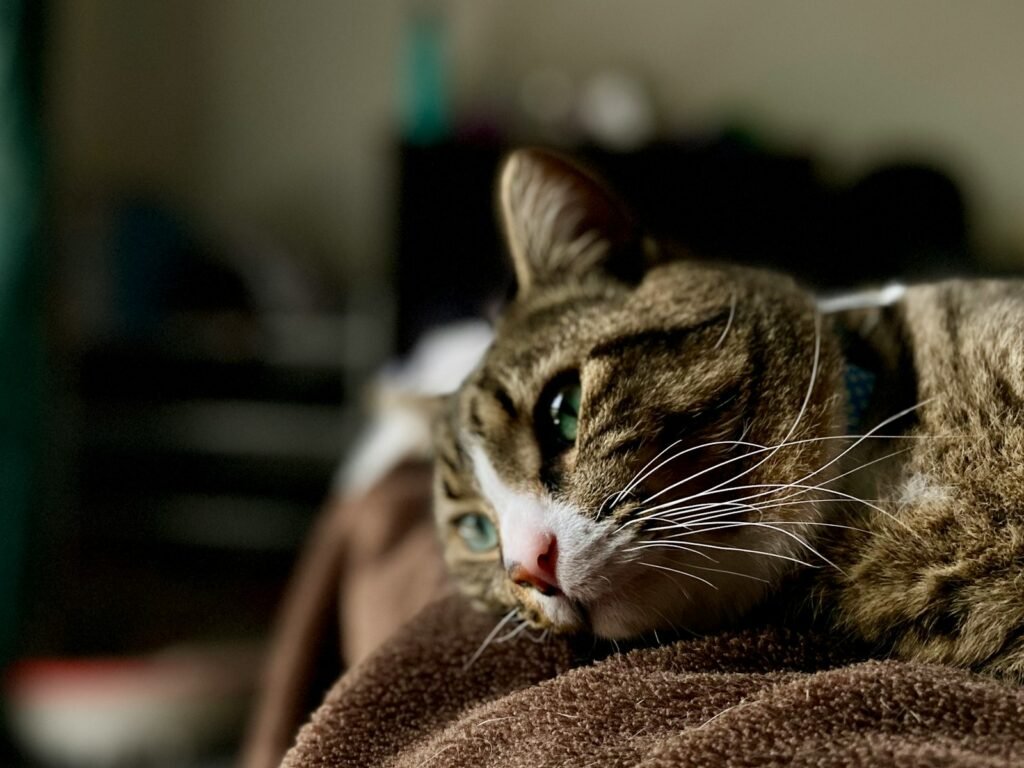
Cats can become overstimulated or stressed, which can lead to a lack of interest in playing. Changes in their environment, such as moving to a new home, the introduction of a new pet, or even changes in your daily routine, can cause stress. A new toy landing in an already anxious environment doesn’t stand a chance of generating excitement.
Additionally, overstimulation or understimulation both lead to toy neglect. A home filled with constant noise or foot traffic may overwhelm a sensitive cat, making focused play impossible. So before blaming the toy, take a hard look at your cat’s environment. Sometimes the fix has nothing to do with the toy at all – it’s about restoring a sense of calm and safety first.
Age and Energy Levels Shape What Your Cat Wants
As cats age, their energy levels and playfulness can decrease. Older cats might not have the same enthusiasm for playing as they did when they were younger. Additionally, some cats are naturally more laid-back and less interested in playing, regardless of their age. What works for a hyperactive kitten is going to land completely flat with a senior cat who has learned to enjoy the finer things in life – like napping in a sunbeam.
Older cats may also avoid toys that require jumping or rapid movement due to joint pain or reduced vision. Understanding your cat’s energy levels and adjusting your expectations accordingly can help you find toys and activities that suit them. A slower, gentler toy introduced calmly can do wonders for an older cat who has “given up” on play – it just needs to match where they are in life right now.
Toy Overexposure Is Killing the Excitement
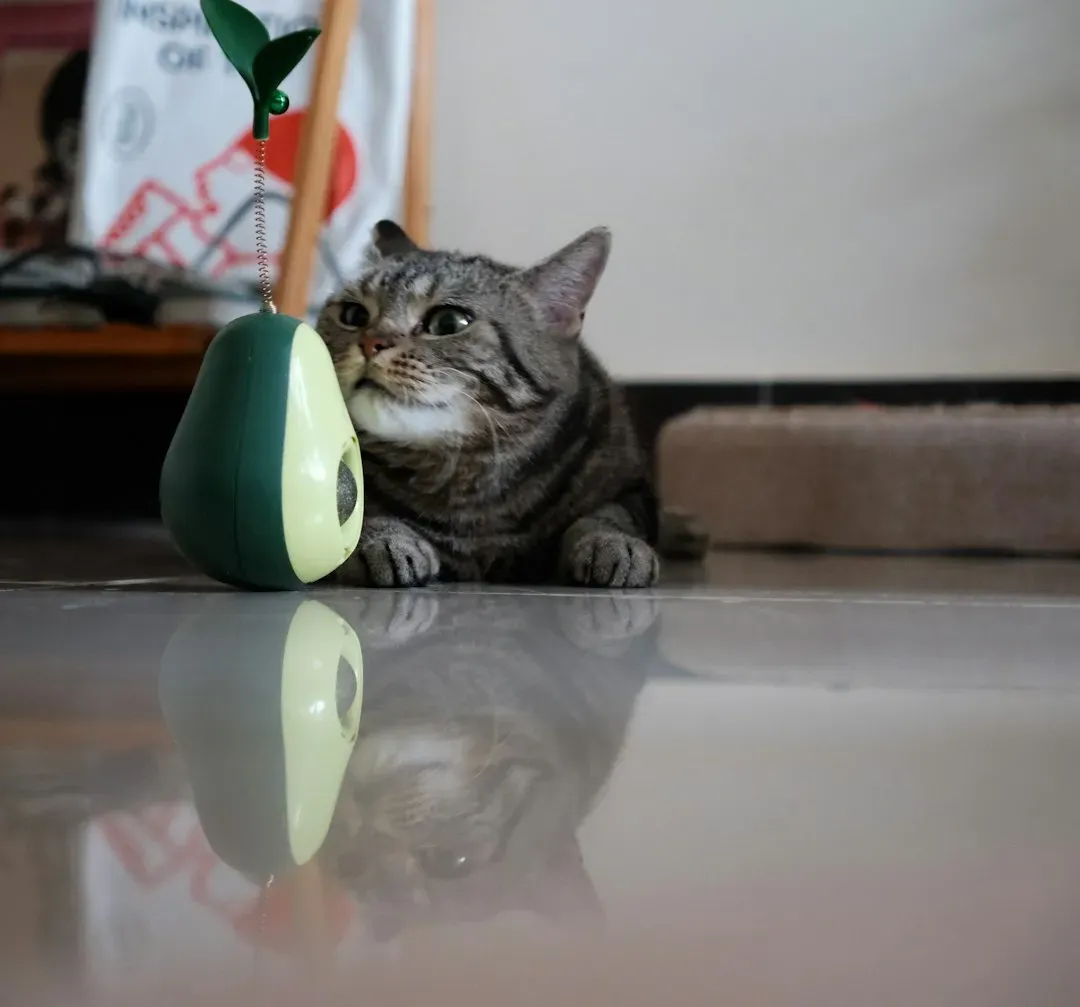
Here’s something counterintuitive. The more available a toy is, the less exciting it becomes. The key is making sure toys completely disappear between rotations. Cats have short memories for objects that aren’t part of their core territory, so a toy that’s been gone for two weeks feels brand new. This applies even to a toy your cat has never touched before – if it’s been sitting out since Day One, it’s already lost its novelty.
Keeping a toy collection of 6 to 8 items and rotating them every 5 to 7 days keeps things fresh. Storing unused toys in a sealed container away from your cat’s environment ensures that when reintroduced, they’ll seem fresh and intriguing. Think of it like a restaurant rotating its menu. The same dish offered every single day becomes invisible. Bring it back after a week, and suddenly it’s the most exciting thing on the table.
When Ignoring Toys Could Signal a Health Issue
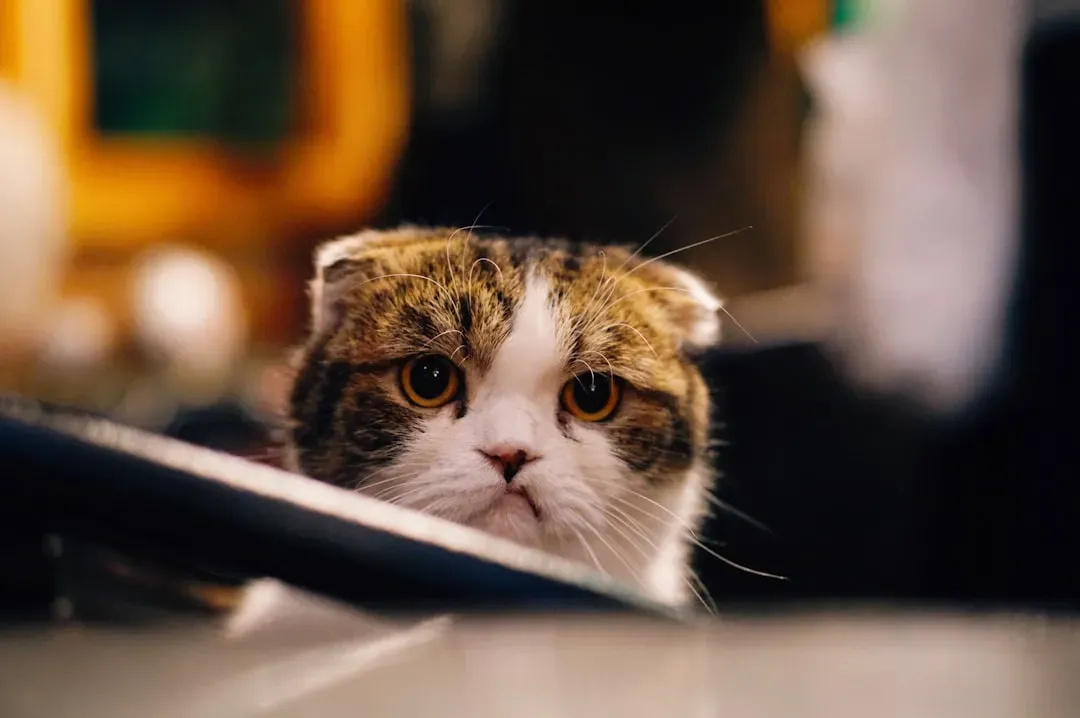
A cat who ignores toys but eats well, rests comfortably, grooms normally and interacts with you and their environment as usual is almost certainly fine. Most toy rejection is behavioral rather than medical, but play behavior can change with age, stress, or health issues. The difference worth paying attention to is whether toy disinterest is the only change, or part of a larger shift in behavior.
Pain, discomfort, or illness can make your cat less inclined to engage in physical activities. If you notice any other changes in your cat’s behavior, such as lethargy, loss of appetite, or changes in litter box habits, it’s essential to consult your veterinarian to rule out any health problems. If you’ve tried various strategies and your cat still won’t play with toys, it may be time to seek professional help. A veterinarian or a feline behaviorist can assess your cat’s health and behavior to determine if there are underlying issues affecting their playfulness.
Conclusion: Your Cat Isn’t Broken – You Just Need a New Strategy
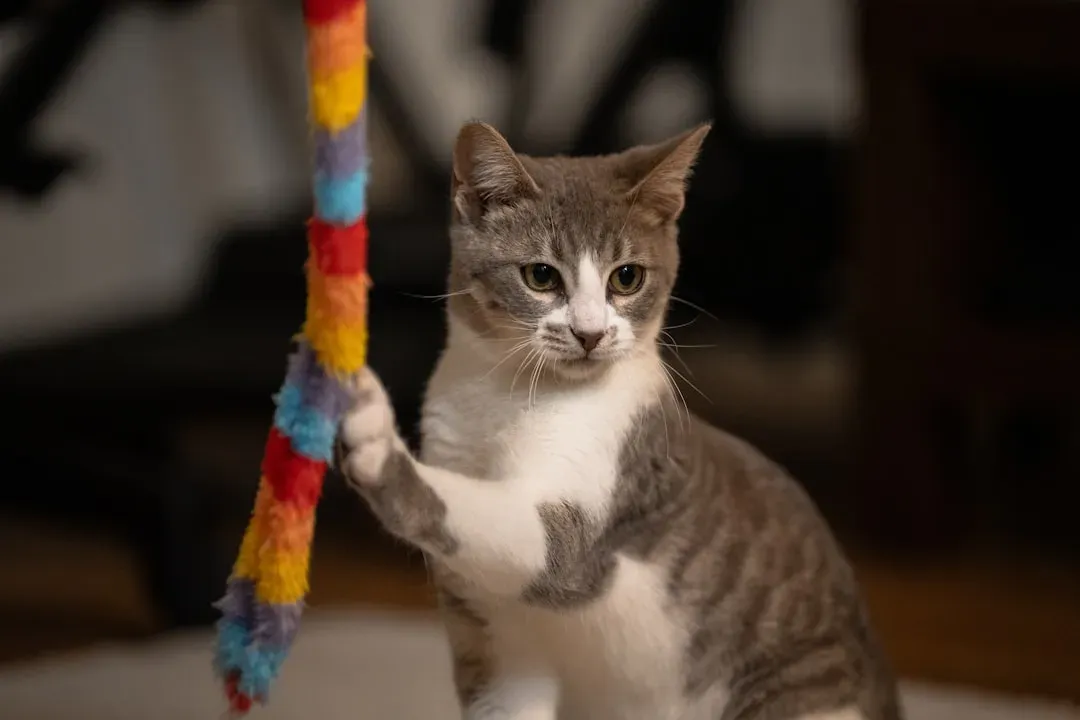
A cat who walks away from a toy isn’t being difficult. They’re telling you the movement, texture, sound, or setup isn’t right – and that information is useful. Every single dismissal your cat delivers is actually a clue. It’s feline feedback, and once you start reading it correctly, the whole puzzle clicks into place.
A cat ignoring its favorite toys isn’t being stubborn – it’s signaling that its environment isn’t meeting its instinctual needs. By understanding the psychology behind feline play and adjusting how toys are offered, you can transform apathy into excitement. The goal isn’t just to entertain your cat, but to support its mental health, physical fitness, and emotional balance.
The real takeaway here is beautifully simple. Your cat doesn’t need more toys. Your cat needs the right toy, offered the right way, at the right moment. Experiment. Rotate. Get involved. Mimic the hunt. You’ll be amazed at how quickly that “ungrateful” creature transforms into the most enthusiastic little predator in the room. What toy has your cat completely surprised you with? Drop it in the comments – we’d genuinely love to know.
Kristina is a young writer from India. An arts graduate and an avid content creator, Kristina is passionate about animals and wildlife. She enjoys exploring topics related to pet care, animal behavior, conservation, and nature, combining thorough research with engaging storytelling.