Cats have a reputation for being mysterious, distant, and emotionally unreadable. You might share your home with one for years and still wonder – does this creature actually like me, or am I just the person who fills the food bowl? Honestly, that question is more common than most cat owners want to admit.
Here’s the thing: cats don’t speak our language, they speak their own. And once you start learning the subtle signs – the little gestures, postures, and behaviors – you’ll realize your cat has probably been telling you how it feels all along. Let’s dive in and decode exactly what complete feline trust looks like.
The Slow Blink: Your Cat’s Version of “I Love You”
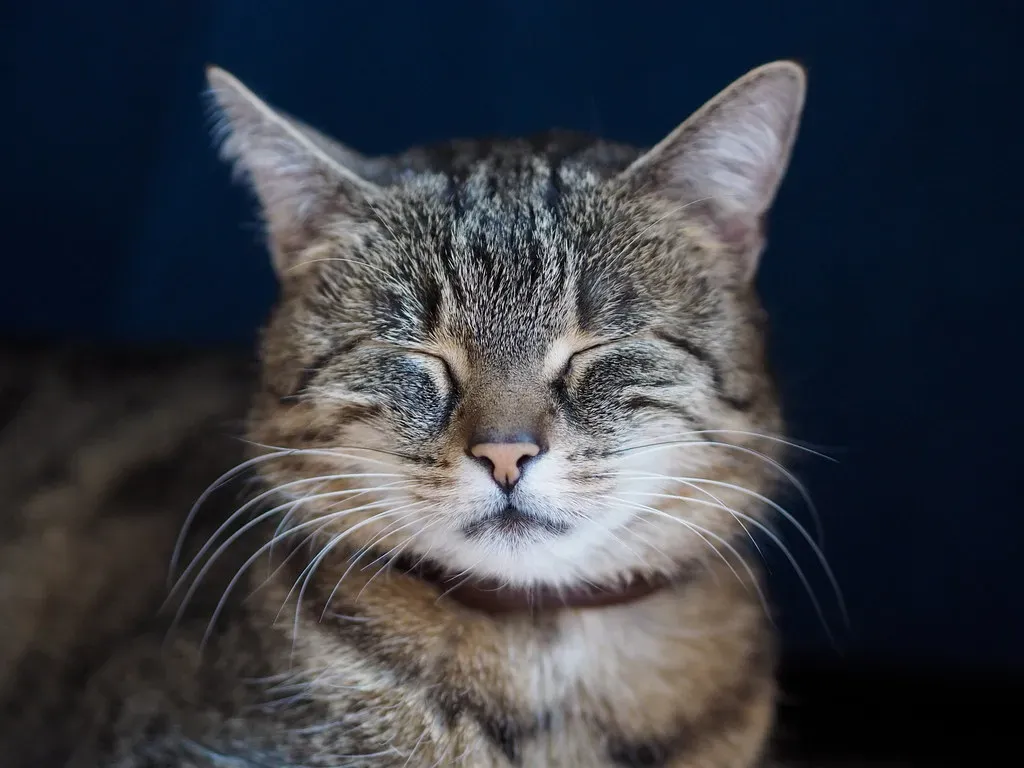
Few things are as quietly magical as catching your cat across the room, staring at you with half-closed eyes and then doing that slow, deliberate blink. It might seem like they’re just sleepy. They’re not. If your cat gives you a slow blink or gently closes their eyes around you, it’s a sweet sign your cat trusts you, because cats actually communicate with their eyes. In fact, a slow blink is like a “cat kiss,” showing they feel safe, relaxed, and affectionate toward you.
Think of it like this: closing your eyes in the wild is one of the most vulnerable things a predator can do. In the wild, closing their eyes makes cats vulnerable. If a cat slowly blinks at you, it’s telling you it feels comfortable and protected. Try returning the slow blink next time. You might be surprised when your cat blinks back – that’s a real, two-way conversation happening right in your living room.
They Sleep on You or Right Next to You
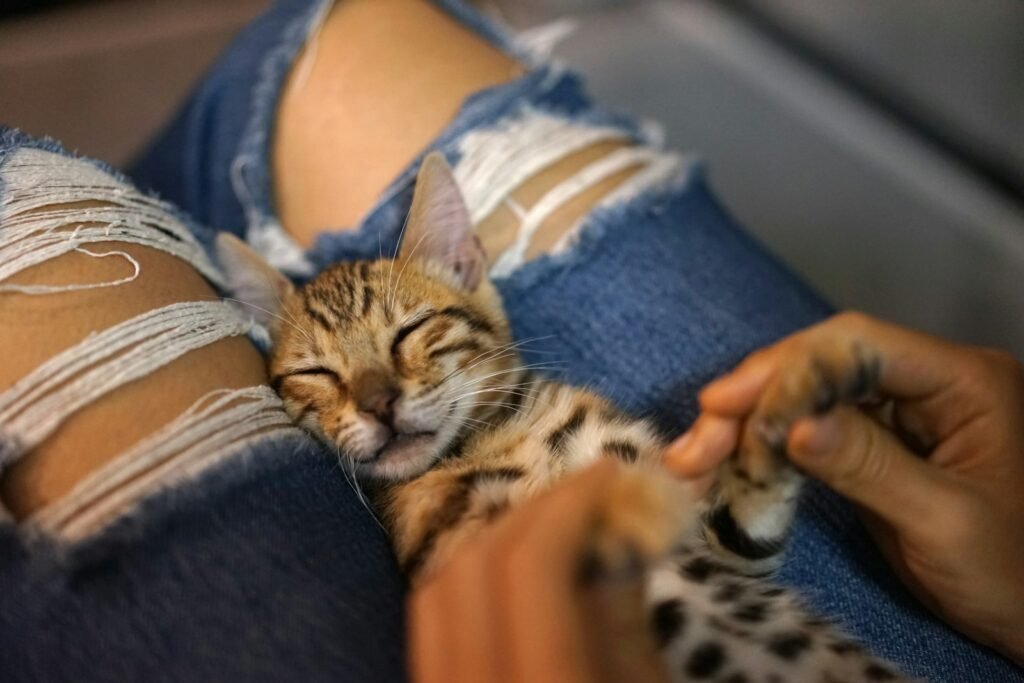
Sleep is serious business for cats. They can snooze anywhere they feel safe, so the fact that yours chooses you over every other option in the house means something significant. If your kitty likes to sleep near you or even on you, this is an indication that they have total trust in you. When a cat is asleep they are vulnerable, so choosing to sleep in your presence, rather than wandering off and finding another safe haven, means that they feel relaxed and don’t see you as a threat.
It’s a big sign of trust if your cat wants to sleep with you, because this is a time when cats are very vulnerable. Cats will often curl up close to their human’s head or chest, and this is the ultimate sign of trust and affection from a cat. They feel completely safe and loved when sleeping in this position. If your cat chooses your chest, your pillow, or the crook of your knees as their favorite sleeping spot, you’ve officially earned five stars in the feline trust department.
Your Cat Greets You at the Door
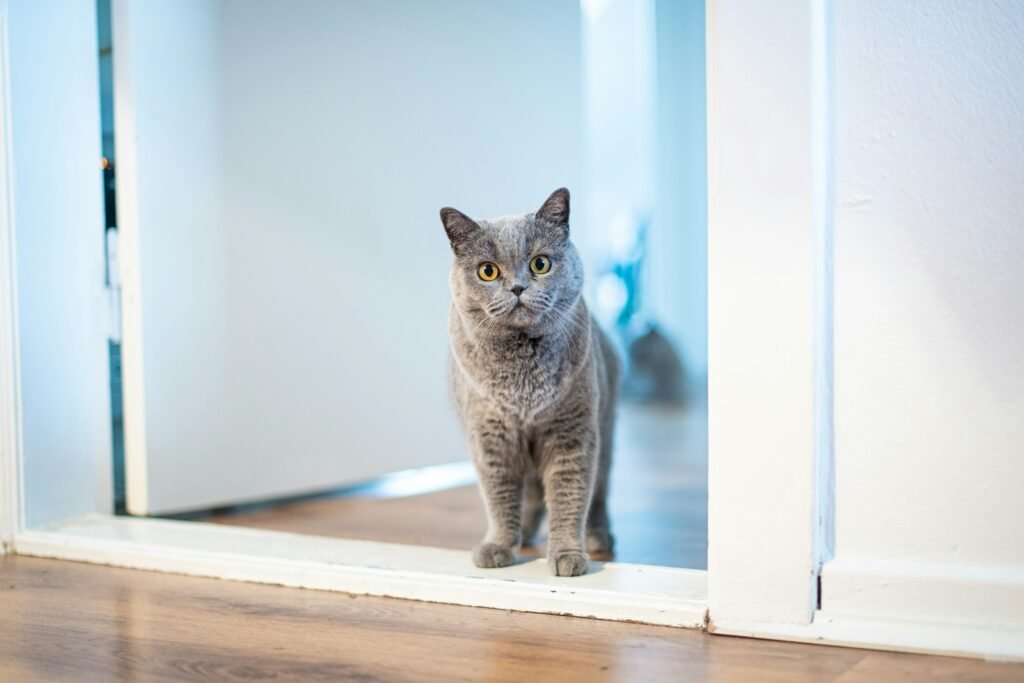
Dogs get all the credit for enthusiastic greetings, but cats do it too – they’re just a little more dignified about it. If your cat comes running to greet you when you come home, it’s a good sign that your cat trusts you. A nervous cat may watch from afar, but if your cat comes running to greet you when you come home, this is a good sign that your kitty trusts their human companions.
A tall, upright tail as they approach you is also a compliment, as this usually indicates excitement and pleasure. Does your cat run to the door to greet you, chirping and meowing up a storm when you come home? This warm welcome is a sure sign they’ve missed you and are thrilled to see you. A high tail and happy prance mean they’re happier when you’re around. I think that’s honestly more meaningful than most people realize – it means you were missed.
They Headbutt You and Rub Their Face on You
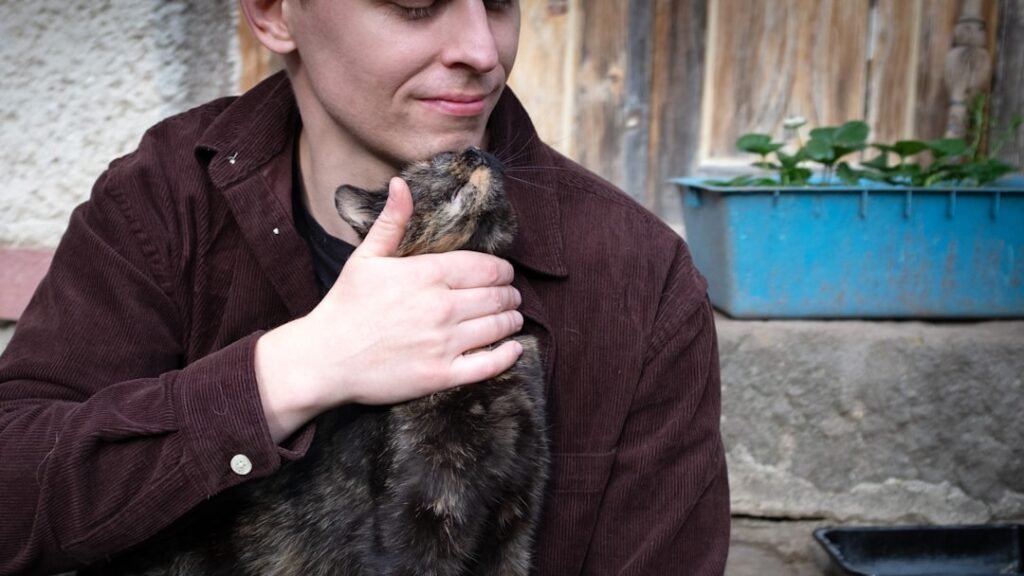
If your cat casually walks over and bumps their forehead against your face, your chin, or your hand, don’t mistake it for clumsiness. That’s one of the most deliberate, loving acts a cat can perform. Cats have scent glands on their face that they rub on surfaces, on people and on familiar cats. The scent glands produce a pheromone that cats interpret as safety and familiarity. Because of that, if your cat is head-butting you, they are marking you as someone they feel safe with.
Cats have scent glands on their cheeks, forehead, and chins that release pheromones – chemical messages that signal different things to your cat. The facial pheromones are the ones that express safety and familiarity. If your cat is constantly giving you head butts, they are indicating that they trust you – you are their comfort and safety. In a very real sense, when your cat headbutts you, they’re literally claiming you as their person. That’s pretty special if you ask me.
They Knead You Like Dough
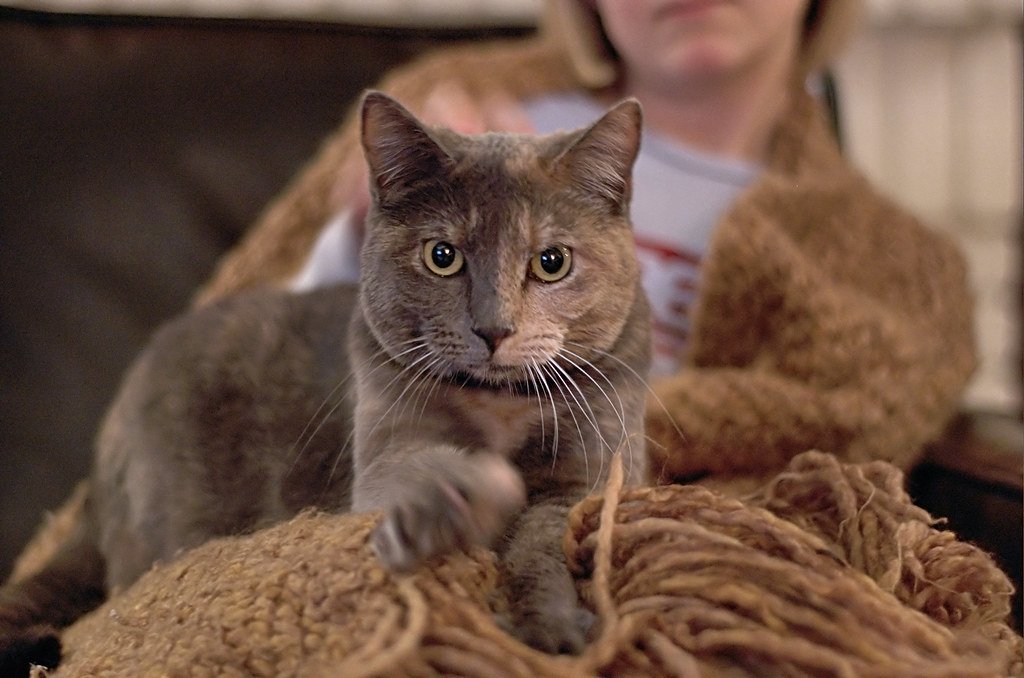
You’ve probably felt it – those rhythmic, alternating paw presses that can feel oddly therapeutic until the claws come out. Kneading, sometimes affectionately called “making biscuits,” is a deeply rooted behavior that traces all the way back to kittenhood. Kneading or making biscuits is when a cat rhythmically presses their paws into you, and is a behavior that stems back to kittenhood. Kittens knead their mother’s belly to stimulate milk flow while nursing.
Cats knead for several reasons – they may be doing this as a way of showing that they feel secure with you, just as they felt when they were with their feline mother and their litter. As they have scent glands on their paws, it could also be that they’re marking you as their territory, a sure sign of trust. So yes, your cat kneading your lap is both a childhood comfort reflex and a territorial love stamp – a rather adorable combination, claws and all.
Your Cat Grooms You
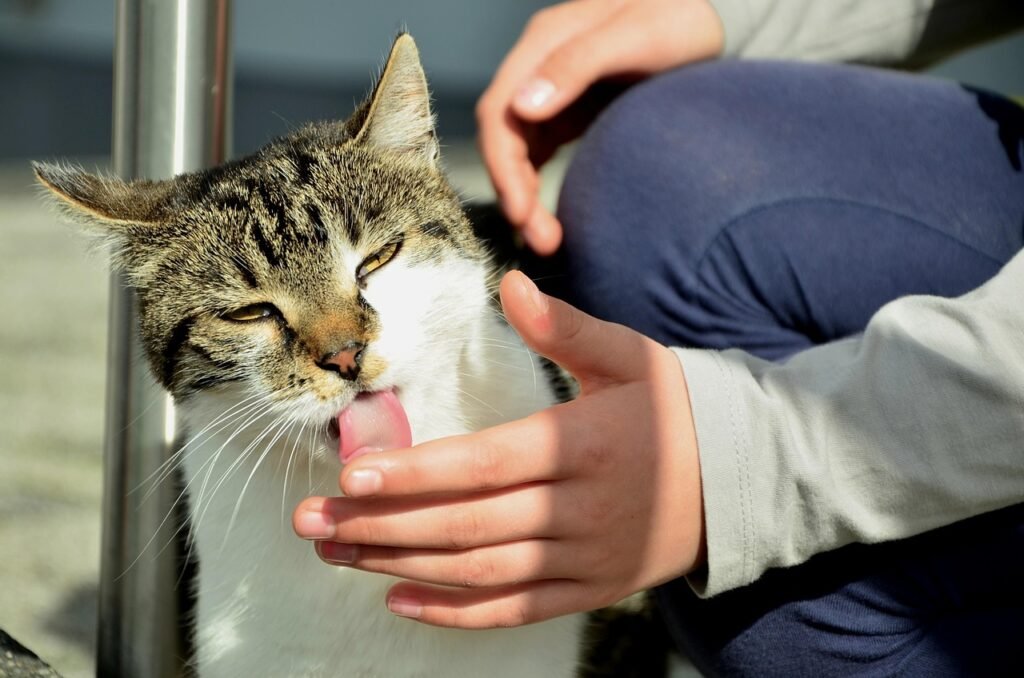
Getting licked by a cat is not exactly the same as a kiss from a golden retriever, but the intention is just as affectionate. Social grooming, also called allogrooming, is a sign of social bonding and is associated with security. Cats are often solitary animals, but if they live in a bonded pair or group, they will spend time grooming each other. If your cat licks you or grooms you, this is cat behavior indicating trust and love.
If your cat licks or grooms you, it’s a pretty good sign that they view you as a trusted member of their group. When they’re in the litter as kittens, they groom each other as a way of bonding, so grooming you is an extension of this behavior. Think of it like being welcomed into an exclusive social circle. Your cat doesn’t just groom anyone – you’ve been voted in as family, and that matters more than most people appreciate.
They Show You Their Belly
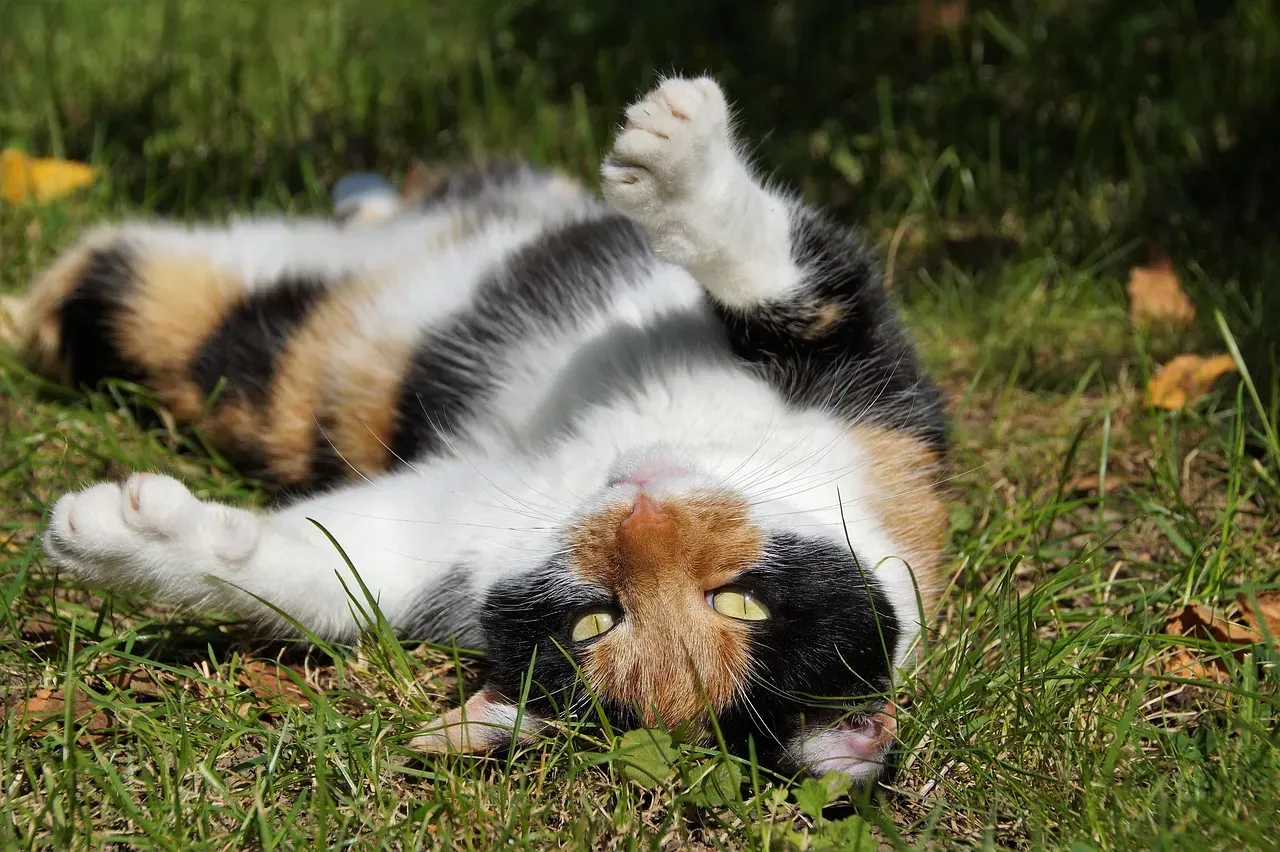
Rolling over and showing the belly is arguably the most vulnerable thing a cat can do. It exposes the softest, least protected part of their body, and they only do it around someone they genuinely trust. Your cat’s belly is a particularly tender spot. If she rolls onto her back and exposes her belly, she’s telling you she’s comfortable being around you. This doesn’t necessarily mean your cat wants you to pet her belly, though. It’s mainly a sign that she feels protected when you’re nearby, since being on her back is a defenseless position.
Cats that roll onto their backs, exposing their belly, are showing trust. This is a behavior that invites play, but ultimately expresses extreme vulnerability. Here’s the important nuance though: exposing the belly can also be a defensive action. By rolling onto their side and getting all four paws up, they could be putting themselves in a position to defend themselves. So be sure to observe their other behaviors. If their ears or head are back, if their pupils are dilated, or their fur is standing up, keep your hand away from their belly.
They Follow You Around the House
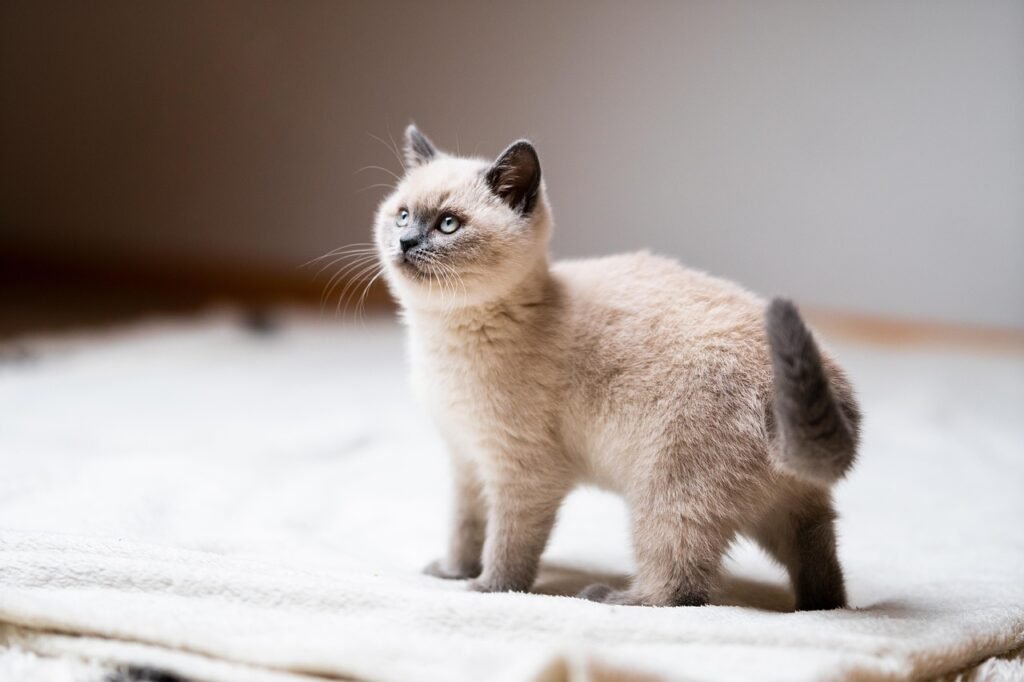
Let’s be real – a cat that follows you from room to room could seem a little clingy. In reality, it’s one of the clearest compliments your cat can pay you. Not every cat will follow you around, but when they do, it’s a clear sign your cat trusts you. If your cat follows you from one room to another, it is a very good indication of trust. In the wild, cats do not follow other animals unless they feel secure and protected.
Cats often follow those they love and trust around the home. It is similar to the greeting at your front door, where they follow behind you and keep you in sight at all times. They may also weave around your legs. Overall, following you everywhere is a subtle but powerful body language signal that your feline family member feels confident, comfortable and deeply attached to you. Your cat is basically saying you’re the most interesting and safest thing in the whole house.
They Bring You “Gifts”
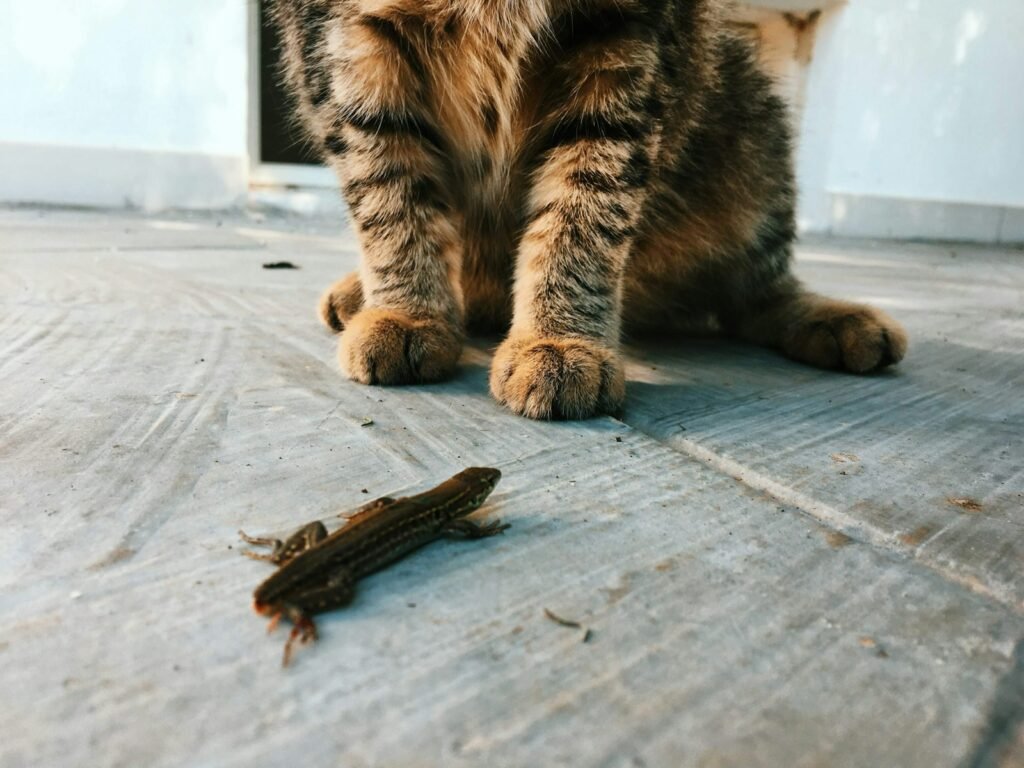
Okay, this one is admittedly a little harder to appreciate in the moment. Finding a dead mouse or a half-eaten bird at your feet first thing in the morning is not exactly what most people would call a warm gesture. But your cat disagrees entirely. For cats, their prey represents triumph, survival, and their instinctual nature as wild hunters. Wild cats would catch food for their young, so your cat’s “gift” of their latest catch just means they consider you family.
Cats are solitary hunters, but if they live in groups they will tend to eat together. In feral cat colonies, some members of the group are hunters and bring back gifts of food to their bonded companions. To your cat, it’s a sign of love and care. They’re trying to provide for you, just like they would for their own furry family members, and it’s a way to show affection for you. While it might be a bit gross, take it as a compliment – they trust you enough to share their “bounty” with you! Disgusting? Maybe. Heartfelt? Absolutely.
They Let You Handle Them Without Tension
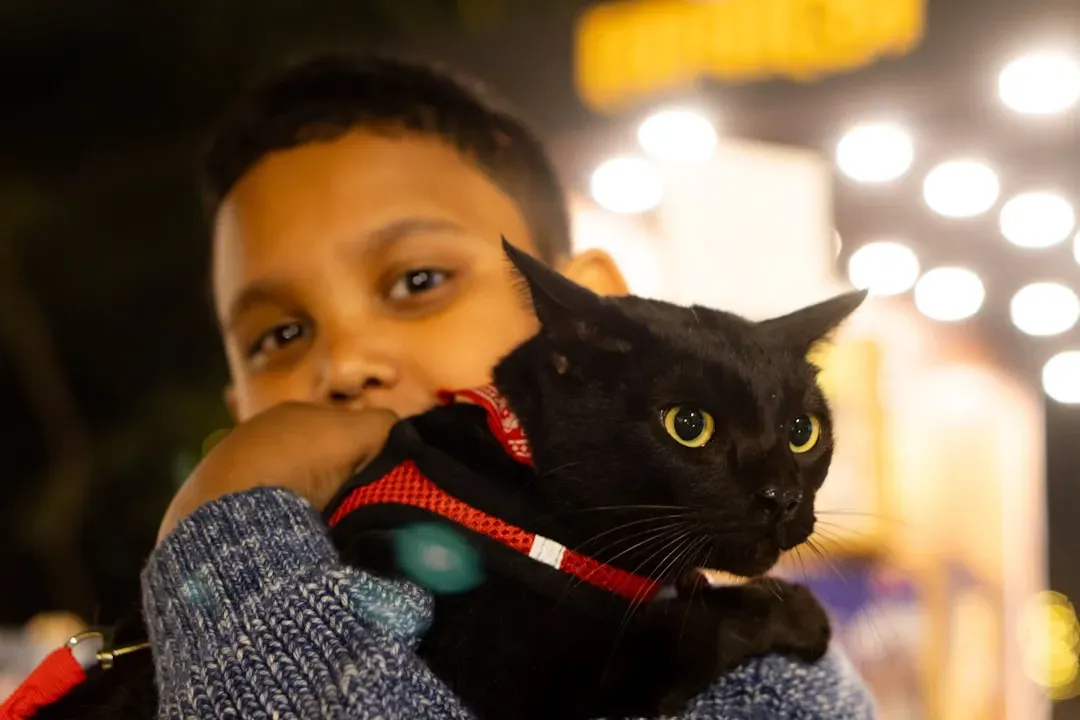
This is the trust test that separates a comfortable cat from a truly deeply bonded one. When your cat allows you to pick them up and their body is relaxed, it means that they have absolute trust in you. Sometimes owners hold their cat cradled like a baby or they hold their relaxed cat on their shoulder. A cat that melts into your arms rather than going stiff or trying to escape is essentially handing you the highest form of feline trust there is.
This is one of the biggest signs your cat trusts you. Maybe they let you trim their nails or hold them or, in some extreme cases, only come out of hiding when you are around. Your cat is showing that they are relaxed and comfortable in your presence. Maybe they hide behind you when there are new people in the house, keeping you between them and the strangers because they trust you to protect them. Or maybe at the vet, when you hold them, they bury their face in your shoulder, trying to get as close to you as possible. That last image – a scared cat pressing its face into your shoulder at the vet – is honestly one of the most moving things a cat can do.
Conclusion
The beautiful and sometimes frustrating truth about cats is that their love language is subtle, layered, and deeply personal. The bond between felines and their devoted owners is a strong one. Despite their aloof reputations, cats can be very loyal, affectionate, and loving. However, cat communication is very different from humans – they can’t tell us they love us, after all.
The ability and extent to which a cat is able to trust depends on their personality and past conditioning. Some cats wear their hearts on their paws, while others are quieter about it. Ultimately, trust often comes down to feeling secure, so as long as you are consistent and a good friend to your cat, they will learn that they can trust you.
Once you start seeing the signs – the slow blink across the room, the sleepy weight of a cat on your chest, the quiet chirp at the door – you realize the relationship is richer than you thought. Your cat isn’t ignoring you. They’re trusting you in the only language they know. The real question is: were you paying close enough attention to notice?
Kristina is a young writer from India. An arts graduate and an avid content creator, Kristina is passionate about animals and wildlife. She enjoys exploring topics related to pet care, animal behavior, conservation, and nature, combining thorough research with engaging storytelling.