You might think your cat is just being cuddly, mysteriously aloof, or simply weird in the best possible way. You’d be partially right. But here’s the thing – a lot of what your cat does throughout the day has a hidden agenda running quietly underneath it, one that is ancient, instinctual, and honestly a little impressive.
Your cat is not just napping on your chest out of warmth-seeking laziness. Your cat is not just pressing her paws into your lap for fun. She is, in fact, running an invisible operation to claim everything around her, and yes, that includes you. The tactics are subtle, the signals are silent, and most cat owners have absolutely no idea it’s happening. Let’s dive in.
The Headbutt That Actually Means “You’re Mine”
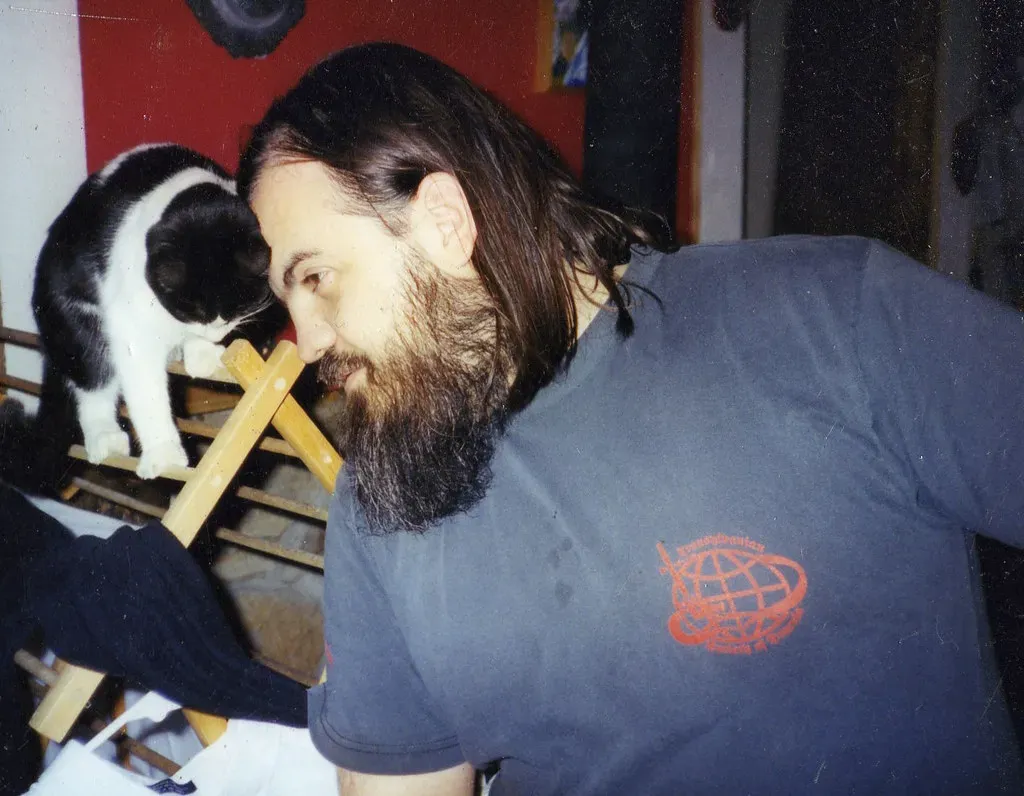
If you’ve ever been gently headbutted by your cat, you probably smiled and called it affection. You weren’t wrong to smile, but the full picture is a bit more territorial than romantic. Cats have a cluster of scent glands on their forehead, so when they lovingly headbutt you, they’re marking you with their scent. Think of it like your cat’s version of sticking a little invisible flag on your forehead that says “claimed.”
Bunting is generally considered to be a form of territorial scent-marking behaviour, where the cat rubs the scent glands on its cheeks and forehead on the object being marked. The fascinating part? This scent marking behavior is a massive compliment because it means they trust you and feel safe. So the next time your cat headbutts you at 6 a.m., understand that you’ve been officially enrolled into their personal territory database. You should feel honored.
Cheek Rubbing on Furniture and Your Legs
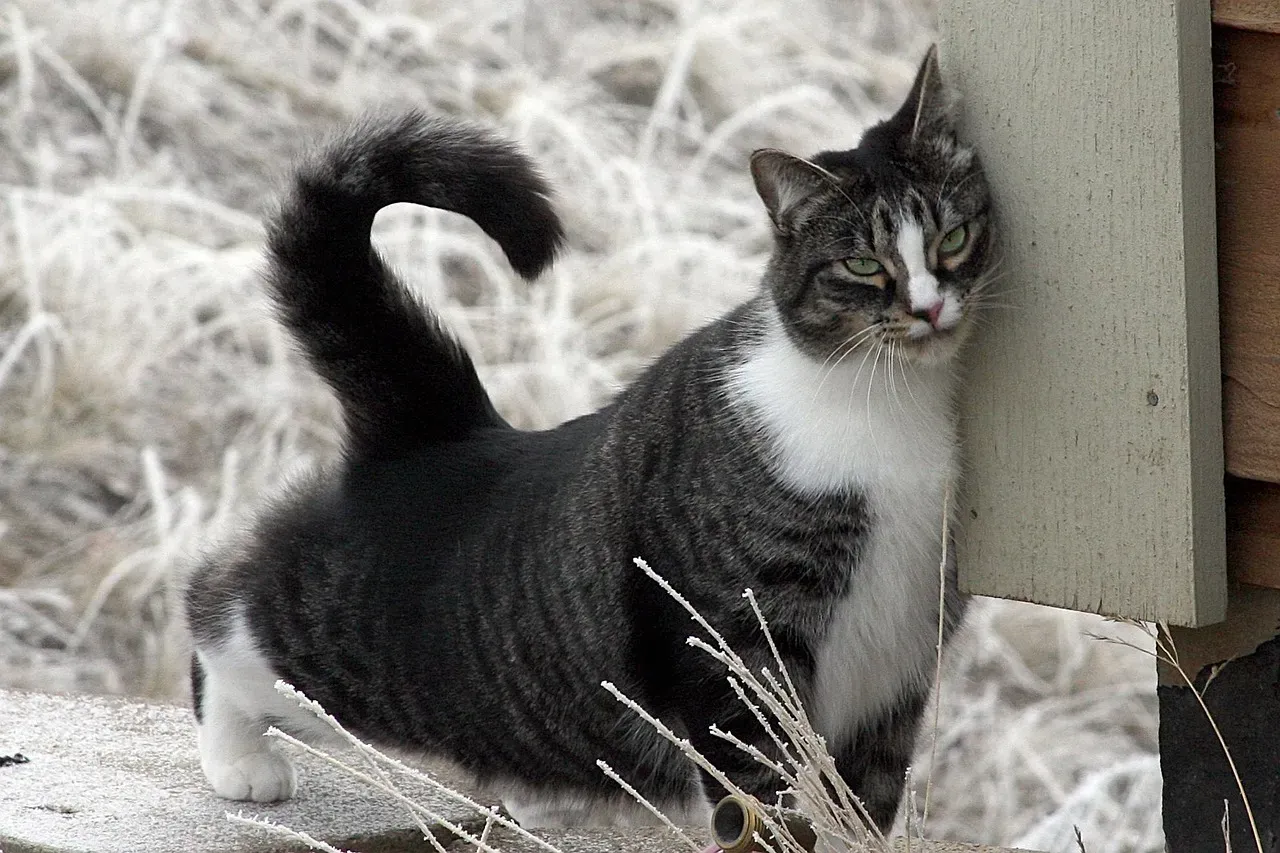
You’ve probably watched your cat methodically rub her cheeks against the corner of a wall, a chair leg, or directly against your shins as you stand in the kitchen. It looks adorable. It is also deeply intentional. The congregation of scent glands on a cat’s face allows them to mark their territory by face rubbing, and you might notice your cat doing this around your home or garden, on corners of walls, furniture, or fences.
Cats commonly use this technique to mark familiar surroundings where they feel safe, secure, and content. Here’s what makes it interesting: furniture and other inanimate objects are marked by the sides of their cheeks and their chins. Your cat is essentially leaving a scent map of their entire world, and your legs are a major landmark on that map. Welcome to the tour.
The Slow, Deliberate Body Rub Against You
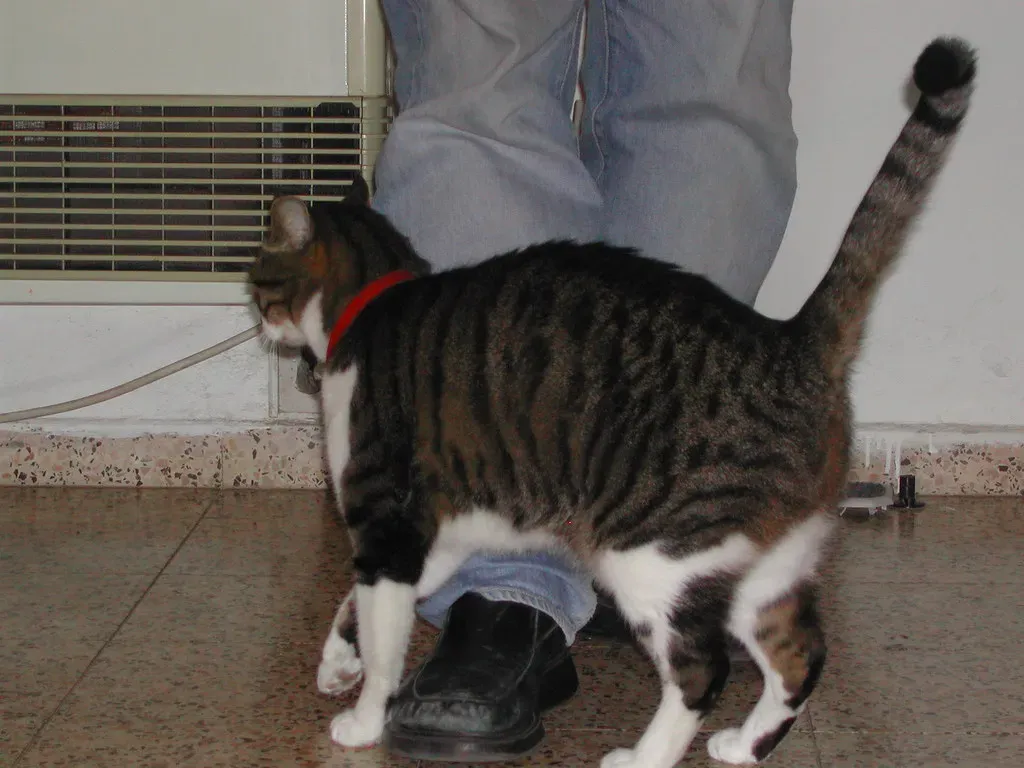
When your cat is rubbing on your legs, you might think of it as a sign of affection. It can be, but your cat is also marking you with their scent. This full-body press maneuver is one of the most consistent and sneaky ways cats assert ownership over the people they love. It feels like a greeting because it partly is one. But it’s also a statement.
Cats have scent glands on their cheeks, chin, paws, flanks and at the base of their tail. When they rub themselves against objects (or even humans), they deposit their scent, leaving a message for other animals that this object or person has been claimed. On people, as well as familiar dogs and cats, a cat might rub its face to deposit scent, which identifies those marked as belonging to a specific group. You are officially part of the group. Congratulations.
Kneading, Also Known as “Making Biscuits,” on Your Body
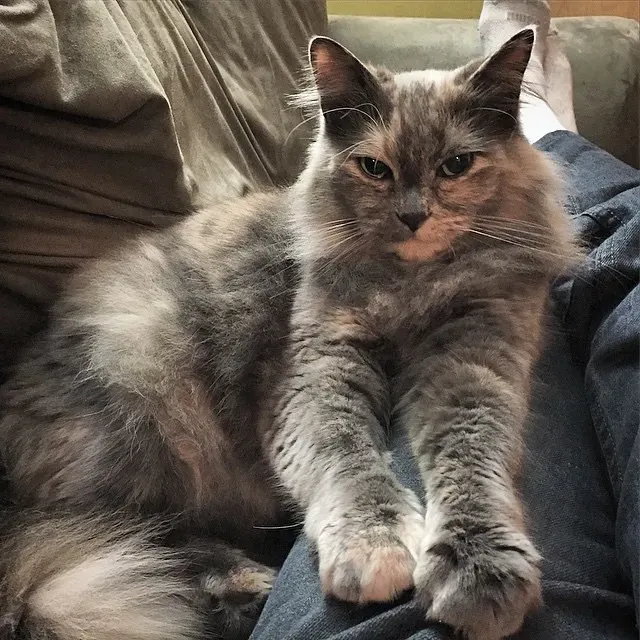
That rhythmic pressing motion your cat makes with her front paws – that slow, hypnotic push-and-release on your thigh, your stomach, or your favorite blanket – is genuinely one of the most layered behaviors in a cat’s repertoire. Most people know it has roots in kittenhood, where kittens knead their mother’s belly to stimulate milk flow, and as cats grow older, this behavior persists, evolving into a comforting action that signifies contentment and security.
But here’s the part that surprises most people. Experts believe kneading is a cat’s way of marking territory as well, since the pads of their paws contain scent glands that release pheromones. Kneading helps cats mark their territory. Using the scent glands they have on their paws, they mark pillows, blankets, and even you. So when your cat “makes biscuits” on you with those slightly painful little paws, she is also officially putting her scent signature on you. It’s love, wrapped in a territorial claim.
Scratching Everything in Sight
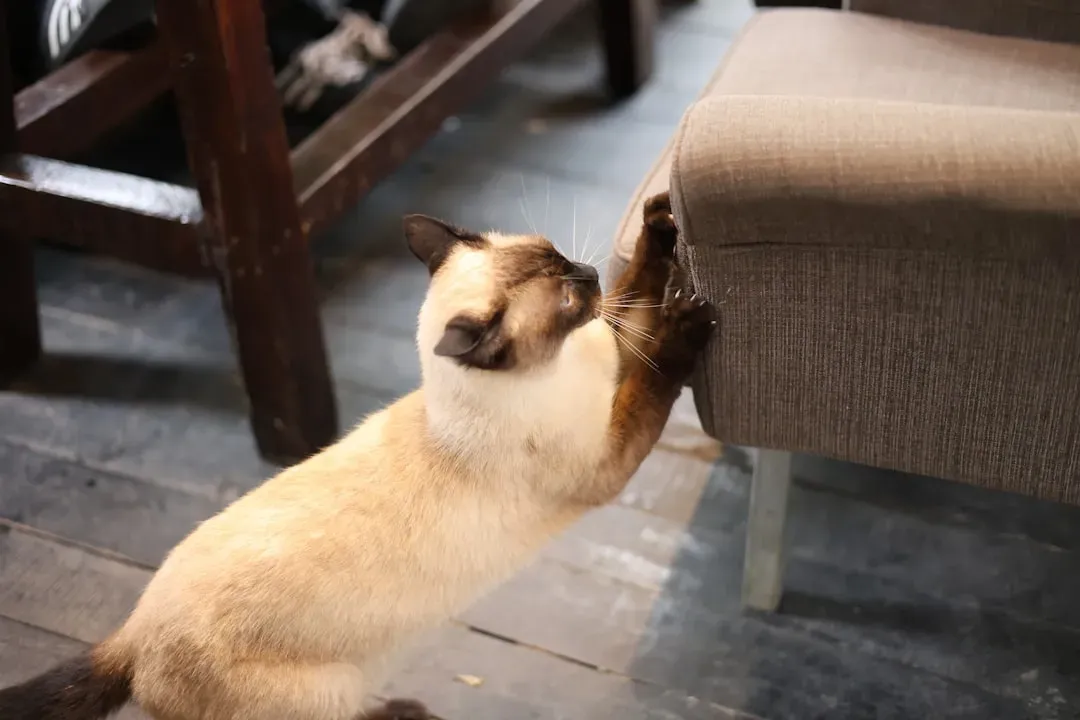
You’ve lost a couch to it. Maybe a doorframe. Possibly the corner of your most expensive rug. Scratching gets a bad reputation in cat-owning households, but the behavior is not random destruction. It is a very deliberate form of communication. Cheek rubbing (bunting) and scratching are also forms of marking. When a cat scratches a surface, the glands in his feet release pheromones and, in addition, the claw marks serve as long-lasting visual communication.
Favorite places cats scratch to mark are commonly used entrances and exits to the home, the main front door entrance, their favorite sleeping areas, and any boundary that they feel is being challenged in some way. Think about where your cat scratches most. I’d bet it’s near doors, by windows, or right where another animal might enter. The smell, alongside the physical scratch marks, helps show other cats that it’s their territory. It’s a two-in-one billboard – visible to the eye and readable by the nose.
Sleeping on Your Clothes (And Your Bed)
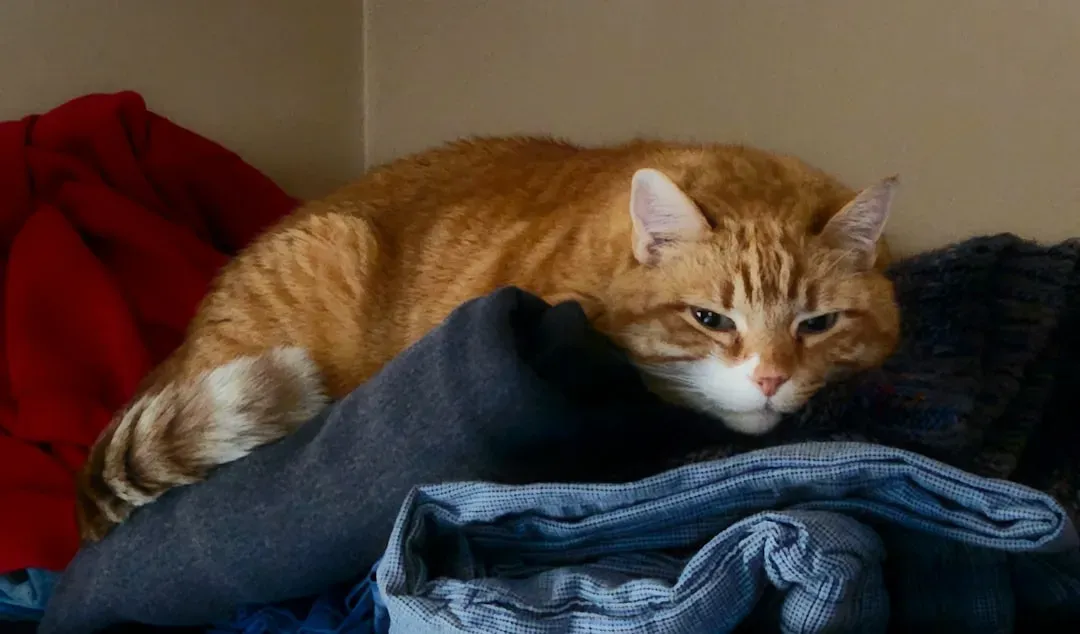
You’ve left a fresh pile of clean laundry on the bed, turned your back for thirty seconds, and returned to find your cat already settled on top of it like a tiny, fur-covered emperor. This is not a coincidence. Cats have scent glands on their paws, cheeks, and all over their bodies. When they sit or lie down on your clothes, they may be having a great time, but they might also be marking their territory by leaving their scent behind.
This behaviour can be especially prevalent in cats who feel the need to assert ownership over their owners. If they smell your scent on clothes, they may feel it necessary to add theirs as well. Clothes can be warm and soft, making them a nice place to curl up. Additionally, it can be a territorial behavior in cats; they might be trying to “claim” you by marking you and your belongings with their scent. In short, your wardrobe is their property, and they are simply maintaining the scent records.
Urine Spraying as a Boundary Announcement
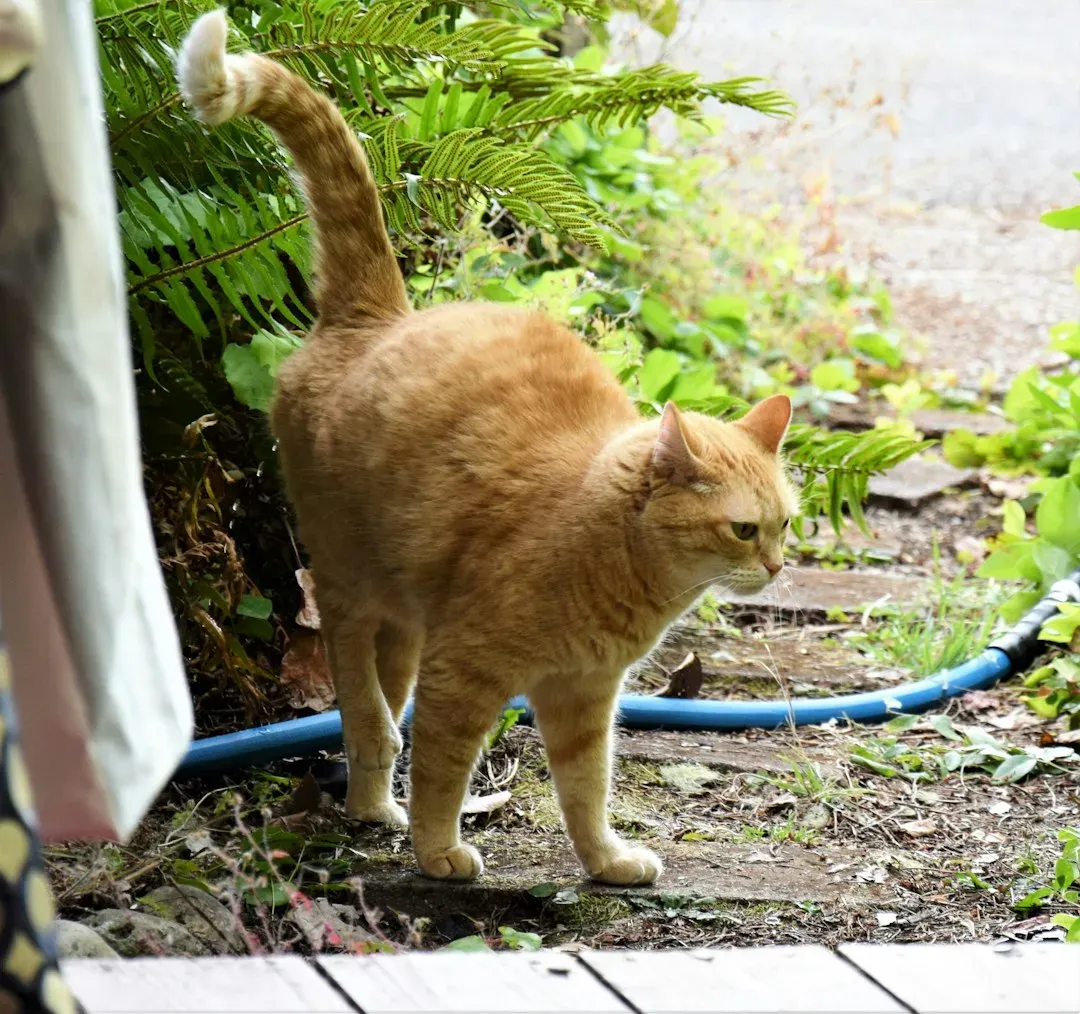
Let’s be real: this one is the most obvious, and also the most disruptive. Urine spraying is usually done on vertical surfaces like walls, curtains, furniture, or foliage. Cats spray to mark their territory or attract a mate. Still, they can also spray due to stress or changes in their environment or routine. It’s your cat’s most extreme way of saying: this is mine, and everyone within nose-range needs to know it.
What triggers it is revealing. Urine marking can be triggered by the sight of an outdoor cat through the window, a response to a threat to the cat’s territory. A change in household routine, the addition of a person or pet, or even a remodeling project can trigger anxiety and marking. Cats sometimes deposit urine onto new objects brought into the household, presumably to create a common scent and/or mask an unfamiliar one. Honestly, from your cat’s perspective, it makes perfect logical sense. New thing appeared. Must be claimed immediately.
Allogrooming – When Your Cat Licks You
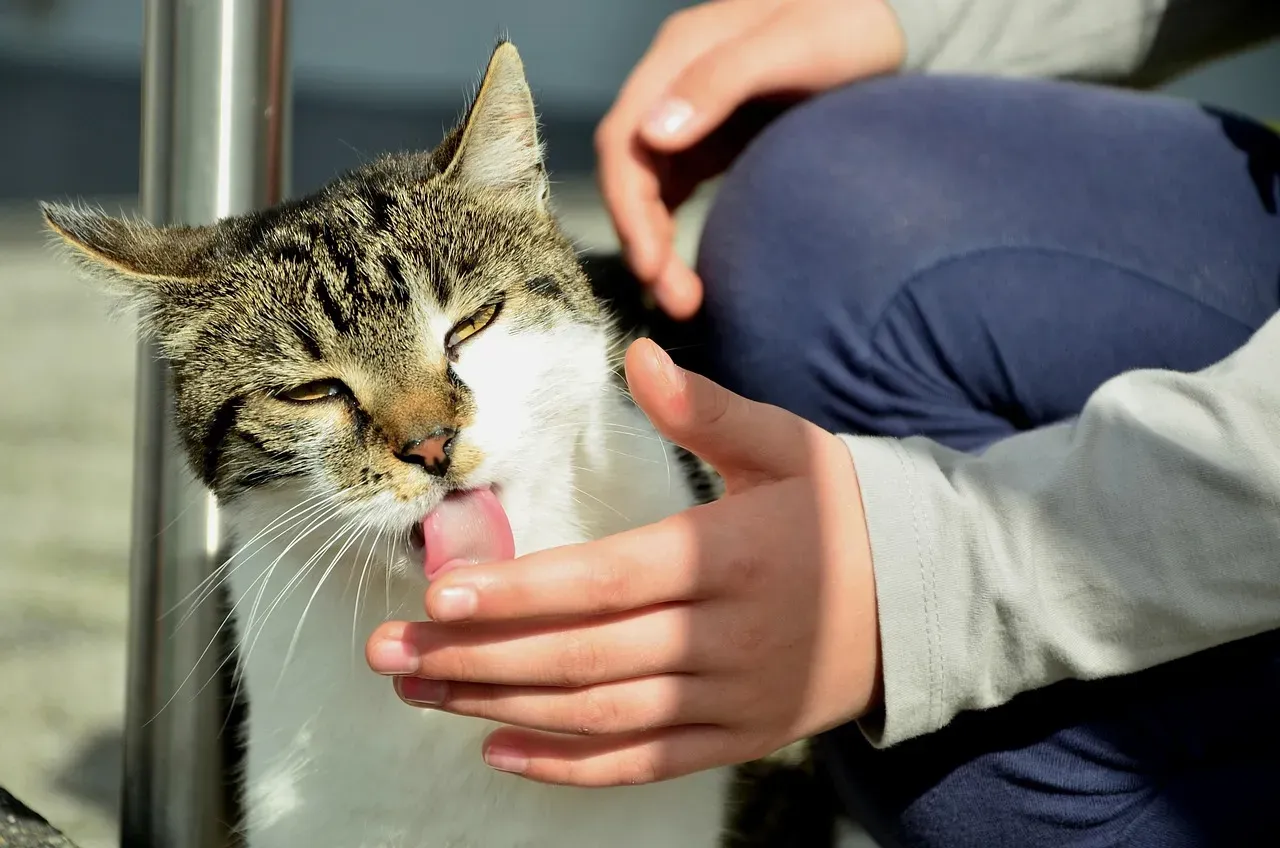
Your cat licking your hand, your hair, or your face might feel like a slightly rough and odd little compliment. It is a compliment. It is also a marking strategy. Feral cats lick each other to leave a smell on the fur of their colony mates. A group of feral cats will develop a group smell that tells them which cats are part of their social group. When your cat extends this behavior toward you, you are being inducted into the colony.
If your cat licks you or other objects in their space, they may be trying to leave their scent. It’s a deeply social behavior rooted in feline group dynamics. Feral and stray cats living in a colony often rub against each other to leave their pheromones on the group. This creates a communal scent, which helps identify intruders and promotes peace within the group. So yes, when your cat methodically grooms your arm, she is not just being sweet. She is integrating you into her social scent map with impressive thoroughness.
Middening: The Less Talked About Strategy
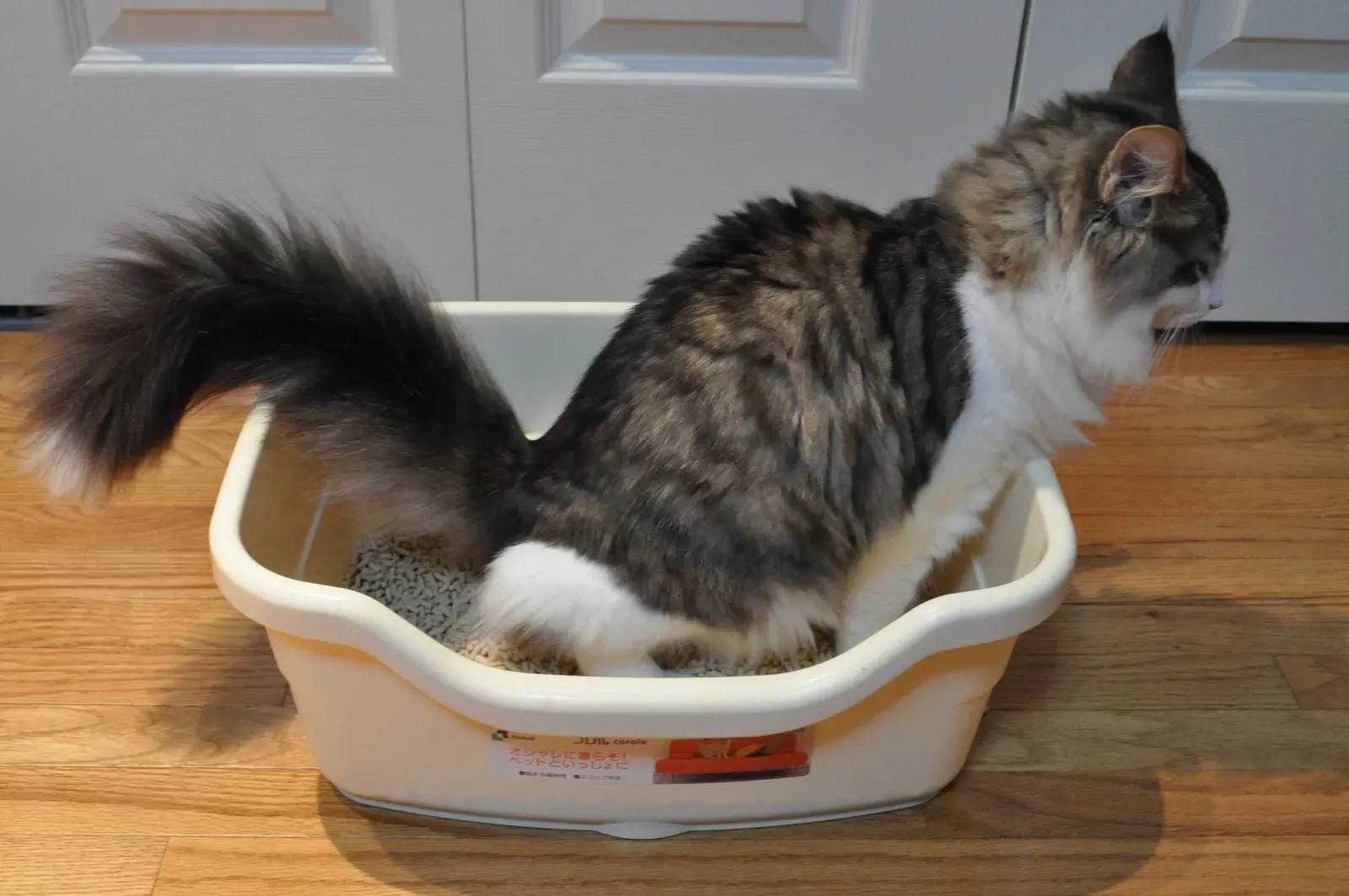
This one is considerably less charming, but it’s real and worth understanding. Sometimes, cats will mark their territory with feces. This is called “middening.” In the wild, dominant cats use this technique with purpose. In colonies of feral cats, subordinate individuals cover up their feces while more dominant cats leave their feces uncovered in a blatant display. The uncovered feces are essentially a public announcement.
Territorially dominant cats in an untamed population leave feces uncovered in conspicuous places, particularly along trails of good hunting areas. At home, most indoor cats bury their feces, presumably because they feel subordinate to their human family. So if your cat is covering things up nicely in the litter box, consider it a sign of respect. If not, well, you might be dealing with a cat who has decided they run the household. They’re probably not wrong.
Reclaiming You After You’ve Been Away
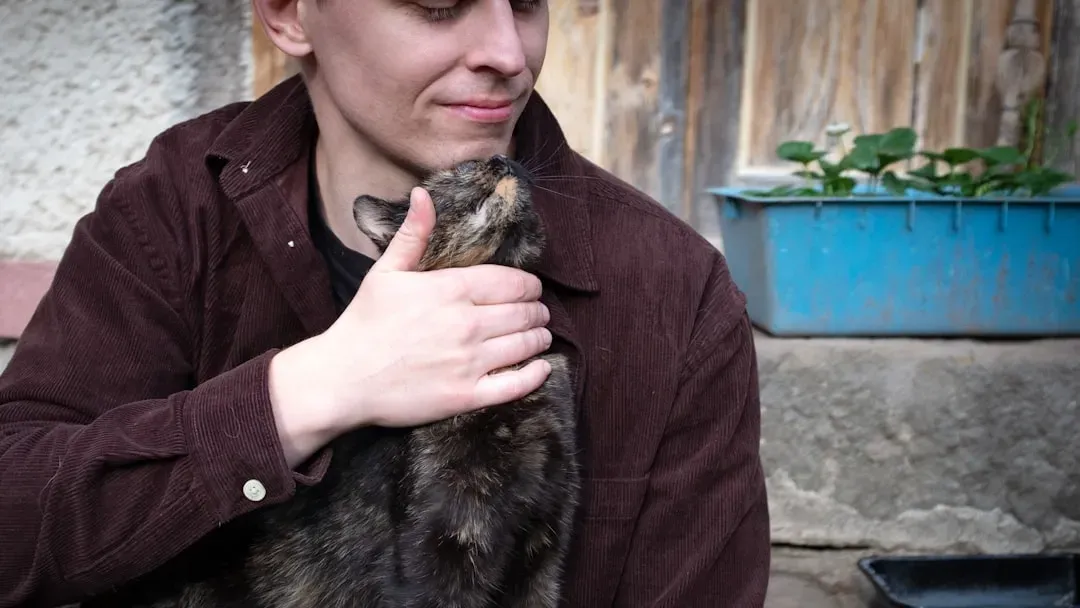
Here is something most cat owners have experienced without fully understanding it: you return home after a long day, and your cat goes into overdrive – rubbing against you insistently, headbutting you, even licking your hands repeatedly. You assume it’s pure excitement. Part of it might be. The deeper reason is more strategic. Once you come home from being out in the world, your cat’s personal scent has faded. So, they may want to mark you again by rubbing, headbutting, licking, or even gently biting you. This allows your cat to reclaim you, and it’s thought that these behaviors release endorphins, which gives your cat a sense of calm, happiness, and safety.
If you come home with unfamiliar scents from another animal, a new environment, or even a different type of soap, your cat may rub intensely. They are trying to collect the new information while simultaneously overwriting the strange smells with their own familiar, comforting scent. It’s hard to say for sure, but I think this is one of the most genuinely fascinating things cats do. You walked out of the house as their property, came back smelling of the world, and they are calmly, lovingly, re-marking you as their own. Every cat you come across will know you’re part of their fur gang.
Conclusion: You Are Officially Claimed
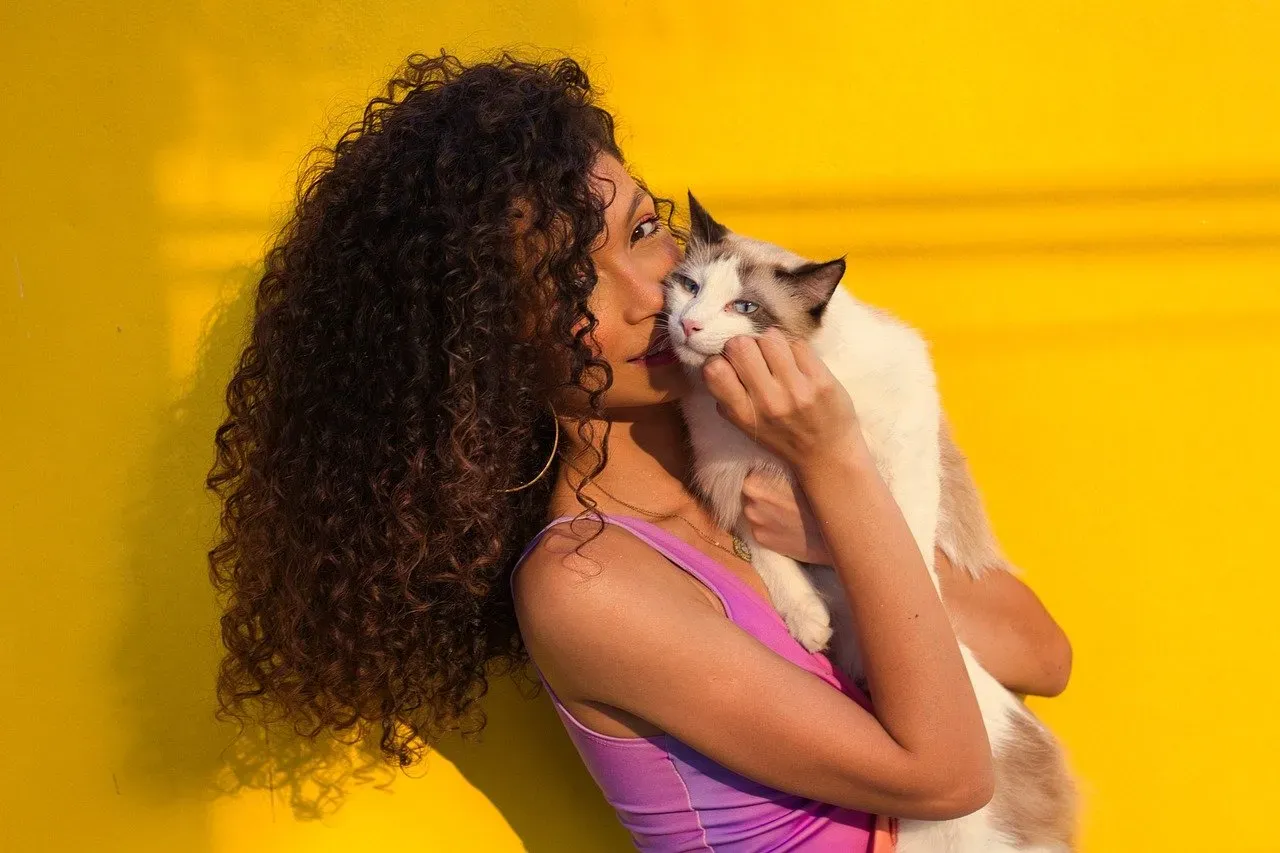
The more you understand cat behavior, the more you realize your cat has been running a remarkably organized territorial operation this whole time. Every headbutt, every slow body rub against your calves, every kneading session on your lap, every time they sit on your freshly folded laundry – it all connects. Cats are highly territorial animals, and scent marking is one of the primary ways they establish boundaries. They have scent glands located in multiple areas, including their cheeks, forehead, paws, flanks, and the base of their tail. When a cat rubs its face against furniture, doorways, or even people, it deposits pheromones that signal ownership and familiarity.
None of this should feel alarming. Honestly, it should feel like the compliment it is. Experts believe that cats developed marking behaviors to minimize contact with other cats, thus enhancing their odds of survival. The fact that they extend that instinct toward you means you have been accepted into something deeply personal. The next time your cat rubs against you or scratches a surface, remember – it’s not just random behaviour; it’s a deliberate and meaningful form of feline communication. You thought you adopted a cat. Turns out, she adopted you right back, and she made absolutely sure everyone knows it. Did you ever suspect just how claimed you really were?
Kristina is a young writer from India. An arts graduate and an avid content creator, Kristina is passionate about animals and wildlife. She enjoys exploring topics related to pet care, animal behavior, conservation, and nature, combining thorough research with engaging storytelling.