You’re sitting quietly on the couch when your cat suddenly locks eyes on a bird outside the window and starts making the most bizarre noise you’ve ever heard. It’s not a meow. It’s not a purr. It’s something halfway between a bird call and a tiny machine gun. Honestly, the first time you hear it, you might wonder if something is wrong with your cat.
Spoiler: nothing is wrong. In fact, what you’re witnessing is one of the most fascinating, instinct-driven behaviors in the entire feline world. The chirp is a window into your cat’s ancient soul, and once you understand it, you’ll never look at your cat the same way again. Let’s dive in.
What Exactly Is That Sound You’re Hearing?
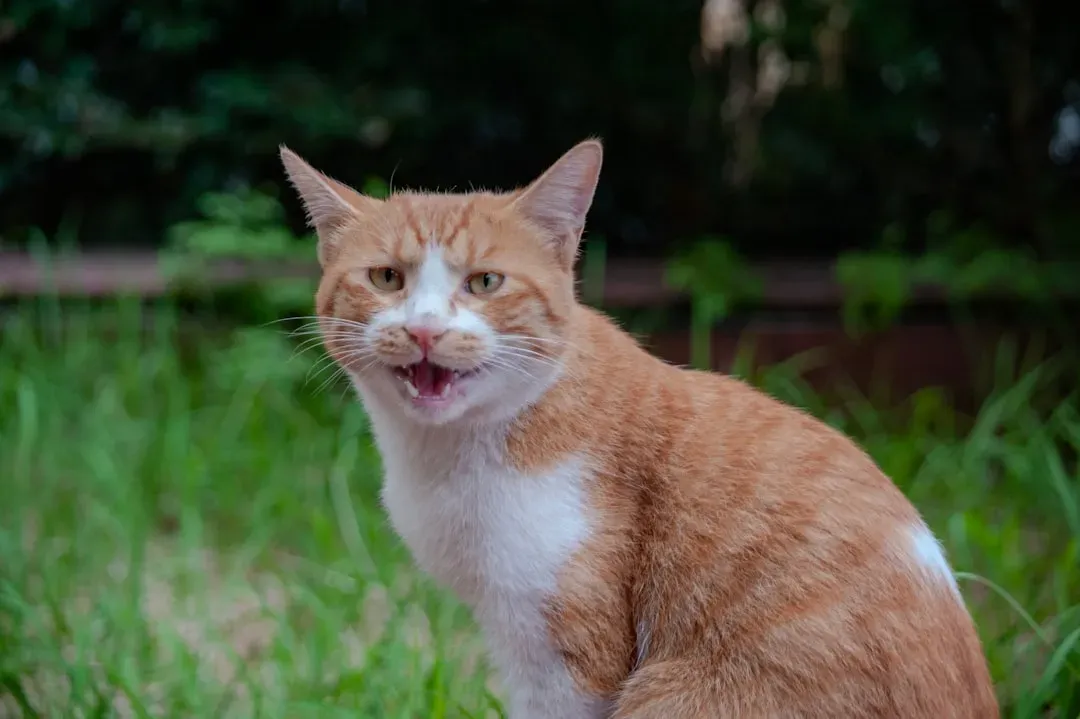
Before anything else, let’s get clear on what we’re talking about. A cat’s chirp, also known as a chirrup or a trill, is a series of short high-pitched sounds that have a chattering rhythm, very similar to a bird chirp. Think of it as the sound your cat makes when words just aren’t enough for what they’re feeling.
Cat chirping is a unique vocalization that differs from a typical meow, purr, or hiss. It typically sounds like a mix of high-pitched chirps or chatter that can happen in quick succession, often accompanied by rapid movements of the cat’s jaw. Some people describe it as a soft “brrrt,” while others say it sounds almost mechanical. Whatever you call it, you’ll definitely know it when you hear it.
The Deep Hunting Instinct Behind the Chirp
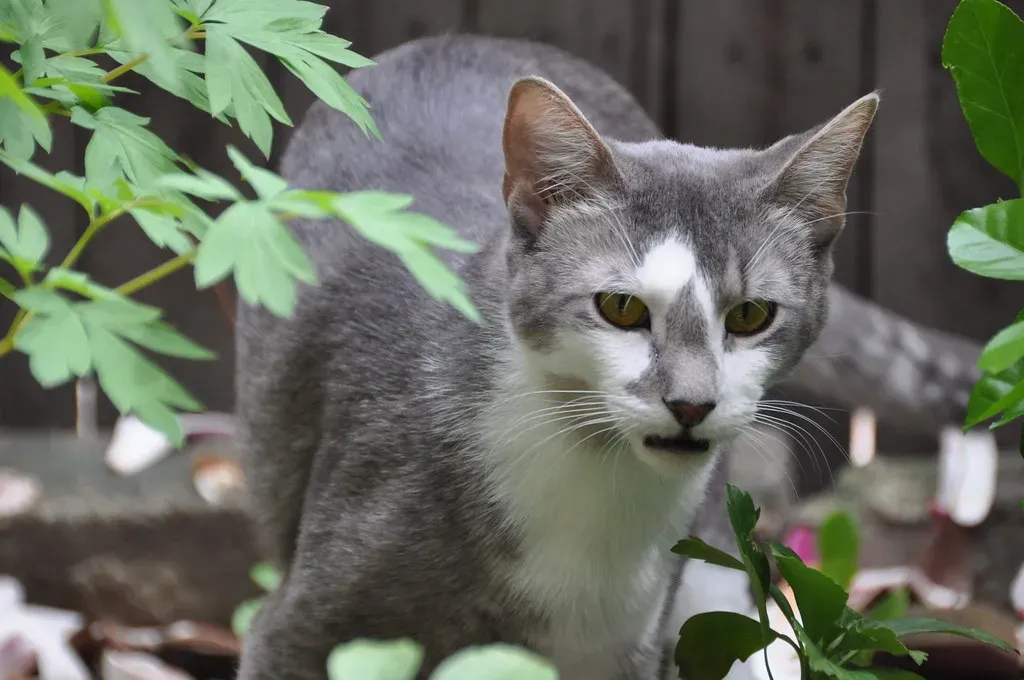
For many felines, chirping is closely linked to their hunting instincts. The sound is often heard when a cat is observing prey, such as a bird or a squirrel, from a distance. Even if your cat has never spent a day outside in their life, that ancient predator inside them is very much alive and kicking.
Cat chattering nearly always happens when a cat is interested in a visual or auditory stimulus, such as a bird or rodent moving about. This behavior comes from your cat’s hunting instincts and might be a strategy to mimic prey, making it easier to sneak up and catch them. Think of it like a hunter doing their best bird call in the woods. Your cat, in their mind, is playing the long game.
The Fascinating “Prey Mimicry” Theory
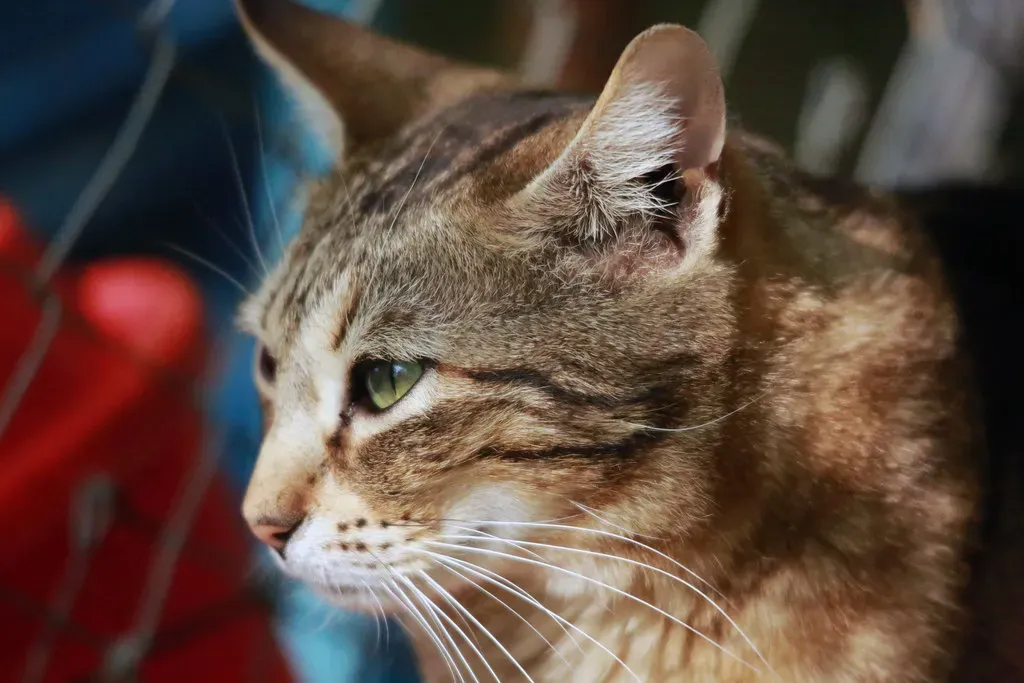
Here’s where things get really wild. Some researchers believe that cats chirp because they are mimicking the calls of birds to lure them closer. In other words, your domestic house cat might be running an actual deception strategy. That’s not just cute, that’s downright impressive.
A relatively new and extraordinary theory is that cats chatter in an instinctive attempt to mimic their prey. On an expedition into the Amazon rainforests of Brazil in 2005, researchers from Wildlife Conservation Society and UFAM recorded a margay, a small wild cat, mimicking the chattering calls of its prey. So your living room kitty is essentially sharing a trick with wild jungle cats. Let’s be real, that is equal parts adorable and terrifying.
Is Your Cat Frustrated or Just Excited?
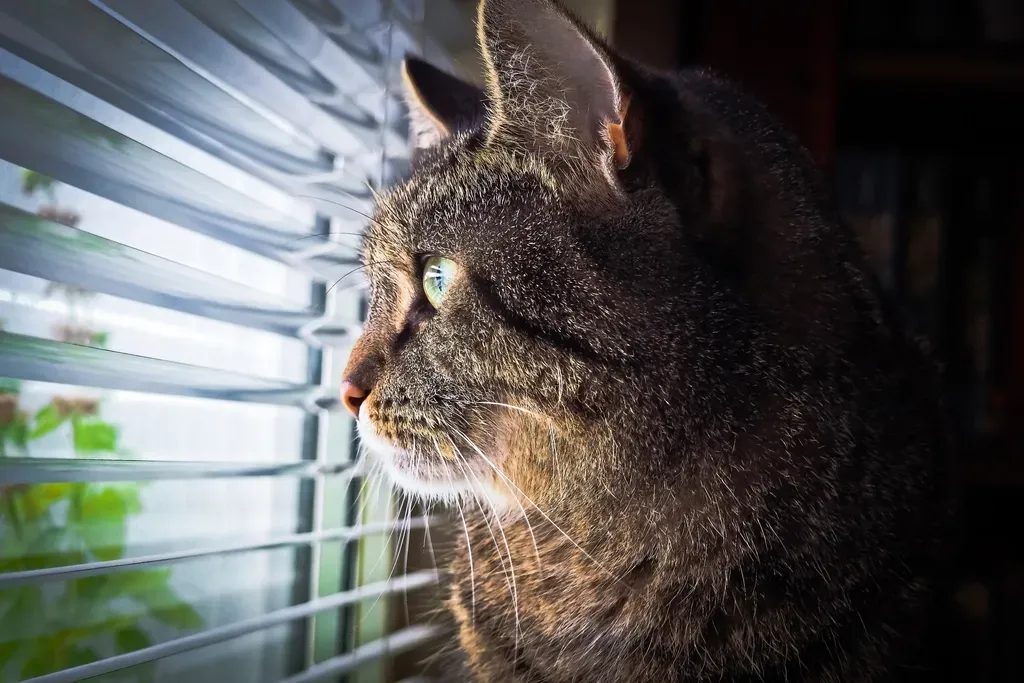
One of the most common reasons a cat chirps is when they see potential prey they cannot access, such as while watching squirrels or birds outside the window. In this context, a chirp can indicate excitement, mixed with a little frustration. It’s a complex emotional cocktail, and honestly, that’s something most cat owners can relate to.
Cats are instinctively driven to hunt, and when they see prey but cannot get to it, they may feel thwarted. The chirping could be a vocal expression of that frustration, as if the cat is acknowledging that the prey is within reach but not accessible. This behavior is often observed when a cat is staring intently at birds or squirrels through a window. The closer the prey is, the more intense the chirping may become. It’s like dangling keys in front of a toddler, eventually that energy has to go somewhere.
The Role of Adrenaline in Your Cat’s Chirp
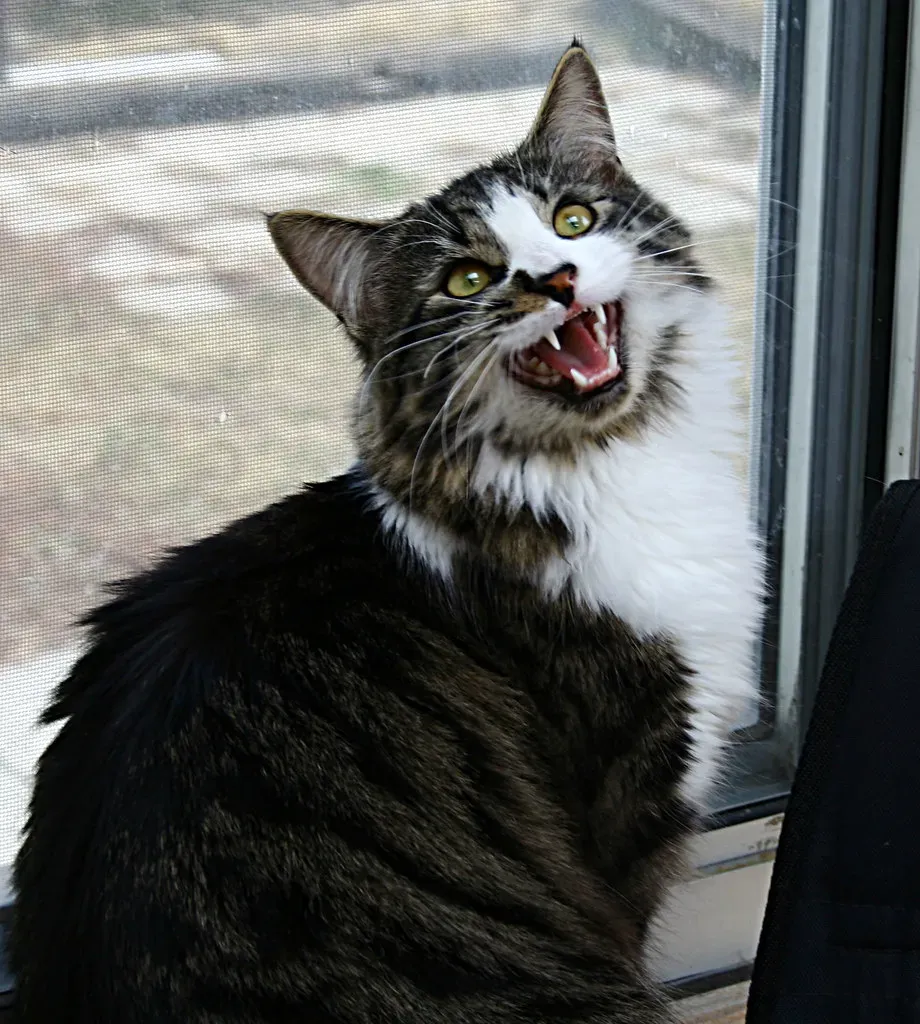
You might be surprised to learn that biology plays a massive role in this behavior. Chirps indicate that a cat is extremely excited and focused on their prey. Cat behaviorist Jackson Galaxy emphasizes that chirping likely results from a rush of adrenaline from a cat’s hunting instinct, shown when a cat says “that’s it, got it, zeroed in” on their prey. Your cat’s whole body is essentially in launch mode.
While chirping, a cat will often exhibit standard hunting behavior, not moving at all except for the swish of the tail, which sways rapidly in excitement. Jackson Galaxy even reacted to a video of a sleeping cat making the “ek ek ek” sound, noting the kitty was probably dreaming about hunting. Yes, they chirp in their sleep. If that doesn’t make you smile, I’m not sure what will.
When Your Cat Chirps at You Personally
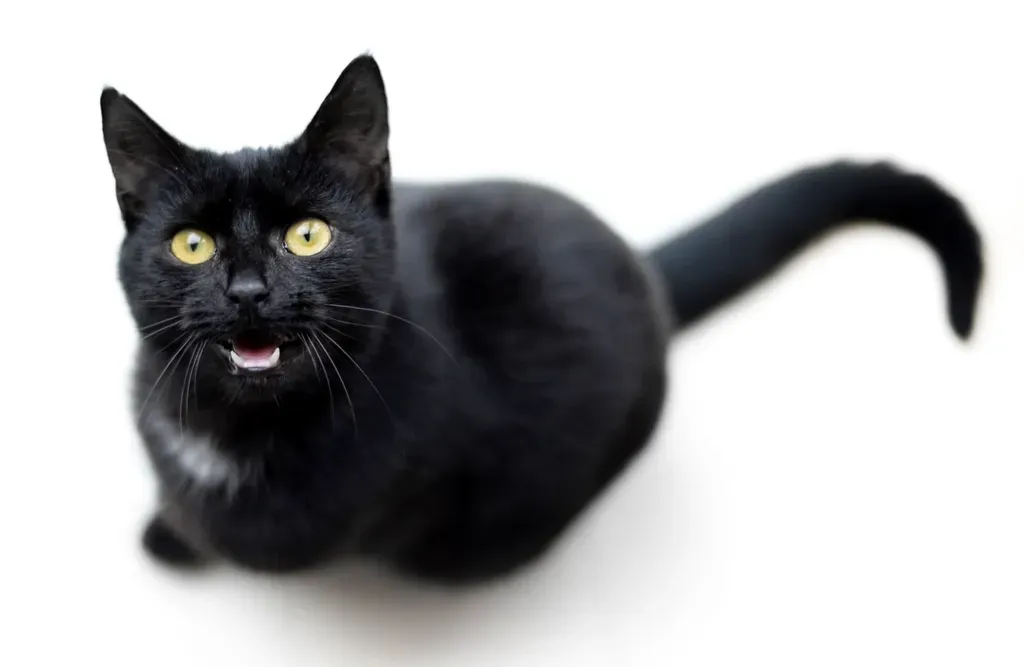
Not all chirping is about prey. Sometimes your cat is chirping directly at you, and there’s actually a beautiful reason for that. Mother cats use chirping sounds to communicate with their kittens, often as a way to encourage them to follow her or pay attention. This means that when an adult cat chirps, they may be exhibiting a behavior rooted in their early development. Some cats will even chirp at their human family members as if guiding them toward something interesting.
Some cats develop a habit of chirping at their owners, particularly if they’ve learned that this sound elicits a positive response. If your cat chirps when you come home, while playing, or in response to your voice, they may be using chirping as a way to “chat” with you. Honestly, when you think about it, your cat choosing to speak your language is kind of the highest compliment they can pay you.
Reading Your Cat’s Body Language While They Chirp
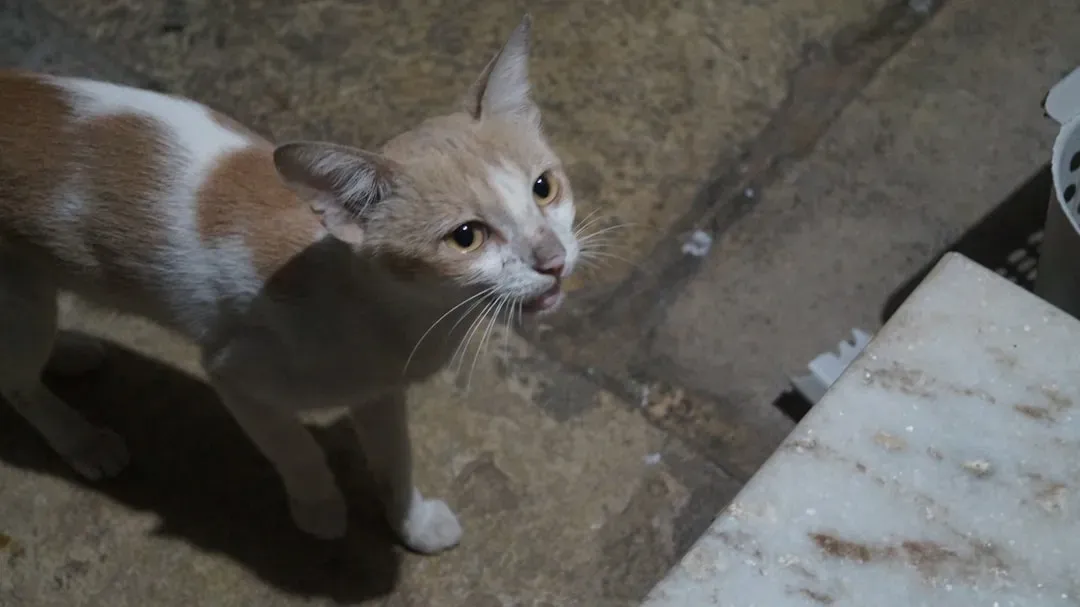
The chirp never happens in isolation. Your cat’s whole body tells the story alongside that sound. When the friendly cat chirping starts, notice how your cat’s body language reflects their chipper mood: bright, blinking eyes, tail swishing, ears up and pointed to the side, and gentle head-butting. While chirping at an unwanted guest such as a bird, however, your furry friend will probably adopt an alert stance such as a crouched stalking pose. They may also have dilated pupils, sideways pointing ears, and an arched back.
Cats may also exhibit some of the following body language while chirping at a bird: ears pointed upward facing slightly forward, eyes wide with pupils darting as they follow birds, whiskers pointed forward away from the face, and tail held low and likely twitching. These are signs that your feline is “hyper-focused on the birds it can see” and the chirping is a side effect. Think of it like a full-body sports broadcast happening right in your living room.
When Should You Actually Worry About the Chirping?
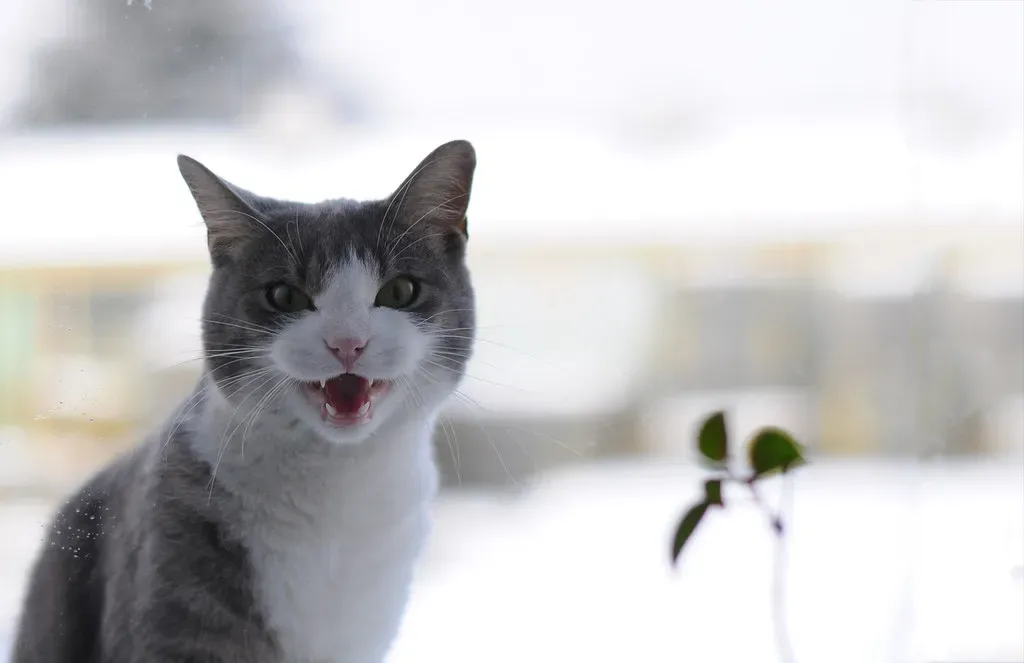
Here’s the good news: most chirping is completely harmless and doesn’t need any kind of intervention. In most cases, chirping in cats is a completely normal and positive behavior. Many cat owners associate it with their pet’s joy and playfulness. It’s worth celebrating rather than suppressing.
That said, there are moments when chirping can flag something deeper. If your cat’s chirping sounds raspy or is accompanied by coughing, sneezing, or labored breathing, it may indicate an upper respiratory infection or another medical concern, and it’s best to have them evaluated by your veterinarian. A cat that suddenly starts chirping excessively, particularly if they were not very vocal before, might be experiencing a shift in health or environment. When in doubt, a quick vet visit is always the right call.
Conclusion
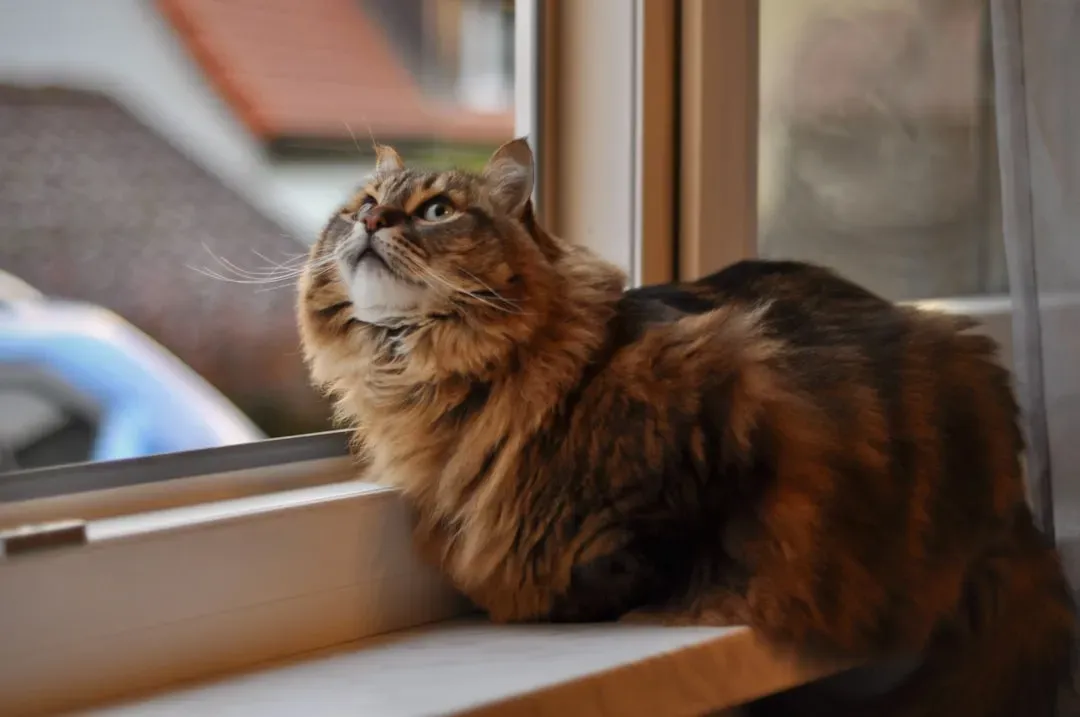
That strange, birdlike chatter your cat makes is so much more than a quirky noise. It’s a living snapshot of millions of years of evolution, a tiny hunter practicing their craft from the comfort of your windowsill. From adrenaline surges and prey mimicry to deep maternal bonding with you as their person, the chirp carries a whole emotional universe inside it.
The next time your cat locks onto a bird outside and starts up that rapid-fire chattering, don’t rush to silence them. Watch them. Study them. You’re seeing something genuinely wild, wrapped in fur, sitting on your couch. By paying attention to the context in which your cat chirps, you can gain insights into their emotional state and needs. And honestly, isn’t that what being a great cat parent is all about?
So, did you ever suspect your cat was running secret jungle tactics from your living room? Drop your thoughts in the comments below.
Kristina is a young writer from India. An arts graduate and an avid content creator, Kristina is passionate about animals and wildlife. She enjoys exploring topics related to pet care, animal behavior, conservation, and nature, combining thorough research with engaging storytelling.