If you share your home with a cat, you already know the feeling. You’re deep in work, totally focused, and suddenly your laptop keyboard becomes a napping spot. Or your cat stares at you with unnerving intensity across the room and then knocks your water glass off the table. Slowly. Deliberately. While maintaining eye contact.
Cats are masterclasses in mystery. What looks like pure chaos or outright rudeness is often something far more tender and layered than you’d expect. Understanding what’s really going on beneath those furry, unpredictable exteriors can completely change how you see your relationship with your cat. Let’s dive in.
1. Kneading You Like a Loaf of Bread
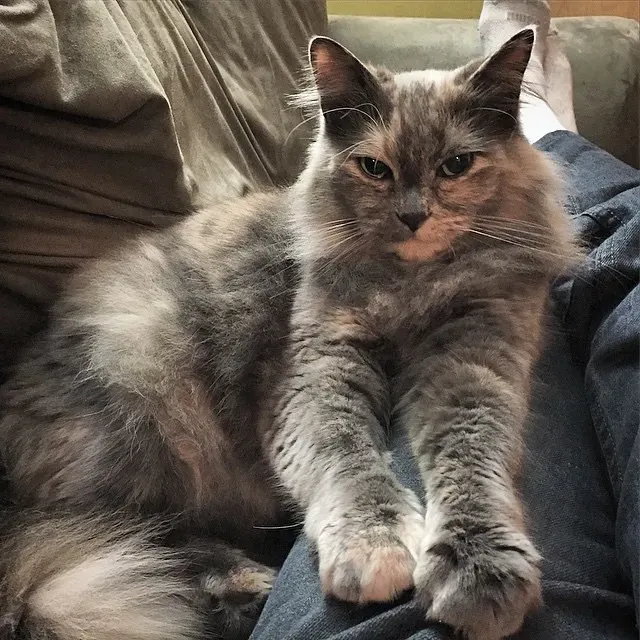
Here’s the thing about kneading, or what many cat people lovingly call “making biscuits.” Your cat rhythmically pushes their paws in and out against your lap, your stomach, or honestly any soft surface they can find. It can be uncomfortable, especially when those little claws come out. Kneading is an instinctive feline behavior, left over from when, as a kitten, your cat would knead at its mother to stimulate milk production. Even as adults, cats like to knead on something soft and warm to provide comfort and pleasure.
So when your cat turns you into human dough, take it as a genuine compliment. It is thought that cats knead when they feel happy and safe, which is why many cats knead their owner’s legs as they cuddle on a lap. It is a sign that they are happy and bonded to you. Honestly, it’s a little like being hugged in the most clumsy, claw-forward way possible. And there’s actual chemistry behind it too. The kneading motion is a comforting reminder of kittenhood, but the action also releases “happy” pheromones from the scent glands in their feet, so they feel super relaxed.
2. Knocking Your Stuff Off Tables
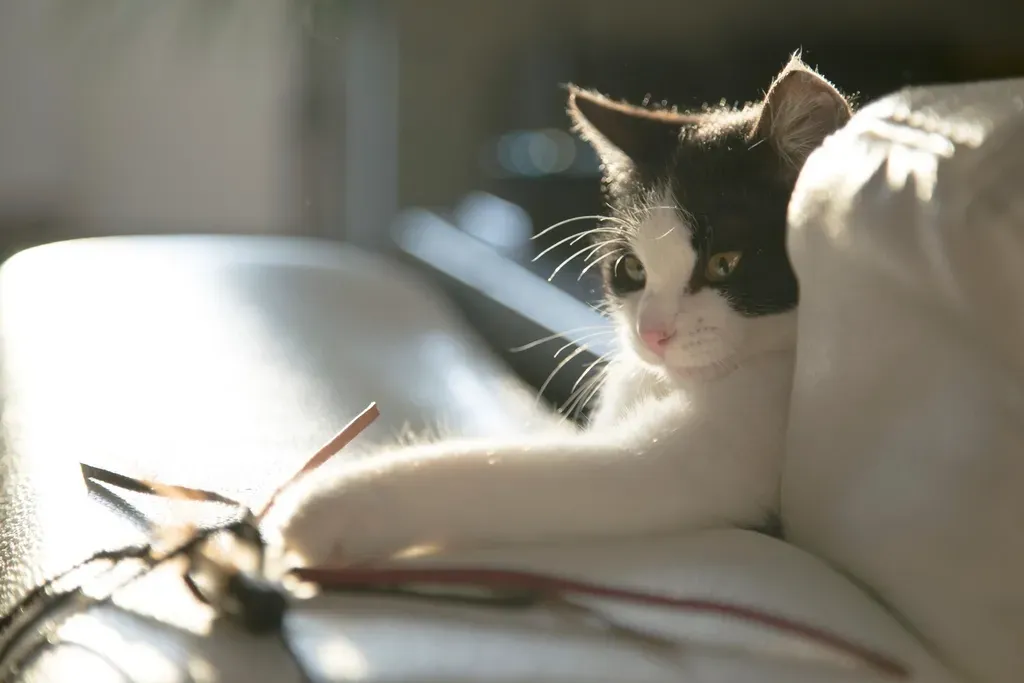
Few things are more maddening than watching your cat slowly, intentionally nudge your phone, your coffee mug, or your keys off the edge of a table, all while holding direct eye contact with you. It feels like a power move. And honestly? In a way, it is, but not the way you think. At its core, the table-sweeping behavior stems from your cat’s powerful hunting instincts. Cats are natural predators, and their paws are precision instruments designed for capturing prey.
Some cats will knock things over to get your attention if a need isn’t being met, such as food or water. Like a toddler, highly social cat breeds knock things over just to remind you that they are there. Think of it as your cat’s version of tapping you on the shoulder, except instead of a gentle tap, it’s your favorite pen spiraling to the floor. Cats are remarkably intelligent when it comes to understanding cause and effect, particularly regarding human behavior. If knocking something off a table consistently gets you to jump up, make noise, or rush over to them, your cat has learned a valuable lesson: this behavior works. They’re not being mean. They just want you to look up from your screen.
3. Following You Into the Bathroom
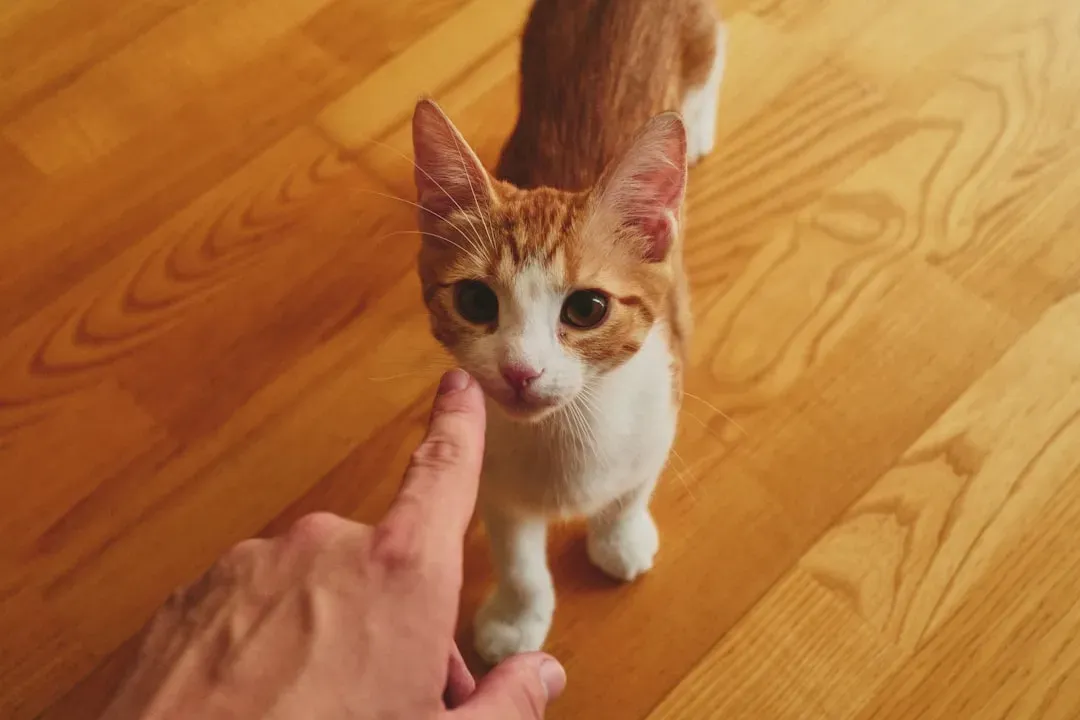
You cannot escape. You close the door and within seconds, you hear the little paws, the scratch, maybe a plaintive meow from the other side. Your cat absolutely must be where you are, even when where you are is the bathroom. If you and your cat have a special bond, it’s likely she’s genuinely curious about what you’re up to and wants to spend time with you. Your feline shadow might have caught on to the fact that the bathroom is a place she can often find you sitting, sometimes with your warm lap exposed. A little invasive, perhaps, but it just means she loves you.
There’s a deeper instinct at work here, too. Cats in close-knit family units stick close to each other for protection. As such, when your cat follows you around, it may be because they enjoy your company and feel you are both safest when you’re together. So the next time your cat wiggles under the bathroom door like a furry little commando, remember: in their world, being separated from you is genuinely unsettling. You’re their safe person.
4. Head-Butting You in the Face
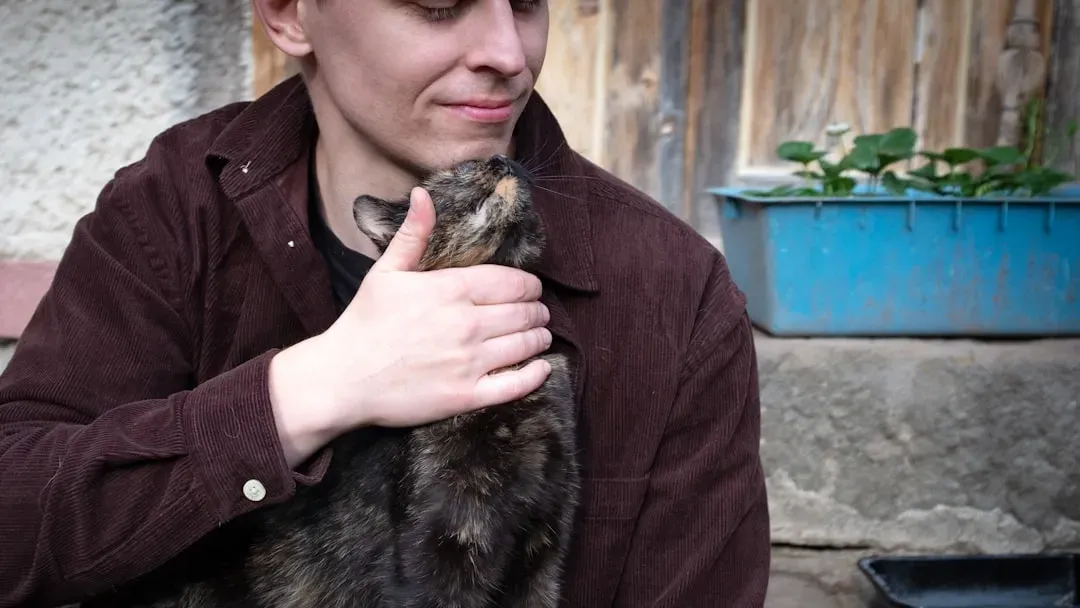
Your cat walks up while you’re reading, sits down, and then rams their little head directly into your nose or chin. It’s sudden. It’s a bit rude. It is also, apparently, one of the highest compliments a cat can pay you. When a cat presses her head into the head of another animal or human, that is the ultimate sign of trust and love. If your cat doesn’t rub against your leg or never head bumps you, that doesn’t mean she doesn’t like you. The head bump is intimate and is saved for a cat’s closest pet friends and most trusted humans.
The science here is fascinating, in a slightly possessive kind of way. Head-butting is another way cats show their love and devotion, claiming you as one of their own through scent. Cats have glands on their cheeks, forehead, and chin that contain pheromones. When they headbutt you, they intentionally rub pheromones on you. In other words, your cat is essentially stamping you with an invisible label that says “mine.” Weird? Yes. Completely adorable when you think about it? Also yes.
5. Staring at You and Blinking Slowly
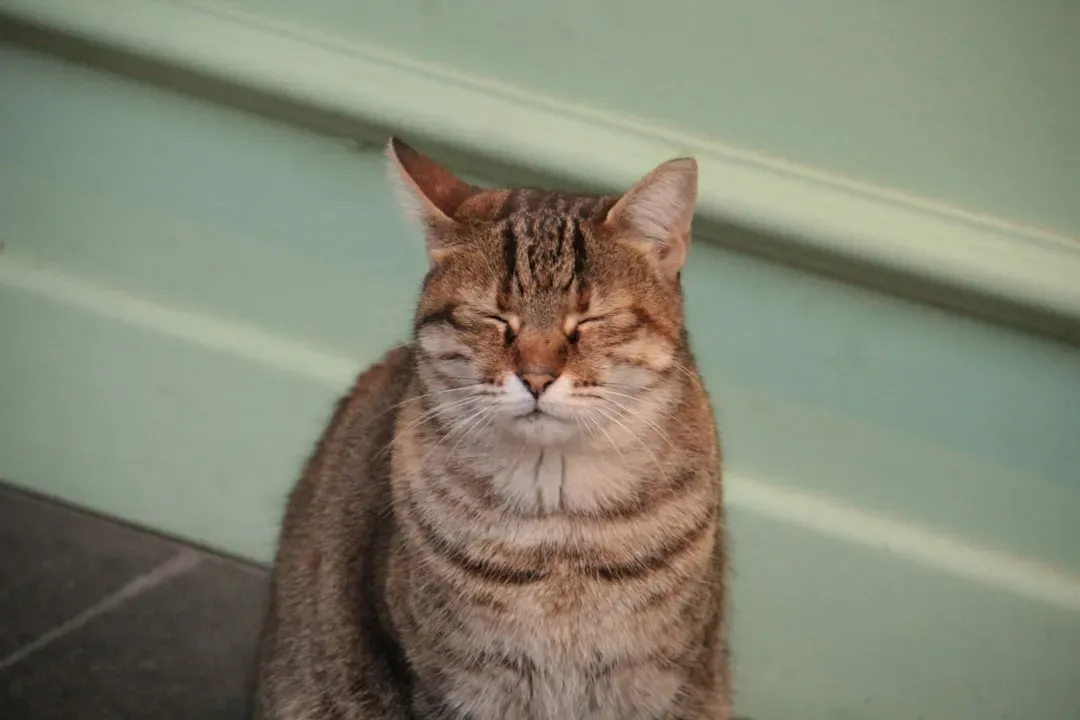
Few things are more unsettling than catching your cat staring at you from across the room with total, unblinking focus. It feels like judgment. It feels like they know something you don’t. But slow down before you get creeped out. When a cat sits across from you and stares at you with sleepy-looking eyes, blinking slowly, it might seem like they’re bored or tired. But those slow blinks are actually how they communicate peace and connection.
In a nutshell, your cat’s slow blink is a sign that they trust you and feel comfortable around you. It’s as close to an “I love you” from them as you’ll ever get. I think that’s one of the most beautifully understated things in the animal world. Studies have shown that cats are more likely to approach someone who slow blinks at them, indicating that they see this as a welcoming and non-threatening gesture. Try slow blinking back at your cat. You might be surprised by what happens next.
6. Licking You with That Sandpaper Tongue
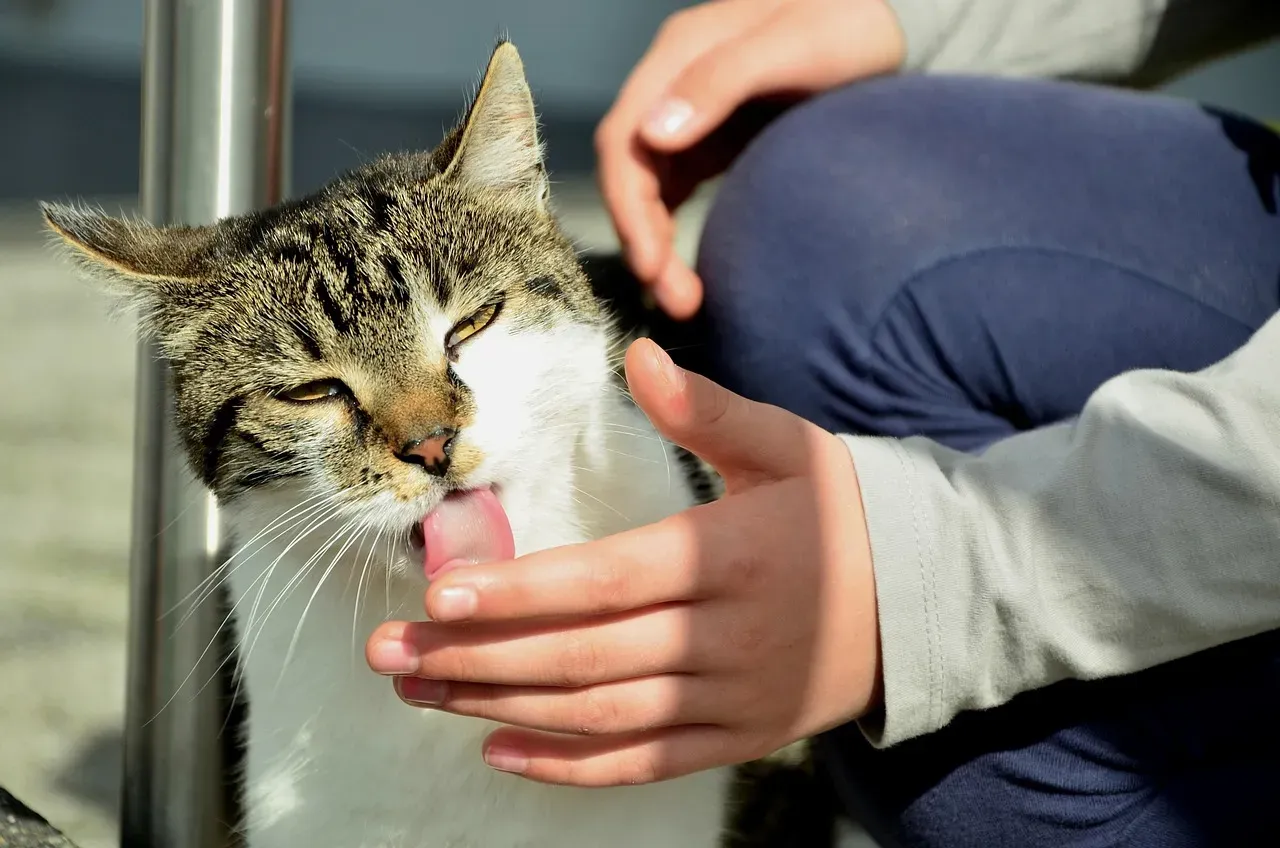
Your cat’s tongue is essentially nature’s version of coarse-grain sandpaper, so when they decide to groom your hand, arm, or face, it is not exactly a spa experience. It can be genuinely uncomfortable if they keep going. Still, the impulse behind it is pure and warm. A cat will lick their humans to show care and affection. When your cat licks you, they are creating a special social bond with you. This licking behavior stems from kittenhood, when a mama cat licks her kittens to groom and show affection.
There’s also a social rank element woven into this behavior. When you ask why cats lick you, you’ll be pleased to know most possible causes for this weird behavior are positive. Your cat is probably grooming you, expressing love, or offering comfort. Think about it like this: your cat is treating you the same way their mother treated them. You’re being parented by your pet. It’s sweet, a little slobbery, and completely genuine.
7. Bringing You “Gifts” (Often Unpleasant Ones)
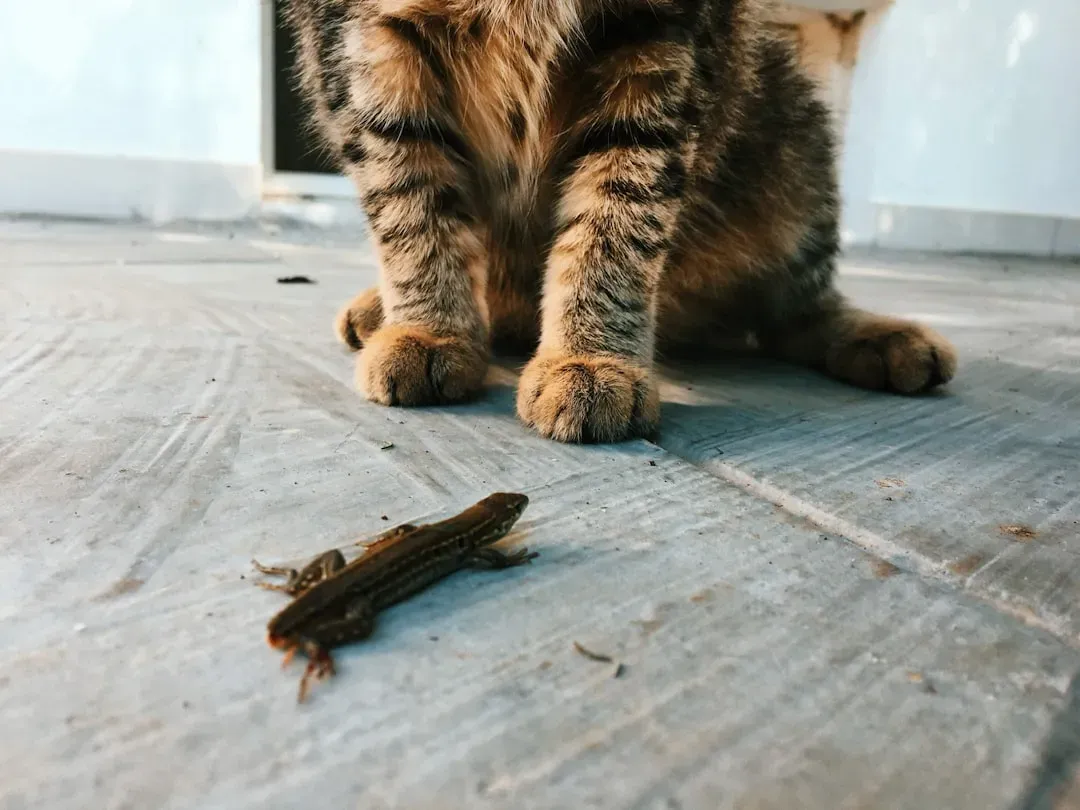
Let’s be real. Waking up to a toy mouse on your pillow is one thing. Finding what remains of a real one is something else entirely. If your cat has ever presented you with a deceased creature or their favorite crinkle toy with intense pride, you’ve already been on the receiving end of one of feline nature’s most sincere gestures. Cats are predators and have the instinct to hunt and to share their kills with loved ones. They may bring you toys, leaves, or actual dead animals that they have killed themselves. These are all displays of the same instinct, and while sometimes disgusting, are generally demonstrations that your cat loves you and wants you to survive.
It’s hard to say for sure exactly how conscious this behavior is, but it’s rooted in something genuinely ancient and affectionate. If you’ve never had a cat bring you a dead mouse or the head of a bird or some other disgusting offering, consider yourself lucky. However, if you have, you should also consider yourself lucky, as it means your cat loves you. Your cat sees you as family, and in their world, sharing a meal or a hunt is the deepest form of care. Next time it happens, try to look past the horror and see the love underneath.
8. Meowing at You Loudly and Persistently
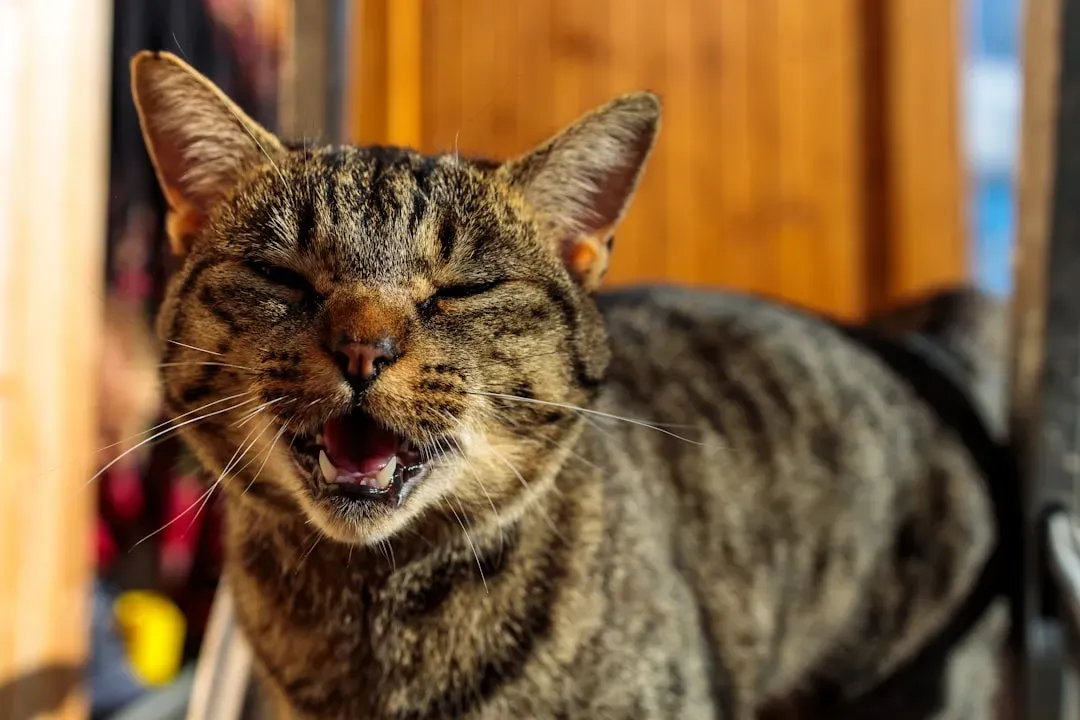
The meow is a cat’s Swiss Army knife of communication. It can mean hunger, boredom, curiosity, or pure, unfiltered emotional need. When your cat follows you around the house meowing at full volume for no apparent reason, it can feel overwhelming. Meowing is all-purpose. Your cat may use a meow as a greeting, a command, an objection, or an announcement. The fascinating part is that adult cats developed this vocal habit primarily to talk to humans, not to other cats.
As frustrating as your cat’s behavior might be at times, they are not actually trying to be annoying. They are trying to communicate something to you. Most likely, your cat loves you and enjoys your attention, but they might be bored and need more mental stimulation, or they might not be feeling 100% and need a checkup from the veterinarian. A vocal cat is an engaged cat, one that genuinely trusts you enough to speak up. A lonely or bored cat is likely to be a loud cat. This loud meow is often jarring and annoying, but your kitty is trying to tell you something important. They probably want your attention for good reason. When your cat yells at you from across the house, it’s not a complaint. It’s a conversation.
Conclusion
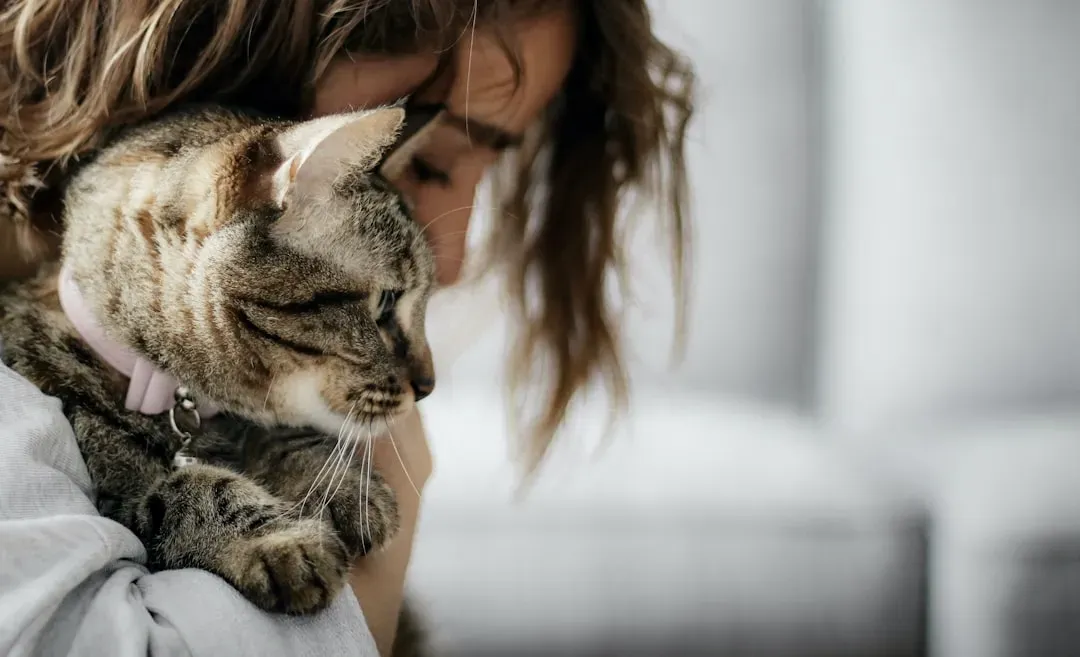
Cats are extraordinary at hiding their affection inside actions that look completely chaotic or frustrating to human eyes. Knock something over? Love tap. Follow you everywhere? Deep attachment. Stare at you and blink slowly? A feline declaration of devotion. Once you learn to decode the language, the whole relationship shifts.
The truth is, your cat has probably been telling you they love you every single day, just in a dialect you hadn’t learned to read yet. Cats lack the facial expressiveness of dogs, they’re generally quieter and their behaviors can be harder to interpret, but this doesn’t mean that the feline mystique is impenetrable. You can better understand your furry friend by paying attention to their vocalizations, body postures, and daily routines. In time, you may become so attuned to your kitty’s personality and habits that you’re able to detect subtle changes in their mood. The next time your cat does something that drives you absolutely crazy, pause for just a second. There’s a good chance it’s their version of “I love you.” What do you think? Has your cat’s most annoying habit just become their most endearing one? Tell us in the comments.
Kristina is a young writer from India. An arts graduate and an avid content creator, Kristina is passionate about animals and wildlife. She enjoys exploring topics related to pet care, animal behavior, conservation, and nature, combining thorough research with engaging storytelling.