Some rescue stories stop you cold. Not because they’re dramatic or polished, but because they’re so achingly real. A frail, drooling stray wandering the streets. A couple with zero cat experience, zero equipment, and zero obligation to help. The odds stacked entirely against one small life. Yet something remarkable happened, and the world took notice. This is one of those stories you won’t forget in a hurry. Let’s dive in.
A Sickly Stranger on the Street
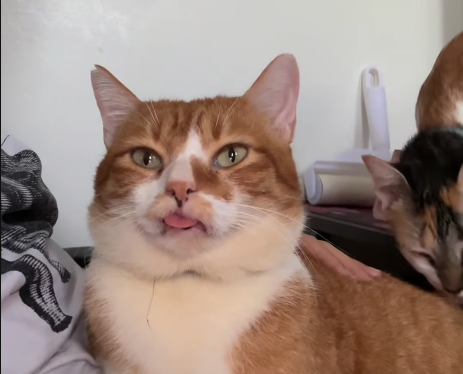
The couple at the center of this story is Keith Beja and Ivy Cuebillas, both from the Philippines, who had never cared for a cat before. That’s what makes their decision so striking. Most people walk past a sickly stray and convince themselves someone else will step in. These two didn’t.
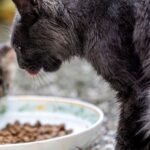
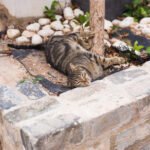
They started feeding the cat every day, trying to offer comfort to an animal who seemed to have no one. Because they didn’t own a cage, they arranged a home-service veterinarian to examine him right where he stood. The cat, who they named Nicolas, was in a visibly terrible state. Drooling, lethargic, struggling. Honestly, the sheer sight of him would have been enough to overwhelm most people before they even thought about helping.
The Diagnosis That Made Everything Harder
The results explained why Nicolas was in such a dire state: he tested positive for Feline Immunodeficiency Virus, or FIV, a disease common among stray, unneutered males who often get infected through deep bite wounds from territorial fights. Think of FIV as the feline equivalent of HIV in humans. It weakens the immune system and leaves cats far more vulnerable to other illnesses.
Another source of his suffering soon emerged. The cause of his painful drooling was Eosinophilic Granuloma Complex, known as EGC, showing up as an indolent ulcer inside his mouth. Eating had become agonizing, so the couple kept him on a soft diet while searching desperately for better treatment options. Two serious conditions layered on top of each other. For a cat with no known owner and no history, that’s an almost impossible medical mountain to climb.
What Exactly Is Eosinophilic Granuloma Complex?
Eosinophilic granuloma complex, or EGC, is a term used to describe three types of skin lesions in cats: eosinophilic plaques, eosinophilic granulomas, and indolent ulcers. It’s a mouthful of a name for a genuinely nasty condition. A variety of ominous skin eruptions that can appear just about anywhere on a cat’s body may signal the emergence of this condition, and the eruptions can include “oozing masses, yellowish-pink ulcerations, or big tumor-like bumps,” depending on their specific source.
The most common site for these lesions is the lips, especially the upper lip, where they appear as ulcers. They are sometimes referred to as “rodent ulcers,” because people once thought the lesions were caused by rodent bites, but they are not. The lesions range from small and barely noticeable ulcers to large and extensive ulcers that disfigure the lips. In Nicolas’s case, the condition was affecting the inside of his mouth, making every single meal a painful ordeal. Most cats respond well to treatment, and if an allergic cause can be found, it can make preventing future problems easier.
The Road to the Manila Feline Center
At the Manila Feline Center, veterinarians carried out further tests, including cytology, which confirmed the EGC diagnosis. They also discovered that dental problems were worsening the swelling in his lips, so Nicolas underwent dental prophylaxis and tooth extraction. Each problem they uncovered led to another layer of treatment. It was like peeling an onion, except far less enjoyable and far more expensive.
While FIV has no cure, it can be managed with proper care. Thankfully, Nicolas’s indolent ulcer responded well to steroid treatment. That’s the thing about EGC: the prognosis is favorable with appropriate treatment and management of the underlying allergy. The couple refused to give up even when the treatments piled up, and that stubborn commitment to one small cat started to pay off in ways they hadn’t imagined.
A Transformation That Left the Internet in Tears
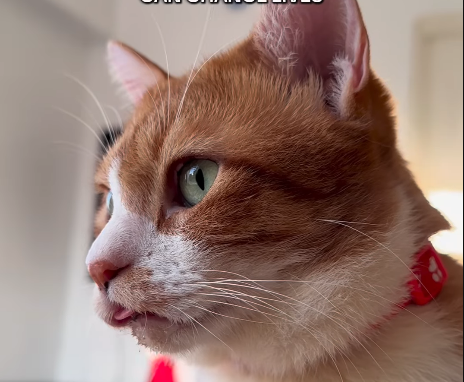
By December 2025, the swelling had significantly improved. Nicolas can now eat dry food again along with wet food, and he happily munches on kibbles. For a cat who once struggled to swallow a single bite without pain, that image of him contentedly crunching away is enough to make you tear up. With proper treatment and nutrition, Nicolas gained 2.5 kilograms and became healthier and stronger.
The couple shared his story on Instagram under the username @bejacats, posting a now-viral transformation video. The Instagram video documenting his journey spread quickly, amassing over 269,000 views and 40,400 likes. People from all over the world watched a cat go from broken and abandoned to thriving and loved. It’s the kind of content that cuts straight through whatever bad mood you’re in and reminds you that compassion is still very much alive in this world.
How One Rescue Became Nine
Caring for Nicolas opened their eyes to the world of rescue cats, especially “puspin,” the local term for Philippine domestic shorthairs. They learned how often these cats are overlooked simply because they aren’t pedigreed. Let’s be real, that’s an uncomfortable truth. Non-pedigreed cats are passed over every single day in favor of breeds with papers and price tags. Keith and Ivy saw past all of that.
One rescue turned into many. Today, the couple has nine rescued cats. Nicolas was the beginning of it all. What started as feeding a sick stray on the street grew into something entirely different: a lifestyle built around giving forgotten animals a second chance. It’s hard to say for sure whether they expected any of it to unfold this way, but something tells me they wouldn’t change a single step of the journey.
Nicolas’s story is more than just a heartwarming rescue. It’s a reminder of what ordinary people can do when they choose not to look away. A couple with no prior experience, no training, and no special resources made a decision to care, and a deeply unwell cat transformed into a healthy, happy member of their family.
The viral spread of his story says something important too. People are hungry for this kind of news. They want to see proof that kindness works, that effort matters, and that even the most broken lives can be rebuilt with patience and love. Cats that roam outside live much shorter lives than their indoor counterparts, and while an indoor cat may live 15 to 17 years, outdoor cats live only about two to five years. Nicolas beat those odds, and he did it because two people refused to let statistics be his story.
If you’ve ever hesitated to help a stray you passed on the street, let Nicolas change your mind. What would you have done differently? Tell us in the comments.
Kristina is a young writer from India. An arts graduate and an avid content creator, Kristina is passionate about animals and wildlife. She enjoys exploring topics related to pet care, animal behavior, conservation, and nature, combining thorough research with engaging storytelling.