There is something almost magical about watching your cat effortlessly leap onto the top of your refrigerator, curl up on the highest bookshelf, or balance on a narrow ledge with the calm confidence of a mountain lion. You probably laughed it off the first time. Maybe you even tried to coax them down. But here’s the thing – your cat was not being difficult or dramatic. They were answering a call far older than your living room, one that echoes back millions of years through their DNA.
What looks like a quirky household habit is actually one of the most fascinating windows into feline evolution you will ever get to observe up close. The instincts that push your cat skyward are the very same ones that helped their wild ancestors survive, hunt, and thrive in some of the harshest environments on earth. So if you have ever wondered why your cat is obsessed with altitude, buckle up. You are about to see your pet in a completely new light.
The Ancient Blueprint: Wild Origins of a Very Modern Obsession
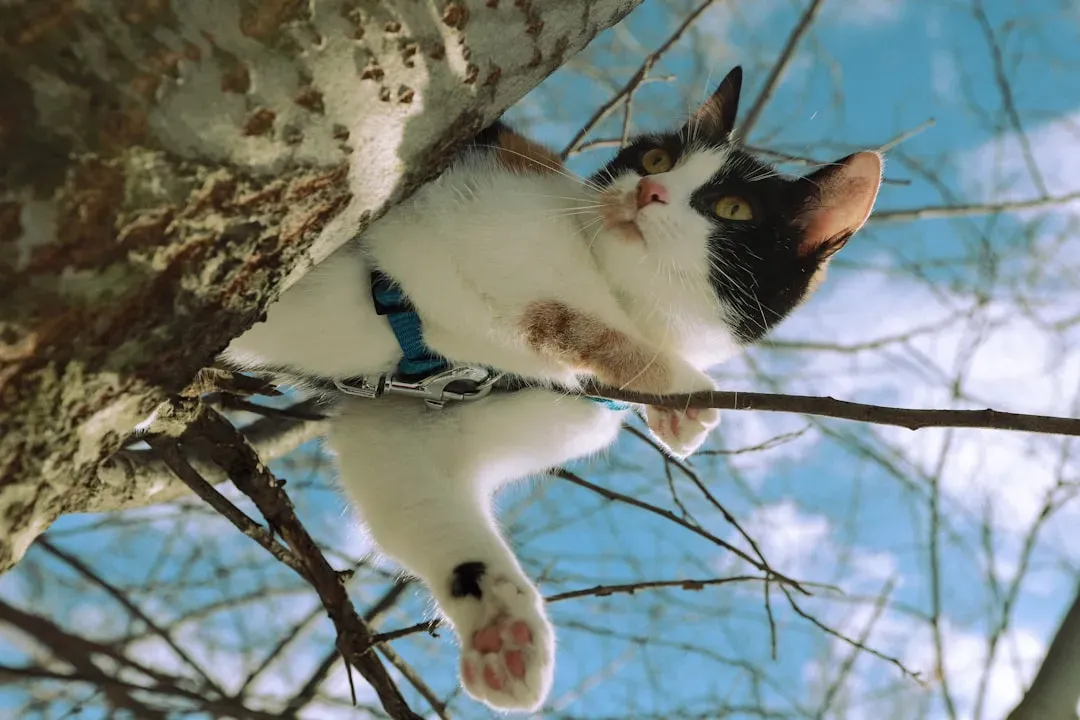
Let’s be real – your cat did not develop this quirk by watching you stand on a step stool. In the wild, cats climb trees to survey their territory, spot prey from a safe distance, and stay out of reach of predators. That is not learned behavior. It is ancestral programming running quietly in the background, as persistent as a heartbeat.
Cats are tree-climbing mammals that descended from Proailurus, the first true cat, and early cats were hunters that many of them lived in the rain forests. Think about that for a second. Your pampered tabby napping on top of the wardrobe is carrying the legacy of a rainforest predator. Honestly, that makes the whole thing feel considerably more epic.
Hardwired for Height: How Survival Shaped the Climbing Instinct
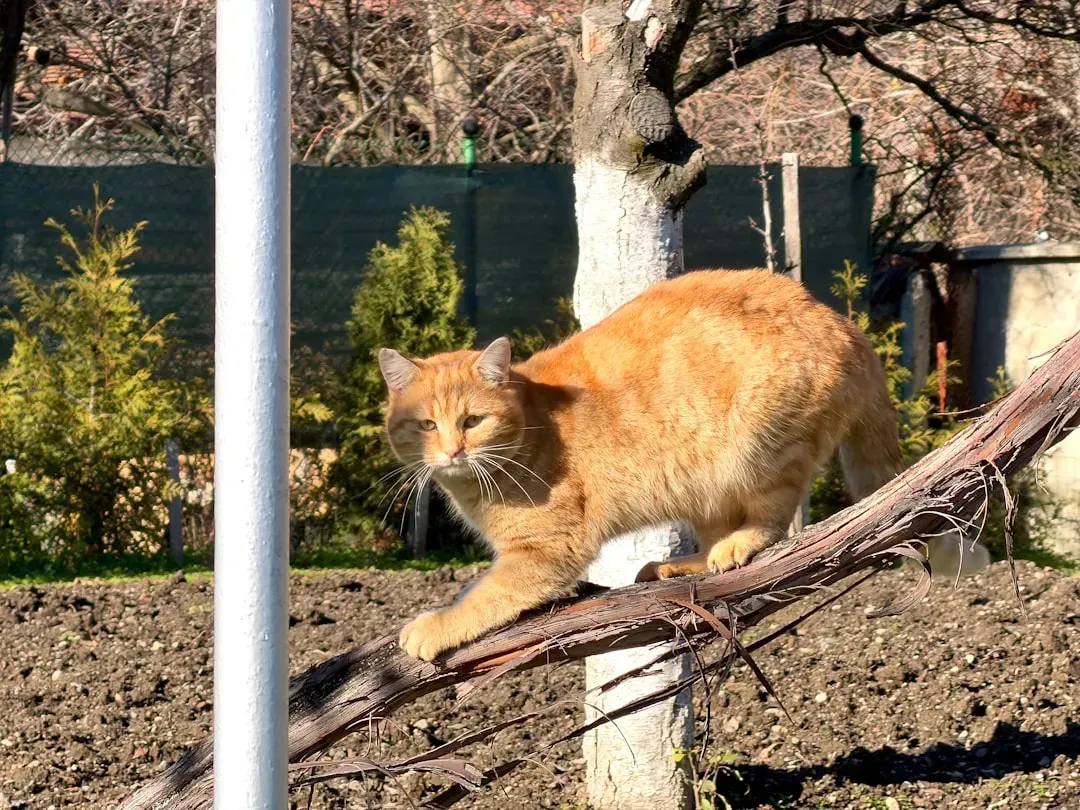
Your cat’s desire to be up high is instinctual. Their wild ancestors had to climb trees to escape predators, hiding and blending among the leaves and bark, and they also climbed high to catch prey that hid among the trees’ branches. It was a double strategy – offense and defense, all in one vertical movement. Clever, right?
The cats that were the best at climbing to seek safety would have passed on those survival traits to their offspring, and that means today’s cats have generations of climbing instinct that they use even in domestic settings when there is neither predator nor prey to be concerned with. So every time your cat scales your kitchen cabinets, they are not being chaotic. They are being brilliantly, stubbornly ancestral.
You Are Both Predator and Prey: The Dual Nature of the Feline Mind
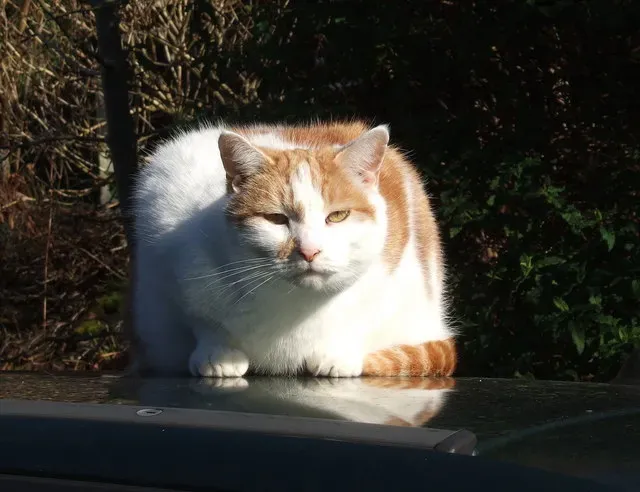
Here is something that might genuinely surprise you. When we think of cats in general, we perceive them to be predatory hunters waiting to pounce on their next unsuspecting prey item. However, cats are also prey animals. In the wild, small feline species are at threat of attack by creatures such as large birds of prey, coyotes, wolves, or foxes. Your cat is simultaneously one of nature’s great hunters and one of its more vulnerable targets. That duality shapes everything.
This means that your cat is naturally always on alert for dangers and looking for a safe place to be. By hiding away up high, your cat can get a better view of their surroundings, allowing them to see threats but also to feel safely hidden away from them. Think of it like sitting in a restaurant with your back to the wall – you can see everything, and nobody can sneak up behind you. Your cat has been doing that instinctively for thousands of years.
The Tactical Advantage of Altitude: Surveillance and Control
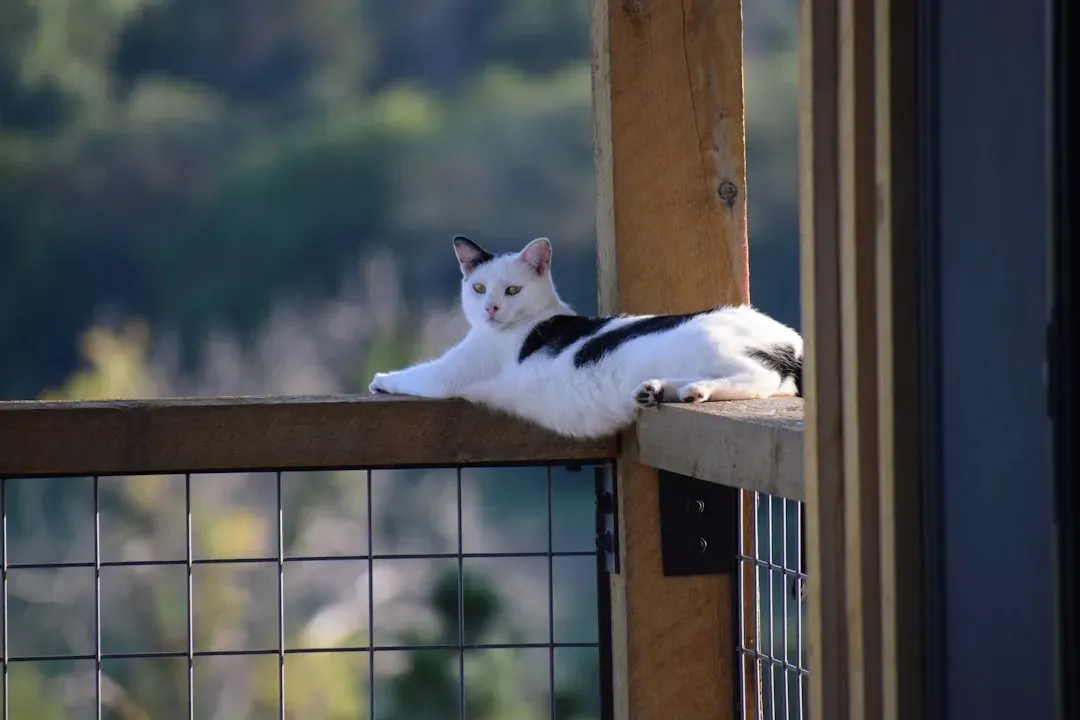
Surveying the area from an elevated location allows cats to both observe their surroundings for food and protect themselves from attack by a larger predator. It is not just about comfort. It is a full tactical operation. Height gives your cat information, and information is power – especially when you are a creature whose survival once depended on reading the landscape in seconds.
Climbing to an elevated spot enables cats to watch over their environment more effectively. For outdoor cats, the ability to climb is crucial to survival in order to escape predators as well as watch for prey. Even indoors, your cat is running that same mental software. That slightly smug look they give you from the top of the bookshelf? Pure, unfiltered situational awareness. They know exactly what is happening in every corner of the room.
Height as a Social Statement: Dominance, Hierarchy, and Feline Politics
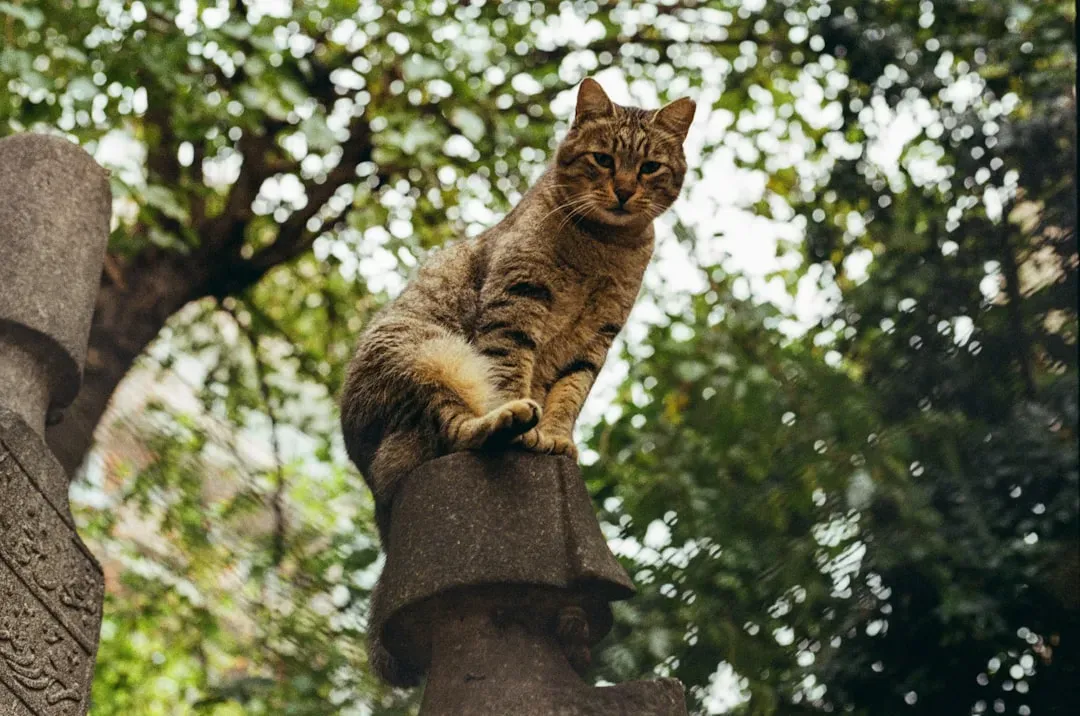
If you share your home with multiple cats, you have probably noticed that the highest spot almost always belongs to one particular animal. That is not a coincidence. Height can also be a sign of dominance in the feline world. In multi-cat homes, the top perch often goes to the alpha. It is the feline equivalent of sitting at the head of the table – quiet, understated, and absolutely non-negotiable.
A cat of higher status in a multicat household may choose to climb to an elevated location, often the highest location, as a way to show indifference when there is a potential for confrontation. That display of climbing to the top perch will often prevent an actual physical altercation. In other words, your cats are sorting out their social drama entirely through real estate. No claws needed – just altitude. I think that is genuinely fascinating behavior.
Safety, Comfort, and the Perfect Nap Spot: Elevated Sleeping Habits
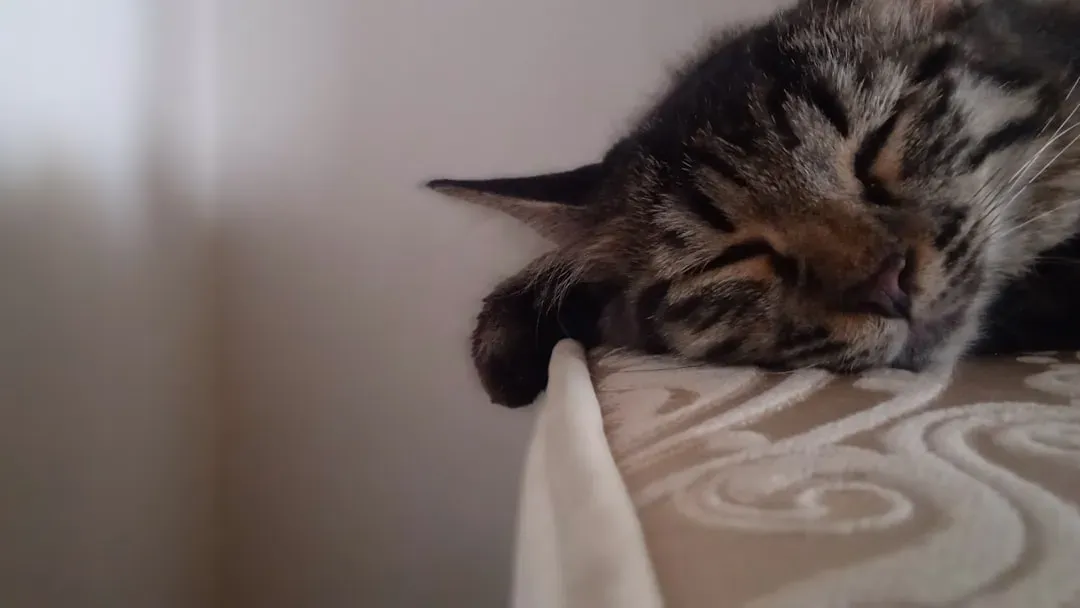
According to animal behavior experts, most cats prefer to sleep and hang out in places with good vantage points. It comes from their instinct to protect themselves, and a high position for sleeping or resting gives them an aerial advantage for spotting any potential dangers around them. Even in the deepest, most peaceful sleep, your cat’s instincts are still running a quiet security check on the room. It is like sleeping with one eye open, except far more graceful.
Sleeping is a major activity for cats, averaging about fifteen hours a day. Elevated spots for this important task are popular because of that feeling of safety. So when your cat ignores the plush, expensive bed you bought on the floor and instead squeezes onto the top shelf of your closet – they are not being ungrateful. They are being perfectly, logically feline. The height is the whole point.
Stress Relief and Emotional Security: Why Going Up Calms Them Down
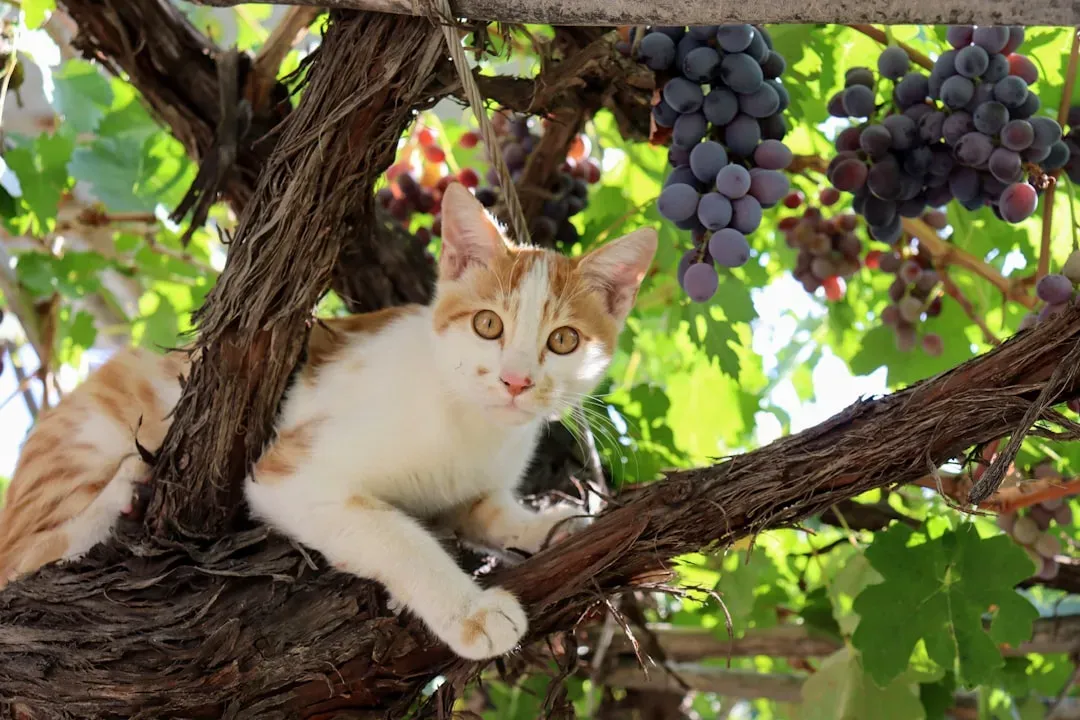
High places help cats cope with stress and anxiety. Cats are sensitive to changes in their environment, especially new family members and visitors to the home. This can be a real source of stress and anxiety for some cats. You have probably seen this yourself. A guest arrives, your cat disappears to the highest available spot, and watches the whole situation from above with narrowed, skeptical eyes. That is not rudeness. That is smart emotional self-regulation.
Having a high perch gives cats that sense of safety while allowing them to be part of the action and see what’s happening. You may even find that they’re more willing to come down from their perch and engage once they get comfortable. It is a beautifully honest coping mechanism. Rather than completely shutting down, your cat simply takes the situation at a safer distance – literally. Give them time and altitude, and they will often come around on their own terms.
Creating a Cat-Friendly Vertical World: What Your Cat Actually Needs From You
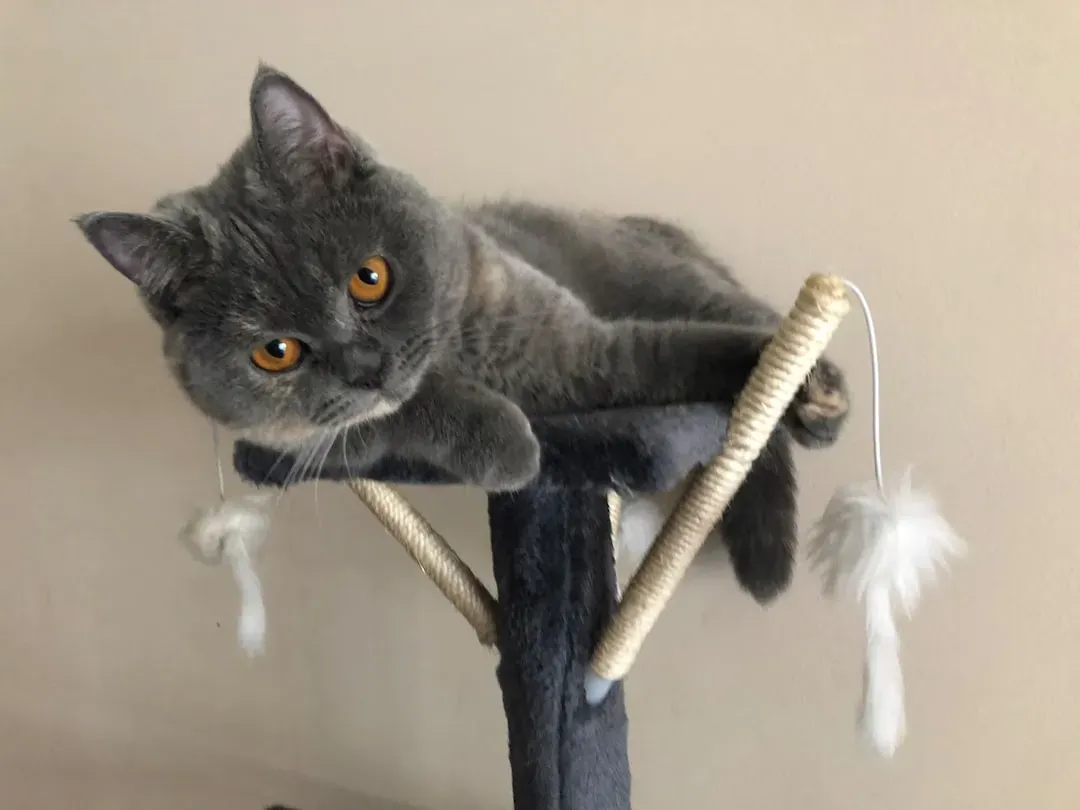
In addition to satisfying a cat’s preference for high places, climbing provides physical and mental stimulation. It’s an incredibly important part of having a cat in your home. This is not a luxury feature. It is a genuine wellbeing need – as important as fresh water and regular meals. Ignoring your cat’s need for vertical space is a bit like removing all the furniture from a room and wondering why someone seems restless.
The more vertical areas available to your cat, the more it increases territory. This becomes even more important in a multiple cat household. Vertical territory will go a long way in reducing cat-to-cat conflicts and will provide safety and security for more timid cats. Whether you go for a tall cat tree, wall-mounted shelves, or simply clear off the top of a sturdy bookcase, you are doing something meaningful. Plenty of vertical space throughout your home satisfies your cat’s instinctive need to be up high. It provides warmth and comfort while enriching their environment and helping them thrive.
Conclusion: When Your Cat Climbs, They Are Carrying History
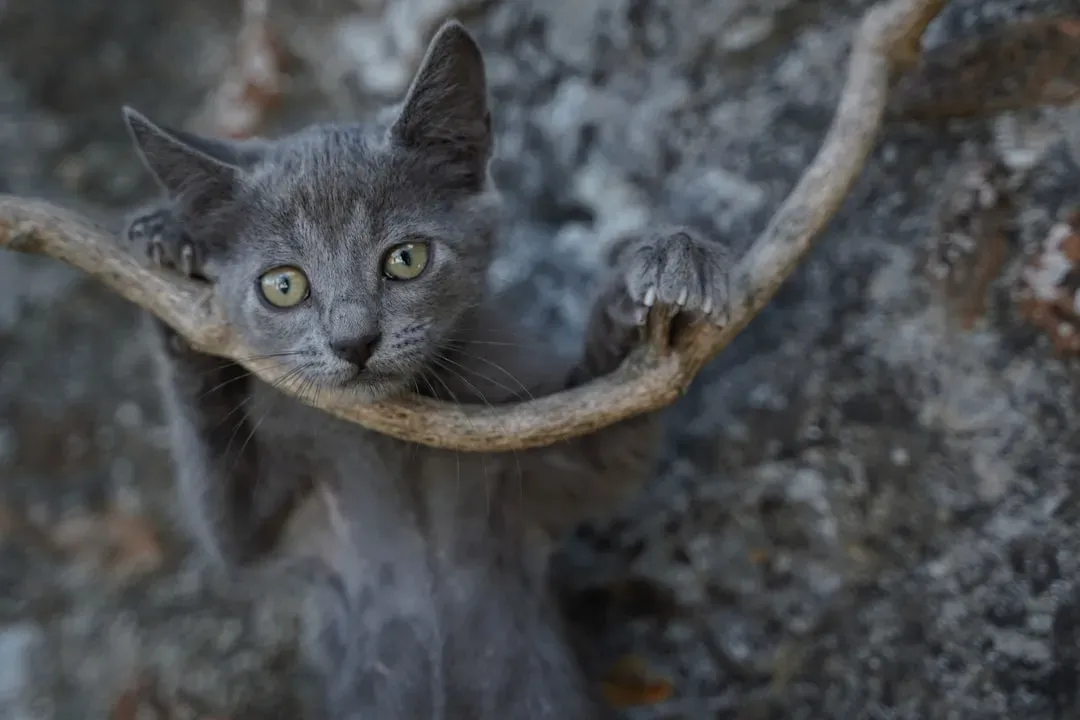
Every time your cat leaps onto the highest point in the room and surveys their domain with that cool, unblinking gaze, they are doing something profoundly ancient. They are not being dramatic. They are not showing off. They are honoring millions of years of evolution that shaped them into one of the most adaptable, instinct-driven creatures on the planet. The refrigerator top is their treetop. Your bookshelf is their lookout. Your home is their wild.
Understanding this does not just make your cat more interesting. It makes you a better companion to them. When you provide vertical spaces, respect their elevated retreats, and stop trying to coax them down from their perches, you are speaking directly to something deep inside them that no amount of domestication has ever fully silenced. That instinct is not something to be corrected. It is something to be celebrated.
So the next time you find your cat casually balanced on top of a doorframe at two in the morning, looking down at you like a tiny, judgmental pharaoh – maybe just appreciate the spectacle. You are not living with a house pet. You are living with a wild spirit that simply agreed to share your space. What do you think about that? Drop your thoughts in the comments.
Kristina is a young writer from India. An arts graduate and an avid content creator, Kristina is passionate about animals and wildlife. She enjoys exploring topics related to pet care, animal behavior, conservation, and nature, combining thorough research with engaging storytelling.