You’re sitting quietly on the couch, maybe half-watching something on TV, and your cat is perched a few feet away just staring at you with that signature feline intensity. Then it happens. Those eyes slowly, deliberately close and reopen, like a tiny, furry ceremony. You’re left wondering if you imagined it, or if something meaningful just passed between you.
It wasn’t your imagination. That moment was real, and it carried weight. The cat slow blink is one of the most quietly fascinating behaviors in the animal kingdom, a form of communication so subtle that millions of pet owners have lived with it for years without realizing its full significance. What does it actually mean? Why does it happen? And what does the science say? Let’s dive in.
What Exactly Is a Cat Slow Blink?
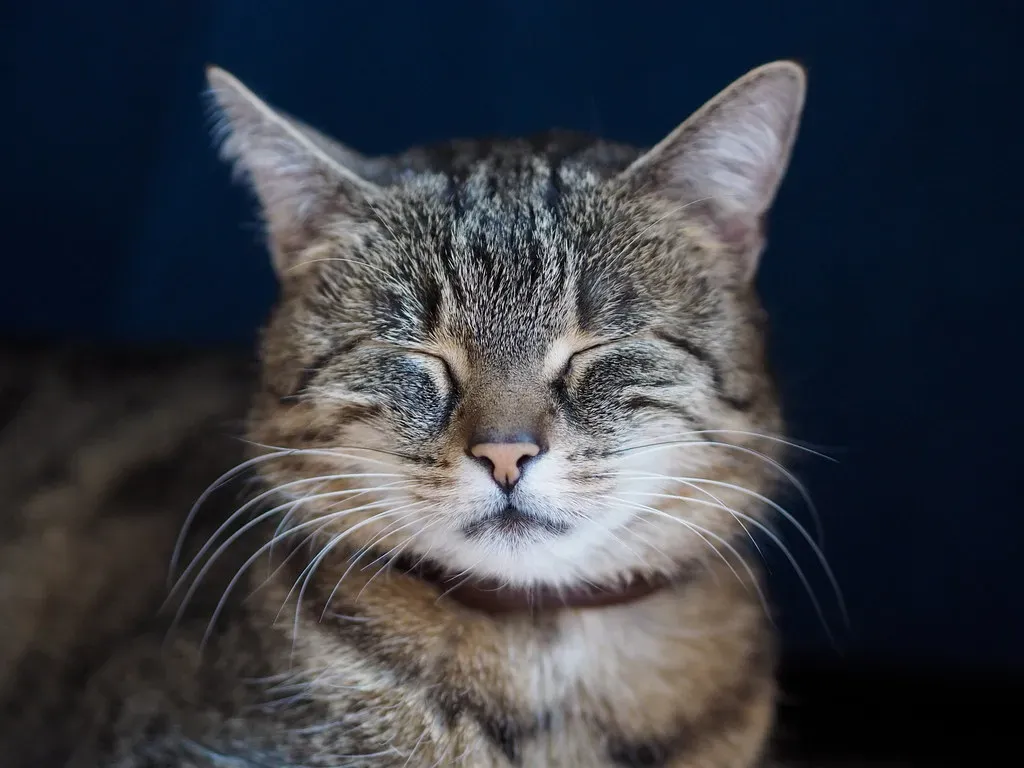
A cat slow blink is a nuanced form of non-verbal communication characterized by deliberately slow eye movements. Unlike a quick blink, this behavior involves partially or completely closing the eyelids at a notably slow pace, typically lasting more than half a second. Think of it less like blinking and more like a long, lingering exhale through the eyes.
The eyes are deeply important in signaling emotions, with the act of narrowing the eyes appearing to be associated with positive emotional communication across a range of species. This study examined the communicatory significance of a widely reported cat behavior that involves eye narrowing, referred to as the slow blink sequence. Slow blink sequences typically involve a series of half-blinks followed by either a prolonged eye narrow or an eye closure. So it’s not one single movement. It’s a sequence, almost like a tiny emotional monologue.
The Science That Proved What Cat Lovers Always Suspected
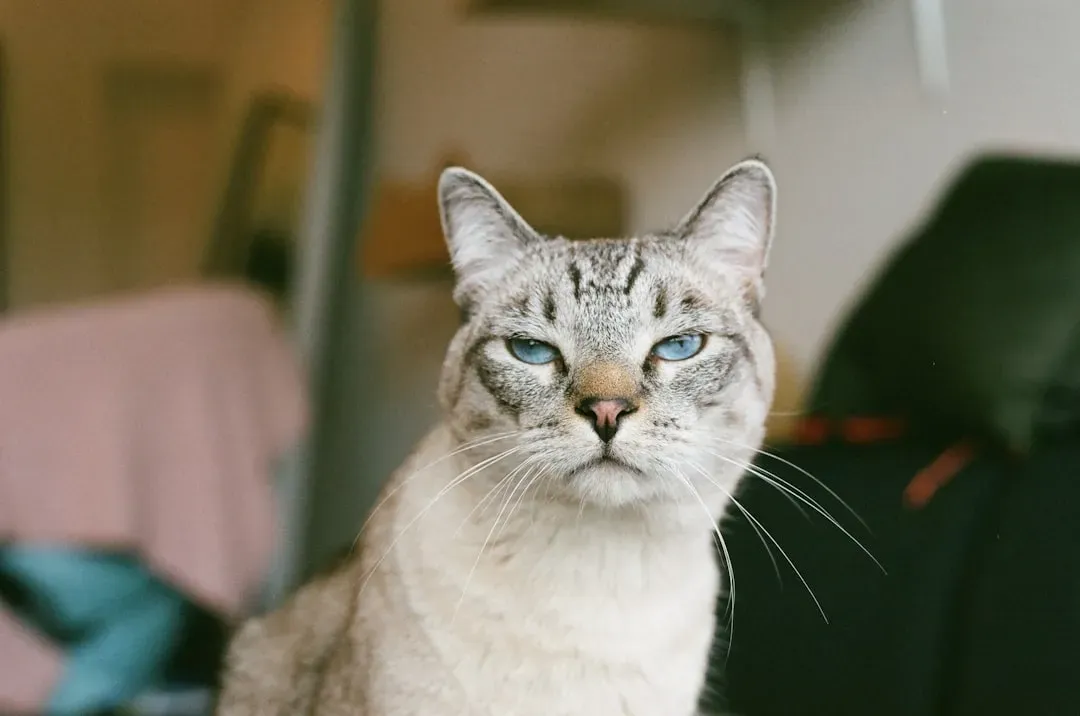
The study, titled “The role of cat eye narrowing movements in cat-human communication,” published in the Nature journal Scientific Reports, showed for the first time that it is possible to build rapport with a cat by using an eye narrowing technique with them. This eye narrowing action by humans generates something popularly known as a cat smile, the so-called “slow blink,” and seems to make the human more attractive to the cat. Honestly, this is one of those research findings that feels both surprising and totally obvious at the same time.
The team, led by Dr. Tasmin Humphrey and Professor Karen McComb, animal behavior scientists at the University of Sussex, undertook two experiments. The first revealed that cats are more likely to slow blink at their owners after their owners have slow blinked at them, compared to when they don’t interact at all. In other words, you can actually start a visual conversation with your cat, and they will respond. That is remarkable.
Why Closing Your Eyes Around a Cat Is Such a Big Deal
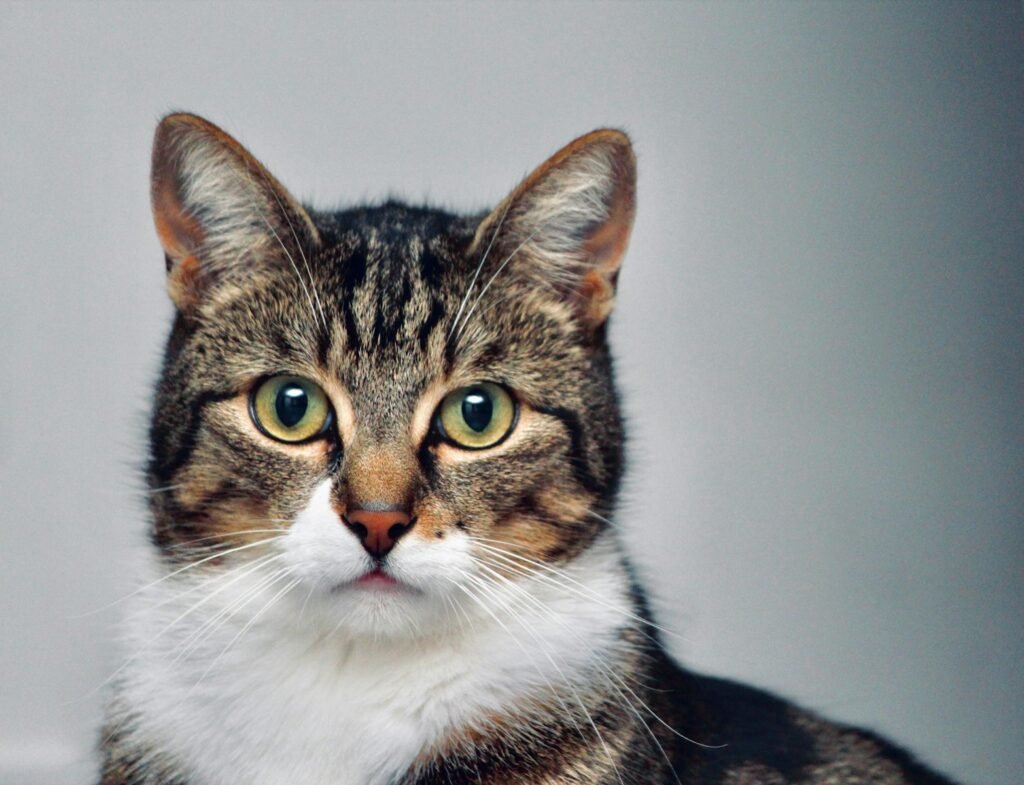
In the feline world, closing their eyes in the presence of another creature makes them vulnerable, as they are unable to detect potential threats. Stop and sit with that for a moment. A predator-prey animal, hardwired for survival, is willingly switching off its threat detection around you. That is not a small thing. That is an enormous thing.
When you are present and your cat makes itself vulnerable by closing its eyes, even for a half-second, you have officially made it inside your pet’s circle of trust. It’s the universal feline language of love, and if you want to better communicate with your cat, it’s essential to understand your cat’s blinks. Being admitted into a cat’s circle of trust feels a bit like being handed a VIP pass you didn’t know you were applying for.
How the Landmark University of Sussex Study Was Conducted
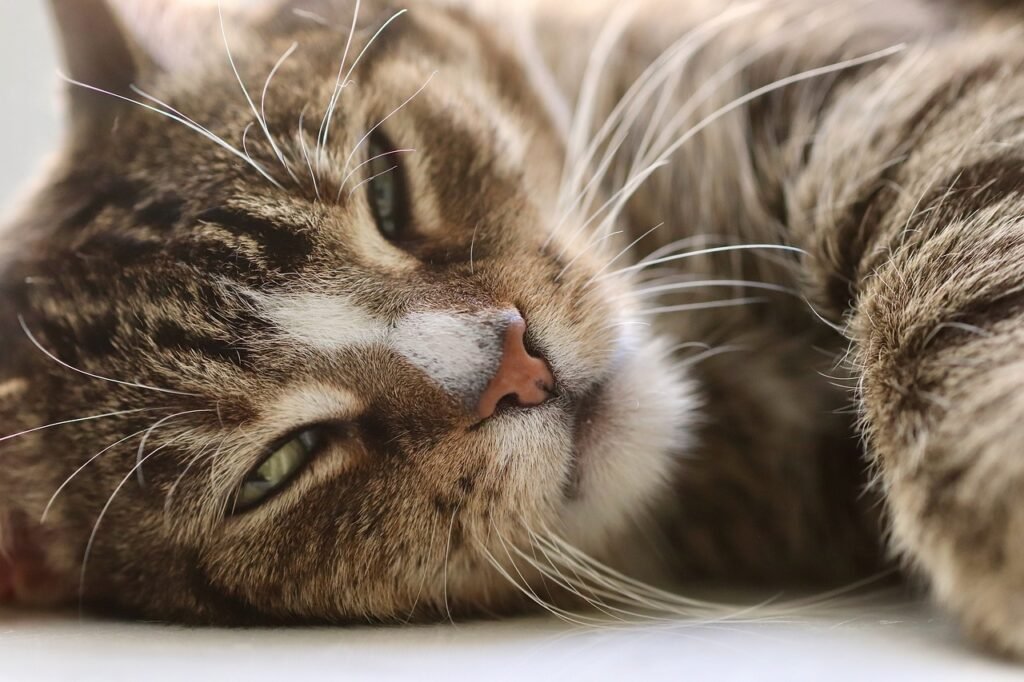
A team of psychologists designed two experiments to determine whether cats behaved differently towards slow-blinking humans. In the first experiment, owners slow-blinked at 21 cats from 14 different households. Once the cat was settled and comfy in one spot in their home environment, the owners were instructed to sit about a meter away and slow-blink when the cat was looking at them. Cameras recorded both the owner’s face and the cat’s face, and the results were compared to how cats blink with no human interaction.
The researchers performed the same slow-blink process in the second experiment, adding an extended hand toward the cat. Not only were the cats more likely to blink back, but they were also more likely to approach the human’s hand after the human blinked. In cat terms, that’s a strong endorsement. Approaching a stranger is not casual feline behavior. It signals genuine comfort and curiosity, not just tolerance.
It’s a Cat’s Version of a Smile, and It Works Both Ways
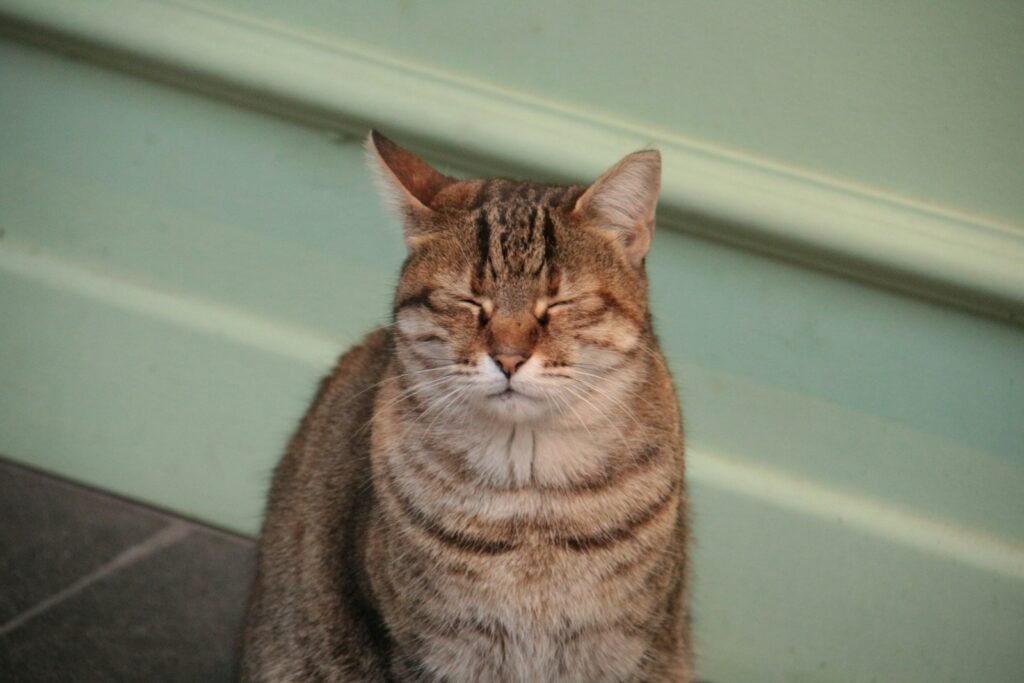
This gesture is comparable to a human smile, a universal sign of comfort, trust, and positive emotional connection. It’s a cat’s way of communicating that they are relaxed and feel no threat in your presence. I think that parallel is beautiful. Two completely different species, separated by millions of years of evolution, finding a shared gesture that means “I’m okay with you.”
Eye narrowing movements in cats have some parallels with the genuine smile in humans, the Duchenne smile, as well as eye narrowing movements given in positive situations in some other species. The Duchenne smile is the one that reaches the eyes, the involuntary real smile. The fact that cats may be doing something neurologically similar when they slow blink is, to put it plainly, mind-blowing.
Cats Use the Slow Blink With Each Other Too
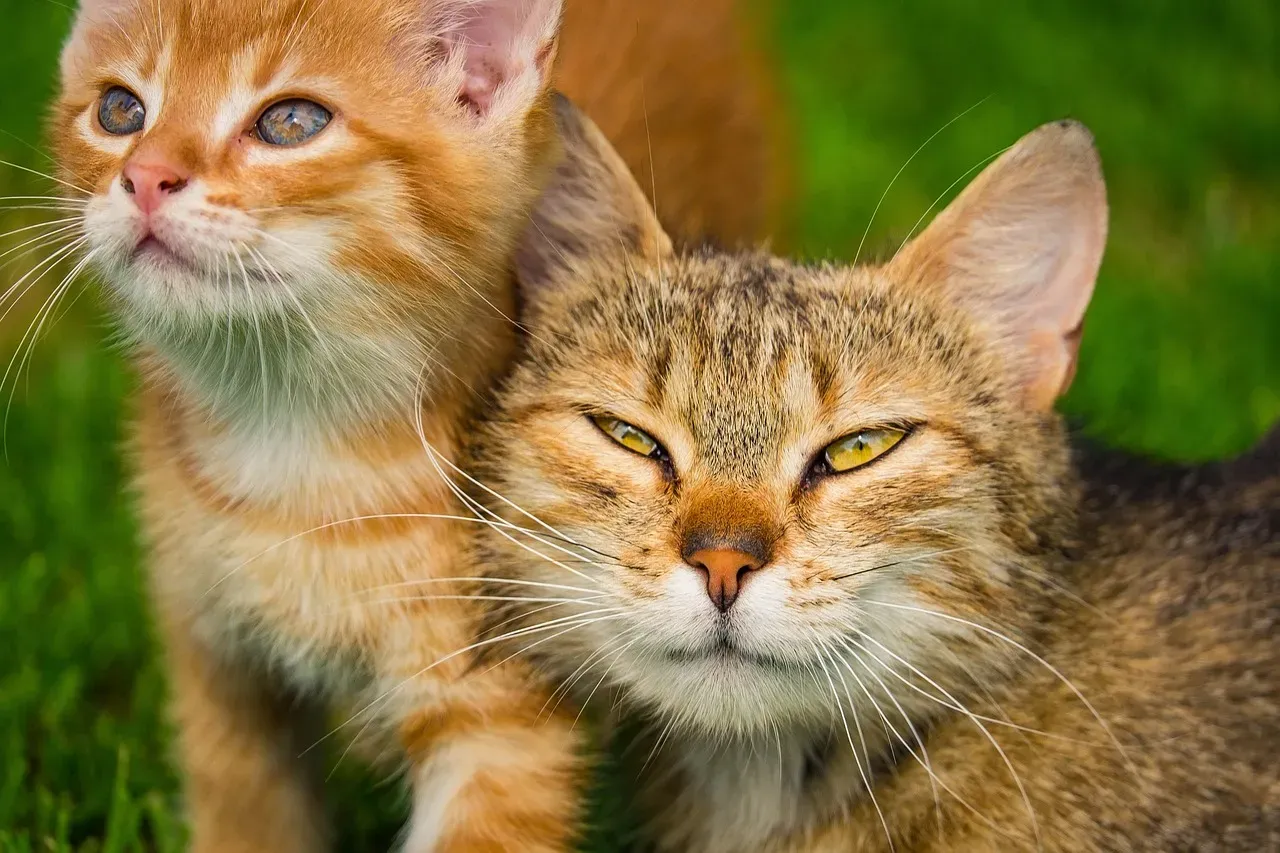
Cats don’t just use slow blinking with humans. They employ this technique with other cats as well, using it as a social cue to indicate peaceful intentions and mutual respect. In the complex world of feline communication, a slow blink is like a diplomatic gesture of goodwill. So if you watch two cats in a household exchanging slow blinks, you are essentially witnessing a peace treaty being signed in real time.
When you see one cat slow blinking at another cat, it means they are communicating that they are friendly and not threatening to the other cat. On the other hand, a hard stare between cats is usually perceived as a threat or a challenge. Unlike meowing, cats do slow blink at each other. You are more likely to see this among two cats who are not threatened by each other’s presence. The contrast between a slow blink and a hard stare in the feline world is literally the difference between a warm handshake and a pointed finger.
How to Slow Blink Back at Your Cat the Right Way
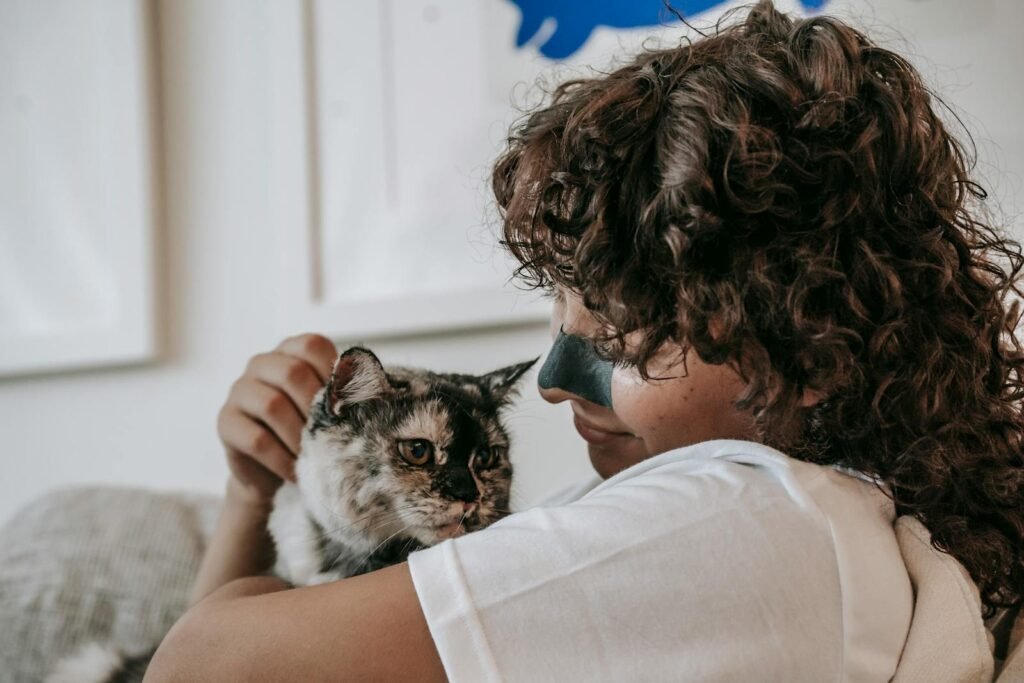
While communicating through slow blinking requires attention and eye contact between humans and cats, it is also recognized that direct eye contact in the form of a prolonged stare can be perceived negatively and as threatening behavior by cats, so slow blinking needs to be used in a subtle, non-confrontational way. This is key. You want to look approachable, not confrontational. Soft energy, not laser focus.
Here’s the technique: Try narrowing your eyes at them as you would in a relaxed smile, followed by closing your eyes for a couple of seconds. You’ll find they respond in the same way themselves, and you can start a sort of conversation. The whole thing takes maybe three seconds. Yet in those three seconds, you are speaking fluent cat. Few things in pet ownership are this simple and this rewarding at the same time.
Slow Blinks May Have Evolved Through Domestication
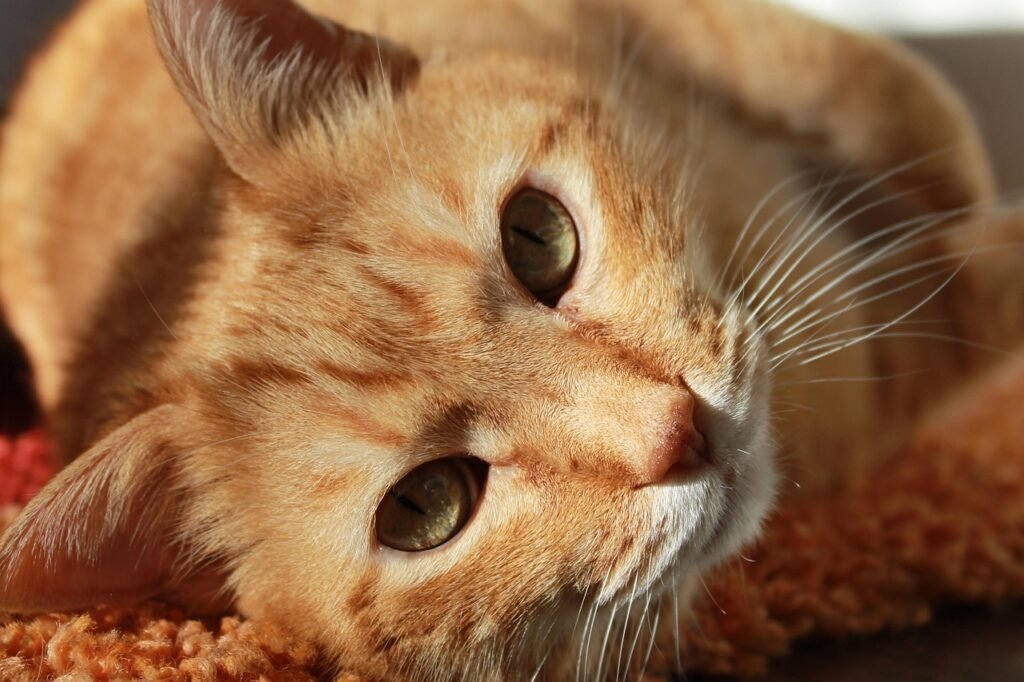
Dr. Tasmin Humphrey and her colleagues suggest that this behavior might have evolved through cat-human interactions. It could be an adaptive communication strategy that developed as cats learned that humans respond positively to this subtle signal. Some researchers theorize that slow blinking might have originated as a way to break an intense, potentially threatening gaze. Think of it like this: over thousands of years, the cats that smiled at their humans got fed, sheltered, and kept warm. Natural selection has a sense of humor.
Research demonstrates for the first time that cats that responded to human slow blinking, specifically by using eye closures, were rehomed quicker than cats that closed their eyes less. This suggests that the use of slow blinking may have given cats a selective advantage during the domestication process. So the slow blink was not just emotionally useful. It was evolutionarily smart. The cats that mastered the art of the silent eye compliment had better survival outcomes. Honestly, respect.
When a Slow Blink Is NOT What It Seems
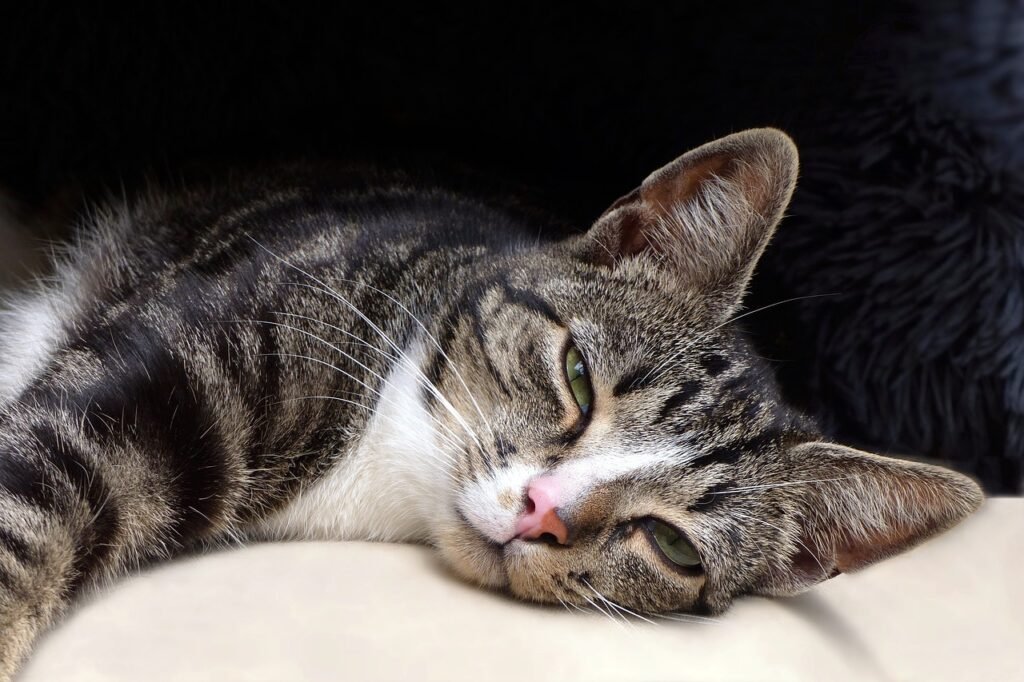
A cat’s slow blinking doesn’t always communicate trust or affection. That’s because what looks like a slow blink is actually a squint, which generally means your pet is experiencing pain, discomfort, or injury. This is where it pays to know your cat well. Context matters. A voluntary, relaxed slow blink during a calm moment is very different from a tight, painful squint that something is clearly wrong.
While medical issues like conjunctivitis or allergies can cause squinting, slow blinking is rhythmic and voluntary. It typically occurs during calm interactions and involves both eyes symmetrically. If your cat shows redness, discharge, or avoids light, consult a veterinarian. The key difference to watch for is symmetry and context. A genuine slow blink is peaceful and even. A squint caused by discomfort tends to be one-sided, tense, or accompanied by other signs of distress.
Building a Deeper Bond Using the Slow Blink Technique
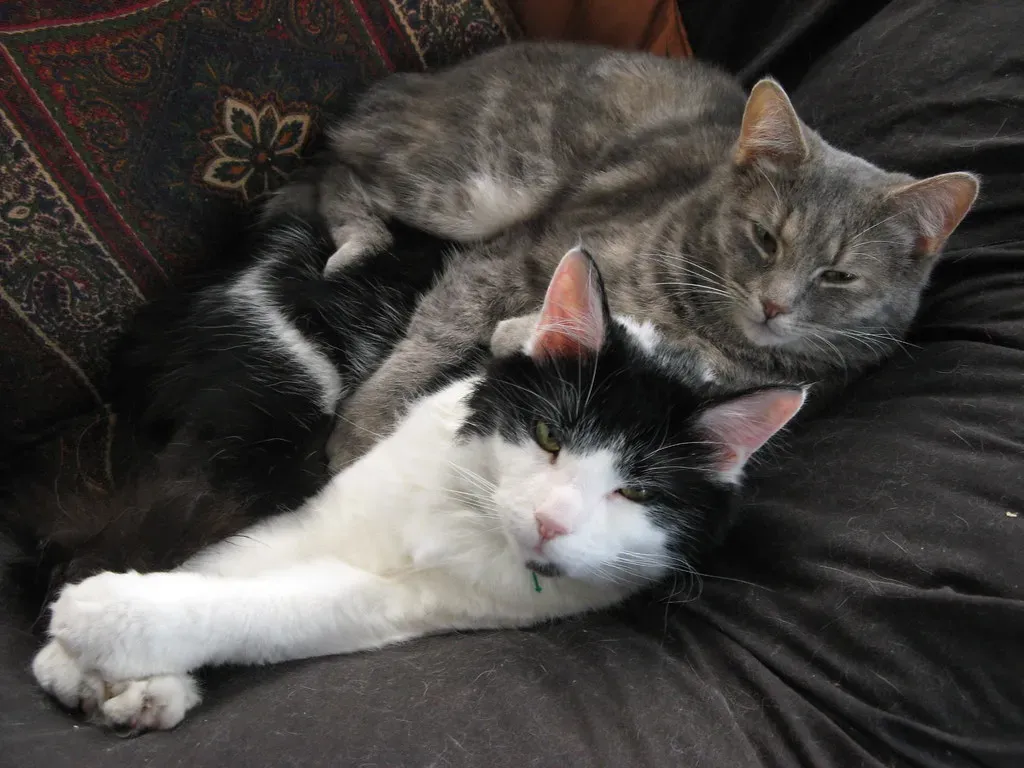
The slow blink technique works especially well with timid or newly adopted cats. It allows communication without physical pressure, which can be overwhelming. Over time, regular slow-blink exchanges can help reduce anxiety and foster attachment. Some owners report that after initiating slow blinks, their cats begin approaching more readily, purring, or even head-butting, which is the ultimate feline compliment.
Much like humans, cats have different types of love languages, and with a little patience and consistency, you can figure out the subtle cues that yours trusts you. Slow blinking is a simple yet powerful way to connect with your cat on a deeper, more emotional level. Whether your cat is a slow blinker or shows affection in other ways, being present, observant, and responsive goes a long way. Every cat expresses love differently, but when you take the time to understand their unique language, you’re building a foundation of trust and love. It’s hard to say for sure exactly how much a single blink can change a relationship, but judging by what the research shows, it may be more than you would ever expect.
Conclusion: The Blink That Says Everything
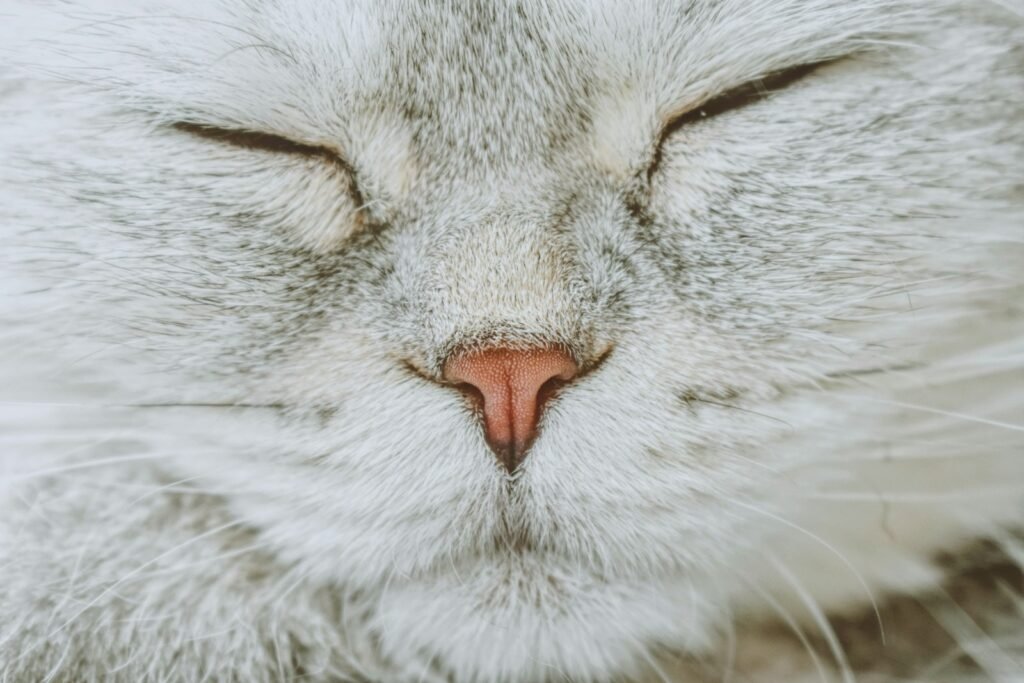
There is something quietly extraordinary about the cat slow blink. In a world full of noise, it is a moment of pure stillness and intentional connection. Your cat is not a talker. It is not going to throw its arms around you or wag a tail at warp speed. It communicates in the language of calm, of subtlety, of things left deliberately unsaid.
The slow blink sequence appears to be an indicator of positive emotion in cats. Identifying observable indicators of positive emotions has practical benefits for the welfare of animals by providing assessment markers of an individual’s current welfare and pointing to behaviors that can be promoted to produce a better quality of life. That quiet half-second of closed eyes is your cat handing you its full trust on a silver platter.
So the next time your cat locks eyes with you and slowly lets those lids fall, don’t look away. Blink back. Start the conversation. Way more than just an adorable quirk, your cat’s slow blinks are a profound and beautiful language of their own. They’re a sign of your cat’s trust and affection in you, even if it’s not so obvious. In the economy of feline emotion, a single slow blink is worth a thousand words. Has your cat ever slow blinked at you? Did you blink back? Tell us in the comments.
Kristina is a young writer from India. An arts graduate and an avid content creator, Kristina is passionate about animals and wildlife. She enjoys exploring topics related to pet care, animal behavior, conservation, and nature, combining thorough research with engaging storytelling.