You probably think you know your cat pretty well. After all, you live together. You share a couch, a blanket, occasionally a pillow. You’ve decoded the loud pre-breakfast meow and the dramatic flop onto the floor. But here’s the thing – cats are masters of subtlety. The most meaningful signals they send often fly completely under the radar, mistaken for quirky habits or plain old weird cat behavior.
Most of us were raised to believe cats are independent, detached creatures. As it turns out, their relationships with humans are far more complex than we might think. Beneath all that aloofness is a creature with genuine emotional needs, and the way your cat asks you to meet those needs can be surprisingly quiet. So if you’ve ever wondered whether your cat actually wants more from you, you might be shocked by what you’re already missing. Let’s dive in.
The Slow Blink That’s Actually a Love Letter
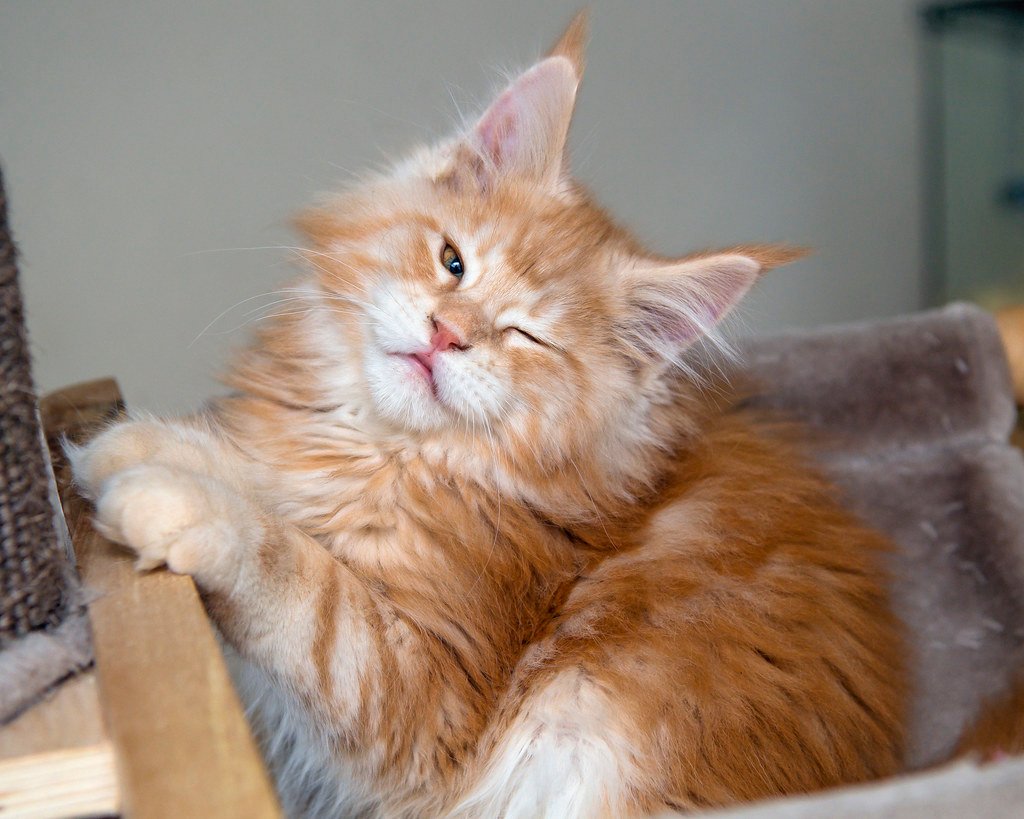
It happens in the middle of a quiet evening. Your cat is sitting across the room, seemingly doing nothing, and then they make slow, deliberate eye contact with you and blink. Slowly. Softly. As if they have all the time in the world. Most people gloss right past this, assuming the cat is simply drowsy. They’re not.
Cats blink slowly to show affection and relaxation. If a cat blinks slowly at you, they are not threatened by you – in fact, they trust you. To bond with a cat that blinks slowly at you, you can return their gesture by blinking slowly back at them. Think of it like a handshake in cat language. When you return the slow blink, you’re essentially telling your cat, “I see you. I feel safe with you too.” Try it tonight, and watch how your cat responds. It’s honestly one of the sweetest little exchanges you can have with an animal.
The “Accidental” Sit-On-Your-Laptop Move
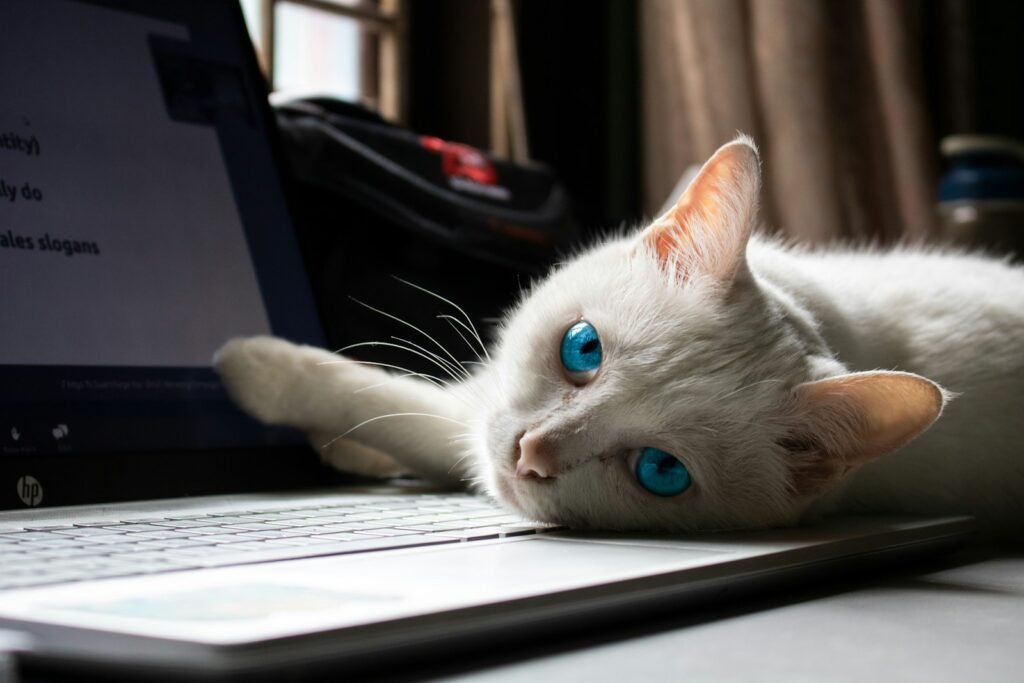
You’re deep into work, focused, maybe even in a flow state, and then a warm, furry body descends directly onto your keyboard. You’ve probably laughed it off as typical cat chaos. Honestly, though, this is one of the most calculated moves in the feline playbook.
Cats can become demanding about getting your attention to the point that they try to distract you from your current task. You could be working or reading a book and find your cat lying on top of it. While cats can do it because the laptop or book is a comfy resting place, it could also be their way of redirecting your attention to them instead. So the next time your cat parks themselves on your keyboard, try not to see it as an interruption. See it as a request. A bold, slightly inconsiderate, but entirely genuine request for your time.
Following You from Room to Room
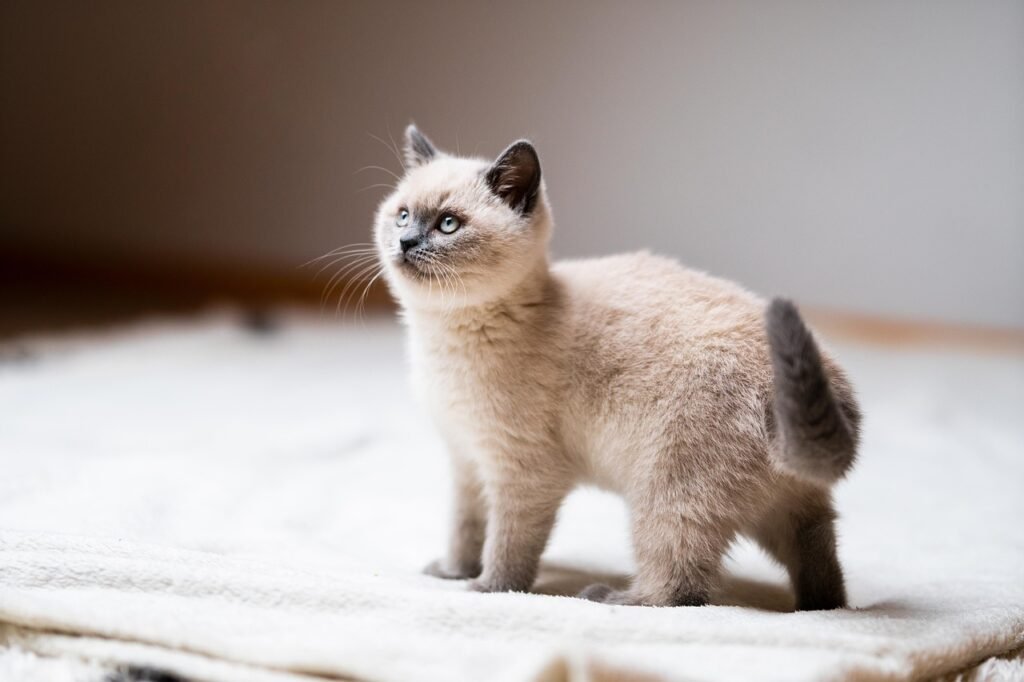
You go to the kitchen. Your cat follows. You go to the bathroom. Your cat follows. You move to the bedroom. Your cat is somehow already there. It can start to feel a little like being shadowed by a tiny, fur-covered private detective – and it’s not random behavior at all.
If your cat is following you, it could be a sign that they want your attention. Many cats do it around feeding time to signal they want to be fed, but others do it because they crave attention. Kittens may start following their owners around because they want to play, as it is what they would do to their littermates. Some cats are clingier than others and have learned that following you around gets your attention when you are moving around the house. It’s their version of tapping you on the shoulder repeatedly. The message is simple: “Hey. I’m here. Notice me.”
The Soft Trill or Chirp That Sounds Like Nothing Important
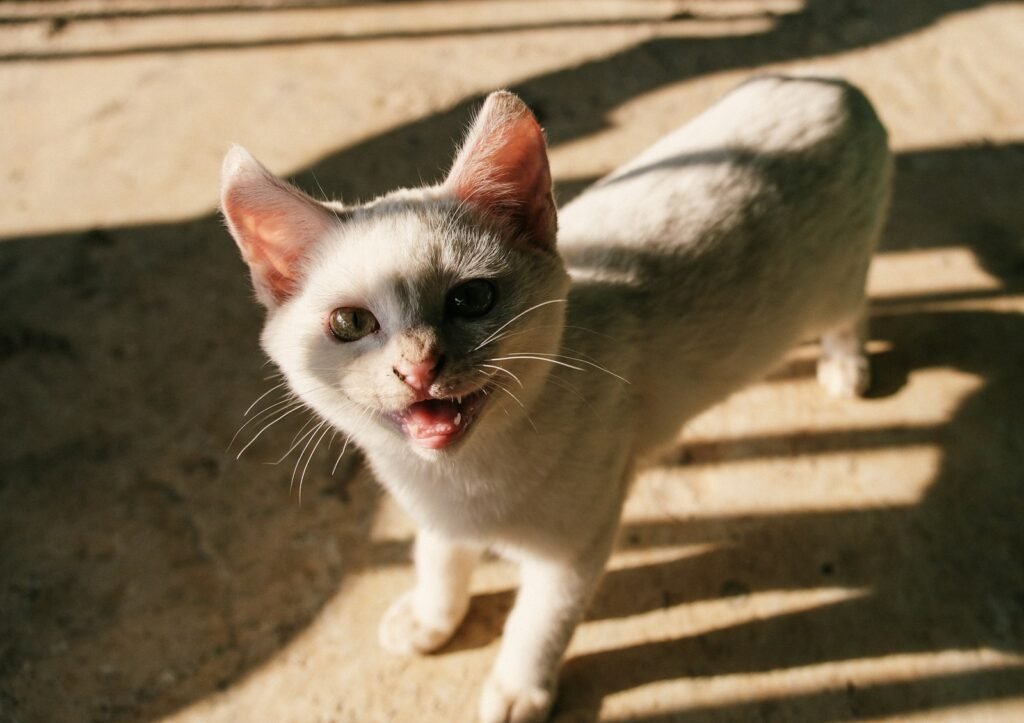
Not every attention-seeking vocalization is a loud, dramatic meow. In fact, the quieter sounds are often the ones carrying the most intention. You might hear a soft, rising sound almost like a question – a little trill or chirp as your cat hops up beside you. It’s easy to tune out, especially if you’re busy. Don’t.
When your cat jumps up beside you, emitting a soft “trill,” this charming sound is often a friendly greeting or request for attention. Cats use a variety of vocalizations to communicate with humans and other cats. A cat may purr to express their contentment and pleasure, meow when greeting someone or asking for something like food or attention, or trill (which is like a high-pitched purr) to show they are friendly. That little chirp is your cat reaching out in the gentlest possible way. Responding to it – even just with a soft word or a glance – tells your cat that you heard them.
Kneading You Like You’re the Best Thing That Ever Happened
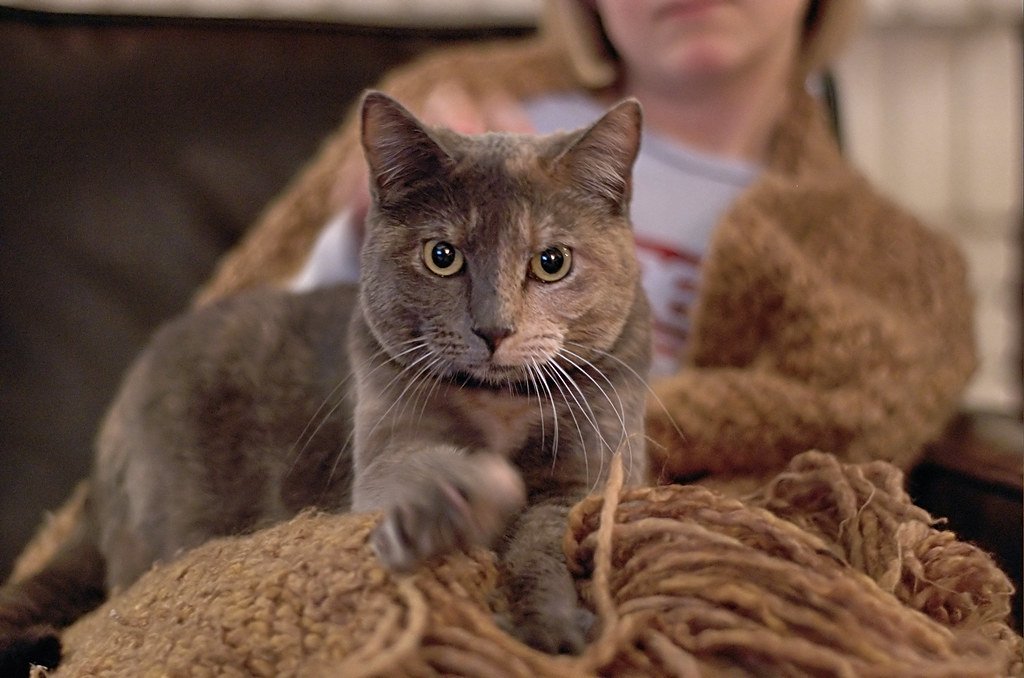
There is something almost hypnotic about watching a cat knead. Those rhythmic, push-pull paw movements on a blanket, a pillow, or worse, directly on your stomach. It looks like contentment. It often is. But it’s also a bid for closeness that many people don’t fully recognize for what it is.
One example of pawing is kneading, or “making biscuits,” on their favorite blanket, couch, cat bed, or human companion. Cats may knead to self-soothe when feeling stressed or anxious, but they also knead when content, comfortable, and relaxed. It is said that kneading is a memory from kittenhood. A suckling kitten stomps its paws on the mother cat’s teat area, so the milk is secreted better. When kneading, the cat feels good and safe. When your cat kneads on you specifically, they’re essentially saying you are their safe place. That’s not nothing. That’s everything.
The Intense Stare from Across the Room
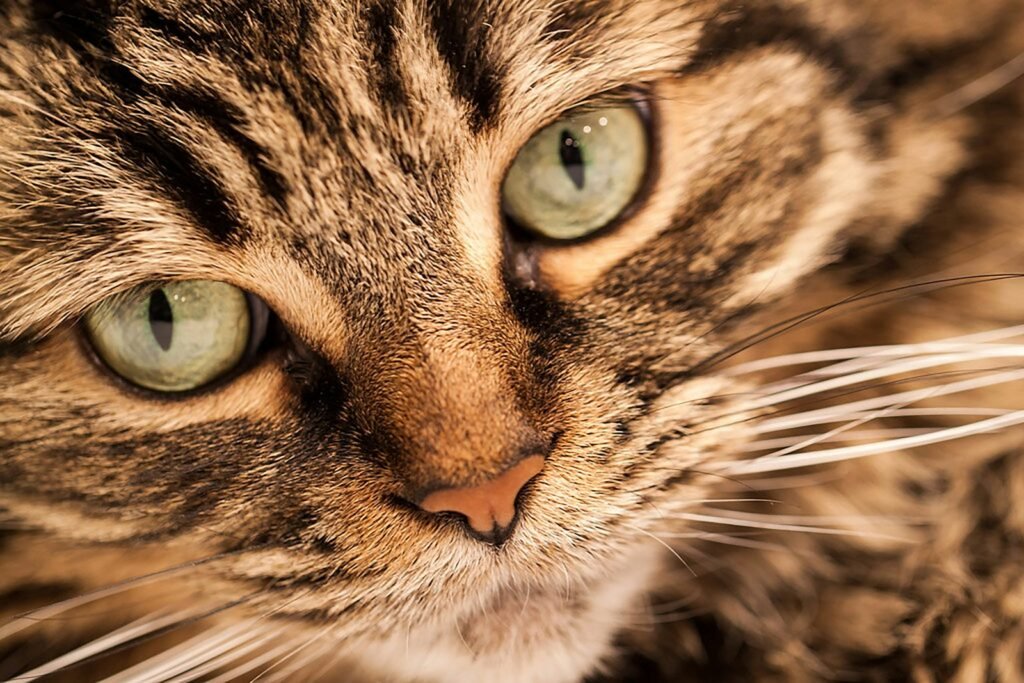
You feel eyes on you. You look up, and there’s your cat – sitting perfectly still, staring at you with an expression that could mean a thousand different things. Most people find it mildly unsettling. A few find it creepy. What it actually is, though, is your cat trying to get through to you without making a sound.
Cats have a way of getting our attention simply by staring at us. They seem to have mastered the art of getting our attention by staring intensely at us from across the room and speaking with their “eyes.” Although some cat owners may find this behavior creepy, cats do it because they are observant animals that like to assess their environment. Your cat’s longing gaze could also signal they want to be fed, especially if they do it from their feeding area. However, some cats will stare until we eventually give them attention, whether it is in the form of cuddles, a toy, or their favorite treat. The next time you catch that stare, don’t look away. Acknowledge it. You might be surprised how quickly your cat relaxes or approaches once they feel seen.
Head Butting and Chin Rubbing on Everything You Own
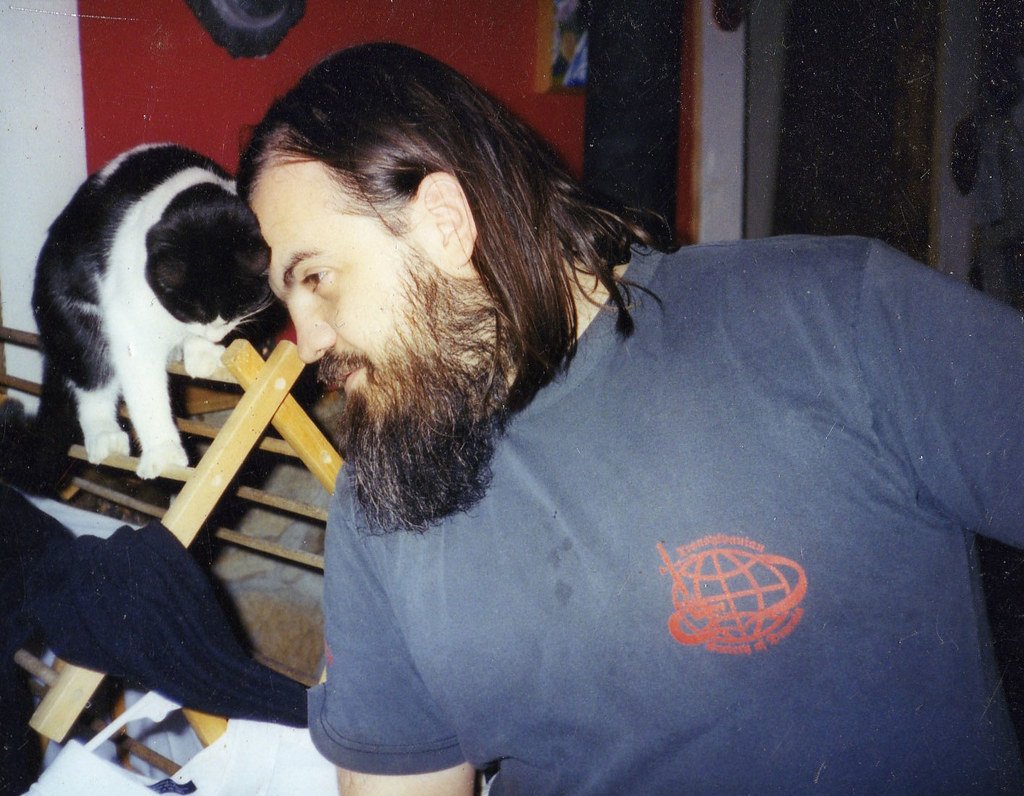
Your cat bumps their head against your hand, your shin, the corner of your book. Then they rub their chin along the edge of your phone, your coffee mug, maybe the side of your face if you’re lucky. It looks like simple exploration. It is, in fact, deeply intentional affection with a clear ulterior motive.
When they’re showing their affection, cats rub themselves on you, often circling or turning in little figure eights. Their tails are held high, often with a tiny curve at the very end, showing that they’re happy to see you or another cat. Head butts and chin rubbing also are clear signs that your cat loves you because cats have scent glands in their faces that allow them to claim friends and objects as their own. An arched back after a good night’s sleep is part of your kitty’s stretching routine, but if it’s accompanied by gentle “head butting” against your arm or leg, it’s a clear sign that your fur baby is looking for one-on-one time that includes lots of pets. Essentially, your cat is marking you as theirs – and asking for reciprocal attention in the same breath. It’s possessive in the most adorable way imaginable.
Sitting Right Outside the Door When You’re Busy
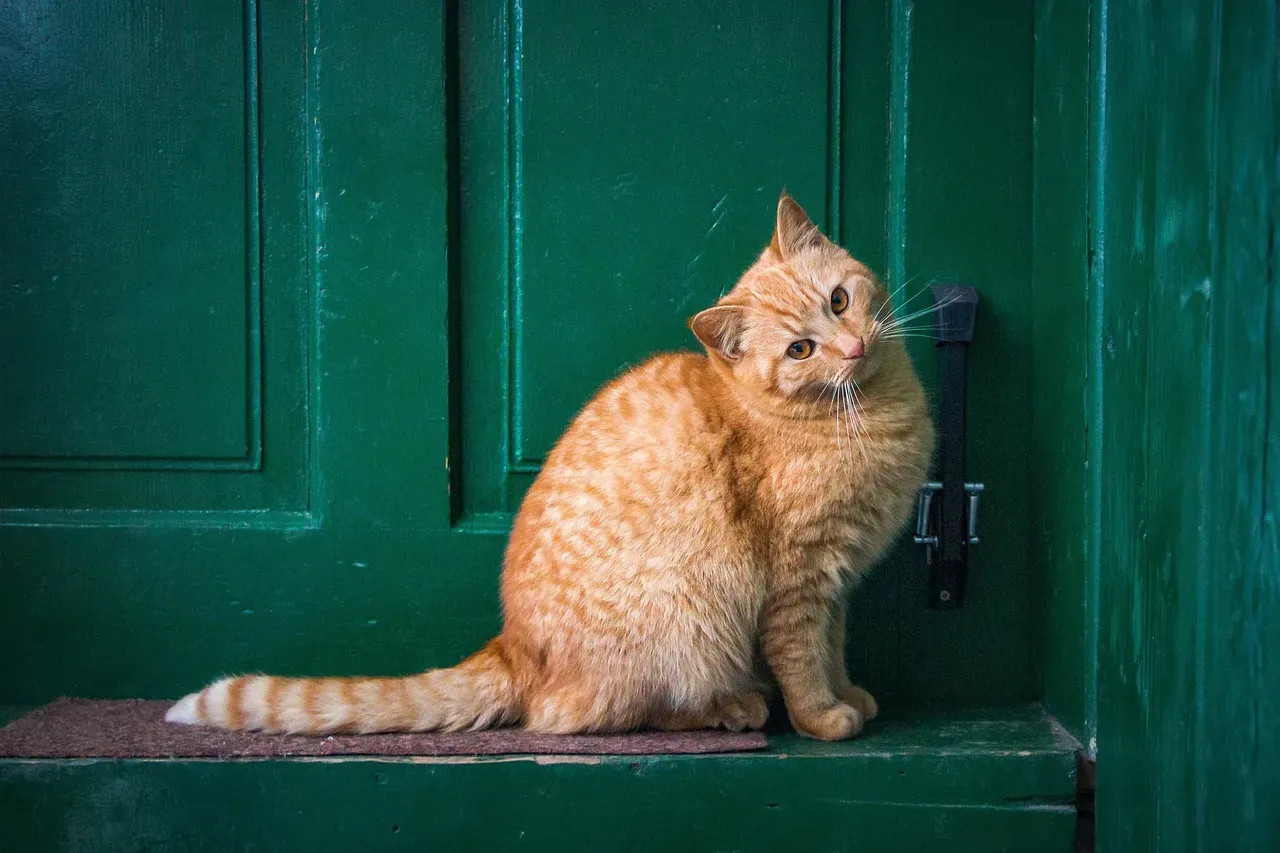
You close your home office door to focus. Ten minutes later, you hear it – the faint scratch, the soft meow, maybe just the unmistakable sense that someone is sitting on the other side, waiting. It’s not aggressive. It’s not desperate. It’s patient, quiet, and almost heartbreaking in how polite it is.
If you find your cat waiting outside your door or scratching and meowing outside of it, it may be best to compromise. Attention-seeking cats will often stare at you, scratch at a closed door, or follow you around. That door-side vigil is your cat essentially sitting in a waiting room for your time and company. They’re not trying to be disruptive. They just genuinely want to be where you are. Hard to be annoyed at that, isn’t it?
Deliberately Knocking Things Off Surfaces While Making Eye Contact
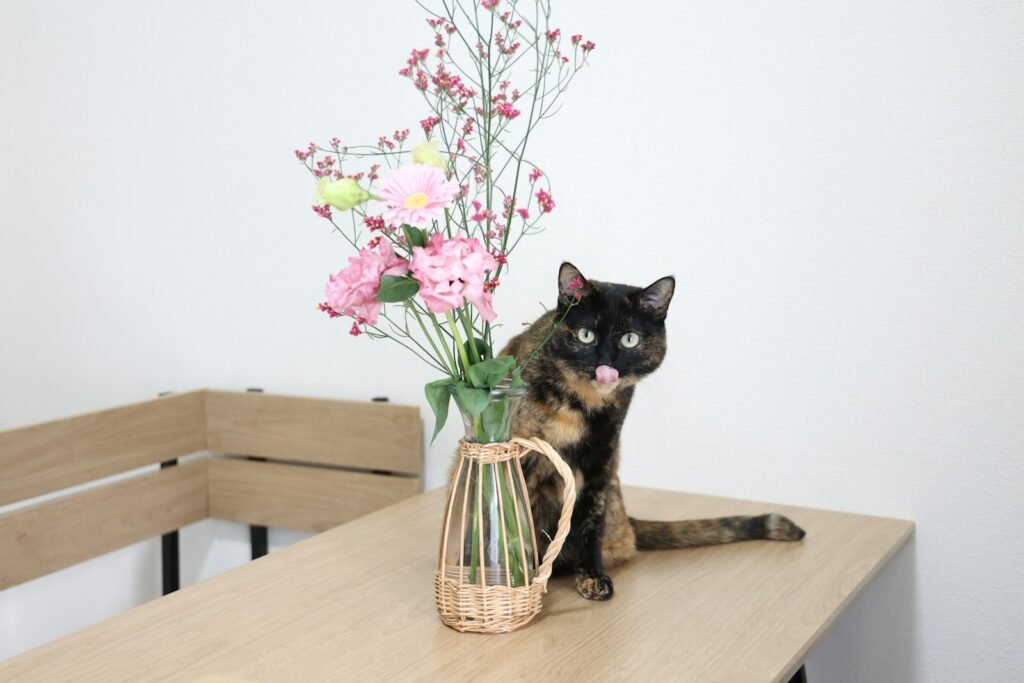
This one has become a cultural joke about cats – the casual paw swipe that sends your pen, your cup, or your prized figurine sailing off the edge of the desk. People laugh. They make memes. What they don’t always realize is that this behavior is far more intentional and emotionally driven than it looks.
Your furry friend uses this foolproof move only when you’re nearby – if you’re not around, there’s no point. Clever cats will locate the item you most treasure and slowly but deliberately push it to the edge of the table, dresser, or shelf, giving you just enough time to run over and catch the heirloom before it falls. If you’re engrossed enough in what you’re doing, however, she’ll send that item crashing to the floor. Either way, she won your attention. It’s manipulative, yes. It’s also kind of brilliant. Your cat has essentially figured out a guaranteed method for making you stop whatever you’re doing and focus entirely on them. I think we can all respect the strategy, even if we’re less thrilled about the shattered mug.
Conclusion: Your Cat Is Talking – Are You Listening?
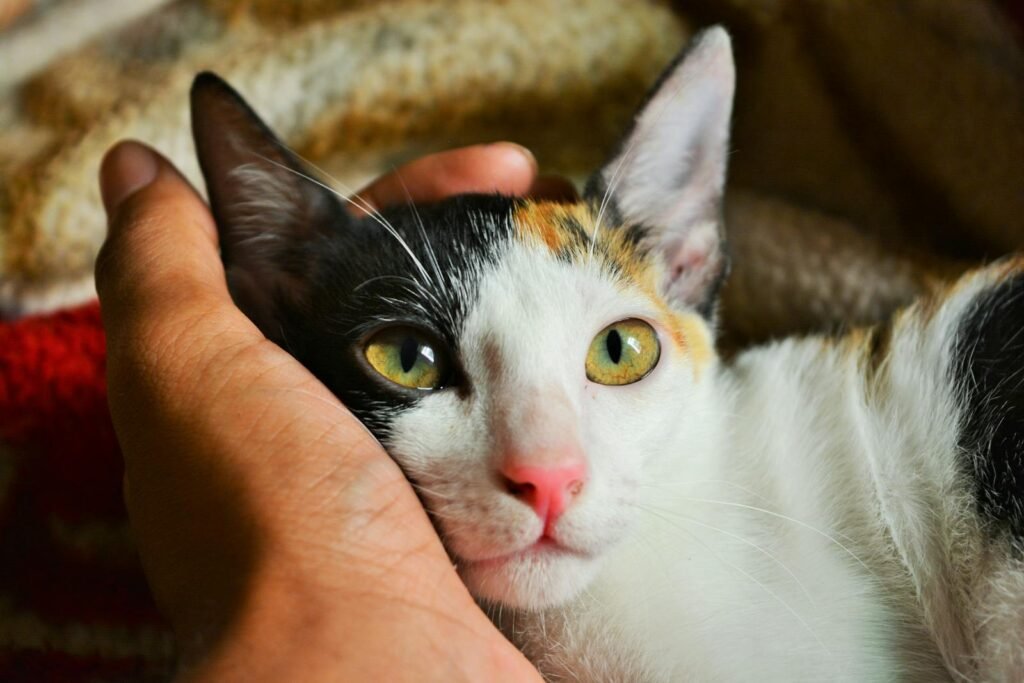
Here’s the thing about cats: they are not the aloof, indifferent creatures that popular culture has spent decades trying to convince you they are. Unlike dogs, who have more of a pack mentality, cats are very subtle in their social structures. They’ve evolved over years of domestication to form strong attachment bonds with humans, often seeking us out for comfort and security. These social interactions are nuanced and vary from cat to cat, but understanding this evolution can help us to meet their complex needs.
The slow blinks, the door-side waits, the perfectly timed laptop invasions – none of it is accidental. If you pay close attention to your cat’s behavior and vocalizations, you can understand them better. Once you can do that, you can determine what your cat could be trying to convey once they have your attention. Recognizing these signs strengthens your relationship and helps ensure your cat’s emotional and physical needs are met.
Your cat has been speaking to you this whole time, in a language made of gestures, glances, and small, quiet moments. The only question is whether you’ve been paying attention. Have you been missing any of these signs? Drop your thoughts in the comments below – you might be surprised by how much your cat has already been saying.
Kristina is a young writer from India. An arts graduate and an avid content creator, Kristina is passionate about animals and wildlife. She enjoys exploring topics related to pet care, animal behavior, conservation, and nature, combining thorough research with engaging storytelling.