You have probably noticed it before. One cat folds itself into your lap the moment you sit down, a warm purring engine that refuses to budge. Another cat, equally loved, equally fed, equally housed, simply chooses the cushion beside you. Same home. Same human. Completely different preference. So what on earth is going on inside that fuzzy little head?
The truth is, the gap between a lap cat and a “nearby” cat is one of the most fascinating puzzles in feline behavior. It involves genetics, brain chemistry, early life experiences, and even the subtle way you move your hands. If you have ever taken it personally that your cat won’t sit on your lap, you may be about to see things very differently. Let’s dive in.
It All Starts with Genetics and What Your Cat Inherited
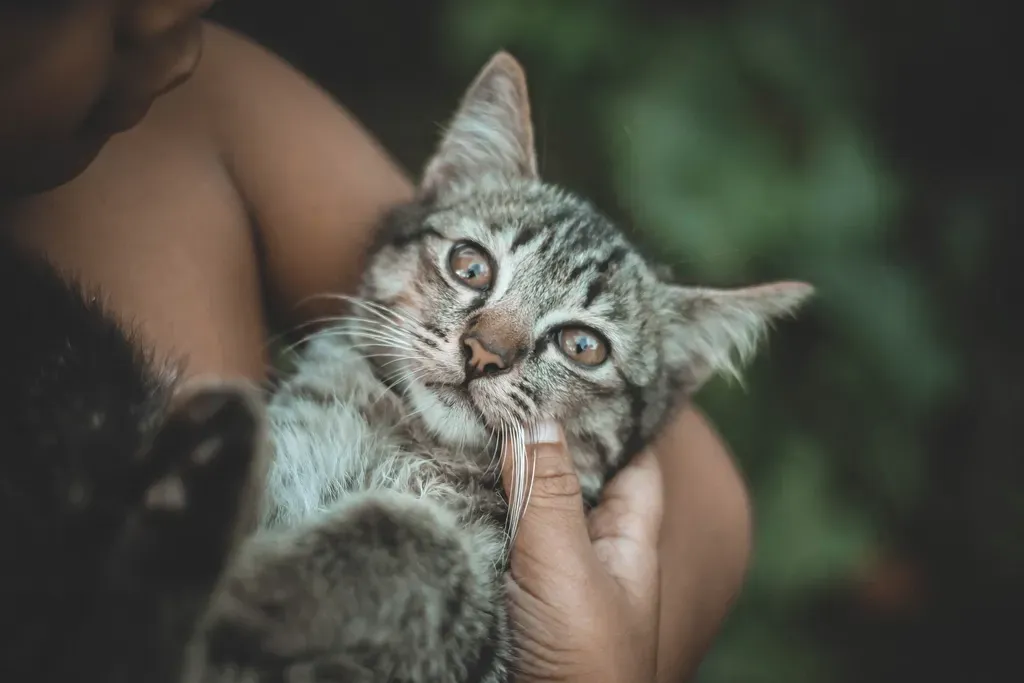
Here is something that might surprise you: your cat’s tendency to curl up on you, or keep a polite distance, may have been partially decided before it ever opened its eyes. Genetics play a significant role in determining whether a cat will become a lap cat or not. Like humans, cats inherit traits from their parents, which include not only physical characteristics but behavioral tendencies as well. Think of it like inheriting your grandmother’s stubbornness or your father’s easy laugh. It runs deeper than you think.
What makes this even more interesting is the role of the father. A series of studies indicates that kittens may inherit their sociability and boldness from their fathers. One study found that even without early socialization, kittens born to friendlier fathers were friendly towards humans. Given that these same kittens were also braver in the face of novel objects, the kittens may have inherited a general boldness rather than specifically a love for humans. So if your cat is a natural lap sitter, you may have its dad to thank.
The Breed Factor: Some Cats Are Simply Wired for Closeness
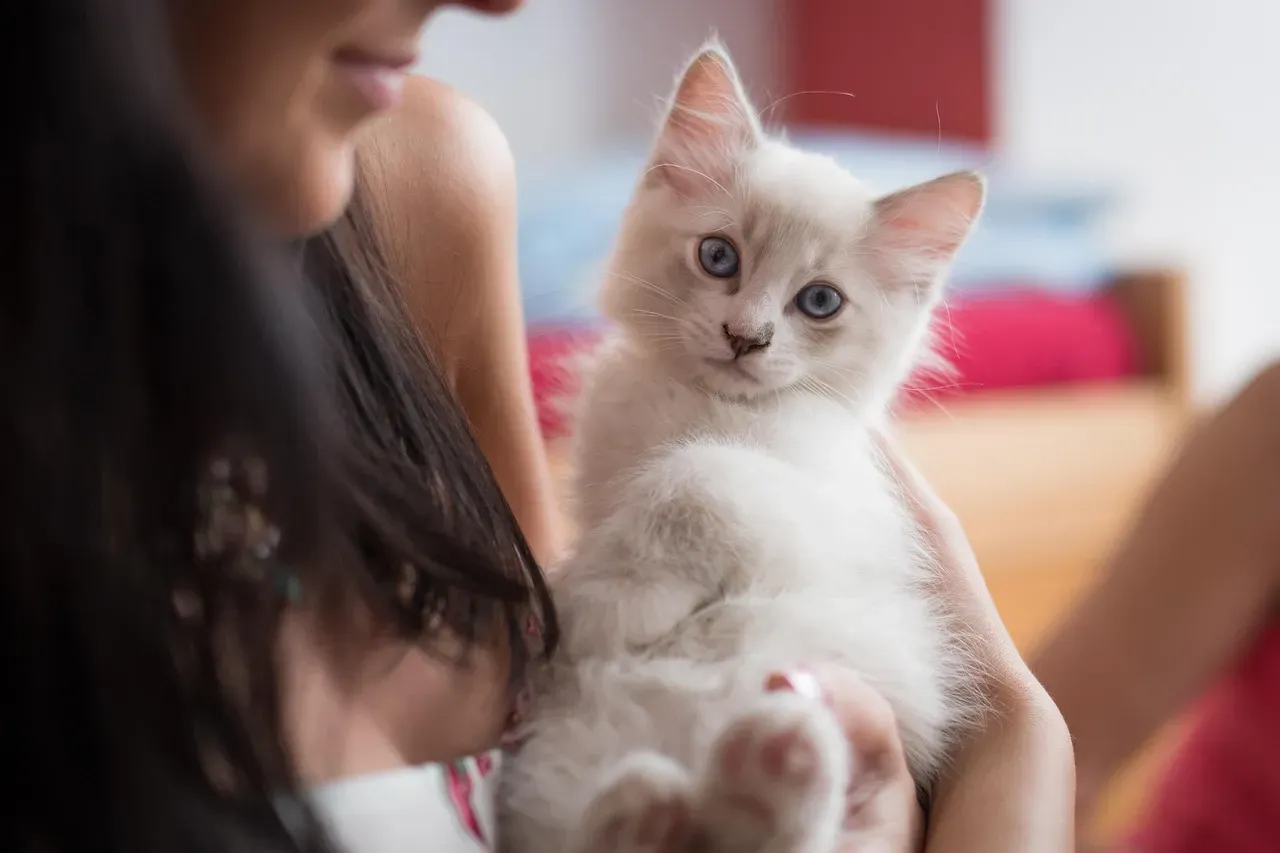
Certain cat breeds are naturally predisposed to being more affectionate and sociable. Ragdolls, known for their relaxed temperament, often earn their nickname by going limp in their owner’s arms. Similarly, Maine Coons, Persian cats, and Siamese breeds typically show strong lap cat tendencies due to their genetic makeup. If you have ever owned a Ragdoll, you already know this firsthand. They are basically living stuffed animals who happen to breathe.
Still, breed alone is never the whole story. Even genetics alone don’t determine whether a cat will become a lap dweller. Even within the same litter, kittens can display vastly different personalities and comfort levels with human contact. Honestly, this is what makes cats so endlessly surprising. You can raise two kittens identically, from the same mother, in the same room, and end up with a lap cat and a bookshelf cat. Knowing your cat’s breed mix may help you predict whether they will be more active or nap-prone, social or standoffish, anxious or easygoing, but these personality generalizations do not hold true for all cats of a certain breed.
The Critical Window: Early Socialization Makes an Enormous Difference
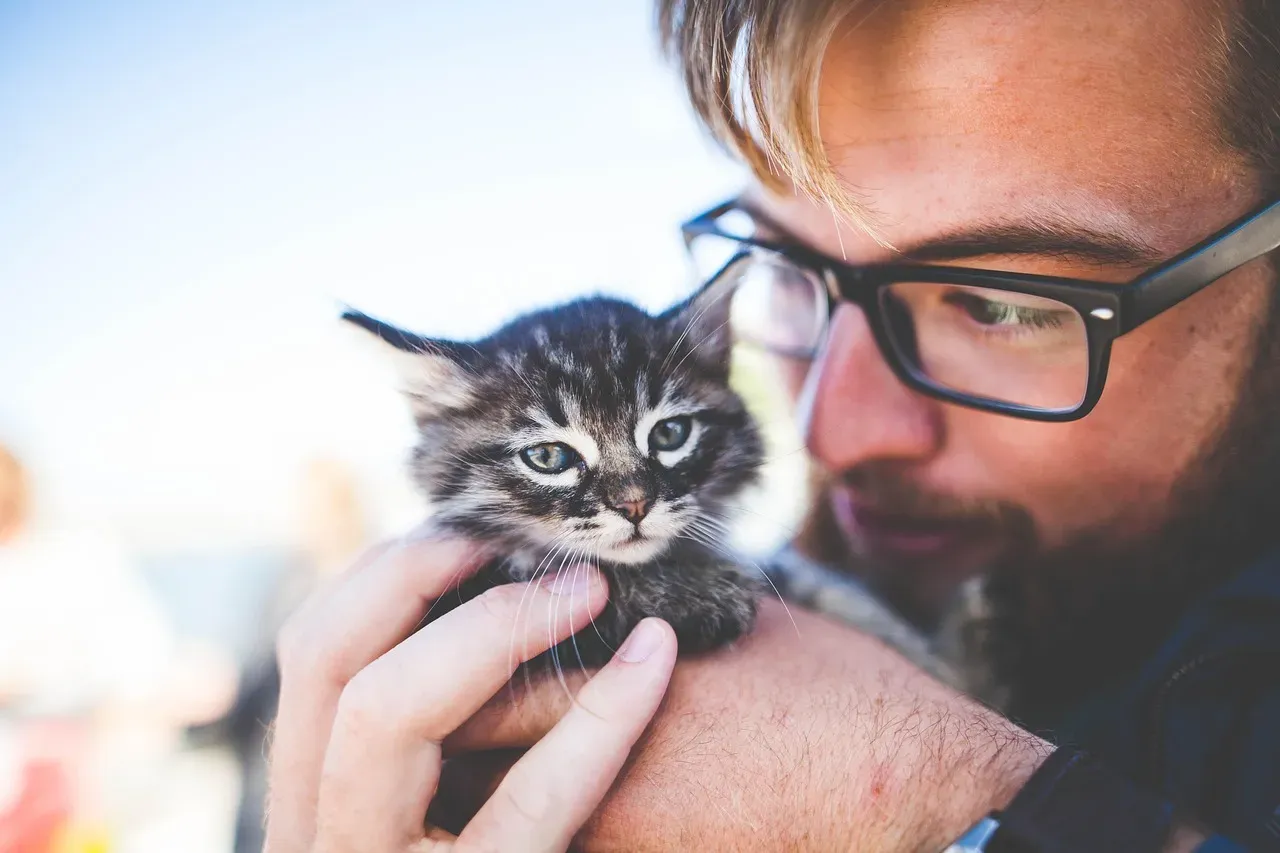
If you want to understand why some cats freely crawl into strangers’ laps while others sprint under the bed at the mere sight of a visitor, look to the first weeks of life. The first few weeks of a kitten’s life play a crucial role in determining their future relationship with humans. Kittens that receive positive human interaction between 2 and 7 weeks of age are more likely to develop into sociable adults who enjoy close contact. That window is shockingly narrow, and what happens inside it leaves a lasting fingerprint.
The first 8 to 16 weeks of a kitten’s life can greatly influence their personality and demeanor. During this period, kittens tend to be fearless in exploring the world around them. It is important to provide them with an enriching environment in order to allow them to become comfortable with a variety of sights, smells, and sounds. The more they are exposed to something as a kitten, the less likely they will be to develop a fear or aversion toward that thing later in life. It is a bit like introducing a toddler to swimming. Do it early and gently, and water becomes a friend. Miss that window, and fear can take hold.
Past Trauma and Experience Shape a Cat’s Comfort with Closeness
Your cat’s past is always in the room with you, even when you cannot see it. A cat’s past experiences can significantly influence its behavior towards humans. Cats that have had positive interactions with humans in the past are more likely to be lap cats. Conversely, cats that have experienced neglect or trauma may be wary of close contact. A rescued adult cat, for example, may take months or even years to feel safe enough to sit near you, let alone on you.
The impact of poor early handling is not a small thing. A cat poorly socialized to people as a kitten requires a great deal of positive experience to accept a new person, but very little negative experience with a person to confirm its wariness and fear of people. Most shelter employees will confirm that a poorly socialized or mishandled cat requires a great deal of patience and understanding by the new owner after being rehomed, while a well-socialized individual will take only one to two weeks to adapt to the new owner and home. If you adopt a skittish cat, patience is not just a virtue. It is the entire strategy.
Warmth and Comfort: The Practical Side of Lap-Sitting
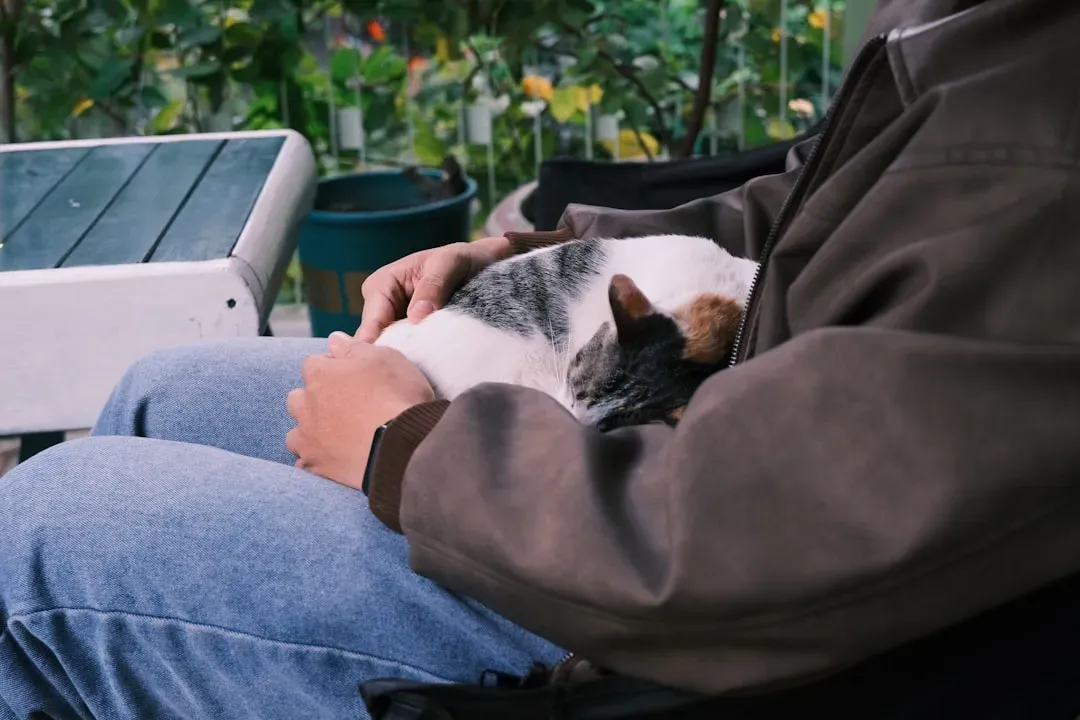
Let’s be real. Not everything your cat does is a grand emotional statement. Sometimes it is just physics and temperature. Some cats may prefer being lap cats because they’re seeking warmth. Cats typically prefer warmer temperatures and like being in rooms between 80 and 90 degrees Fahrenheit. While cats can live just fine in homes set to around 70 degrees Fahrenheit, they are more likely to want to find warm spots and rest there. Your lap, in that equation, is essentially a portable heated blanket with a heartbeat.
Many cats seek out laps primarily for warmth and comfort. With an average body temperature higher than humans, cats naturally gravitate toward warm spots. Your lap provides the perfect combination of warmth, elevation, and security. The texture of your clothing or blankets can also influence a cat’s decision to settle in your lap. Soft, warm materials are particularly inviting to most cats. So if your cat gravitates toward the fleece blanket on your lap more than the couch cushion next to you, you now know exactly why.
Trust, Vulnerability, and What It Really Means When Your Cat Chooses You
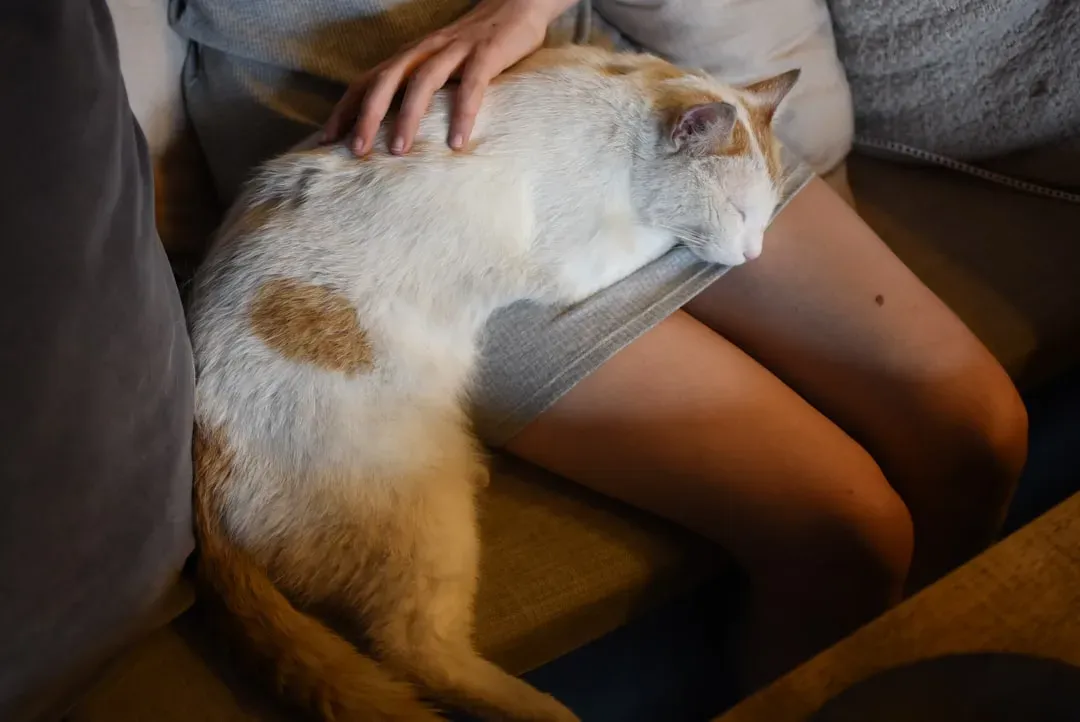
For many cats, choosing to sit in someone’s lap represents a significant display of trust. When a cat selects your lap as their resting spot, they’re putting themselves in a vulnerable position, showing they feel safe and secure with you. This behavior often develops gradually as your bond strengthens. Think about that for a moment. A creature with survival instincts hardwired into every fiber of its being is choosing to close its eyes and go completely still on top of you. That is not nothing.
While it is not unusual for a cat to sleep, spending about 16 hours a day doing so, it does show they trust you if they sleep close. Cats who sleep in their owner’s laps or even in a spot nearby fully trust them. Cats are at their most vulnerable when they’re sleeping. They will not let their guard down around just anyone. So whether your cat chooses your lap or simply the armchair three feet away from you, the act of sleeping near you is its own kind of declaration.
How Your Own Energy and Behavior Affects Your Cat’s Choices
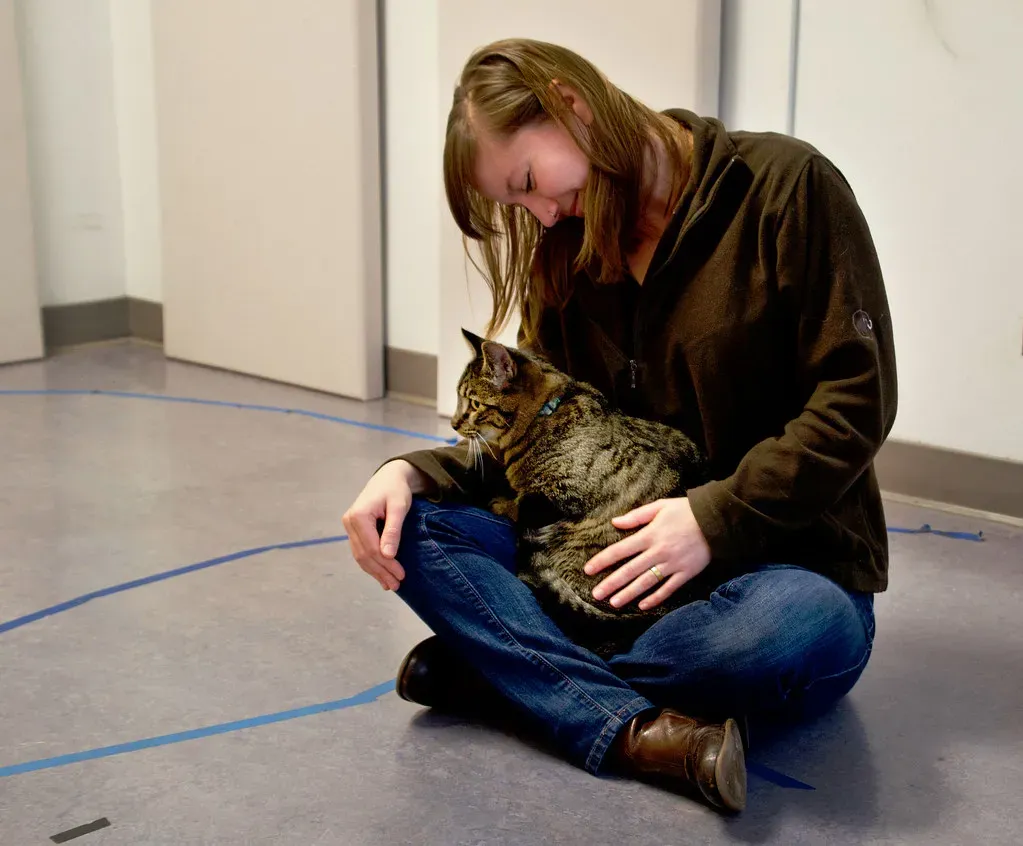
Here is the thing most people overlook: becoming a lap cat is not entirely up to the cat. You are half the equation. The way a human interacts with a cat can also influence whether the cat becomes a lap cat. Cats are sensitive to human emotions and body language. If a human is gentle, calm, and patient, a cat is more likely to feel comfortable and secure in their presence. On the other hand, if a human is overly aggressive or unpredictable, a cat may be hesitant to engage in close contact. Your cat is reading you constantly, more carefully than you probably realize.
Your actions during shared moments matter just as much as your mood. Avoid placing your cat in your lap to clip her nails or administer medications. If she associates lap time with an unpleasant experience, she won’t likely be interested in sitting with you in the future. It is a small thing that carries massive weight. Never force your cat to sit in your lap. Scooping a cat up and holding it down will erode any trust it might have in you and create a fear that compels it to retreat. Any hope of coaxing it back could be seriously dashed at the moment you try to force it to stay.
Age Changes Everything: Your Cat May Surprise You Over Time
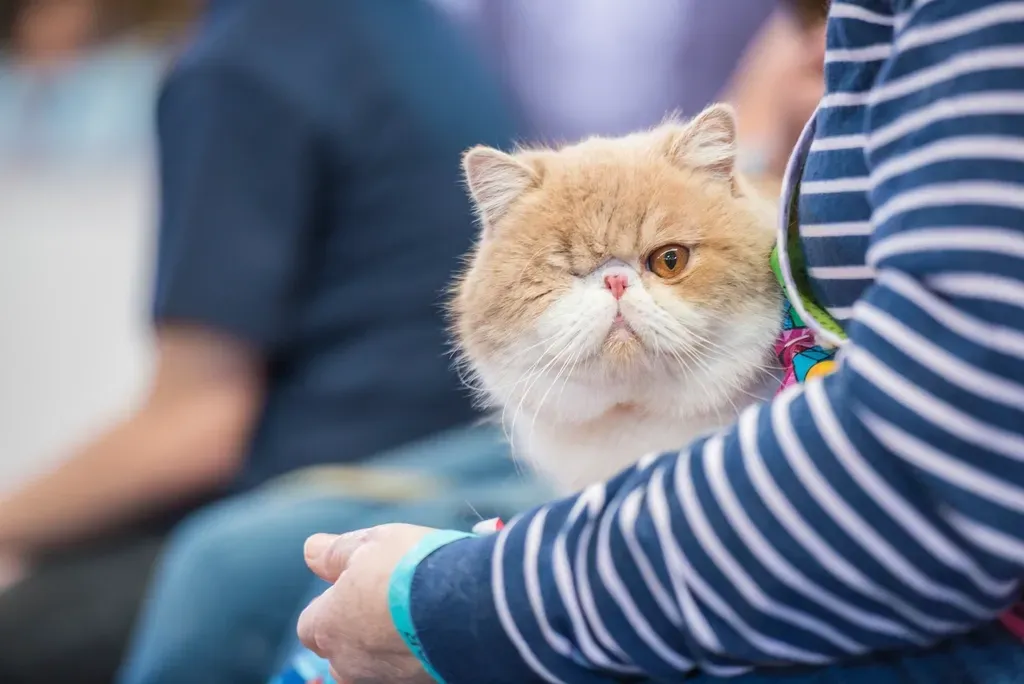
If you have a young, bouncy, perpetually wired kitten that shows zero interest in sitting still on you, do not give up hope just yet. As cats age, their behavior can change. Younger cats or kittens may be more energetic and less inclined to sit still for long periods, making them less likely to be lap cats. However, as they mature, they often become more relaxed and may seek out the comfort of a human lap. Aging cats may also appreciate the warmth and security of a lap more than their younger counterparts.
Age can be another reason cats like to curl up in your lap and sleep all day. Kittens are young, full of energy, and like nothing more than to run around energetically, exploring everything around them. Your kitten may not be ready to relax on your lap because it is too stimulated by the new sights all around them. As a cat ages and redirects some of that energy, they may seek more comfort and warmth from a trusted person’s lap so that they feel safe and secure. I think of it like a hyperactive child who eventually discovers how good a Sunday afternoon nap actually feels. It just takes time.
Non-Lap Cats Are Not Cold: They Just Speak a Different Love Language
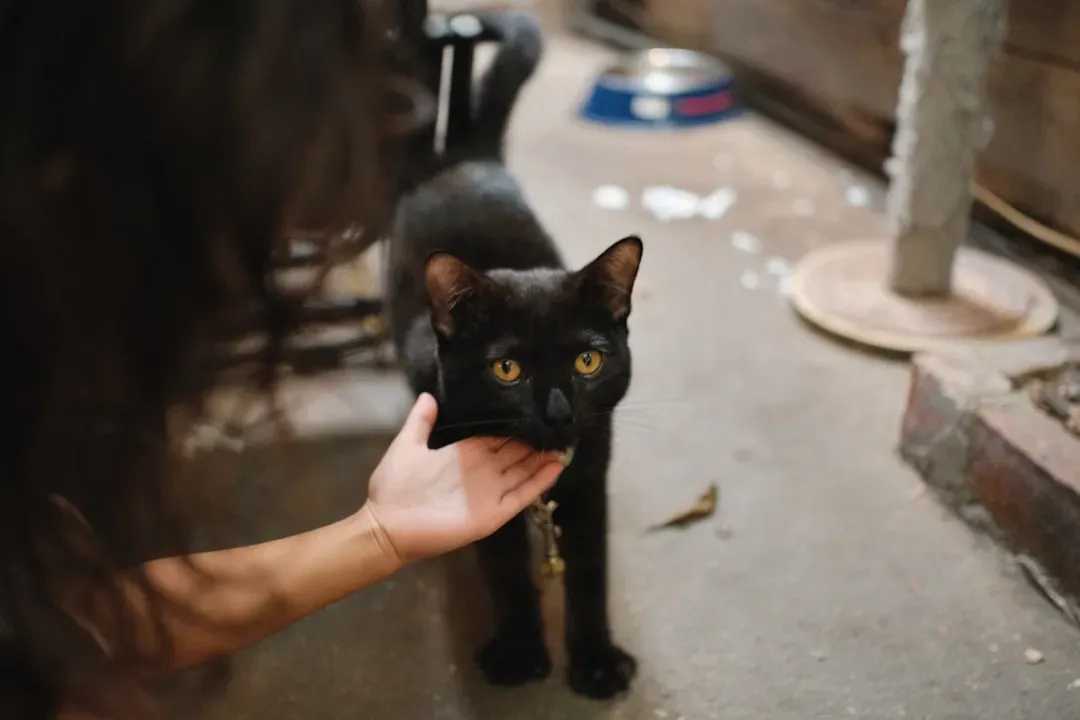
Perhaps the most important thing to understand about cats that prefer to be near you rather than on you is this: distance does not equal indifference. If your cat doesn’t like sitting on your lap or cuddling, it doesn’t necessarily mean that your cat doesn’t like you. It’s more of a preferential thing, and your cat most likely would rather bond with you in other ways. Think of it the way some people express love through acts of service rather than hugs. Neither is wrong. They are just different.
Cats that are not lap cats show their affection in other ways, such as purring when you get home, rubbing against your leg, or even sitting on the couch beside you. Some cats will headbutt you when they are feeling especially affectionate. Not only is this a way to be physically close to you, but it also leaves you with some of their scent. If your cat is rubbing up on you in this way, she is marking her territory, signaling that you are hers. Honestly, once you start recognizing these quieter signals, your relationship with your cat will shift entirely. You will realize just how much they have been saying all along.
Conclusion
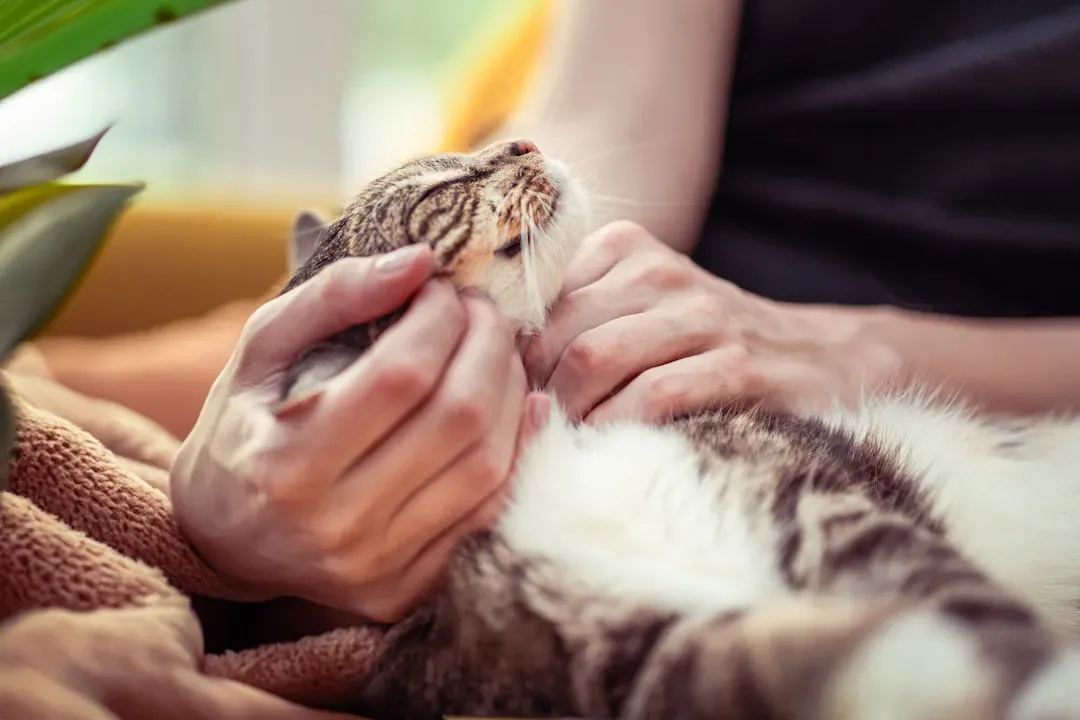
Whether your cat is draped across your knees like a small fur stole or simply occupying the warm patch of couch next to you, both are expressions of the same underlying truth: your cat has chosen you. The science behind lap cats versus nearby cats is layered, shaped by genetics, early life, trust, temperature, and the quiet language of feline body signals. As with humans, a cat’s personality is complex and involves both nurture and nature.
The most loving thing you can do as a cat owner is to stop expecting your cat to express affection on your terms, and start learning to read affection on theirs. Knowing how your cat expresses affection can help you become a better cat owner because you will be more attuned to knowing how to care for your cat to ensure that they are happy in your home. So become familiar with cat behavior and body language. You might just discover that the cat who has never once sat on your lap has been telling you it loves you every single day.
So here is a question worth sitting with: when was the last time you looked up from your phone and actually noticed how your cat was watching you? What do you think about it? Tell us in the comments.
Kristina is a young writer from India. An arts graduate and an avid content creator, Kristina is passionate about animals and wildlife. She enjoys exploring topics related to pet care, animal behavior, conservation, and nature, combining thorough research with engaging storytelling.