If you’ve ever sat quietly with a cat curled in your lap, you know that feeling. The low, rhythmic vibration rolls through your chest, your breathing slows, and somehow, the world seems a little less overwhelming. Most people write it off as one of those small, sweet moments of pet ownership. Nothing more. But what if that humble rumble is doing something far more complex inside your body than you ever imagined?
Science has been quietly building a case that your cat’s purr is not simply a signal of happiness. It is, in many ways, a sophisticated biological and acoustic mechanism with measurable effects on bones, pain, stress, cardiovascular health, and more. Let’s dive in.
The Myth of the “Happy Purr” Is Being Rewritten
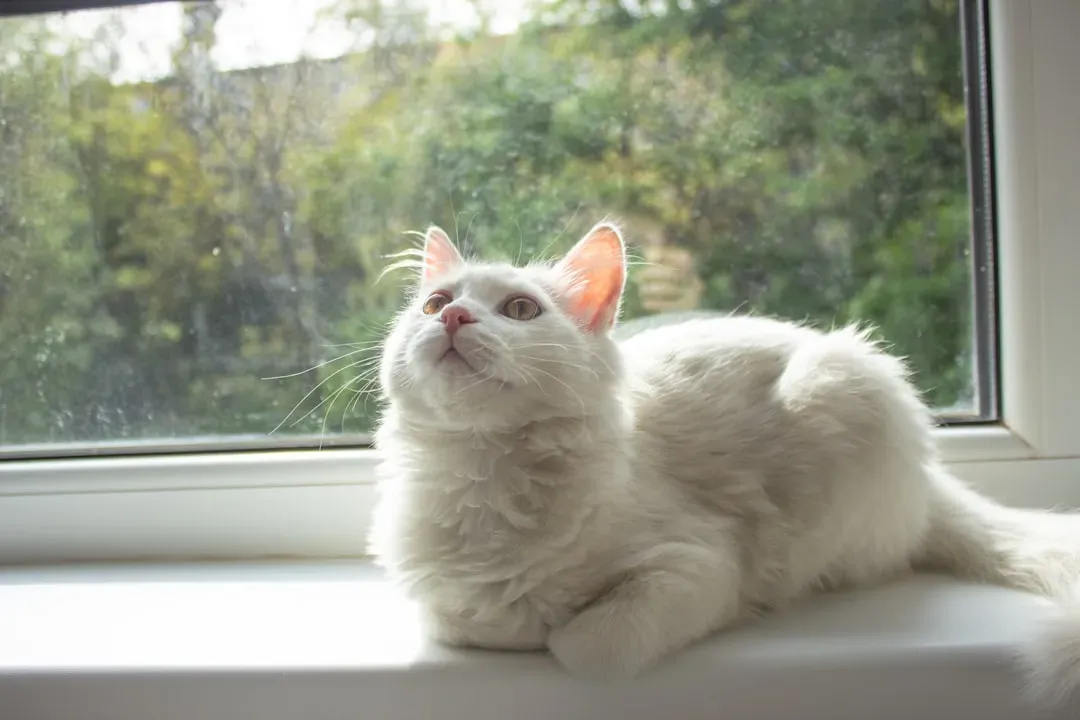
Here’s the thing – most of us have grown up assuming cats purr because they’re happy. It feels logical. You scratch behind the ears, the engine starts, and you think, “Great, she’s content.” Honestly, it’s a reasonable assumption. The current hypothesis suggests the purr indicates contentment, yet cats also purr when they are severely injured or frightened. That completely changes the picture.
Cats often purr while under duress, such as during a visit to the veterinarian or when recovering from injury. Not all purring cats appear to be content or pleased with their current circumstances. So what is the purr actually doing, if not just broadcasting a mood? Researchers believe the answer is far more interesting and biologically purposeful than a simple emotional signal.
How Your Cat Physically Produces the Purr
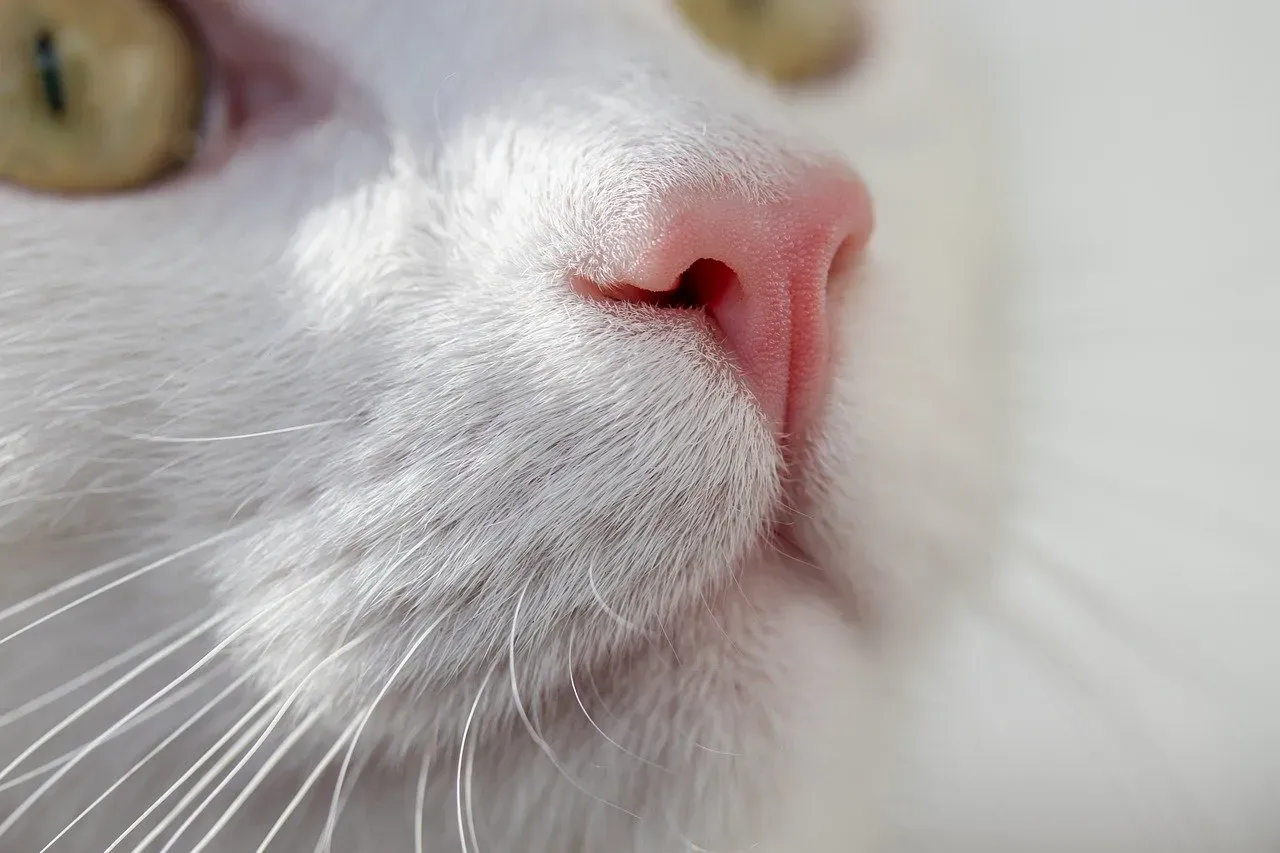
Before we get into the healing side, it helps to understand what is actually happening inside your cat’s body when it purrs. Think of it like a built-in vibration machine that runs on nothing but instinct. Scientists have demonstrated that cats produce the purr through intermittent signaling of the laryngeal and diaphragmatic muscles. Cats purr during both inhalation and exhalation with a consistent pattern and frequency between 25 and 150 Hertz.
A cat’s purr is regulated subconsciously by their brains. A specific part of the cat’s brain sends a rhythmic, repeating signal to the muscles around the cat’s larynx. In response to the signals, the muscles twitch to produce around 25 to 150 vibrations per second. What’s remarkable is that this happens during both the inhale and the exhale. Your cat is essentially operating a continuous, low-energy vibration device just by breathing.
The Frequency That Matches Therapeutic Medicine
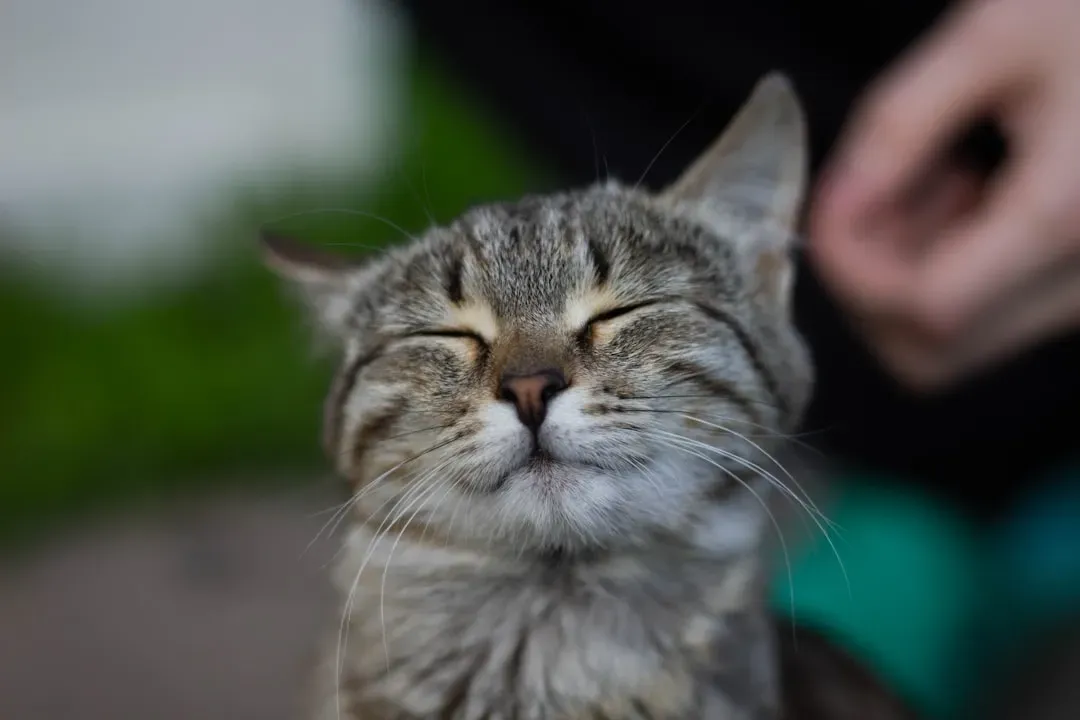
This is where things get genuinely remarkable, and I think this is the part that stops most people in their tracks. Purr frequencies correspond to vibrational and electrical frequencies used in treatment for bone growth and fractures, pain, edema, muscle growth and strain, joint flexibility, dyspnea, and wounds. Let that sink in. Your cat’s body is producing the same frequencies that medical professionals deliberately apply to patients in therapeutic settings.
Domestic cats, servals, ocelots, and pumas produce fundamental, dominant, or strong frequencies at exactly 25 Hz and 50 Hz – the two low frequencies that best promote bone growth and fracture healing. These four species also have a strong harmonic exactly at, or within 2 Hz of 100 Hz, a frequency used therapeutically for pain, edema, wounds, and dyspnea. The overlap is not coincidental. It appears to be nature’s own design.
Your Bones May Actually Benefit From Your Cat’s Purr
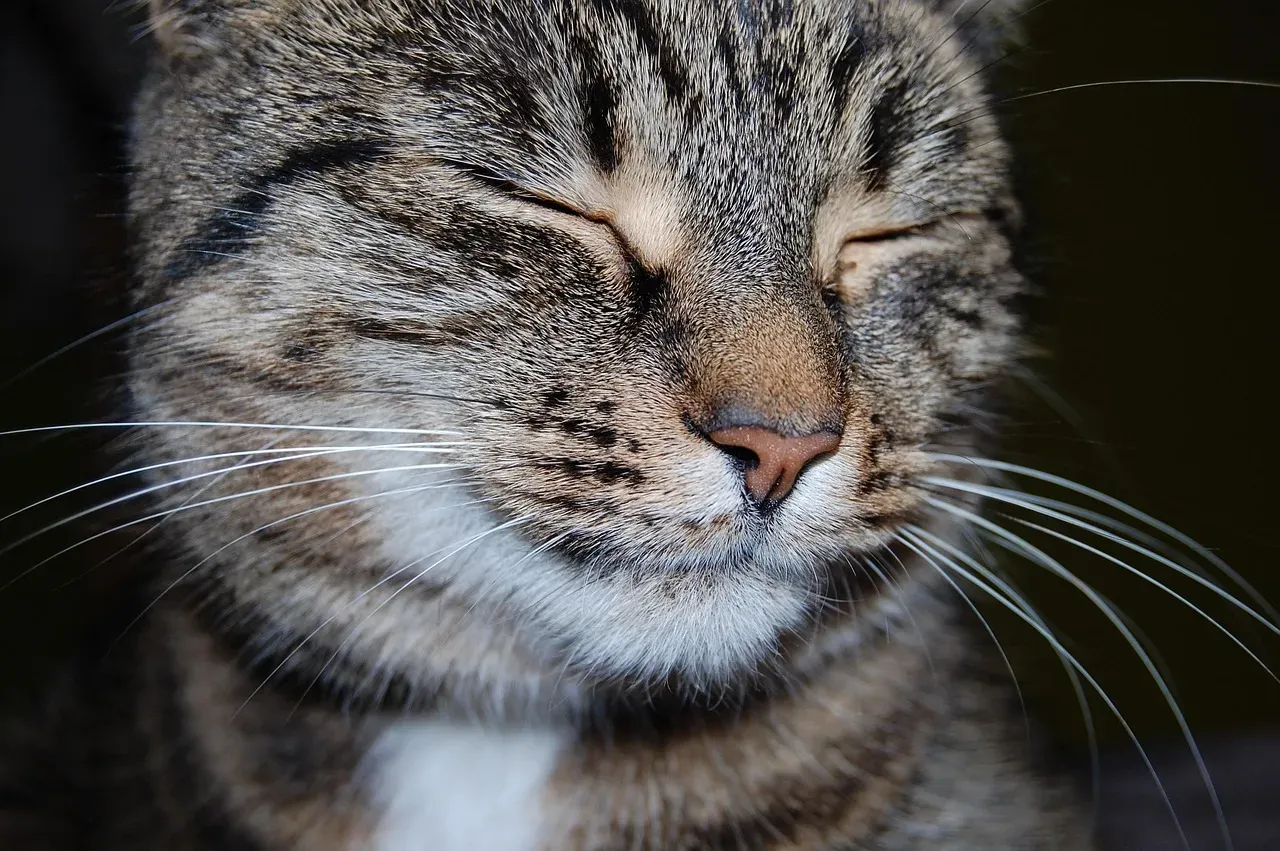
According to Leslie A. Lyons, an assistant professor at the School of Veterinary Medicine at the University of California, a low-frequency hum of purring at 25 to 50 hertz could promote bone growth and fracture healing, as bones harden in response to the pressure. It’s a bit like how weight-bearing exercise strengthens bones. The vibration creates a gentle mechanical stimulus that tells your body to maintain and build bone density.
A cat’s purr at a frequency of 18 to 35 hertz may also support tendon repair and joint mobility. At 25 to 50 hertz, purring promotes the healing of injured muscles and tendons. At 100 hertz, purring can reduce pain, increase recovery time after surgery, and ease breathing in patients with chronic respiratory disease. Different frequency bands, different jobs. It is almost like a Swiss Army knife of acoustic healing tucked inside a small furry animal.
Cats Use Purring to Heal Themselves – Actively
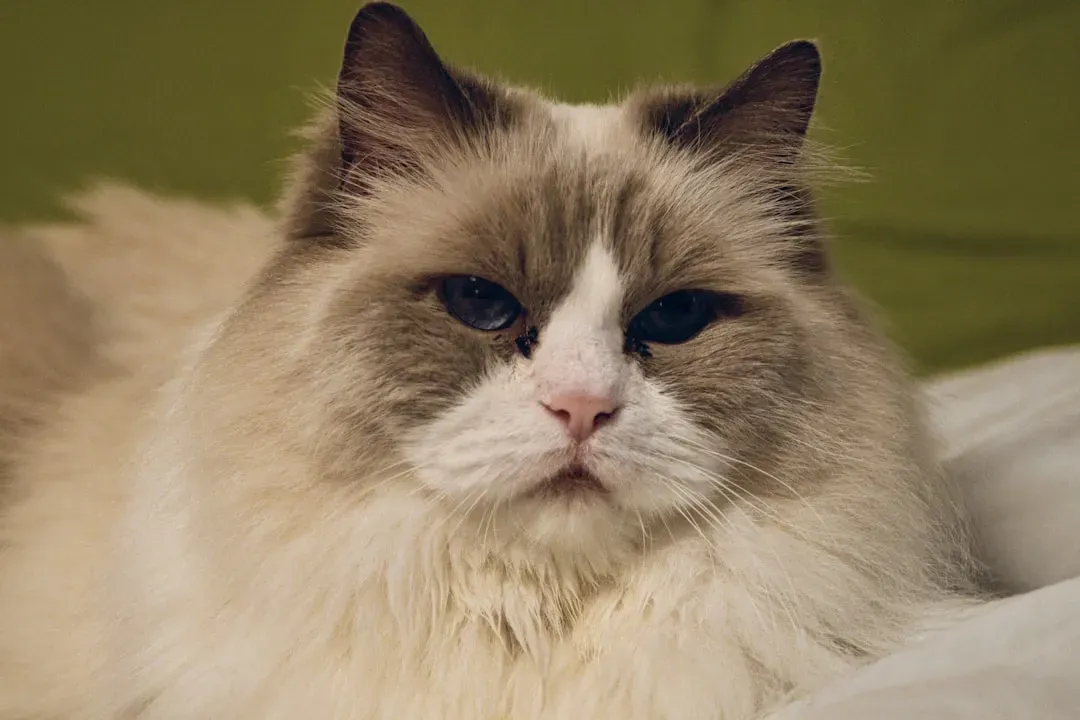
Because cats have adapted to conserve energy via long periods of rest and sleep, it is possible that purring is a low energy mechanism that stimulates muscles and bones without a lot of energy. Think about it – cats sleep somewhere between twelve and sixteen hours a day. During all of that stillness, their musculoskeletal system needs something to keep it from deteriorating. The purr may be precisely that maintenance tool.
Studies indicate that the purr may be a survival mechanism that cats use when they’re hurt or stressed. Some research suggests that the vibrations produced by a cat’s purr may have therapeutic effects, helping cats to heal from injuries, reduce pain, and soothe themselves naturally. Broken felid bones take significantly less time to heal than broken dog bones, and low frequency vibrations in the range of cat purrs are used to heal complex fractures in humans. The “nine lives” legend might just be biology.
The Cardiovascular Benefits Are Surprisingly Well Documented
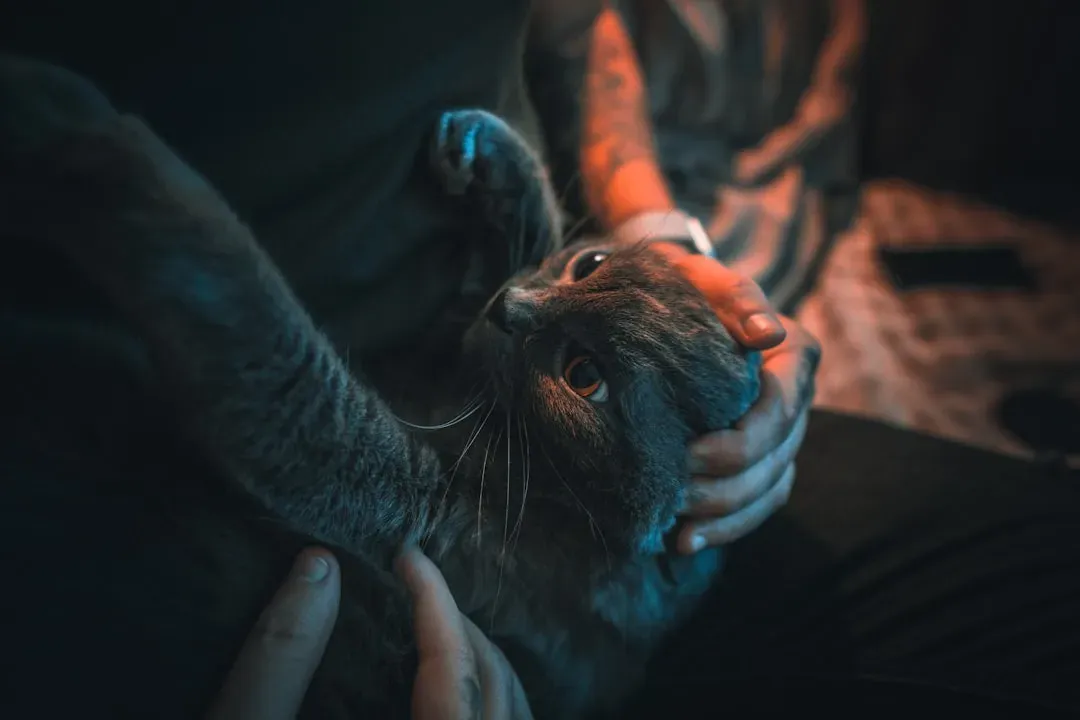
Let’s be real – most people don’t associate sitting on the couch with a cat as a heart health strategy. Yet the data is hard to ignore. In 2009, a decades-long study was published in the Journal of Vascular and Interventional Neurology that demonstrated that cat owners were less likely to die from heart attacks, cardiovascular disease, and stroke when compared to people who did not own cats.
Over a 20-year period, those who had never owned a cat had a roughly 40 percent greater risk of death due to heart attack and a 30 percent higher risk of death due to any sort of cardiovascular disease than previous or current cat owners. The soothing effects of purring help reduce blood pressure, which can lower the risk of heart attacks and strokes. The calming presence of a cat, combined with the rhythmic vibrations of its purr, contributes to a healthier cardiovascular system. That is not a small effect. That is significant.
Stress, Cortisol, and the Neurochemical Response to Purring
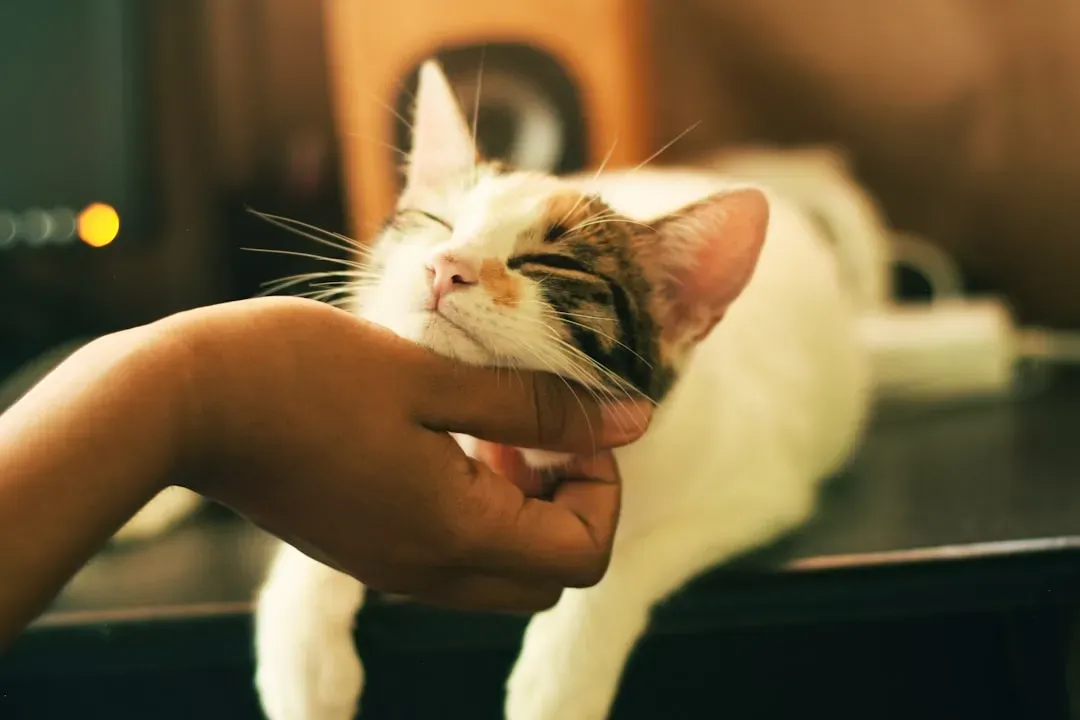
Petting a cat or listening to their purring triggers the release of oxytocin, a hormone that promotes happiness and reduces stress. This calming effect lowers cortisol levels – the stress hormone associated with high blood pressure – and can help alleviate pain, easing chronic discomfort. Cortisol, when chronically elevated, contributes to inflammation, poor sleep, weakened immunity, and a host of other problems. Anything that naturally reduces it deserves attention.
Cat purring stimulates the production of endorphins, which are natural chemicals that promote feelings of happiness and well-being. When a person interacts with a purring cat, their body releases serotonin, a neurotransmitter associated with mood regulation. This physiological response can help lower cortisol levels, the primary hormone associated with stress. You are not just imagining the calm. Your brain chemistry is literally shifting in real time. Honestly, that is extraordinary for something that feels this effortless.
Mental Health, Sleep, and Emotional Wellbeing
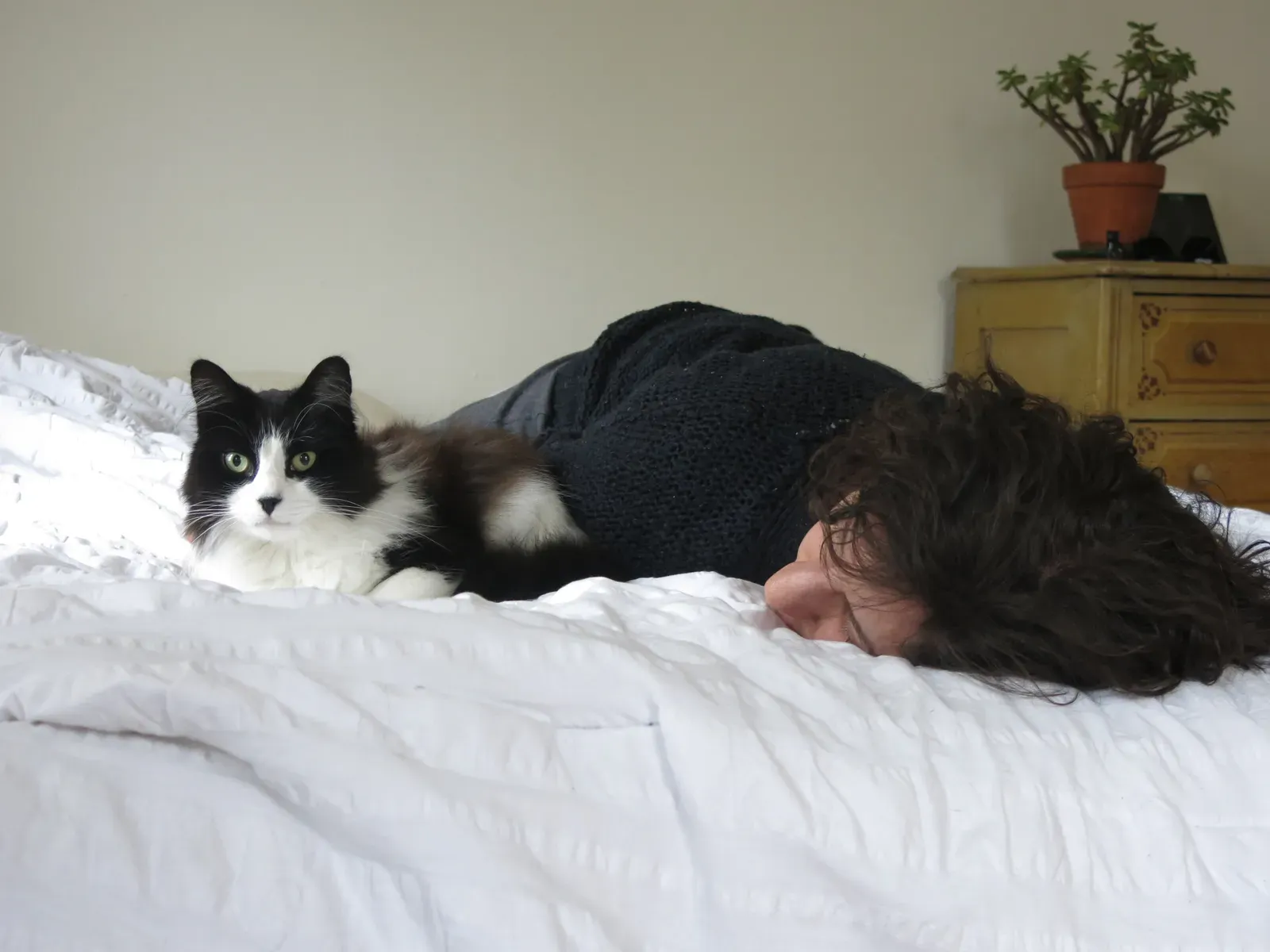
The repetitive sound of a cat’s purring has a calming, meditative quality that can reduce anxiety and promote mindfulness. Petting a cat or simply spending time with them often triggers the body’s relaxation response, helping people feel more grounded and at ease. Some cat owners even report a reduction in symptoms of depression. Think of it as nature’s white noise machine – one that is warm, alive, and responds to your touch.
Many cat owners find that sleeping near a purring cat improves their sleep quality. The soft, rhythmic sound acts as a form of white noise, blocking out disruptive sounds and helping the brain enter a state of relaxation. Studies have shown that if a person suffering with anxiety listens to the sound of a cat’s purr it may help to distract from the source of their anxiety and will be calmed by the purring sound. It is hard to say for sure how much of this is acoustic and how much is the warmth of animal companionship – but the effect itself is real and well-reported.
Cats as Therapeutic Companions Beyond the Home
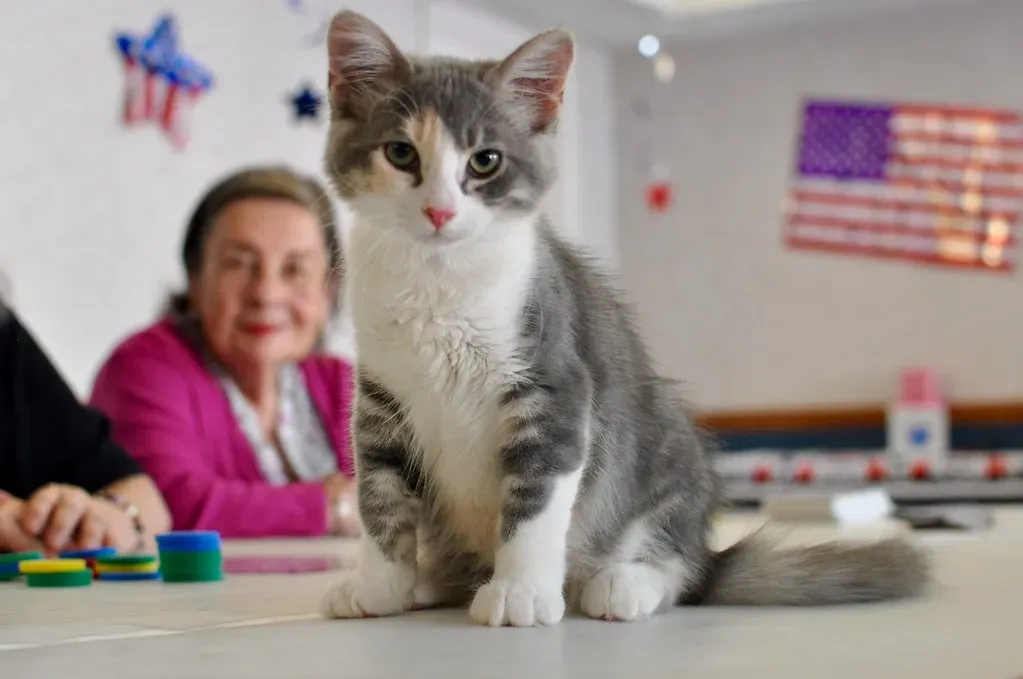
Therapy animals are increasingly recognized for their role in mental health treatment, and cats are no exception. Therapy cats visit hospitals, nursing homes, and schools to provide comfort to people experiencing stress or trauma. The gentle vibrations of purring can have a grounding effect, helping individuals manage symptoms of anxiety or PTSD. This is not fringe wellness thinking – it is now an active part of clinical and institutional mental health support.
A Washington State University study found that petting or cuddling with a cat for just 10 minutes can relieve stress and improve students’ moods. Ten minutes. That is nothing. Emotional support animals, like cats, offer vital relief to those experiencing anxiety, depression, or other mental health conditions. Their presence fosters trust, security, and companionship, helping people cope with stress and emotional challenges. The bond with a cat provides a sense of comfort, making them valuable partners in managing mental health.
Conclusion: That Rumble in Your Lap Is More Than You Think
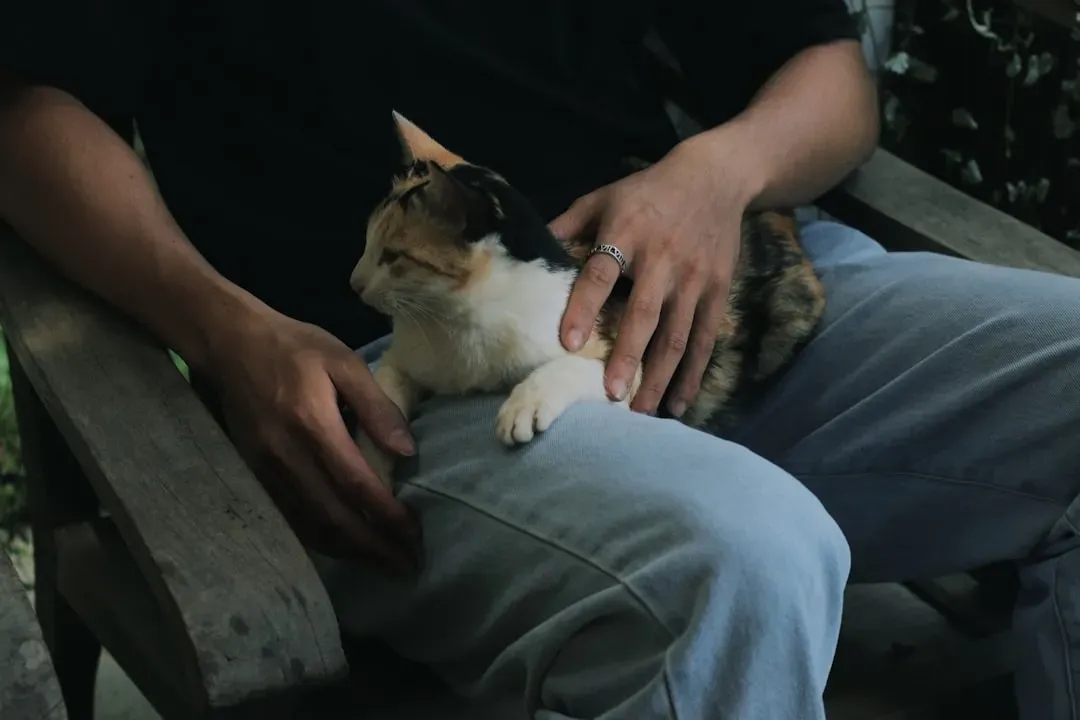
It turns out the little motor running inside your cat is doing something far more sophisticated than expressing satisfaction. It is a built-in biological instrument, one that operates at precisely the frequencies science uses to promote bone healing, reduce pain, lower stress hormones, and support heart health. Although it is tempting to state that cats purr because they are happy, it is more plausible that cat purring is a means of communication and a potential source of self-healing.
The research is still growing, and more studies are needed to fully map every dimension of this phenomenon. Yet the evidence that already exists is genuinely compelling. An internal healing mechanism would be advantageous, increasing recovery time and keeping muscles and bone strong when sedentary. Your cat may not know it’s your personal vibration therapist – or maybe, in that mysterious feline way, it does. Next time that purr starts up in your lap, you might just let it run a little longer. What would you have done with that information ten years ago?
Kristina is a young writer from India. An arts graduate and an avid content creator, Kristina is passionate about animals and wildlife. She enjoys exploring topics related to pet care, animal behavior, conservation, and nature, combining thorough research with engaging storytelling.