There’s a reason ancient Egyptians worshipped cats as gods. You might think you understand your feline companion, but the truth is, that purring, blinking, silently-judging creature curled up on your couch is operating on a level that science is still catching up to. We share our homes with animals that possess abilities so refined, so remarkably evolved, that they would make even the most athletic human look gloriously outmatched.
From seeing in near-total darkness to possibly healing their own broken bones just by relaxing, cats are genuinely extraordinary. Honestly, the more you learn, the more you start wondering who the superior species actually is. Let’s dive in.
1. Night Vision That Puts Human Eyes to Shame
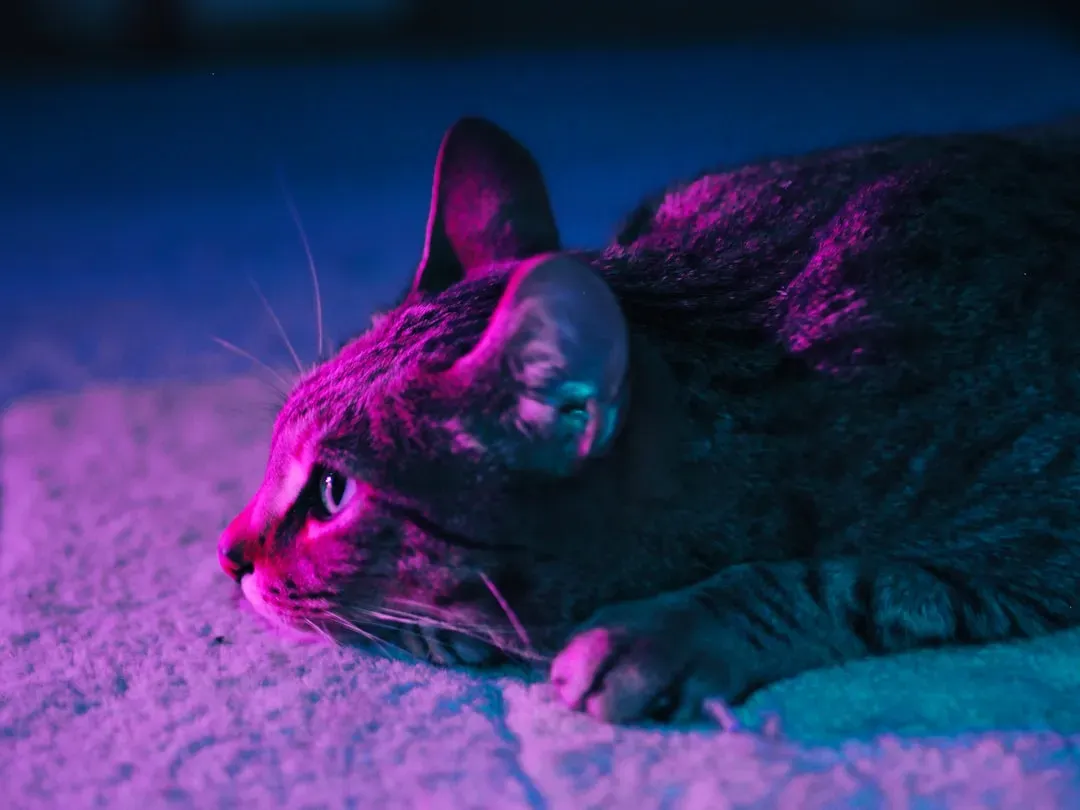
You’ve probably noticed your cat darting across a completely dark room without bumping into a single thing. That’s not luck. Cats have a tapetum lucidum, which is a reflective layer behind the retina that sends light passing through the retina back into the eye, and they also have a high number of rods in their retina sensitive to dim light. While these improve the ability to see in darkness, they enable cats to see using roughly one-sixth the amount of light that humans need.
This mirror-like structure behind their retina reflects light that passes through the eye back into the environment, creating that eerie glow you see in photographs. The glow enhances their ability to see in low light, making them the perfect predators during dusk and dawn. Think about that the next time you stub your toe stumbling to the bathroom at 2 a.m. while your cat watches you with calm, fully-functioning eyes from across the hallway.
2. A Hearing Range That Eclipses Both Humans and Dogs
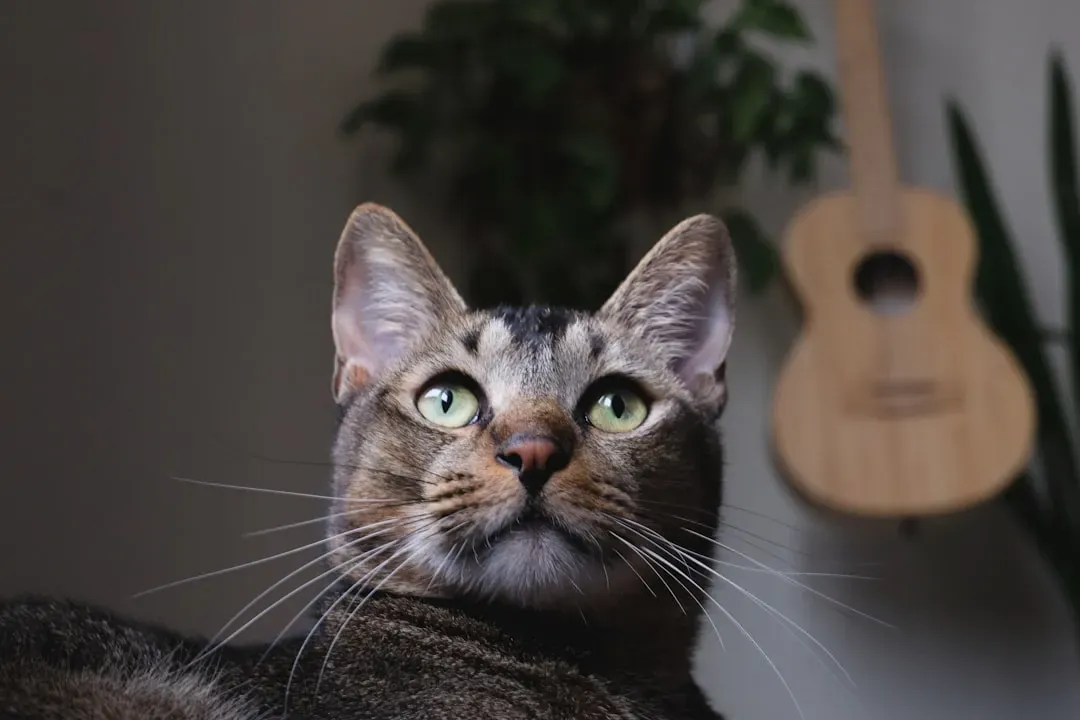
Your cat can detect an extremely broad range of frequencies ranging from 55 Hz to 79 kHz, whereas you can only detect frequencies between 20 Hz and 20 kHz. Your cat can hear a range of 10.5 octaves, compared to about 9 octaves for humans and dogs. That is a genuinely staggering difference. To put it simply, your cat can hear sounds that don’t even exist to your ears.
When listening for something, a cat’s ear flaps can independently point backwards as well as forwards and sideways to pinpoint the source of the sound. Cats can judge within 8 centimetres the location of a sound being made 1 metre away, which can be incredibly useful for locating prey. You have to actually turn your head. Your cat doesn’t. That’s the difference between you and a living sonar system.
3. A Sense of Smell Up to 16 Times Stronger Than Yours

A domestic cat’s sense of smell is 9 to 16 times as strong as humans’. When you walk into a kitchen and smell dinner, your cat is smelling every individual ingredient, the pot it was cooked in, the hands that prepared it, and probably last Tuesday’s leftovers too. It’s practically a different sensory universe.
Cats have a structure in the roof of the mouth called the vomeronasal organ, which enables them to essentially taste what they smell. If your cat sometimes holds his mouth open, he may be exposing scents, such as pheromones, to this organ for processing, in a position called the Flehmen response. Cats also use their nose to identify enemies, mates, people, and other cats’ territories. It’s like having a chemical analysis lab built right into your face.
4. The Righting Reflex: Always Landing on Their Feet
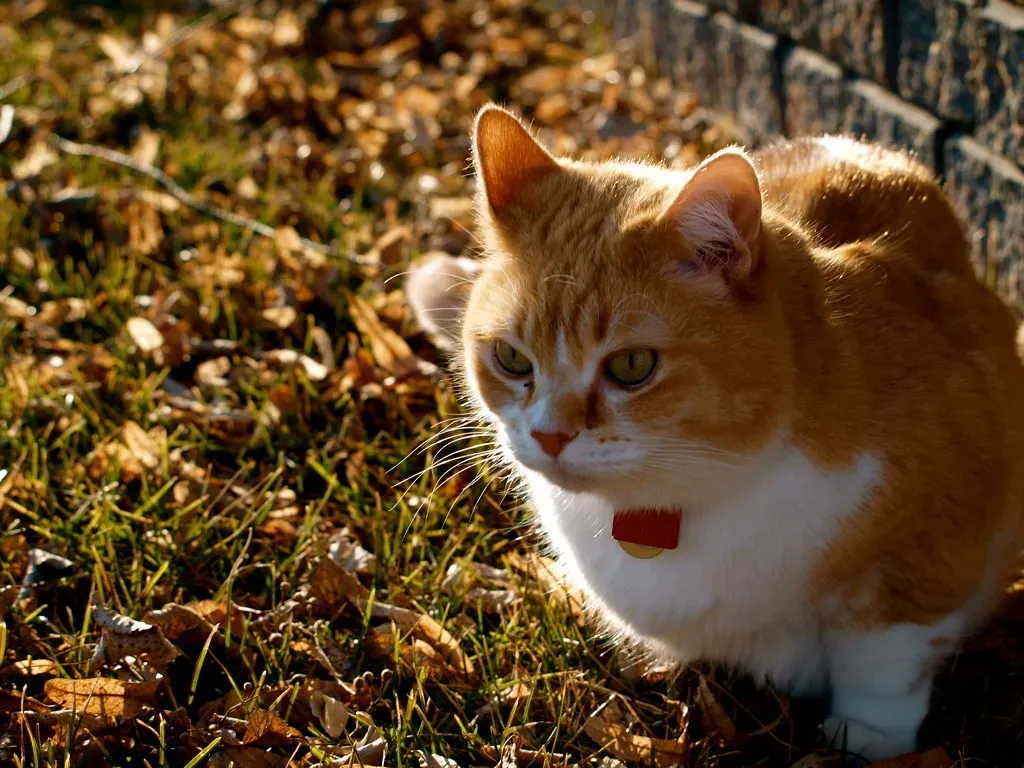
Cats are famous for their acrobatic feats, and their ability to land on their feet after a fall is nothing short of extraordinary. This skill, known as the “righting reflex,” allows cats to twist their bodies mid-air and land safely on their feet. Their flexible spines, lack of a collarbone, and highly developed inner ears all contribute to this remarkable ability. No human gymnast, no matter how elite, can claim the same from a fully unplanned fall.
When a cat falls, its vestibular apparatus helps it determine which way is up. By doing so, it can rotate its head and body to reposition mid-air with the help of its incredibly flexible spine. When landing, the cat arches its back to ensure its hind legs are under its body and its front legs are close to its head for protection. Simultaneously, cats use their tail to make minor adjustments to their orientation. The whole process happens in fractions of a second, completely instinctively.
5. Superhuman Jumping Ability Without Any Running Start
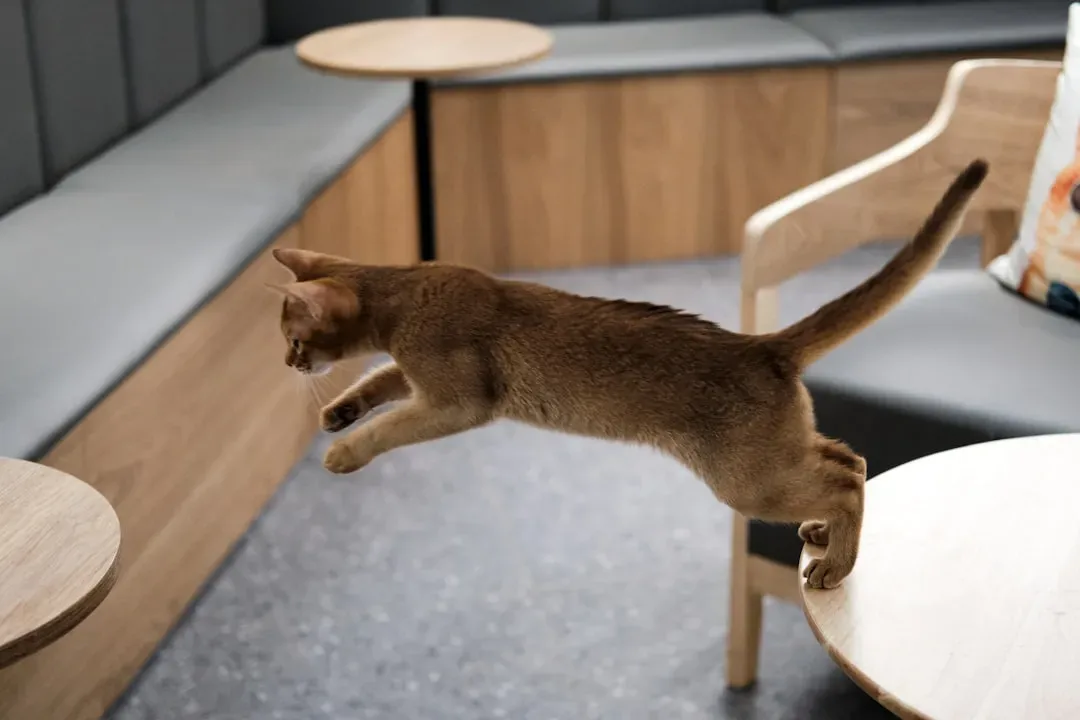
Here’s the thing: you probably need momentum, a decent runway, and possibly a small motivational speech to make an impressive jump. Your cat needs nothing. Your average housecat can easily jump between 5 and 6 times their own height, routinely jumping vertically 6 to 8 feet without a running start. That is simply physics being broken by a small furry animal who will then immediately ignore you afterward.
Cats can jump about five to six times their body length in a single vertical leap. If humans had the same jumping ability, a 6-foot person would be able to make a 36-foot leap, that’s the height of a telephone pole. Experts say that the cat’s anatomy is the secret to their incredible jumping abilities. Cats use all 500 of their muscles when they jump, and their strong hind legs and powerful muscle fibers give them sudden bursts of energy and movement.
6. Whiskers That Act as a Sixth Sense
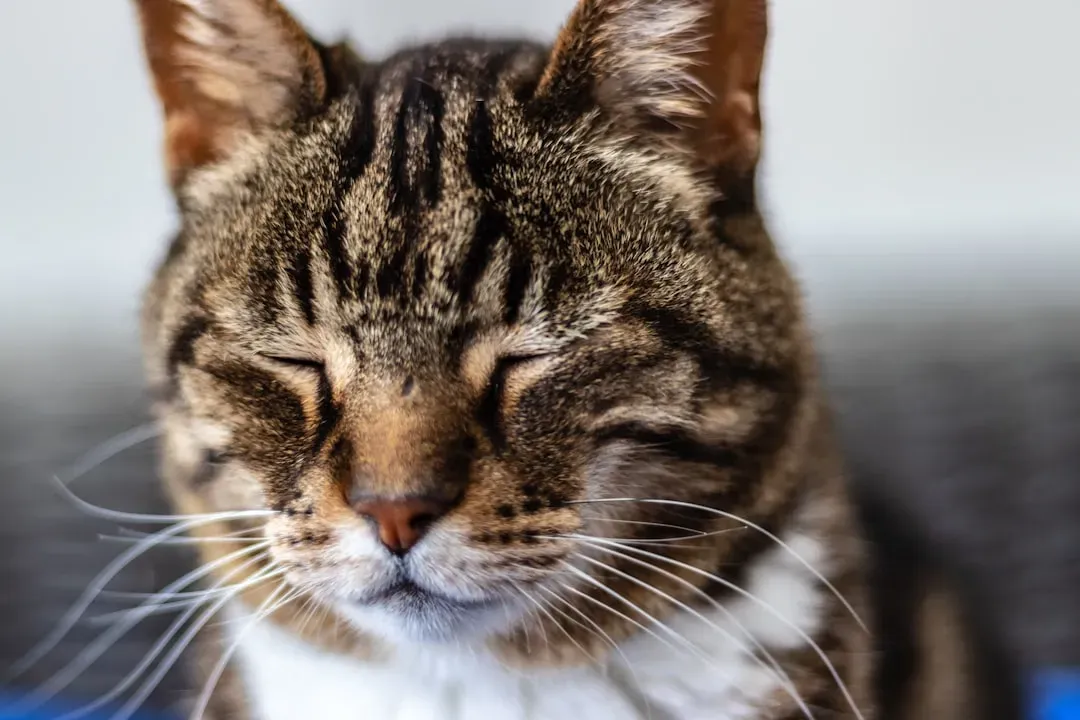
You might think whiskers are just adorable facial accessories. They are so much more than that. A cat’s whiskers are thicker than ordinary hairs, have deeper roots, and provide important sensory information. Whiskers are so sensitive that they don’t have to touch an object for a cat to sense nearby movement because changes in airflow can be enough. Your cat can detect the presence of a nearby object in complete darkness without touching it. That’s essentially a superpower on its own.
A cat’s whiskers are more than twice as thick as ordinary cat hairs, and their roots are three times deeper in a cat’s tissue than other hairs. They have numerous nerve endings at their base, which give cats extraordinarily detailed information about nearby air movements and objects with which they make physical contact. Imagine being able to feel the shape of a room just by walking into it. Your cat does this every single day.
7. A Healing Purr That Defies Biological Explanation

I know it sounds crazy, but your cat may literally be healing itself by napping and purring. A cat’s purr frequency starts at around 26 Hz, which is the same frequency that scientists use to regenerate damaged tissue in vibration therapy. A cat’s purr is the same frequency used in vibration healing, which has been shown to help with the repair of broken bones, injured joints, and tendons. So every time your cat is lounging around doing what looks like absolutely nothing, it might actually be running an internal repair program.
The frequency of a cat’s purr, which ranges between 25 and 150 Hertz, has been shown to promote bone density, reduce pain, and accelerate healing. Studies indicate that the frequency of a cat’s purr holds therapeutic properties for the human body. More precisely, the vibrations produced by a cat’s purr have demonstrated the ability to decrease blood pressure, alleviate stress, and even aid in the process of healing. Your cat isn’t just a pet. It might be a living wellness device.
8. A Panoramic Field of Vision You Simply Don’t Have
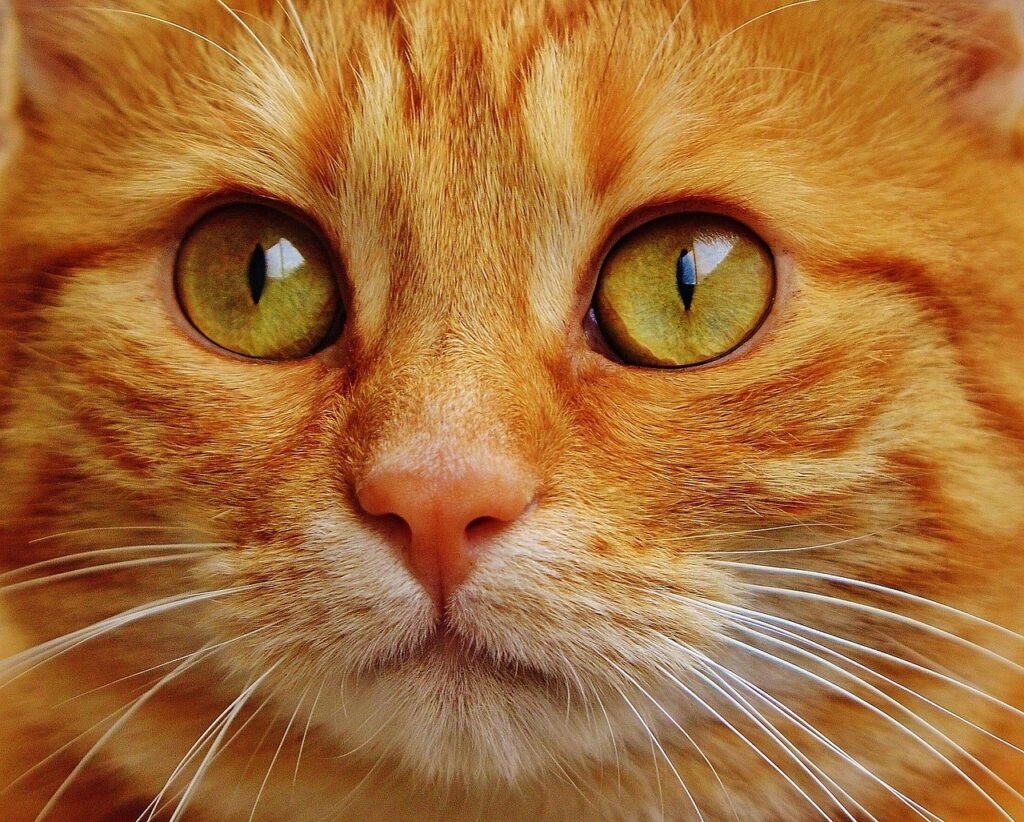
Cats have a visual field of view of 200 degrees compared with 180 degrees in humans. That extra 20 degrees might not sound massive on paper, but in the wild it’s the difference between spotting a predator and becoming its meal. Your cat is constantly aware of things happening at the very edges of their vision that you would simply never register.
Where cats fall short in terms of the amount of cones in the retina, they make up for in rods. Cats have a much higher concentration of rods than humans do, which gives them a wider visual field and far better nighttime vision than humans. Cats are also roughly 8 times more capable of seeing things in low light when compared with humans, making them more efficient in situations where human eyes simply cannot compete. Still think your vision is better? Think again.
9. Retractable Claws: Weapons That Stay Sharp by Design
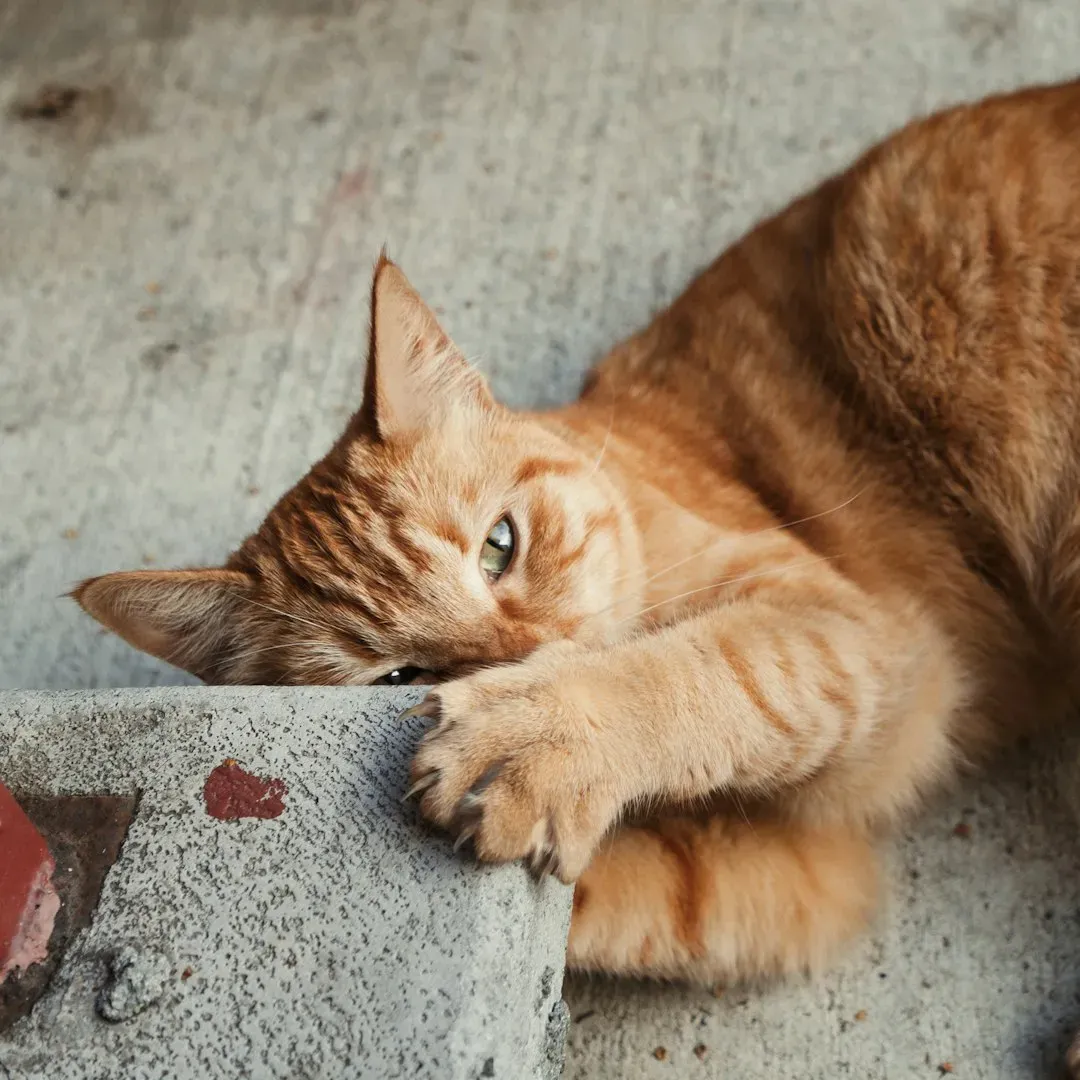
Cats have the ability to retract their claws, which helps them conserve energy and reduce damage to furniture. This unique adaptation allows cats to be ready for action when needed, as their claws can extend quickly in a matter of milliseconds. No human has ever been born with built-in, retractable weaponry that sharpens itself. Cats carry theirs everywhere, at no extra effort.
Think of it like walking around with blades stored in your fingertips that you can deploy in less than the blink of an eye. Retractable claws are specifically adapted to killing small prey species such as mice and rats. By keeping them sheathed during regular movement, cats preserve their sharpness and give no warning when they strike. It’s an engineering solution that no human technology has fully replicated.
10. Stealth Movement: The Art of Silent Hunting
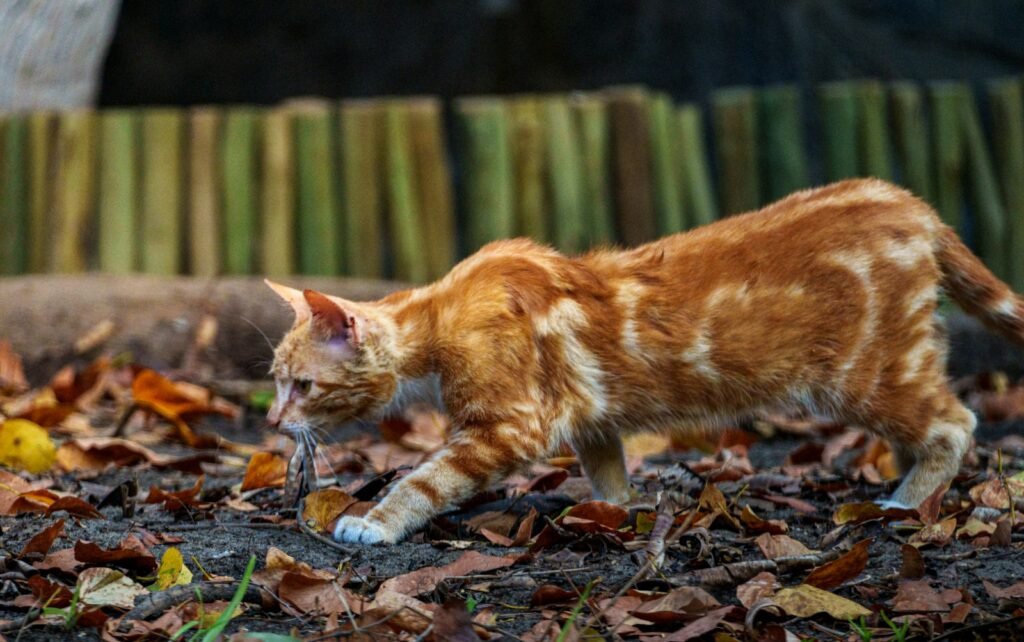
Cats are masters of stealth, moving silently and blending seamlessly into their surroundings. This ability is due to their soft, padded paws, allowing them to walk without making sound. Their flexible bodies and low-to-the-ground posture also help them move quickly and quietly, making them expert stalkers. You can’t sneak up on anyone. Your cat can sneak up on you every single time, in your own home, on a surface you both walk across daily.
Like all felines, cats directly register when on the prowl. Your cat will place each hind paw in the print of the corresponding front paw when they move. This both minimises noise and visible tracks, giving them that extra layer of stealthy precision. It’s the same technique elite military trackers train for years to replicate. Cats are born doing it automatically.
11. A Flexible Skeleton That Lets Them Squeeze Through the Impossible
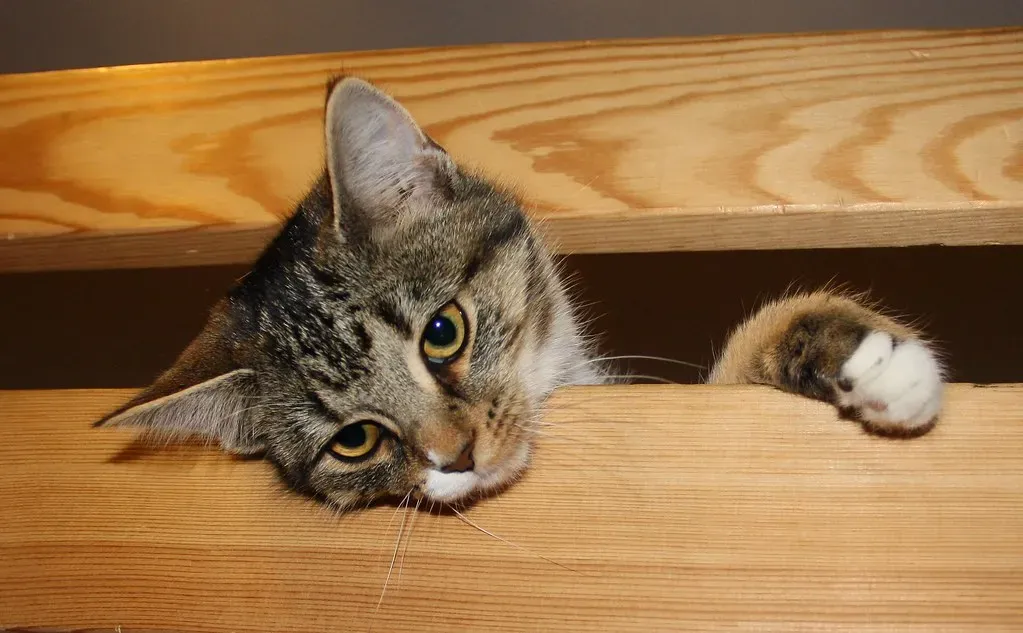
While a collarbone is present, the cat’s collarbone is buried in the muscle and isn’t connected to any other bones like it is in a human. Combined with narrow hips, additional muscles, and segmented bone structure, the head becomes the widest part of their anatomy. That’s really what the whiskers are for, to help a cat judge what is wide enough and what is going to be too tight a squeeze.
Cats can creep into any space just slightly larger than their head. If a cat can fit its head in the opening, it’s likely to get its entire body through the structure. They have a fantastic ability to collapse their shoulders and bodies to squeeze themselves into extremely small spaces. It’s why the “cats are liquid” internet meme resonates so strongly. It’s partially, gloriously true.
12. A Short-Term Memory That Outlasts a Dog’s by Hours
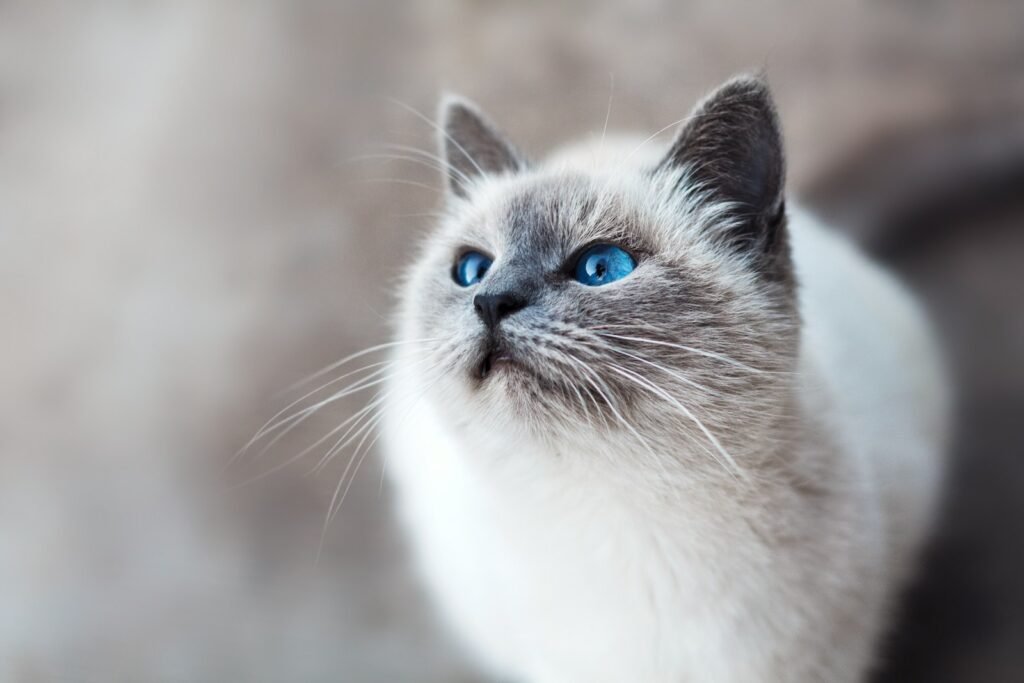
Let’s be real, we’ve always assumed dogs were the smarter, more emotionally attuned pet. The memory science, however, tells a more interesting story. Research tells us that the short-term memory of cats lasts up to 16 hours, while dogs’ short-term memories do not last longer than 5 minutes. Your cat remembers exactly what happened this morning, who fed them, who didn’t, and what tone of voice you used. Nothing escapes their record.
Research has shown that cats have socio-spatial cognitive abilities to create mental maps of familiar people’s locations based on hearing their voices. Cats also have much better memories than dogs on average and are also more selective with which memories they keep and how they react to them. Your cat isn’t being mysterious or aloof. They’ve simply remembered everything and are choosing very deliberately how to respond. Honestly, that’s impressive.
Conclusion: Living With a Small, Furry Superhero
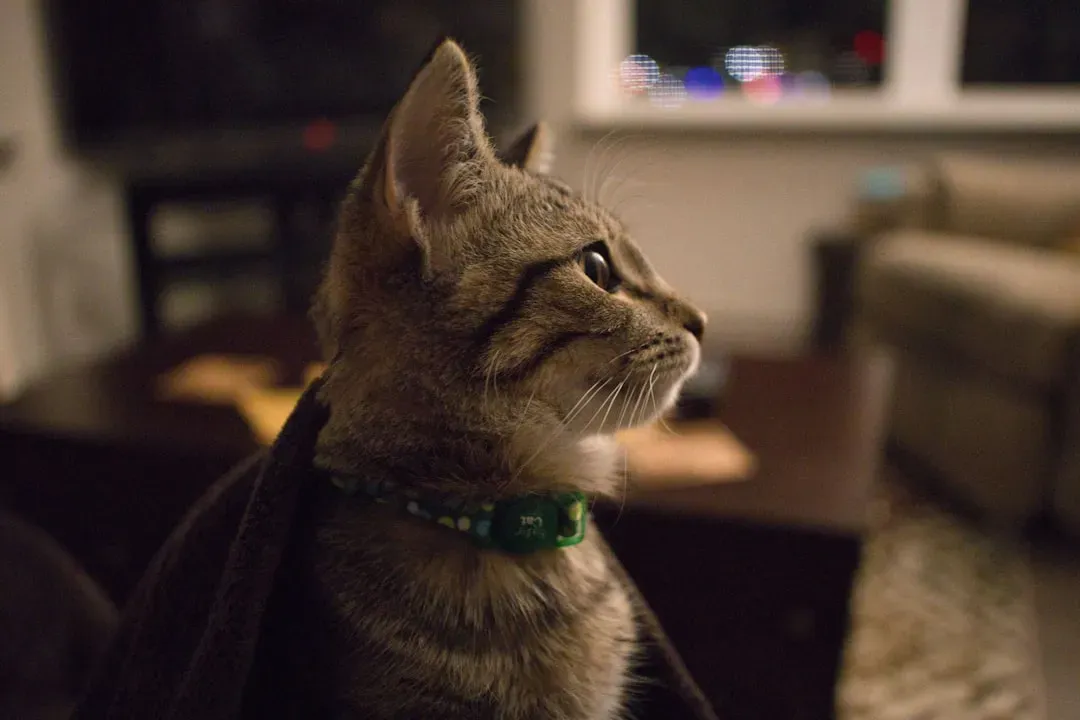
After going through these twelve extraordinary abilities, it becomes clear that the cat curled up on your sofa is far more remarkable than it appears. From its vibration-based self-healing system to its near-360-degree awareness and whisker-guided spatial sensing, your cat is running biological software that evolution spent millions of years perfecting.
We tend to think of ourselves as the dominant, capable species in the household. Your cat, meanwhile, can hear sounds you’ll never hear, see in darkness that blinds you, jump heights that would shatter world records if a human could do the same, and land from a fall with reflexes no training could ever replicate in a person.
There’s something genuinely humbling about sharing a home with an animal like that. Perhaps the ancient Egyptians weren’t so strange after all. So next time your cat strolls past you without so much as a glance, remember: you’re not ignoring a pet, you’re being ignored by a superhero. What superpower of your cat surprises you the most? Tell us in the comments.
Kristina is a young writer from India. An arts graduate and an avid content creator, Kristina is passionate about animals and wildlife. She enjoys exploring topics related to pet care, animal behavior, conservation, and nature, combining thorough research with engaging storytelling.