You’ve seen it dozens of times. You settle onto the sofa, glance across the room, and there’s your cat – sitting atop the refrigerator, balanced on the highest shelf, or perched dramatically on the wardrobe like a tiny, judgmental emperor surveying a kingdom. You might wonder if it’s a quirk, a personality thing, or just your cat being, well, a cat. Honestly, it’s none of those things alone.
The truth runs far deeper and is far more fascinating than most people realize. Your cat’s obsession with high places is wired directly into their biology, shaped by millions of years of survival, hunting, and evolution. It’s not random. It’s not cute attention-seeking. It’s instinct in its purest form. Let’s dive in.
The Ancient Ancestors Behind Every Leap
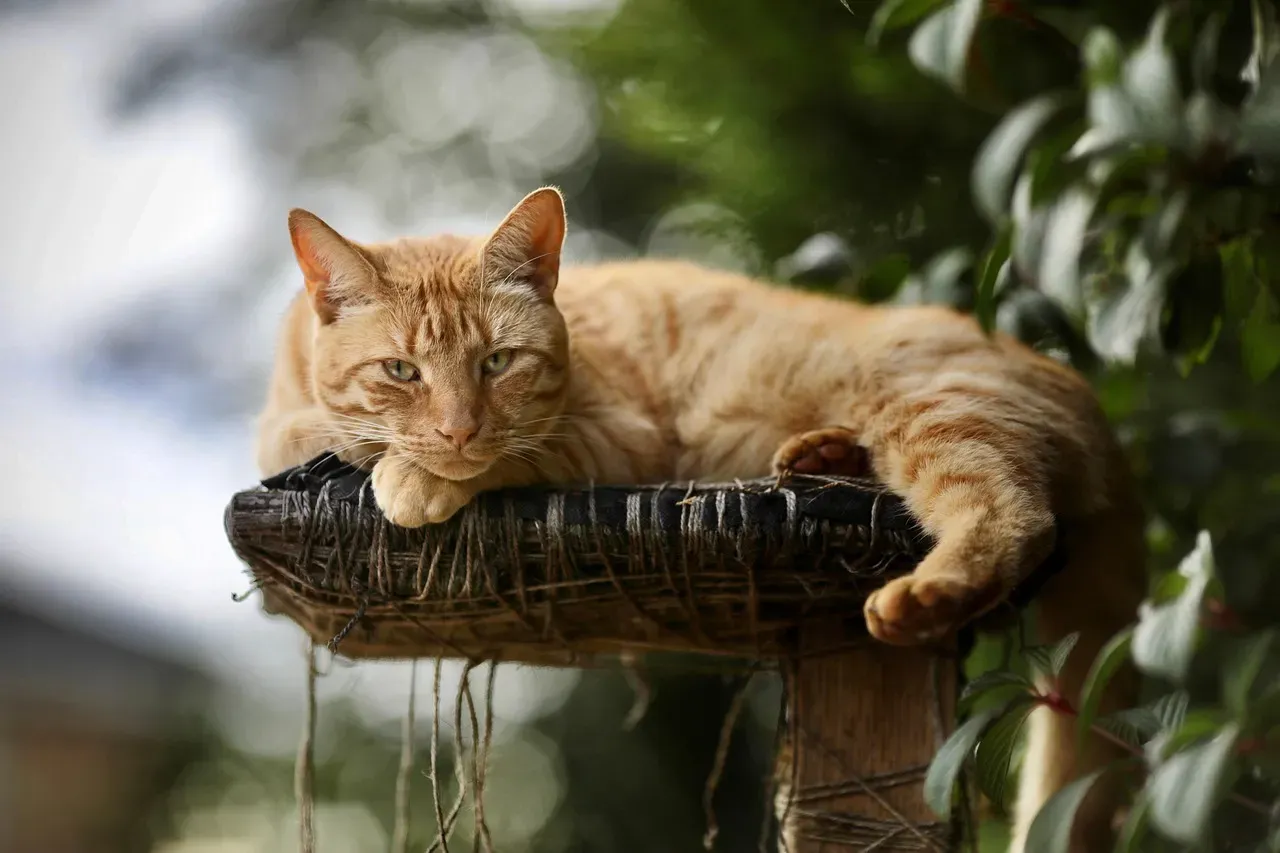
Cats are tree-climbing mammals descended from Proailurus, the first true cat. Early cats were hunters and many of them lived in rain forests, using their claws to climb skillfully – escaping into trees for safety or climbing high to lie in wait for prey. Think of it this way: your pampered house cat, happily napping on top of your kitchen cabinets, is doing exactly what their jungle-dwelling ancestors did millions of years ago. The environment changed. The instinct never did.
Domestic cats may curl up on our beds today, but their behavior is shaped by thousands of years of survival in the wild. Researchers studying African wildcats – thought to be the closest ancestor of house cats – have observed that they regularly climb trees both for safety and as a vantage point for hunting. That’s not a small detail. That’s the literal blueprint of every single vertical leap your cat makes in your home today.
Hardwired for Survival: The Predator and Prey Paradox
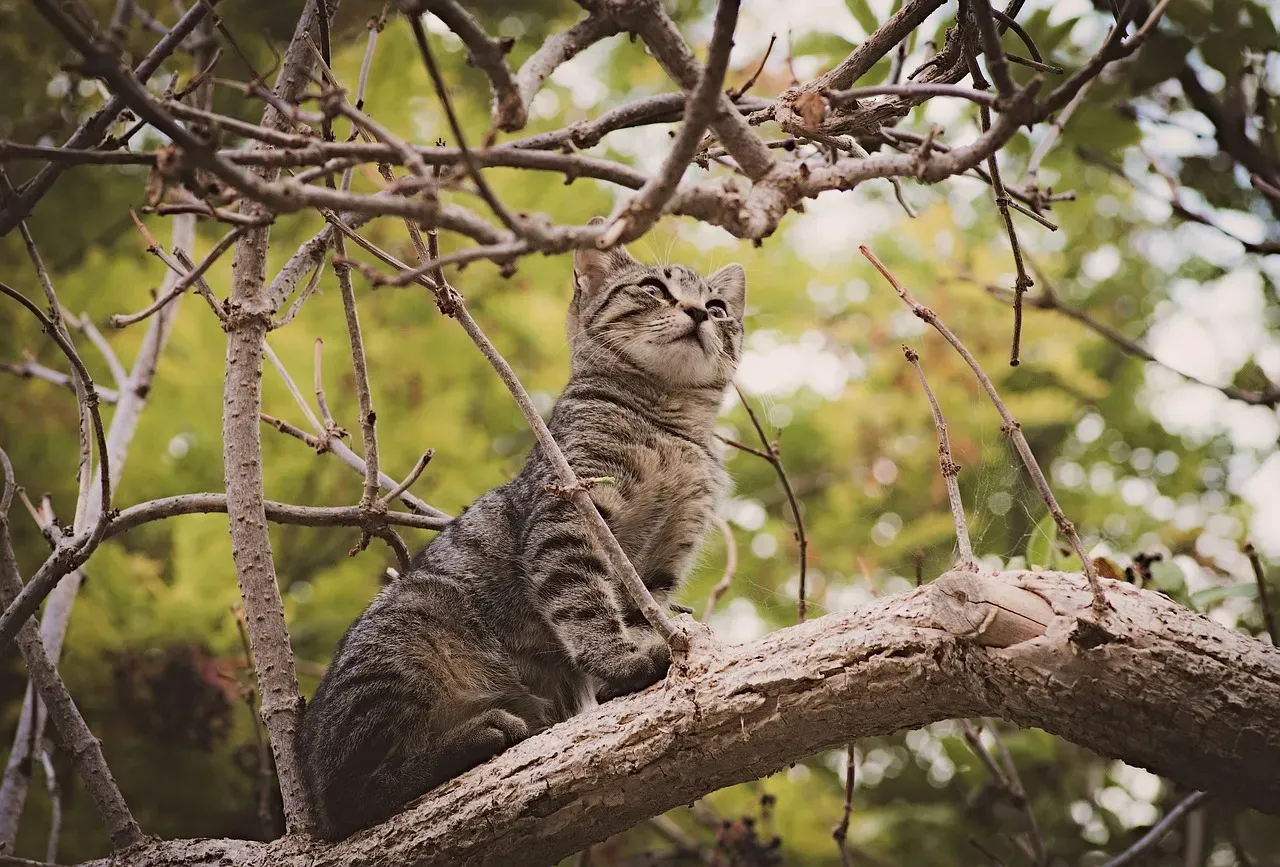
Instinct is a driving force behind a cat’s preference for lofty perches. From a biological and evolutionary standpoint, cats are both prey and predators. Before cats graced our homes, they were potential meals for wild animals and sought out small rodents and birds to satisfy their hunger. This dual reality is what makes their relationship with height so unique. They needed elevation to hunt efficiently, but equally, they needed it to avoid being hunted themselves.
Cats are themselves prey to larger predators, such as owls and eagles from the air and coyotes on the ground. Staying in higher places was most likely a behavior associated with an increased probability of survival. A high location provided a better vantage point to spot prey and predator alike. If a cat goes up into a tree’s branches, she can evade larger mammalian carnivores, like coyotes, that cannot climb trees. That elegant, centuries-old calculation still runs silently in the background every time your cat chooses the highest spot in the room.
The Vantage Point: Seeing Everything, Missing Nothing
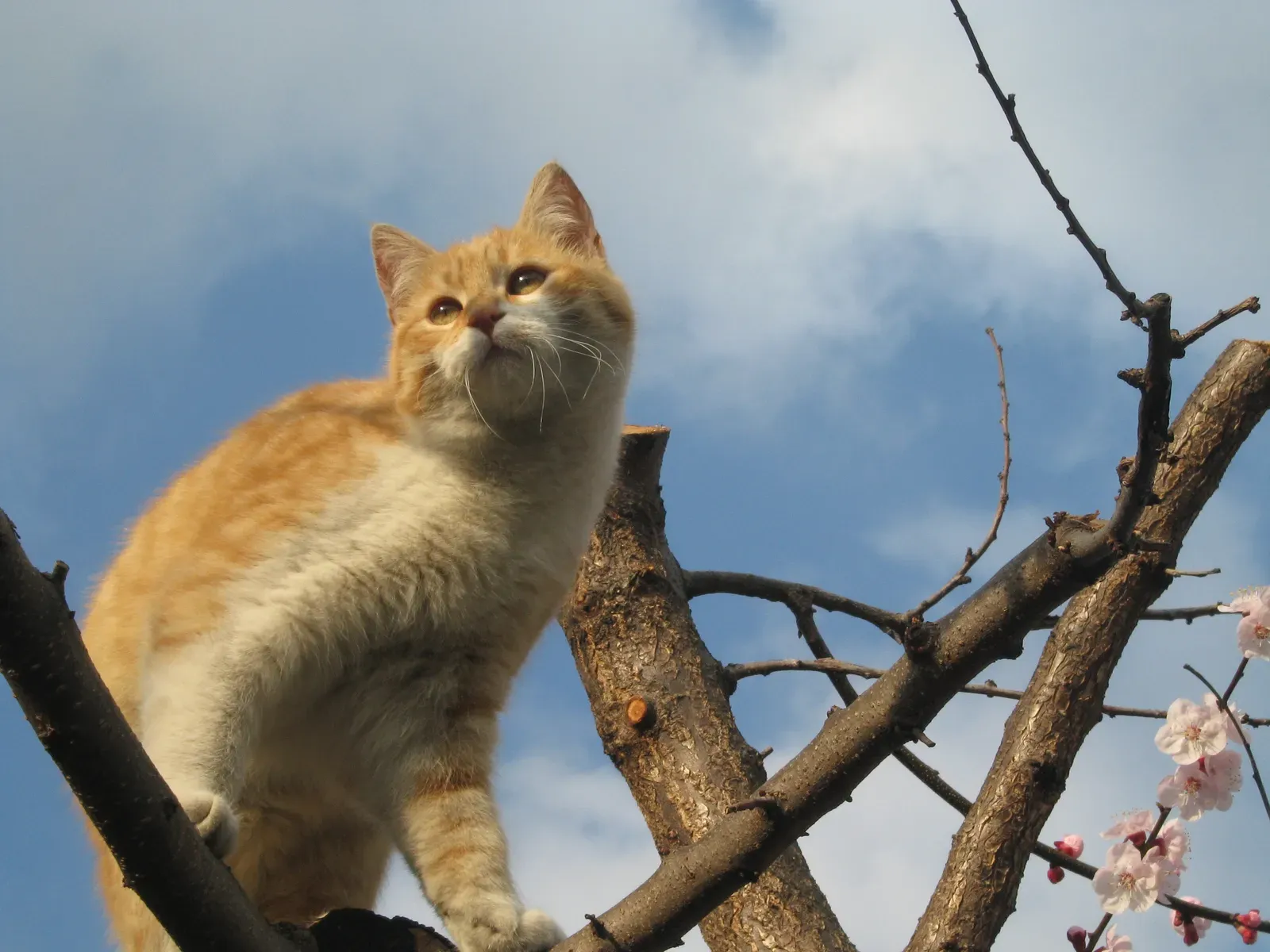
When a cat is on an elevated perch, he can more easily see more of the environment. The ability to see whether a predator or opponent enters the area can provide much-needed extra seconds to react. In the wild, those seconds are the difference between life and death. At home, those seconds might just mean your cat spots you opening the treat cupboard before you even realize you’re doing it. Either way, the drive to see everything first is deeply real.
Being up high gives cats a different vantage point to spy on the goings-on below. I think this is part of why cats always look so unbearably smug up there. They genuinely have information you don’t. Climbing up rather than constantly roaming saves energy. From a branch, a big cat can monitor territory, locate prey, and assess danger without expending precious calories. Efficient, cunning, and calculated. That’s the feline way.
Vertical Territory: Your Cat’s Invisible Real Estate
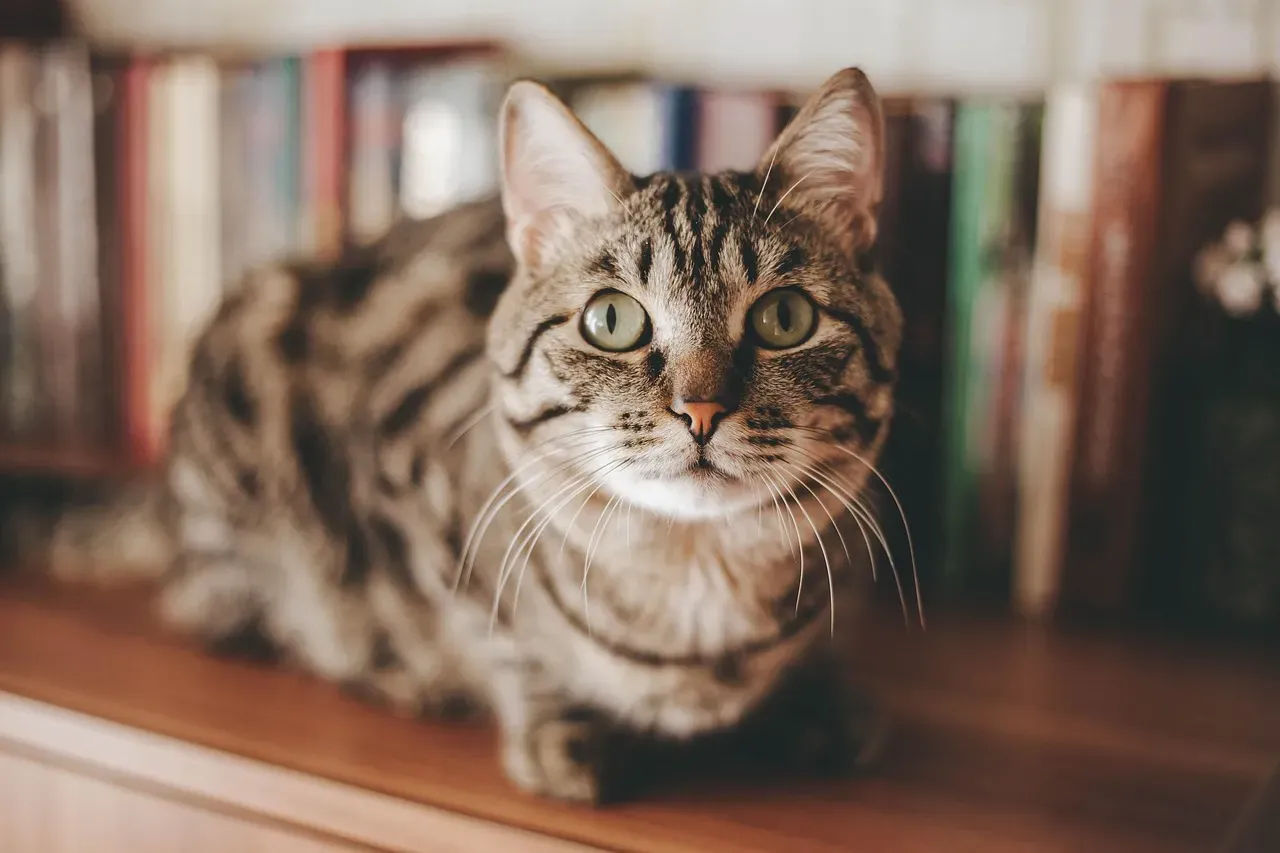
Vertical territory refers to the elevated spaces that cats claim as part of their environment. Unlike dogs, cats are true climbers. In the wild, felines scale trees to hunt, hide, or rest. When your cat claims the top of the bookshelf as “theirs,” they’re not being dramatic. They are genuinely establishing and maintaining a territory. That’s serious business in the feline world.
Cats are territorial animals, and being elevated allows them to assert their dominance and mark their territory. By claiming high vantage points, cats can visually and olfactorily mark their territory, sending a clear message to other animals in the vicinity. Here’s the thing: even in a single-cat household, this territorial claiming matters deeply to your cat’s sense of confidence and security. It’s not about competition. It’s about ownership of space.
Height as a Stress Reliever and Safe Haven
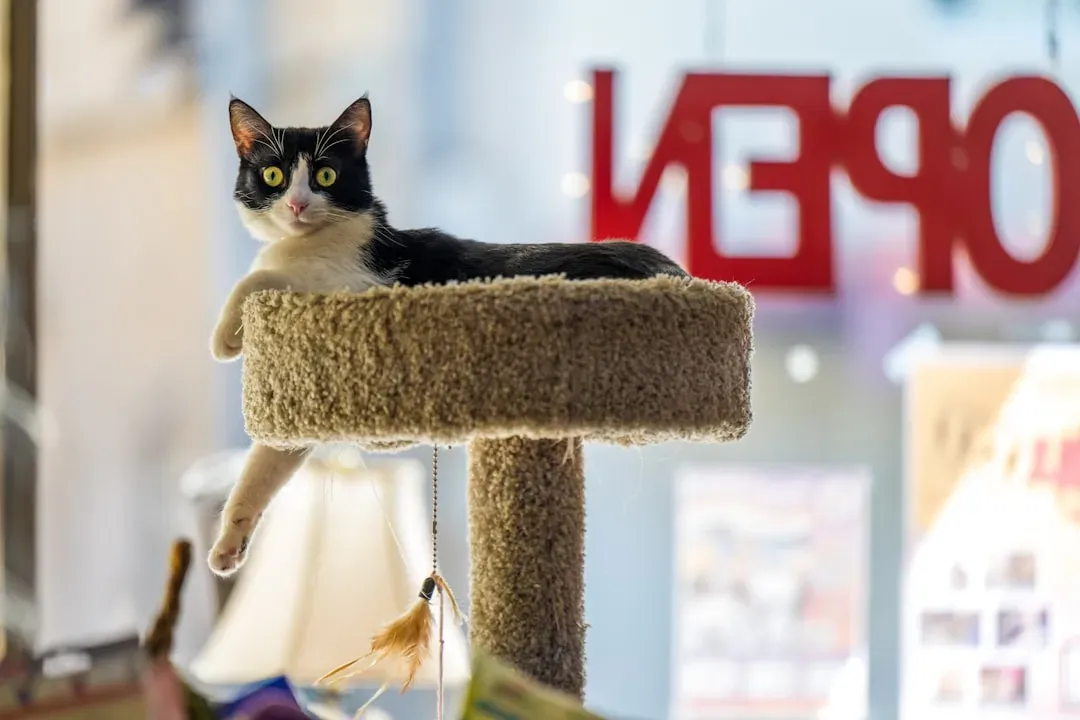
High perches help cats cope with stress and anxiety. Cats are sensitive to changes in their environment, especially new family members and visitors to the home. This can be a real source of stress and anxiety for some cats. Hiding from the perceived threat is a common response, and having a high perch gives them that sense of safety while allowing them to still be part of the action and see what’s happening. Think of the perch as a cat’s version of stepping outside to take a breath. It’s a decompression zone.
This behavior isn’t just instinctual – it also impacts a cat’s emotional wellbeing. Elevated spots help cats retreat from noise, children, or other pets when they need alone time, and shy or anxious cats often feel safer when they can observe from above without being disturbed. If you’ve ever noticed your cat retreating to a high spot after a visitor arrives, you’re watching this stress-relief mechanism play out in real time. It’s not antisocial behavior. It’s self-regulation.
Sleep, Warmth, and the Perfect Nap Spot
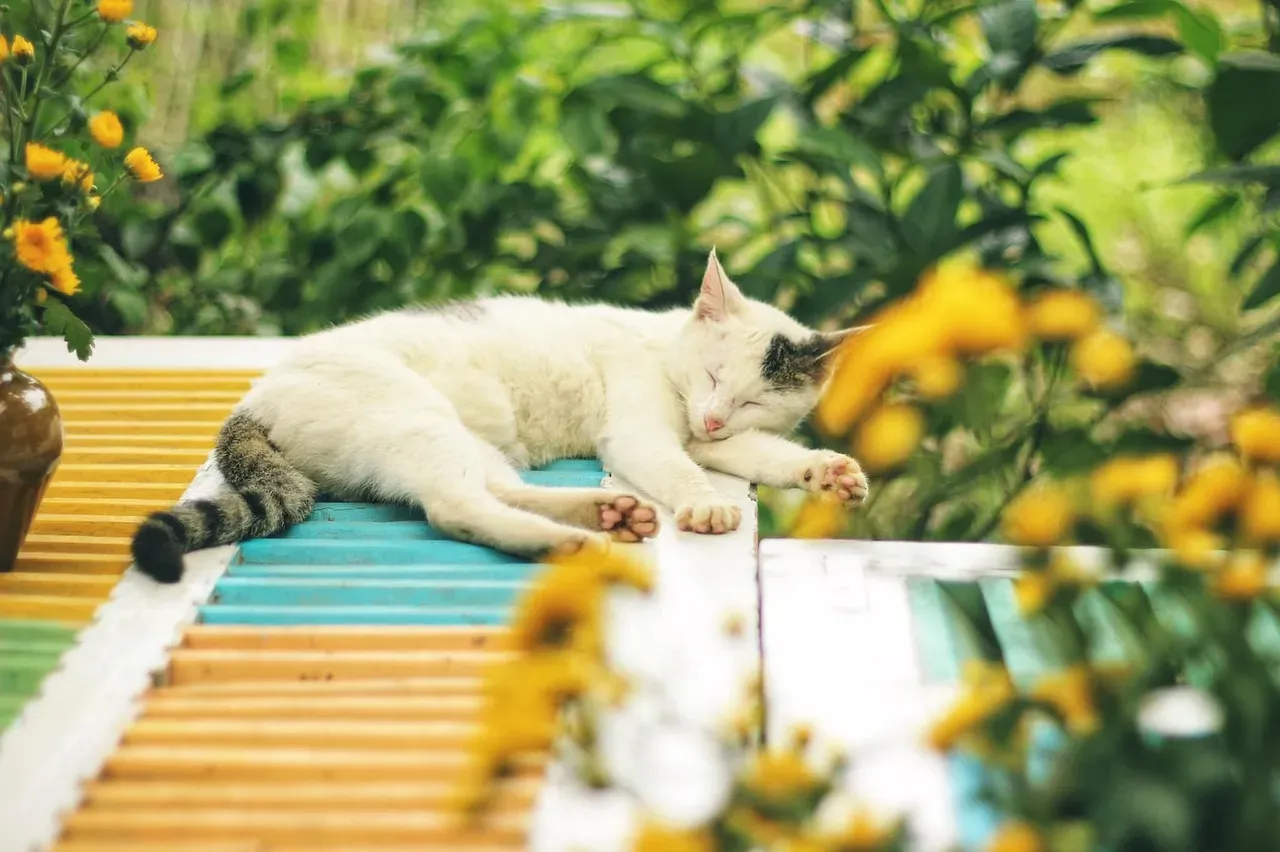
High perches provide safe sleeping spots. Sleeping is a major “activity” for cats, averaging 15 hours a day. Elevated spots for this important task are popular because of that feeling of safety. Let’s be real – a creature that sleeps that much is going to be very selective about where it does so. That’s not laziness. That’s survival strategy carried straight into the living room.
Because warmer air rises, cats might prefer the tops of appliances, cat trees, and bookshelves over cold floors. This can be especially true during the winter, when it’s colder in many places. So there’s actually a perfectly practical physics lesson happening every time your cat scrambles to the highest warm spot in the house. They’re not weird. They’re just better at thermodynamics than most of us give them credit for.
Physical Fitness and Mental Sharpness From Climbing
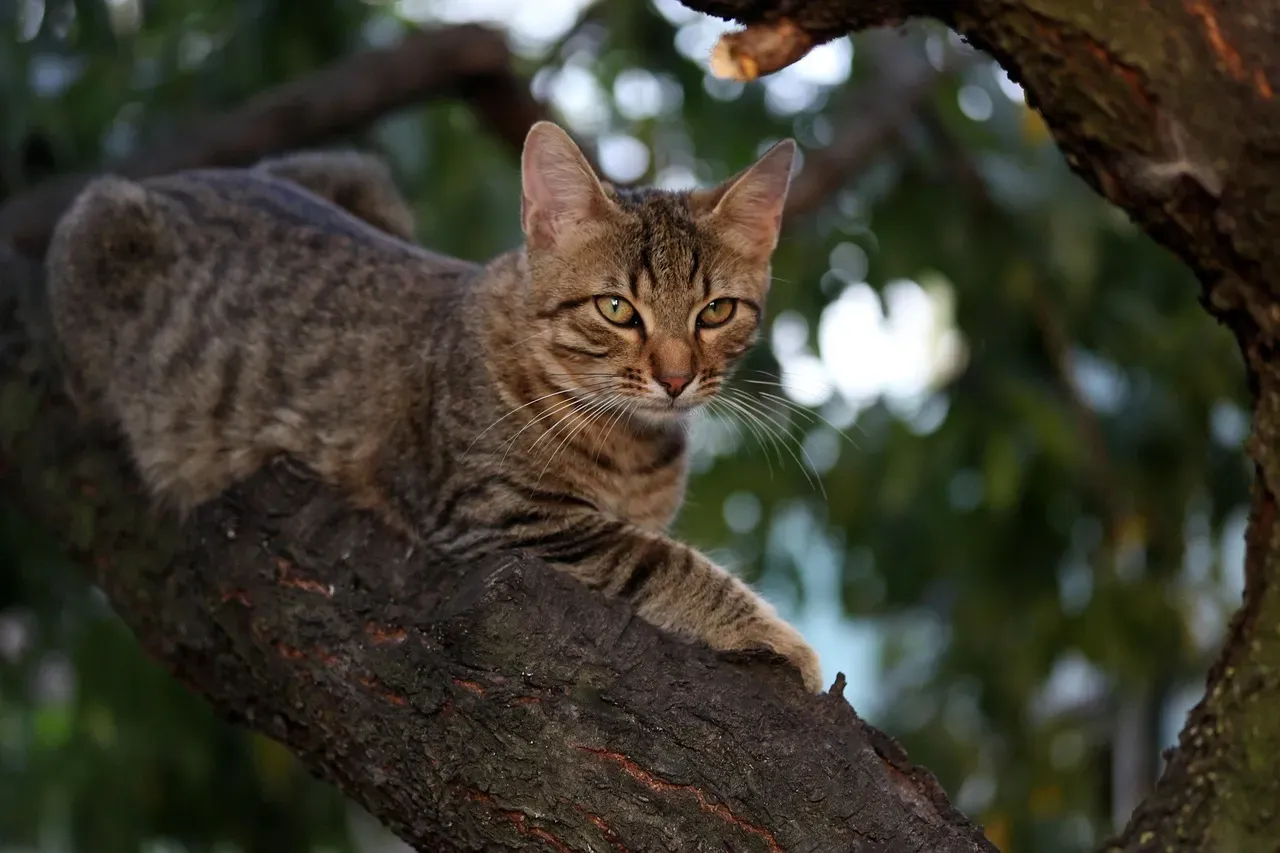
Climbing is a workout, and it helps keep your cat healthy. Cats need daily exercise to keep their joints and muscles in good shape. When they can get exercise by doing something that comes naturally, like climbing up to a high perch, they’re more likely to stay fit. It’s a brilliant design, honestly. The very behavior that kept their ancestors alive also keeps them physically healthy today without requiring any external motivation.
From a mental stimulation standpoint, climbing and perching in new locations helps keep cats engaged. It taps into their predatory instincts and satisfies their innate drive to explore. Indoor cats, especially, benefit from this kind of vertical enrichment to stave off boredom and frustration. Without enough stimulation, a bored cat might become destructive – chewing on cords, scratching furniture, or becoming aggressive. Offering high spots gives them a healthier outlet for their energy and curiosity. In other words, that cat tree is not a luxury. It might be what’s saving your curtains.
Multi-Cat Households: Height Keeps the Peace
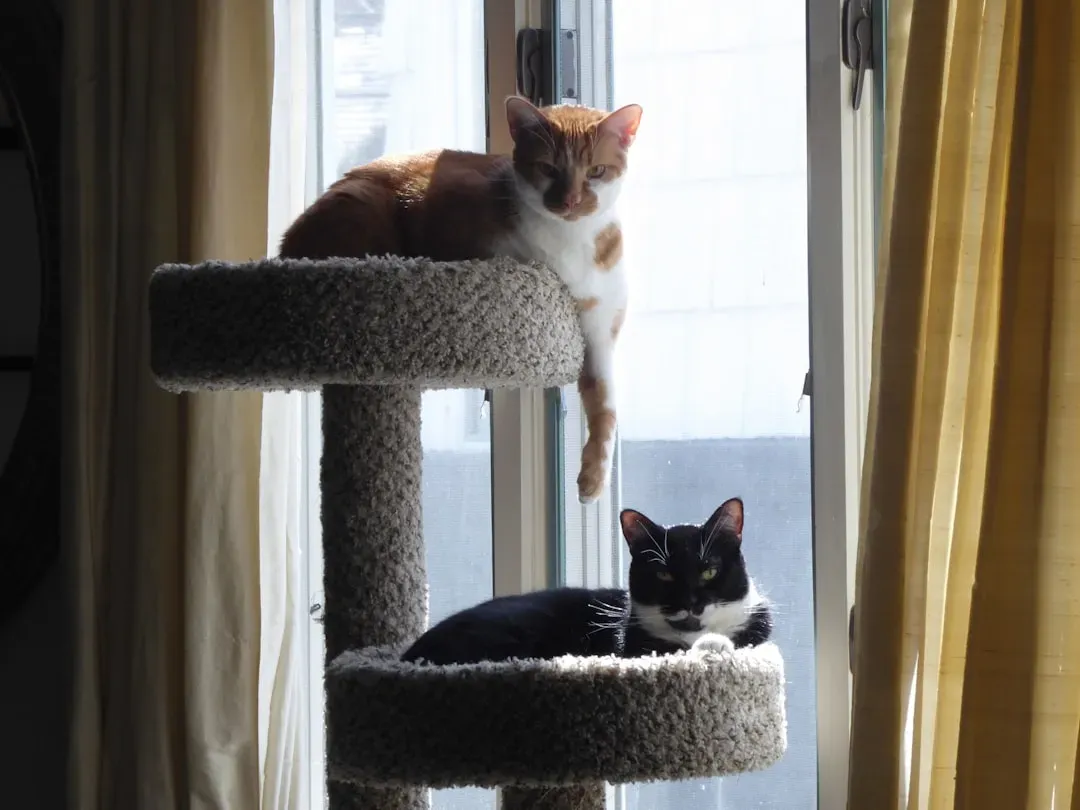
Cats are territorial creatures, and vertical spaces allow them to establish their “territory” without taking up more floor space. In multi-cat households, high shelves or perches help reduce tension by giving each cat its own space to retreat to. It’s a remarkably elegant solution when you think about it. More height means more individual space, even inside a small apartment. Vertical square footage is still square footage, as far as your cats are concerned.
Studies on feline social dynamics show that vertical territory helps reduce conflict, as cats can establish hierarchy without direct confrontation. That’s genuinely fascinating. In a multicat household where there’s any tension, you might find one or more of the cats feeling more secure eating their meals in an elevated location. If you’ve been puzzling over why your cats seem less aggressive around a new cat tree, this is your answer. Height creates harmony, and it does so without a single human intervention.
How You Can Honor Your Cat’s Vertical Instincts at Home
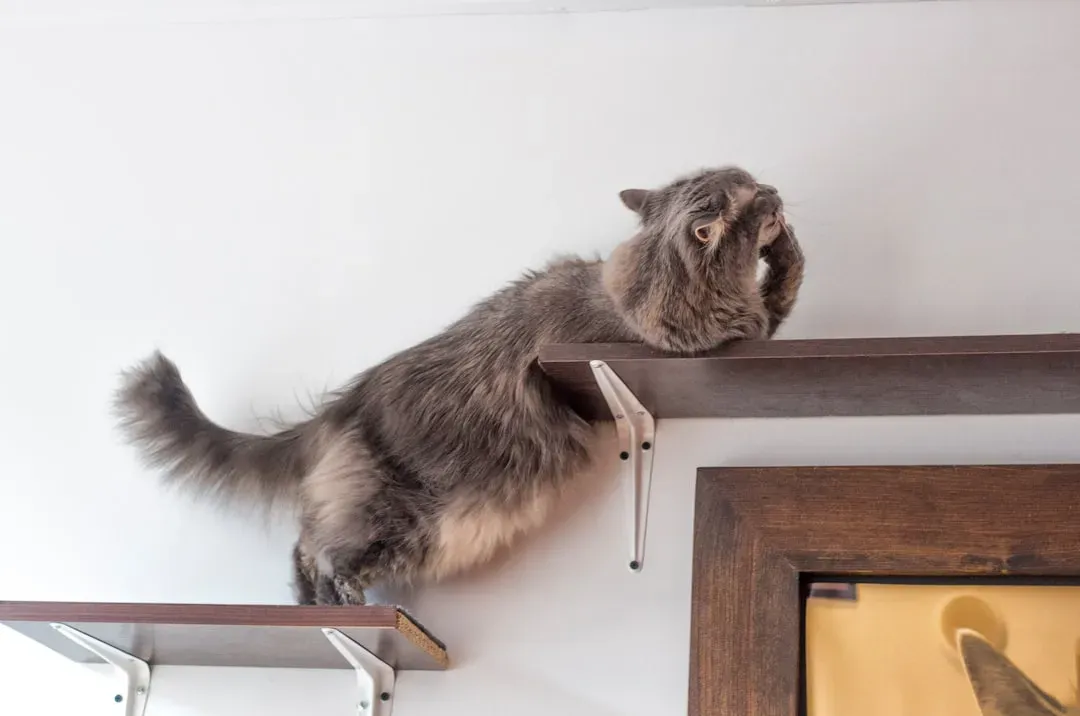
Creating vertical spaces for your cat can be as easy as clearing off the top of your refrigerator, bookshelves, and cabinets. This offers your cat a larger surface area to perch on and removes any potential dangers. You don’t need to spend a fortune or transform your home into an obstacle course. Small, thoughtful changes carry huge rewards for your cat’s wellbeing. Sometimes clearing a single shelf makes all the difference.
Cat trees, wall-mounted shelves, and window perches are excellent tools to offer your cat the height they crave. These not only satisfy their climbing instincts, but also reduce stress, prevent boredom, and help manage territorial behavior – especially in homes with multiple cats. Even in small apartments, you can create vertical pathways with strategically placed furniture or modular climbing shelves. Try to give your cat access to high spots near windows for extra enrichment, or in corners where they can observe the whole room without being disturbed. A spot near a window is especially powerful. Your indoor cat gets a live, rotating nature documentary all day long, and their wild instincts are fully engaged in the process.
Conclusion: The Floor Really Is Lava for Your Cat
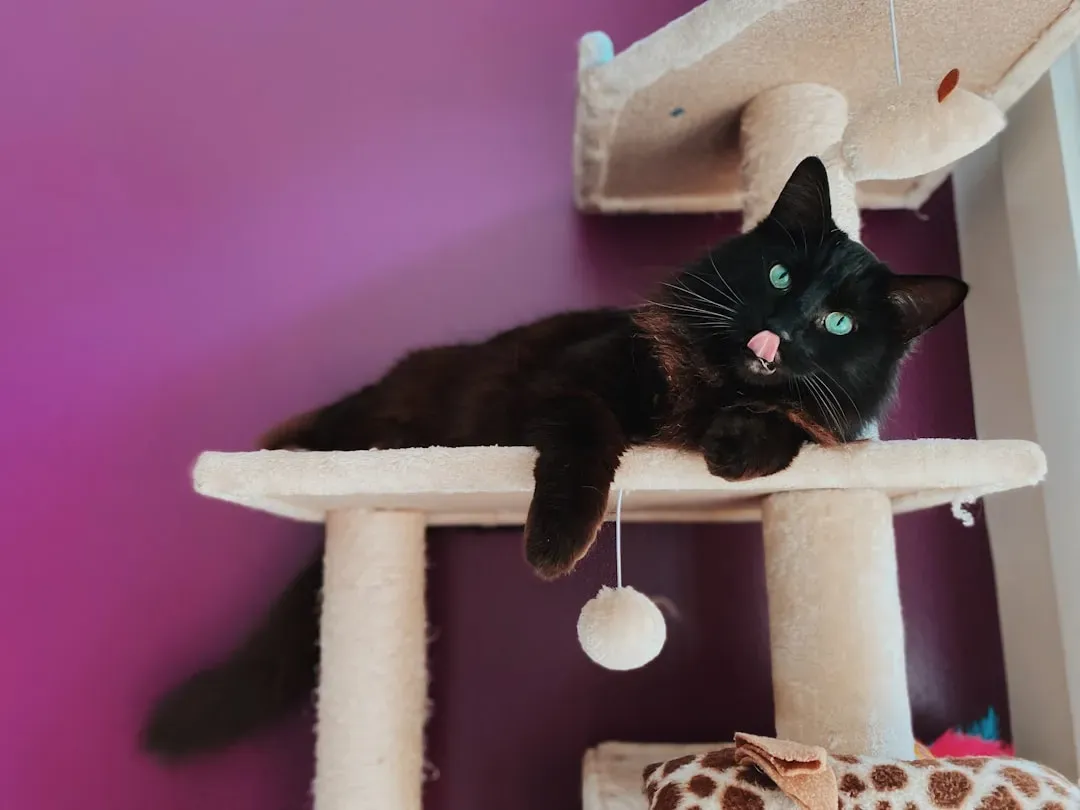
When you understand what’s actually driving your cat’s love of high places, everything clicks into place. The top of the wardrobe isn’t random. The refrigerator perch isn’t inconvenient stubbornness. Every single climb your cat makes is a living echo of survival strategies refined across millions of years. Domestic cats retain the same instinct to climb, perch, and observe from above. This is not learned behavior – it is inherited from their wild ancestors. Vertical movement helps cats feel safe, confident, and mentally stimulated. Height gives cats control over their environment.
Although these survival skills are less vital for the typical house cat, they remain a part of their genetic makeup. High perches are considered one of the key resources every cat needs to feel safe and secure. So next time your cat climbs to the highest point in the room and surveys you with those cool, unblinking eyes, remember: you’re not looking at a pet doing something strange. You’re watching four million years of evolution standing right there on your bookshelf. What would you have guessed was behind that look?
Kristina is a young writer from India. An arts graduate and an avid content creator, Kristina is passionate about animals and wildlife. She enjoys exploring topics related to pet care, animal behavior, conservation, and nature, combining thorough research with engaging storytelling.