You’ve probably heard the old joke that cats have owners, not the other way around. Honestly, there’s a grain of truth in that, but it’s far from the whole story. Cats are notoriously difficult to read, yet they definitely do show love and affection in their own adorable way. The problem? Most of us just don’t know what to look for.
Unlike dogs, who openly shower affection, cats express love through subtle body language, quiet rituals, and hidden behaviors we often overlook. If you’ve ever caught your cat staring at you and wondered what on earth is going on inside that tiny fluffy head, you’re in for a revelation. Let’s dive in.
1. Your Cat Shadows Your Every Move
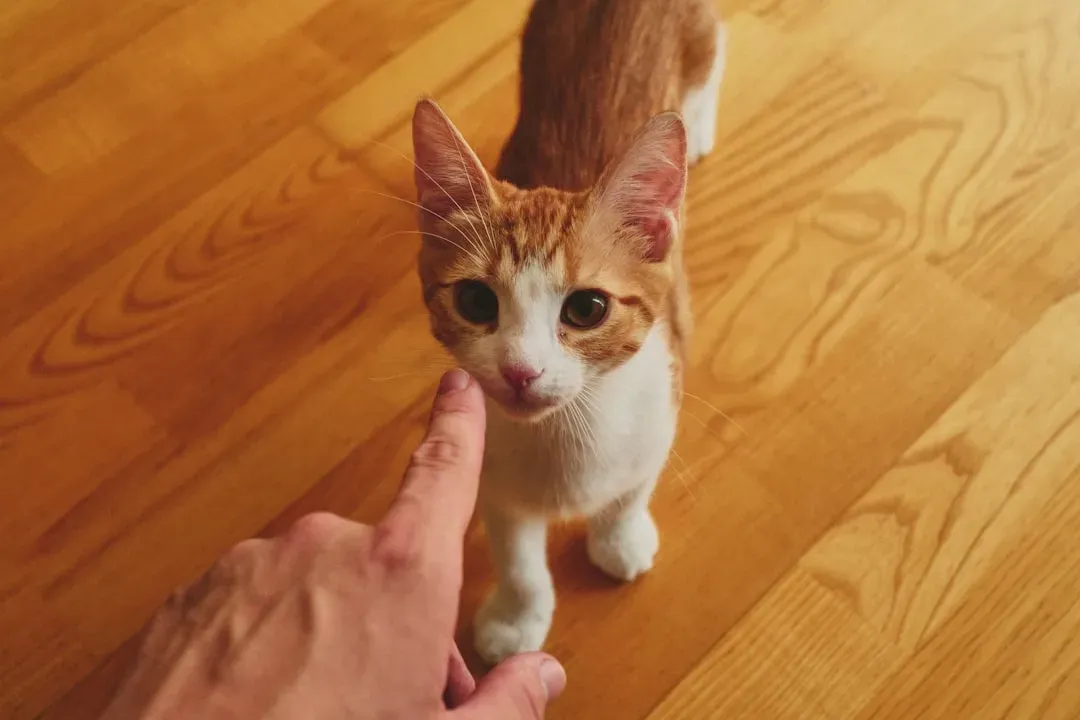
Think about the last time you got up to grab a glass of water. Did your cat materialize out of nowhere and follow you to the kitchen? That is not a coincidence. If your cat follows you everywhere, they are certainly obsessed with you. While it may be annoying that you can’t even go to the bathroom without your feline companion following close behind, it’s heartwarming to know they feel happiest in your presence.
This behavior actually has a name. One of the most obvious signs of a cat’s obsession is their tendency to follow you from room to room like a furry shadow. This behavior, often called “velcro cat syndrome” by veterinarians, indicates strong attachment. Think of it like a toddler following a parent around the house. Your cat feels safest right where you are.
2. The Slow Blink That Says Everything
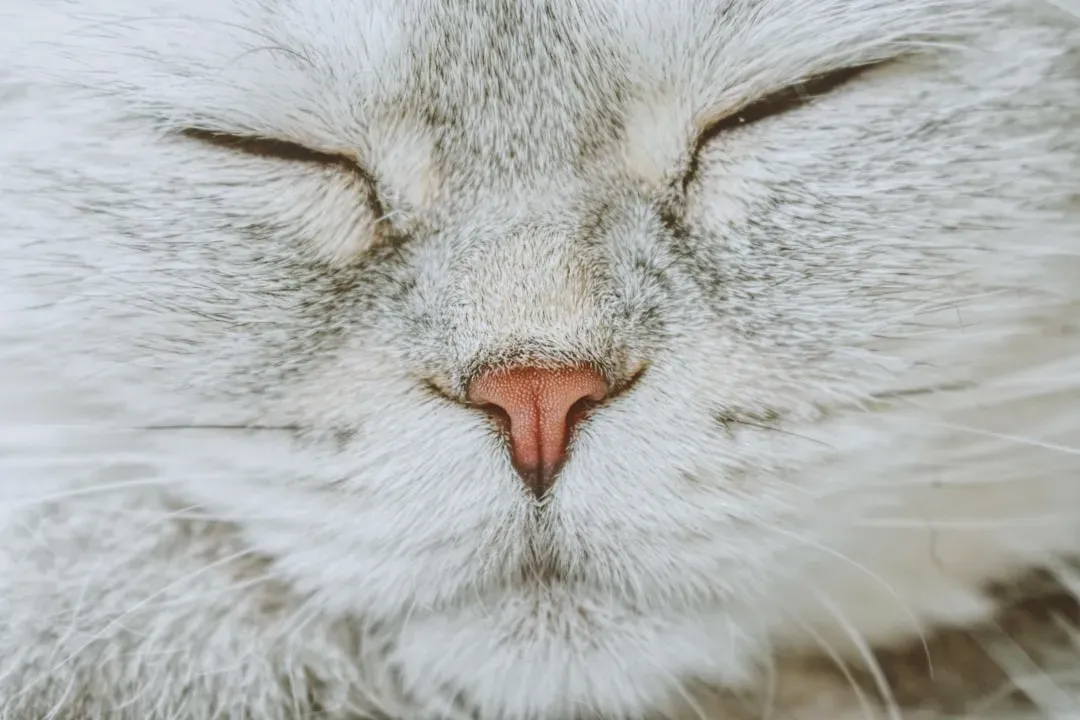
Here’s something most people completely miss. When your cat settles across the room and slowly blinks at you, it is not zoning out. Even something as subtle as blinking speaks volumes, and slow blinking is one way cats show affection and trust. It sounds almost too simple, right? Like, really, a blink?
This action shows the cat feels safe and relaxed enough to close its eyes slowly around you. In the wild, closing one’s eyes can make an animal vulnerable to predators, so a slow blink signals that your cat feels secure and at ease in your presence. You can actually return the gesture. Returning the slow blink strengthens your bond and can spark even more affectionate behavior. Give it a try tonight.
3. Kneading You Like Bread Dough
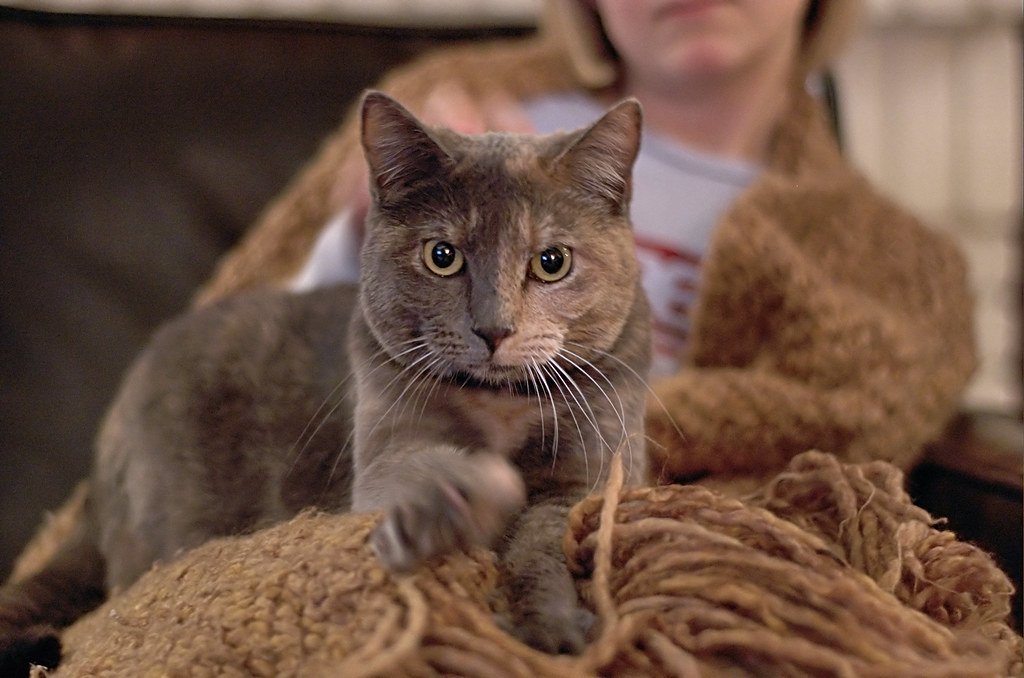
When your cat pushes their paws against you in a rhythmic motion, often called “making biscuits,” they’re displaying a behavior rooted in kittenhood. Kneading originally helped stimulate milk flow from their mother’s mammary glands. When your adult cat kneads on your lap, stomach, or even your arm, they’re exhibiting a behavior associated with comfort, security, and contentment.
It’s genuinely one of the sweetest behaviors in the animal kingdom, if you ask me. This regression to kittenhood behavior suggests your cat views you as a parental figure and source of safety. Feline behaviorists note that the more vigorous and frequent the kneading, the stronger the emotional bond your cat likely feels toward you. So the next time those little paws start going, consider it a standing ovation for your presence in their life.
4. Head Butting and Rubbing Against You
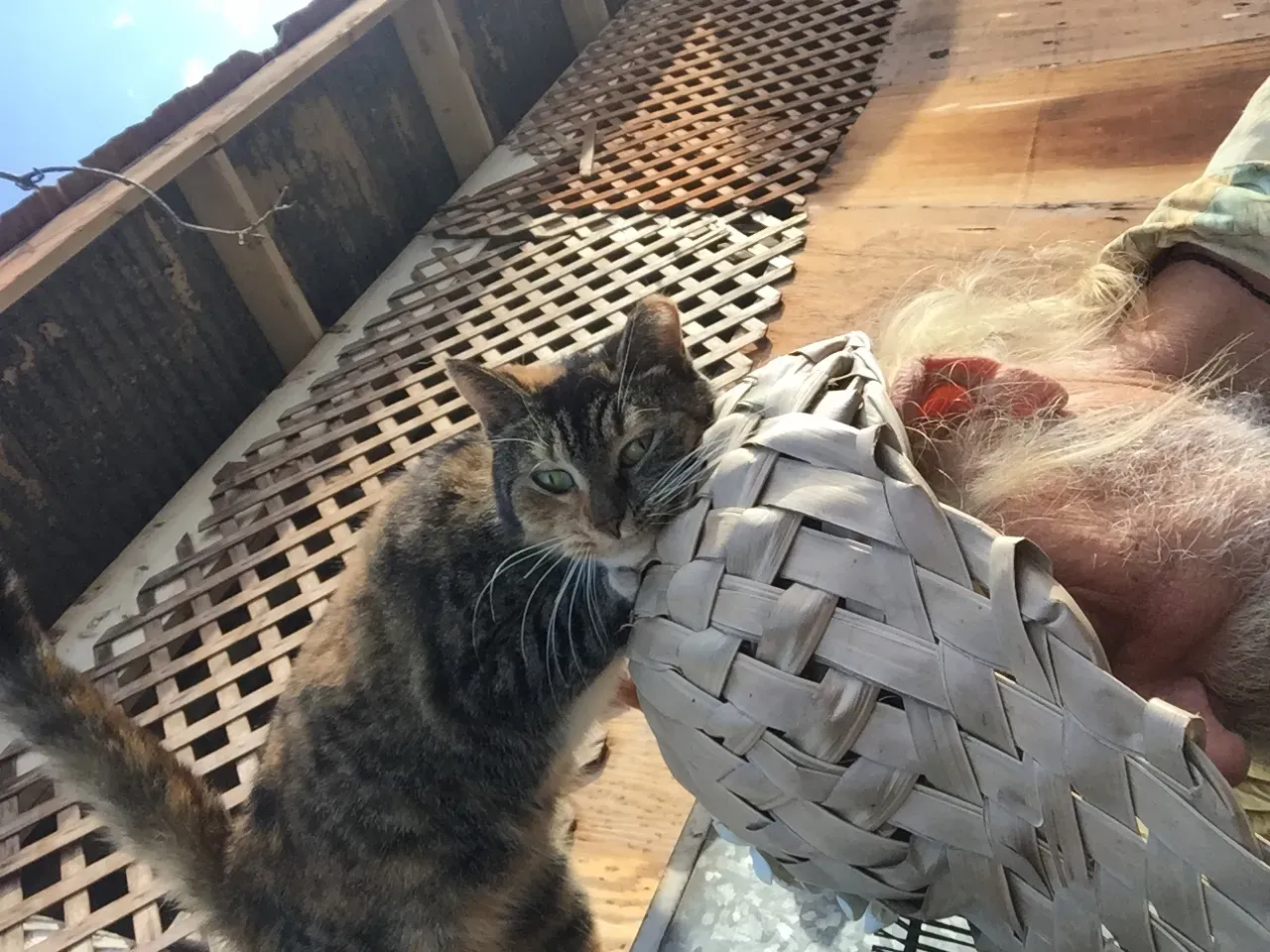
Your cat headbutting you in the face at 6am might feel like an alarm clock with fur, but there is real meaning behind it. When your cat rubs its head or face on you, they’re not just trying to reach a tricky spot. By marking you with their scent, they’re creating a “colony” with people and other animals they feel safe with, signaling that you’re part of their inner circle.
One powerful way your cat shows love is through head rubbing. Head rubbing is a way cats show love and mark you as part of their family using scent glands. When cats rub against you, they leave pheromones that claim you are “theirs.” Let’s be real: being claimed by a cat is one of the highest honors in the animal world.
5. Grooming You Like a Fellow Cat
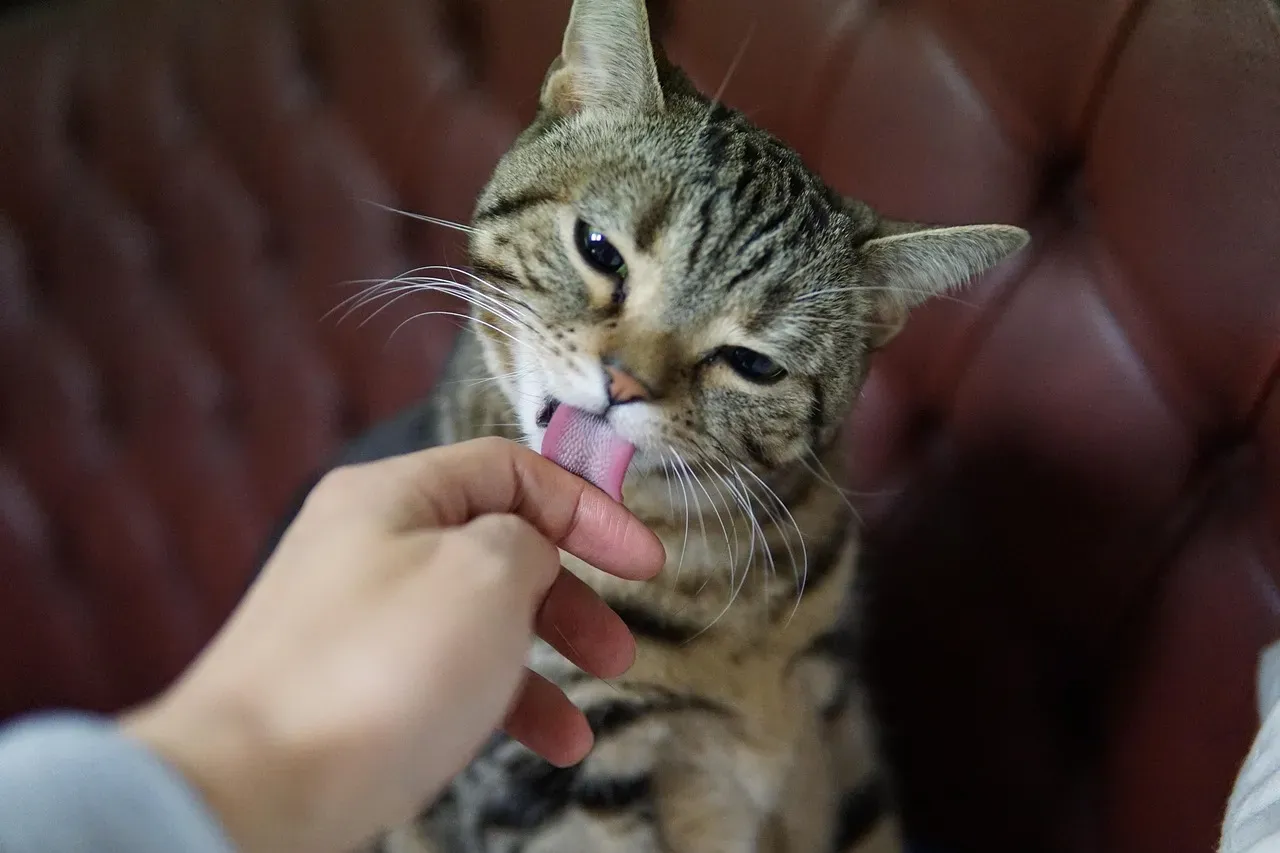
If your cat has ever started enthusiastically licking your hair, your hand, or the side of your face, you might have pulled away in mild horror. Totally fair. But that sandpaper tongue is actually a profound compliment. Cats groom other cats as a form of social bonding, and it’s likely they do this to humans for the same reason. If your cat takes it upon themselves to lick you, especially your hair or ears, they are trying to groom you.
In multi-cat households, group grooming sessions are a sign of trust and loyalty. Licking is a gesture that says your cat thinks you are a member of their social group and they accept you as family. This is one of the ways your cat shows you that you have a strong bond together. It’s the feline equivalent of a best friend fixing your hair before a big moment. Gross, sweet, and deeply meaningful all at once.
6. Bringing You “Gifts” You Didn’t Ask For
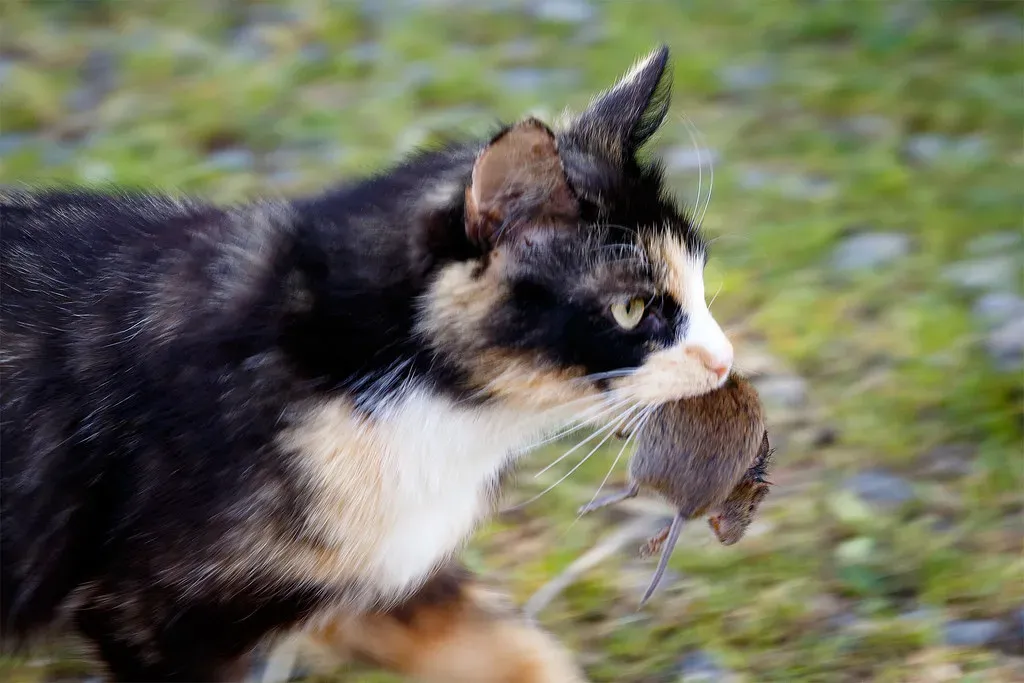
A toy mouse left on your pillow. A crumpled piece of foil dropped at your feet. The occasional, shall we say, more organic offering. Your cat’s obsession might manifest in the form of “gifts” that they proudly present to you. It’s their way of showing appreciation and providing for you, as they would for their own family in the wild.
Gift-giving is rooted in feline survival instincts. Cats bring prey to kittens to teach them how to hunt. So when your cat brings you something, they’re essentially saying, “I care about you, and I want to share what I have.” Mother cats bring prey to their kittens to teach them to hunt, and your cat bringing you “gifts” may reflect this same caregiving instinct. Disgusting in practice, incredibly touching in theory.
7. Choosing to Sleep on or Near You
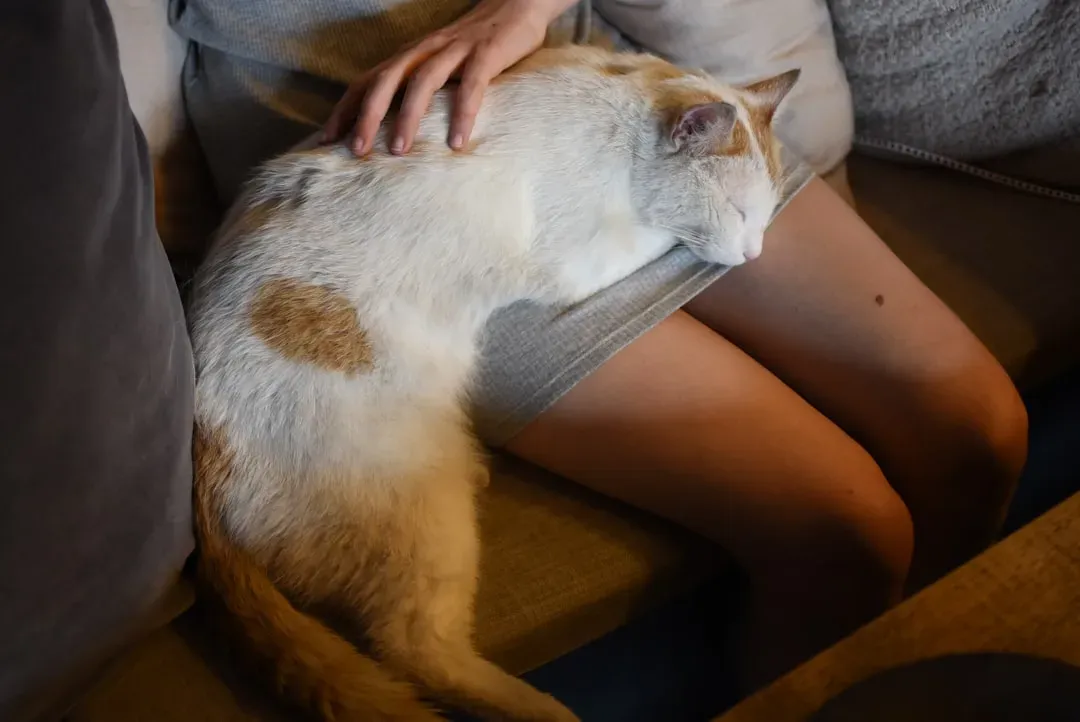
Cats sleep a lot. We’re talking up to sixteen hours a day. So where and with whom they choose to do it is a very deliberate decision. Cats spend up to 16 hours a day sleeping, and they are extremely vulnerable during sleep. A cat who consistently chooses you as their sleeping spot is showing intense attachment, almost certainly an obsession.
If you wake up with your cat curled up on your pillow, nestled close to your head, it’s a clear sign that they consider you their safe haven. Sharing your pillow signifies a strong bond and trust in your presence. Bedtime is a vulnerable time for cats, and choosing to sleep near their owner is a clear sign of deep trust. In their minds, you are simply the safest place in the whole world. Try not to feel too moved by that.
8. Vocalizing Just for You
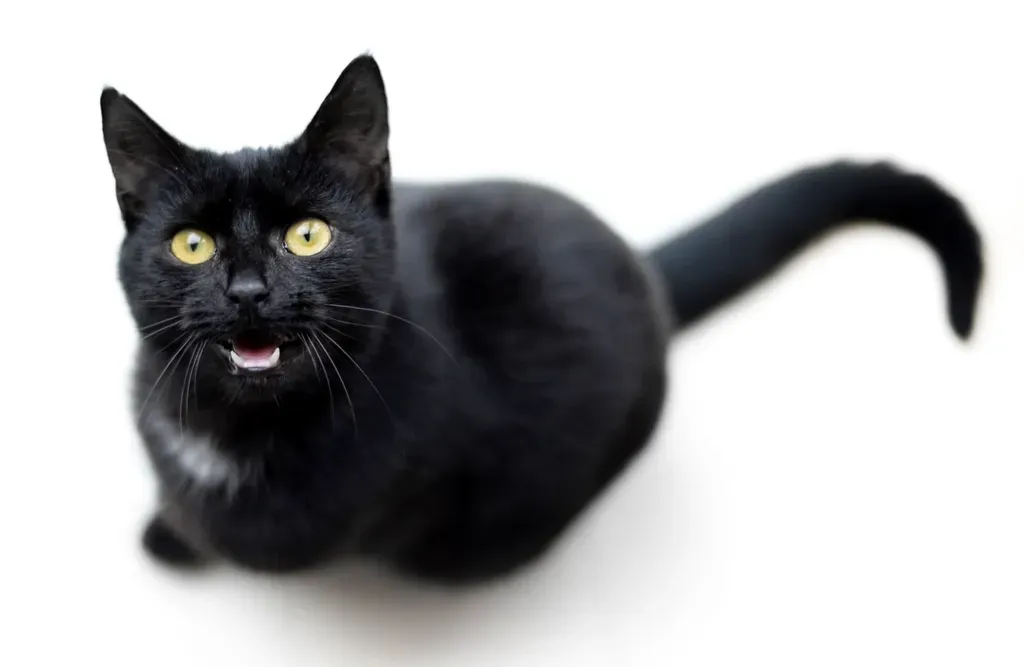
Here is something genuinely fascinating: adult cats almost never meow at other cats. They reserve that vocal communication almost exclusively for humans. Some cats are more vocal than others, and if your cat is constantly meowing, trilling, or chirping at you, it’s their way of expressing their love and excitement whenever you’re around.
If your cat is super chatty, greeting you with a meow whenever you come home, they are attached to you, and probably a bit obsessed, too. Cats aren’t like dogs, and they don’t greet everyone with equal enthusiasm. If your cat greets you by the door when you arrive home, instead of hiding under the couch or ignoring your existence altogether, take that as a sign that they missed you. That little chirp when you walk through the door? Pure, unfiltered devotion.
9. Responding to Your Emotions
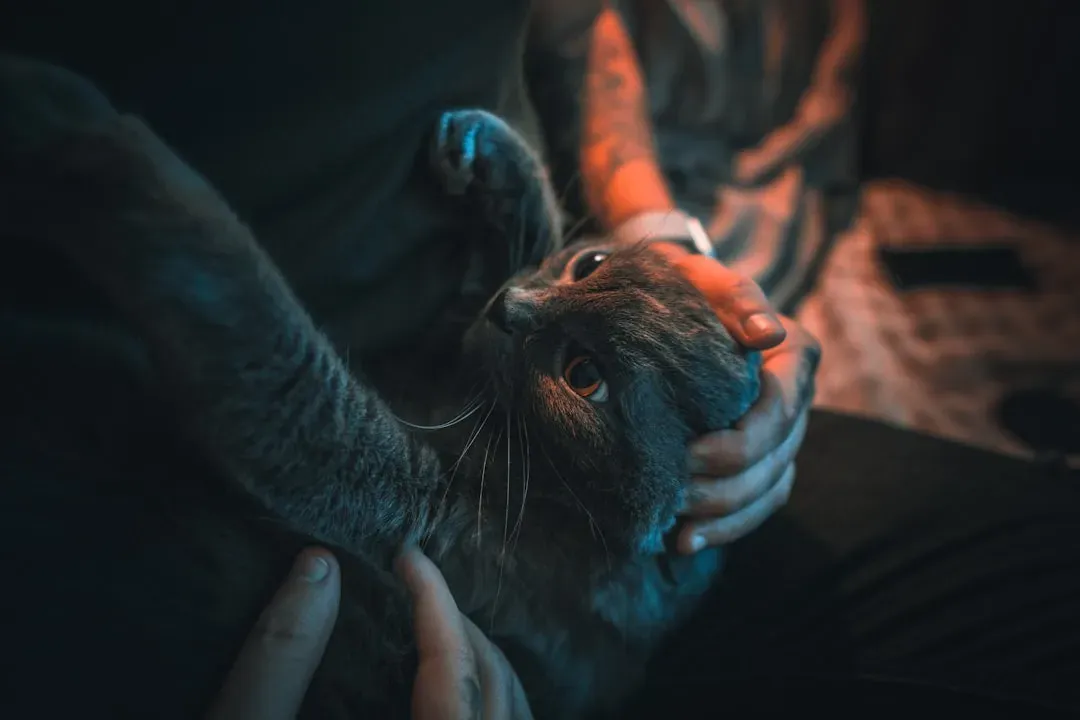
I think this one surprises people the most. There is a tendency to assume cats are emotionally indifferent to us, but the evidence suggests otherwise. Your cat seems to have an uncanny ability to sense your emotions. When you’re sad or upset, they will offer comfort by purring, rubbing against you, or simply sitting close by.
Despite their reputation for independence, cats are social animals capable of forming strong attachments to their caregivers. Your cat’s obsession may simply be a sign of love and trust. Cats form close bonds with the people who take care of their needs the most. Cats often “imprint” on humans, forming a strong attachment with their primary caregiver when they recognize that this human offers them food, water, comfort, and safety. When you’re having a rough day and your cat suddenly appears out of nowhere to sit with you, that is no accident.
10. Seeking Physical Contact, Even Minimal
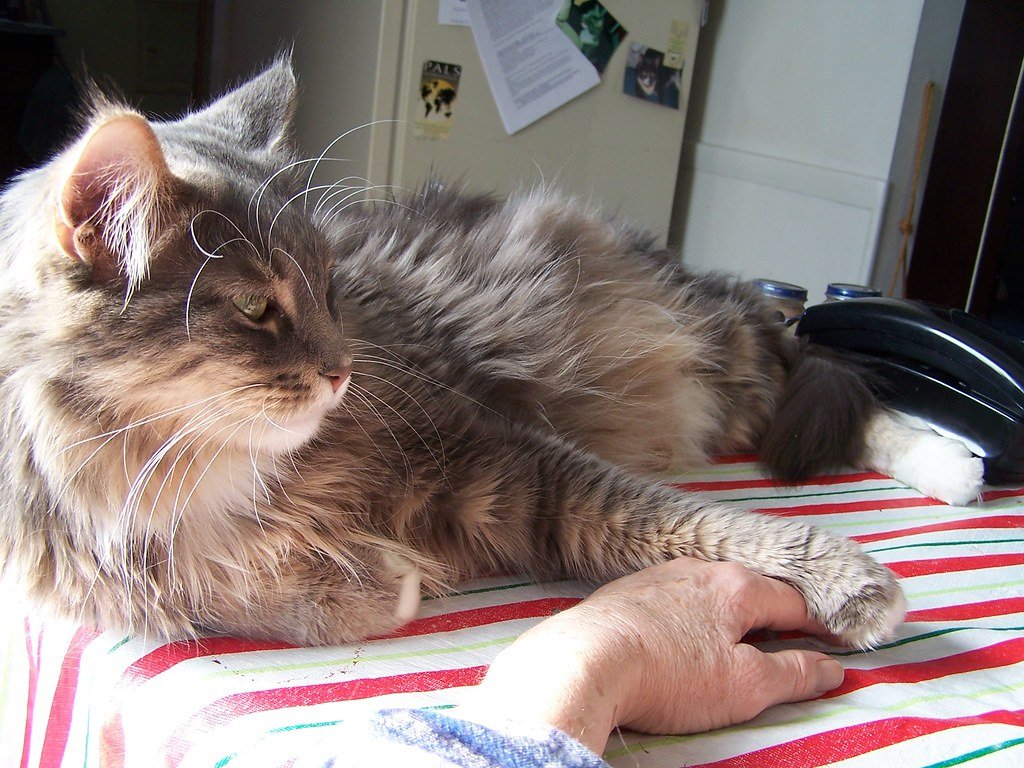
Not every cat is a lap cat, and that is completely fine. But even the less cuddly types often find their own way to stay physically connected to you. You might notice your cat choosing to sit just close enough that one paw touches your leg, or pressing a flank against your ankle while you work at your desk. Some cats aren’t cuddly, but they still crave contact to reassure themselves of your presence. Even minimal contact is a hidden love indicator. It means your cat draws comfort simply from being connected to you.
Just like dogs, cats display affection by following their humans, rubbing against them, purring in their presence, or wanting to be near them constantly. Cats thrive on routines. When you feed them, clean their litter, or play with them at consistent times, you become the most predictable and thus secure part of their day. This can lead to your cat becoming a bit “obsessed” with your presence, as it equates to consistency, safety, and care. That tiny paw touching your knee is them saying, in the most understated feline way possible, “I just need to know you’re still here.”
Conclusion: Your Cat’s Love Is Real, Just Written in a Different Language
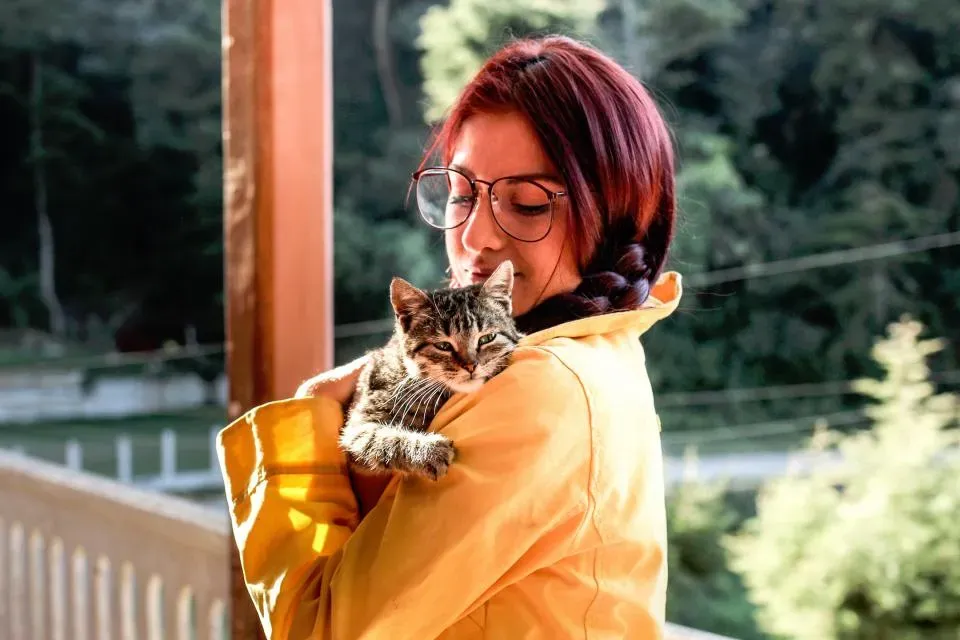
The beautiful thing about cats is that their affection is never performative. Cats don’t “fake affection” to get more food or be let outside, but they do use their body language to communicate their needs to you. Every slow blink, every kneaded lap, every chirped greeting at the door, is genuine. It just takes a little translation to understand what they’re saying.
A cat who follows you, touches you, vocalizes for you, brings you gifts, or makes your presence their comfort zone is expressing real emotional devotion. Your cat has chosen you as their favorite human on the planet. That is worth sitting with for a moment. Out of everything and everyone in their world, they chose you.
So the next time your cat does something that seems random or confusing, pause before dismissing it. You might just be missing a love letter written entirely in cat. Which of these signs does your cat show the most? Tell us in the comments!
Kristina is a young writer from India. An arts graduate and an avid content creator, Kristina is passionate about animals and wildlife. She enjoys exploring topics related to pet care, animal behavior, conservation, and nature, combining thorough research with engaging storytelling.