Cats. Few creatures on earth can make you feel like the most beloved person in the room one minute, then look at you like a complete stranger the next. It’s almost poetic, honestly. If you’ve ever stretched out your hand expecting a friendly nuzzle only to get a blank stare or a slow tail flick, you’ve probably wondered whether your feline friend actually likes you at all.
Here’s the thing – your cat’s affection isn’t random. What looks like chaos is actually a deeply nuanced communication system that most of us just haven’t been taught to read. Your cat has been speaking to you the whole time. You just needed the right decoder ring. So let’s dive in.
Your Cat Communicates Through Signals You’re Probably Missing
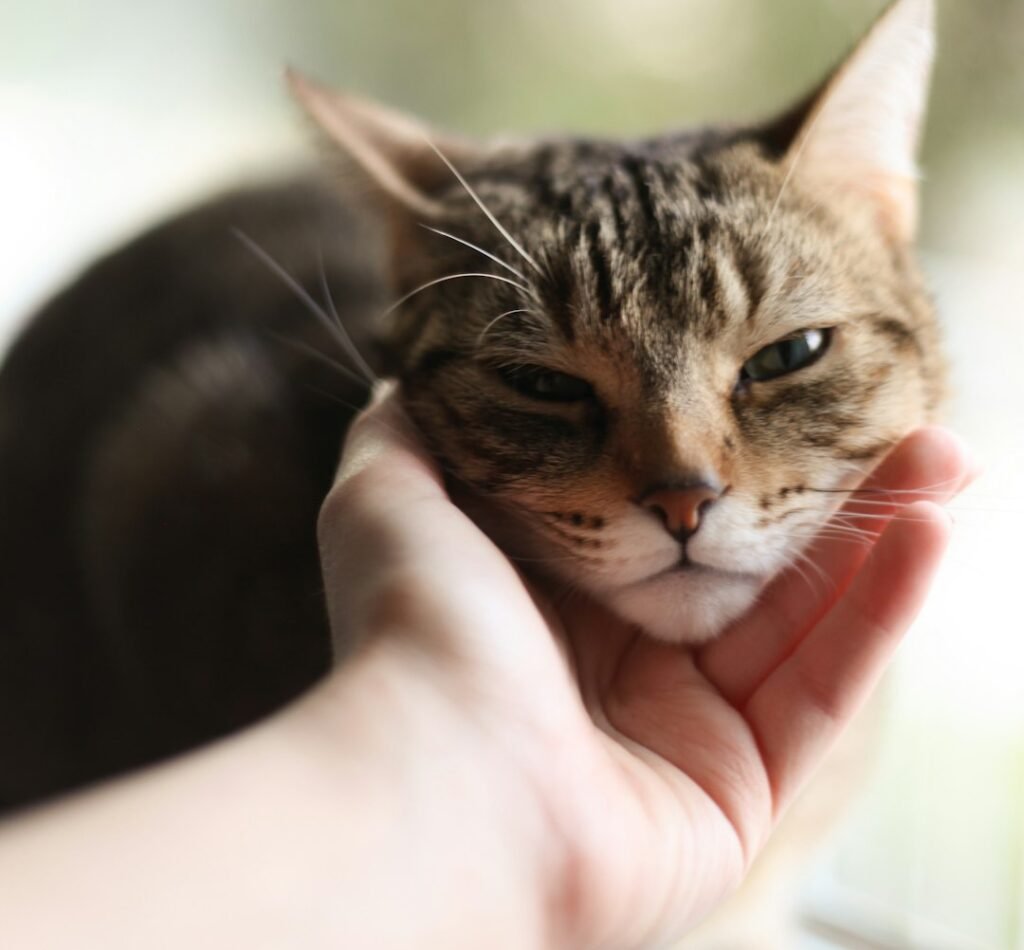
Cats show affection in ways that can feel subtle, quiet, or even confusing – especially if you’re used to more obvious signs of love from dogs or people. That slow blink your cat does while lounging across the room? That’s not boredom. That’s the feline equivalent of blowing you a kiss.
Research suggests slow blinks are associated with a positive emotional state and can be a sign of trust, contentment, and affection, similar to a human smile. Once you know what to look for, you’ll start noticing these tiny love letters scattered throughout your day with your cat. The trick is simply learning the language.
Your Cat’s Early Life Shapes How It Shows Love to You
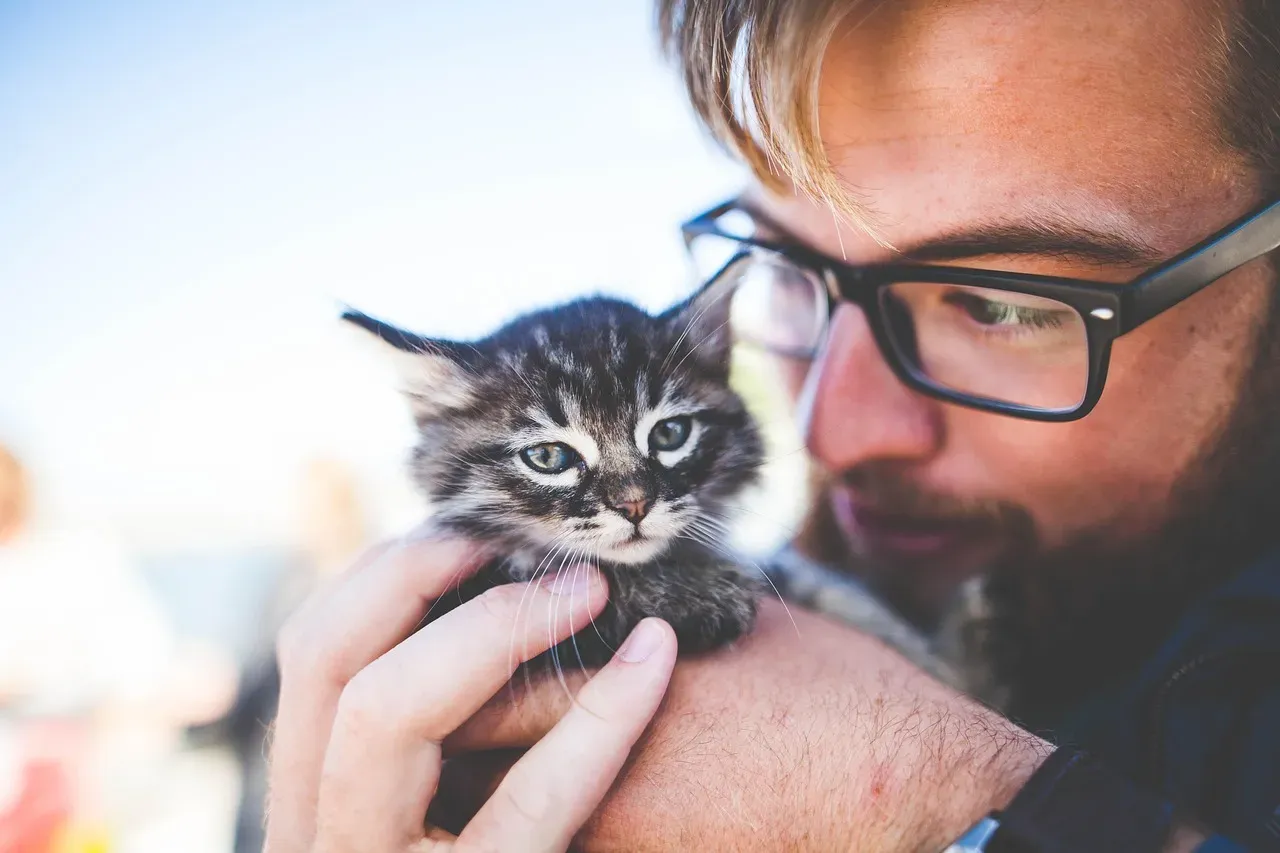
For many animals, there is a critical period in their development during which they need to encounter individuals of their own kind and from other species in order to become socialized to them. Scientists have shown that, in order for adult cats to be affectionate with humans, they need to have been handled during the 2 to 7 week period after their birth. This is known as the “sensitive period” of kitten development. Think of it like learning a language – miss that window, and fluency becomes a much harder road.
Kittens who receive positive human interaction during this time are more likely to seek out human companionship throughout their lives. So if your cat seems a little guarded or selective with its affection, it isn’t personal. It might simply reflect a chapter of its early life that happened long before you ever came into the picture. That’s a sobering thought, but also a freeing one.
Genetics Play a Bigger Role Than You Think
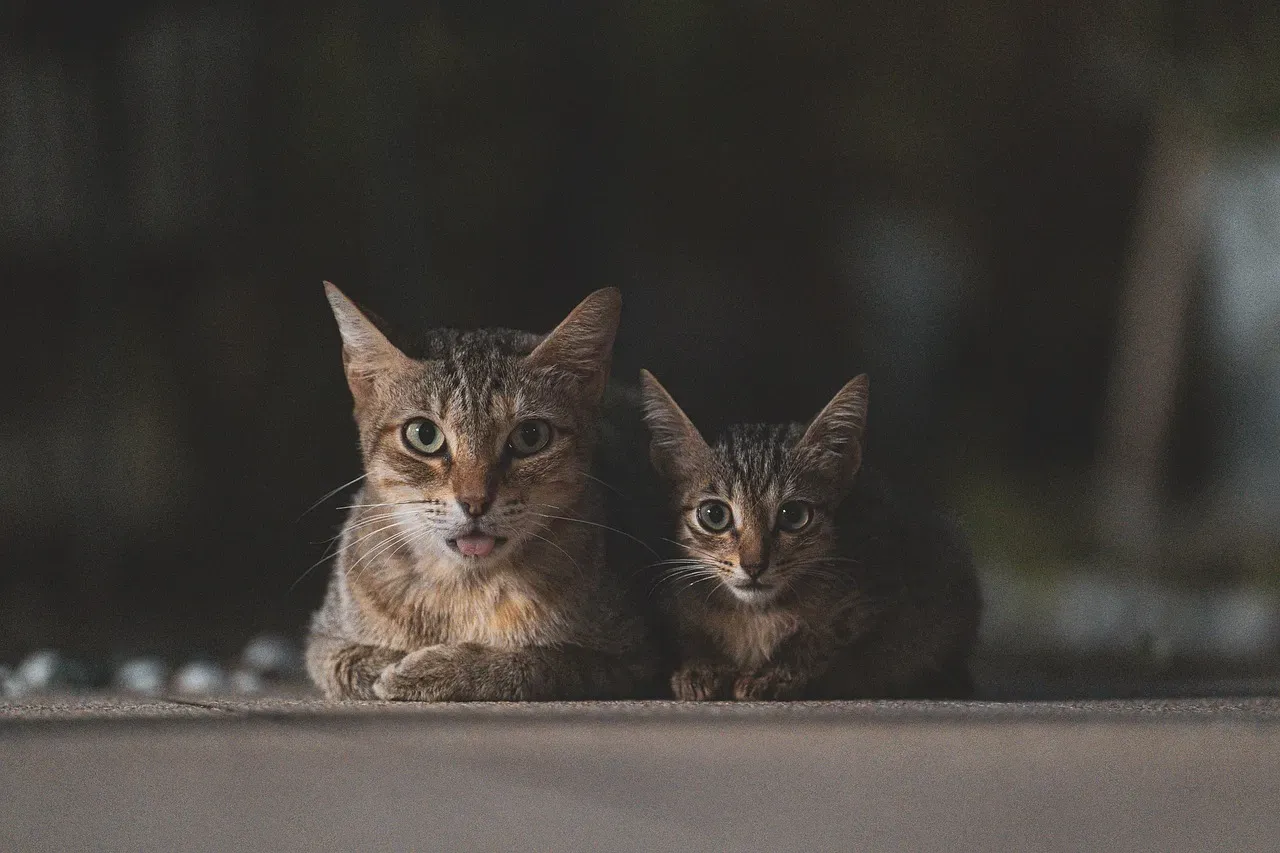
Rather than inheriting “friendly” or “unfriendly” genes, kittens inherit from their father the tendency to be either “bold” or “shy.” Bold cats are more likely to approach anything new – including people – and so, as kittens, tend to be more receptive to lots of attention during the sensitive period of socialization. It’s a bit like inheriting your dad’s outgoing personality at a party, except the party is your entire life.
A cat’s cuddliness may be influenced by both genetics and socialization. Certain breeds are known for being more affectionate, such as Siamese, Ragdolls, and Persians. That said, genetics is never the whole story. Plenty of mixed-breed cats are fiercely loving, and plenty of pedigreed cats will stare at you like you owe them rent money. Your individual cat is always more than its breed card.
Your Cat’s Mood Responds to Yours – Genuinely
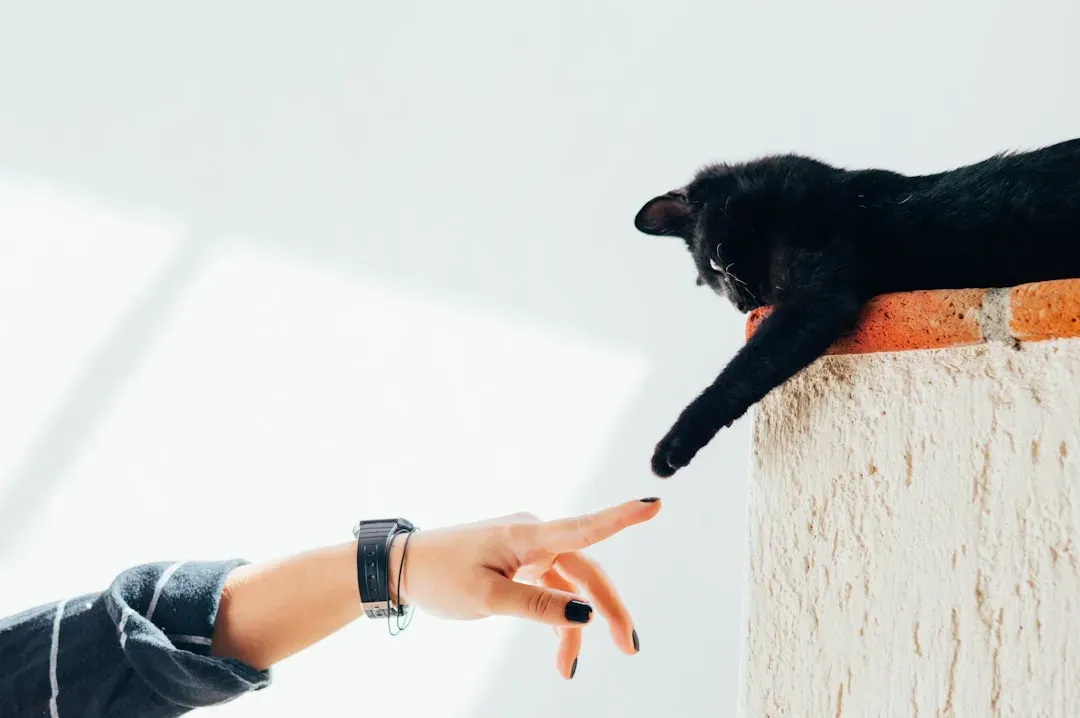
Cats – merely their presence but of course their behavior – can affect human moods, and human mood differences have been shown to affect the behavior of the cats. This is honestly one of the most underrated facts about living with a cat. You are in a two-way emotional relationship, whether you realize it or not.
The cat changes its behavior in response to depressiveness of the human when close to the person, vocalizing more frequently with the person and head and flank-rubbing more often on that person. So those moments when your cat seems to suddenly appear and curl up beside you on a hard day? That’s not coincidence. Your cat is reading the room – and choosing you.
Head Bunting and Rubbing Are Your Cat Claiming You With Love
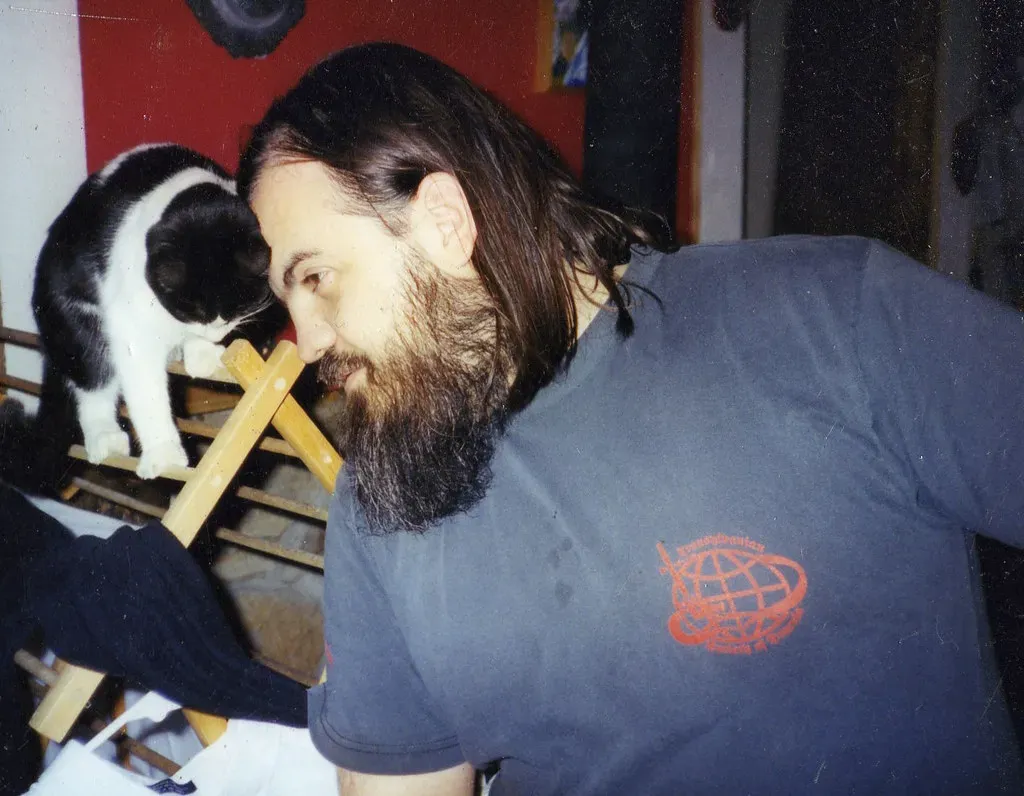
Cats have scent glands on their flanks, head and around their ears, and often rub their heads against people and objects that are familiar and comforting. In human terms, this is like someone leaving their favorite sweater at your house. It’s a claim. A warm, fuzzy, scent-based claim.
If your cat greets you by gently bumping their head against your leg or rubbing their cheek on your hand, they are displaying a behavior known as head bunting. This affectionate gesture is a way for cats to mark you as a part of their territory while also spreading their scent, which contains pheromones. Head bunting is reserved for individuals that cats trust and consider part of their social group. So next time your cat bumps your shin on the way to the food bowl, know that it means something real. Even if it also wants breakfast.
Your Cat’s Tail Is a Mood Barometer You Can Actually Read
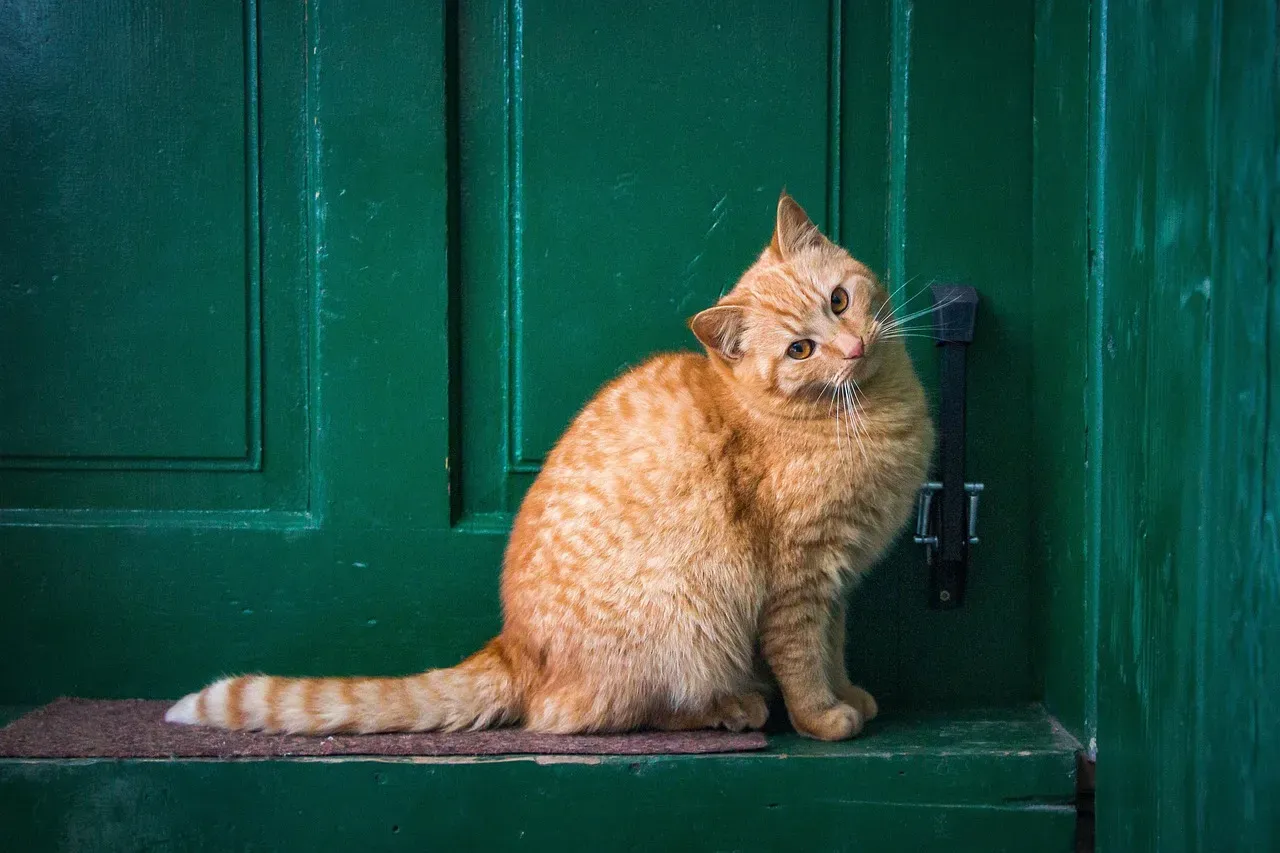
A tail held in the upright flagpole position shows a friendly intention, indicating familiarity, trust, and affection. Some cats also use an upright question mark shaped tail to greet someone they like, or to motion that they want to play. It’s a remarkably clear signal once you know to look for it. An upright tail at the door when you come home? Your cat is genuinely glad you’re back.
A slow, rhythmic swish often signals focus, such as when your cat spots a bird outside the window. However, rapid tail flicking or strong swishes typically reveal frustration or agitation. Recognizing this shift in cat body language can help you avoid overstimulation or unwanted conflict. In other words, your cat’s tail is practically narrating its inner world – all you have to do is watch. It’s one of the most reliable storytellers in the household.
Your Cat’s Affection Spikes Are Sometimes a Health Signal
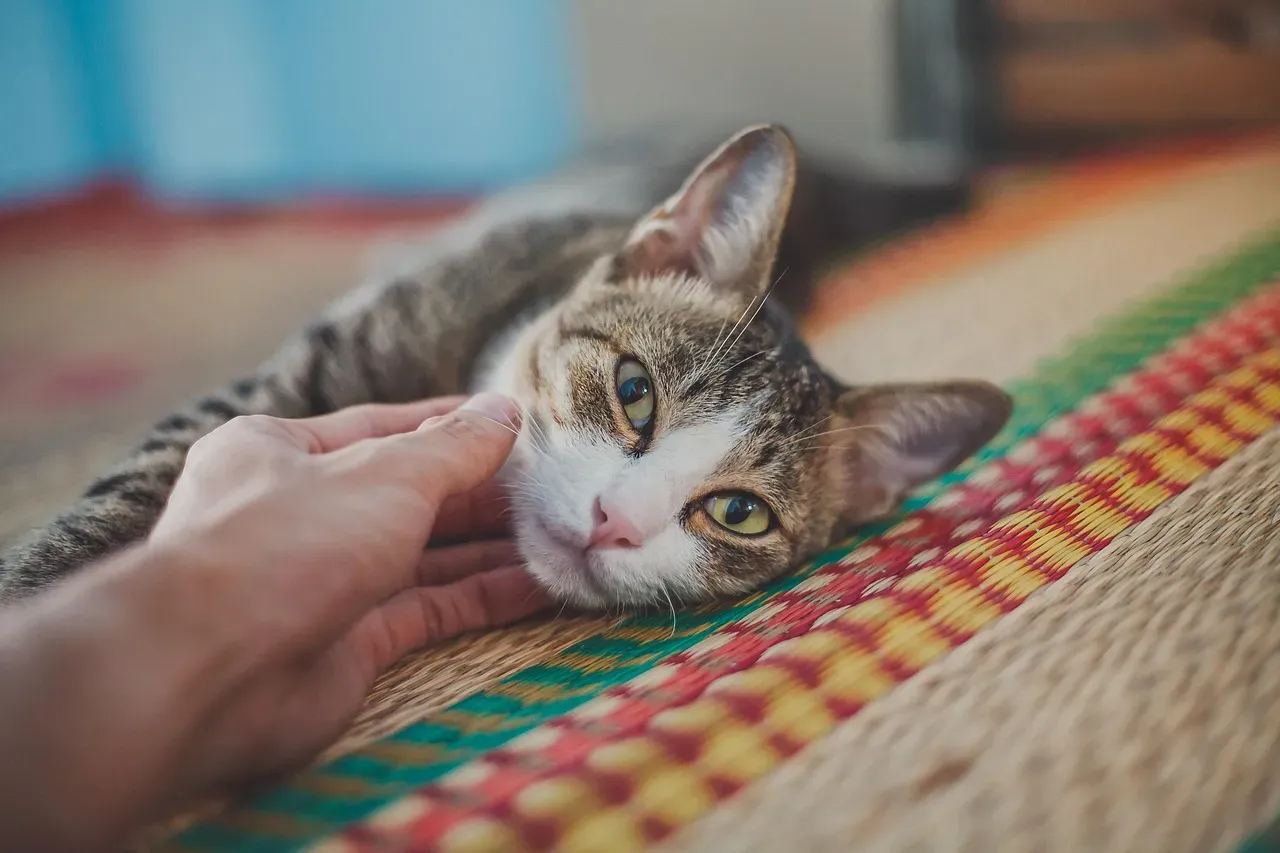
A sudden increase in some affectionate behaviors, such as vocalizations or asking for attention, are reasons to take your cat to the vet for an exam. For instance, some cats that develop hyperthyroidism become more active and affectionate. It sounds counterintuitive, doesn’t it? Extra cuddliness feels like a gift – but it can occasionally be a cry for help wrapped in sweetness.
Cats that initially develop diabetes mellitus may also be more affectionate and vocal because they are hungry all the time and are not getting the energy they need from their diet. Older cats may suddenly become more affectionate and vocal as they age and potentially develop hypertension or cognitive dysfunction. This doesn’t mean every purr is a red flag. But if you suddenly feel like your cat has been replaced by an exceptionally clingy twin, it’s always worth a quick conversation with your vet.
Your Cat’s Relationship With You Is Real – and Scientifically Confirmed
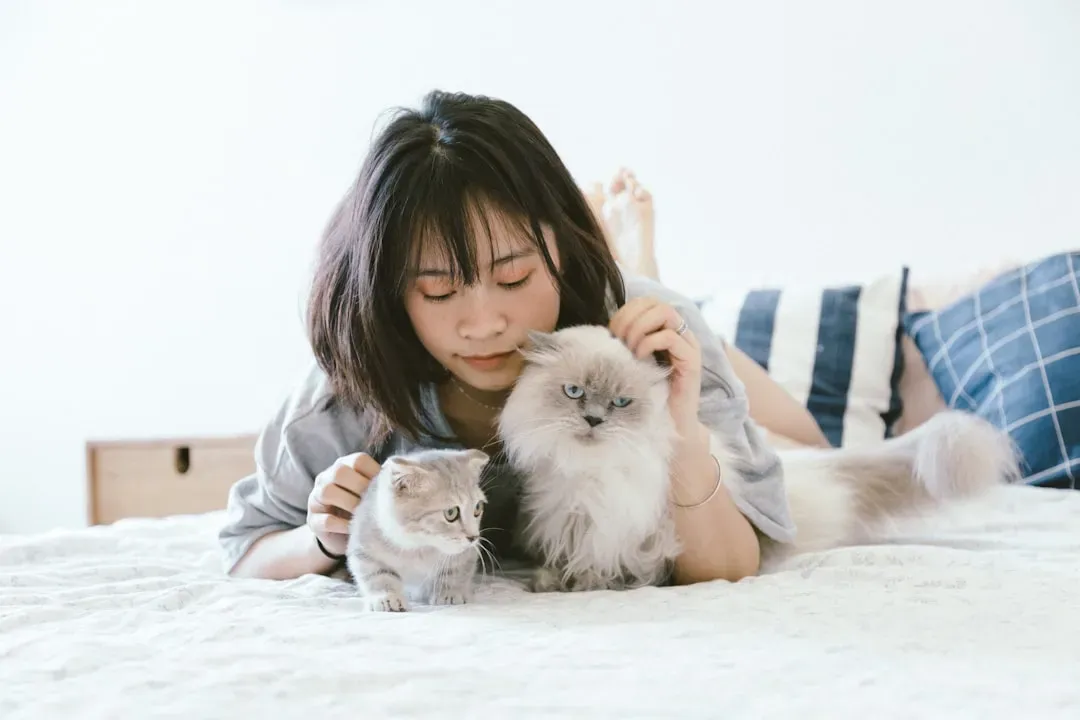
The way cats show they’re attached is very different from dogs. Dogs make a lot of prolonged physical contact, whereas cats may stay close to the person they like, but they don’t necessarily engage. This is probably the root of every misunderstanding ever had about cats. Proximity without performance is still love. Your cat sitting across the room, watching you work, is present. It’s choosing to be there.
Research has shown that cats prefer to interact with their owner than with a complete stranger and that they are more responsive to their owner’s voice than that of a stranger. Some cats, particularly certain pure breeds, develop such strong attachments to their owners that they suffer from separation anxiety when left alone. Let that sink in. The same creature that seemingly ignores you can spiral into genuine distress when you’re gone for too long. Cats may not always express love in obvious ways, but their affection runs deep. Learning how cats show love – and how your cat shows love – can transform small moments into meaningful connections.
Conclusion
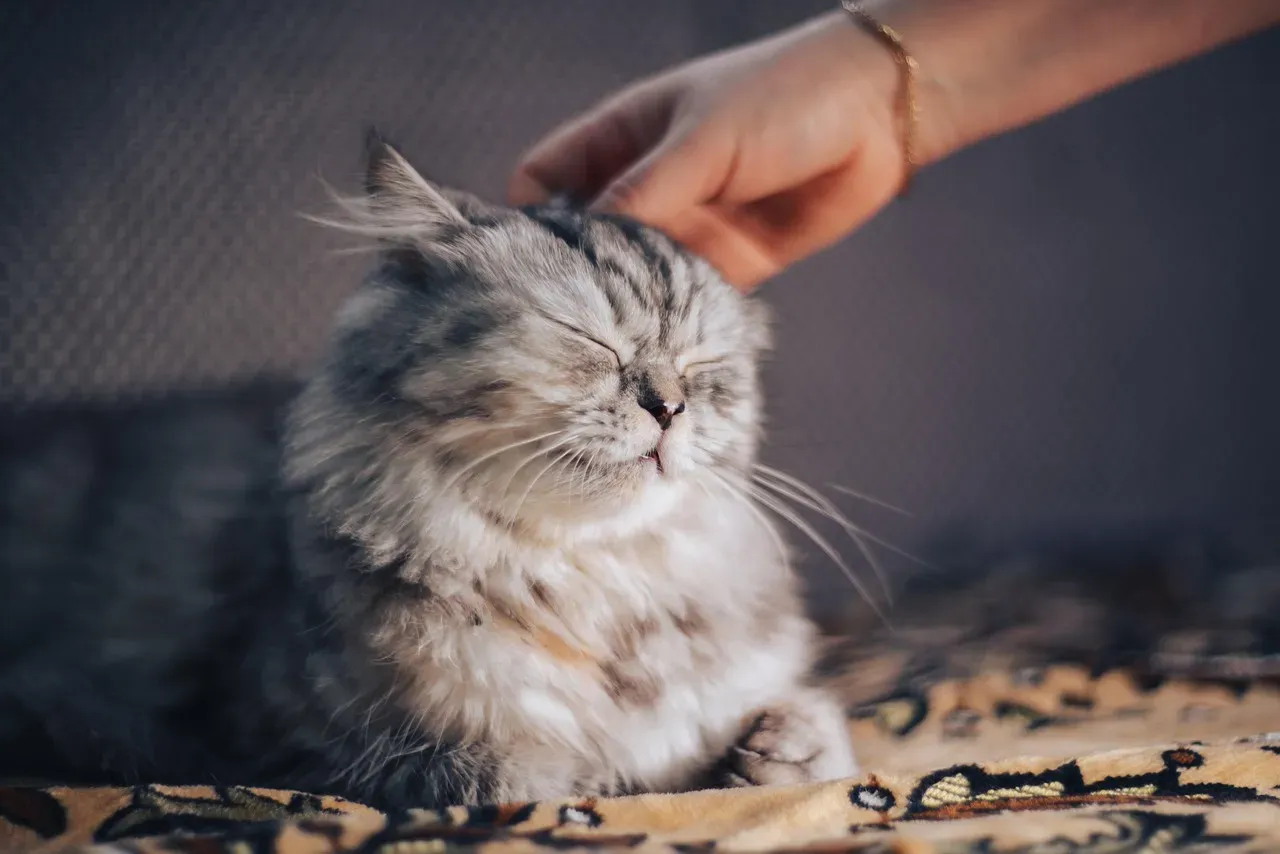
Your cat isn’t unpredictable. It’s just speaking a language that takes a little patience to learn. Once you start recognizing the slow blinks, the tail signals, the quiet presence on the couch, the enthusiastic head bump on your ankle – you’ll realize the affection was there the whole time. You just needed to listen differently.
Cats love on their own terms, at their own pace, through their own vocabulary. And honestly? There’s something incredibly special about earning that kind of love. It isn’t handed out freely. It’s chosen. Every single time.
Now that you know the signs, go take a second look at your cat. You might just find it was trying to tell you something all along. What’s the most surprising way your cat has ever shown you affection? Tell us in the comments.
Kristina is a young writer from India. An arts graduate and an avid content creator, Kristina is passionate about animals and wildlife. She enjoys exploring topics related to pet care, animal behavior, conservation, and nature, combining thorough research with engaging storytelling.