You’ve probably settled into the couch with your cat curled on your chest, that soft, steady rumble vibrating against your ribs, and thought, “Wow, they must really be happy right now.” Honestly, it’s a reasonable assumption. But here’s the thing – that gentle hum is doing something far more complex and extraordinary than simply broadcasting your cat’s contentment. Science has been quietly uncovering layers to this sound that most cat owners never even knew to look for.
The cat’s purr is one of nature’s most fascinating and misunderstood phenomena. It’s part language, part therapy, part biological self-defense. By the time you finish reading, you’ll never listen to that familiar rumble quite the same way again. Let’s dive in.
Your Cat Is Running a Built-In Sound Therapy Machine
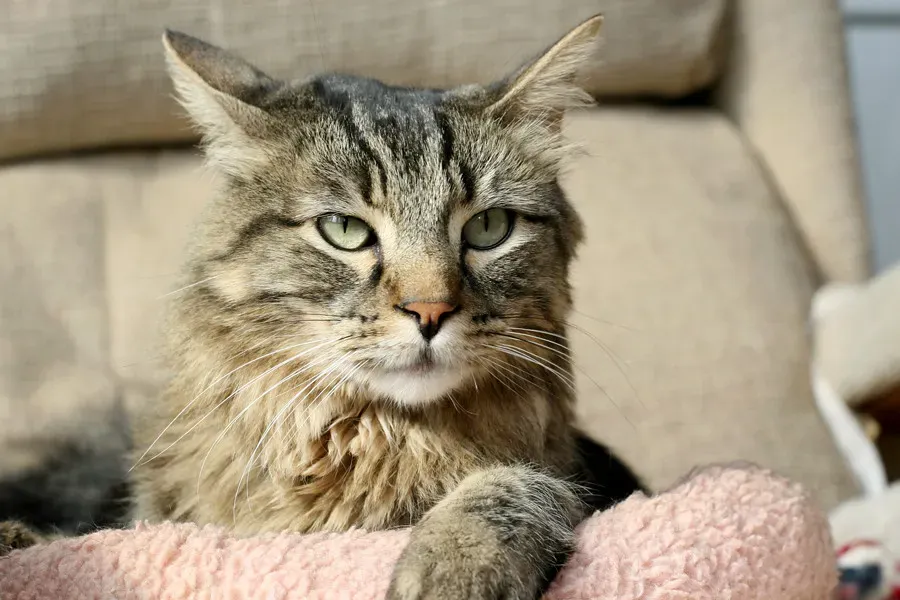
Let’s start with the most jaw-dropping discovery first. Research suggests that the frequency of a cat’s purring, typically between 25 and 150 hertz, could have therapeutic effects on the body and mind. To put that in perspective, that’s the same frequency range used in clinical vibrational therapy to treat human patients. Your cat is essentially a living, breathing sound healing device that also happens to sit on your laptop.
Purr frequencies correspond to vibrational and electrical frequencies used in treatment for bone growth, fractures, pain, edema, muscle growth, strain, joint flexibility, dyspnea, and wounds. I know it sounds almost too good to be true, but this research comes from bioacoustics studies that actually measured and recorded the purrs of dozens of feline species. The data is surprisingly compelling.
It’s a Self-Healing Mechanism Your Cat Uses on Itself
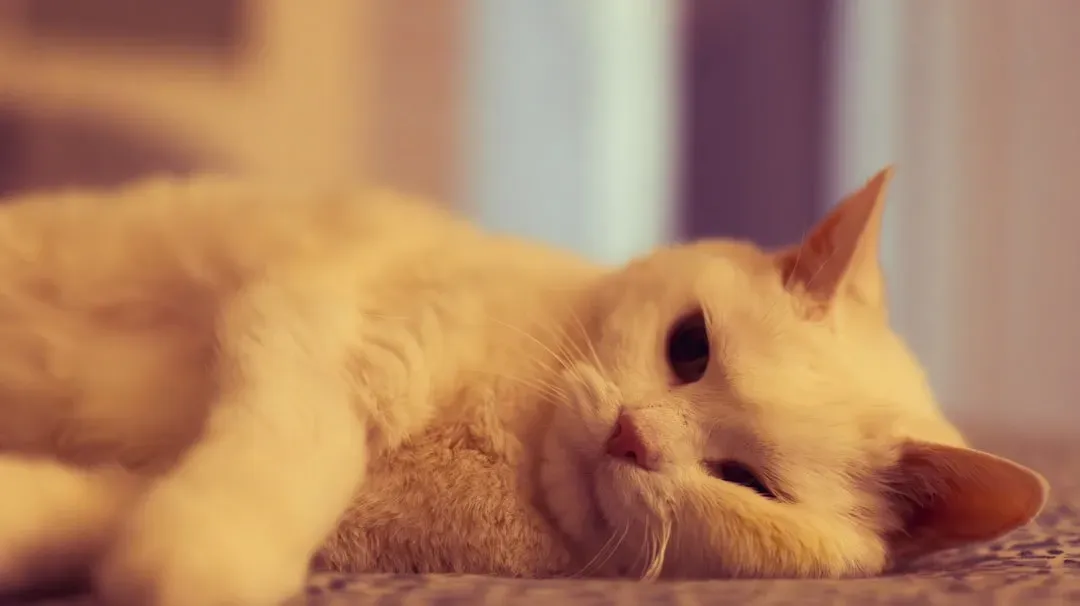
Experts reveal that cats also purr when they are in pain or distress. Surprisingly, purring becomes a form of self-soothing for these enigmatic creatures, a way to alleviate stress and create a sense of calm in the face of adversity. Think about that for a second. Your cat doesn’t just purr when things are good. It purrs when things are very, very bad.
Interestingly, the specific frequency at which cats purr links to various therapeutic benefits. Vibrations in the range of 25 to 100 Hz are medically therapeutic. They can promote bone density, heal wounds, and reduce pain and swelling. This might explain why cats purr during injury or sickness – it’s their way of self-soothing and possibly self-healing. It’s a bit like how you instinctively rub a bruise or hum to yourself when you’re anxious. The body knows what it needs.
Your Cat Is Secretly Manipulating You With a Hidden Baby Cry
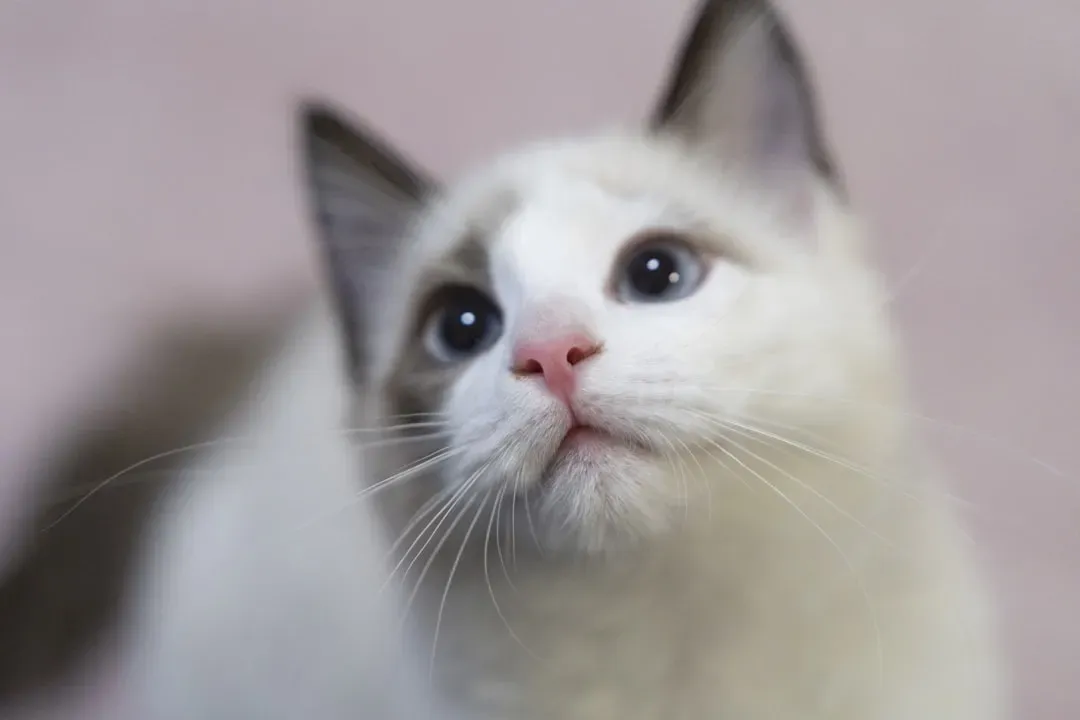
Here’s the one that genuinely blew my mind when I first learned about it. In 2009, researchers at the University of Sussex found that cats use a “soliciting purr” to manipulate their owners. Unlike regular purring, the “soliciting purr” incorporates a “cry” with a similar frequency to a human baby’s. So the next time your cat wakes you at 6 a.m. with that particularly insistent, impossible-to-ignore rumble, it’s not random. It’s calculated.
Similarities have been drawn between an infant’s cry and the isolation cry of domestic cats. The high-frequency aspect of the purr may subtly exploit humans’ sensitivity to these cries. Using sensory biases in communication between species provides cats with a productive means of improving the care that they receive. In other words, your cat has reverse-engineered exactly which acoustic frequency it takes to make you get out of bed and fill that bowl. Respect, honestly.
It’s How Mother Cats Speak to Newborns Before They Can Hear or See
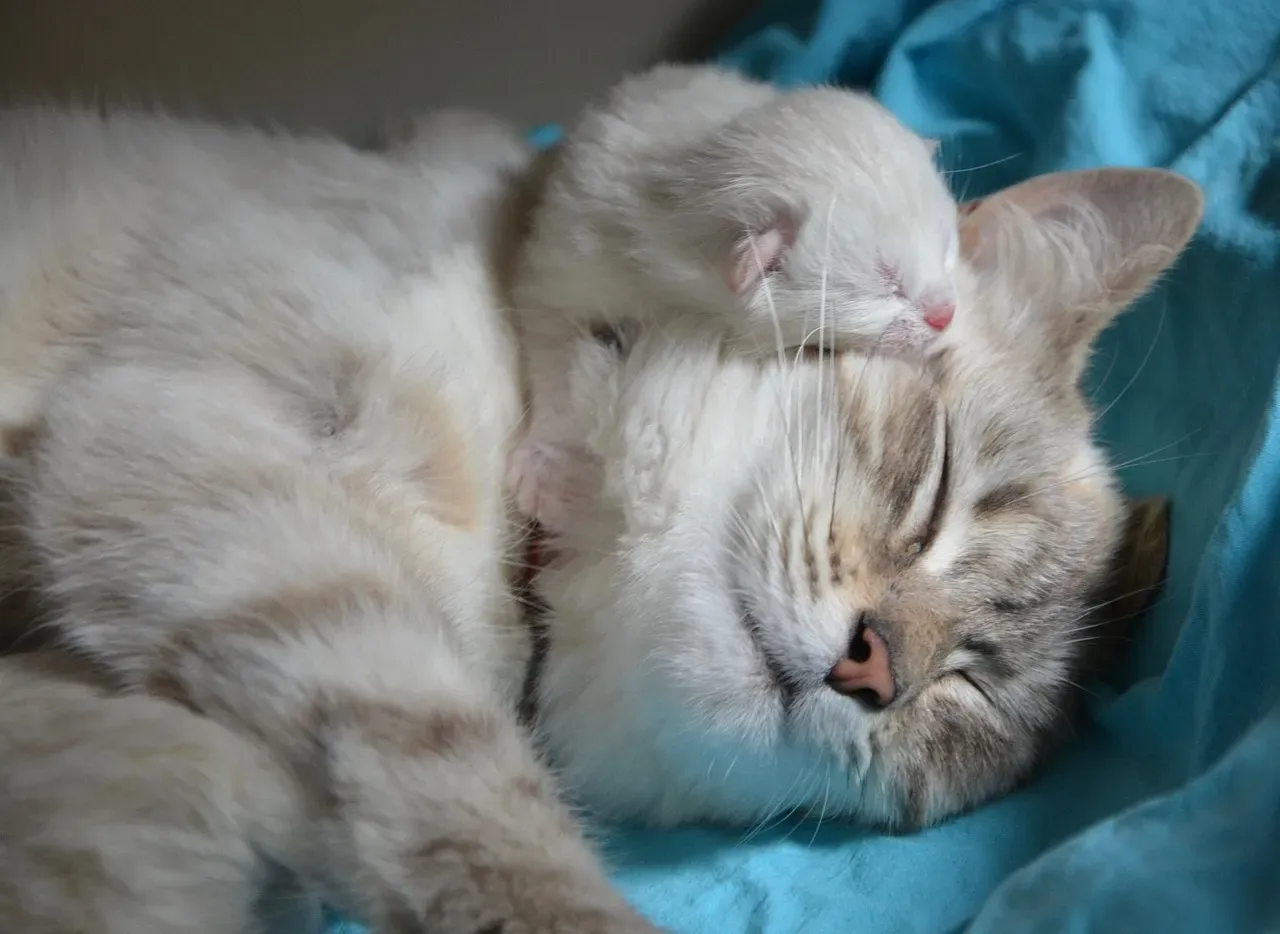
The purr begins at the very dawn of a cat’s life, not for your benefit but for pure survival. Mother cats purr while nursing, and kittens can purr by day two of life. Since kittens are born blind and deaf, purring serves as a vibrating “I’m here, you’re safe” signal between mother and babies. It’s one of the most tender things in the animal kingdom – a communication channel built entirely out of vibration when no other senses are yet online.
Kittens are born blind and deaf, so they rely heavily on their sense of touch and smell. Mother cats use soft vibrations to communicate with their kittens, signaling that it’s safe to come closer and nurse. Kittens, in turn, purr back to their mothers, creating a mutual sense of comfort and security. This early exchange of vibration builds the emotional and neurological foundation for all the purring your cat does for the rest of its life. The behavior you feel on your lap today started the moment your cat entered the world.
It Can Actually Lower Your Blood Pressure and Protect Your Heart
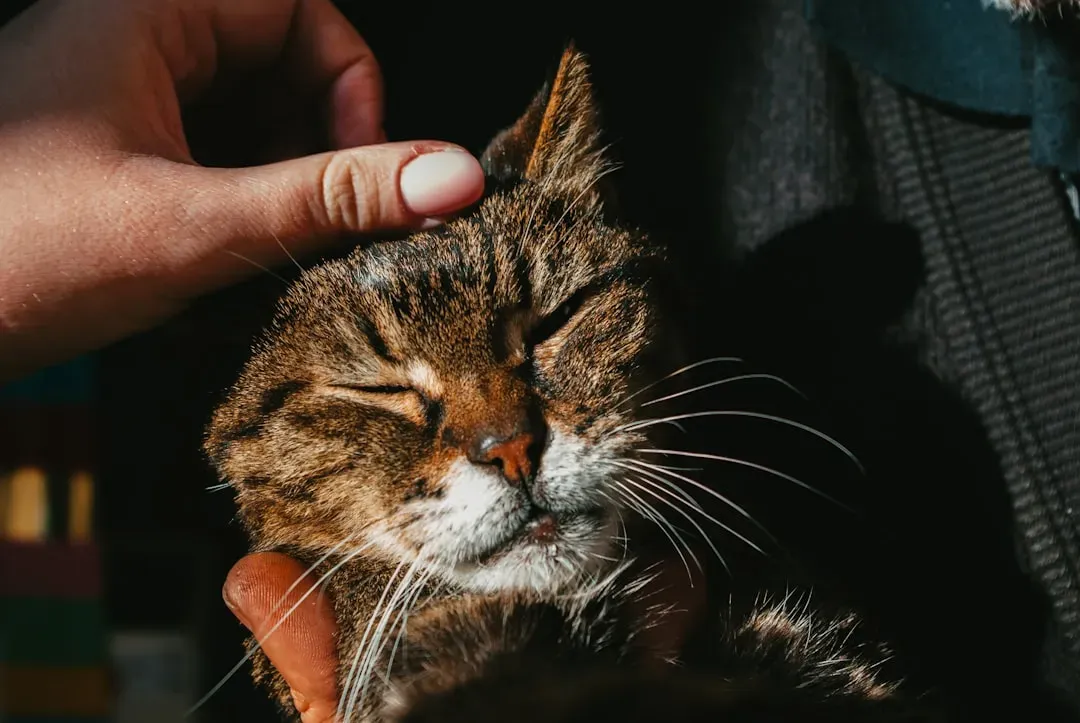
This is where things get genuinely medicinal. Studies have shown that cat owners are less likely to suffer from heart disease compared to those without cats. The soothing effects of purring help reduce blood pressure, which can lower the risk of heart attacks and strokes. The calming presence of a cat, combined with the rhythmic vibrations of its purr, contributes to a healthier cardiovascular system. That’s not a folk remedy. That’s documented medical research.
Being around a purring cat can lower your blood pressure by calming your nervous system. A lower heart rate and levels of cortisol, the stress hormone associated with blood pressure, can decrease the strain on your cardiovascular system, reducing your risk of developing heart disease or experiencing a heart attack. Think of it as cardiovascular therapy delivered by a small furry creature who also occasionally knocks things off your shelf. The trade-off seems entirely worth it.
Your Cat’s Purr Can Promote Bone Density and Aid Physical Recovery
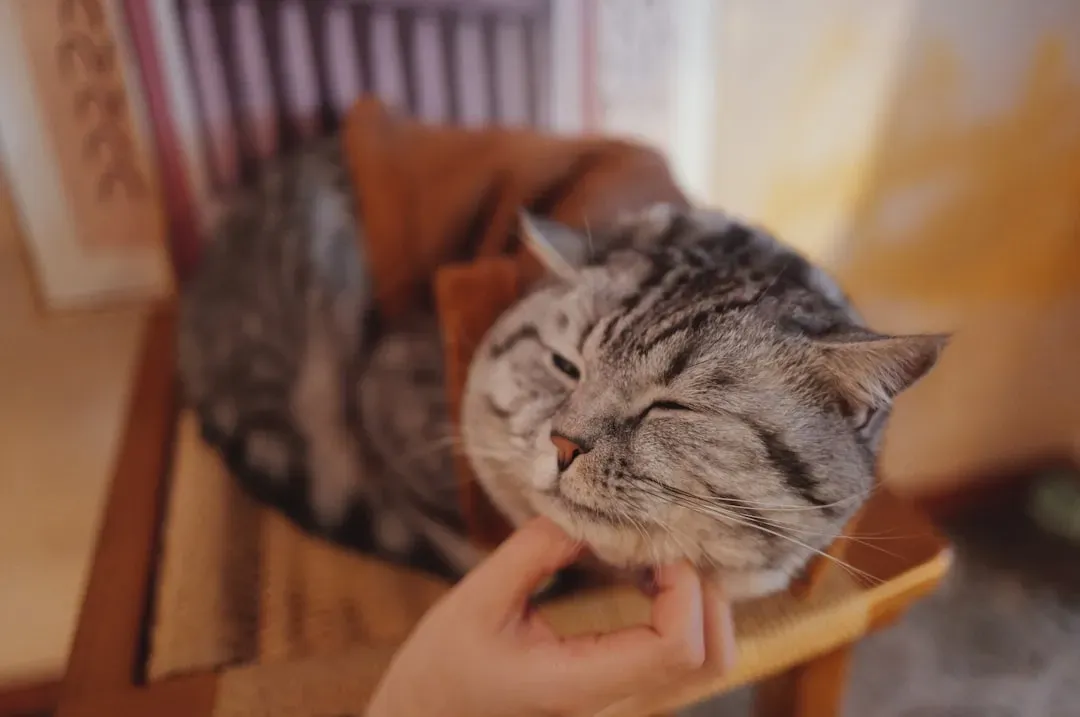
This one reads like science fiction but it’s not. More recent research has shown that frequencies between 20 and 50 Hz increase bone density. Your cat’s purr sits right in this therapeutic range. It’s almost as if evolution designed the purr to double as an internal maintenance system, keeping muscles and bones strong during the long, lazy hours of rest that cats are famous for.
Frequencies in the 25 to 150 Hertz range are known to help promote the healing of bones, reduce inflammation, and improve joint mobility. This means that people recovering from injuries or dealing with chronic pain conditions may benefit from spending time with a purring cat. There are numerous reports from cat parents recovering from surgery or injury of cats insisting on laying on or near the area of the human’s body that needs healing. Coincidence? It’s hard to say for sure, but many veterinary researchers find it hard to dismiss.
It’s a Powerful Stress Buster and Natural Anxiety Remedy
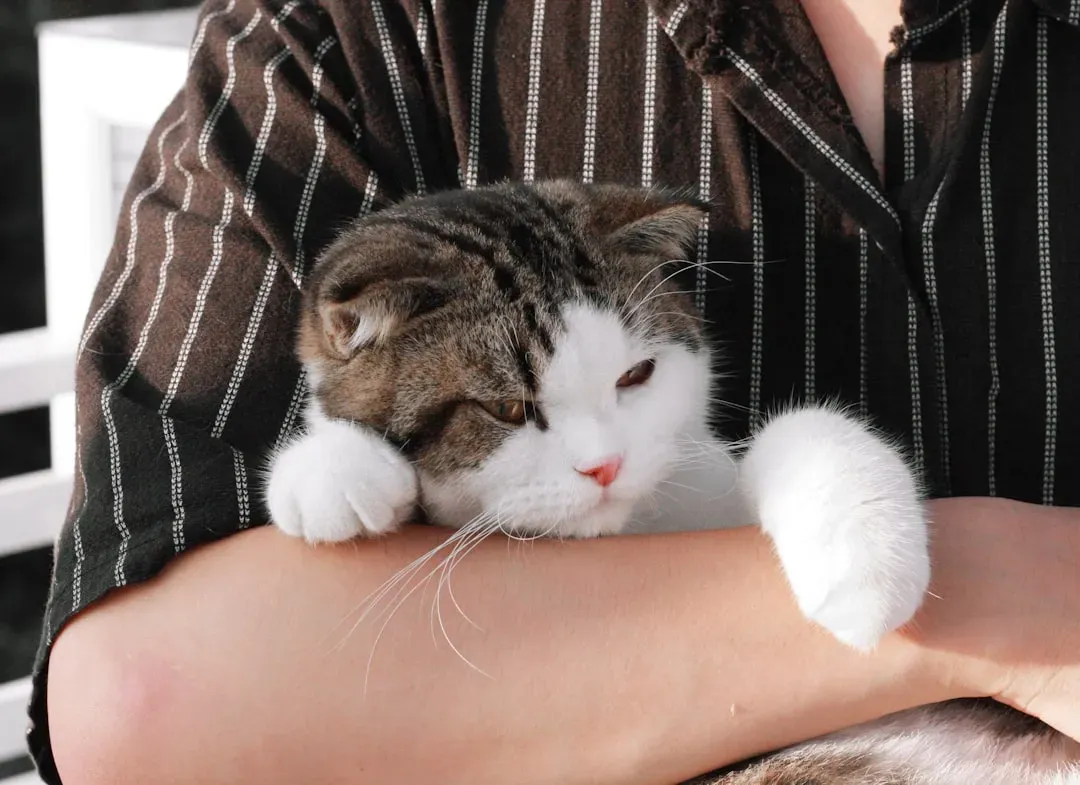
When a person interacts with a purring cat, their body releases serotonin, a neurotransmitter associated with mood regulation. This physiological response can help lower cortisol levels, the primary hormone associated with stress. So the relief you feel when you curl up with your cat isn’t imaginary or purely emotional. It’s biochemical. Your body is literally changing its chemistry in response to that sound.
Beyond the biochemical effects, the simple act of petting a cat while it purrs can provide a form of mindfulness. Focusing on the rhythmic sound and feeling of a cat’s purr can redirect attention away from stressors and create a sense of present-moment awareness, similar to meditation or deep breathing exercises. Let’s be real – that’s remarkably similar to what people pay good money to experience in guided meditation classes. Your cat is offering the same thing, completely free, and with the bonus of warm fur.
It Supports Your Sleep Quality Better Than You Think
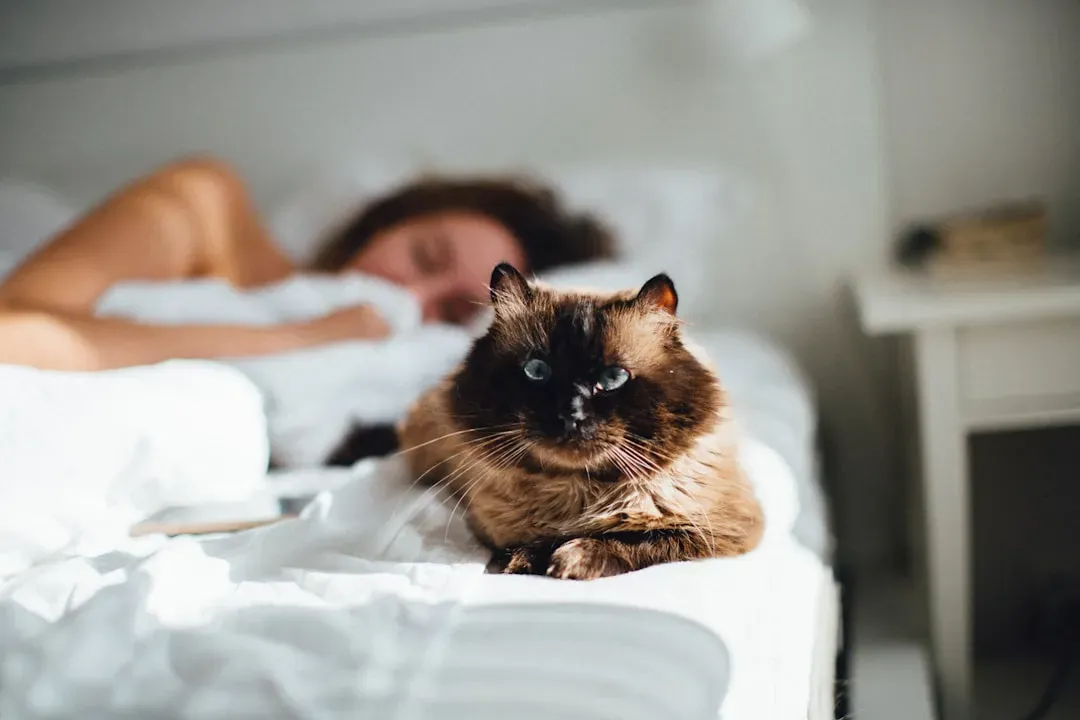
Many cat owners find that sleeping near a purring cat improves their sleep quality. The soft, rhythmic sound acts as a form of white noise, blocking out disruptive sounds and helping the brain enter a state of relaxation. People who suffer from insomnia or frequent nighttime awakenings may experience better sleep when accompanied by a purring feline companion. It’s like having a natural sound machine in bed, except this one occasionally stretches and rearranges itself directly on your face at 3 a.m.
Emerging evidence suggests that the soothing sound of cat purring may serve as a natural sleep aid, promoting improved sleep quality for both feline companions and their owners. The rhythmic vibrations and tranquil melody of a cat’s purr create an atmosphere conducive to relaxation, helping to ease stress and quiet the mind. When a cat lies with you in bed, their warmth, steady breathing, and gentle weight activate the parasympathetic nervous system, slowing your heart rate and promoting relaxation to allow you to fall asleep. That combination of warmth, weight, and low-frequency vibration is, in physiological terms, close to ideal for falling and staying asleep.
Conclusion
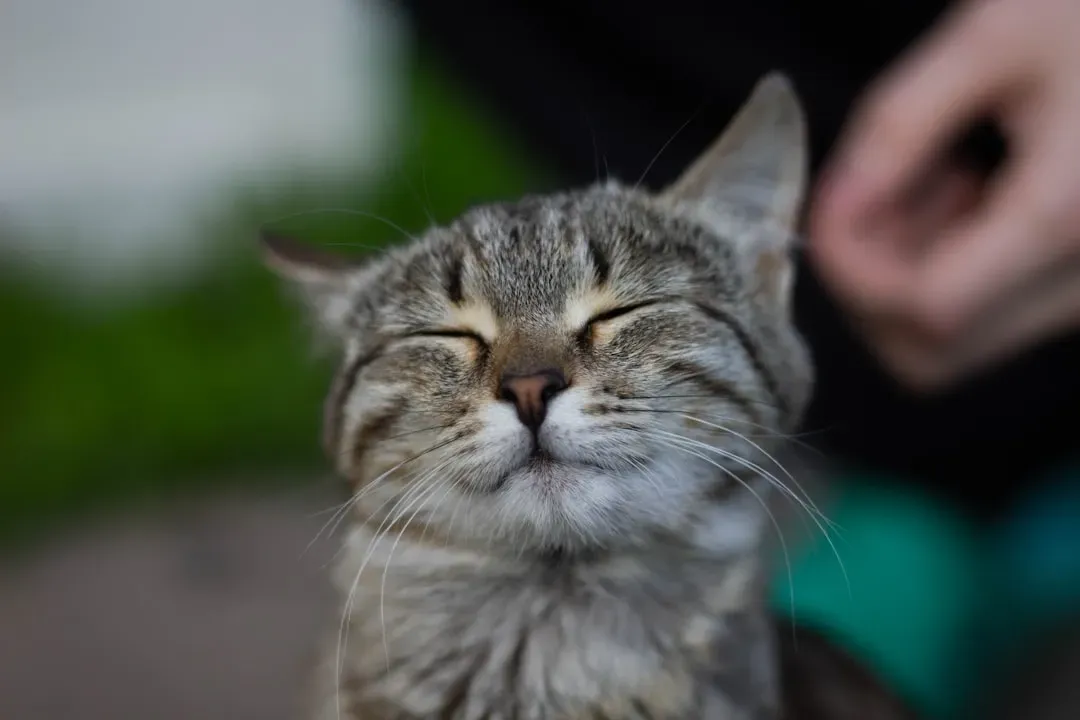
The cat’s purr is, without question, one of the most layered and scientifically remarkable sounds in the natural world. It’s a language spoken to newborns before they can even open their eyes. It’s a manipulation tactic so elegant it bypasses your conscious mind entirely. It’s a healing frequency your cat uses on its own body, and one that appears to extend genuine physical and emotional benefits to you. That soft, steady rumble carries more information and more power than almost any of us ever gave it credit for.
So the next time your cat settles onto your chest and starts that familiar vibration, consider what is actually happening. You’re receiving vibrational therapy. Your cortisol is dropping. Your blood pressure may be easing. You’re being gently and deliberately communicated to by a creature that has refined this art over thousands of years. The purr isn’t just a sign of happiness. It never was.
What do you think – does knowing all of this change the way you’ll listen to your cat? Share your thoughts in the comments below.
Kristina is a young writer from India. An arts graduate and an avid content creator, Kristina is passionate about animals and wildlife. She enjoys exploring topics related to pet care, animal behavior, conservation, and nature, combining thorough research with engaging storytelling.