You’re relaxing on the sofa, everything is calm and peaceful, and then out of nowhere your cat transforms into a furry rocket and launches itself off the walls at warp speed. One minute, napping like a tiny furry philosopher. The next, full Formula One mode around your living room. Sound familiar?
Most cat owners laugh it off as “just cat things.” Honestly, that’s fair. But here’s the thing – what your cat is doing in those wild, chaotic sprints is actually far more interesting, and far more meaningful, than random craziness. There’s real biology, instinct, emotion, and even potential health signals wrapped up in those frantic laps around your house. Let’s get into it.
The Science Has a Name for It: Welcome to FRAP Territory
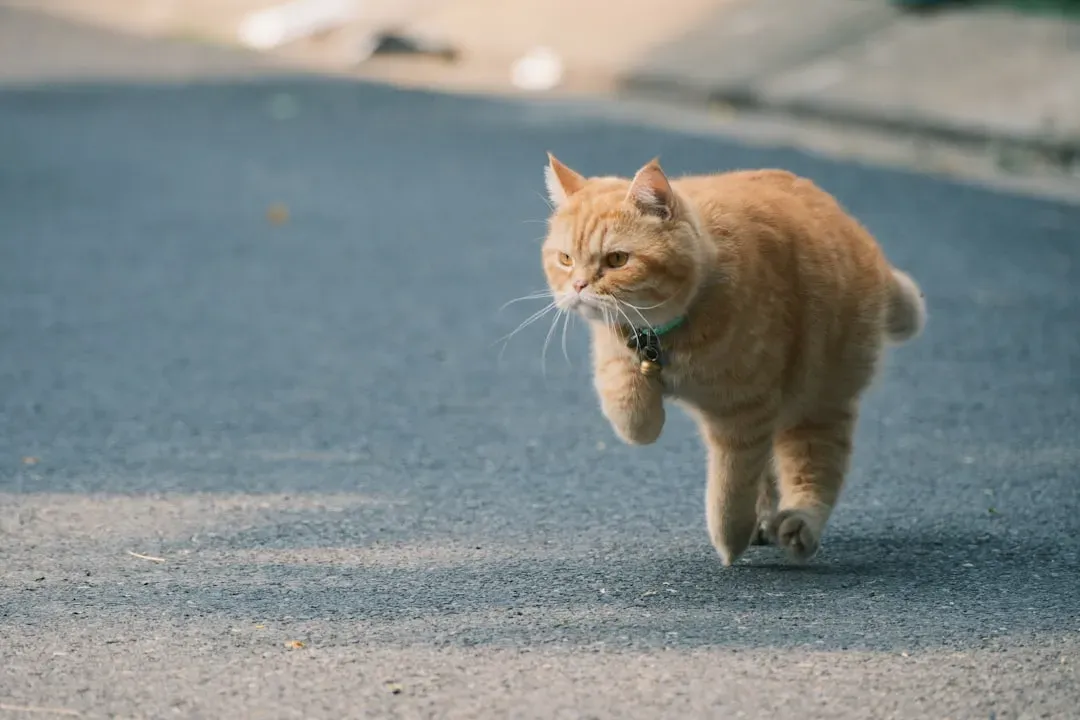
If you’ve ever wondered whether your cat’s manic sprinting has a clinical explanation, it absolutely does. Most cats get the zoomies, also known as “frenetic random activity periods” or “FRAPs,” at some point. That’s not just a cute internet term – it’s how veterinary behaviorists actually refer to this behavior.
Zoomies – when your cat takes off running seemingly out of nowhere – have a scientific name: frenetic random activity periods (FRAPs), and while these energetic outbursts might be startling in the moment, they’re perfectly normal feline behavior. Think of it less like chaos and more like your cat’s built-in pressure valve releasing. It’s structured madness, if you will.
Your Cat Is Channeling an Ancient Hunter
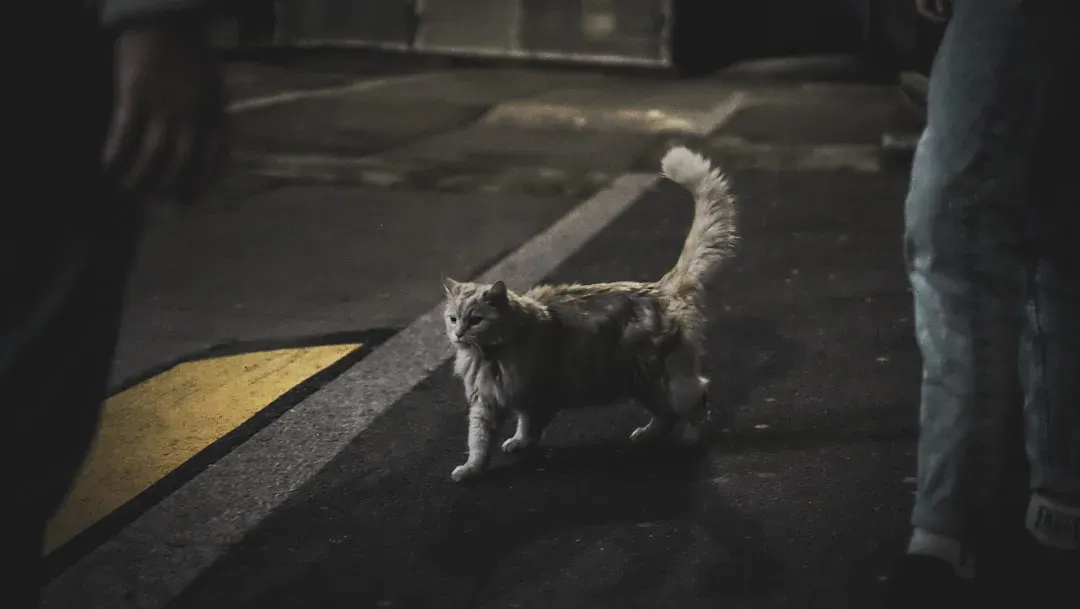
Zoomies are rooted in feline instincts. Cats are predators by nature, and even if they live indoors, they still have bursts of energy hardwired into their behavior. In the wild, a cat would stalk prey, chase it, and then rest. Indoor cats still feel these natural urges, and without hunting opportunities, they sometimes release pent-up energy in a sudden, high-speed dash around the house.
Zooming behavior is often how cats engage their inner predator. These play periods allow cats to hone their survival instincts – think stalking, pouncing, and pursuing. Zoomies can happen when your cat spots a rodent or bird, triggering the urge to hunt. So the next time your cat goes berserk after staring out the window at a pigeon, you’re basically watching a miniature wild cat doing its thing. I think that’s kind of incredible, honestly.
It’s Your Cat’s Way of Burning Off Stored Energy
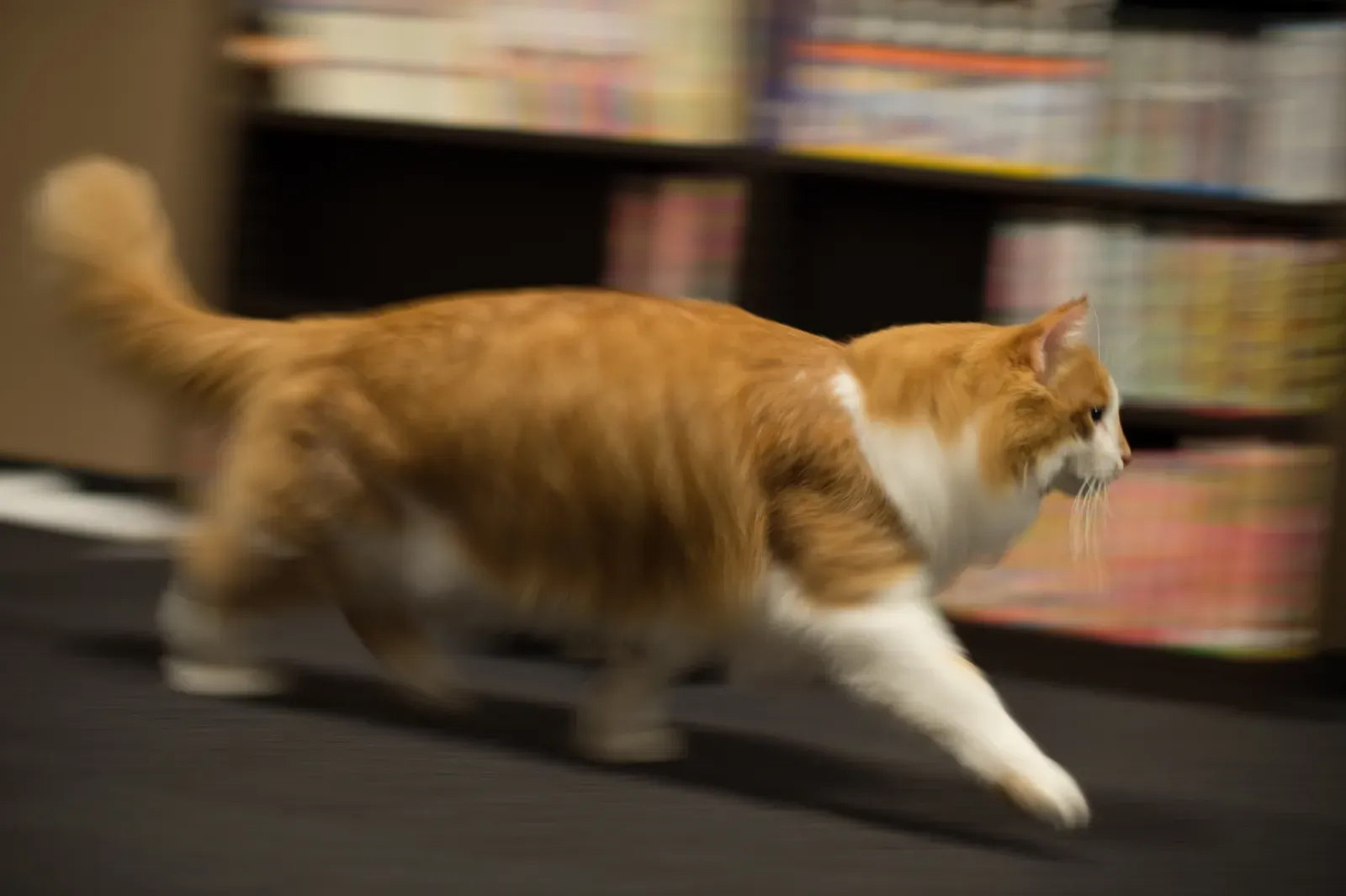
The most common reason cats experience the zoomies is pent-up energy. Cats rest and sleep for a majority of the day to conserve energy for short, very active periods. Think of your cat like a rechargeable battery. It charges during those long, luxurious naps and then, eventually, all that stored power has to go somewhere.
Just like humans need to move after sitting too long, cats need to release pent-up energy – and zoomies provide the perfect outlet. This is especially true for indoor cats who have fewer opportunities to exercise. If your cat seems to zoom most intensely after a long snooze, you can be pretty confident they’re just blowing off steam. Nothing alarming there – just a fully charged little beast on the loose.
Your Cat’s Body Clock Is Running the Show
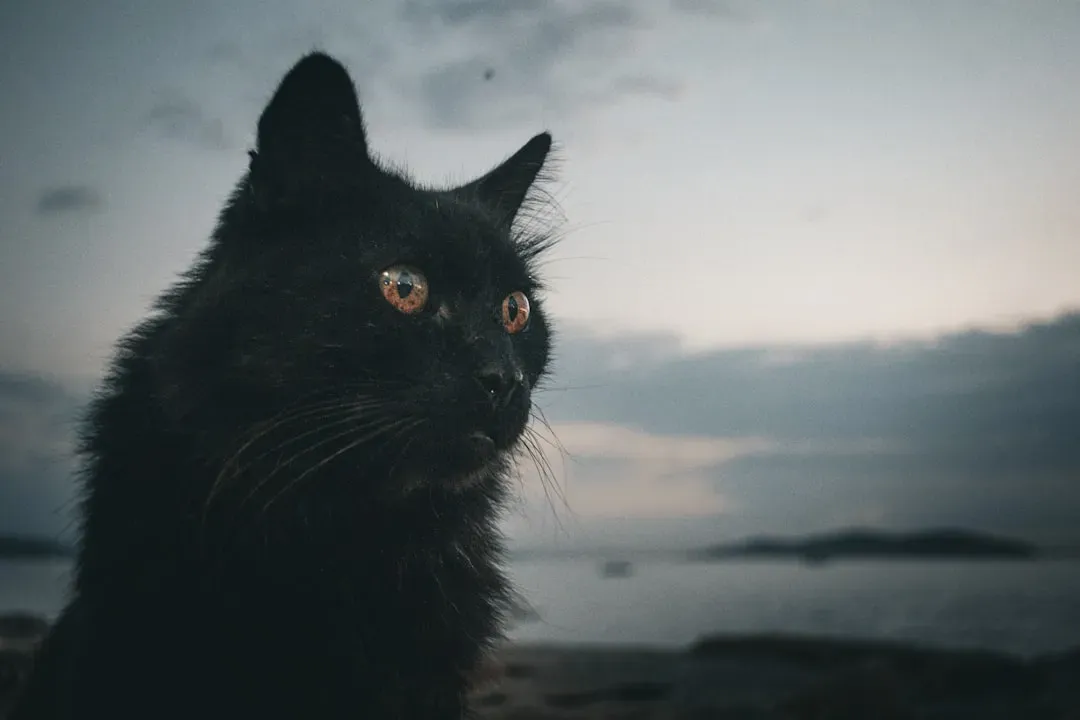
Cats are crepuscular, which means they are most active during the twilight hours of dawn and dusk. This is a leftover trait from their wild ancestors, who hunted during these times. Even though your cat doesn’t need to hunt for their dinner, their body clock is still wired to be active during these hours. So when your cat goes full tornado at 5 a.m., it’s not spite. It’s evolution.
Evenings are most common for cats to zoom if they don’t get enough exercise throughout the day or are eager to play when you come home from work. Zoomies happen because cats love to nap during the day while most pet parents are at work or otherwise occupied. Therefore, they’re wide awake at night and full of energy. To help manage those late-night zoomies, try scheduling an intense play session with your cat in the evening, right before their last meal. This can help them burn off that excess energy and settle down for the night.
The Post-Litter Box Sprint Is Its Own Fascinating Phenomenon
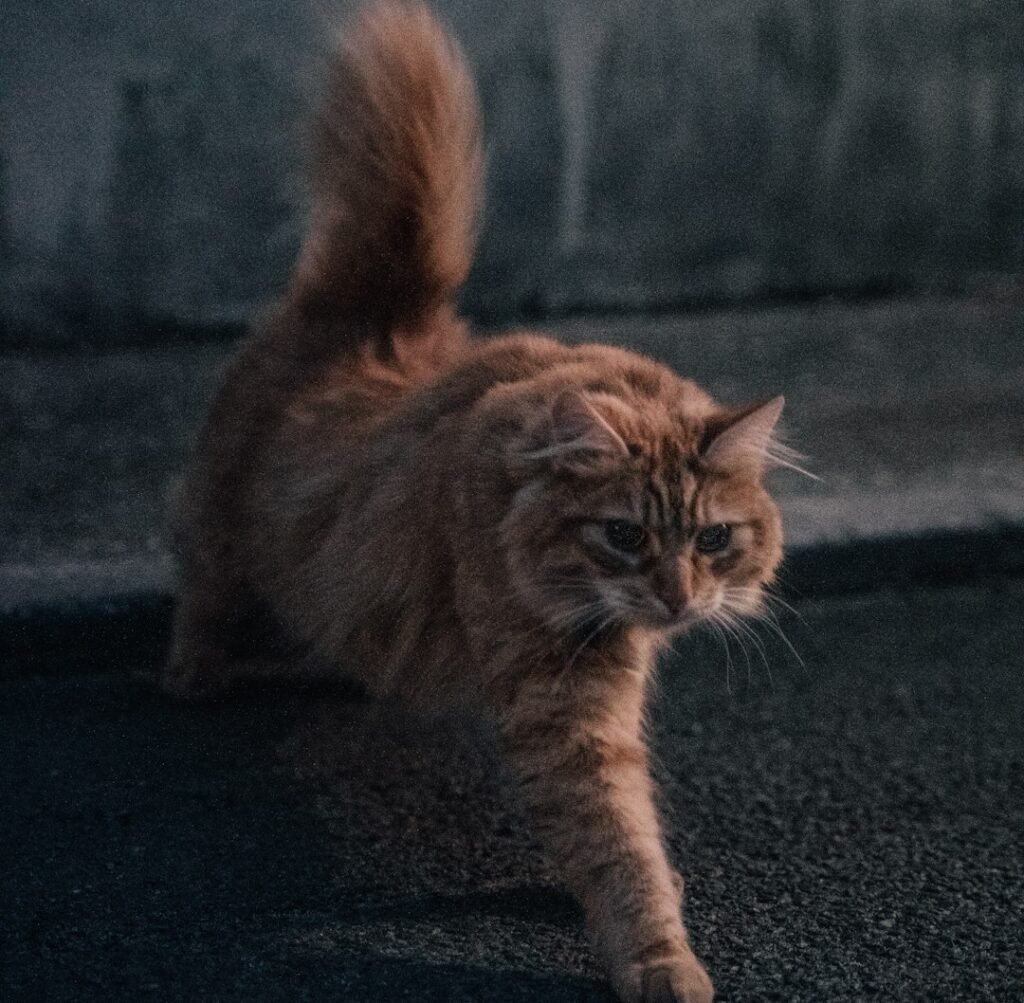
Here’s one that tends to make people laugh, but it’s genuinely fascinating when you dig into it. This one is a real head-scratcher for many pet parents, but it’s possible it provides your cat some relief. One theory suggests that a bowel movement can stimulate the vagus nerve, which runs from the brain to the colon. This leads to a feeling of euphoria that sends your cat sprinting around in celebration.
Some people think it’s a reaction to a dirty litter box – cats are clean animals, so they want to get away from their faeces as quickly as possible. There’s also a survival theory worth knowing about. One theory suggests that cats dart and dash away from their dung as a primal instinct to avoid predators. The idea is that cats in the wild bury their poop to prevent predators from tracking down their scent. Your bathroom routine just got way more dramatic by comparison, didn’t it?
Zoomies Are Actually Good for Your Cat’s Physical Health
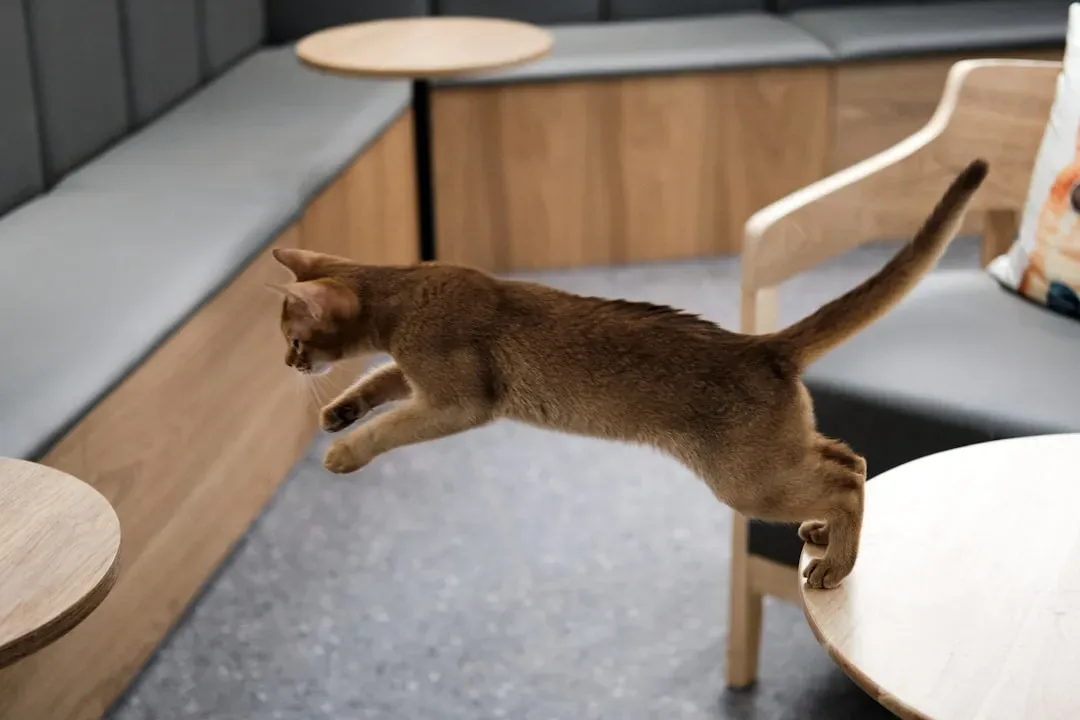
It’s easy to see the zoomies as just comedy content for your phone camera roll, but there’s genuine health value happening in those frantic sprints. These high-speed sessions aren’t just fun – they benefit your cat’s health. FRAPs may release endorphins, causing a pleasurable or euphoric response. From a physical standpoint, these bursts of activity can strengthen muscles, boost cardiovascular health, and support overall well-being.
Zoomies are usually nothing more than a quirky and entertaining part of life with cats. They provide exercise, mental stimulation, and even comic relief for pet owners. It’s worth thinking of each zoom session like your cat’s version of a quick HIIT workout. Short, intense, chaotic – but genuinely beneficial for their body in ways that a leisurely stroll around the apartment simply can’t replicate.
Sometimes It’s Your Cat Processing Stress or Anxiety
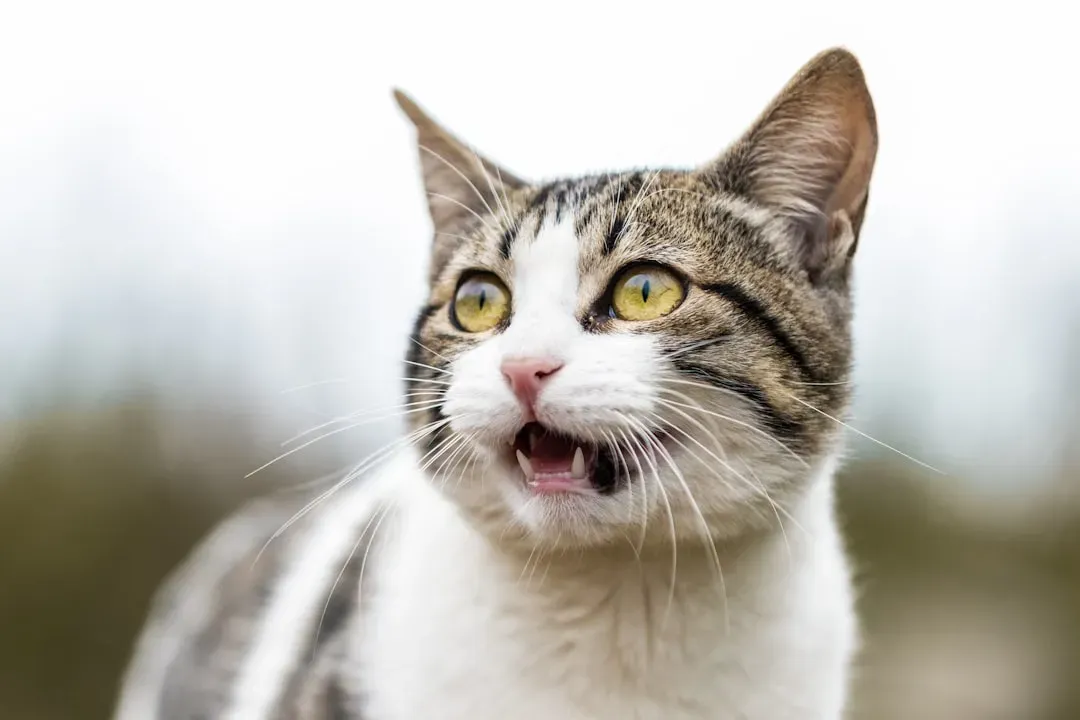
Not every zoom session is a happy one, and this is where things get more nuanced. Some cats run around as a way to self-soothe when they feel uneasy. Sometimes cat zoomies are brought on by stressful triggers, like bath time or lifestyle changes. It’s your pet’s way of calming their nerves or showing relief when an uncomfortable situation is finally over.
Anxiety or distress can trigger zoomie-like behavior, though these episodes typically look different from playful ones. Anxious cats often appear uncoordinated or frantic during these moments. Anything from vet visits to unfamiliar people or pets in your house can cause fear-induced zooming. The key is learning to read your cat’s body language during these moments. A playful zoomer looks light and bouncy. A stressed zoomer looks rigid and wide-eyed. Learn the difference, and you’ll understand your cat so much better.
Age Changes the Zoomies – and What They Mean
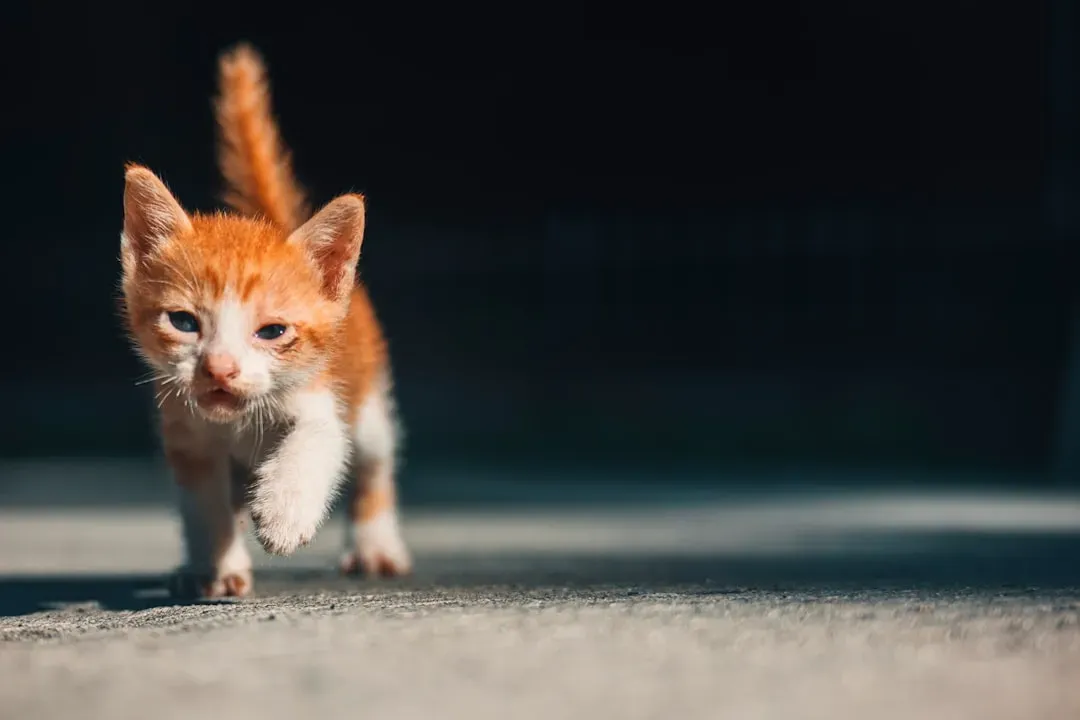
Whether you have a kitten ricocheting off your walls or a senior cat doing slower victory laps, age plays a real role in this behavior. Young cats, especially kittens, tend to have frequent and intense zoomies due to their high energy levels and rapid growth. These bursts of activity help practice essential skills like agility, coordination, and motor control. Even as cats enter their senior years, they may still experience zoomies, though typically less often due to age-related changes like decreased muscle mass and arthritis.
If your senior cat starts zooming around after receiving pain medication, it could be a positive sign that their treatment is working. On the flip side, it’s also important to watch older cats closely. In senior cats, zoomies are sometimes a sign of dementia and cognitive decline related to conditions such as cognitive dysfunction syndrome (CDS). Senior cats suffering from changes in sight, hearing, and their sense of smell may also start displaying frequent bouts of the zoomies – becoming startled by something can sometimes trigger the zoomies. So what’s cute in a kitten might be a flag in an aging cat. Keep that in mind.
When the Zoomies Are Actually a Medical Warning Sign
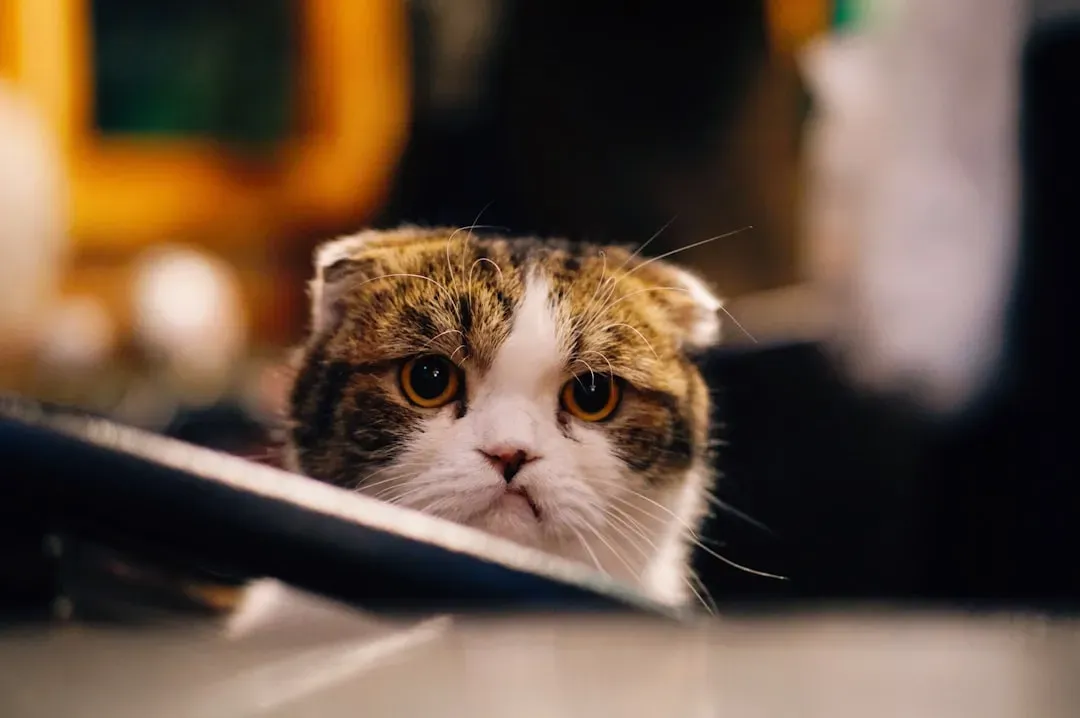
Here’s where things get serious, and I think it’s the most important section of this entire article. It’s important to monitor sudden changes in zoomie behavior, as these shifts might signal underlying health conditions like hyperthyroidism or mobility problems. If your cat has never been a zoomer and suddenly starts having intense, frequent episodes, your instinct to investigate further is absolutely right.
Hyperthyroidism, which is common in middle-aged and senior cats, occurs when the thyroid gland becomes overactive, making too many thyroid hormones. In addition to hyperactivity, other signs of hyperthyroidism in cats include weight loss, increased appetite, increased thirst, excessive urination, vomiting, and diarrhea. If your cat is experiencing the zoomies more than usual, and is also displaying other symptoms of hyperthyroidism, have her checked out by your veterinarian. If you notice a selection of physical symptoms, like weight loss, changes in behavior, signs of anxiety, or excessive vocalization, zoomies could be a sign of an underlying health issue. A quick vet visit could make all the difference.
Conclusion: There’s a Whole World in Those Wild Sprints
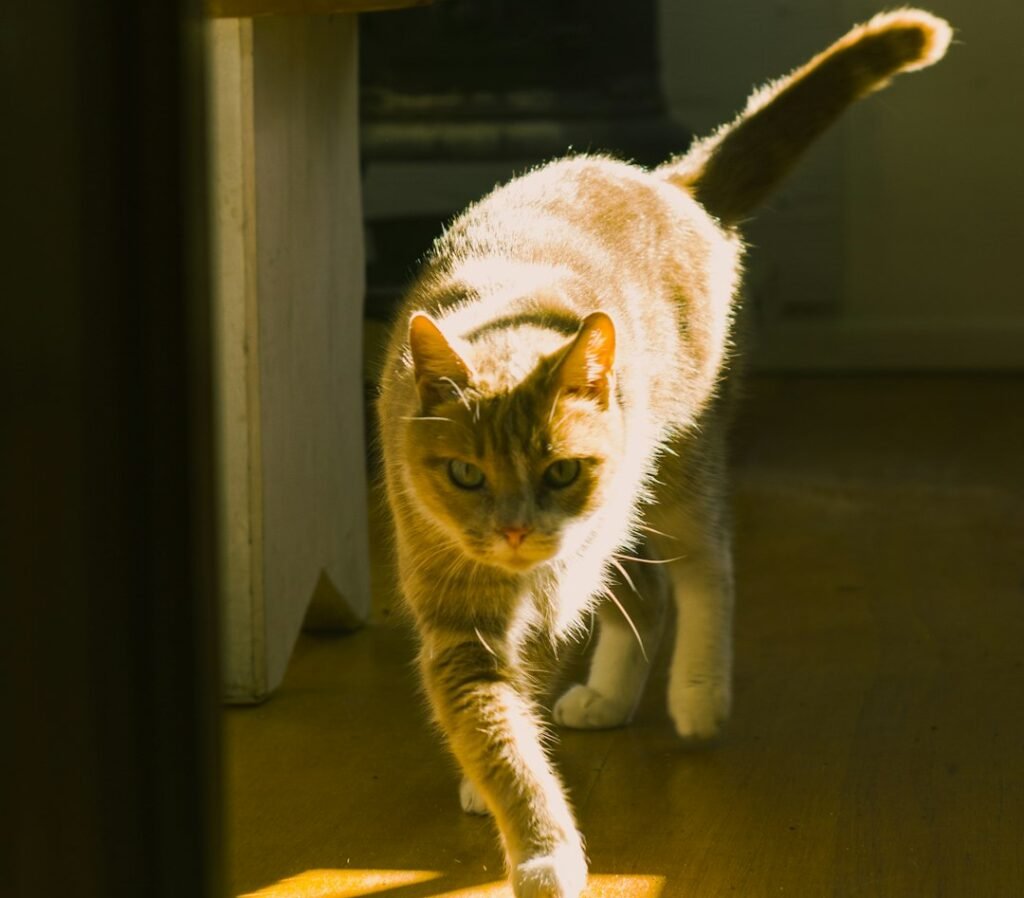
Your cat’s zoomies are, in truth, a window into their instincts, their health, their emotions, and their evolutionary history. What looks like sheer madness is actually a deeply layered behavior that can tell you more about your feline companion than almost anything else they do. Once you start watching closely, you’ll notice patterns – times of day, triggers, mood signals – that reveal just how much is going on beneath that fluffy, apparently chaotic exterior.
The next time your cat launches off the couch at 2 a.m. and tears through your hallway like a furry comet, resist the urge to just laugh and scroll on. Watch the body language, note the timing, and ask yourself whether this is joyful release or something that deserves a closer look. Most of the time, you’ll find a perfectly healthy, perfectly wild little predator just doing what nature designed them to do. Occasionally, though, it could be your cat’s way of telling you something important. Are you paying close enough attention? Tell us in the comments – we’d love to know what your cat’s zoomie habits look like!
Kristina is a young writer from India. An arts graduate and an avid content creator, Kristina is passionate about animals and wildlife. She enjoys exploring topics related to pet care, animal behavior, conservation, and nature, combining thorough research with engaging storytelling.