You share your home with a creature that invented an entirely private language just to talk to you. Not to other cats. Not to wild animals. Just to you. That alone is kind of mind-blowing, isn’t it? Your cat looked at the human species, assessed the situation, and essentially said, “Okay, these beings respond to sound, so let me figure out what sounds work best on them.”
The relationship between you and your cat’s meow is far more layered than most people realize. There’s a real science to it, and honestly, there’s a good chance you’ve been accidentally training your cat in ways you never intended. Let’s dive in.
The Meow Was Actually Made for You – Not Other Cats
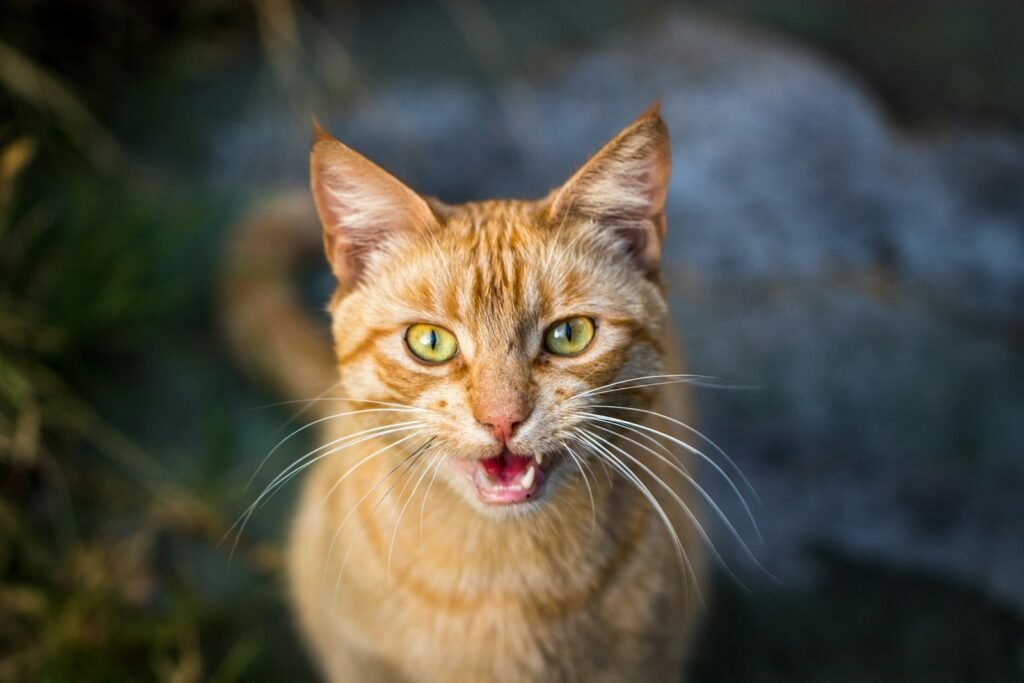
Here’s a fact that tends to stop people in their tracks. Unlike wild counterparts such as panthers, lynx, or tigers, domestic cats developed the meow specifically for interactions with humans. This special language is reserved just for us – cats don’t even meow to communicate with other cats. Think about that for a second. Your cat holds a private conversation with you that it doesn’t have with any other species on earth.
Studies have shown that domestic cats tend to meow much more than feral cats. They rarely meow to communicate with fellow cats or other animals. It’s almost poetic, really. The meow is essentially a gift your cat crafted specifically for human interaction, shaped over thousands of years of living alongside us. If you’ve ever felt chosen by your cat, well, the science actually backs that up.
Your Cat Has Been Studying You From Day One
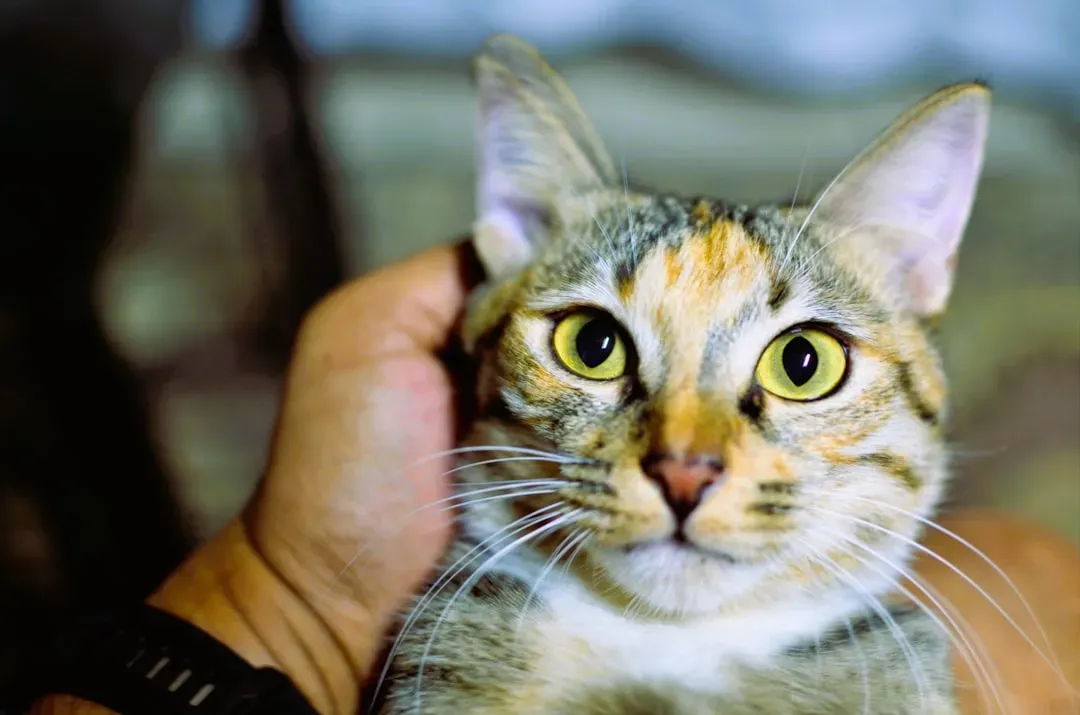
Cats quickly learn that their meows elicit responses from their owners, and they use this vocalization to get what they want. If your cat meows and you respond by filling their food bowl, they may associate meowing with being fed. They have learned that meowing often prompts a response from their humans, so they use it as a way to communicate their needs or desires. You’re not just a cat owner. You’re actually part of a behavioral experiment, and your cat is the scientist.
Many cats even develop a repertoire of meows to express different needs and feelings or elicit different responses. For example, your cat might trill at you in greeting, squeak a friendly request to go outside, or demand food with a loud meow. This is remarkably adaptive behavior. Your cat is essentially building a personalized communication system around your specific responses. It knows what works on you, even better than you know it yourself.
When You Respond to Every Meow, You Create a Monster (A Cute One, Though)
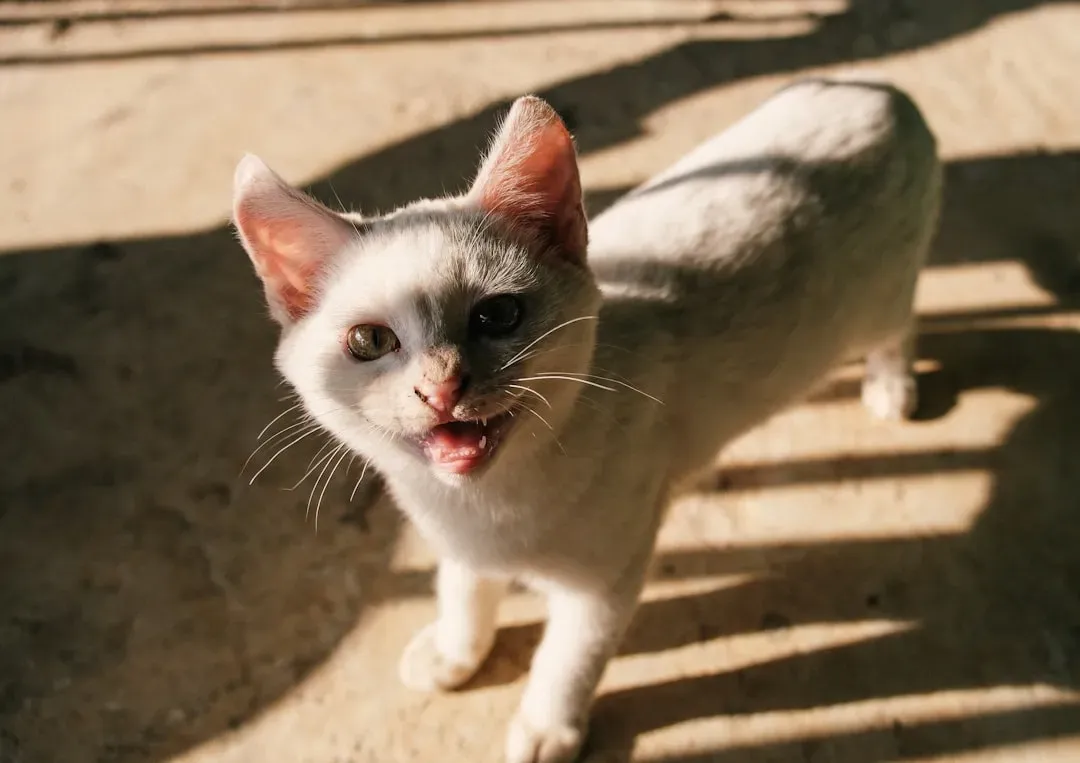
Let’s be real about this. Your cat has very likely learned that you react a certain way when they respond to you or when they vocalize on their own. Your response might include talking back, feeding or playing with them, coming over to see what they’re doing, or responding in some other direct way. Every single time you do this, you’re essentially voting for more of the same behavior. You become the vending machine, and your cat keeps pushing the button.
Simply put, if you want your cat to repeat a behavior, reward that behavior. It’s important to make sure that you’re rewarding the behavior you want and not accidentally rewarding an unwanted behavior. The tricky part is that the reward doesn’t have to be food. Even a glance, a sigh, or walking over to investigate counts as reinforcement in your cat’s mind. You might think you’re ignoring them. You’re not.
The Louder They Get, the More You’ve Taught Them to Escalate
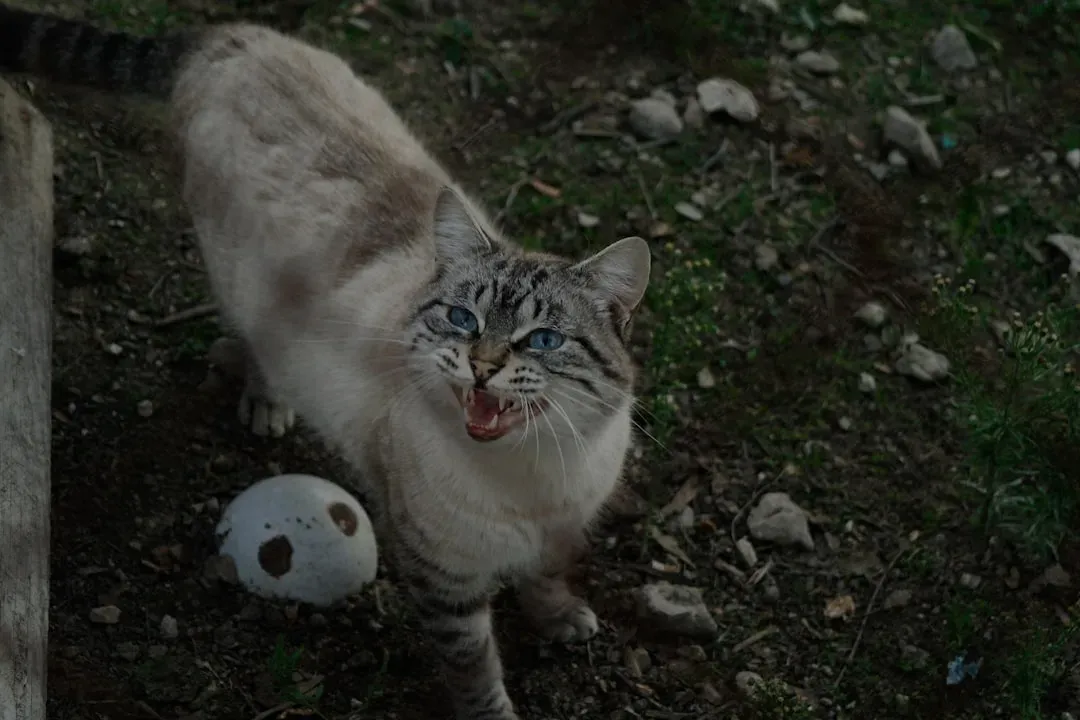
In the process of trying to extinguish a behavior, you might get something called an extinction burst, when the cat does the behavior again and again to try and get those consequences once more before giving up. Suppose the behavior is meowing at you for food and you are trying to extinguish the meowing by ignoring it. You may find that an extinction burst can be very annoying. In other words, the moment you finally give in after a loud meowing session, you’ve just trained your cat that louder and longer meowing always works eventually. Congratulations, you’ve upgraded their tactics.
The persistence of a cat’s meow will usually indicate how urgently they need something. You might hear younger cats make shorter “mews” when they’re hungry or lonely and want a good fuss. Meanwhile, a longer “meowww” could mean that your feline is worried, annoyed, or otherwise unhappy. So when you start noticing those drawn-out, dramatic meows becoming your cat’s default mode, take a close look at your own recent behavior. Odds are you taught them that dramatic gets results.
Your Cat’s Meows Actually Have Emotional Content – and You’re Already Reading It
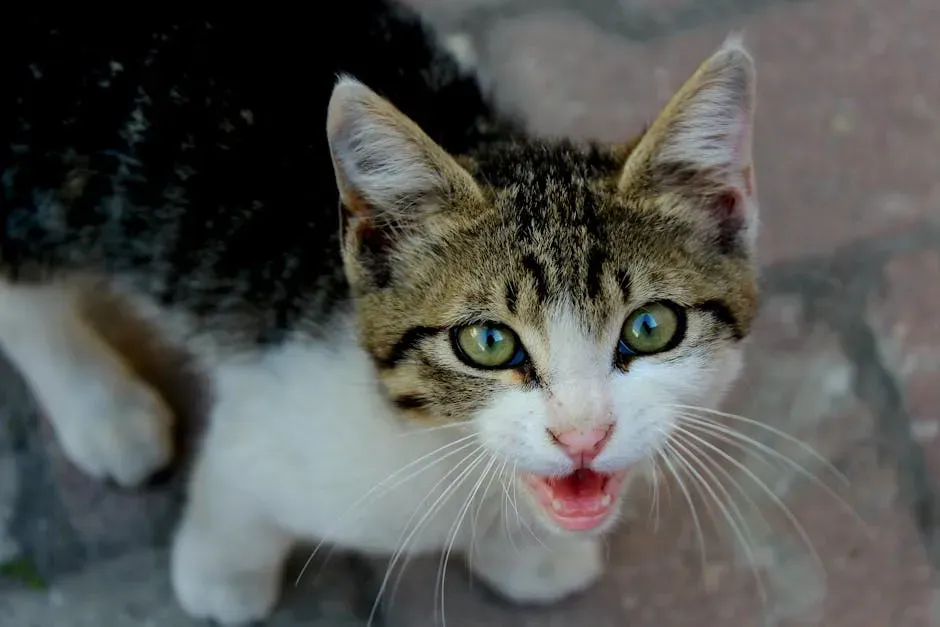
The finding that meows emitted during isolation were perceived by people as negative, whereas those emitted during brushing and, to a lower extent, waiting for food were perceived as positive, supports previous evidence on cats and other species showing that humans are able to differentiate negative from positive emotions conveyed through vocalizations. This is genuinely fascinating. You don’t need a translation guide. Your instincts already work surprisingly well for interpreting your cat’s emotional state from sound alone.
Cats can learn to modify the characteristics of their meows, such as their tone or duration, to let people know what they want, particularly when it comes to food. The same research shows that cat owners are significantly better at understanding their cat’s vocalizations than non cat-owners. This means the longer you live with a cat, the more fluent you become in their personal dialect. It also means you carry a responsibility – if you stop responding appropriately to real emotional signals, your cat’s communication starts to break down, and that matters for their wellbeing.
Ignoring the Meow Is Not Always the Answer You Think It Is
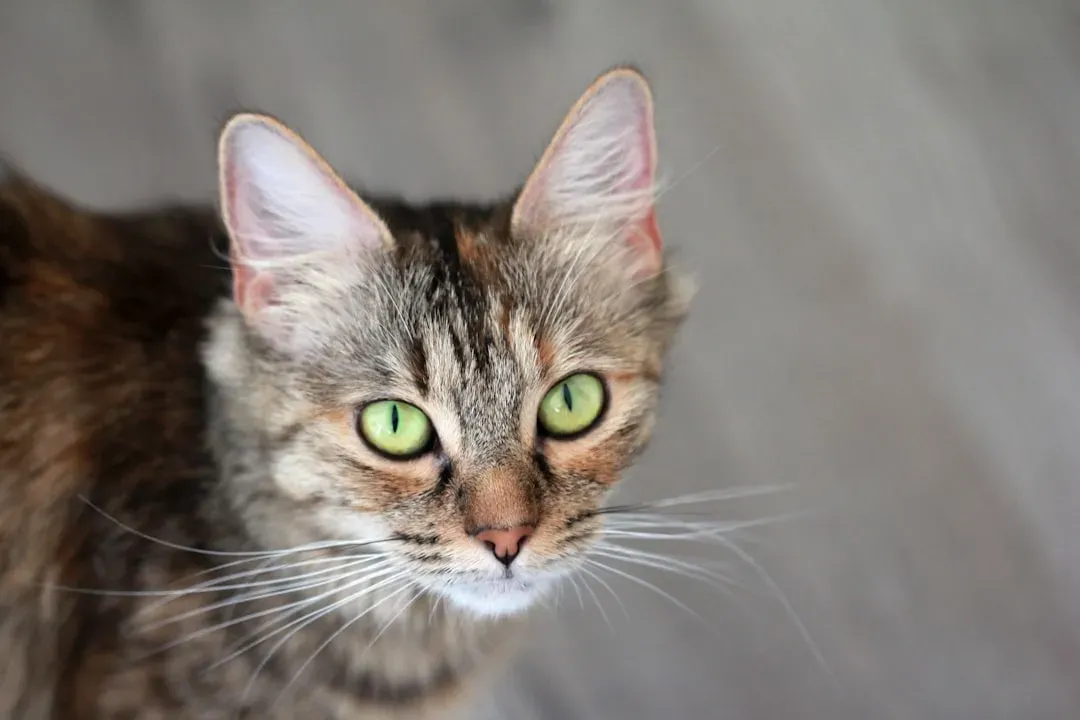
A cat who meows a lot should be checked thoroughly by a veterinarian to ensure a medical condition is not the cause of the cat’s distress. Numerous diseases can cause cats to feel unusually hungry, thirsty, restless, or irritable – any of which is likely to prompt meowing. This is where the advice to “just ignore excessive meowing” gets complicated and, honestly, potentially dangerous if applied without thought. There’s a real difference between demand meowing and distress meowing, and you need to know which one you’re dealing with.
As cats age, they’re prone to developing an overactive thyroid and kidney disease, and either one may result in excessive meowing. If your senior cat has suddenly become more vocal and nothing in your routine has changed, don’t assume it’s behavioral. That shift in meowing frequency could be your cat’s only way of telling you something is wrong physically. In that case, ignoring it isn’t discipline. It’s a missed signal.
Baby Talk Works – Seriously, the Science Says So
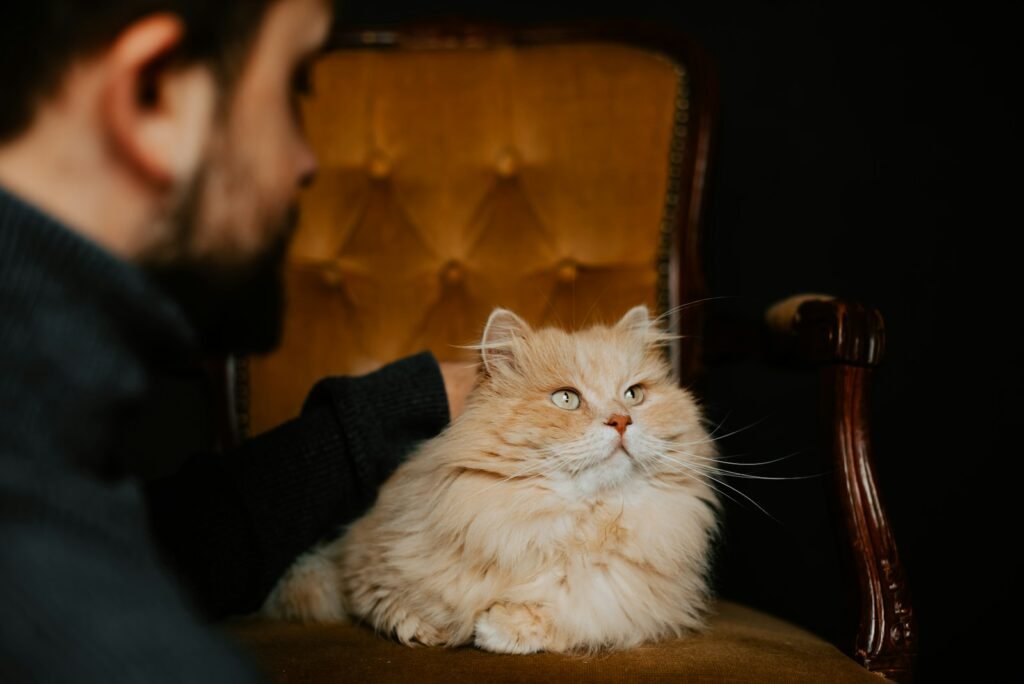
Recent research suggests that cats respond to pet-directed speech. A 2022 study by animal behaviour researcher Charlotte de Mouzon and colleagues found that cats could distinguish between speech addressed to them and speech addressed to adult humans. This pattern of discrimination was particularly strong when the speech came from the cats’ owners. So yes, your instinct to coo at your cat in a high-pitched voice is actually communicating something meaningful to them, not just making you look adorable in the kitchen.
Cats speak more when they are spoken to, and like it better when you use positive words alongside their name rather than negative ones. This means the tone and framing of how you talk to your cat directly shapes how vocal they become with you. If you want a richer, warmer communicative bond with your cat, talking to them – positively, consistently, and in that slightly embarrassing baby voice – is genuinely one of the best things you can do.
Feeding on Demand Is Quietly Destroying Your Cat’s Communication Signal
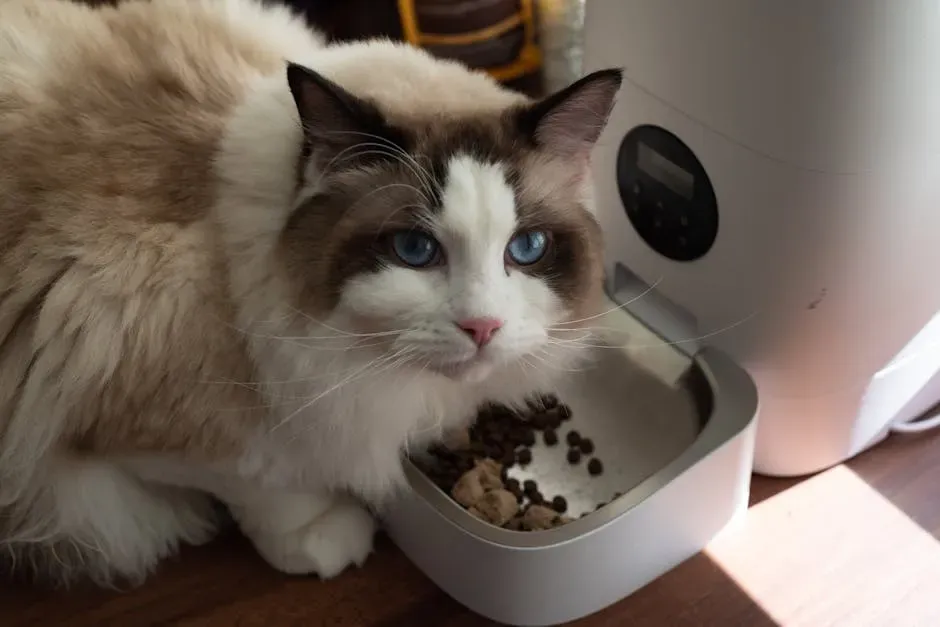
If your cat meows at you for food, stop feeding her when she cries. Feed her at prescribed times so she learns that it’s futile to ask for food at other times. If that doesn’t work, buy an automatic feeder that you can schedule to open at specific times. Here’s the thing – when food appears every time your cat meows, meowing becomes inflated currency. The signal loses its precision because it’s rewarded indiscriminately, regardless of how loud, how soft, or how urgent the meow really is.
You can also manage their vocal behavior around asking for food by using automatic feeders, because meowing at you no longer makes food appear. This is genuinely clever. The automatic feeder essentially removes you from the equation as the food-dispenser, which redirects your cat’s mealtime energy toward the machine rather than toward escalating vocalizations at you. Your relationship with your cat becomes less about food delivery and more about genuine interaction. That’s a win for both of you.
Cats Adjust Their Meowing Based on Who’s in the Room – and You Might Be Getting the Louder Version
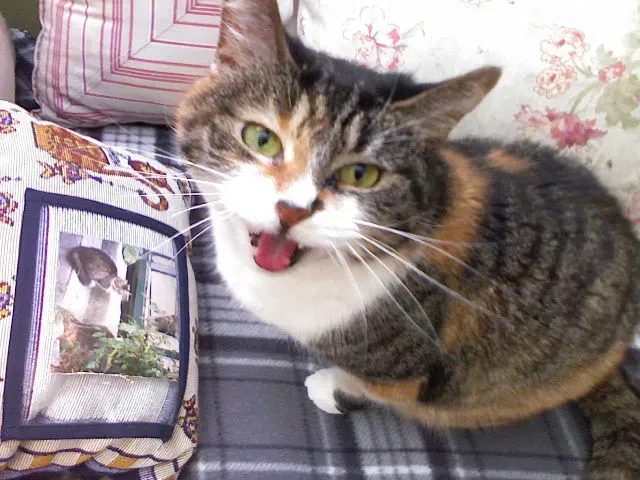
On average, cats produced 4.3 meows in the first 100 seconds of greeting men compared to just 1.8 with women. Researchers found a compelling reason for this difference. Domestic cats meow more frequently when greeting male caregivers than female caregivers, regardless of the cat’s age, breed, or household size. This behavior may be an adaptive response to less verbal engagement from men. Think of it like turning up the volume on a stereo when someone’s not paying attention. Your cat compensates for less responsiveness by meowing more.
The practical takeaway here is striking. The less verbally engaged you are with your cat on a regular basis, the more loudly and frequently they’ll try to get through to you. You’re not dealing with a demanding cat. You’re dealing with a cat who has been forced to escalate because their normal communication level wasn’t getting through. If you’re curious what your cat has to say, it’s possible to encourage communication. If humans respond with words and attention to their cats’ chirps and meows, they can create a back-and-forth, almost like a conversation.
How to Actually Restore Meaning to Your Cat’s Meows
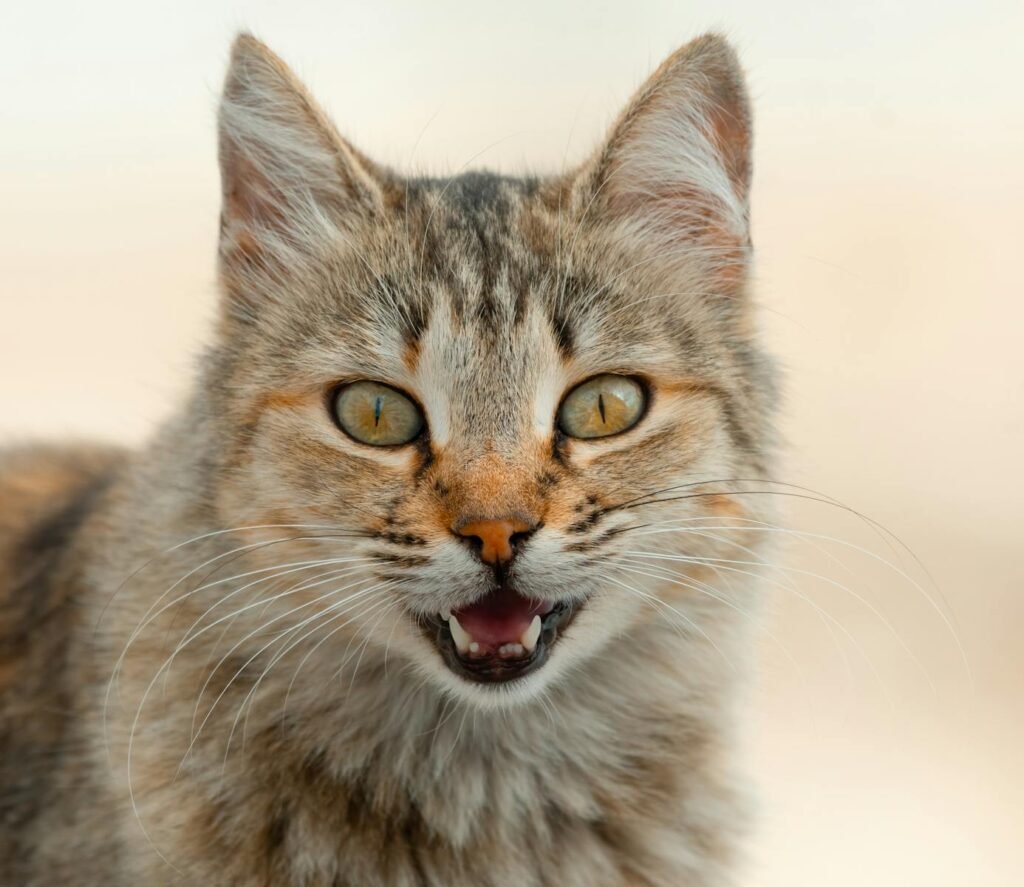
The key to getting your cat to stop meowing is to reward your cat before the meowing even starts. That way your cat is getting rewarded for being quiet instead of you trying to get them to quiet down after the fact. This is a total mindset flip for most people. Instead of reacting to meowing, you start rewarding silence. Think of it like giving your cat a compliment on a calm moment rather than always responding to the drama.
Whenever you are teaching a cat a new behavior or changing unwanted behavior, remember that it takes time and consistency on our part for cats to learn a new routine or behavior, or to learn a previously “rewarded” behavior is no longer effective. Consistency is the real magic ingredient here. If you reward quiet behavior Monday through Friday and then cave on the weekend, you’ve essentially reset the whole system. Punishing cats just doesn’t work. Positive reinforcement is the best way to help cats establish better habits in your home. It’s fun to reward your cat for desirable behavior, and it improves the strength of your bond.
Conclusion
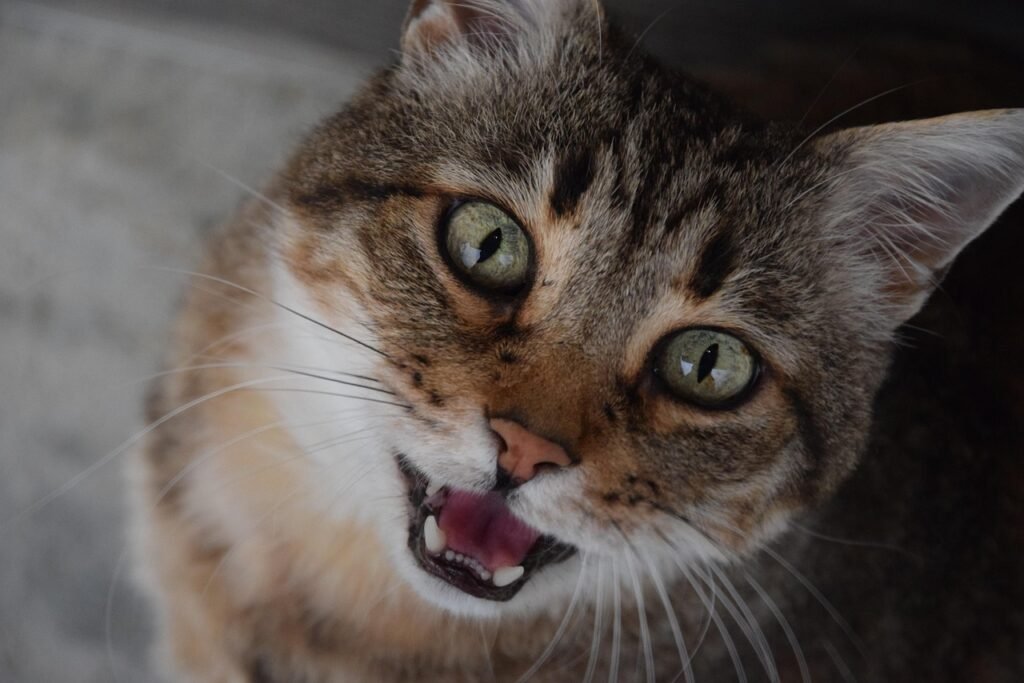
Your cat’s meow is one of the most remarkable communication tools in the animal kingdom – a behavior shaped over roughly ten thousand years of coevolution with humans, fine-tuned to reach exactly you. The fact that you’re on the receiving end of a language invented specifically for your species should feel like a privilege, not an inconvenience. When the meows become chaotic, excessive, or just noise, it’s almost always a reflection of how the human side of the conversation has been handled.
You have more influence over your cat’s vocal behavior than you probably ever realized. Every response you give – or withhold – is a lesson your cat is quietly learning. Once you start thinking of yourself as an active participant in shaping that communication, the relationship shifts entirely. Your cat doesn’t need to meow louder, more often, or more desperately. They just need to know that you’re genuinely listening.
So here’s the real question worth sitting with: Has your cat been speaking clearly all along, and have you been the one making it harder to understand them?
Kristina is a young writer from India. An arts graduate and an avid content creator, Kristina is passionate about animals and wildlife. She enjoys exploring topics related to pet care, animal behavior, conservation, and nature, combining thorough research with engaging storytelling.