There is something quietly magical about watching a cat move through a room. They glide. They pause. They observe. Every little flicker of their ears, every slow blink, every shift of their body tells you something. Yet of all the signals your cat sends out, one stands out as a remarkable piece of living communication you may have been overlooking entirely.
Your feline friend doesn’t communicate with you solely through vocalizations like meows and purrs. Your cat’s tail holds a complex language all its own, where every swish, wag, flick, and curl contains a hidden message, and understanding those tail positions and movements can give you deeper insight into your cat’s personality and feelings. If you think you already know your cat pretty well, get ready to be surprised. Let’s dive in.
The Anatomy Behind the Language: Why Your Cat’s Tail Moves the Way It Does
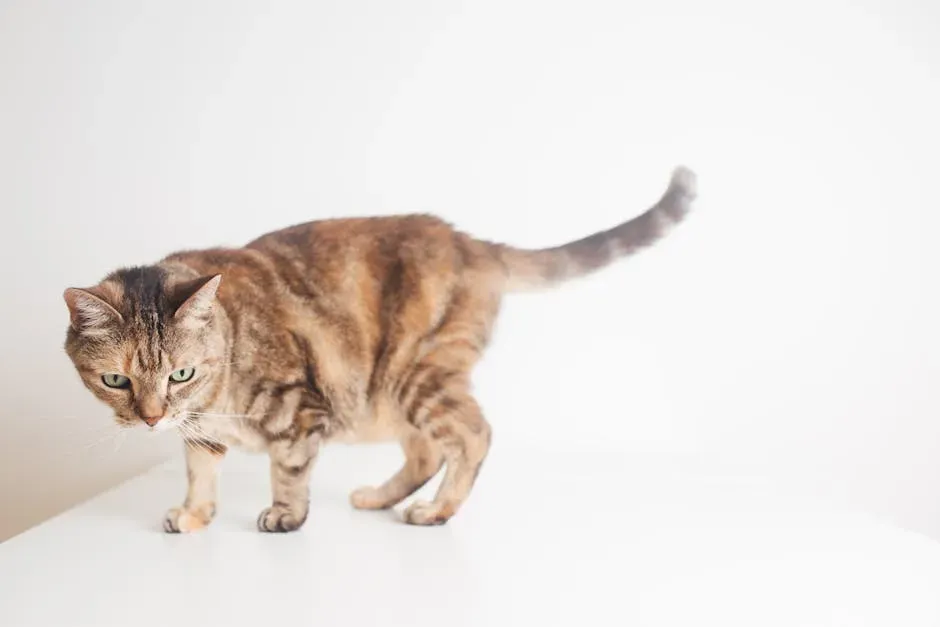
You might not have spent much time thinking about what is actually going on inside that tail, and honestly, most people haven’t. Here’s the thing though: the engineering behind it is genuinely fascinating. Your cat’s tail is remarkably flexible, thanks to its unique anatomy. It consists of 18 to 23 small bones, known as caudal vertebrae, which interlock like a chain, enabling the tail to move in many different directions.
When your cat experiences an emotion, its brain sends signals to muscles in the tail through the pudendal nerve, which connects tail muscles to the central nervous system. This communication occurs almost instantaneously, allowing your cat to move its tail with lightning speed and precision. Think of it like a fiber-optic cable directly connecting your cat’s mood to a visible, real-time display. You just need to learn how to read the screen.
The High and Mighty Tail: Confidence Is Standing Tall
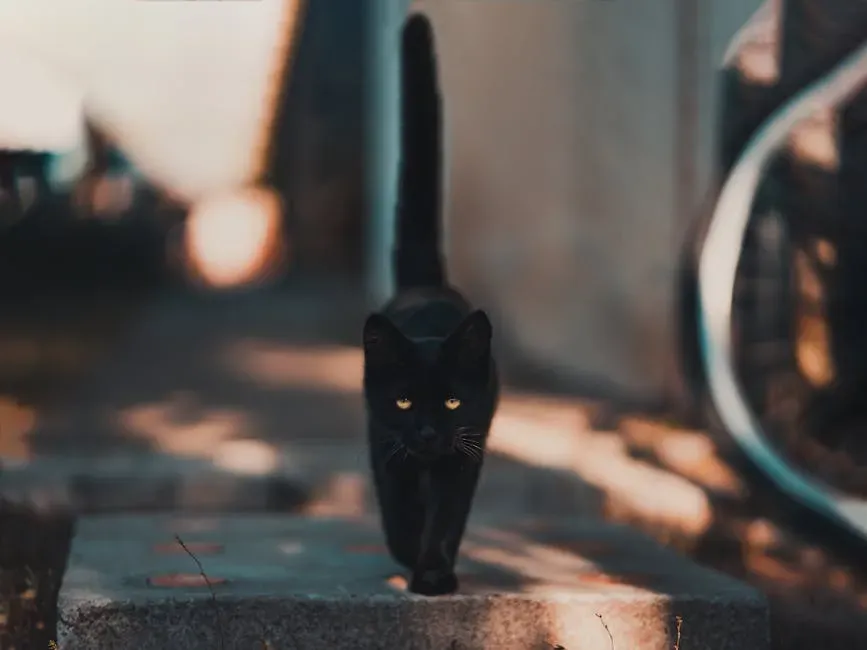
When your cat holds their tail high in the air as they move about their territory, they’re expressing confidence and contentment. A tail that sticks straight up signals happiness and a willingness to be friendly. Picture it as your cat walking into a room like they own it, because in their mind, they absolutely do.
If your cat walks into the room with their tail sticking straight up, they’re feeling confident, comfortable, and ready to engage in some friendly interaction. This tail position indicates all is right in the world, at least from the cat’s perspective. Furthermore, a tail that points up accompanied with a quiver at the base is often an indication your cat is especially excited to see you or to be getting a tasty bowl of cat food. If you see that little quiver, take it as a compliment. Your cat is genuinely thrilled you exist.
The Question Mark Curl: Your Cat Is Asking You Something
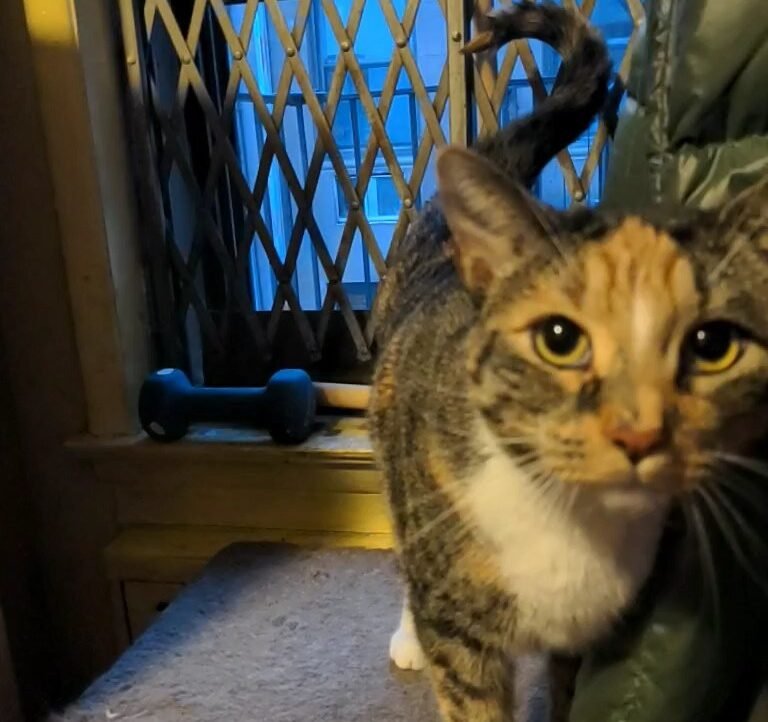
If your cat bends their tail into the shape of a hook or question mark, this is a very positive sign. The “question mark tail” is a pro-social behavior, like walking up to another person with a huge smile on your face and your arms open wide. In other words, it’s your cat’s way of giving you a friendly greeting. If you see it, don’t just stare blankly back. Respond.
When your cat bends its tail in the shape of a question mark, this is good news, especially if you have a few minutes to spare and some cat toys at the ready. That’s because the question mark-shaped tail position is a cat’s way of asking you, “Would you like to play?” Cats may also move the tip of their tails back and forth with the question mark changing orientations, which is an even more intense play signal. Grab that feather wand. Your cat just sent you a very clear invitation.
The Slow Swish: Calm, Cool, and Completely Focused
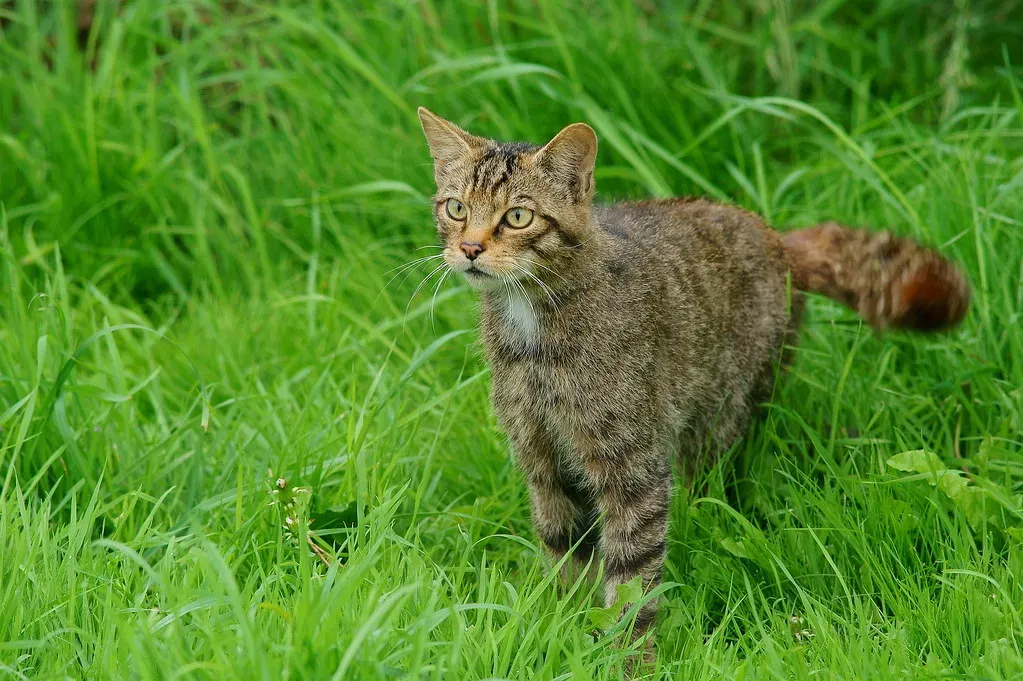
When your cat’s tail is in motion and looks fluid and soft, it’s “swishing.” Generally, this indicates a cat who’s relaxed or calmly interested in what’s happening. At this point, no alarm bells are going off in the cat, and they aren’t sleepy either. It’s almost meditative to watch, like your cat is just quietly processing the world at its own leisurely pace.
A tail that sways slowly from side to side usually means your cat is focused on an object. You might see this tail position right before your cat pounces on a toy or a kibble of cat food that’s tumbled outside the food bowl. I think this is one of the most underrated tail signals there is. It looks so calm on the outside, yet something very deliberate is brewing underneath. Your cat is locked in, and action is about to follow.
The Thrashing Tail: Back Off, Right Now
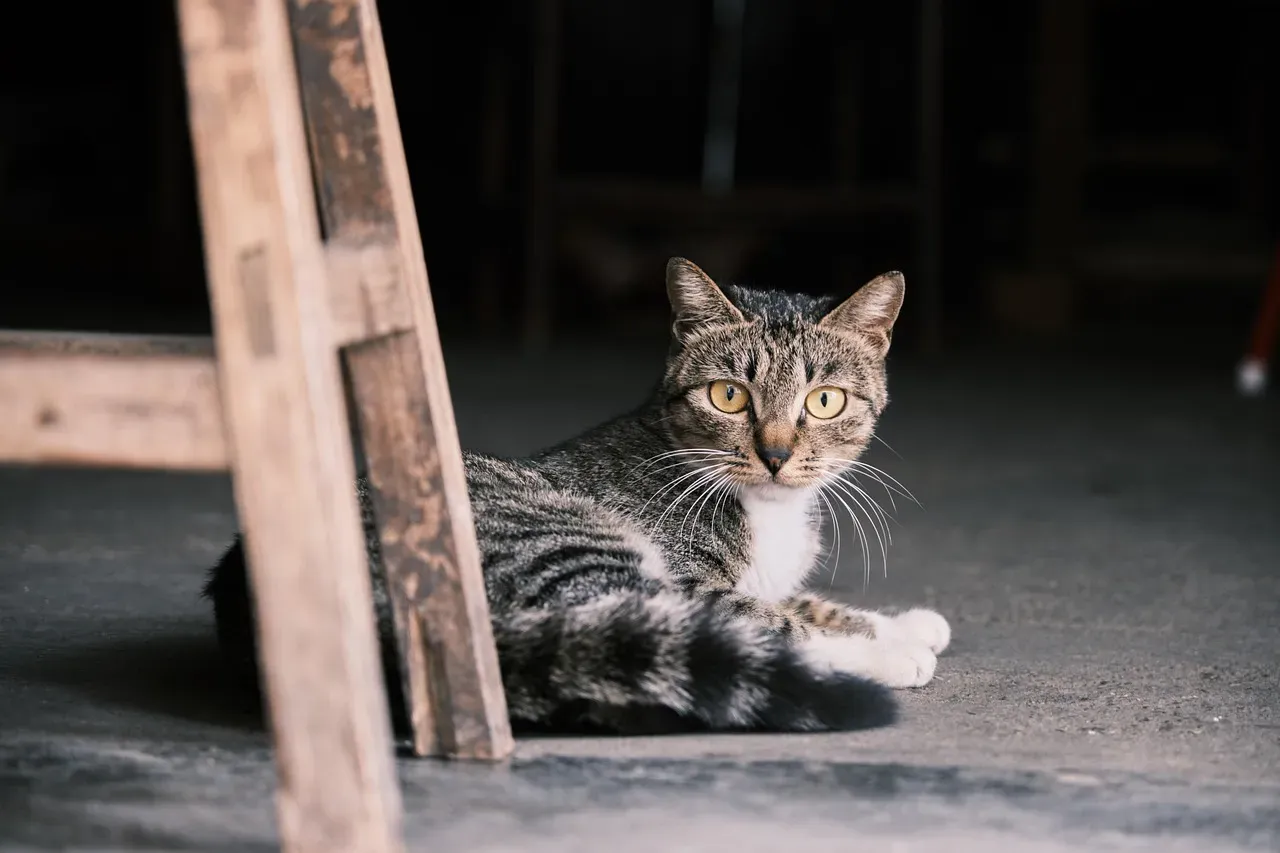
When your cat thrashes their tail or is thumping it on the ground, they are irritated, annoyed, or angry. This tells you that something is bothering your cat. It’s a distance-increasing behavior. If you are petting your cat and they start thrashing their tail, they are trying to tell you to stop. If you don’t, then the thrashing tail may be a prelude to hissing, growling, swatting, or biting.
Whipping or lashing of the tail is a sign that a cat is angry, and that they may take a sudden, strong action in the near future. If your cat does this, it’s time to take a step backwards and give them some space. If you don’t, you may risk being bitten or scratched. Let’s be real: your cat has been warning you for a while. A thrashing tail is not a subtle hint. It’s a flashing red light.
The Puffed-Up Tail: Fear Is Making Your Cat Bigger
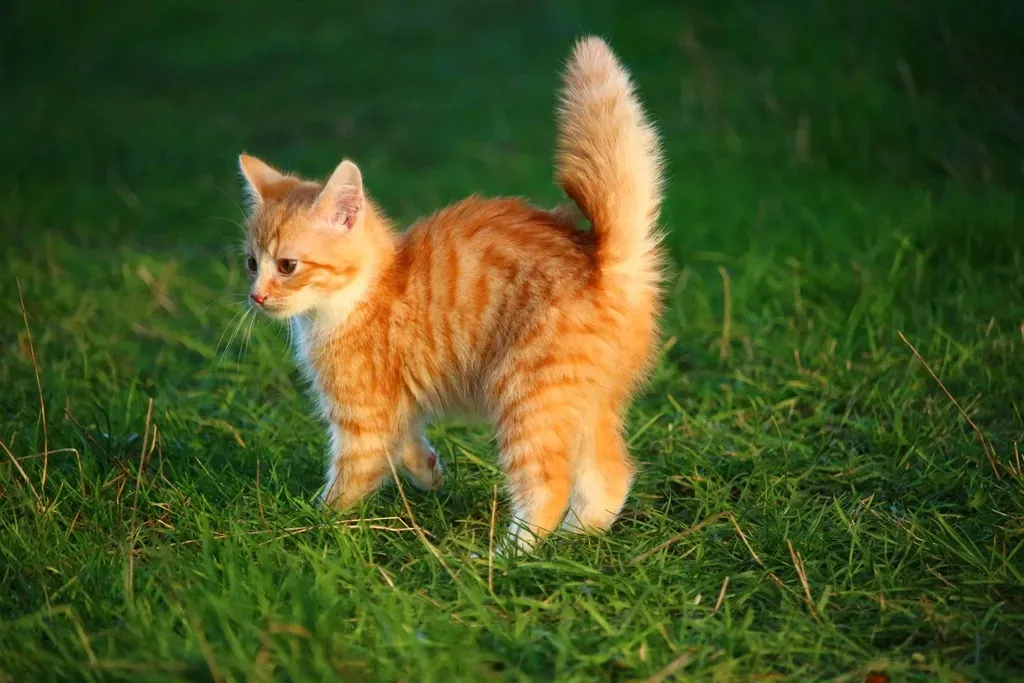
A puffed-out tail, often two or three times the size of a normal one, is either a sign of a very excited cat or one that is scared and ready for a fight. A feline may also have hair raised on their back to make them appear larger and a more formidable opponent. It’s an indication of high emotions that can go either way.
Humans have tiny muscles called arrector pili at the base of our hair follicles, and when we’re scared, these muscles contract, causing our hairs to stand on end. Similarly, cats have the same muscles at the base of their tails, and when they feel threatened, these muscles cause their tail to puff up, making them look larger and more intimidating. It’s essentially the same reflex, just on a much more dramatic and frankly impressive scale. Your cat’s body is doing its absolute best to bluff its way out of danger.
The Tucked Tail: Your Cat Is Frightened or Hurting
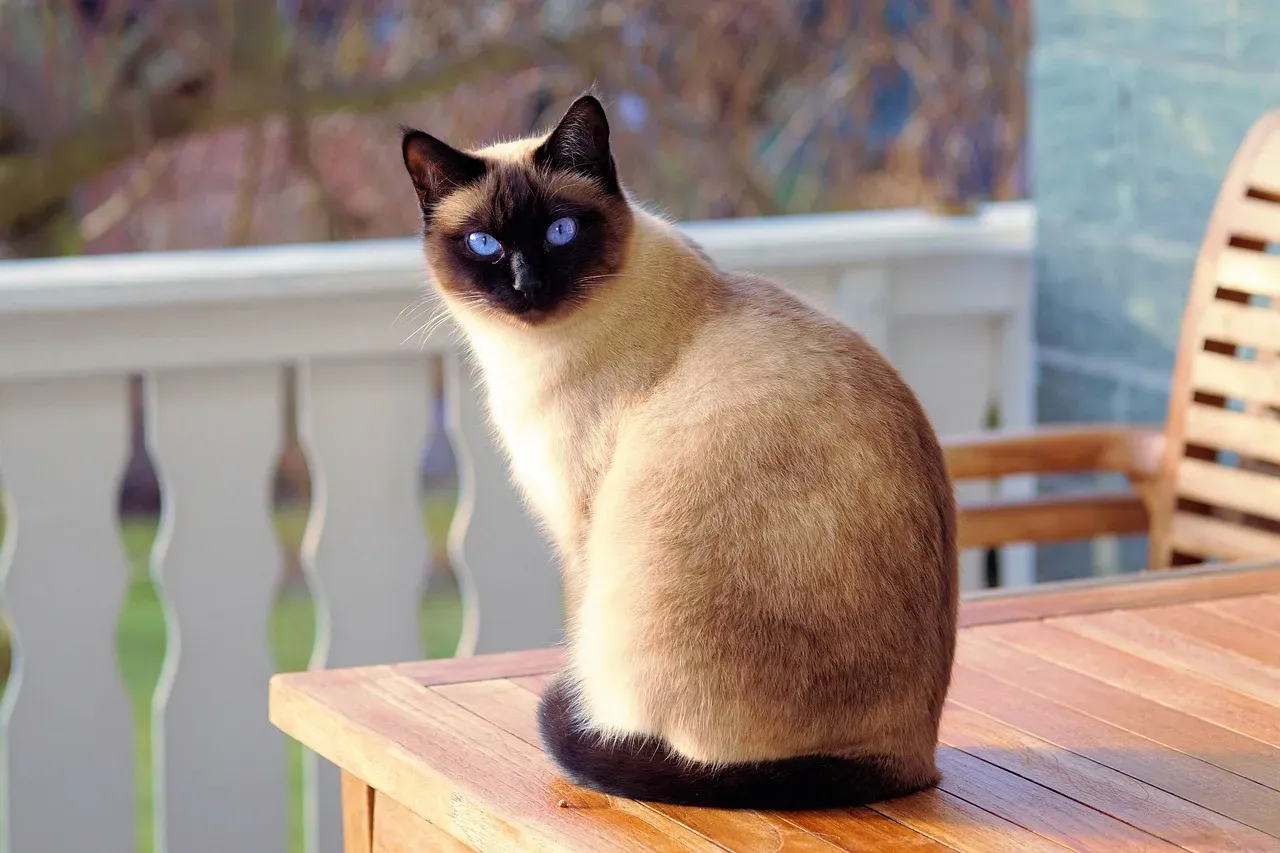
When your cat tucks their tail under their body or wraps it around themselves, this can be a sign of uncertainty that may indicate feelings of fear and submission. This is especially true when this tail position is accompanied with wide eyes, dilated pupils, and flattened ears. Context, however, matters a great deal. Your cat curled up on a warm lap might just be cozy. Don’t panic over every tuck.
When your cat tucks its tail underneath the body or to the side, it can mean fear or submission. It can also mean the cat is experiencing some form of pain or illness. Being attuned to this can help in detecting any disease they might have at an early stage. This is one of those tail signals that deserves your genuine attention, particularly if you notice it repeatedly over several days. Your cat cannot tell you they’re in pain with words. But they are telling you.
The Tail Wrap: You Have Been Accepted
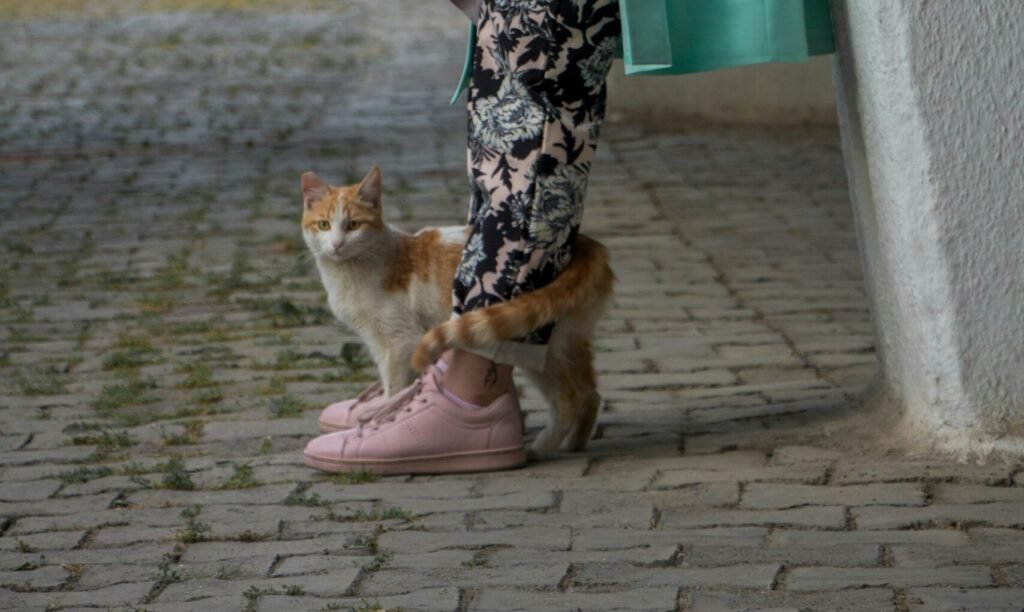
Just as we greet one another with handshakes or hugs, cats may greet by curling their tails around people and by intertwining their tails with other cats. Tail wrapping is an affiliative behavior that demonstrates a willingness to interact. Honestly, this might be the most heartwarming signal in the whole repertoire. Your cat is choosing you.
Tail wrapping is one of the ways cats bond and socialize with each other. It’s a way of marking each other with their scent and signaling who their friends are. If your cat snuggles up next to you with their tail curled around you, it means you’re part of their in-crowd and they like you a lot. When your cat intertwines their tail around your legs, it means they have a good bond with you. Cats use a similar signal to communicate with other cats they have bonded with. You have officially been claimed. Wear it with pride.
Reading the Full Picture: The Tail Never Acts Alone
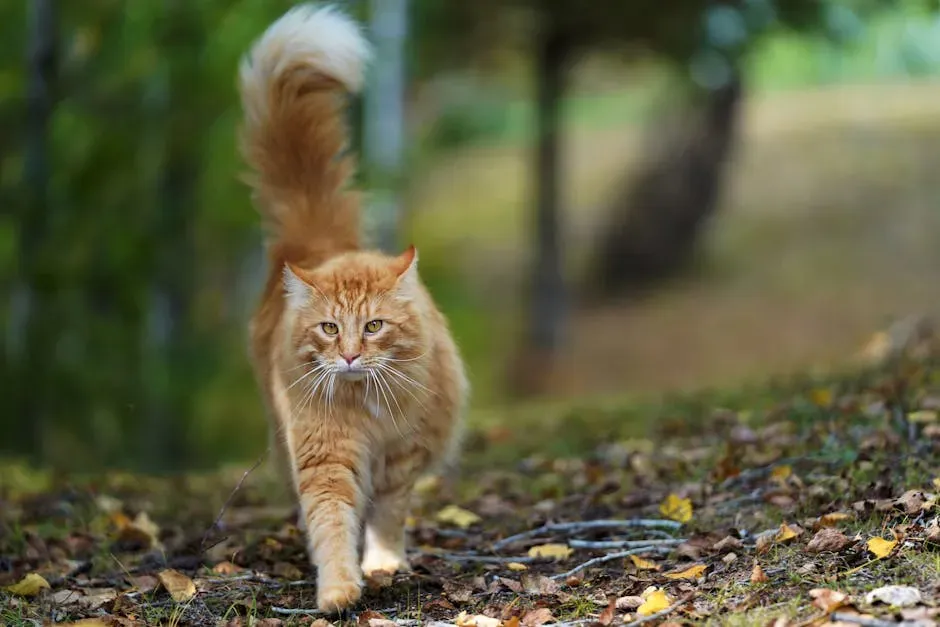
Here is something critical that a lot of cat owners miss. The tail is an extraordinary tool, but it doesn’t operate in isolation. When it comes to reading feline body language, don’t just look at the tail position. Pay attention to things like ear position, back, and full body posture to get a better idea of your cat’s current behavior and mood. Eyes are also important. For example, a slow blink is a sign of love and trust, while constricted pupils can signal nervousness.
Pay attention to changes in tail position as well as accompanying body language that indicate a mood shift. For example, your cat might be enjoying being petted around the head and neck, but as you begin to stroke along the spine and base of tail, the tail starts lashing. What was relaxing and enjoyable has transitioned to being either too stimulating or even painful. While these tail positions can help you better read your cat’s inner life, avoid jumping to conclusions based solely on tail movements alone. It’s best to consider the full picture to most accurately decode your elusive feline. Certain behaviors may have common interpretations, but each cat is unique, and context is king.
Conclusion
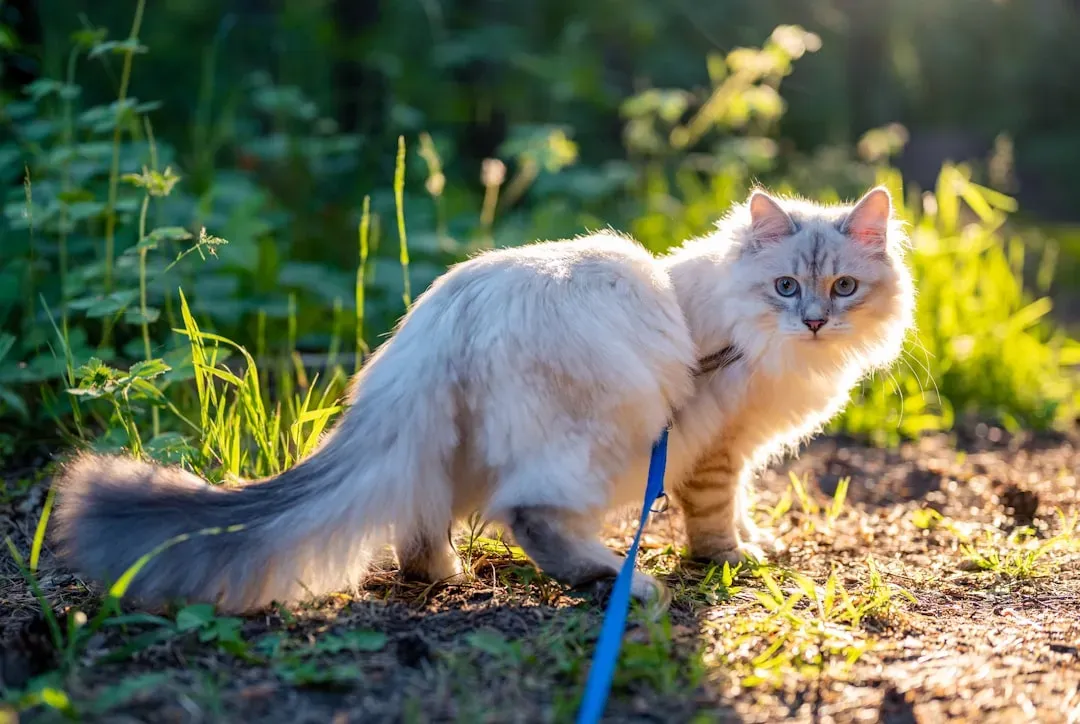
Your cat has been speaking to you every single day, in a rich, nuanced, deeply expressive language that most people simply aren’t taught to notice. The tail is not decoration. It is not random. It is a living, real-time emotional readout, and once you start paying attention, you will never watch your cat the same way again. Cats are masters of communication and your job is to pay attention. If you learn to accurately read their body language signals and respect what your cat is telling you, it will create trust and strengthen the bond you share.
Think about it: you share your home with a creature that communicates its deepest feelings through movement, posture, and position, all without a single word. That’s not mysterious. That’s remarkable. The next time your cat walks into the room, look at the tail first. What is it saying today? You might be amazed by what you’ve been missing all along. What would you have guessed your cat was actually telling you? Tell us in the comments.
Kristina is a young writer from India. An arts graduate and an avid content creator, Kristina is passionate about animals and wildlife. She enjoys exploring topics related to pet care, animal behavior, conservation, and nature, combining thorough research with engaging storytelling.