There’s something quietly magical about the moment your cat curls up beside you and drifts off to sleep. It looks simple enough. Just a fluffy creature catching some z’s. Yet what your cat is actually doing in that moment runs much deeper than you might realize, and honestly, most cat owners completely miss the message.
Cats are incredibly deliberate animals. Every single choice they make, including where they choose to rest, is packed with meaning. Whether your kitty claims your chest every night or prefers the quiet corner of the sofa, they’re telling you something personal, something that reaches back to wild instincts and forward into the emotional bond they share with you. Let’s dive in and decode what your cat’s favorite napping spot is really trying to say.
Why Where Your Cat Sleeps Says Everything About Trust
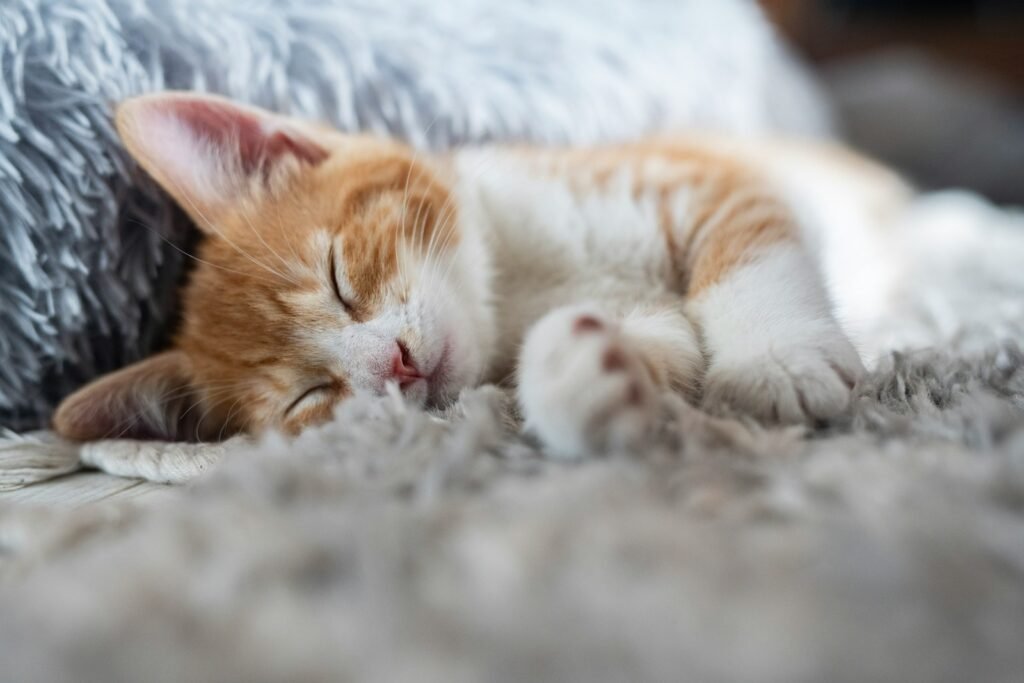
Here’s the thing about cats: they are at their most vulnerable when they sleep. Unlike dogs, who will flop down just about anywhere, cats are incredibly selective about their rest spots. In the wild, cats are vulnerable when they sleep, so choosing to rest with you is a sign of ultimate trust and comfort. That’s not a small thing. That’s practically a declaration.
When a cat chooses to sleep in your presence or displays certain sleeping postures, it is not a coincidence. These behaviors are instinctual and offer important clues about your cat’s sense of safety and trust in its environment. Think of it like this: you’d only fall asleep in a room where you felt completely safe. Your cat operates by exactly the same logic, only their stakes feel much higher.
The Lap Napper: You Are Their Safe Place
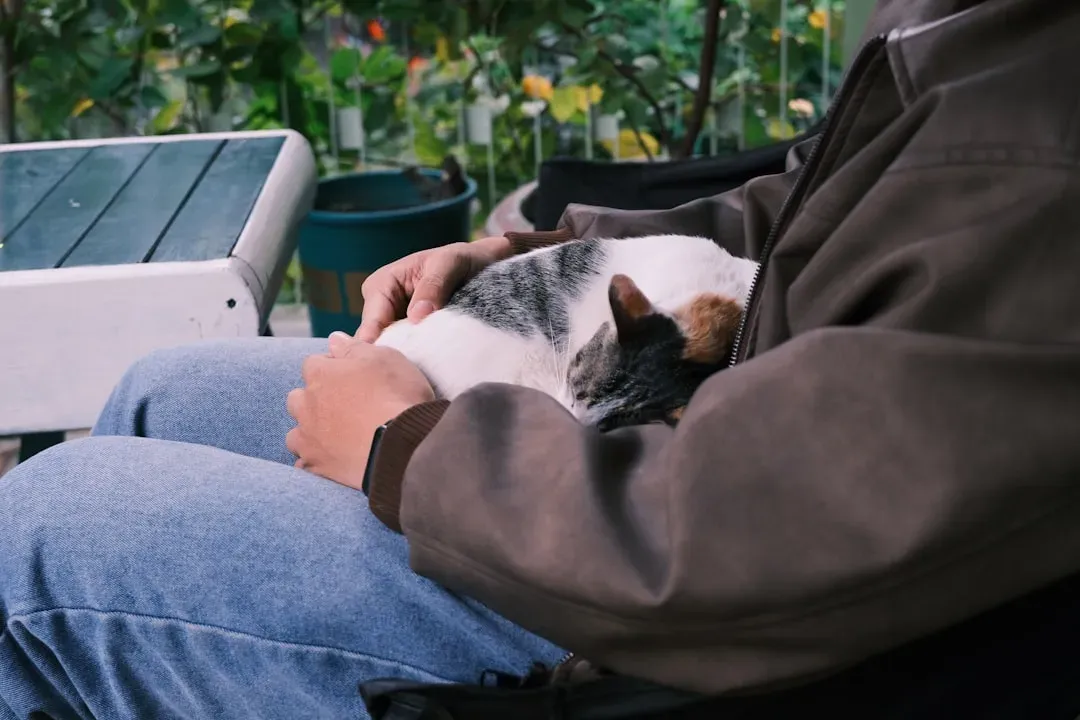
If your cat regularly chooses your lap as a napping destination, congratulations. You have passed what I’d call the ultimate feline vetting process. Cats love to sleep and they instinctively seek out a safe spot for their naps. If your kitty loves to choose your lap as a secure space, it represents a strong sign of trust. Cats are most vulnerable when they sleep, so if they choose to do so in your presence, it is a testament to the comfort and safety they associate with you.
Sitting on top of you is a cat’s ultimate sign of trust. There’s also a warmth element at play here. Whether it’s by the radiator or in a sunbeam, kitties love napping in warm spots. One of the coziest places in your home happens to be wherever you are because of the heat your body emits. This could be why your cat likes sitting with you. They may choose to sit on your lap because they want to soak up all your body heat. Trust and warmth, all bundled into one contented purring package.
Sleeping on Your Chest: The Heartbeat Connection
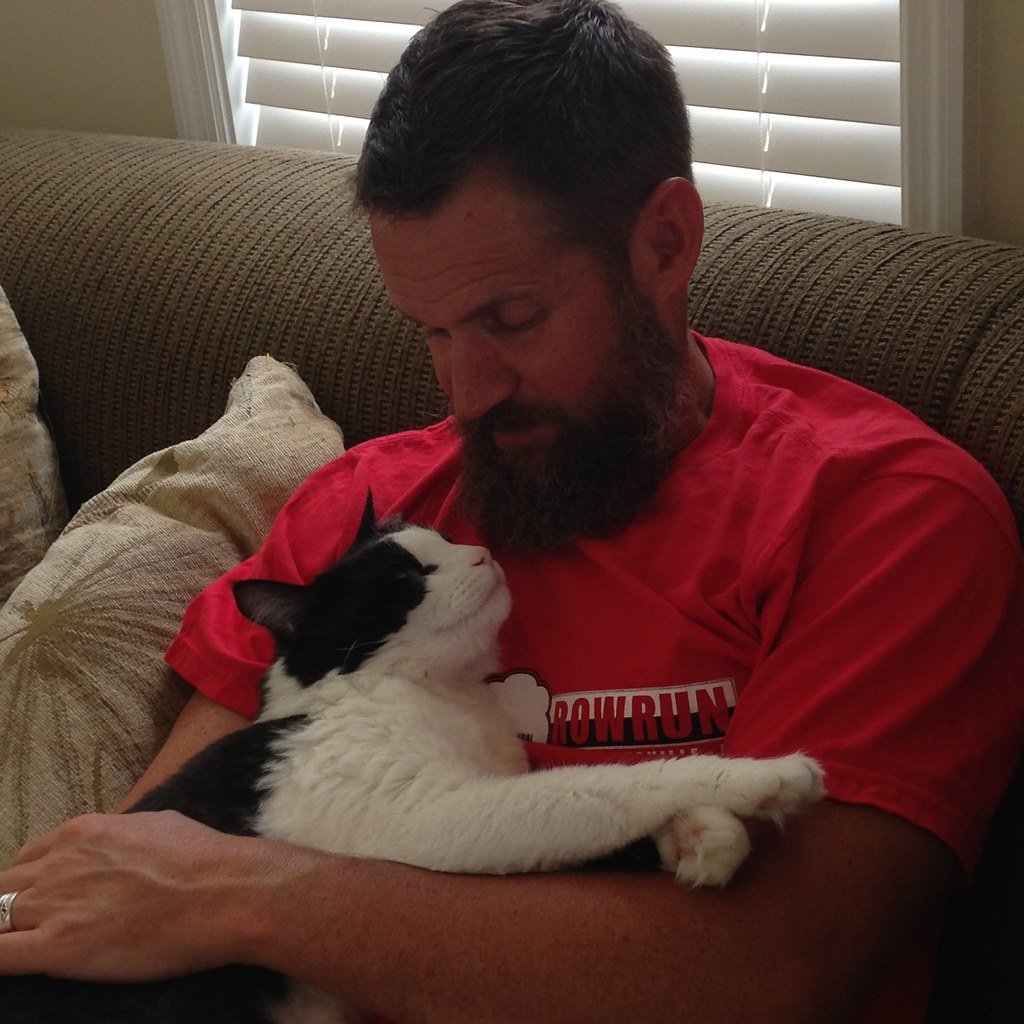
If you’re seeing a cat laying on your chest quite regularly, you should be glad, as this is one of the most affectionate spots a cat can choose. Your chest provides warmth, the comforting sound of your heartbeat, and a sense of security. This position allows them to be close to your face, strengthening the bond between you. It’s a deeply primal thing, if you think about it.
Cats might love chests because they bring them closer to your breathing lungs and beating heart. The rhythm of these two organs working might be comforting to them, and your chest is likely a warm spot. It might also make them feel safe and secure to be this close to you. I think there’s something almost poetic about a creature choosing the sound of your heartbeat as its personal lullaby. It’s hard not to feel a little moved by that.
Napping Near Your Head: Scent, Warmth, and Intimacy
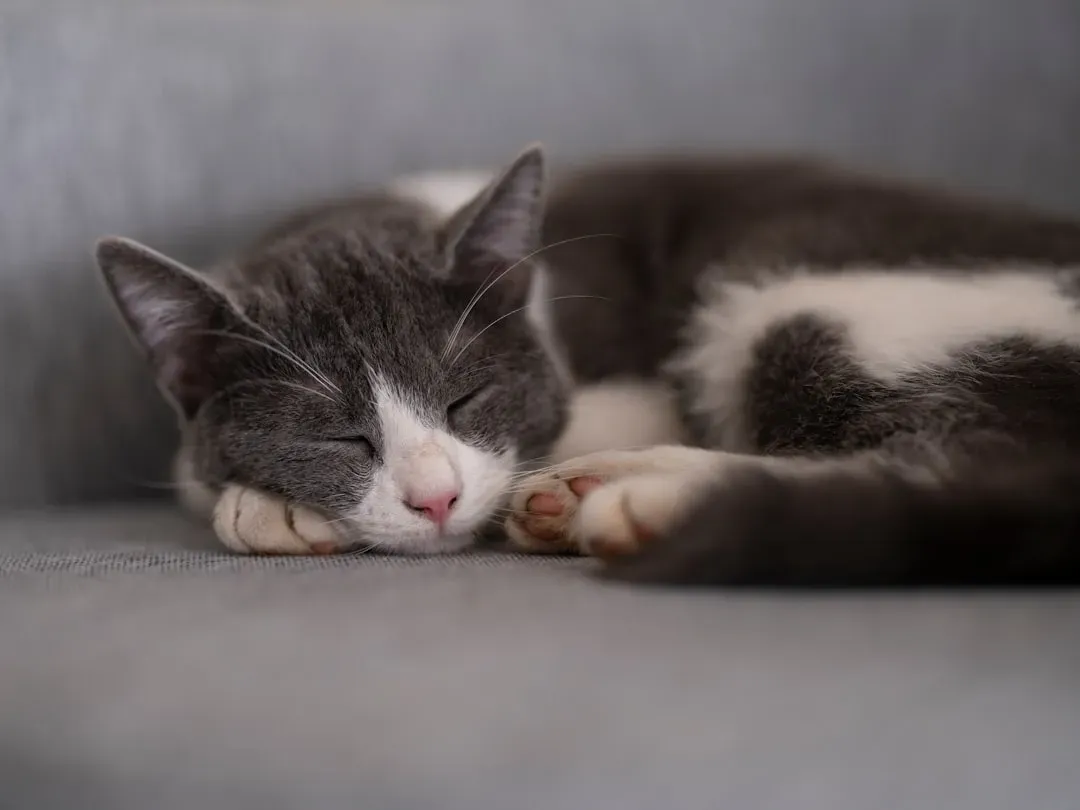
Beyond practicality, sleeping near your head is a significant sign of trust and affection. Cats that form close social bonds tend to sleep in physical proximity to those they trust, whether it’s other cats or their human companions. Your head, it turns out, is a very attractive piece of real estate in the cat world.
Your head is another spot that could feel comforting to a cat. Human heads release heat and move less than other parts of our bodies when we sleep, so a cat might be drawn to it for those reasons. Your cat might also like the way your hair smells. Your head and chest are warm, smell strongly of “you,” and provide steady sound. For many cats, that combination feels safe and soothing. Sleeping there is a sign of trust and a desire to be as close to you as possible.
The Foot-of-the-Bed Sleeper: Loyal but Independent
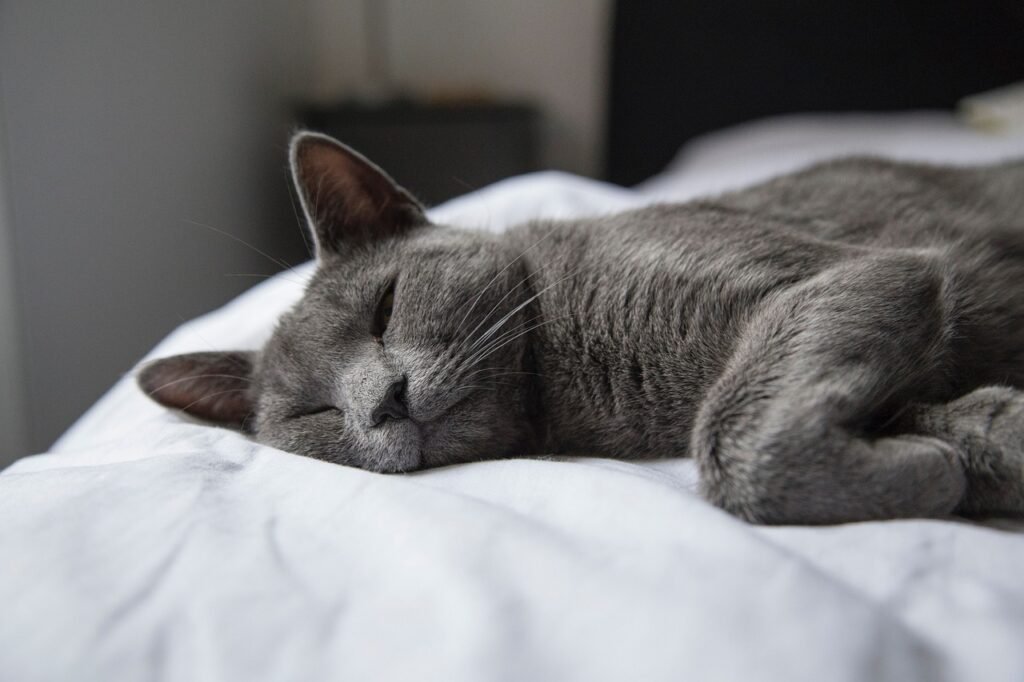
Does your cat prefer the foot of the bed over your pillow? You might wonder if that means they love you a little less. Spoiler: it absolutely does not. Ever wonder why your cat prefers to sleep at your feet instead of curling up against your chest? It might seem like a distant or less affectionate choice, but in reality, this sleeping habit is a perfect balance of trust, comfort, and independence. Cats are naturally strategic about where they sleep, and their choice is influenced by security, warmth, alertness, social bonding, and scent familiarity.
When a cat sleeps at your feet, they keep your feet warm, but they may also be seeking warmth from you. Sleeping by or on your feet lets your cat be close to you, but also gives them the security of an easy escape when near the foot of the bed, couch, or chair. It’s the cat’s way of saying, “I love you, but I also like having options.” Honestly, pretty relatable.
The Belly-Up Sleeper: Maximum Vulnerability, Maximum Trust
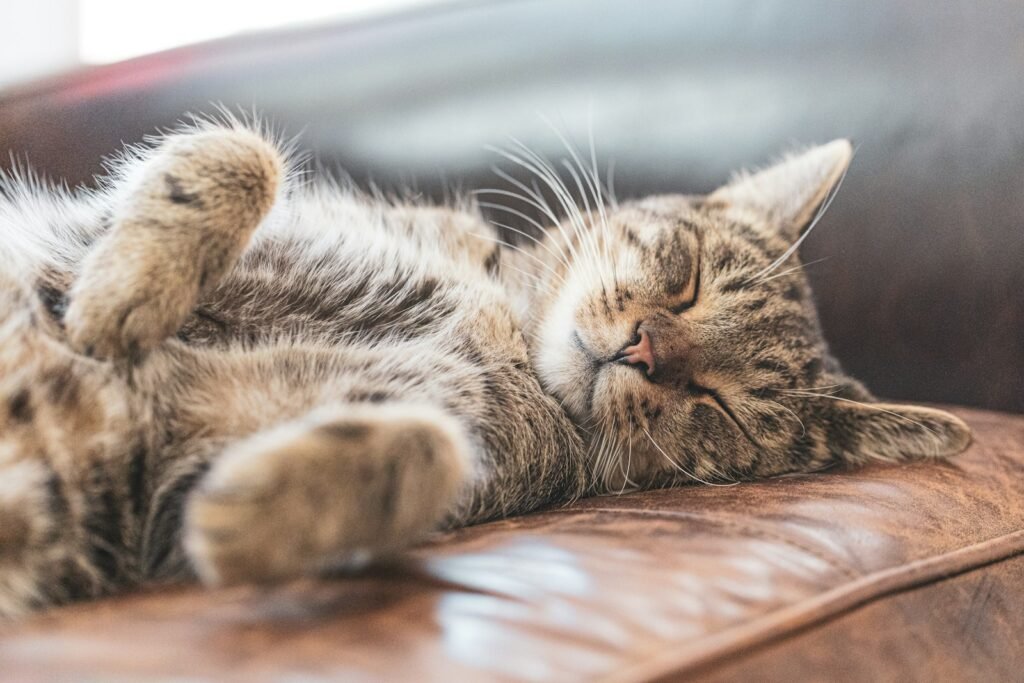
If your cat ever rolls onto its back and sleeps with its belly fully exposed, stop what you’re doing and appreciate the moment. The belly-up position, where a cat lies on its back with its belly exposed, is a classic sign of trust. The belly is a vulnerable area, and cats only expose it when they feel entirely secure. If your feline sleeps this way near you, it’s a high compliment.
Sleeping on the back with the belly exposed indicates total relaxation and wellbeing. The cat’s stomach is the most vulnerable part of their body, lying flat on the back with the legs extended in the air, unable to quickly escape in case of danger, exhibits total trust. One important caveat though: even though your cat feels safe, you should probably not try to rub your cat’s belly when they are in this position. Most cats will still attempt to defend themselves when touched in the belly area. Admire from a respectful distance.
Sleeping on Your Clothes or Pillow: The Scent Bond
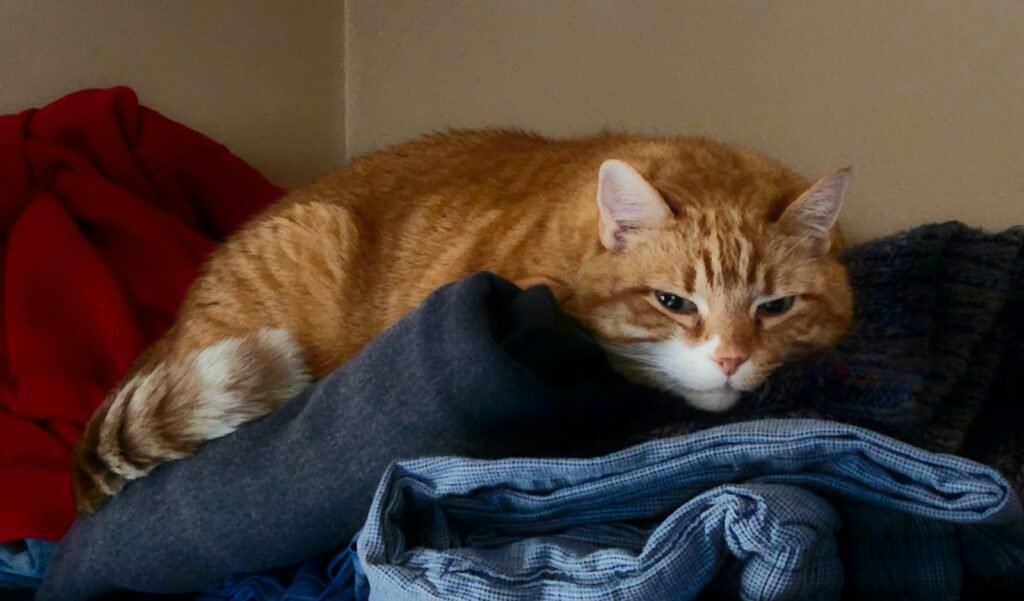
Few things are more endearing than walking into a room and finding your cat draped across your favorite hoodie. It looks like mischief. It’s actually devotion. Your cat might be sleeping on your clothes because they are comforted by the familiar scent of you. This can be true whether you are away or at home. Clothes can also be warm and soft, making them a nice place to curl up.
Cats are territorial animals and use scent to mark familiar places. Your bed, filled with your scent, becomes a natural place for them to claim as their own. There’s also a scent-sharing element that runs deeper than simple comfort. It’s also about marking you with their scent, an intimate gesture in the cat world, signifying that you are a part of their trusted circle. You are, essentially, being claimed as family.
The High-Perch Napper: Confidence in Their Kingdom
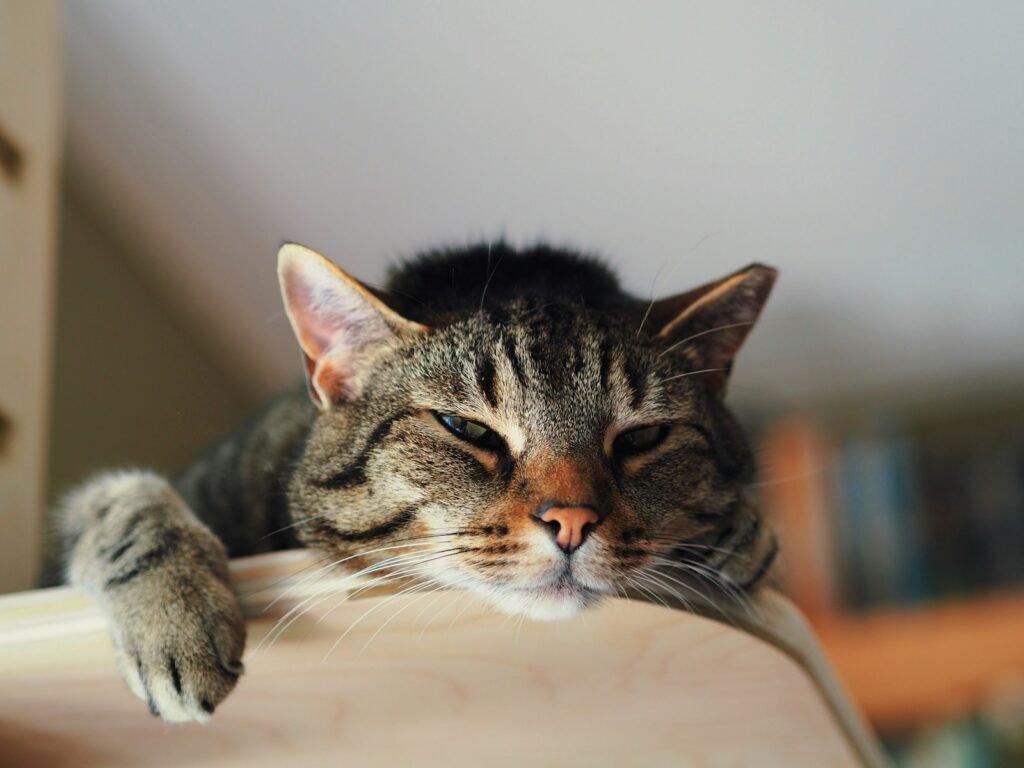
Some cats skip the cozy lap entirely and prefer sleeping up high, on top of the refrigerator, the wardrobe, or the back of the tallest chair in the room. This isn’t aloofness. It’s strategy. It may seem precarious when a cat sleeps perched on the back of a couch, the arm of a chair, or even on top of the refrigerator. But this sleeping position has its advantages. For one, with a high vantage point, cats are safe from potential predators while sleeping. In your home, this might mean other pets, children, or even unfamiliar visitors.
Anxious or skittish cats prefer to hide or conceal themselves in small dark confined spots, while confident cats like to shelter themselves for uninterrupted sleep in boxes, tunnels, and bags. A cat who claims the highest point in the room to nap is a cat who feels secure enough in their home to sleep elevated without worry. Think of it like a tiny lion surveying the savanna. They’ve decided their territory is safe, and that includes you in it.
When Sleeping Spots Suddenly Change: Paying Attention to Health Signals
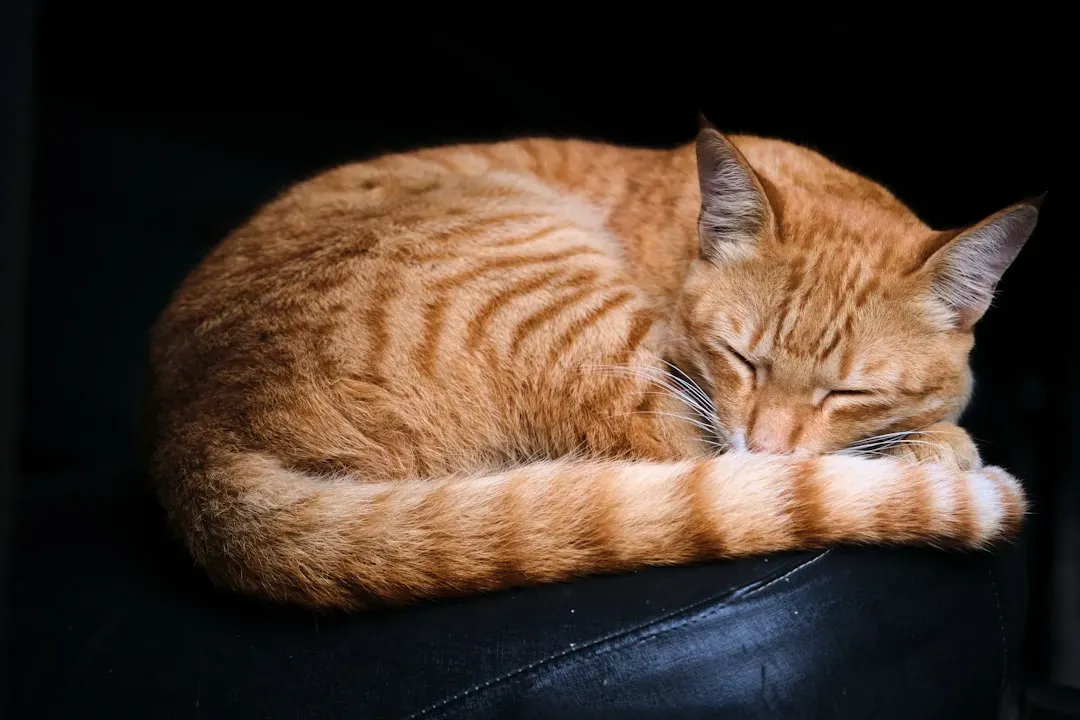
Your cat’s preferred napping spot isn’t just a window into their emotions. It can also be an early signal of their physical health. Your cat’s sleeping habits can also alert you to potential health issues they may have. If your pet rarely sleeps with you yet suddenly starts resting on you constantly, it could indicate that they’re not feeling well. If this behavior is paired with your cat being unusually sedate or sleeping more than usual, then it’s important to schedule an appointment with your vet to have them checked out.
Animal behaviorists advise cat parents to pay attention when they notice a significant deviation from their cat’s normal behavior; a sudden shift in their usual habits may be worth a call to the vet. For example, a cat who’s usually not very affectionate suddenly clinging to you, or a cat who’s normally very social tucking themselves away. A sudden change in napping behavior is your cat’s version of waving a tiny red flag. Always worth investigating.
The Science Behind Why Your Cat Chooses You
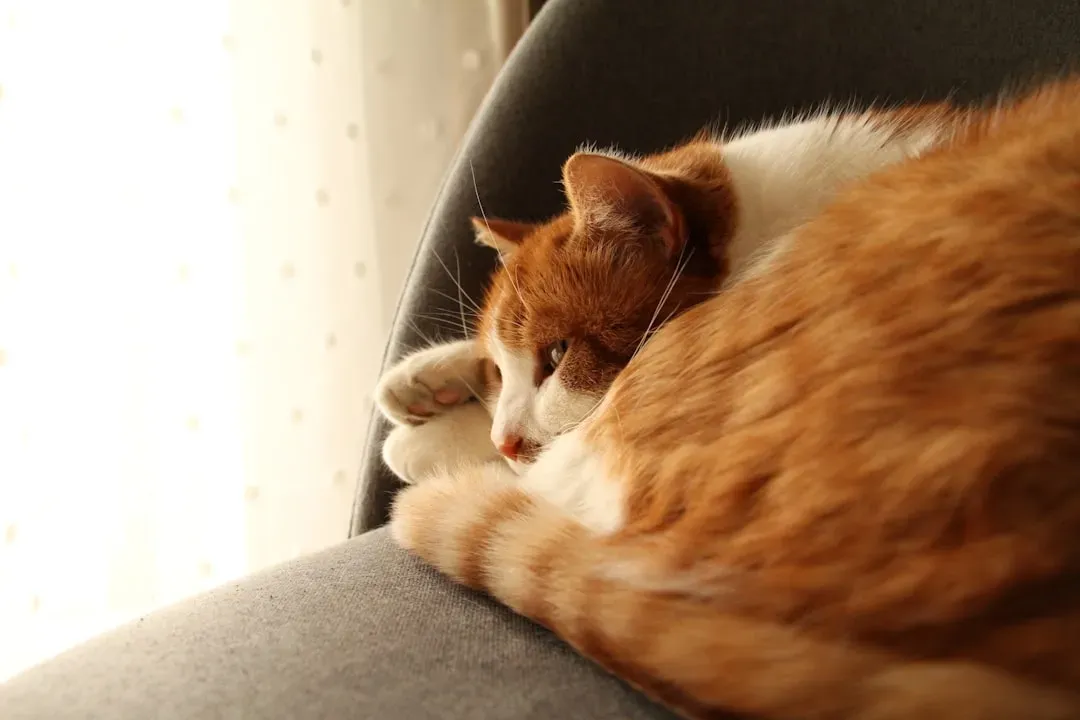
There’s actual chemistry behind why your cat chooses to sleep with you. Literally. Through studying cat hormones, such as oxytocin, industry experts have shed light on feline behaviour. A study by American neuroscientist Paul Zak revealed that cats experience an increase in oxytocin levels, the hormone associated with bonding and affection, when they interact with their owners. Oxytocin is the very same hormone that bonds human mothers to their children. So the connection is real, biological, and deep.
If you’re wondering why cats lay on you, it could be a sign of trust and affection. They adjust their sleeping patterns to match yours, seeking the soothing rhythm of your heartbeat and breath. Sleeping near you provides a sense of security and companionship. Studies have shown that cats see their human guardians as a source of comfort, much like a kitten sees its mother. That is, perhaps, the most profound thing your sleepy little companion is quietly communicating every single time they curl up beside you.
Conclusion: Every Nap Is a Love Letter
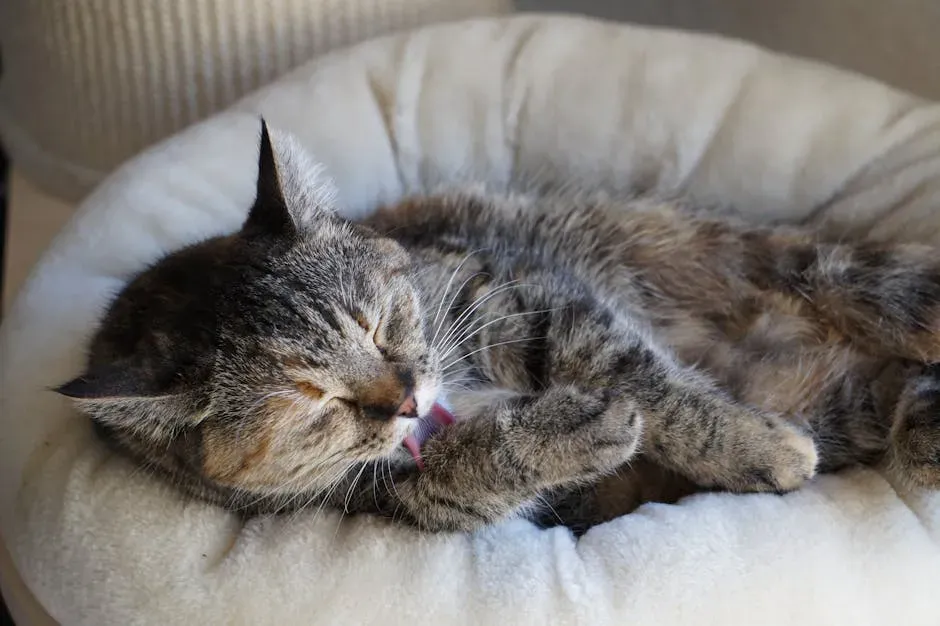
There’s a reason people say cats choose their owners, not the other way around. Every time your cat settles into their favorite napping spot near you, on you, or simply in the same room as you, they are making a conscious, deliberate declaration of trust. You know your cat trusts you when they relax around you, meet your gaze with slow blinks, and choose your lap or side as their safe spot.
Cats often form strong bonds with their human companions during sleep, showcasing one of the signs of cat love. This bonding can manifest as seeking warmth, comfort, or security and demonstrates high trust and affection. It’s easy to take it for granted when you’ve seen it a thousand times. The cat on the couch. The cat on the pillow. The cat across your feet at 2am.
Next time your cat picks their spot and drifts off, take a second to really see it for what it is. Not just a nap. A quiet, furry, unmistakable vote of confidence in you. Did you ever stop to think you’d mean that much to a creature that could have chosen absolutely anywhere else to sleep?
Kristina is a young writer from India. An arts graduate and an avid content creator, Kristina is passionate about animals and wildlife. She enjoys exploring topics related to pet care, animal behavior, conservation, and nature, combining thorough research with engaging storytelling.