There is something almost magical about the moment your cat walks up to you, opens its mouth, and delivers that one specific sound that you would recognize anywhere. Not just any meow. Their meow. It sounds different from every other cat on the planet, and honestly, that is not your imagination running wild.
Feline vocalization is one of the most fascinating, under-discussed topics in animal behavior science. Your cat is essentially speaking a language built specifically for you, and researchers are only beginning to crack the code. So if you have ever wondered what your furry companion is really trying to say, or why their meow sounds nothing like your neighbor’s cat, you are in for some real surprises. Let’s dive in.
The Meow Was Made for You, Not Other Cats
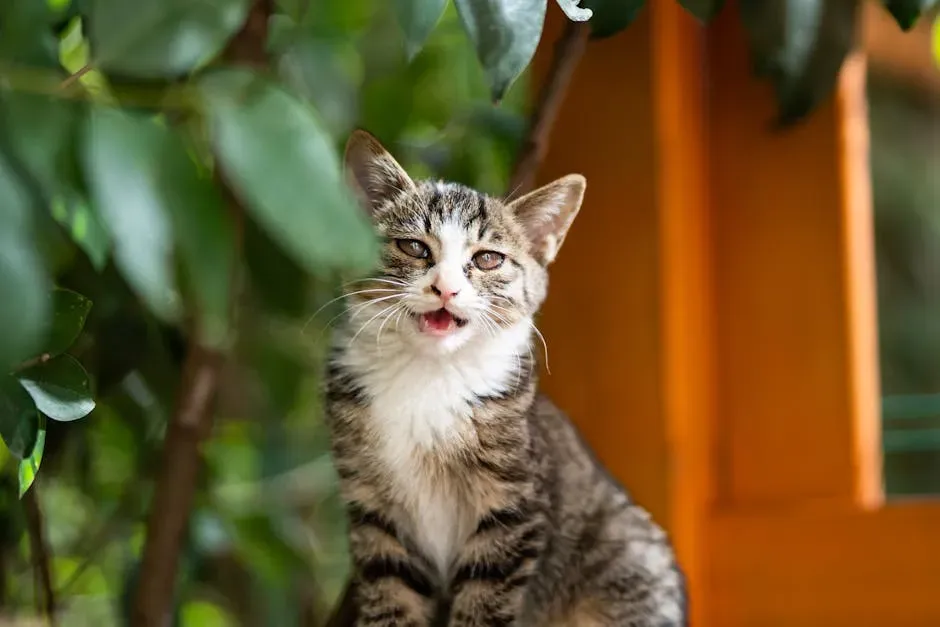
Here is the thing that blows most people’s minds the first time they hear it: your cat almost certainly does not meow at other cats. Cats usually do not meow at other cats. They primarily meow at humans. Think about that for a second. The sound you hear every single day was essentially invented by your cat to get through to you specifically, not to communicate with their own species.
Before they turn to their owners for food and care, kittens rely on their mothers. At this early stage of life, kittens meow to solicit attention and communicate with their primary caregiver. Once kittens mature and become more self-sufficient, they stop meowing to other felines. Meowing can then develop into a kind of language used by your cat to communicate with you. It is almost like they decided humans need a special vocal channel, and they built one just for us. That is either incredibly sweet or incredibly manipulative, depending on how you look at it.
More Sounds Than You Think: The Full Feline Vocal Repertoire
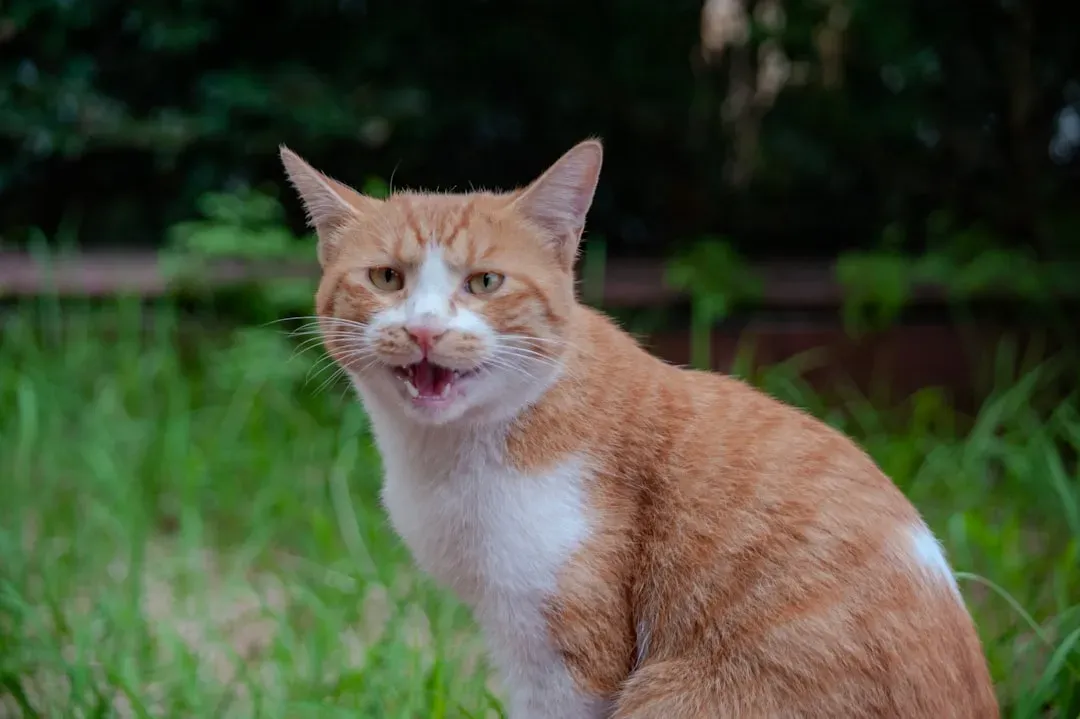
Up to 21 phonetically distinct vocalisation types have been reported in domestic cats, including meowing, trilling, howling, yowling, growling, hissing, purring, chirping and chattering. That is a staggering range for an animal many people still dismiss as emotionally simple or aloof. Your cat is not quiet by nature. If anything, the research suggests the opposite.
One particularity of the domestic cat is that it has been described as having a more developed and complex vocal repertoire than any other member of the carnivora and is even more vocal than its wild counterpart. Additionally, cats frequently use combinations of two or more types, like trill-meow or howl-growl. So when your cat delivers that strange sound that is somewhere between a chirp and a complaint, they are not making a mistake. They are being remarkably creative.
Pitch, Duration, and Tone: The Acoustic Science Behind the Meow
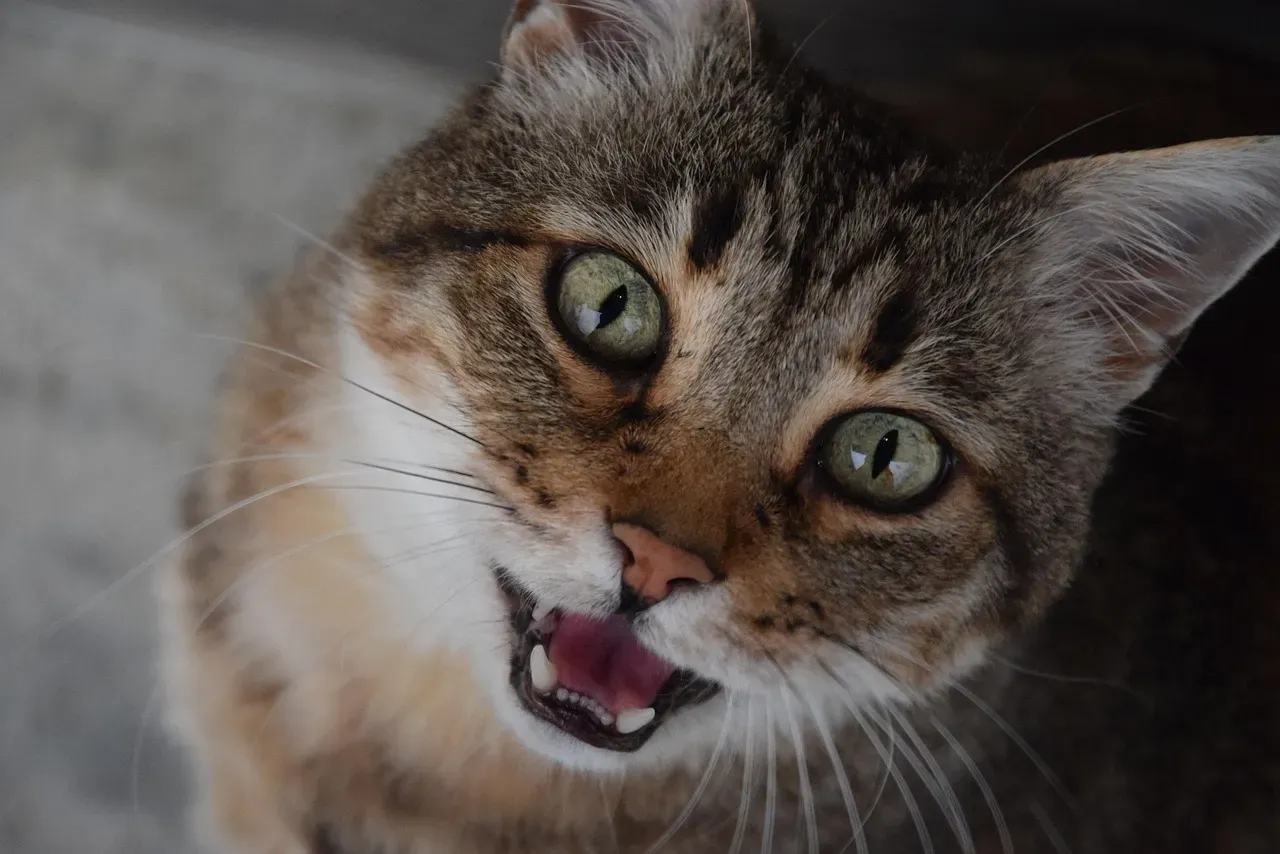
Your cat’s meow is not a fixed sound. It is fluid, shapeable, and deeply intentional. Domestic cat meows vary in duration, mean fundamental frequency and intonation. Younger and female cat meows tend to have higher fundamental frequencies than older and male cat meows. So when you notice that your senior male cat sounds lower and rougher than a kitten, that is not just your perception. It is acoustically measurable.
Prosodic cues, including variation in intonation, duration, voice quality and fundamental frequency, carry information about idiosyncratic traits of the signaller, including sex, age, and physical and mental state. In other words, your cat’s meow is something like a vocal fingerprint. Every sound carries biographical data. Meows are versatile and can vary in pitch, duration, and intensity. Analyzing pitch provides insights into a cat’s emotional state, with higher pitches potentially indicating excitement.
Context Changes Everything: Why the Same Cat Sounds So Different
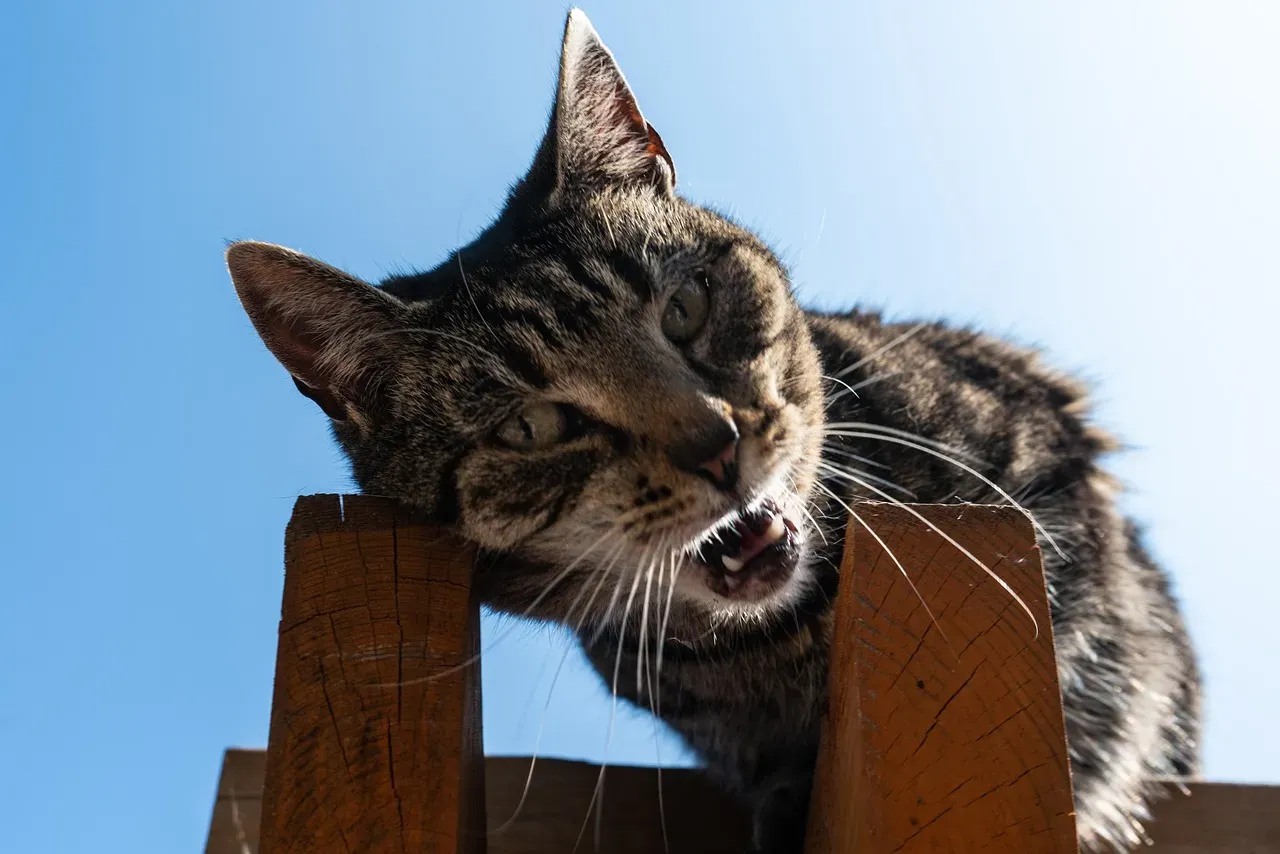
You have almost certainly noticed that your cat does not sound the same when they want breakfast versus when they want a cuddle. That is not coincidence. Researchers analyzed nearly a thousand meows recorded in seven different contexts including cuddle, door, food, greeting, lifting, play, and cat carrier situations. They found significant effects of context on duration and mean fundamental frequency. The intonation of meows produced by cats in a carrier displayed a falling pattern, while meows in cuddle and door contexts were relatively level.
Researchers argue that this prosodic variation reflects the cats’ mental or emotional state, because of valence and arousal differences associated with the various contexts. Think of it like a human’s voice rising when they are excited or dropping when they are tired. Your cat is doing the exact same thing, just in a language you are still learning to interpret. Cats vocalize more to humans than to other cats and vary their voice to get the human to do something for them.
Your Cat Has Learned to Read You and Talks Accordingly
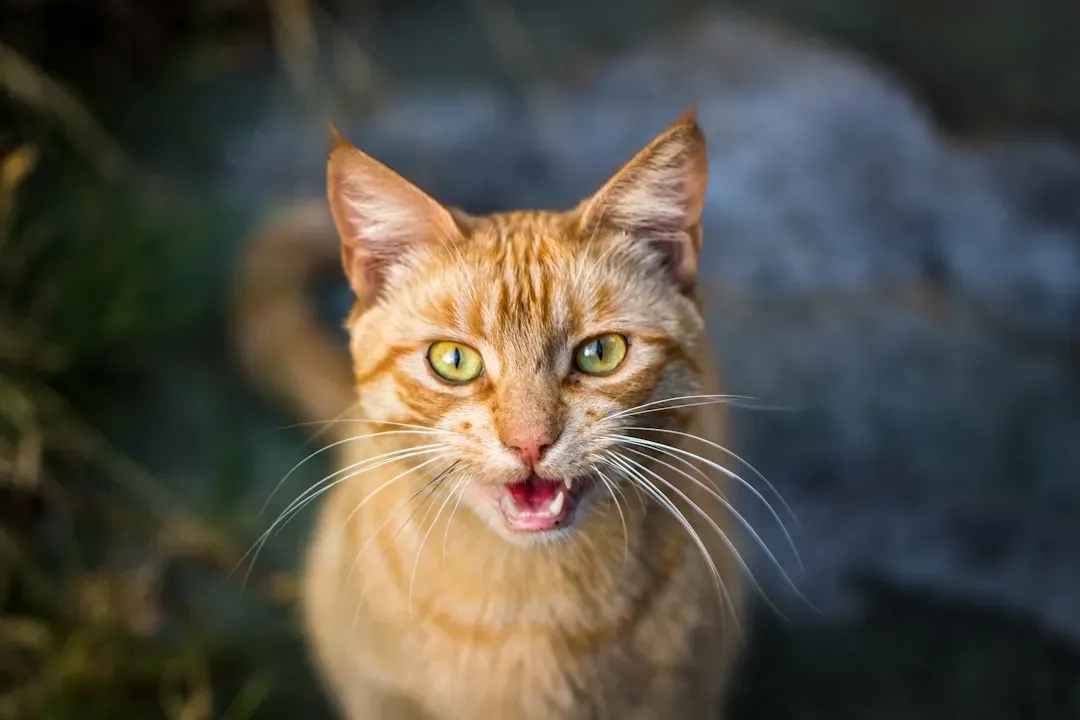
Let’s be real, your cat is not just randomly making noise. They have been studying you, and the results of that study show up in how they speak. Research suggests cats have refined their meows specifically to manipulate people, and it works. Cats can learn to modify the characteristics of their meows, such as their tone or duration, to let people know what they want, particularly when it comes to food. This is not accidental. It is learned, calculated, and impressively effective.
Thanks to high adaptive abilities, cats are able to change their vocalizations depending on context, presumably using associative learning. Your cat essentially runs a behavioral experiment on you every time they meow. They record which pitch, length, and frequency gets the fastest response, and then they repeat exactly that. You thought you trained your cat. Honestly, it might be the other way around.
Your Cat Meows Differently to You Than to Strangers and That’s Science
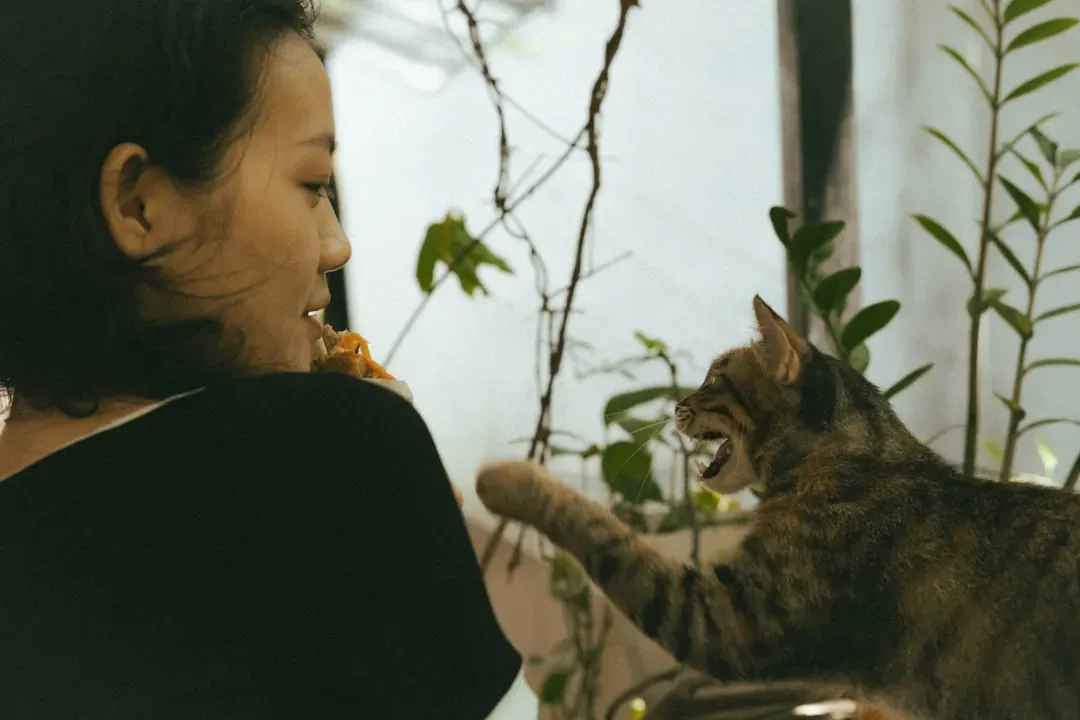
Vocalisation sounds and frequencies vary greatly between individual cats, while human-directed vocalisations tend to be more common and most variable in positive states, such as seeking connection or food. Your cat literally has a special vocal register reserved for people they are close to. When you notice your cat behaving more quietly or differently around visitors, you are observing a real behavioral shift, not a coincidence.
A study published in the journal Ethology took this idea to a fascinating new level. Researchers revealed that domestic cats meow more frequently when male caregivers walk through the front door. On average, cats produced 4.3 meows in the first 100 seconds of greeting men compared to just 1.8 with women. Researchers suggest it is possible that male caregivers require more explicit vocalizations to notice and respond to the needs of their cats, which in turn reinforces the cats’ tendency to use more directed and frequent vocal behavior to attract their attention.
Breed Plays a Bigger Role in Your Cat’s Voice Than You Might Realize
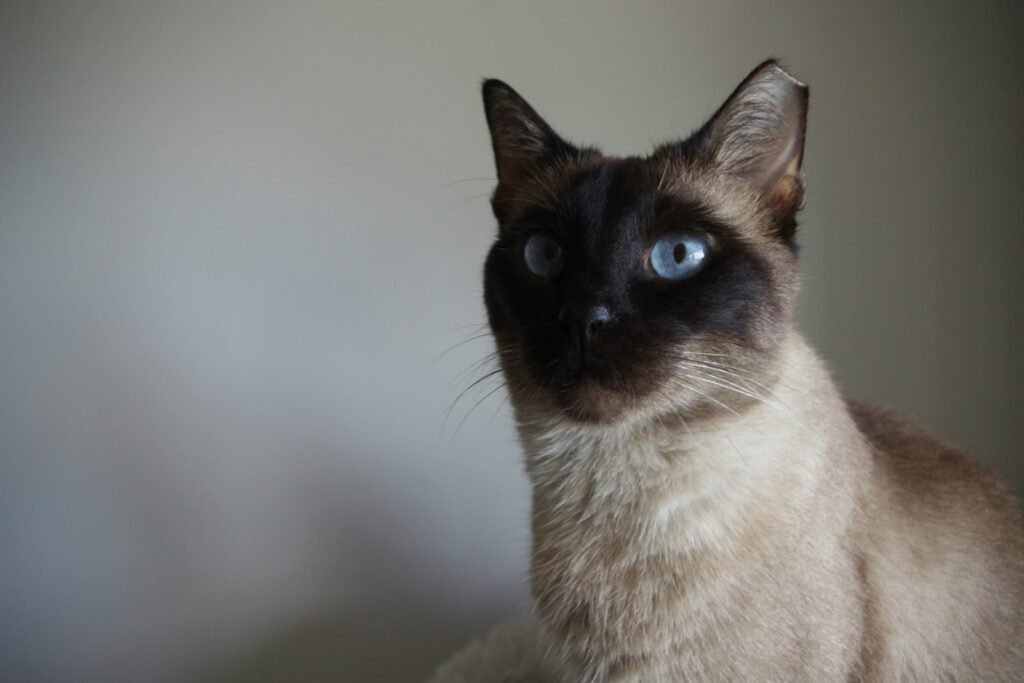
Not all cats are created equally vocal, and your cat’s breed has a real influence on how expressive they are likely to be. Different cat breeds exhibit varying vocal tendencies. Siamese cats, for instance, are known for being exceptionally vocal and communicative, often engaging in lengthy conversations with their human companions. Other breeds like Russian Blues tend to be more reserved in their vocal expressions. It is a bit like comparing an extrovert to an introvert at a party.
Breed, temperament, and the environment can all influence a cat’s tendency to communicate vocally. Breeds like Siamese, Tonkinese, and Bengals are known for being particularly vocal, whereas Maine Coons tend to be more reserved. Research indicates that vocalization frequency and style vary significantly between breeds, demonstrating a unique link between breed and vocalization. Persian cats, on the other hand, tend to be quieter, often meowing less frequently. If your cat seems unusually talkative, they might simply be wired that way.
What Happens When You Actually Listen: Recognizing Emotional Tone in Vocalizations
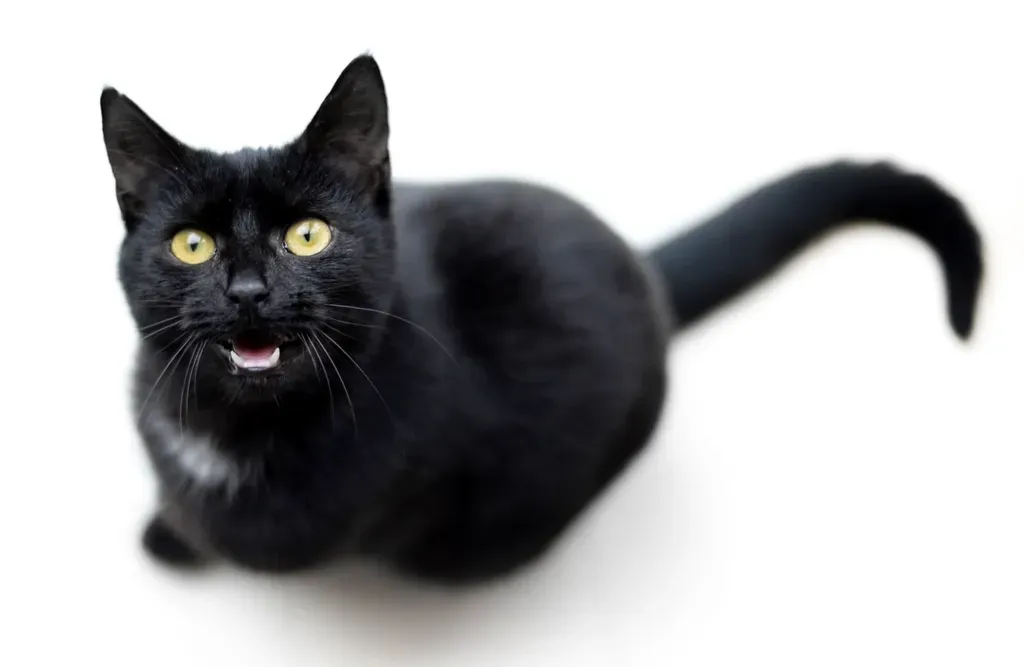
Most cat owners understand in a general way that their pet sounds happy sometimes and distressed at other times. Science confirms that your instincts here are often correct. Research shows that meows emitted during isolation are perceived by people as negative, whereas those emitted during brushing are perceived as most positive, supporting evidence that humans can differentiate negative from positive emotions conveyed through vocalizations.
I think this is where things get genuinely moving. You are not just imagining the sadness in your cat’s meow when you leave the house. That emotional information is acoustically embedded in the sound itself. Female participants and cat owners showed a higher ability to correctly classify vocalizations emitted by cats during brushing and isolation. A high level of empathy toward cats was significantly associated with better recognition of meows emitted during isolation. The more emotionally attuned you are to your cat, the more you genuinely understand them.
When the Meow Changes: What Sudden Vocal Shifts Can Tell You About Health
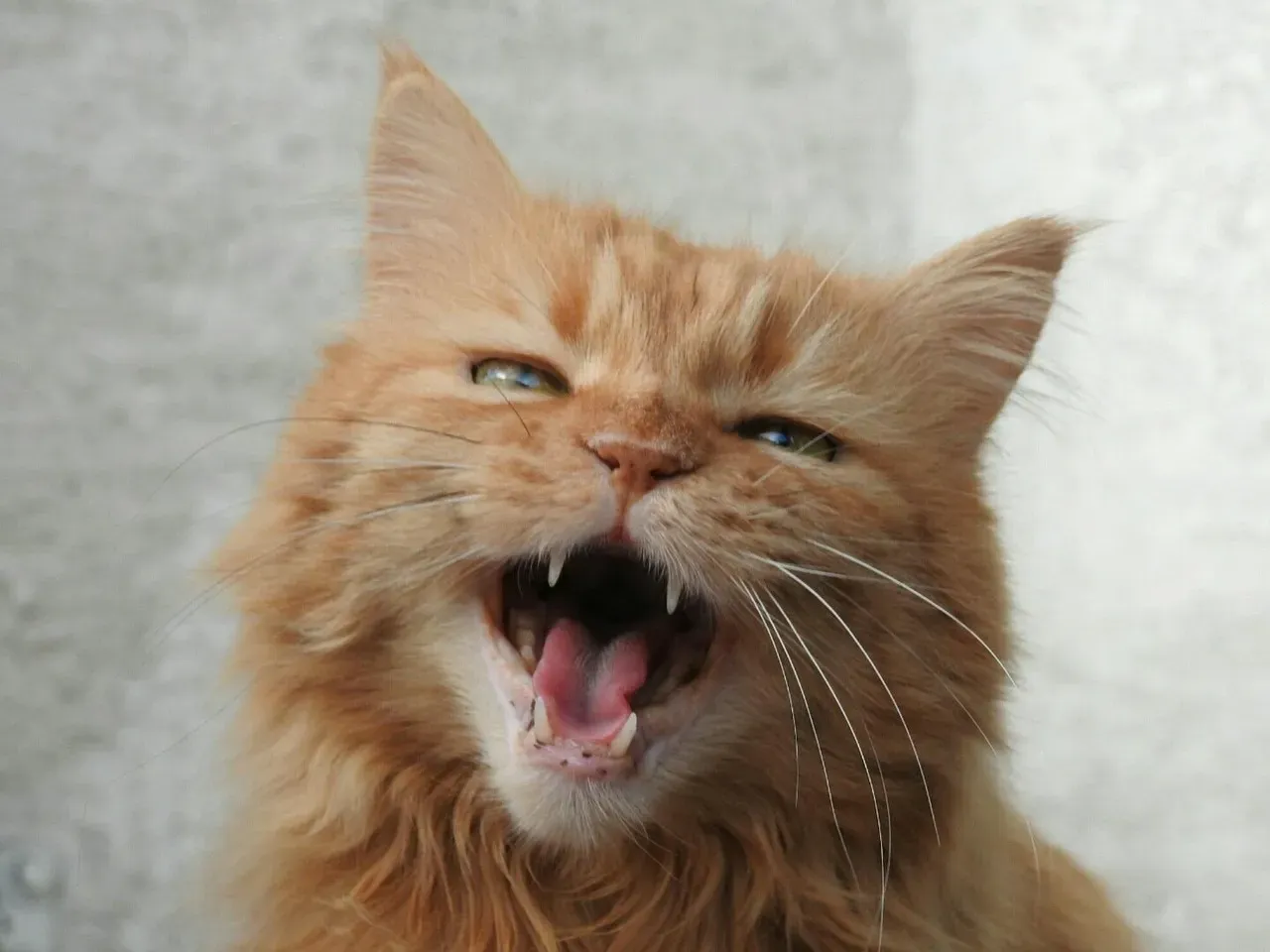
Veterinarians and animal behaviorists suggest paying close attention to changes in a cat’s typical sound patterns. Sudden alterations might indicate underlying health issues or emotional distress that require investigation. Your cat cannot fill out a health questionnaire or tell you their throat hurts. Their vocalizations are sometimes the earliest signal you will get that something is not right, and that matters enormously for their wellbeing.
Sudden changes in meowing patterns can indicate an issue. It is important to pay attention to both the tone and frequency. Medical issues such as hyperthyroidism, cognitive dysfunction in older cats, or pain can increase vocalisation. In older cats especially, a dramatic increase in nighttime yowling or a change in how their meow sounds can be an early indicator of age-related cognitive changes. Pay attention. Your cat is telling you something.
Conclusion: Your Cat Is Speaking a Language Made Just for You
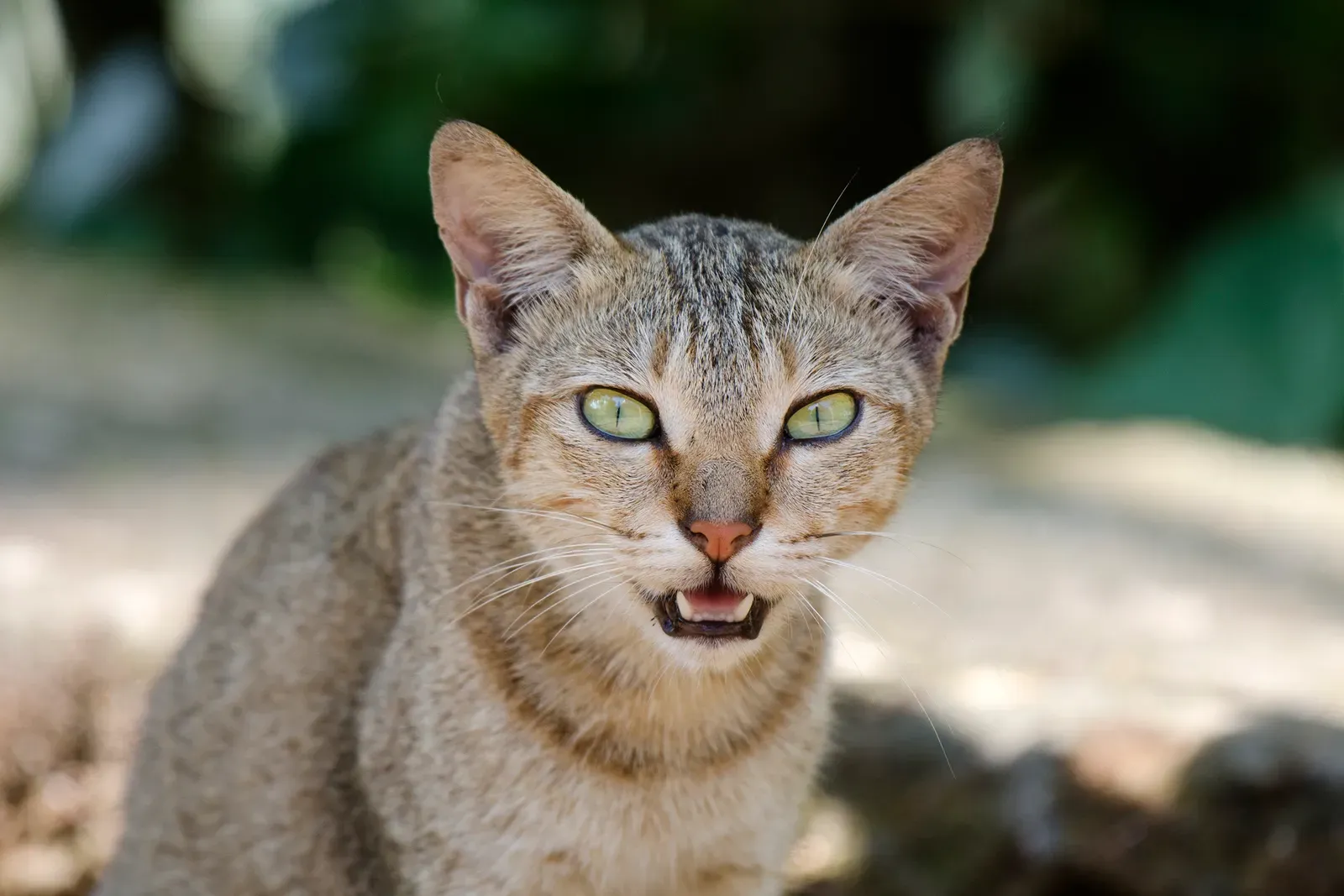
There are perhaps 600 million domestic cats living alongside humans on this planet right now, and every single one of them has developed a vocal style that is uniquely their own. The meow you hear every morning was not inherited from wild cats, was not shared with other felines in your home, and was not accidental. It was crafted, refined, and tailored through months or years of living with you specifically.
Learning to understand your cat’s vocal vocabulary is one of the most rewarding things you can do as a cat owner. It deepens your bond, helps you respond to their real needs, and gives you a fascinating window into a rich emotional inner life that most people underestimate. Your cat chose to develop a language for you. The least you can do is try to learn it back.
So the next time your cat looks up at you and says something in that one particular pitch they only use with you, take a moment. They are not just making noise. They are talking. Have you ever stopped to wonder just how much you have already learned to understand?
Kristina is a young writer from India. An arts graduate and an avid content creator, Kristina is passionate about animals and wildlife. She enjoys exploring topics related to pet care, animal behavior, conservation, and nature, combining thorough research with engaging storytelling.