You wake up, shuffle toward the kitchen for your morning coffee, and freeze. There it is – a perfectly positioned dead mouse on the kitchen floor, your cat sitting proudly nearby, tail curled, eyes locked on you as if expecting a standing ovation. Sound familiar? It might gross you out, confuse you, or even make you laugh. But there is something far more fascinating going on beneath the surface.
Your cat is not just being weird. It is doing something ancient, instinctive, and honestly quite touching – in its own strange, slightly horrifying way. What looks like a morbid little gesture is actually a window into your cat’s deepest evolutionary programming. Stick around, because the truth is more complex than you might expect. Let’s dive in.
Born to Hunt: The Predator Living in Your Living Room
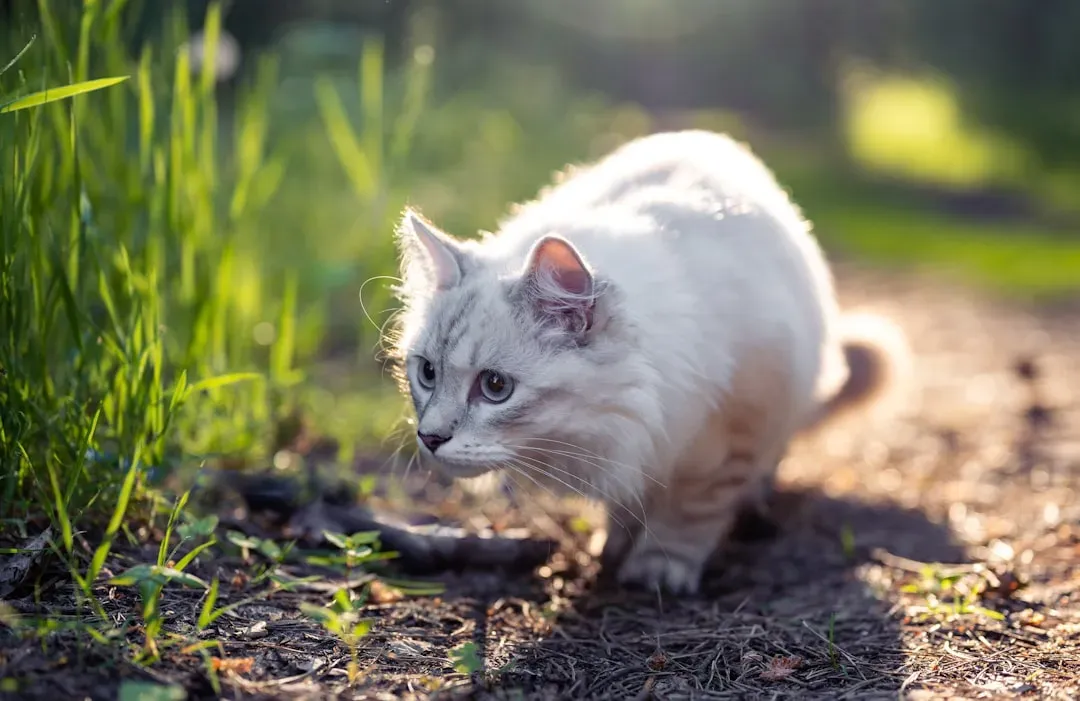
Let’s be real – no matter how adorably your cat naps on a cashmere blanket, it is, at its core, a predator. Cats are natural hunters. They have evolved over thousands of years to be skilled hunters and are born with an innate desire to hunt and capture prey. That sleek little creature purring on your lap shares more DNA-deep wiring with a jungle cat than most people care to admit.
Though they were first domesticated nearly 10,000 years ago, housecats retain the keen hunting instincts of their wild ancestors. Think of it like this: domestication gave your cat a food bowl and a warm bed, but it never swapped out the ancient software running underneath. Cats are predators by design, and their hunting behaviors are deeply embedded in their DNA. Even well-fed domestic cats will hunt and kill prey, demonstrating that this behavior is instinctual rather than necessity-driven.
The ‘Gift’ Is Not Random – It Is a Deeply Wired Ritual
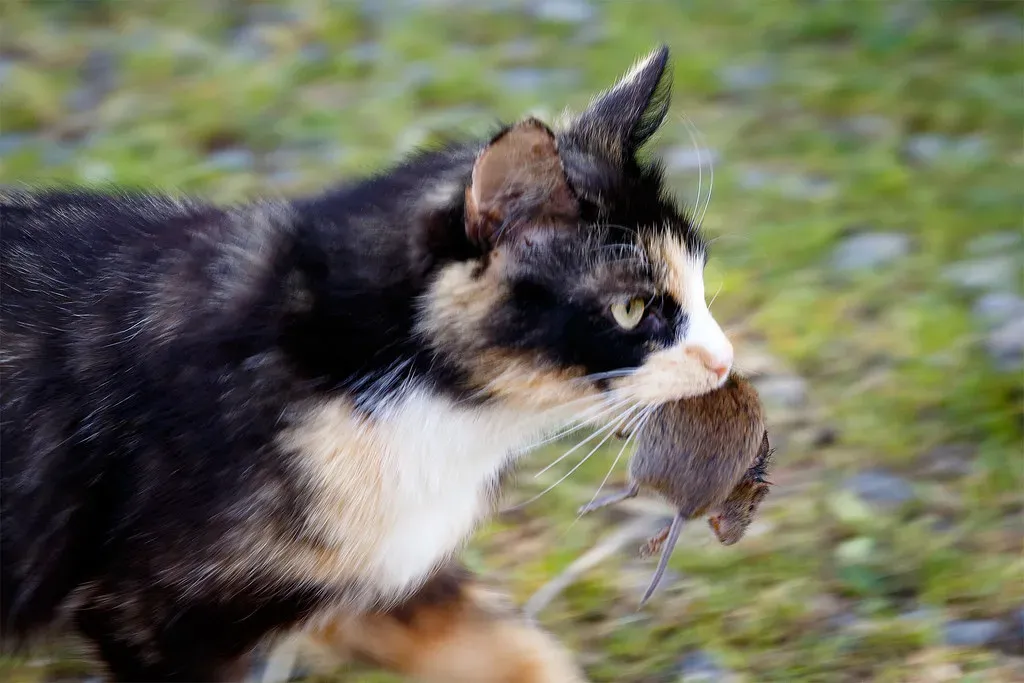
This gift-giving behavior is as instinctual for cats as scratching their scratching posts, grooming their fur, kneading, and other classic feline activities, and it is actually a positive indicator of how they feel about you. Honestly, I think that reframes the whole experience. What feels like a bizarre gesture is really one of the most honest things your cat can do.
Whether it is a dead mouse or a favourite toy, cats often bring these items to their owners as a display of affection, an instinctual behaviour from their prolific hunting ancestry. There is nothing random or accidental about it. In the world of cat behavior, the act of your feline companion bringing you toys is far from random. It is a complex behavior rooted in their instincts, emotions, and their desire for interaction and bonding.
Your Cat Thinks You Are Family – And a Terrible Hunter
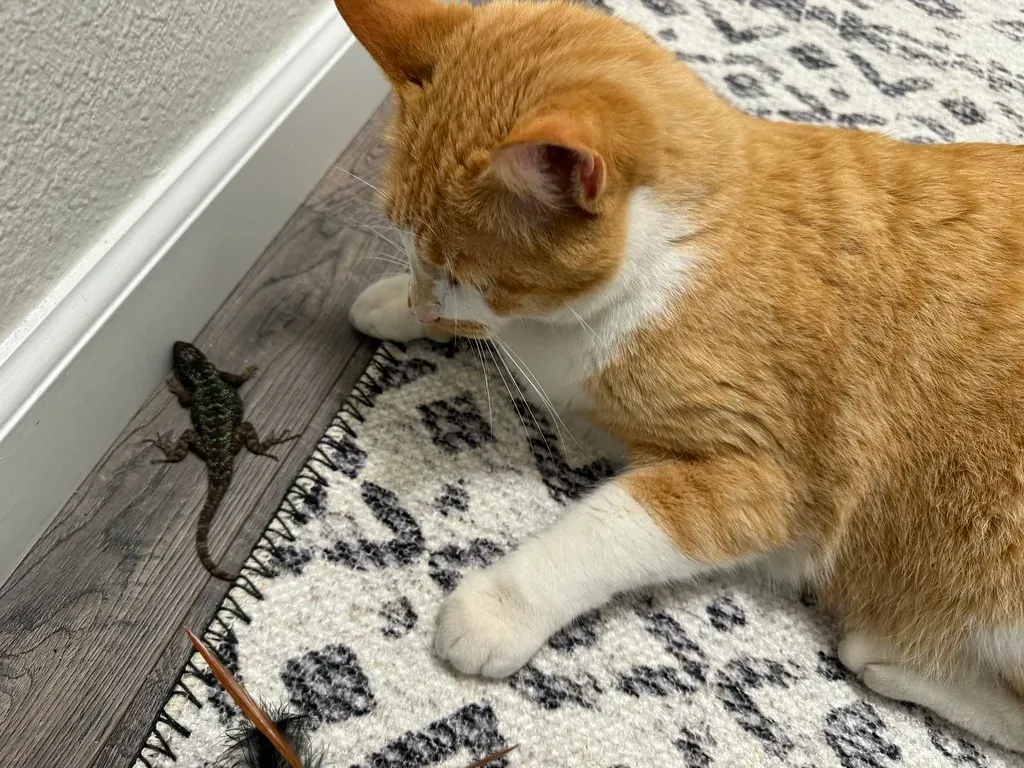
Here is the thing: your cat does not see you as a superior being who controls the food supply. It sees you as a fellow cat. A big, clumsy, hopelessly inept fellow cat. Your cat actually sees you as a bigger, clumsier cat. So if you’re finding your feline friend bringing you their “gifts”, it’s actually their way of “teaching” you how to hunt. You might want to feel flattered by that.
One theory suggests that cats with no young still naturally want to pass on their hunting skills. Since we are their family, and since we are clearly very poor hunters from a cat’s point of view, they may be trying to help train us to provide for ourselves. It is a little humbling and a little hilarious all at once. Your cat essentially sees you as the worst student it has ever had.
Mama Cat Behavior: The Teaching Instinct Behind the Gift
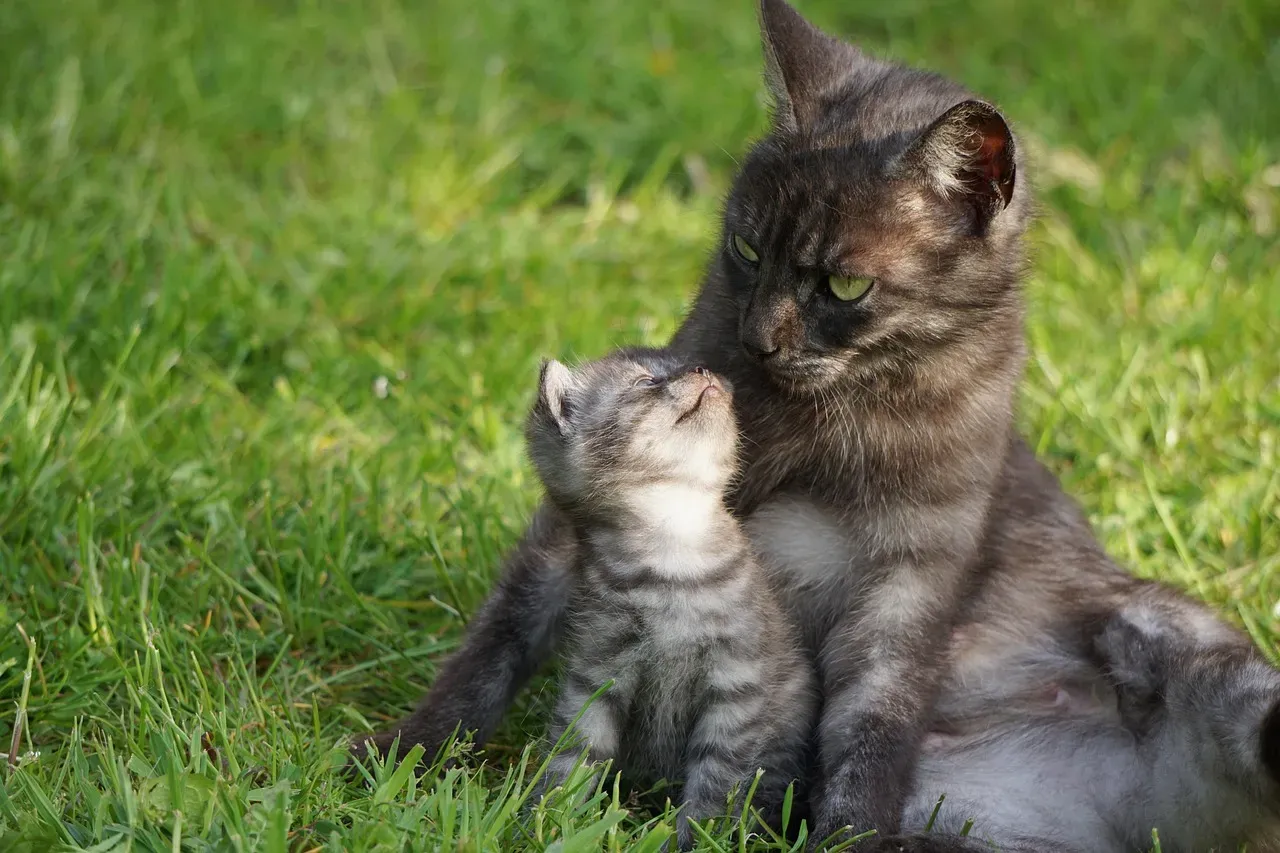
In the wild, momma cats teach their young how to hunt and eat their prey by bringing home dead or injured prey. Domestic cats may be doing the same. This maternal instinct runs so deep that it doesn’t switch off simply because there are no kittens around. You become a substitute.
The mother cat teaches her kittens to kill to eat. Her first lesson consists of bringing home dead prey and consuming it in front of the kittens. Soon they learn to join in. At the end of this stage, she brings the dead prey home and leaves it for the kittens to eat on their own. Many cats, especially spayed females, will provide this lesson to their human owners – thus bringing home dead prey and dropping it at their feet. Spayed females, in particular, redirect that maternal teaching energy squarely onto you.
It Is Also About Showing Off (Yes, Really)
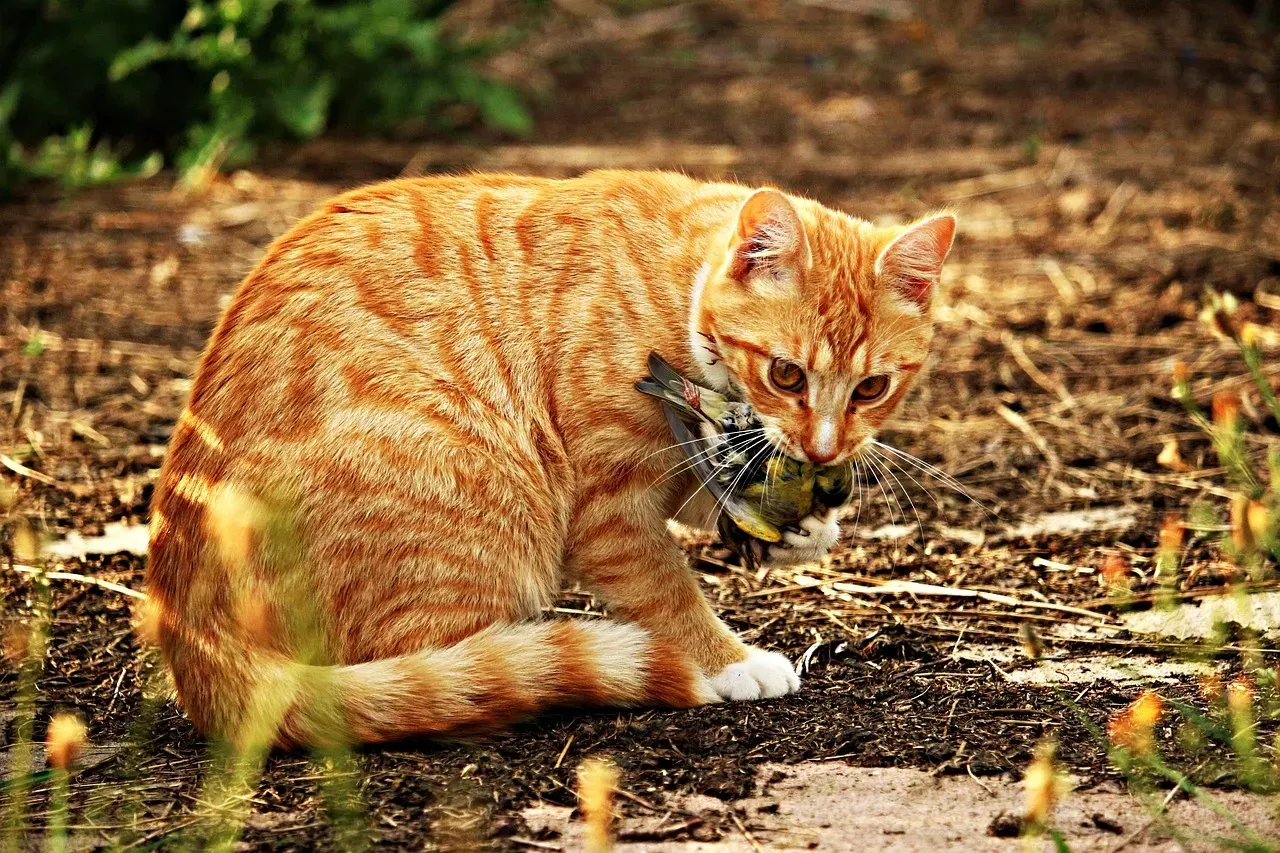
Cats are proud creatures. You already know this. So it should come as no surprise that part of the gift-giving ritual is pure ego. Their hunting instincts also play a significant role in their gift-giving behaviours. Bringing prey to their owners is a display of their hunting skills and an attempt to show off and gain praise for their achievements.
It may also be that your cat is acknowledging your status and authority as leader of the pack. It is a great sign of respect, and they are proud to bring you their catch, no matter how gross it may be to you. In other words, your cat is essentially saying: “Look what I can do. Aren’t I incredible?” The answer, grudgingly, is yes.
The Safe Zone: Why Your Home Is the Chosen Drop-Off Point
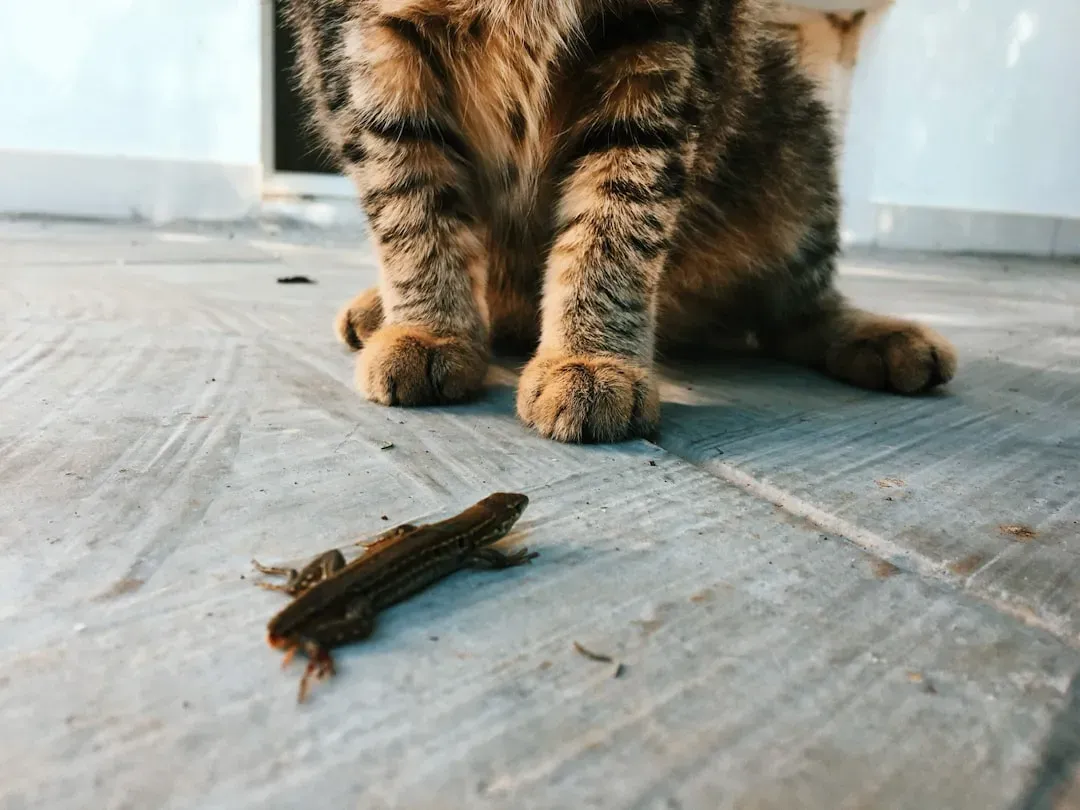
There is another layer to this behavior that does not get enough attention. Cats bring their prey home for a variety of reasons that are deeply rooted in their instincts. One of the main reasons is that they want to eat in a safe environment. Cats feel safe at home and want to enjoy their prey without being disturbed. Your home is their sanctuary.
Another theory is that cats are simply bringing their prize back to a location where it will be safe from other predators. Your cat likely trusts you to keep watch over their prey or toy until they are ready to eat it or play with it. Think of it less as a gift and more like dropping off groceries in a place you know nobody will steal them. It makes total sense – from a cat’s perspective, at least.
Hunger Has Nothing to Do With It
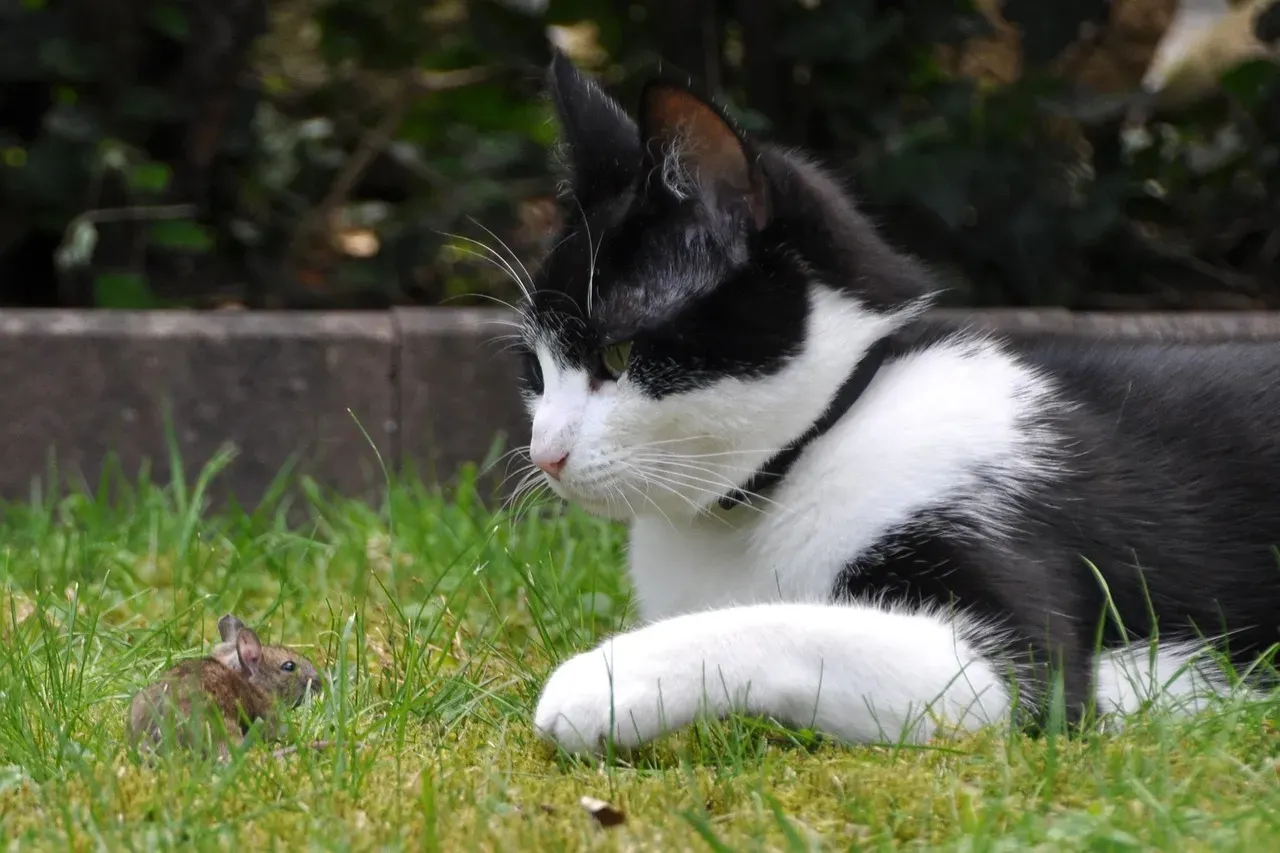
One of the most common misconceptions is that a full cat will not hunt. Wrong. Completely, confidently wrong. Hunting comes as naturally to a cat as eating and sleeping. So the urge to hunt is not tied to hunger. In the wild, cats hunt all the time, even if they are not hungry, because they never know when their next meal will come.
Studies have found that owned cats are more likely to hunt if they are only fed scraps of food, compared to cats fed commercial cat food which is more nutritionally complete. The average well-fed pet cat only hunts for around 3 hours each day, compared to an unowned, feral cat that is not being fed, who may hunt for around 12 hours each day. So feeding your cat well does reduce hunting somewhat, but it never stops it entirely. The drive is simply too ancient to silence with a can of wet food.
Indoor Cats Do It Too – Just With Toys
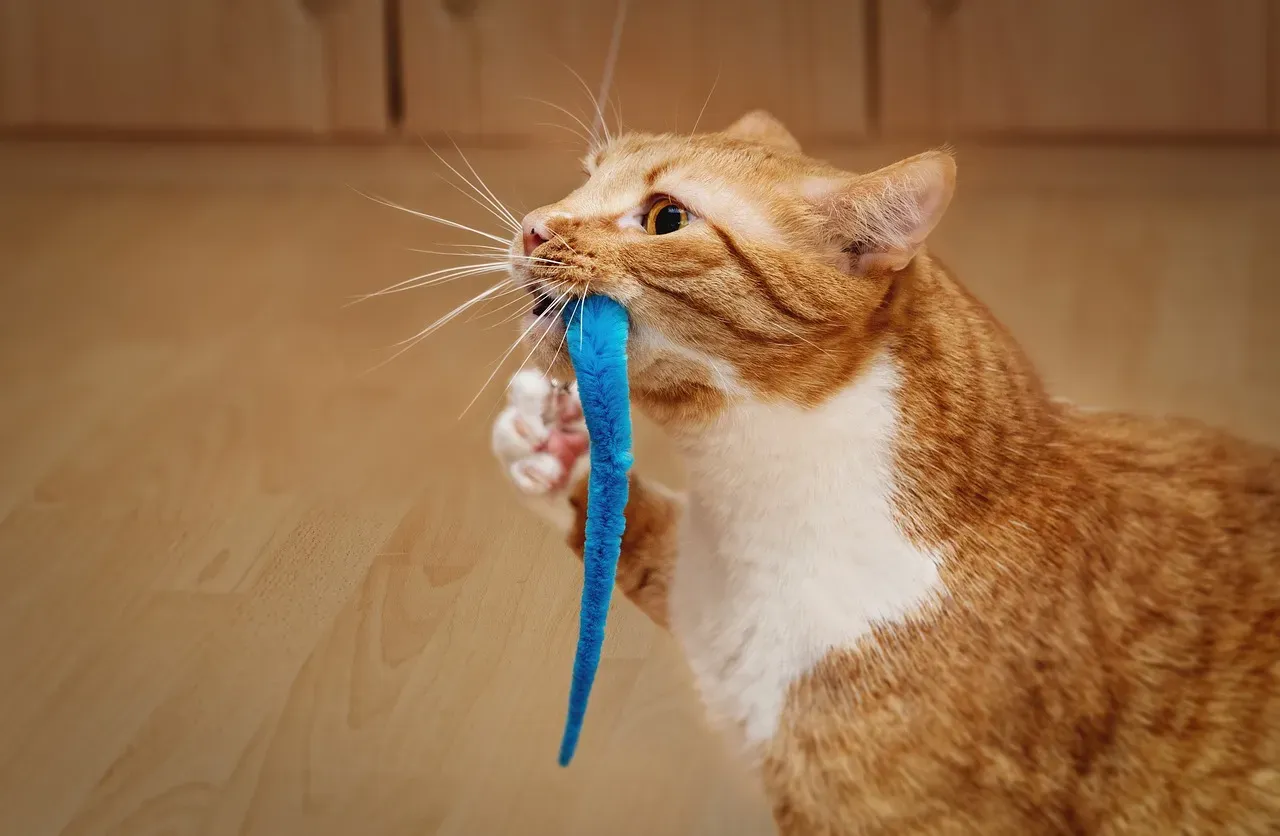
You might be thinking: “My cat never goes outside, so I am safe.” Not quite. Indoor kitties that have no live prey to hunt might substitute a favourite toy mouse or ball. The instinct is still firing – it has just adapted to whatever is available. A toy mouse might as well be a real one, as far as your cat is concerned.
Many cats also bring non-prey items as gifts, such as toys, shoelaces, or leaves. These items may be anything that cats find appealing, and they represent the same instinctual gift-giving behaviour as prey items – an attempt at bonding and communication. It is hard to say for sure, but I think watching an indoor cat solemnly drag a sock across the room and drop it at your feet might actually be even more endearing than the real thing. At least it is easier to clean up.
How You Should Actually Respond to the ‘Gift’
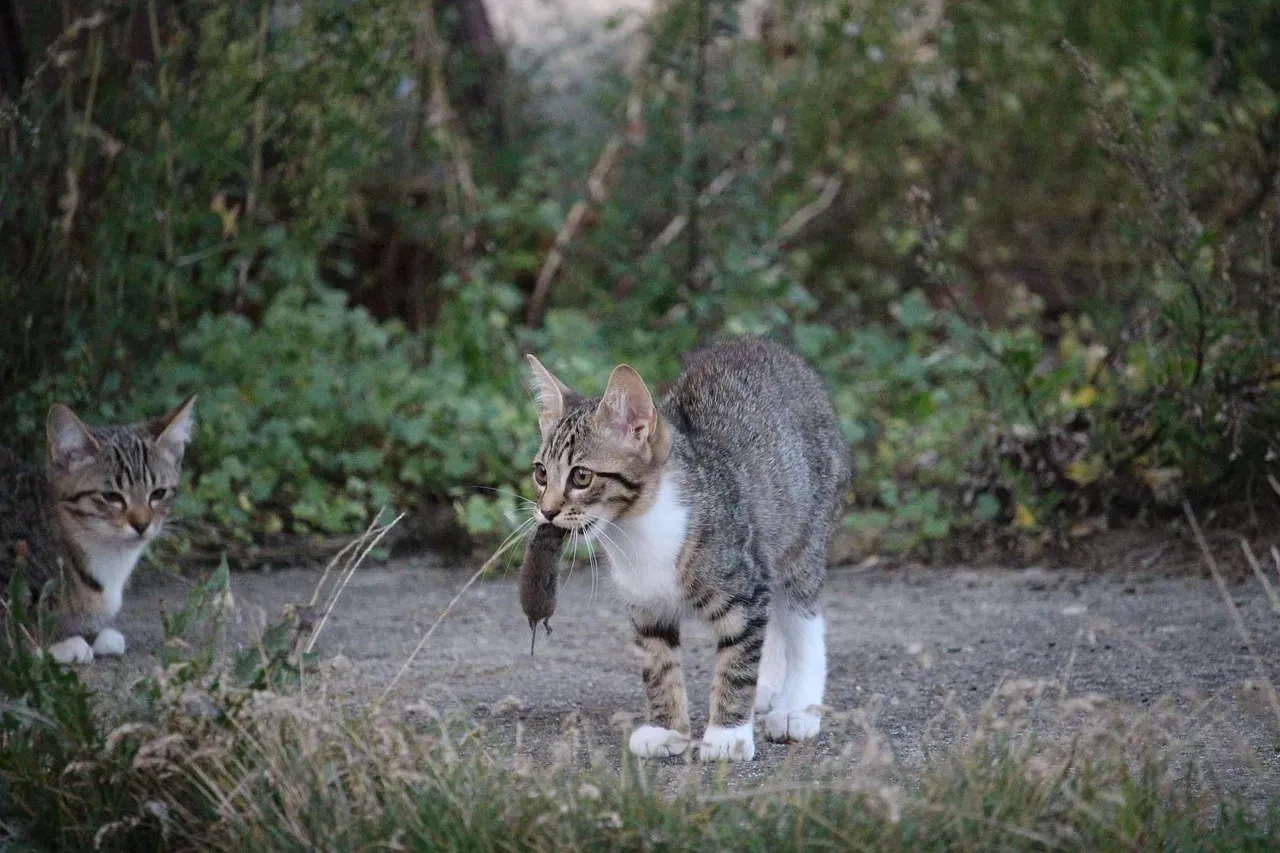
So what do you do when your cat presents you with its proud trophy? While the sight of a dead mouse or bird may be unsettling to some, it is important to remember that your cat is showing affection and trust by bringing you a gift. You should never punish your cat for this behavior, as it is a natural instinct and a sign of love. Reacting with horror or anger genuinely confuses your cat, which has done something completely logical from its point of view.
If your cat manages to bring home a dead animal, the first thing to do is react as little as possible. Diverting your cat’s attention with a toy or treat might be perceived as a reward for bringing you prey, which could cause the behavior to increase. If you want to reduce how often it happens, redirecting your cat’s hunting instincts through frequent play is one of the most effective methods in helping to reduce or eliminate hunting behaviors. Play provides mental stimulation for your cat and helps to satisfy its hunting desires. A good play session is the closest thing to a diplomatic solution you are going to find.
Conclusion
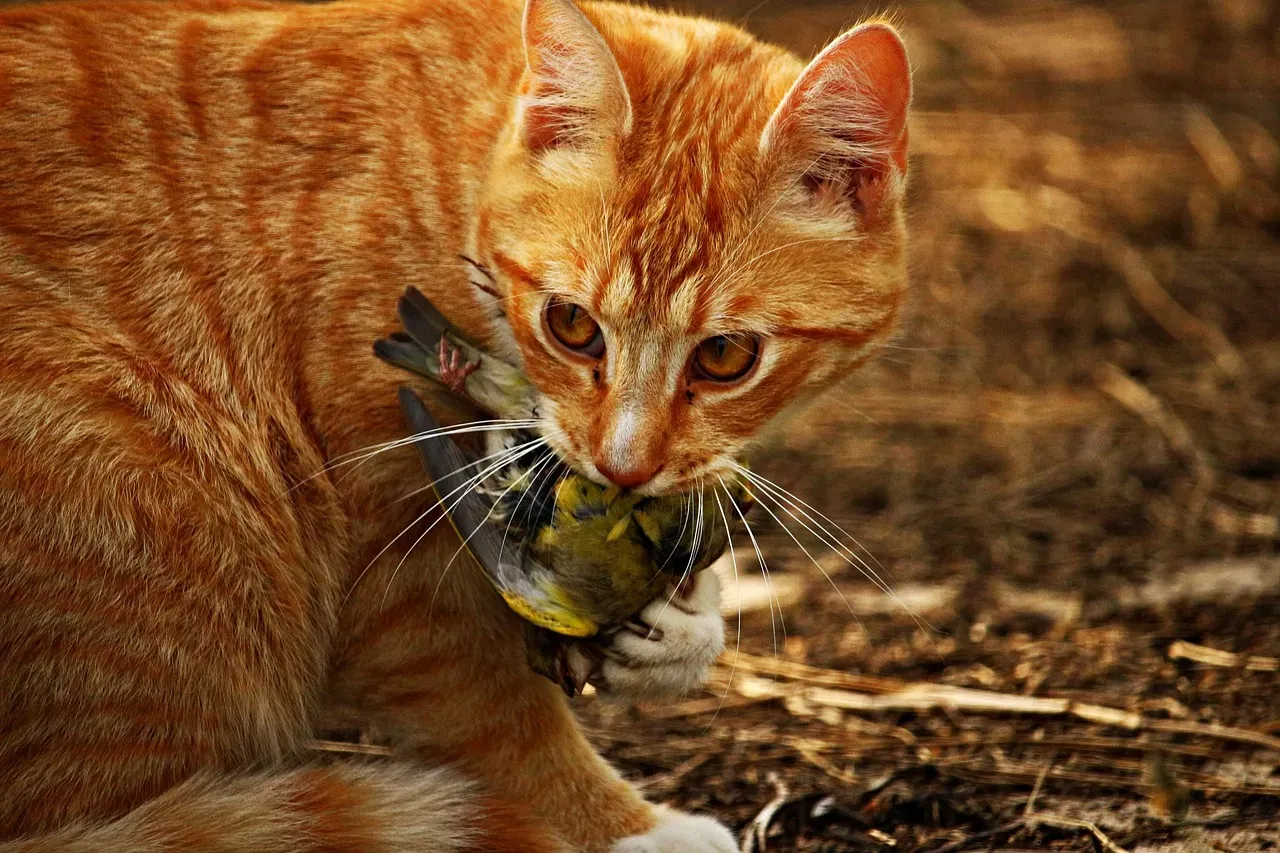
Your cat’s strange little offerings are not a sign of a broken or bloodthirsty animal. They are a sign of a fully functioning, emotionally invested creature that has decided you are worth hunting for. Every dead bird, every toy mouse dropped at your feet, every sock dragged from across the house is essentially your cat saying: “You matter to me.” That is actually quite something.
Understanding this shifts the whole experience. You stop seeing a mess and start seeing a message – one written in the oldest language your cat knows. The next time your cat drops something at your feet and stares up at you with those wide, expectant eyes, try to appreciate the ancient ritual playing out right there in your hallway.
It is primitive, yes. It is occasionally disgusting. But honestly? It might be one of the purest gestures of loyalty a cat is capable of giving. Would you have ever guessed that a dead mouse could mean “I love you”?
Kristina is a young writer from India. An arts graduate and an avid content creator, Kristina is passionate about animals and wildlife. She enjoys exploring topics related to pet care, animal behavior, conservation, and nature, combining thorough research with engaging storytelling.