You open your eyes on a quiet Tuesday morning, stretch your arms, and there it is – a very dead mouse, placed with unmistakable pride right next to your pillow. Or maybe it is a mangled toy bird. Or a sock. Yes, a sock. If you share your home with a cat, there is a very good chance you have lived through this exact moment and thought to yourself, “What on earth is going on with this animal?”
Here is the surprising truth: your cat is not trying to disturb your morning. Your cat is deeply, sincerely, in their own strange and magnificent way, expressing love. The behavior is ancient, instinctive, and far more layered than most people realize. So if you have ever wondered what that “gift” at your feet is really all about, you are about to find out. Let’s dive in.
Your Cat Is Hardwired to Hunt – Even When Full
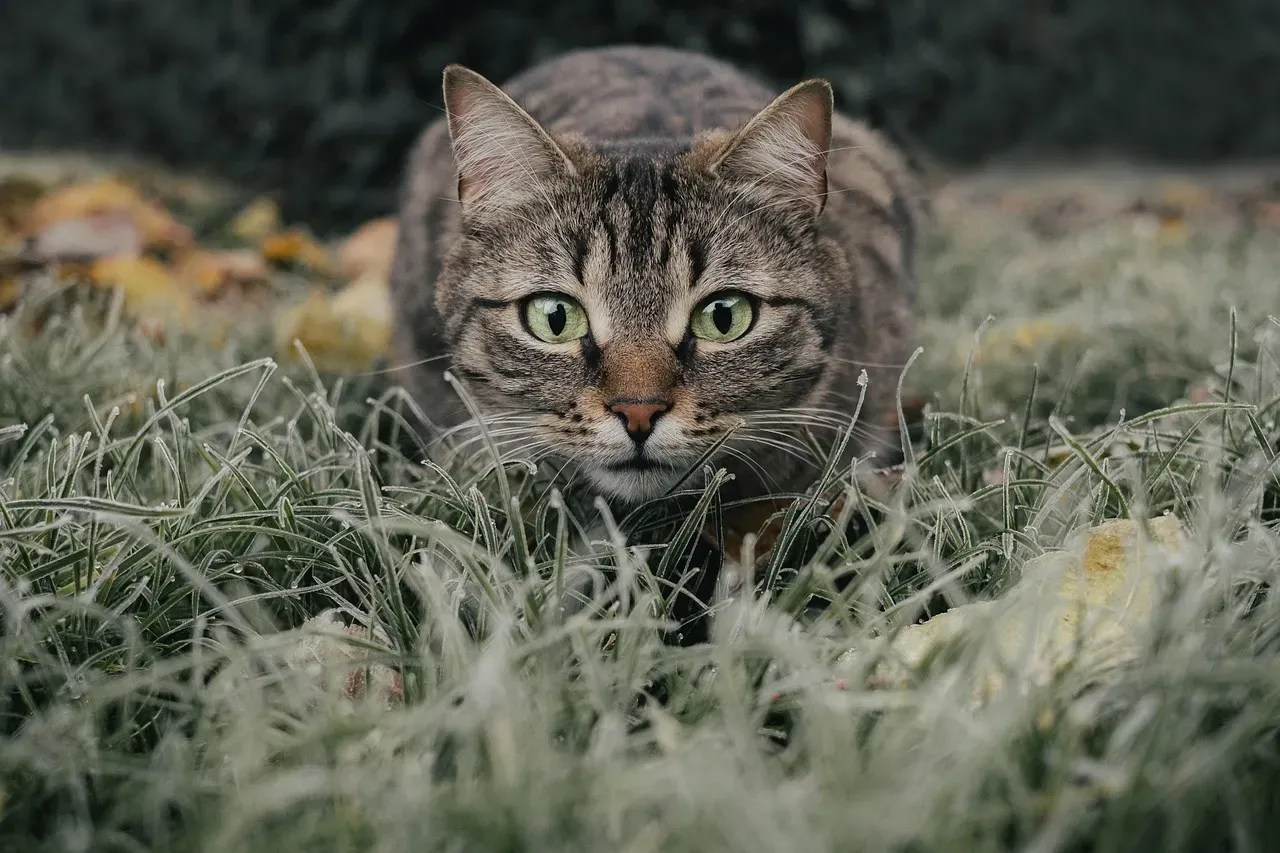
It would be easy to assume your well-fed, couch-lounging feline has no business stalking prey. After all, you keep the bowl full. But here is the thing – cats do not need to be hungry to hunt. It is the sound and sight of moving prey that provides the stimulus to chase and capture, a hardwired behavior as natural to the cat as purring. The full belly is almost irrelevant to the predator brain.
Until quite recently, cats were mainly kept to control rodent populations rather than as pets, and during this time, only the best hunters survived and reproduced, meaning that our pet cats today descended from the most adept hunters. There has been very little selective breeding of cats, so their instinctive need to hunt remains strong. Think of it as a sports car engine that keeps revving even when the vehicle is parked.
The desire to hunt is not governed by hormones and therefore does not diminish after neutering. So even if your cat has been spayed or neutered, that inner hunter is still very much alive and well, prowling through the hallways of your home.
The “Gift” Is Rooted in Ancient Social Behavior
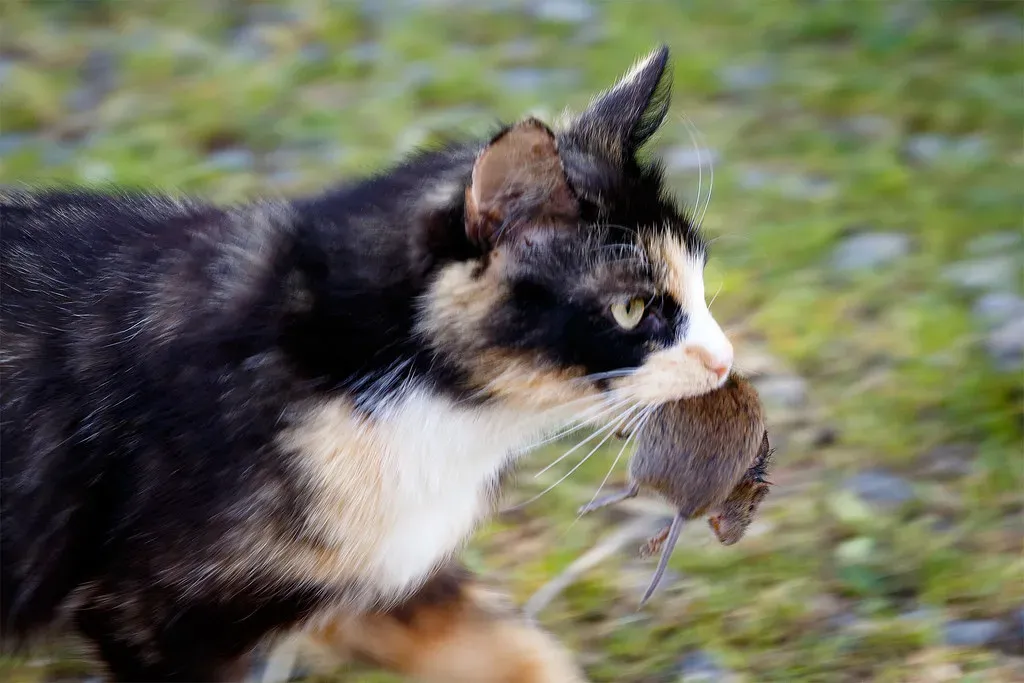
From an evolutionary perspective, this gift-giving behavior is deeply rooted in cats’ wild ancestry and maternal instincts. Long before cats curled up on soft cushions, their ancestors were hardened hunters who shared catches with their family groups. That ancient social code has never fully switched off.
Bringing their prey back to their den or family is a way for them to show their hunting skills and to provide food for their loved ones. Domesticated cats have retained this instinct, and bringing their prey to their owners is a way for them to show their affection and trust. You, in your cat’s eyes, are the family. You are the den. You are the tribe.
According to ethologist Paul Leyhausen, cats adopt their humans into their social group, their pack. They possibly even assume that humans go hunting when they are gone for long periods of time over the day. Cats want to contribute to this pack, so they do. They proudly share their excess kill with you. Honestly, it is hard not to find that a little touching.
Your Cat Thinks You Might Need a Hunting Lesson
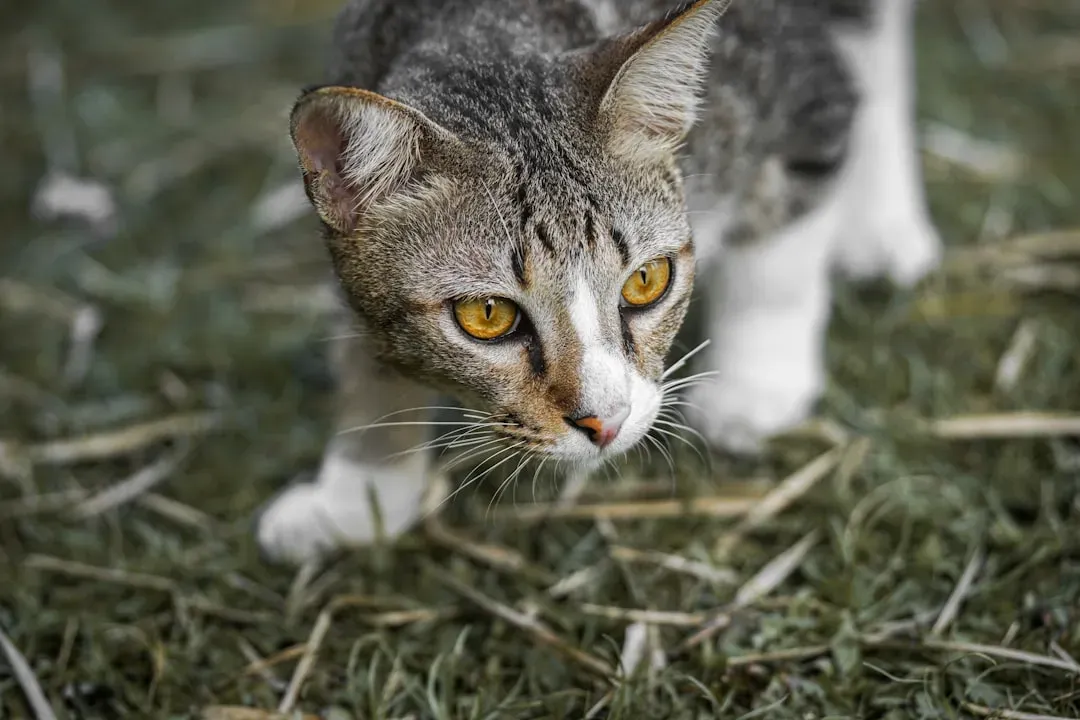
Your cat might genuinely believe you need help learning to hunt, or they may be fulfilling their natural teaching instincts in the only way they know how. It is their way of contributing to the family unit and ensuring their “kitten” – you – can survive. Yes, in your cat’s mind, you are the helpless one in this relationship.
In the wild, mother cats teach their young hunting by bringing them dead animals to eat or even living animals for them to kill. Your cat is essentially running a survival school, and you are the student with the worst attendance record. It sounds absurd, but the logic tracks perfectly from a feline perspective.
If your cat has presented you with a live prey, it is possible that they are gifting you with a special opportunity to practice your own hunting and killing skills. So the next time a half-alive mouse is deposited at your feet, just know that your cat has tremendous faith in your potential as a hunter.
Female Cats Are the Most Enthusiastic Gift-Givers
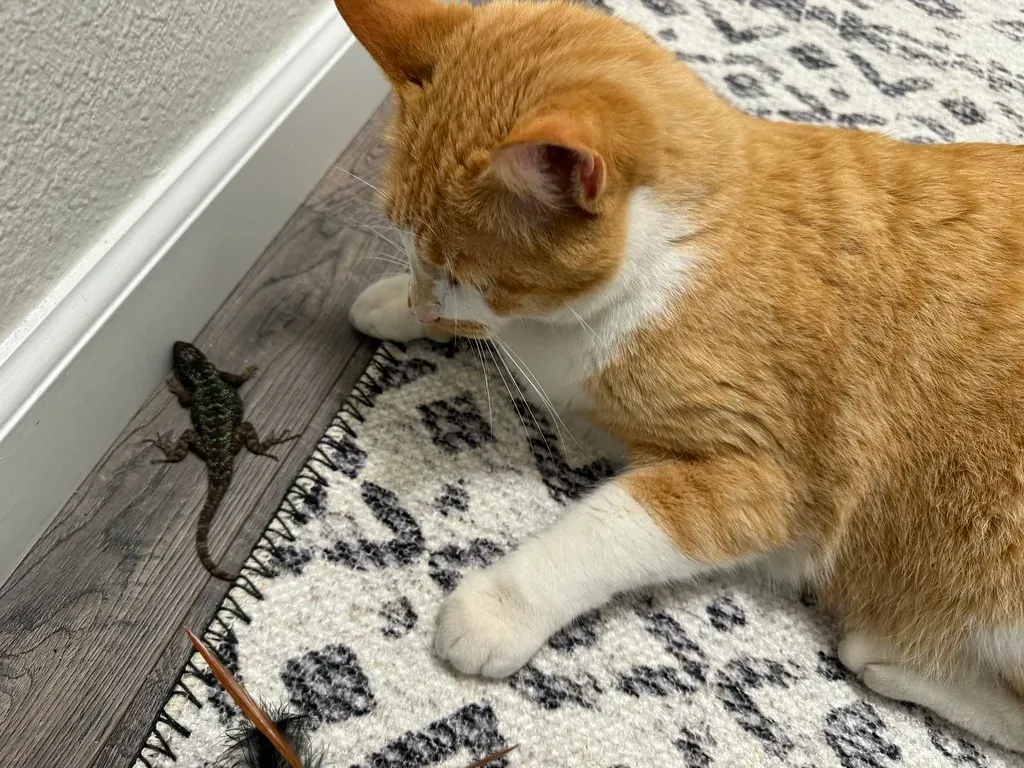
Spayed female cats are most likely to bring “gifts” to their owners. Unable to have kittens of their own to pass on their knowledge to, their humans are the next best thing. So when your cat brings you a dead mouse or lizard, she may be acting out her role as mom and teacher. It is maternal instinct, redirected entirely toward you.
Female cats, in particular, may display maternal instincts by bringing toys to their human caregivers. This behavior is an extension of their nurturing nature and is often seen as a way to care for and protect their “kittens.” So your spayed cat who drops a sock in your lap every evening is not being quirky – she is mothering you, full stop.
Why Your Cat Brings Toys Instead of Real Prey
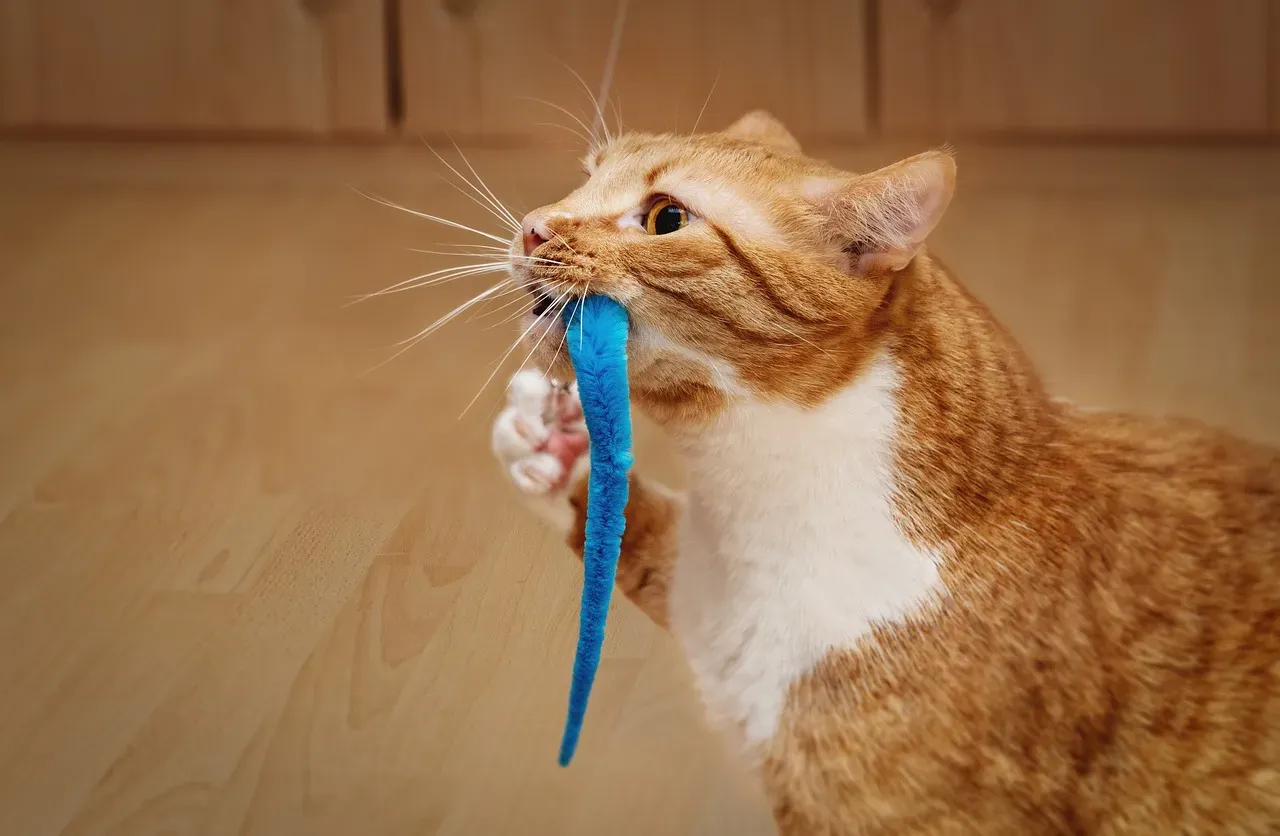
Not every cat has outdoor access, and not every indoor cat will encounter a real mouse. So what happens to all that hunting energy? It gets redirected in the most endearing way possible. Indoor kitties that have no live prey to hunt might substitute a favorite toy mouse or ball. The instinct is identical; only the target has changed.
By treating that toy as “prey” and presenting it to you, your cat could be offering a symbolic trophy – a sign of success and skill, shared as a gift to someone they trust. This behavior echoes how mother cats in the wild bring prey to their kittens or family; by doing so, domesticated cats may be inviting you into their inner circle. That crumpled feather toy is, in feline language, a profound honor.
Bringing toys to their owners is one way that cats communicate their desire for attention and affection. By bringing toys, cats are seeking interaction and playtime with their owners. Sometimes the message is less “I am providing for you” and more simply “play with me, please.”
The Meowing That Comes With the Gift Is No Accident
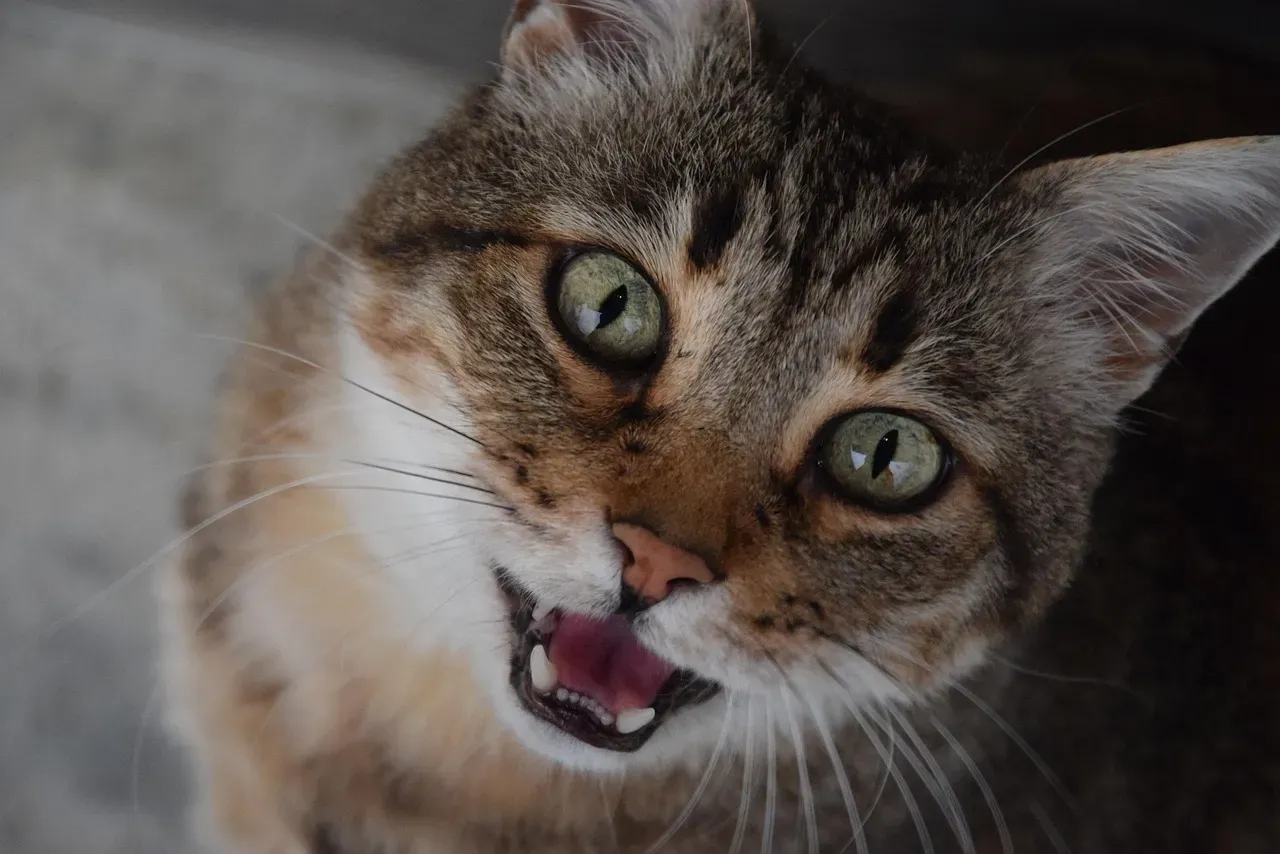
You have probably noticed that gift deliveries rarely happen in silence. Your cat marches in, toy clamped in mouth, and makes the most peculiar, muffled howl you have ever heard. When your cat meows while delivering a toy, it is often not random – meowing is a tool cats mainly use to talk to humans. Unlike their interactions with other cats, meows serve to grab attention, request interaction, or signal affection.
That toy drop, sometimes followed by an insistent meow, can be your cat’s way of saying: “Hey, I want to play – or at least I want you to notice me.” It is a gentle nudge for engagement, a demonstration of trust, or even a thank-you gesture for all the care and food you provide. The whole performance, muffled vocalizing and all, is a communication event. Your cat is making a speech.
Your Home Is Your Cat’s Core Territory – and That Matters
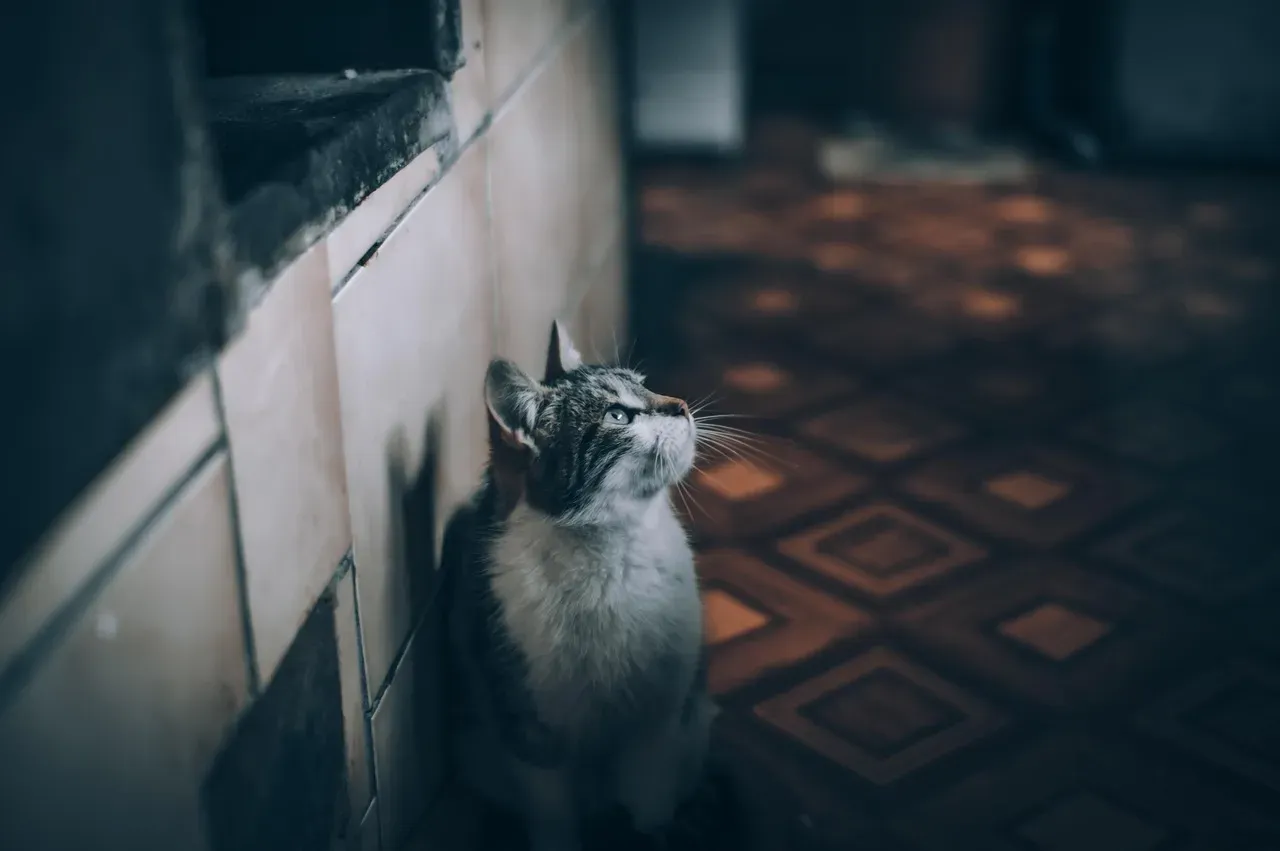
There is another dimension to this gift-giving behavior that has less to do with affection and more to do with feline logic about safety. It is now thought that cats quite simply prefer to bring their prey back to their core territory where it is safer to eat it – or store it for a bit later. This “core territory” is the house – and often in the space they share with you.
While cats are natural predators, they are also small enough to be considered prey to larger predators. They are just looking for a safe place to snack! So when your cat drags something through the cat flap and deposits it in your bedroom, part of that decision is about security. Your space is the safest space they know.
Cats are highly territorial animals. By bringing you a toy, your cat is marking you as part of their territory. It is a subtle way of asserting dominance and ownership over you and your living space. While it might not sound very flattering, it is their way of showing affection and trust in you. You are claimed. Congratulations.
How You Should React When Your Cat Brings a Gift

Here is something many cat owners get wrong: scolding or showing disgust at the “gift.” Honestly, that is about the worst thing you can do. While the sight of a dead mouse or bird may be unsettling to some, it is important to remember that your cat is showing affection and trust by bringing you a gift. You should never punish your cat for this behavior, as it is a natural instinct and a sign of love. Instead, you should thank your cat and praise them for their gift. This will reinforce the bond between you and your cat.
When your cat brings you a toy and meows, try responding with gentle praise, a few loving pets, or a short play session. That simple recognition can reinforce your human-feline bond and honor your cat’s intentions, whether it is affection, hunger for play, or a need for connection. A simple soft “good kitty” and a gentle scratch behind the ears goes a long way. Your cat will feel seen.
How to Redirect the Behavior Without Hurting the Bond

If the gifts are crossing the line from charming to genuinely alarming – think live animals regularly deposited in your living room – there are thoughtful ways to manage it. If you give your cat an outlet for their instinct to hunt, it will help to satiate their prey drive. This is not just throwing them a catnip mouse, however. Cats need to stalk, chase and pounce on things that move – so that means joining in with these games.
Put a bell on their collar and move your bird feeders away from places where your cat might hide and lie in wait. Try to play with your cat more frequently as this can help redirect their hunting instinct to their toys instead. You can also limit your cat’s access to the outdoors, particularly during dawn, dusk, and overnight when wildlife is more active. These small changes can make a significant difference.
It is also smart to offer a variety of toys – feather wands, soft stuffed mice, crinkle balls, and interactive pieces – to help fulfill your cat’s hunting instincts and prevent boredom. Rotating toys now and then keeps things fresh and mentally stimulating. Think of it as keeping the hunting curriculum interesting, because your cat’s inner predator deserves a worthy challenge every single day.
Conclusion: That Weird Little Gift Means Something Beautiful

It is easy to laugh, grimace, or feel deeply bewildered when your cat drops a mangled bird at your feet at six in the morning. I get it – it is not exactly a bouquet of roses. But step back and look at the bigger picture, and what you are actually witnessing is one of nature’s most instinct-driven declarations of belonging. Your cat is saying, in the only vocabulary evolution gave them, “You are mine, I trust you, and I want to provide for you.”
Far from being random or purely utilitarian, this act of gifting can strengthen the emotional bond between you and your cat. What feels like a strange performance is actually a profound expression of trust and attachment. So the next time a toy mouse appears at your feet, or something far less pleasant turns up by the back door, try to feel honored – even if just for a second.
Your cat has chosen you. In the grand, ancient, slightly gory tradition of feline affection, that is actually pretty special. What is the strangest gift your cat has ever brought you? Tell us in the comments – we would genuinely love to know.
Kristina is a young writer from India. An arts graduate and an avid content creator, Kristina is passionate about animals and wildlife. She enjoys exploring topics related to pet care, animal behavior, conservation, and nature, combining thorough research with engaging storytelling.