It’s 2 a.m. You’re deep in that beautiful, rare, uninterrupted sleep. Then it happens. A thunderous gallop across the hallway. Something knocks off the shelf. Your cat zooms past your bedroom like a furry missile launched from absolutely nowhere. Sound familiar? Millions of cat owners have been there, lying awake, staring at the ceiling, genuinely wondering if their pet has lost the plot.
Here’s the thing though – your cat hasn’t gone crazy. Not even close. Those wild nighttime sprints are actually one of the most fascinating forms of feline communication, and once you decode what’s really going on, you’ll never roll your eyes at those midnight marathons again. There’s a lot more happening under that fluffy exterior than you might think. Let’s dive in.
What Are Zoomies, Exactly?

Some call it the witching hour, others know it as the nighttime “crazies,” and scientists actually have a proper name for it – frenetic random activity periods, or FRAPs. Most people, though, just call it the “zoomies,” that sudden burst of hyperactivity that leaves so many cat owners genuinely baffled. It’s one of those behaviors that looks absolutely unhinged from the outside but makes perfect biological sense once you understand it.
The zoomies often include frenzied running, pouncing, bopping, and even excessive meowing seemingly out of nowhere. They may be relatively unexpected and can also stop as quickly as they start, leaving your cat with well-spent energy ready to resume their afternoon nap. Think of it like a pressure valve. All that stored-up energy has to go somewhere, and your living room just became the racetrack.
Your Cat Is Wired to Be a Night Creature
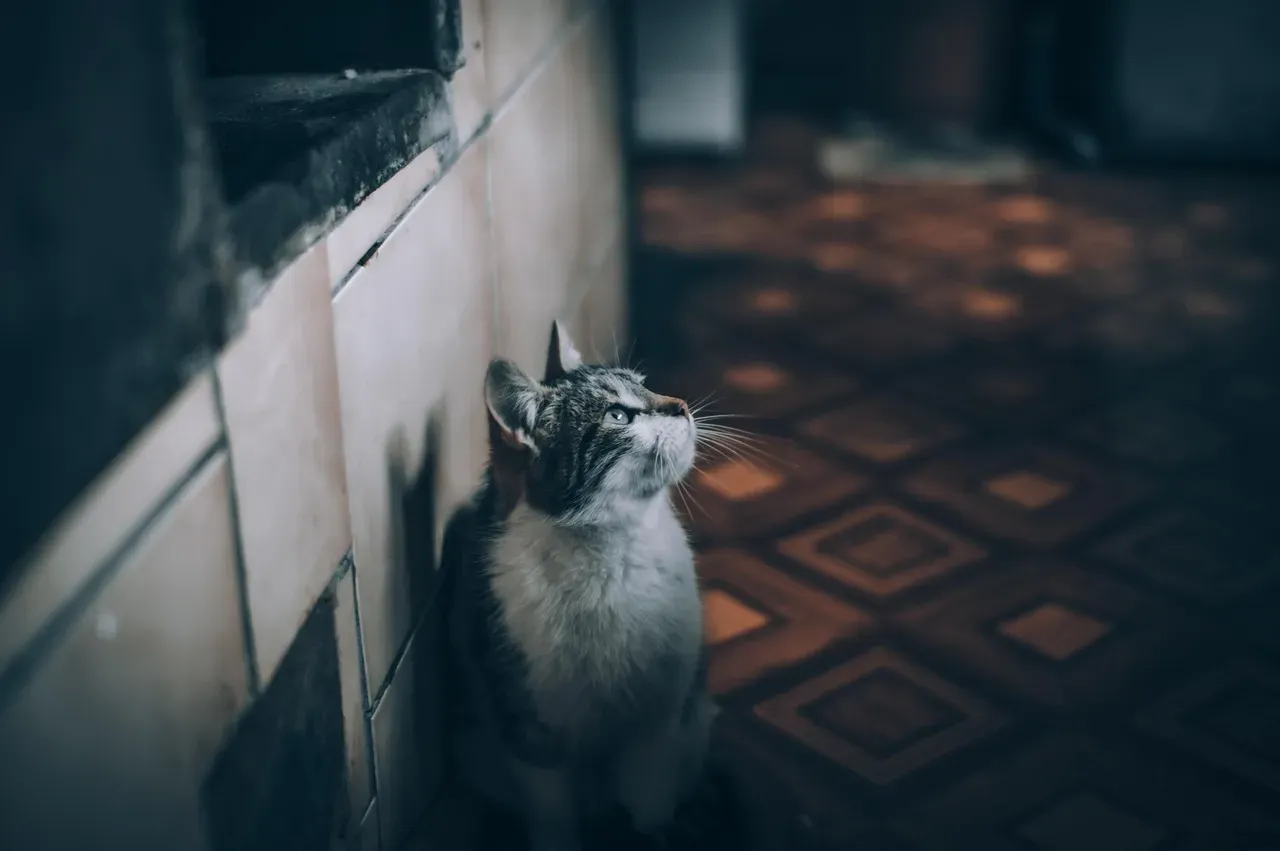
Contrary to popular belief, cats are not actually nocturnal but are crepuscular. This means they are naturally most active at dawn and dusk, a trait that comes from their biological need to take advantage of cooler times of day in order to more effectively hunt. It’s essentially millions of years of evolution baked into your adorable, couch-dwelling companion.
Dawn and dusk are prime hunting times when prey animals are most active. Even though your domesticated feline no longer needs to hunt for survival, their instinct to be active during these times remains incredibly strong. So when your house goes quiet and dark, something ancient inside your cat wakes up and says, “Time to move.” You can’t argue with biology.
Pent-Up Energy Is Screaming to Get Out
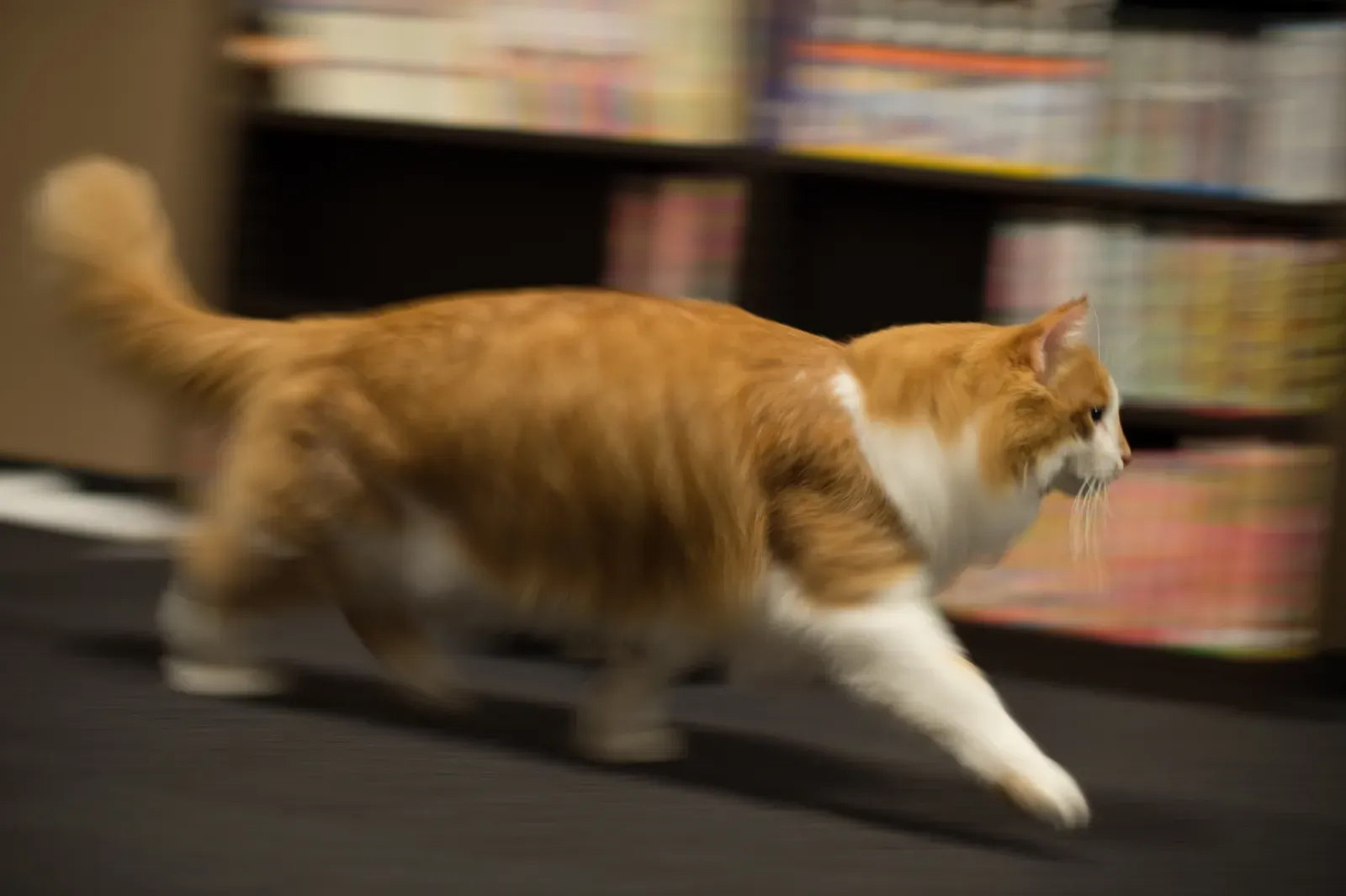
Uploaded by SunOfErat, CC BY-SA 2.0)
Cats sleep for an average of 13 to 14 hours a day. That leaves plenty of stored energy for when they’re awake. If they haven’t expended enough energy during the day, they may have zoomies at night. Honestly, it’s the feline equivalent of a kid who sat still in school all day and then absolutely loses it the moment they hit the playground.
Cats rest and sleep for a majority of the day to conserve energy for short, very active periods. Without intentional exercise and activity, your kitty will need to find a way to get that extra energy out, resulting in a case of the zoomies. Cats that typically spend most of the day alone will build up energy that needs to be released at some point, and often you’ll see this surge of energy in the evening or even in the dead of the night when everyone is asleep. It’s less “chaotic” and more “completely predictable” once you see the pattern.
The Zoomies Are Your Cat’s Inner Hunter Speaking

Zooming behavior is often how cats engage their inner predator. These play periods allow cats to hone their survival instincts – think stalking, pouncing and pursuing. Even if your cat has never seen a mouse in their life, those instincts are still firing. Your hallway just becomes the savanna.
Indoor cats have fewer opportunities to chase, climb, and pounce the way their ancestors did. Those pent-up urges to hunt and play often explode into short, energetic sprints. FRAPs may release endorphins, causing a pleasurable or euphoric response, and from a physical standpoint, these bursts of activity can strengthen muscles, boost cardiovascular health, and support overall well-being. So in a strange way, your cat zooming at midnight is actually them staying fit. Good for them, maybe less good for your sleep schedule.
The Environment Sends Your Cat Into Overdrive
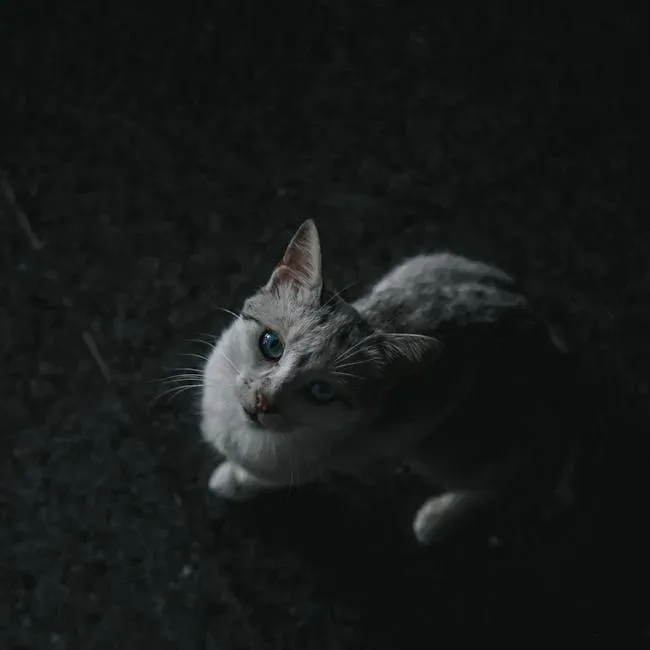
Your cat’s environment can significantly impact their behavior, including their sleep-wake cycle. The quiet of the night might make your cat feel more comfortable exploring and playing. During the day, the noise and activity associated with daily life can be intimidating for some cats, causing them to rest and wait for the tranquility of nighttime to get active. Think of your cat as someone who hates crowds and only thrives after everyone else has gone home.
Alterations in your environment can contribute to your cat’s nocturnal activity. For instance, if some outdoor animals or cats are active at dusk, your feline may react to their presence by remaining more active and running around the house to catch them. If your cat is sensitive to sights and sounds from outside, like the activity of nocturnal wildlife or even a lightning storm, they might be more active at night. In other words, the outside world is basically a live nature documentary your cat watches in full engagement mode.
Post-Litter Box Zoomies Are a Whole Different Message

If you’ve ever wondered why your cat gets zoomies after using the litter box, it could simply be because they feel good. Defecating stimulates the vagus nerve, which can lead to a feeling of release and relief. Depending on the cat’s personality, that might lead to excitement and zoomies. Honestly, it sounds bizarre, but if you think about it, it makes a surprising amount of physiological sense.
Peeing and pooping provide predators and rivals with a scent to track. Cats tend to be wary about toileting, seeking privacy while using the box. Your cat may simply be zooming away from the litter box to leave that vulnerability behind and put distance between their scented waste and themselves. If this is a new behavior, look out for signs of constipation, vomiting, defecation outside the litter box, and any change in their stool. Sometimes it’s pure relief. Sometimes it’s a signal. Knowing the difference matters.
Age Changes Everything About the Zoomies

Young cats, especially kittens, tend to have frequent and intense zoomies due to their high energy levels and rapid growth. These bursts of activity help practice essential skills like agility, coordination, and motor control. It’s not chaos – it’s development. Every sprint is basically your kitten going to the gym and also attending school at the same time.
Cognitive dysfunction syndrome, an age-related deterioration in brain function similar to dementia in people, can also cause confusion, disorientation, and increased midnight activity in cats. It’s estimated to affect a notable portion of cats between 11 and 14 years old and more than half of cats over 15 years old. So if your senior cat has suddenly started their own midnight marathon, that’s worth a conversation with your vet. It could be nothing. It could also be something worth catching early.
When the Zoomies Signal Something Is Wrong

Frenetic random activity periods are actually one sign of hyperthyroidism in cats. This condition, which is common in middle-aged and senior cats, occurs when the thyroid gland becomes overactive, making too many thyroid hormones. In addition to hyperactivity, other signs of hyperthyroidism in cats include weight loss, increased appetite, increased thirst, excessive urination, vomiting, and diarrhea. So if something feels off beyond just energy, trust that instinct.
Sudden changes in zoomie behavior could signal anxiety or medical concerns. Conditions such as arthritis, hyperthyroidism, kidney disease, feline hyperesthesia syndrome, and neurological problems can lead to restlessness and heightened nighttime activity. FRAPs can sometimes indicate underlying behavioral concerns including anxiety, stress, and even depression. Talk to your veterinarian if you believe FRAPs have become more frequent, if your cat seems distressed, or if you’re observing any strange new nuances in their behavior. Bottom line: context is everything.
How You Can Respond to the Zoomies Like a Pro

Don’t chase your cat during a zoomie episode – following them won’t inspire them to stop. More likely, your behavior will validate the episode, encouraging them to become even more frantic. Shouting at a pet experiencing the zoomies may have much the same effect as chasing them. I know, it feels instinctive to react. Resist it. Silence is actually your most powerful tool here.
Aim to engage your cat in at least two 15-minute interactive play sessions per day. Cats tend to sleep after a big meal. Try feeding your cat their main meal just before your bedtime to encourage them to sleep through the night. If your cat’s nighttime zoomies seem related to stress or anxiety, try to make your home a more soothing environment, especially during the evening hours. Dim the lights, minimize noise, and provide cozy hiding spots where your cat can relax and feel safe. Small shifts in routine can make a genuinely surprising difference.
Conclusion

Your cat’s nightly zoomies are not some random glitch in their personality – they are a rich, layered form of communication that reflects millions of years of instinct, a body full of unused energy, a mind craving stimulation, and sometimes even a quiet cry for help. Once you start reading the signals, you stop being a frustrated, sleep-deprived owner and start becoming a genuinely tuned-in companion.
The next time your cat thunders down the hallway at 1 a.m., pause before you groan. Ask yourself: did they play enough today? Are they a young explorer burning fuel, or an older cat showing new signs? Is the litter box clean? Is something outside catching their attention? You have more answers available to you than you think – you just need to know what questions to ask.
Cats don’t speak our language, but they are absolutely, constantly speaking. The zoomies might just be their loudest sentence. So here’s a thought to leave you with – what has your cat been trying to tell you all this time, and have you been listening? Tell us in the comments.
Kristina is a young writer from India. An arts graduate and an avid content creator, Kristina is passionate about animals and wildlife. She enjoys exploring topics related to pet care, animal behavior, conservation, and nature, combining thorough research with engaging storytelling.