You’re having a perfectly lovely afternoon. Your cat is purring in your lap, eyes half-closed in what looks like total bliss, and then out of nowhere, those tiny teeth close softly around your finger. No growl, no hissing, no dramatic scratching. Just a quiet little nibble, almost tender, and then life goes on as if nothing happened.
Most owners freeze in confusion. Was that affection? Was that a warning? Was your cat just tired of you? Honestly, it’s one of the most misunderstood moments in the entire human-cat relationship, and you’re far from alone in having no idea what just happened. So let’s dive in and decode what your cat is really trying to tell you.
What Exactly Is a “Love Bite” Anyway?
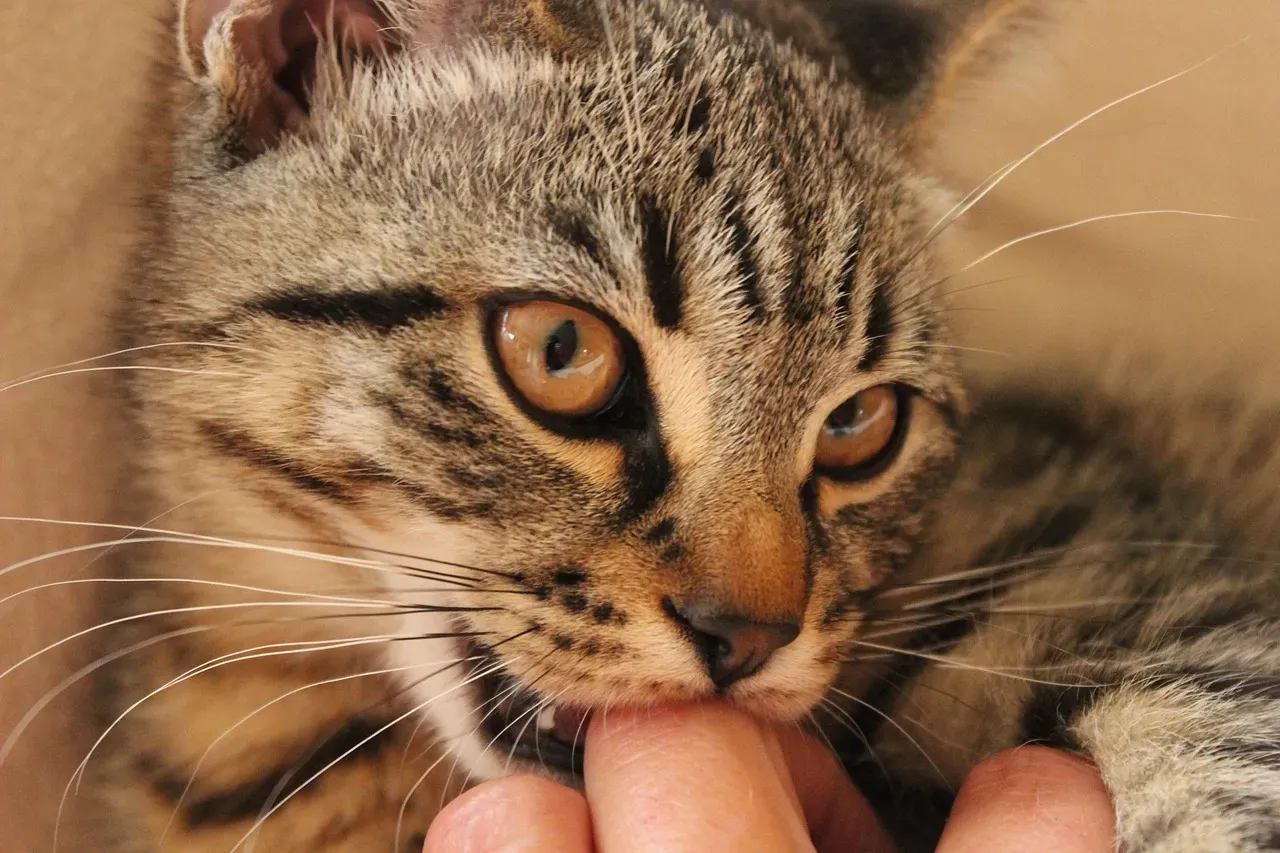
Here’s the thing about the term “love bite” – it’s both accurate and a little misleading at the same time, and that’s exactly why so many owners get confused. These gentle gestures are a unique form of communication that allow your cat to express their feelings and needs. Think of it less like a kiss and more like a tap on the shoulder. It’s subtle, it’s intentional, and it means something.
Love bites are usually gentle and don’t break the skin. They can signal affection, playfulness, overstimulation, or frustration. So yes, that one small nibble could mean at least four completely different things. No wonder you’ve been confused this whole time.
Your Cat Is Treating You Like Family (Seriously)
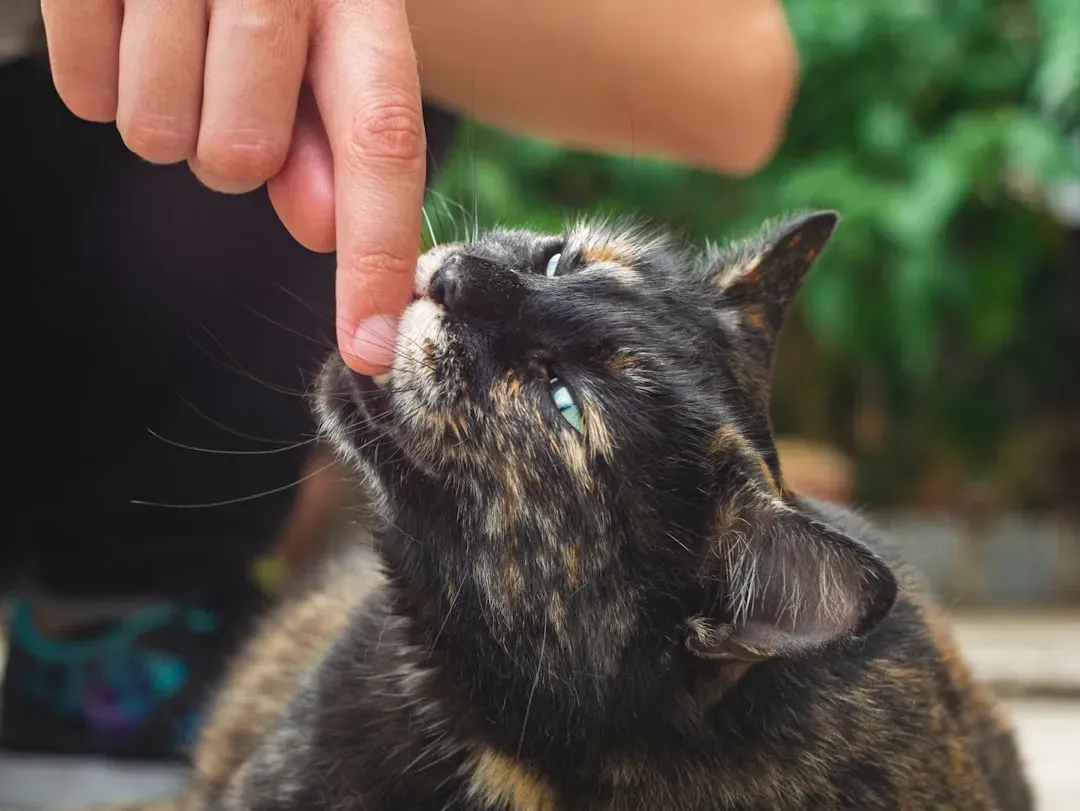
One of the most heartwarming explanations for gentle biting has everything to do with how cats behave with their own kind. Domestic cats actually enjoy participating in what’s called “allogrooming,” a social grooming behavior that helps increase bonds among social groups – in this case, you and your kitty, much like a pride of lions. So when your cat licks you and then nibbles softly, they’re essentially treating you like a beloved colony member.
In cat colonies, allogrooming is common between family members. Your cat is probably showing you affection with this behavior, and acknowledging you as part of their family. Think about that. Your cat isn’t just tolerating your presence. In their eyes, you’re family, and this is the highest social compliment they can offer.
The Scent Connection You Probably Never Knew About
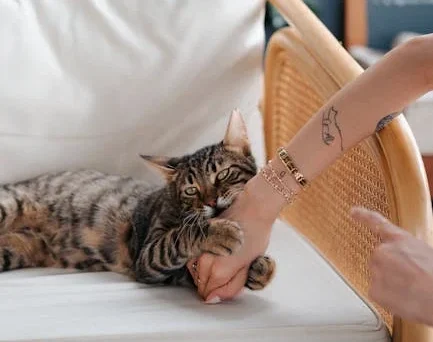
Here’s something most owners never even consider: your cat biting you gently might have less to do with your hand and more to do with marking territory – you. Feline bonding often involves scent marking and physical contact. Cats have scent glands on their cheeks, lips, and paws, and when they nuzzle or gently bite, they are marking their human companions with their scent. This behavior reinforces social bonds and signals familiarity and comfort.
Your cat bites you gently either to deposit their scent, communicate their love, get your attention, or cease interaction once they’ve had enough. I know it sounds a little strange to think of yourself as something your cat “marks,” but honestly, it’s one of the most sincere things they can do. You belong to them, and they want the world to know it.
When Gentle Biting Is Actually a Polite “Stop That”

Now here’s where things get a little more complicated, and where most owners completely misread the signal. Not every gentle nibble is a love letter. When cats give you a love bite, they aren’t always showing affection. Instead, they are communicating that they are done with whatever activity the two of you were involved in. If you are petting your cat and then they nip your hand, they are telling you nicely that they do not want to be petted anymore.
For some cats that can’t tolerate petting as well, over-stimulation of the hair follicles during a lengthy petting session can become quite painful, and the cat’s bite is a way of interrupting and stopping the attention. This is simply part of the cat’s body language, indicating that it is done with the interaction and getting irritated. Think of it as your cat using their indoor voice before things escalate. Ignore this signal, and they’ll use something louder.
The Kitten Brain Behind the Adult Bite

To really understand where this behavior comes from, you have to go back to kittenhood. Biting is a normal, natural behavior for kittens. They bite while learning to hunt, when teething, and when learning to play and communicate with their mother and siblings. This is one of the reasons it is so important for kittens to stay with their mother until they are 8 weeks old. That early social period literally shapes how your cat communicates for the rest of their life.
During this early play with mum and siblings, they learn about “bite inhibition,” meaning when it’s appropriate to bite properly and when to be gentle. So when your adult cat gives you a soft, controlled nibble and then pulls back, that’s actually a sign of excellent emotional intelligence. They learned restraint. They’re choosing to be gentle with you. That’s not nothing.
Reading the Warning Signs Before the Bite
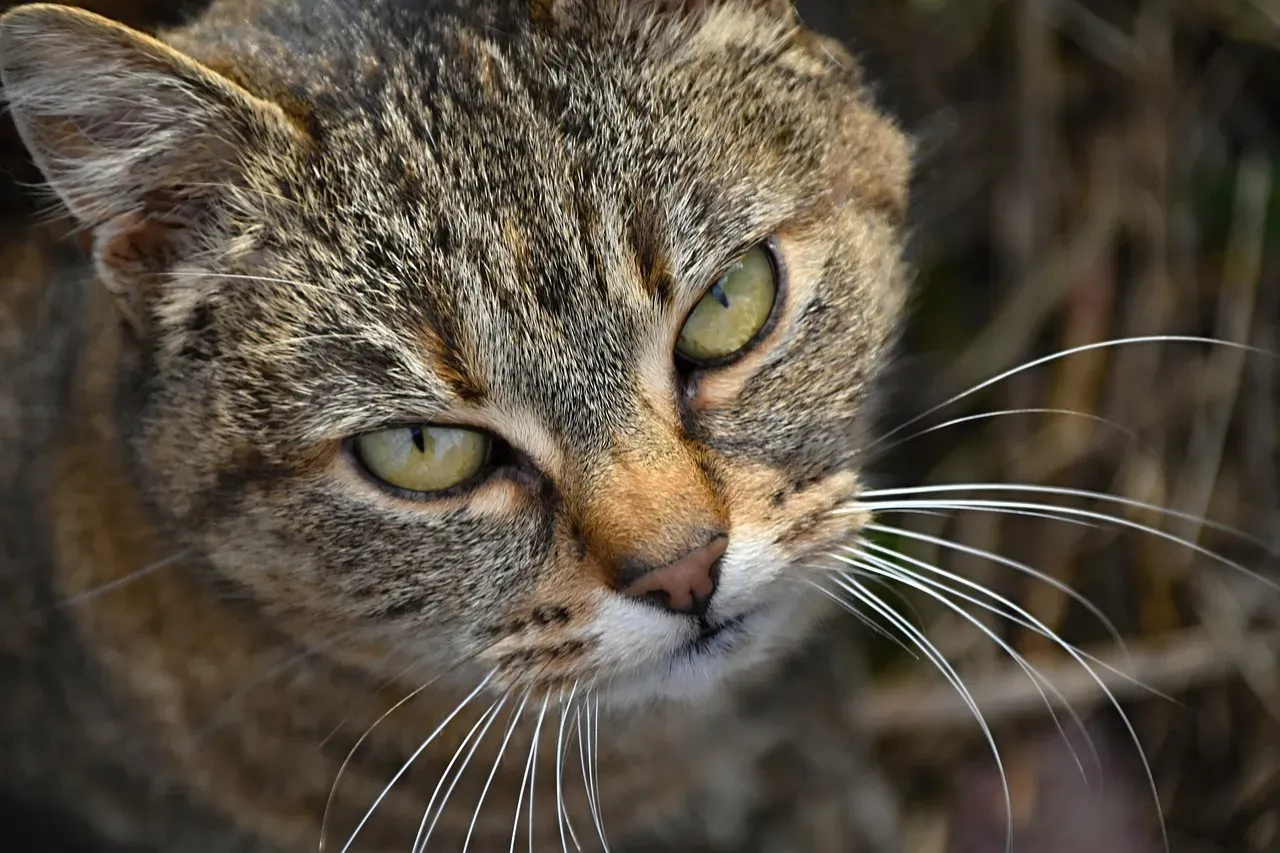
Let’s be real – most “surprise” bites were never really that surprising. Your cat almost always sends signals before their teeth make contact, and learning to spot those signals is genuinely game-changing. Gentle nips may be your cat letting you know petting time is over, and these warnings may be paired with other signs of discomfort, such as tail swishing or flicking, skin twitching over the back, flattening of the ears, freezing, tenseness or staring, a quick head turn to watch your hand as you pet, pupillary dilation, or walking away and lying down.
A big part of managing biting behavior is learning to read your cat’s body language. Try to treat a cat bite as a form of communication, not as a full-fledged attack. Look for subtle warning signs like flattened ears, tail flicking, or your cat suddenly tensing up. These signals often mean your cat is overstimulated. Once you start seeing these signs, you’ll wonder how you missed them for so long.
When a Gentle Bite Could Signal a Health Problem
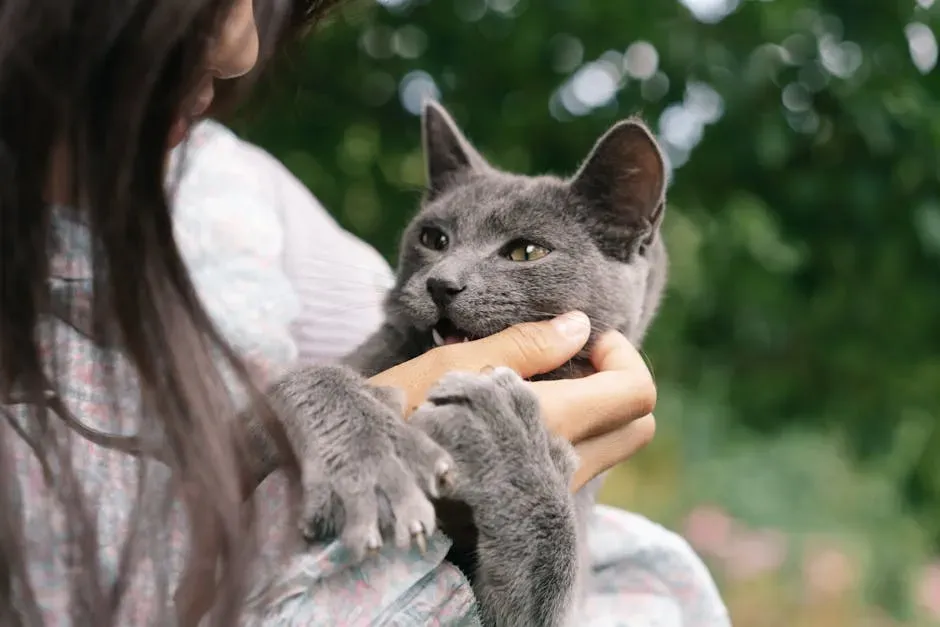
It’s worth paying attention when the biting pattern suddenly changes, because sometimes a gentle bite isn’t about emotion at all. If your cat is biting without warning or if the behavior changes suddenly, it could be due to underlying health problems. Painful conditions like dental disease, arthritis, or even gastrointestinal issues can cause discomfort, making your cat more likely to bite. Difficulty eating at the food bowl or signs of mouth discomfort might signal the need for a vet appointment to examine your cat’s teeth.
Sudden changes in behavior may signal physical discomfort. If your cat bites when touched in a specific area, that spot could be painful. Pay close attention – this may be the right time to consult your vet. Your cat can’t say “ouch,” so a bite is sometimes the closest they can get to pointing at the problem. Don’t brush it off.
How to Respond Without Making Things Worse
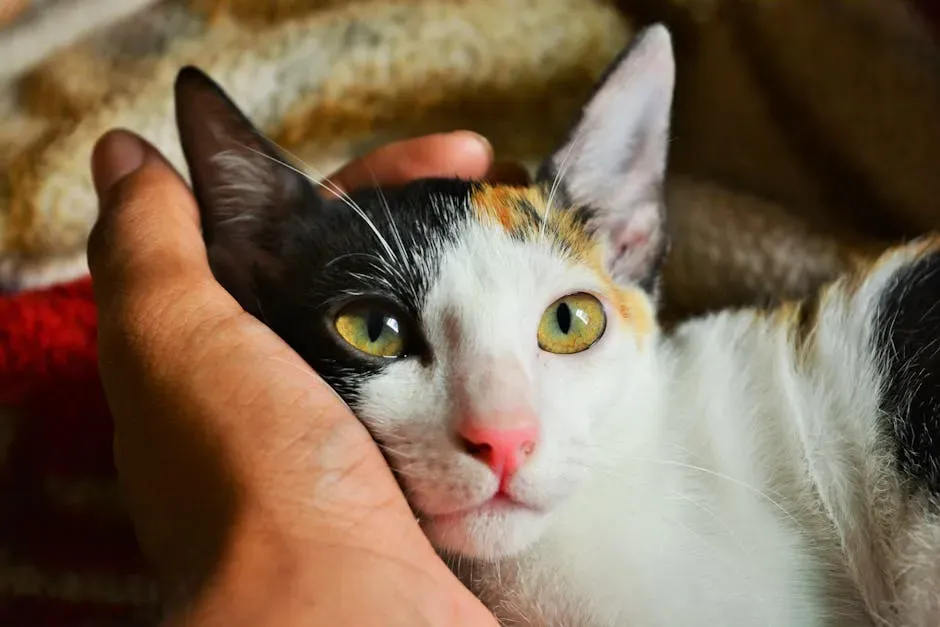
Your instinct when teeth touch skin is probably to yank your hand back fast. Here’s the problem with that: jerking your hand away mimics the movement of escaping prey. This triggers their hunter instinct to bite harder and hold on. So that totally natural reflex you have? It’s actually the worst possible response from a cat communication standpoint.
Instead, freeze very still and let the cat disengage, then calmly and slowly move away. Stop whatever behavior – petting, playing, etc. – led to the bite, and allow the cat to resume its activities calmly. Above all, do not physically retaliate to a cat’s love bite by grabbing, shaking, or striking the animal. This type of reaction is counterproductive and will only serve to heighten a sense of distrust and miscommunication between cat and owner. Calm, quiet, and consistent – that’s the golden formula.
Conclusion: Your Cat Is Talking. You Just Need to Listen.
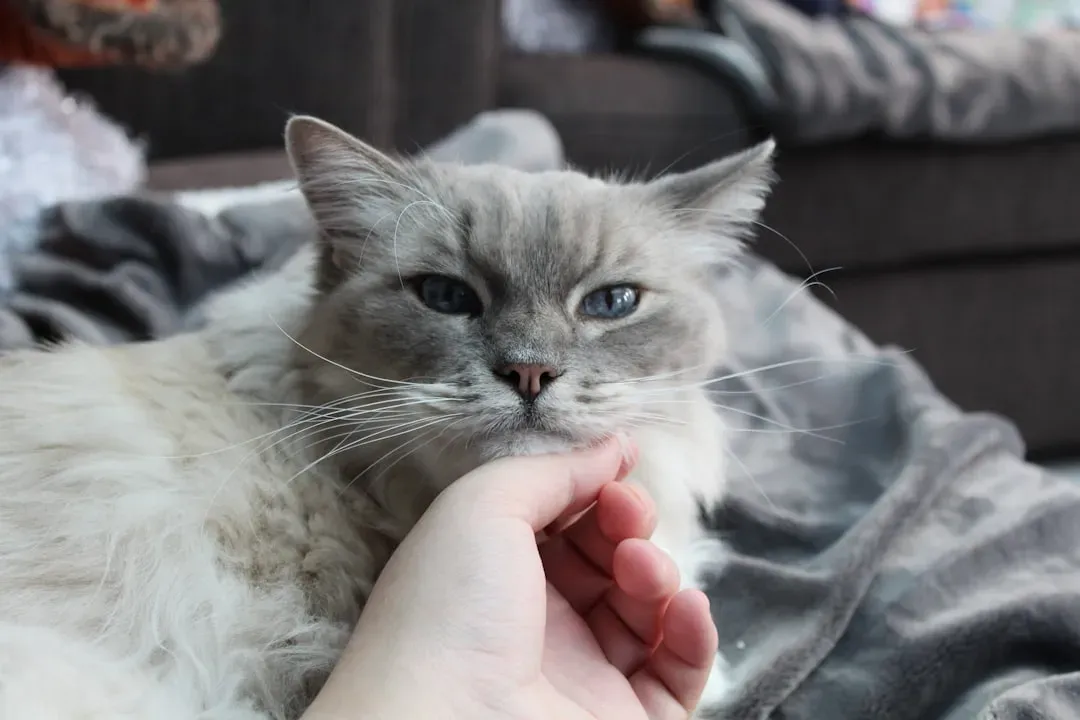
When you look at all of this together, the picture becomes pretty clear. That gentle bite your cat gave you wasn’t random, wasn’t mean, and wasn’t some quirk you need to worry about. Cats are complex creatures, and they rarely do something “out of nowhere.” When your cat bites you softly, they’re usually sending a message. Gentle biting is part of normal feline behavior, and it’s often a subtle way to express feelings or needs.
The real trick is simply learning to listen. Your cat doesn’t bite out of spite – they’re trying to tell you something. It’s up to you to learn their language. Whether it’s a declaration of trust, a grooming gesture, or a polite boundary reminder, every nibble has a meaning. And once you start reading those signals correctly, your whole relationship with your cat shifts. You stop being two creatures sharing a couch and start being something closer to what your cat already believed you were: family.
So the next time those little teeth graze your hand, take a breath before you react. What do you think your cat was really trying to tell you? Drop your thoughts in the comments.
Kristina is a young writer from India. An arts graduate and an avid content creator, Kristina is passionate about animals and wildlife. She enjoys exploring topics related to pet care, animal behavior, conservation, and nature, combining thorough research with engaging storytelling.