Most people think of their cat’s purr as simply a sweet, fuzzy background sound, the kind of gentle rumble that makes a quiet evening feel just a little more complete. It feels warm. Familiar. Safe. Yet what if that soft vibration humming against your leg or chest carries far more weight than you ever imagined?
Science has been quietly catching up with what cat lovers have always sensed intuitively: there is something genuinely powerful going on inside that purr. From ancient bone-healing frequencies to the kind of neurochemical fireworks that rival a meditation session, your cat may be doing far more for you than curling up for company. Let’s dive in.
The Fascinating Science Behind How Your Cat Actually Purrs
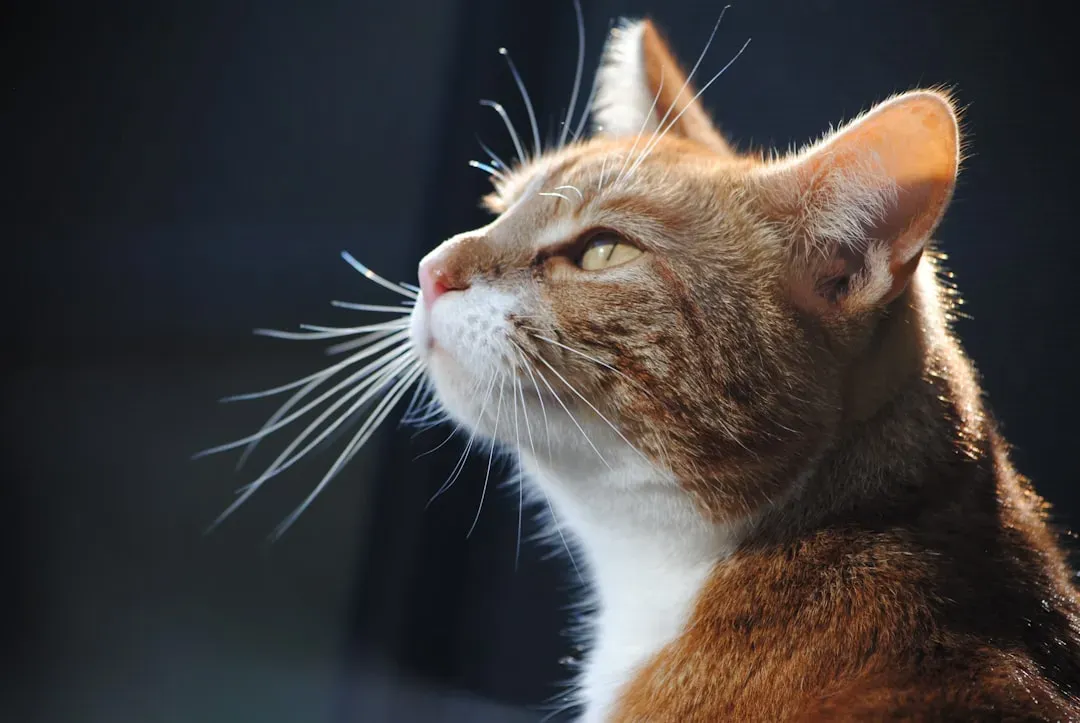
Before you can appreciate what the purr does, it helps to understand how it actually happens. When the laryngeal and diaphragmatic muscles are stimulated to vibrate, a cat’s purr produces a frequency of between 25 and 150 Hertz, maintaining a consistent pattern during both inhalation and exhalation. Think about that for a moment. Your cat is essentially running a tiny, living sound machine every single time it breathes in and out.
It seems most likely that the noise is produced by the constriction of the glottis, the part of the larynx surrounding the vocal cords, due to the dilation of the muscles in the cat’s larynx, and the air vibrates every time the cat breathes in or out. It is an elegant, involuntary act of biology. Not every cat can do it, either. Not all cats can purr. Big cats like lions, tigers, leopards and jaguars roar instead.
Your Cat Does Not Only Purr When It Is Happy
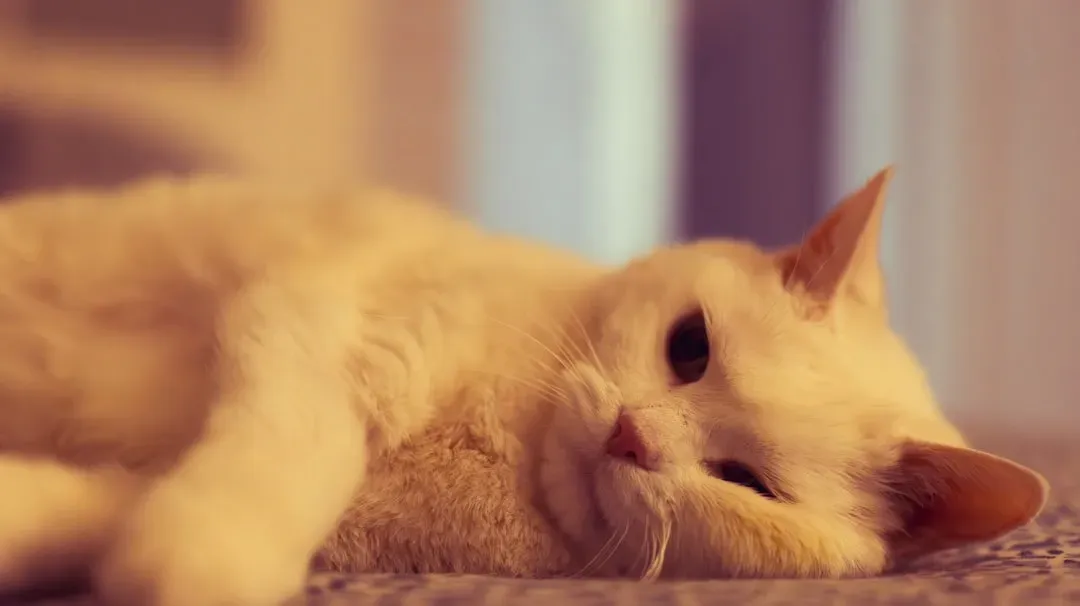
Here is the thing that surprises most people: purring is not simply your cat saying “I’m content.” That is the popular assumption, and honestly it is only part of the story. Purring is often associated with contentment and communication in cats, however, cats may also purr when they are stressed, injured, or in pain, suggesting that purring may serve multiple functions in feline behavior.
When cats are stressed, injured, or even giving birth, they purr as a form of self-soothing, like their personal mantra, a fuzzy signal that helps them stay calm. A current hypothesis suggests the purr indicates contentment, however, cats purr when they are severely injured or frightened. So the next time your cat purrs in a carrier on the way to the vet, know that it is not being sarcastic. It is self-regulating.
The Healing Frequencies Hidden Inside Every Purr
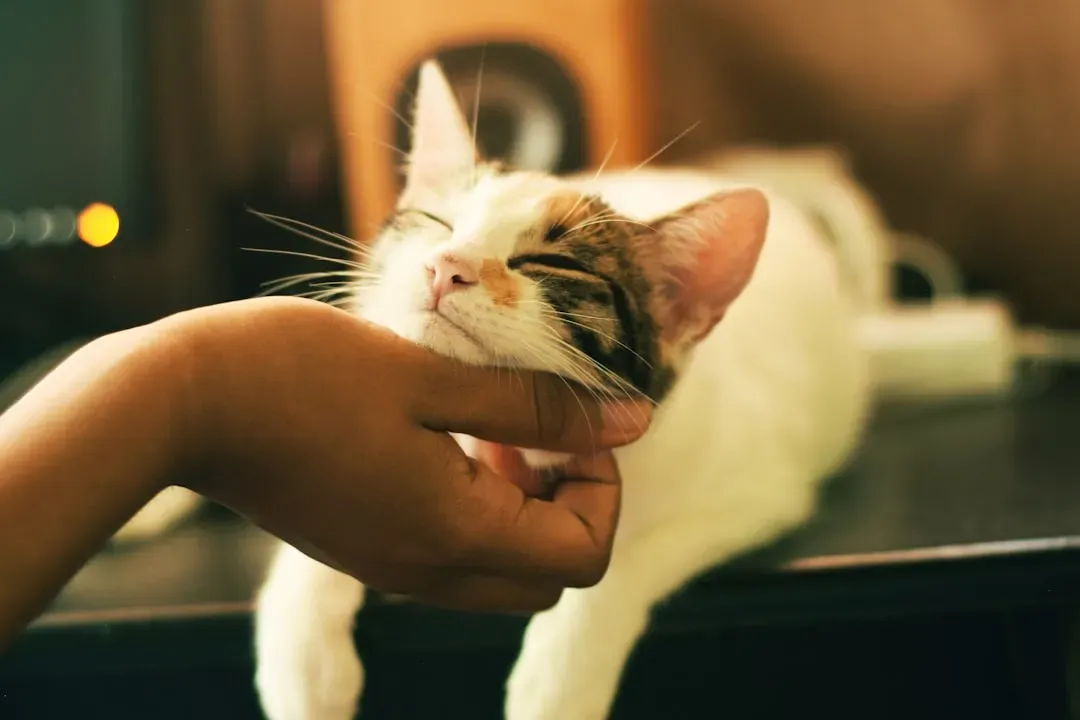
This is where things get genuinely jaw-dropping. Research suggests that the frequency of a cat’s purring, typically between 25 and 150 hertz, could have therapeutic effects on the body and mind. These are not random numbers. They overlap almost perfectly with frequencies that medical science already uses in treatments.
In a 2006 study conducted by Fauna Communications, researchers found that the frequency of a cat’s purr is between 25 and 140 Hz, covering the same frequencies that are therapeutic for bone growth and fracture healing, pain relief, swelling reduction, wound healing, muscle growth and repair, tendon repair, and mobility of joints. Your cat is essentially packing a physiotherapy clinic into its chest. I know that sounds crazy, but the research really does back this up.
Your Bones Could Actually Benefit From Your Cat’s Purr
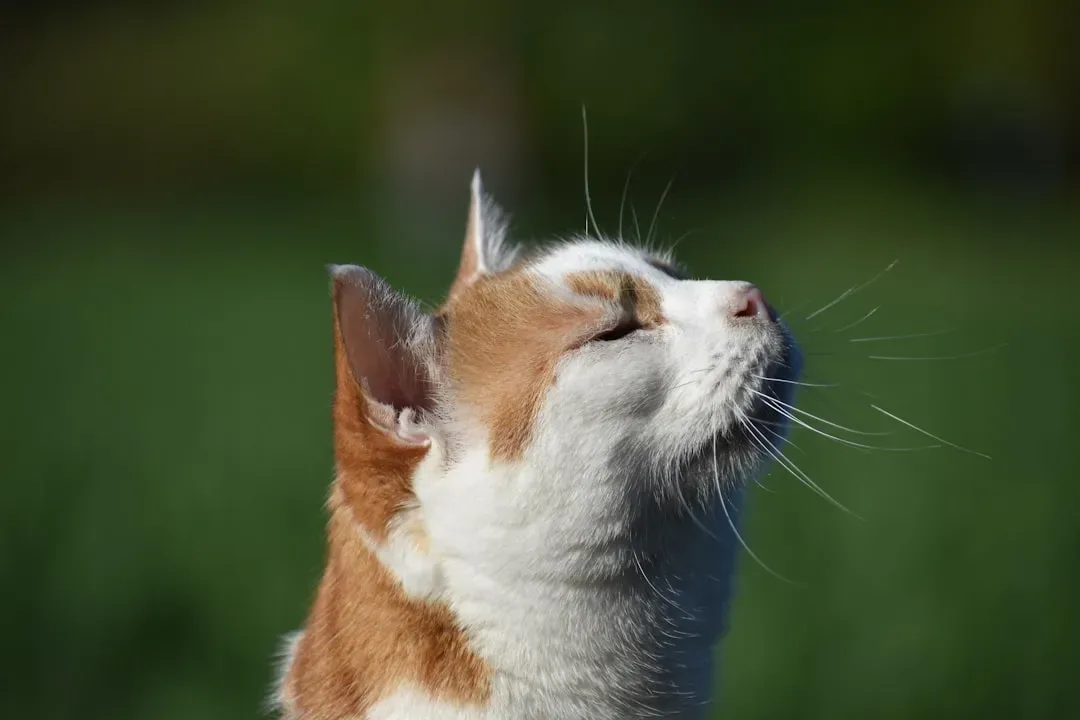
One of the most startling discoveries in this space involves what the purr does to bones specifically. According to Leslie A. Lyons, an assistant professor at the School of Veterinary Medicine at the University of California, a low-frequency hum of purring at 25 to 50 hertz could even promote bone growth and fracture healing, as bones harden in response to the pressure. In fact, the frequency of a cat’s purr is the exact frequency needed for bone growth.
These frequencies stimulate the production of osteoblasts, the cells responsible for bone formation. For individuals suffering from osteoporosis or recovering from fractures, exposure to cat purring could potentially accelerate recovery. This conjecture is supported by the fact that broken felid bones take significantly less time to heal than broken dog bones, and that low frequency vibrations in the range of cat purrs are used to heal complex fractures in humans. Nature, it turns out, figured this out long before we did.
How the Purr Becomes a Powerful Stress-Buster for You
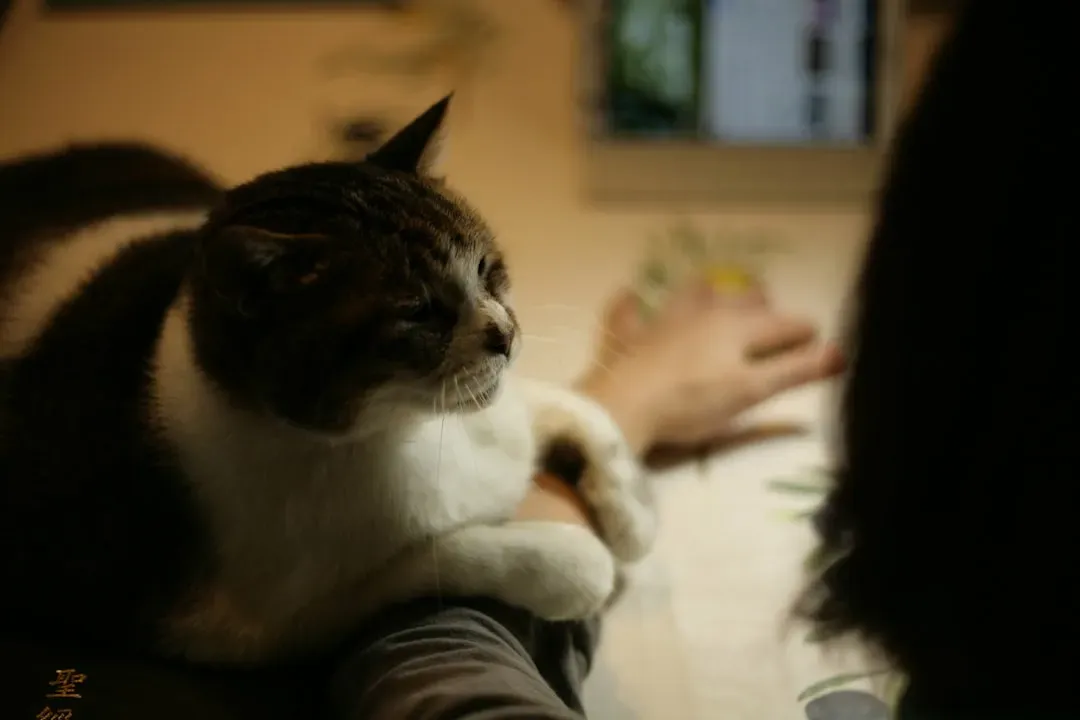
You have probably felt it yourself: something shifts the moment a cat settles onto your lap and begins to purr. The shoulders drop. The breathing slows. One of the most immediate effects of cat purring on humans is its ability to reduce stress and anxiety. The soothing sound and vibration of a purr have been compared to the calming effects of meditation. That is a remarkable comparison, and it is not accidental.
Cat purring stimulates the production of endorphins, which are natural chemicals that promote feelings of happiness and well-being. When a person interacts with a purring cat, their body releases serotonin, a neurotransmitter associated with mood regulation. This physiological response can help lower cortisol levels, the primary hormone associated with stress. Essentially, your cat is dosing you with natural feel-good chemistry. Free of charge. Every single day.
The Surprising Link Between Your Cat’s Purr and Your Heart Health
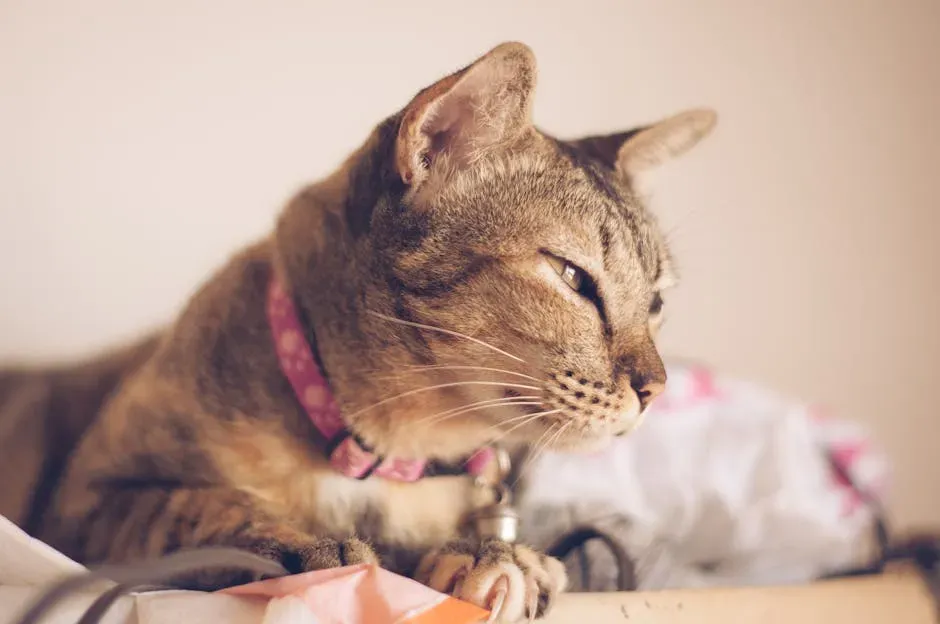
Let’s be real: most of us do not think of our cats as cardiologists. Yet the evidence connecting a cat’s purr to cardiovascular health is striking enough to stop you in your tracks. Cat purring can also benefit your heart. The vibrations produced by purring have been linked to lower blood pressure and reduced risk of heart disease. Spending time with a purring cat can help regulate your heart rate and promote cardiovascular health.
A 2008 study at the University of Minnesota showed that cat owners have a roughly forty percent reduced risk of heart attacks. Studies show that owning a cat could cut your risk of stroke or heart disease by as much as a third. These are not trivial numbers. They suggest that sharing your home with a purring feline companion may be one of the quietest, coziest forms of preventive cardiology available to you.
The Purr as a Sleep Aid You Never Knew You Had
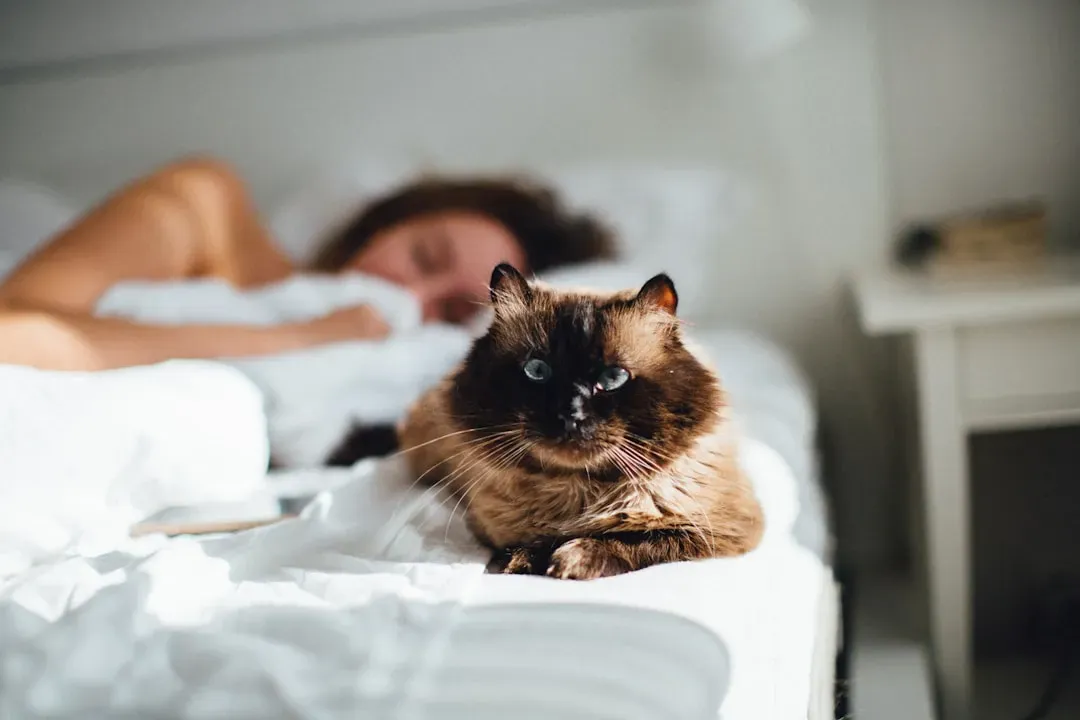
Sleep troubles? Your cat might already be offering you a solution you have been overlooking. If you have ever fallen asleep to the sound of a cat purring, you know how soothing it can be. The low-frequency vibrations of purring can act as a natural sleep aid, helping you drift off more easily. It is like having a white-noise machine that breathes and occasionally rearranges itself on the duvet.
The soothing frequency of purring can promote better sleep. Many cat owners report that the presence of their purring pet helps them fall asleep faster and experience more restful sleep. This can be particularly beneficial for individuals suffering from insomnia or sleep disorders. Think of it as nature’s gentlest lullaby, complete with fur and the faint smell of kibble.
Your Cat’s Purr and Your Mental and Emotional Health
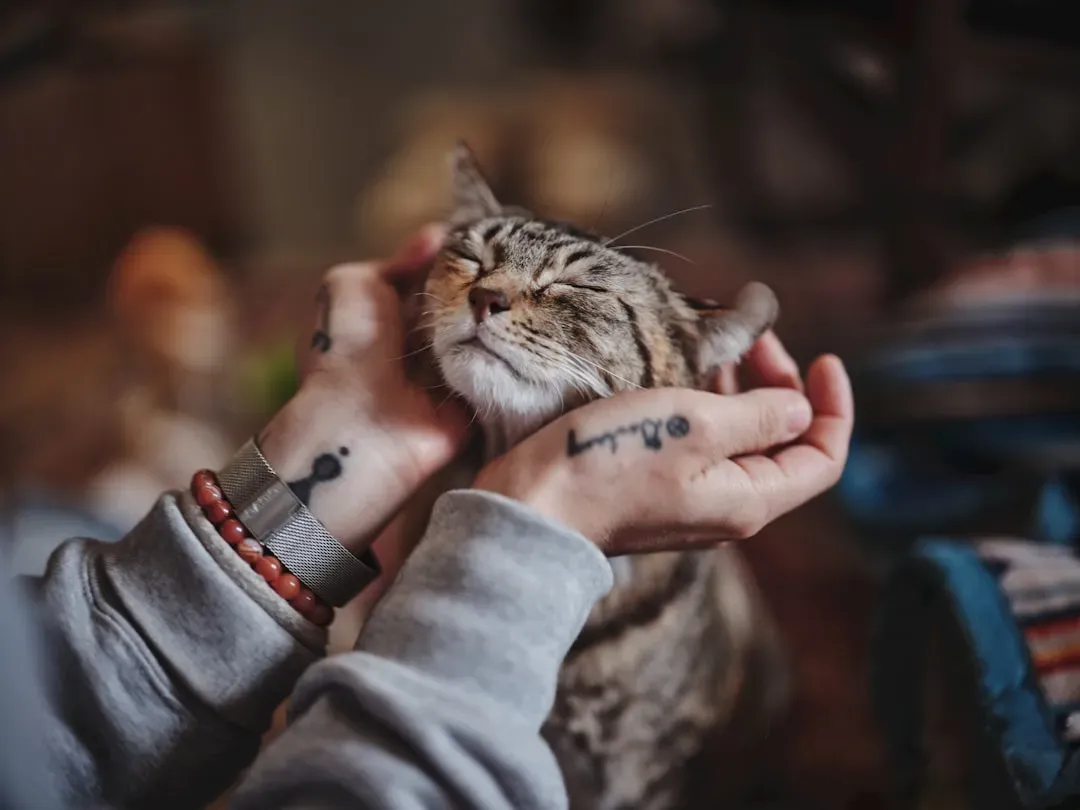
Beyond the physical benefits, the purr reaches deep into emotional territory too. Cat purring is not just good for the body; it is also a boon for the mind. The calming effect of purring can alleviate symptoms of anxiety and depression, providing a sense of comfort and stability. For individuals dealing with mental health challenges, the presence of a purring cat can be a source of emotional support and companionship.
The cat purring effect on humans has been explored in therapeutic settings, including animal-assisted therapy, where cats play a role in providing emotional support. Therapy animals are increasingly recognized for their role in mental health treatment, and cats are no exception. Therapy cats visit hospitals, nursing homes, and schools to provide comfort to people experiencing stress or trauma. It is hard to say for sure exactly how much of this is the sound versus the companionship, but honestly, does the distinction really matter when it works this well?
The Purr as a Communication Tool and Bond-Builder
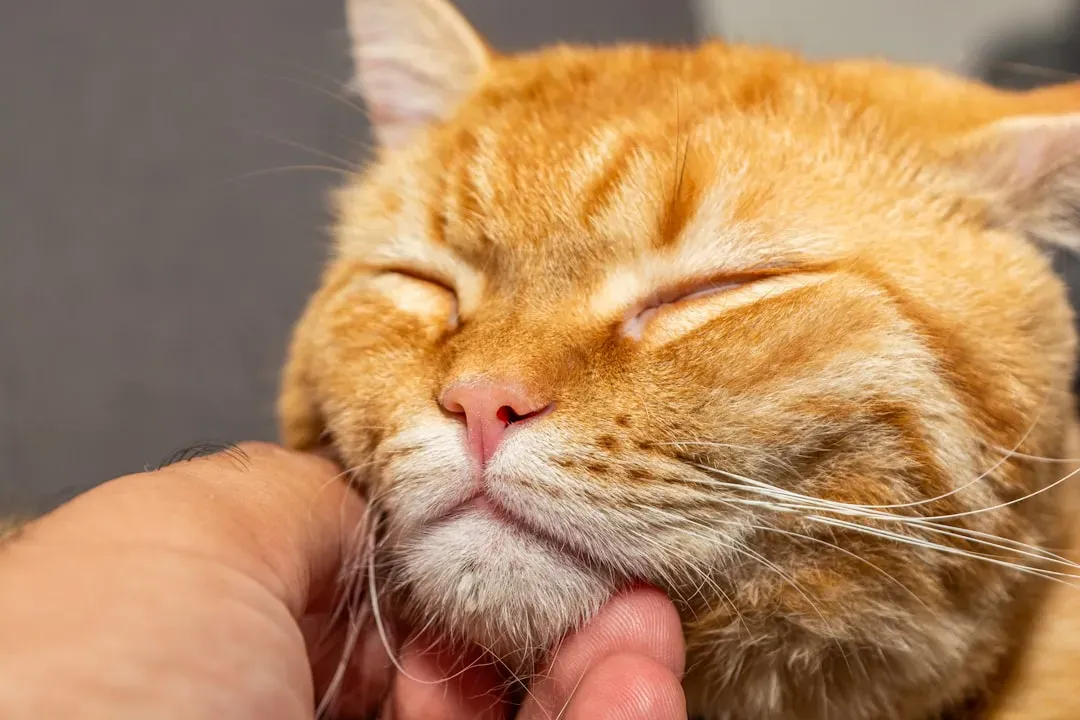
Your cat’s purr is not just aimed inward. It is also a language, a subtle, layered form of communication directed squarely at you. Cats use purring as a form of communication. In addition to showing their contentment when you are stroking them softly, cats will also purr when they are trying to communicate that they are hungry. Typically, these purrs tend to be a little less soft and a little more urgent.
A study conducted at the University of Sussex found that cats have a “solicitous” purr when trying to communicate hunger. This particular purr is coupled with a meow that has a similar frequency to the cry of a human baby. The act of purring strengthens the bond between cats and their owners. When a cat purrs in your presence, it is a sign of trust and affection. This mutual exchange of positive energy enhances the emotional connection, making the relationship more fulfilling for both parties. Your cat is not just sitting there. It is talking to you. Constantly.
Conclusion: The Purr Is More Than a Sound, It Is a Gift
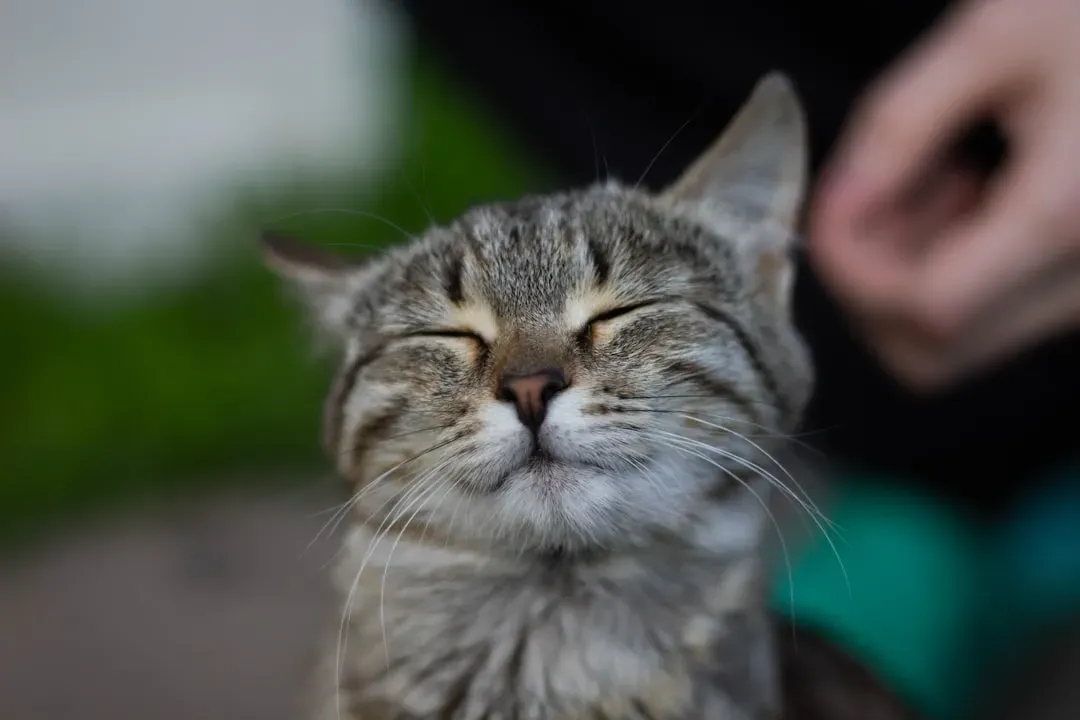
There is something profoundly humbling about realizing that one of the most powerful health tools in your life might be curled up on your sofa right now, eyes half-closed, quietly vibrating at exactly the right frequency to help your bones, your blood pressure, your nervous system, and your soul. Hidden in what seems to the ear as a single sound or frequency is actually multiple frequencies representing multiple sounds, a veritable symphony of sound with a single overall purpose: to promote a healthier life.
The next time your cat climbs onto you and begins to purr, resist the urge to shift them off. Whether through their soothing purr, calming presence or affectionate companionship, cats offer more than just a comforting presence in your home. For those dealing with stress, anxiety or physical discomfort, the healing power of a cat’s purring can provide much-needed relief. That soft, rhythmic hum is not background noise. It is your cat’s quiet, ancient way of looking after you.
So here is a question worth sitting with: how many other everyday moments in your life are quietly doing more for your well-being than you ever stop to notice?
Kristina is a young writer from India. An arts graduate and an avid content creator, Kristina is passionate about animals and wildlife. She enjoys exploring topics related to pet care, animal behavior, conservation, and nature, combining thorough research with engaging storytelling.