You probably already know that cats have a bit of a reputation for being mysterious. Aloof, unpredictable, impossible to read. But honestly, that reputation isn’t entirely fair. The truth is, your cat is talking to you constantly. Every flick of the tail, every slow blink, every soft chirp or tense crouch tells a full story, if you know how to listen.
The fascinating part is just how rich and layered this communication system really is. Cats can use a range of communication methods, including vocal, visual, tactile, and olfactory communication. That’s not one or two tricks. That’s an entire language. So before you assume your cat is being standoffish, consider the possibility that they’ve been talking to you all along, and you just hadn’t learned the vocabulary yet. Let’s dive in.
The Tail Is Your Cat’s Emotional Barometer
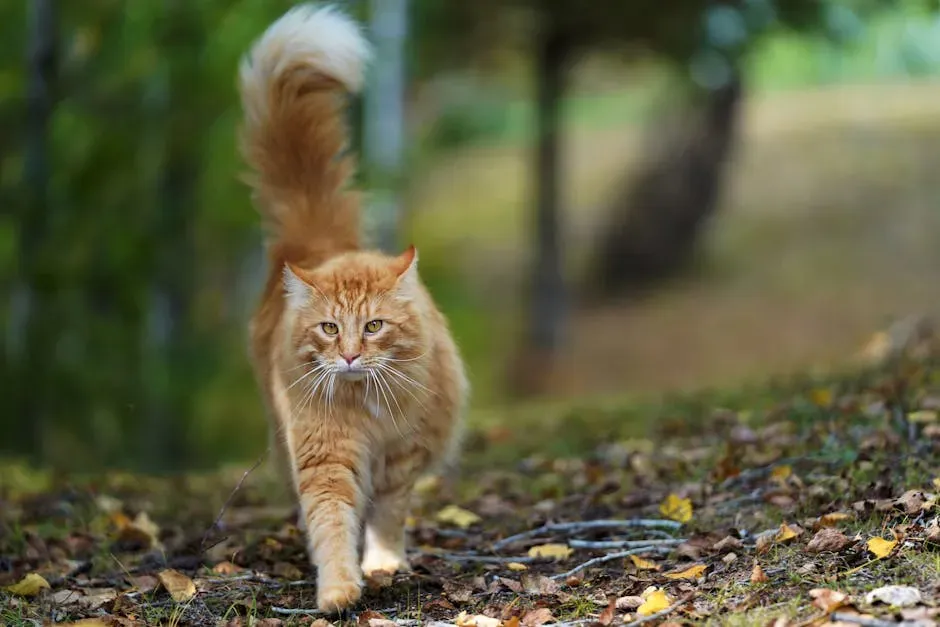
A cat’s tail is like a mood barometer, and key tail signals include an upright tail with a slight curve at the top, which means friendly and happy to see you. Think of it like a flag being raised in celebration. When your cat trots toward you with that tail pointing skyward, that is a genuine greeting, not just a coincidence.
A high tail that’s not puffy means the cat is comfortable around you, while a tail that is parallel with the back means the cat is curious about you. A low tail that is tucked close to the body means the cat is not confident about your presence. Pay attention to those subtle shifts. A tail that starts high and slowly lowers during an interaction is your cat politely telling you that the mood has changed.
Ears That Speak Volumes Before You Even Get Close
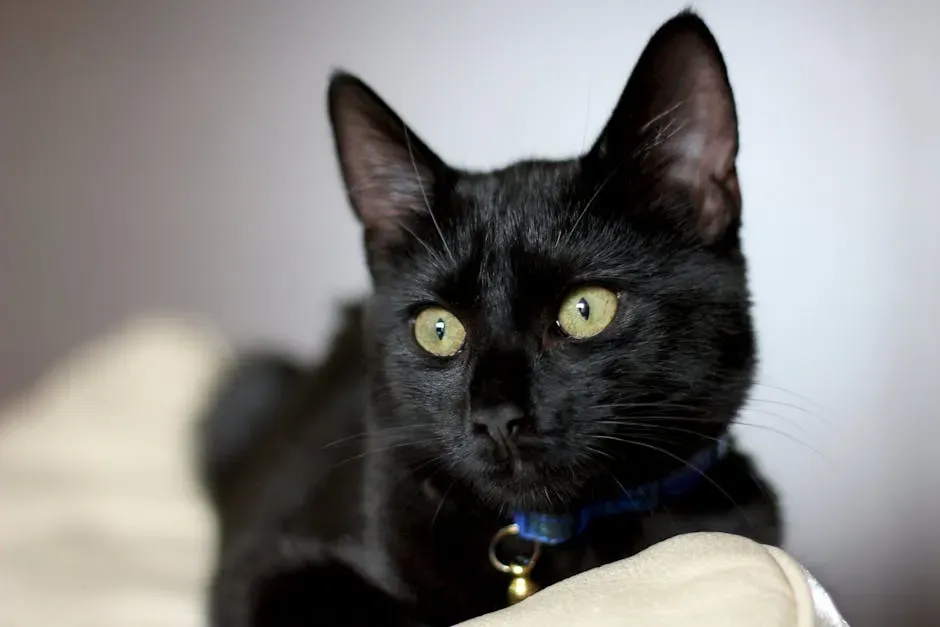
A cat’s ears are like radar, constantly scanning their surroundings and reflecting their emotional state. When a cat’s ears are facing forward and erect, it indicates a positive and friendly disposition. It means the cat is interested in something in their environment. Relaxed and forward ears signify comfort and security in their surroundings.
In cats who are experiencing an increasing level of fear, anxiety, or stress, their ears might be tucked back on their head or held low and rotated to the sides. Their head will fall at or below the level of their shoulders, and their breathing might become very fast. Here’s the thing: if you notice those “airplane ears” during what you thought was a nice petting session, your cat is kindly asking you to pause. Listening at that point could save your hand from a very pointed conversation.
The Slow Blink Is a Love Letter Written in Light
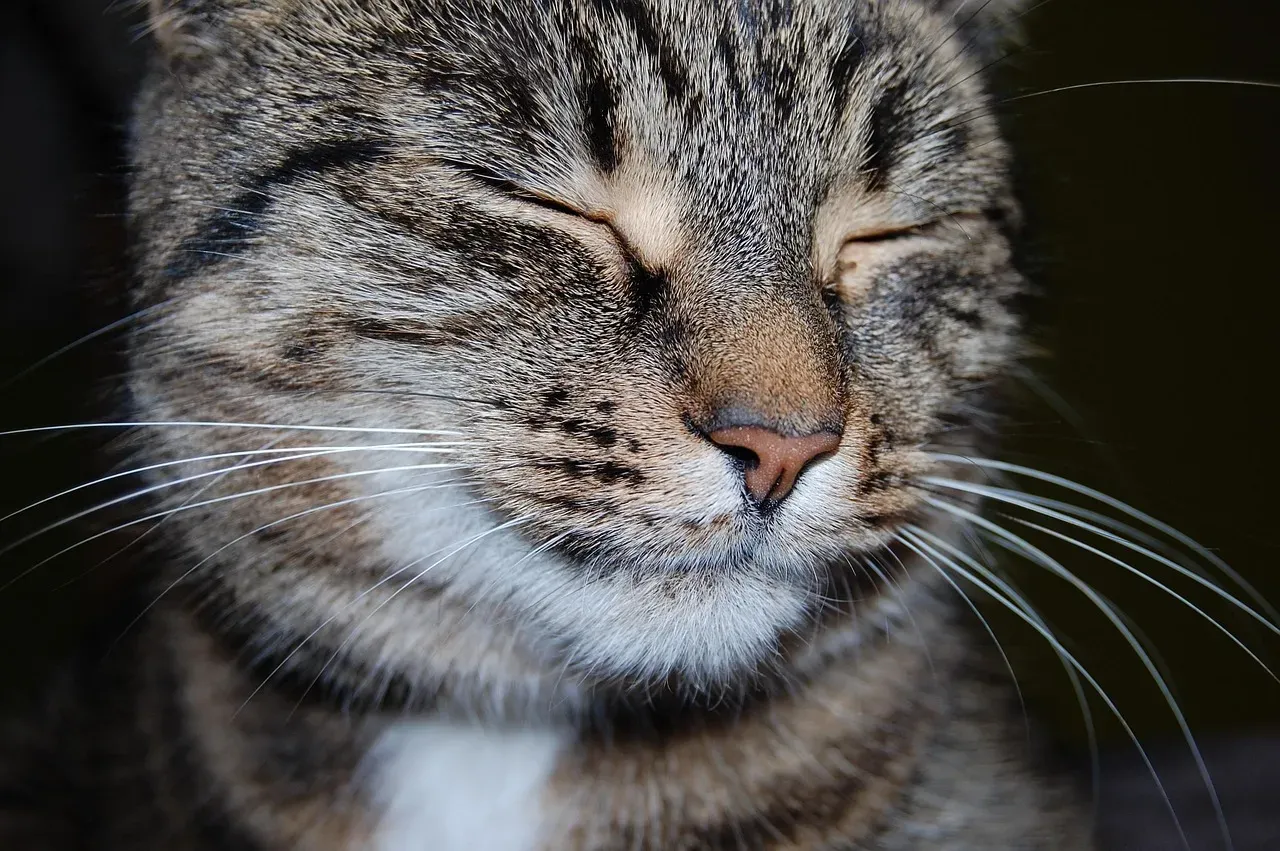
I think this one is the most underrated signal in the whole feline communication handbook. Closing their eyes, even for a second, is a vulnerable act for cats in the wild. Some cats even sleep with their eyes open so they can quickly flee from predators. So when your cat blinks or closes their eyes around you, it means they fully trust and love you.
Often called a “cat kiss,” the slow blink is one of the most profound ways cats show trust and affection. When your cat looks at you with half-closed eyes and deliberately blinks slowly, they’re expressing complete comfort and love in your presence. You can reciprocate this gesture by returning the slow blink, creating a special moment of connection. Honestly, this is one of the simplest and most beautiful things you can do with your cat. Try it tonight.
Purring Is More Complex Than You Think
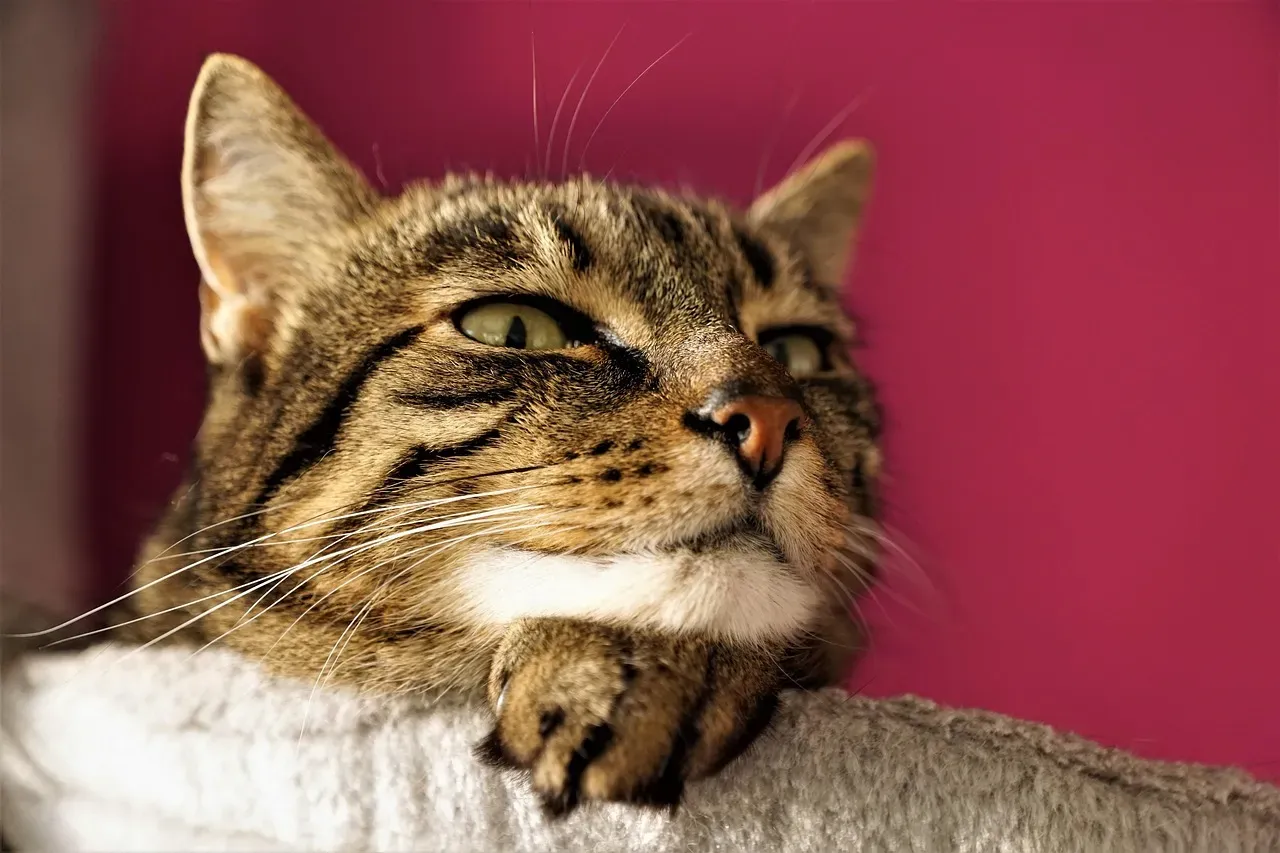
Purring is probably the most famous cat signal of all, and most people assume it always means happiness. That is mostly true, but the full picture is a little more interesting. Purring can be a sign of contentment and comfort, brought on by things they like, such as petting, verbal attention, and even nursing. Purring is also used as a form of self-soothing. This is why cats often purr when injured or in scary situations.
Like all feline communication, purring must be evaluated in context with the cat’s body language. If the cat’s ears are back, their pupils are dilated, they’re tense or hunched up, or they’re acting differently than normal, then purring may indicate that the cat is uncomfortable or unhappy. So think of purring less like a simple green light and more like a signal that needs a second look. Context is everything, especially with cats.
Kneading Is Comfort Straight from Kittenhood
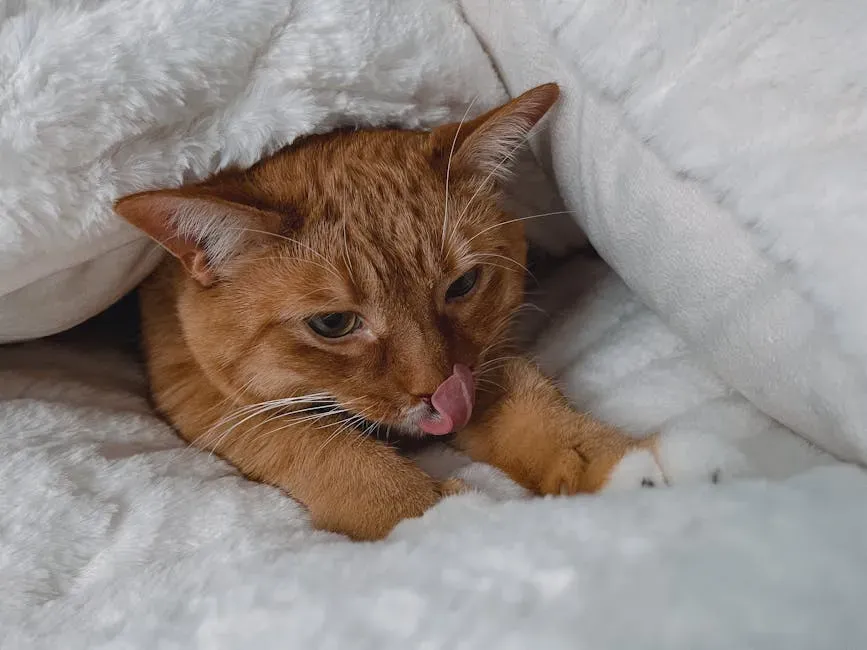
You’ve seen it. Your cat climbs onto your lap, settles in, and starts rhythmically pressing their paws into you like they’re making bread dough. It looks a little funny, but the meaning is genuinely touching. Kneading or “making biscuits” is when a cat rhythmically presses their paws into you, and it is a behavior that stems back to kittenhood. Kittens knead their mother’s belly to stimulate milk flow while nursing.
Kneading you is a sign of trust and affection, not dominance or misbehavior. It can also be a subtle form of scent marking. Cats have scent glands in their paws, and kneading allows them to mark you as part of their territory. This is not ownership in a negative sense, but rather a declaration that you are part of their safe inner circle. Let’s be real, being someone’s safe inner circle is a pretty big deal, even when it comes with tiny claw marks.
Body Posture Tells You Exactly How Safe Your Cat Feels
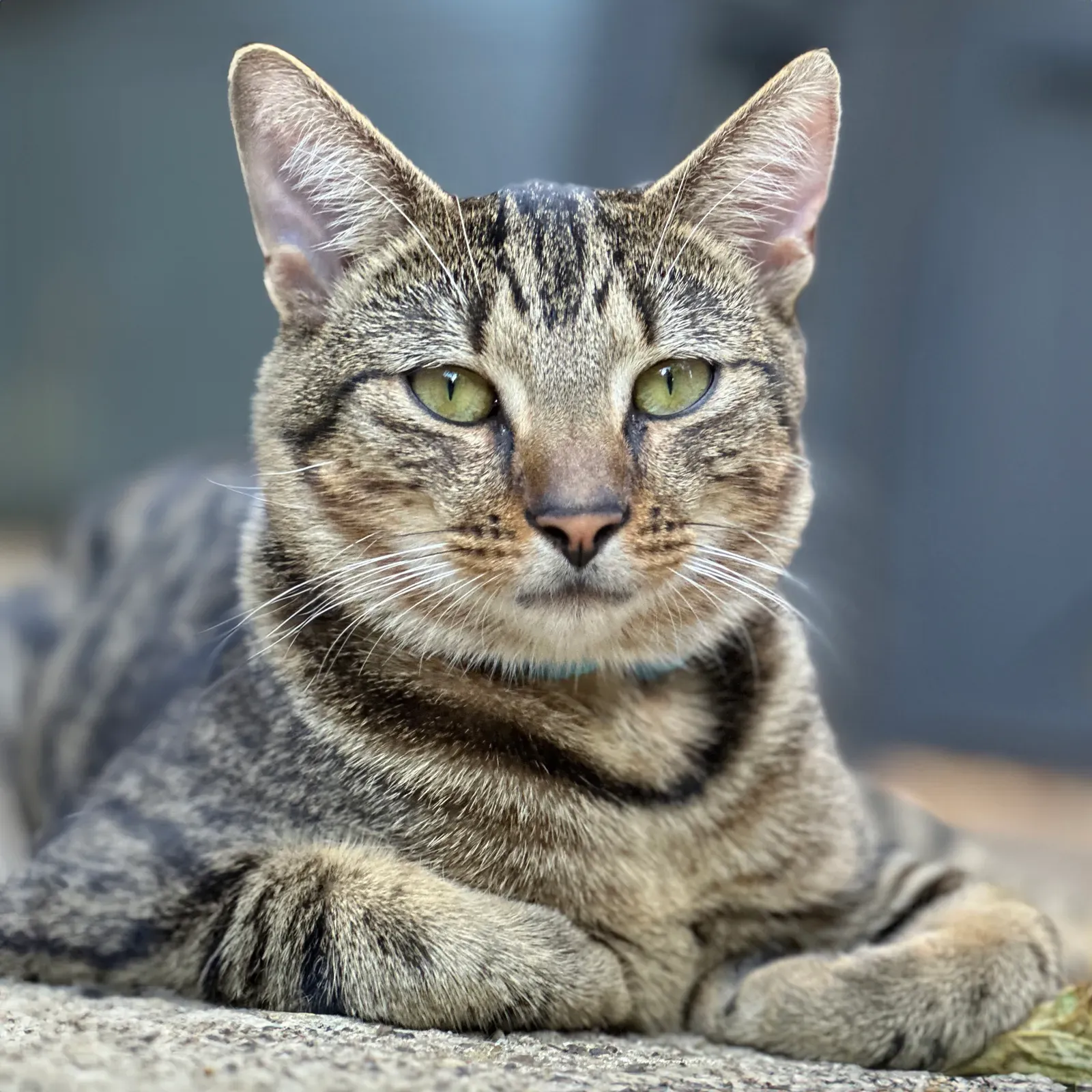
Cats who are relaxed will have loose, fluid body movements, and their breathing will be slow and steady. They might fold their feet in front of themselves, stretch their feet way out in front, or slouch over the side of a perch. A cat fully stretched out and taking up space is a cat that feels genuinely secure. It is the feline equivalent of kicking back on the couch with your shoes off.
In extreme cases of fear or aggression, cats will do the opposite, stretching up onto their toes and arching their back to make themselves appear as large as possible. Their hair might stand up on their neck, back, or tail. At high levels of fear and stress, cats will also growl, hiss, and spit. If those clear warnings are not heeded, the cat might strike or bite. There is a wide spectrum between completely relaxed and completely terrified, and your cat is always somewhere on it.
The Exposed Belly Is a Trust Signal, Not an Invitation
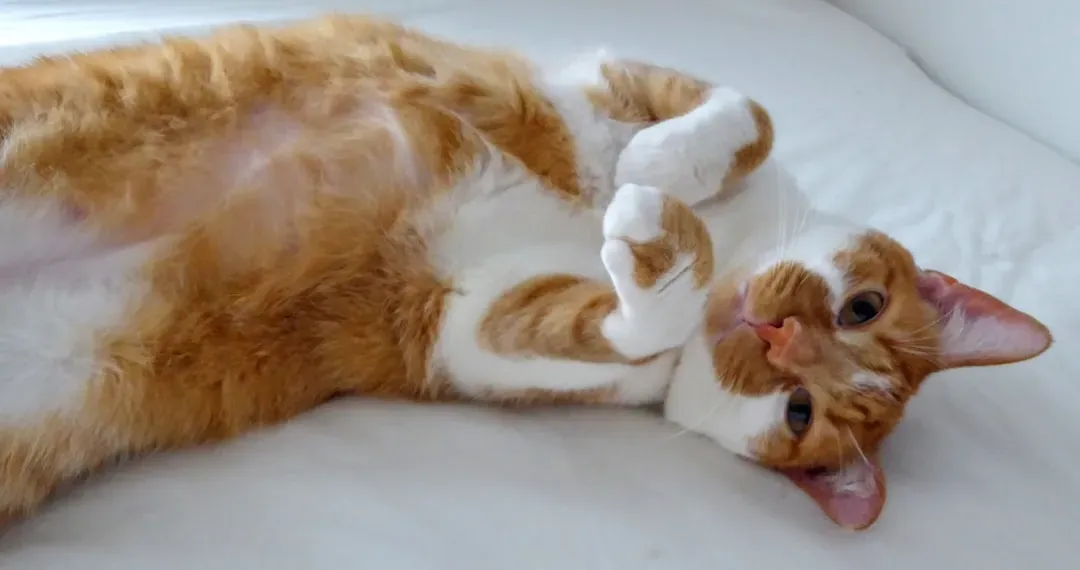
This one trips up a lot of cat owners, even experienced ones. You see that fluffy belly on display and every instinct says to rub it. Here is where things get tricky. When cats lie on their back with their bellies exposed, they are in a position of vulnerability. Therefore, this position may communicate a feeling of trust or comfort.
Many people, after they learn that a cat exposing itself feels comfortable, may see a cat with its belly up and think that it’s safe to rub or pet the cat’s belly. The exposed belly is a sign of comfort and trust, but it is not necessarily an invitation for a belly rub. Many people have touched a cat’s stomach only to have its owner instantly seize up, latching onto their hand with claws and teeth. Consider the belly display as your cat saying “I feel so safe here I’m showing you my most vulnerable spot.” Take it as the compliment it is, but keep your hand at a respectful distance.
Vocalizations Carry a Whole Range of Emotional Signals
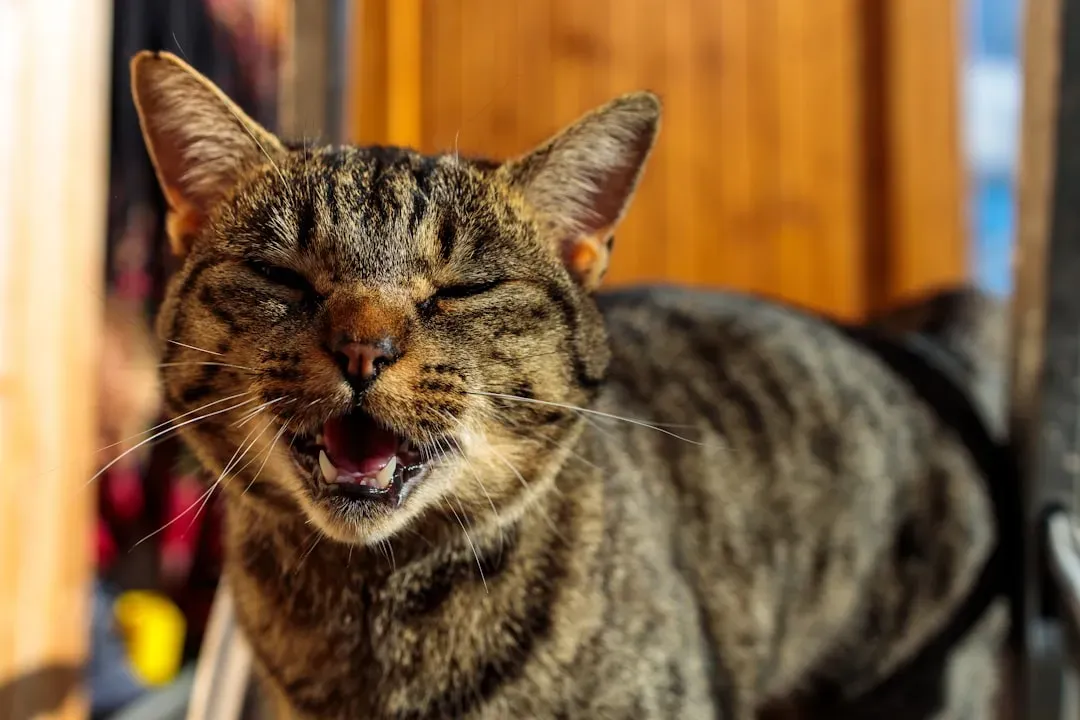
Meowing is synonymous with cats and is a distinctive and common high-pitched call. Kittens meow to attract their mothers, but in adult cats, the meow is almost exclusively used to communicate with humans. Think about that for a second. Your cat developed a vocal language specifically for talking to you. That is remarkable.
A trill is produced with a soft voice and sounds like a purr but with a higher pitch. Cats may trill to greet and thank their human family members for something, such as a snack or a pet. It is one of the most common amicable sounds a cat makes. On the other end of the scale, yowling and howling are signs that a cat is in distress. This may be physical distress from pain or illness, or emotional distress from worry, frustration, boredom, or confinement. Learning the difference between a trill and a yowl can genuinely change how you respond to your cat’s needs.
Scent and Touch Communication You Might Be Missing Completely
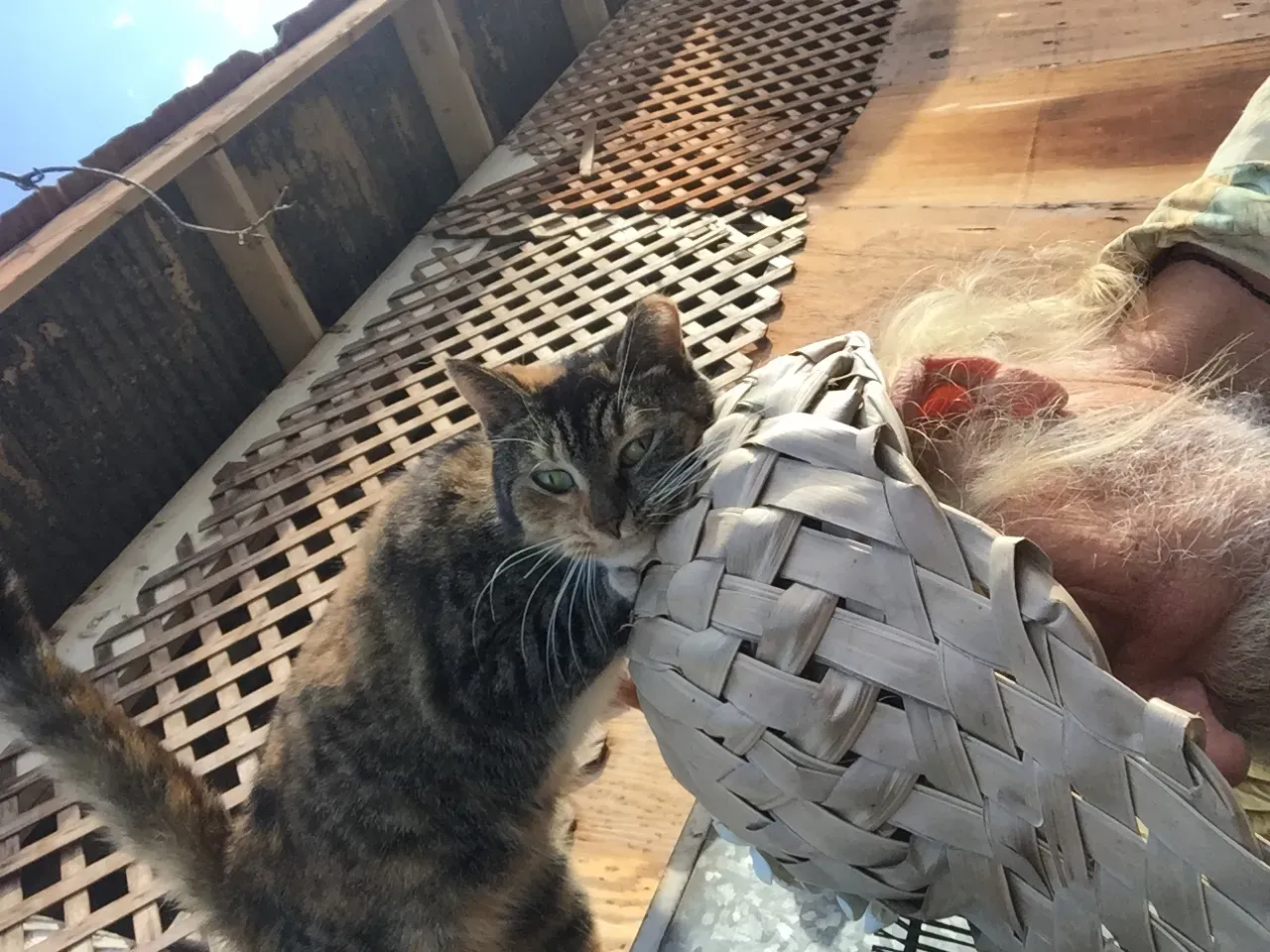
Here is something most people don’t think about much. Cats communicate heavily through scent, and a lot of that communication is aimed directly at you. When your cat bumps their head against you or rubs their cheeks on your legs, they’re engaging in a behavior called “bunting.” This affectionate gesture serves two purposes: marking you with their scent glands and demonstrating trust. By sharing their scent, they’re effectively claiming you as part of their family group.
Releasing pheromones from their scent glands helps mark territory and signal emotions such as comfort, affection, or stress. As cats rub their bodies, face, or paws against objects, they leave behind pheromones, which communicate their presence to other cats. So when your cat rubs their face along your arm or weaves between your legs, it is not random restlessness. It is your cat writing their name on you in the most loving way they know how.
Conclusion: Your Cat Has Been Talking to You All Along
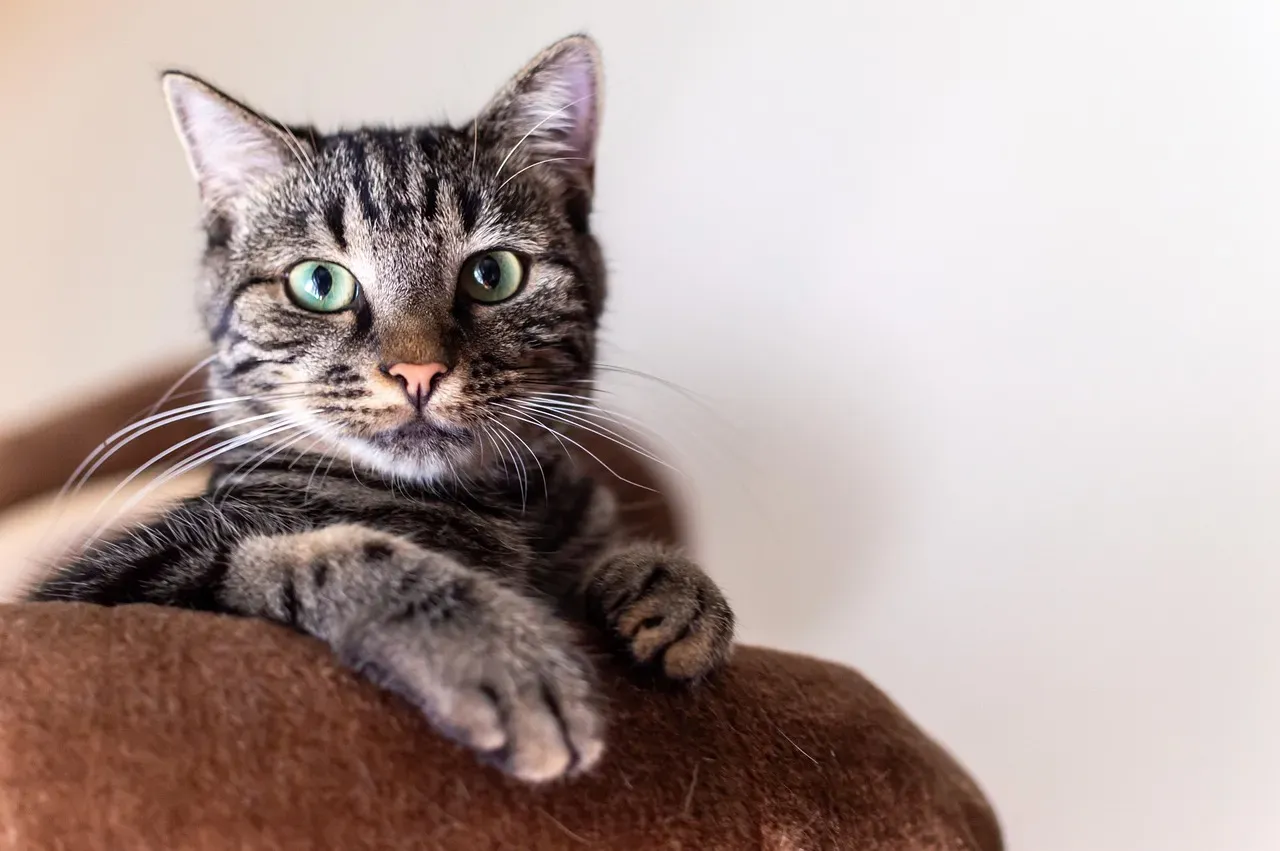
Cats have earned a reputation for being hard to read, but it’s not their fault. They just communicate differently than humans. With their posture, tails, ears, eyes, whiskers, and vocalizations, they’ll tell you whether they’re comfortable or not.
Once you start paying attention, the signals are everywhere. A slow blink across the room. A tail raised like a greeting flag. A quiet trill when you walk through the door. By paying close attention to your cat’s body language, you can do a better job of attending to their needs and have even stronger, happier relationships with them. Your cat has been fluent in this language their whole life. Now it is your turn to meet them halfway. The more you listen, the more they will have to say. What signals have you been missing from your own cat all along?
Kristina is a young writer from India. An arts graduate and an avid content creator, Kristina is passionate about animals and wildlife. She enjoys exploring topics related to pet care, animal behavior, conservation, and nature, combining thorough research with engaging storytelling.