You reach for your keys, and suddenly your cat materializes from thin air, wrapping itself around your ankles. You start packing a suitcase, and there it is – sitting right on top of your clothes, staring at you with what feels very much like accusation. If you’ve lived with a cat, you know this scene. It is somehow equal parts adorable and unsettling.
Here’s the thing: your cat is not reading your mind. But the truth of what is actually happening is, honestly, just as impressive. There is real science behind why your feline companion seems to know your every move before you’ve made it, and it connects to some genuinely fascinating biology, sensory capability, and deeply ingrained behavior. Let’s dive in.
Your Cat Has Been Studying You (More Carefully Than You Think)
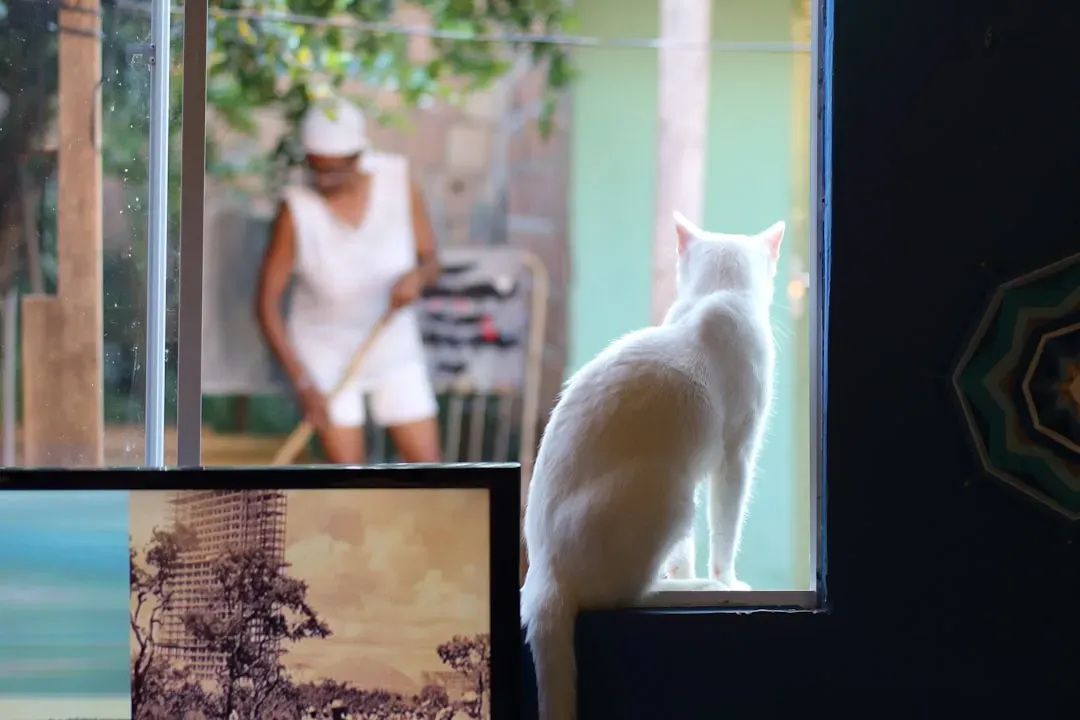
Cats are observant creatures and likely pick up that something is up far before your suitcase or travel bag even appears, because they are so deeply tuned into the rhythms of their humans’ days. Think of it like living with a tiny, fur-covered detective who has been silently cataloguing your every movement since the day you brought them home.
Cats can distinguish their owner’s face, gait, and body language, and though they don’t rely heavily on facial expressions the way humans do, they observe subtle changes in posture, tone of voice, and hand movements. That slight shift in how you carry yourself as you mentally prepare to leave the house? Your cat noticed it probably before you did.
Cats are creatures of habit, and they’re remarkably good at picking up on your routines. When you disrupt those routines, they notice. It’s not about being clairvoyant – cats learn from experience. Every morning ritual you repeat, every consistent action before you head out the door, becomes data that your cat files away and cross-references daily.
The Power of Routine: Why Your Daily Habits Are Your Cat’s Roadmap

Cats are creatures that thrive on routine, as it provides them with a sense of security and comfort. They follow the same schedule every day, from when they wake up to when they eat, play, and sleep. Your daily routine, in other words, is not just your schedule. It is their entire world map.
If you have a set schedule for leaving and returning home, your cat will undoubtedly pick up on it and adjust its behavior accordingly. Studies have shown that cats can anticipate their owner’s return based on their routine alone. For instance, if you leave for work at 8 am and return at 5 pm, your cat will expect your arrival around that time. Essentially, your cat has you on a mental schedule they never agreed to share with you.
Cats notice when their owner starts preparing for work or winding down for the night. Over time, they learn to associate these activities with certain times of the day. For example, the sound of an alarm clock might signal breakfast, while the sound of keys could indicate you’re leaving the house. That jingle of keys you barely register? To your cat, it might as well be a departure announcement.
Their Nose Knows: The Extraordinary Sense of Smell
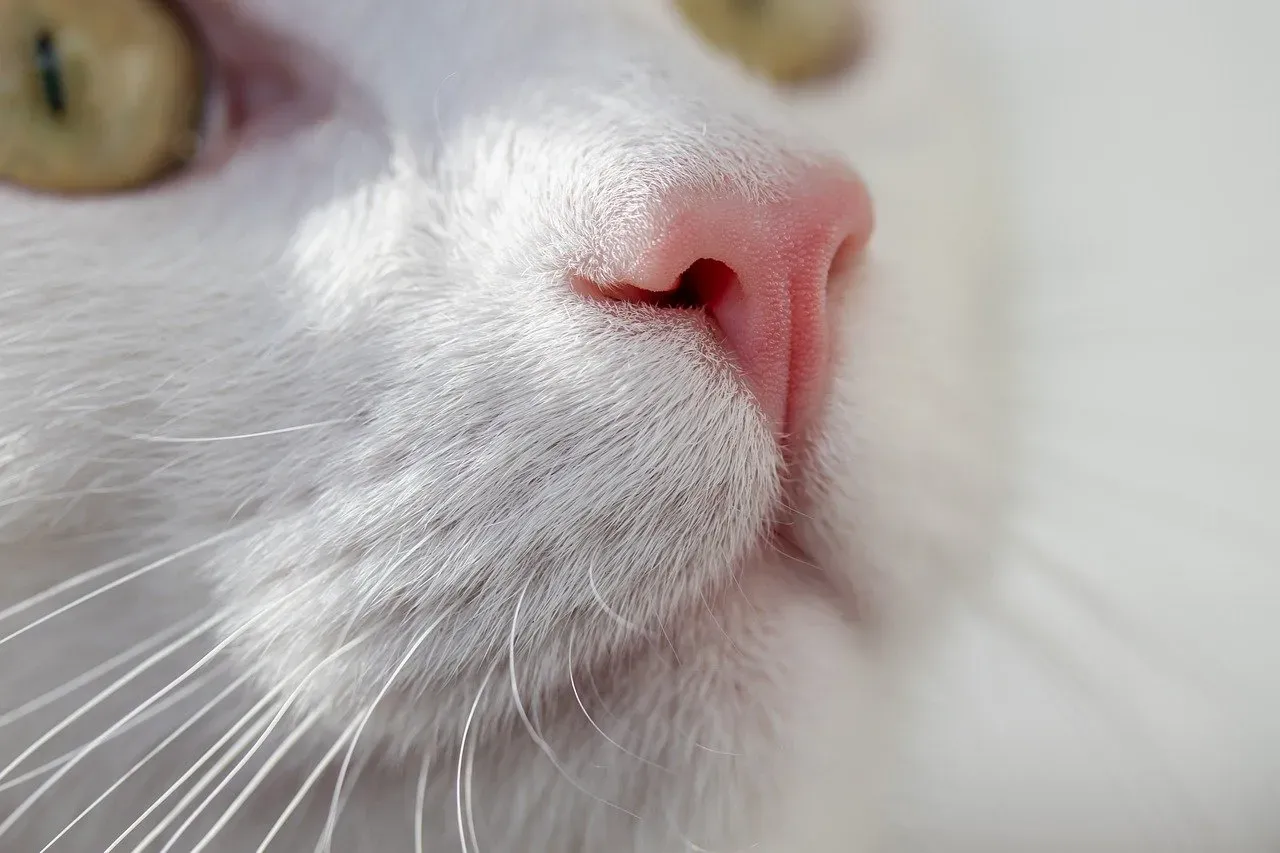
A cat’s sense of smell is much better than ours, attributed to the fact that cats are endowed with over 200 million odor receptors in their nose, allowing them to detect a wide range of human scents. To put that in perspective, humans have roughly five million. Your cat is essentially smelling a version of reality that is completely invisible to you.
Cats may possibly use chemical signals to determine what a person might be feeling, whether sad, happy, or fearful. They can use these signals to sense adrenaline and fear in humans, which allows them to tread carefully around their stressed owners or even ask for attention. When you’re rushing around anxiously before leaving for an important meeting, your body’s chemistry is literally broadcasting that energy – and your cat is picking up the signal.
Felines may be able to “smell” fear by picking up on changes in your body’s scent based on hormonal shifts and a spike in adrenaline and cortisol. So your pre-departure stress – that low hum of “did I pack everything, where are my keys” energy – may be something your cat can actually smell. That is not intuition. That is biology, working at a level we can barely comprehend.
The Internal Clock: Your Cat’s Built-In Timer
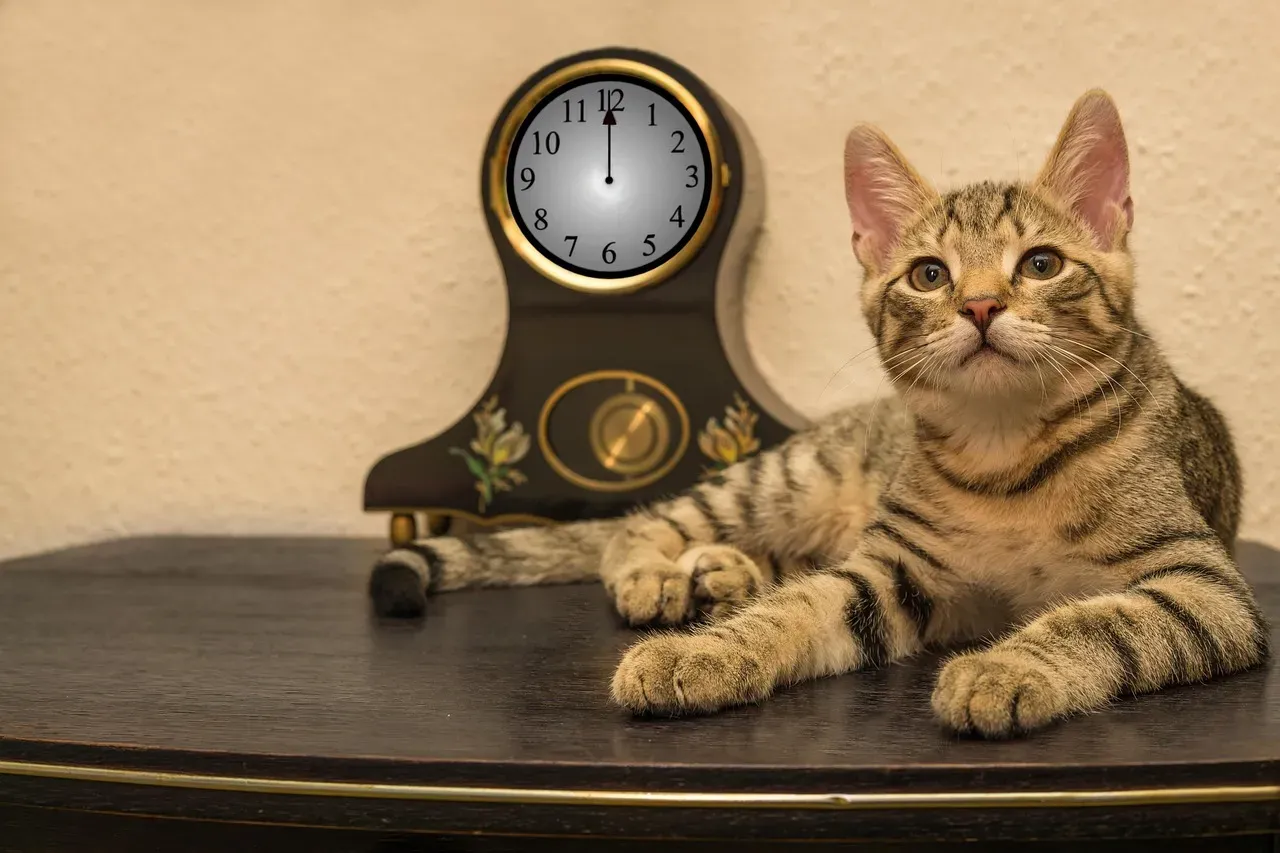
Cats have an internal clock, or circadian rhythm. Like a human, a cat’s circadian rhythm is always ticking inside their body, prompting them to get up and go to sleep at regular times. What makes this especially fascinating is how precisely this biological clock can be calibrated to the rhythms of your household.
Based on your daily routine, cats can tell what time you leave for work for the day and also have an idea of when you will return. It sounds almost too neat to be true, but the evidence for it is compelling. Felines will often wake their owners at the same time every day, accurate to the minute, which reinforces the concept that cats can sense time passing and can learn when to expect certain things on a daily basis.
Cats are highly perceptive creatures, so their routines develop around their humans’ schedule. If a cat observes her human engaging in certain activities at specific times of the day, she will associate those actions with the passing of time. A cat will learn that their human leaves for work in the morning and returns in the evening, and this human influence further reinforces cats’ understanding of time. It’s a bit like having a roommate who has memorized your entire daily schedule but refuses to admit it.
Emotional Radar: Cats Can Read Your Mood
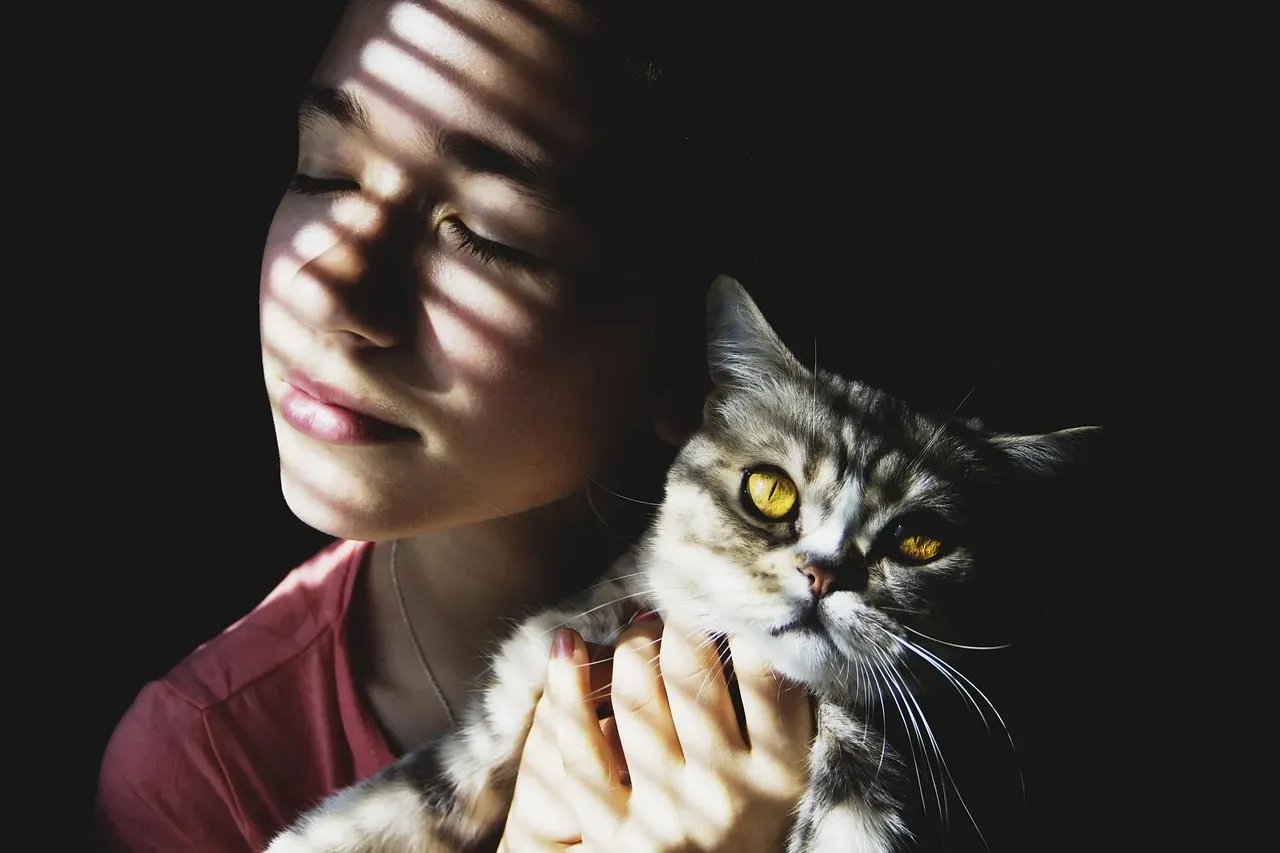
Some cats seem to know when their owners are feeling low, displaying uncanny intuition when their human companions are distressed, whether it’s due to anxiety, sadness, or fear. A few small studies suggest that cats can discern their human’s emotional state. This is not just a warm feeling cat owners tell themselves – researchers are beginning to confirm it with data.
Studies have shown that when you are fearful or agitated, your cat may respond with aggression on their part, indicating that they are capable of distinguishing this state of mind from a normal disposition. So if your cat becomes suddenly clingy or unusually alert as you prepare to leave, it may genuinely be reacting to the emotional shift in your demeanor. Cats may exhibit specific behaviors such as increased clinginess or hiding as indicators that they sense their owners’ impending departure, and feline responses can range from apparent indifference to overt signs of stress, suggesting a complex emotional understanding.
Sound Cues and Environmental Signals Your Cat Has Memorized
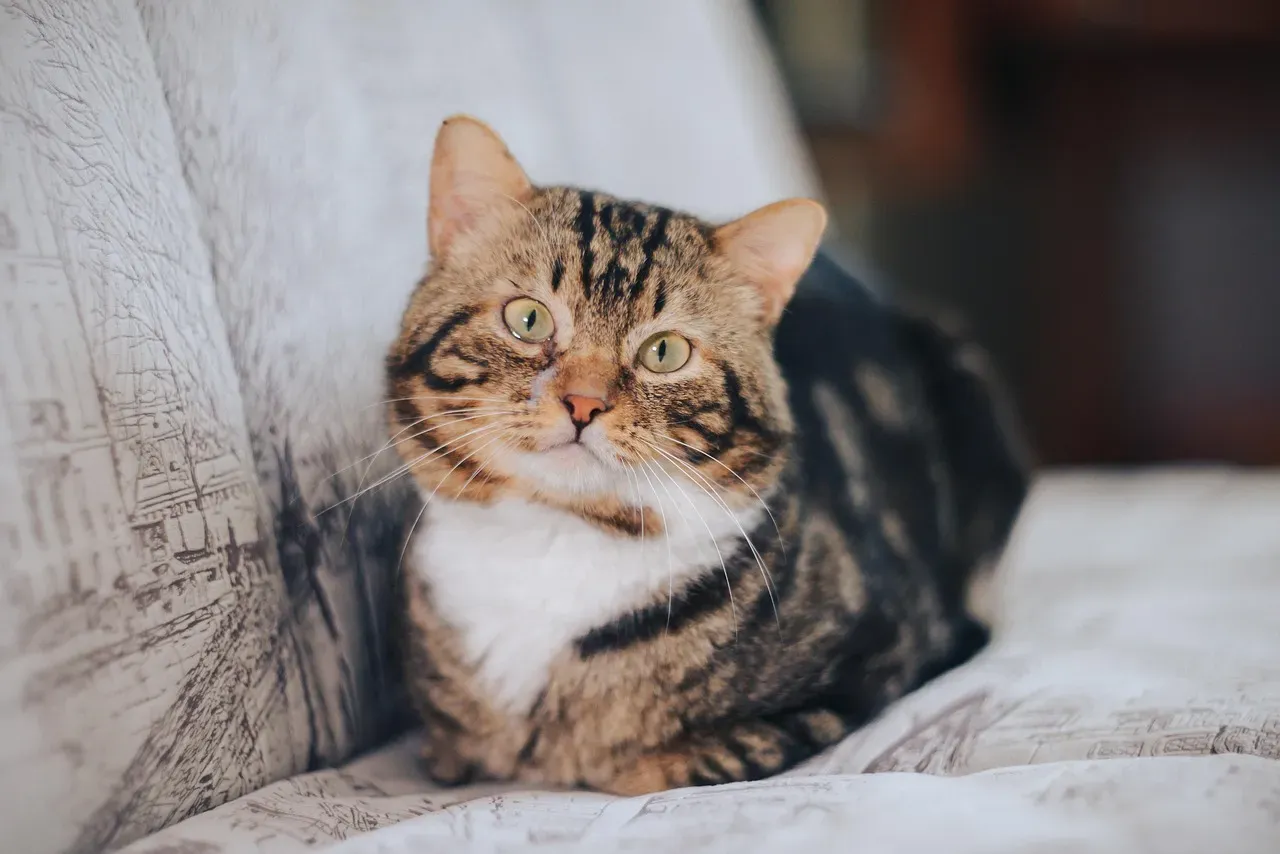
Cats draw upon environmental cues like the sound of the car in the driveway or kids walking home from school as a signal to wait by the window for their owner’s return. Honestly, the depth of detail cats absorb from sound alone is something most people completely underestimate. Your cat has essentially built a sonic map of your day.
Other sounds may help your cat to anticipate your movements. Cats do not count in a traditional sense, but they can memorize patterns of sound. If a bell or clock chimes and you return soon after, a cat will anticipate your arrival. Pair that with the fact that cats are able to use vocal cues alone to distinguish between humans, and you start to realize your cat is running a genuinely sophisticated sensory operation every waking moment.
Apart from their internal clocks and routines, cats also rely on environmental cues to gauge the time. Changes in lighting, temperature, and sounds can provide cats with hints about the time of day. For example, the sound of birds chirping in the morning might signal to a cat that it’s time to wake up. These external factors serve as indicators that help cats align their internal clocks with the external world. Your morning alarm, your shower sounds, the specific creak of a certain drawer – all of it is woven into your cat’s awareness.
What Cats Actually Feel When You Leave
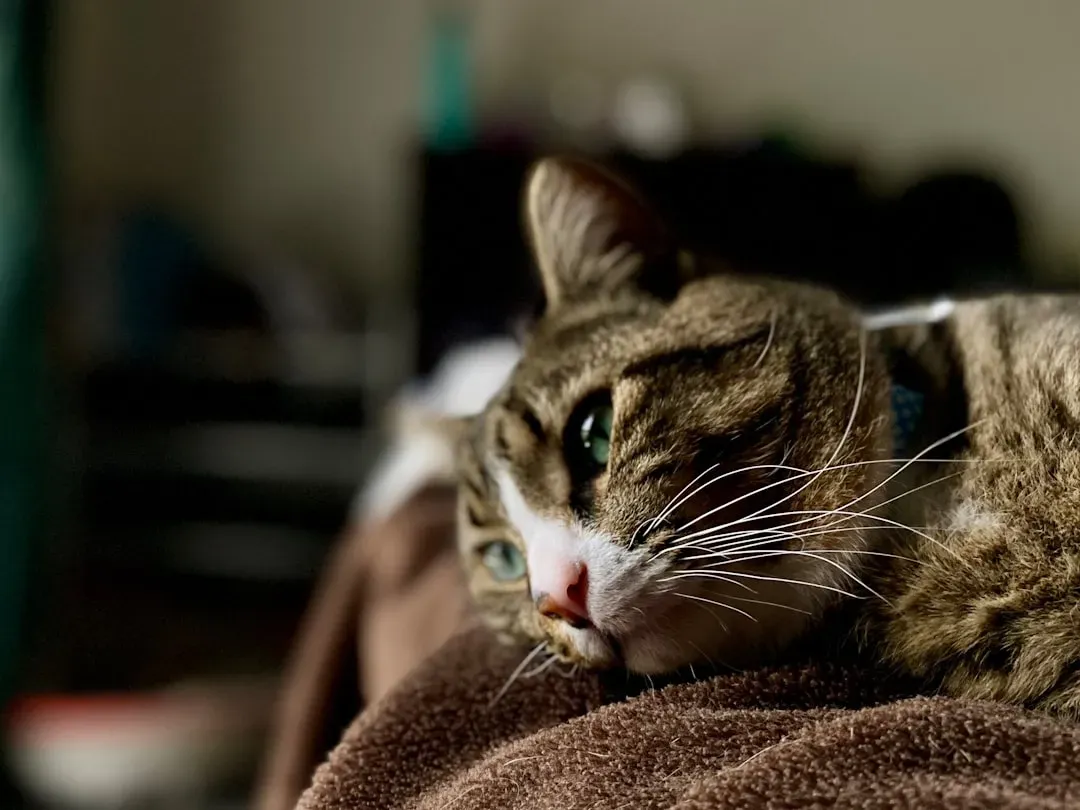
When cats miss their owners, they can indeed experience feelings akin to sadness or depression. They might show signs such as decreased appetite, increased sleep, or changes in behavior. It’s hard not to feel a pang of guilt knowing that. The idea of a cat quietly moping around an empty apartment is a surprisingly emotional image, especially for anyone who has ever assumed cats “don’t really care.”
In one experiment published in Current Biology, researchers found that cats showed signs of distress when separated from their owners and displayed relaxed, affectionate behavior when reunited, hallmarks of a secure bond. Moreover, brain scans have demonstrated that cats exhibit positive neurological responses when exposed to their owner’s scent, indicating emotional recognition and comfort. Your smell, specifically, is a source of calm for your cat. That is genuinely touching.
When guardians returned, cats were more likely to purr and stretch after a four-hour separation than after a short period of separation, which suggests that the longer you’re gone, the more meaningful your return actually is to them. They may play it cool, but the purring tells the real story.
How to Help Your Cat Cope When You Head Out the Door
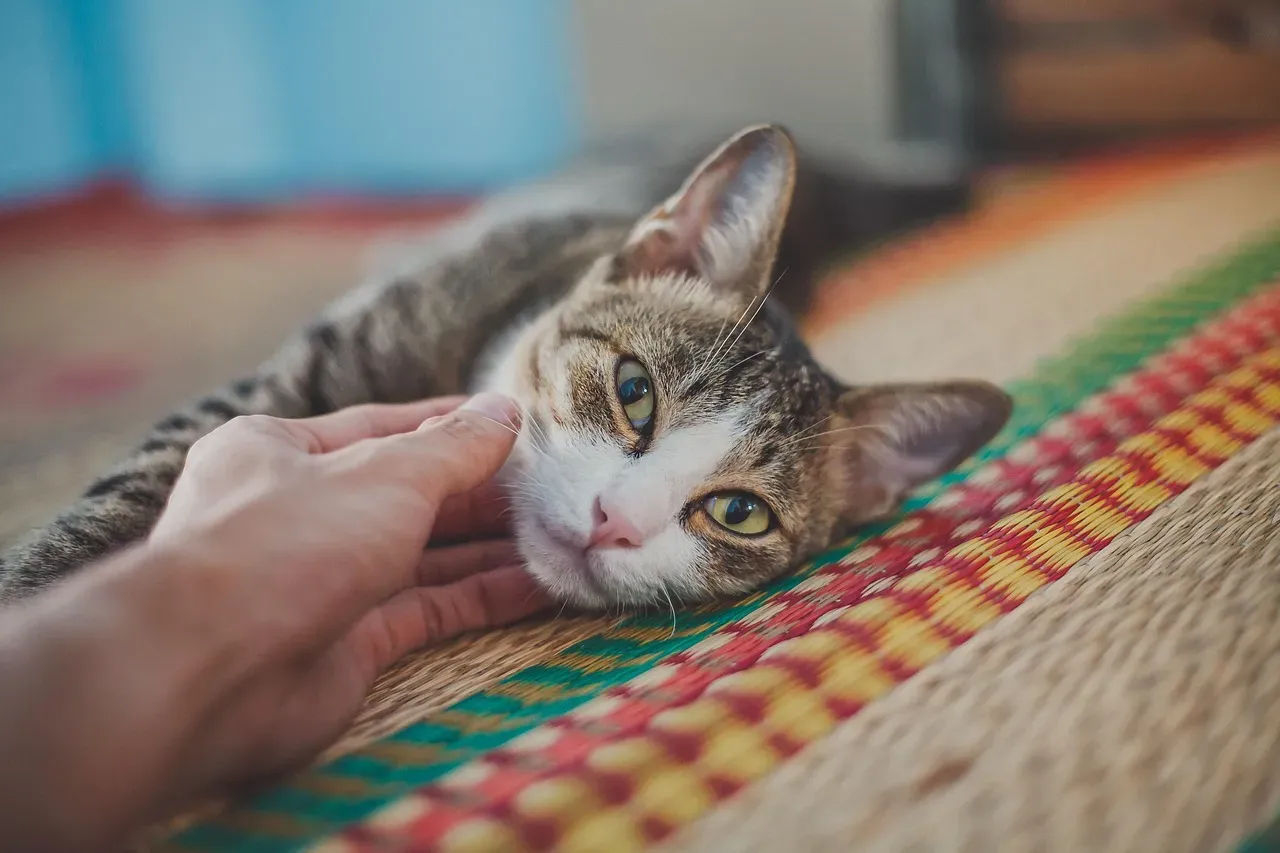
Cats have a keen sense of smell, and leaving an item of clothing or bedding with your scent on it can help comfort your cat while you are away. This also helps them recognize when you are expected to return, as they will be able to smell your scent on the item. It’s like leaving them a little piece of you to keep them company. I think this is one of the simplest and most effective things any cat owner can do, and almost nobody does it deliberately.
Before leaving for the day, spending some quality playtime with your cat can help ease any anxiety they may have about being alone and establishes a routine they can come to expect. Playtime can also help burn off any excess energy that could lead to destructive behavior while you’re away. Think of it as a proper goodbye ritual – one that actually means something to them.
Cats thrive on routine, so try to keep feeding times, play sessions, and other daily activities as consistent as possible. A regular schedule can provide a sense of security and predictability for your cat. The more predictable your comings and goings, the more settled and secure your cat will feel. Routine, it turns out, is not just good for cats – it is a form of care.
Conclusion
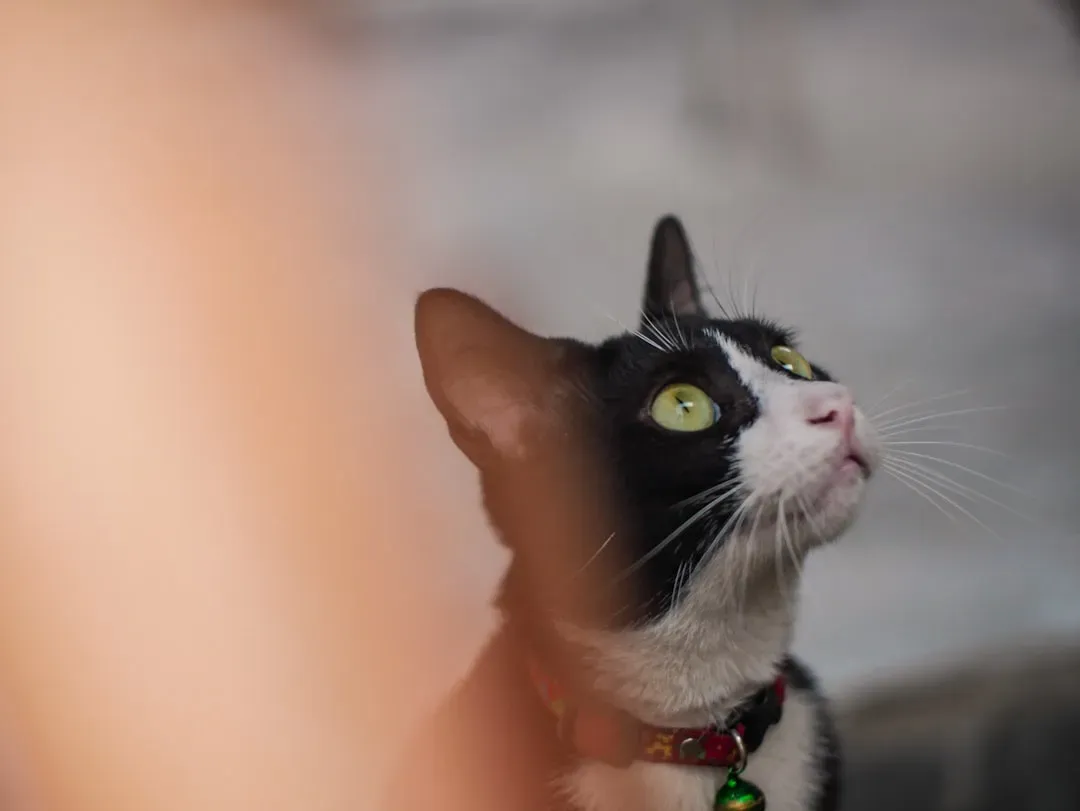
So the next time your cat appears the moment you pick up your bag, don’t chalk it up to magic or coincidence. What you’re witnessing is the product of millions of years of feline evolution, a brain finely tuned to detect scent, sound, body language, and routine, all wrapped up in a creature that has memorized you more completely than most people ever will. Your cat doesn’t need to read your calendar. They’ve been reading you.
It’s a fascinating reminder that intelligence and awareness don’t always look the way we expect them to. Your cat may never say a word about your departure, but everything in their body tells you they knew it was coming. The real question worth sitting with: does knowing all of this change the way you say goodbye in the morning? Share your thoughts below – we’d love to hear how your cat reacts when you head out the door.
Kristina is a young writer from India. An arts graduate and an avid content creator, Kristina is passionate about animals and wildlife. She enjoys exploring topics related to pet care, animal behavior, conservation, and nature, combining thorough research with engaging storytelling.