You’re sitting quietly across the room from your cat. Nothing unusual is happening. Then, for just a moment, your cat locks eyes with you and does something oddly deliberate – slowly, softly closes their eyes, pauses, and opens them again. It feels intentional. It feels meaningful. Honestly, it almost feels like a secret.
Most people brush it off as tiredness or some random feline quirk. However, what if that sleepy-looking blink was actually your cat doing something profoundly communicative? Something that science has now confirmed as genuine, emotionally loaded language between two very different species?
The answer is as surprising as it is heartwarming. Let’s dive in.
The Slow Blink Is Your Cat’s Way of Saying “I Love You”
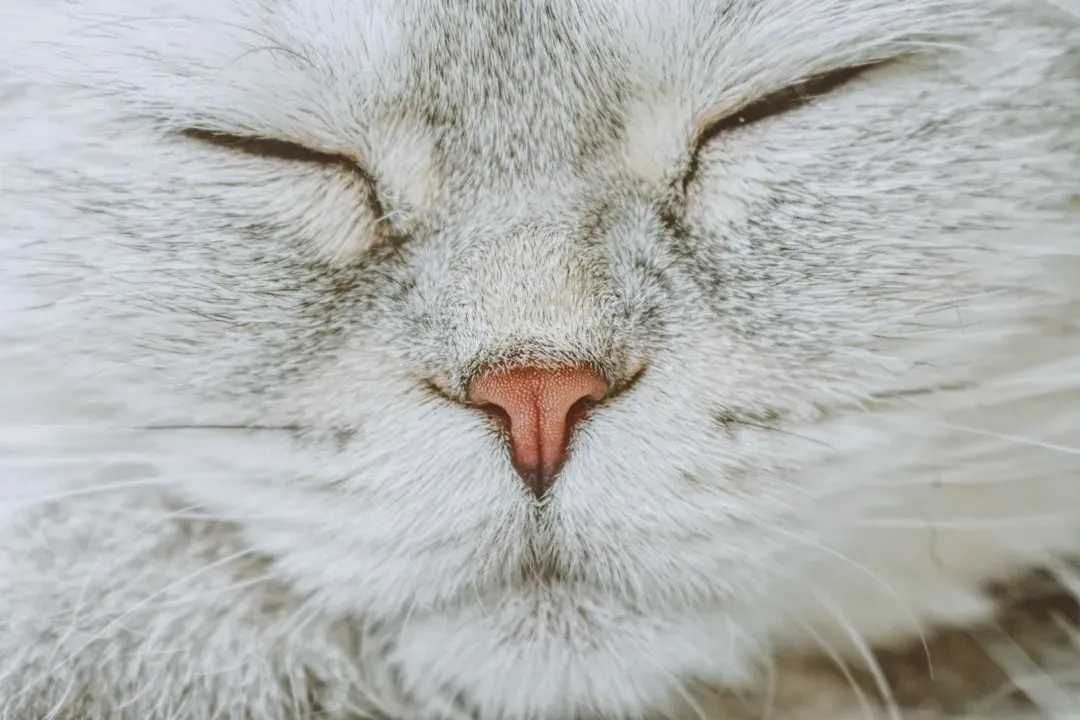
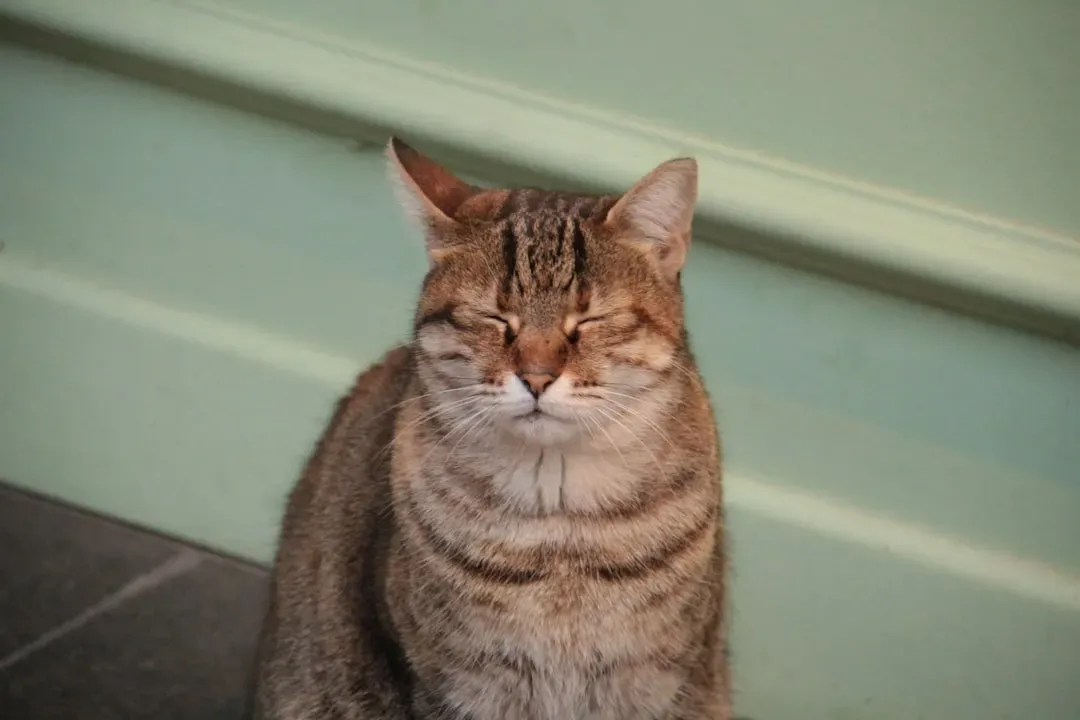
There’s a reason cat lovers have always felt something special when their pet gazes at them with those half-closed eyes. Those squinty eyes, known as the cat slow blink, mean your cat feels safe, happy, and comfy. Think of it less like a blink and more like a smile – just translated into feline.
Sometimes called “the butterfly kiss” of the cat world, a slow blink is that magical moment when your cat closes their eyes, holds still for a second, and then opens them again. It’s subtle. You could easily miss it. However, once you know what you’re looking for, you’ll start noticing it everywhere.
In a nutshell, your cat’s slow blink is a sign that they trust you and feel comfortable around you. For an animal wired for self-preservation, that kind of voluntary vulnerability is genuinely a big deal. Bigger than most people realize.
The Science Behind the Slow Blink: What Researchers Discovered
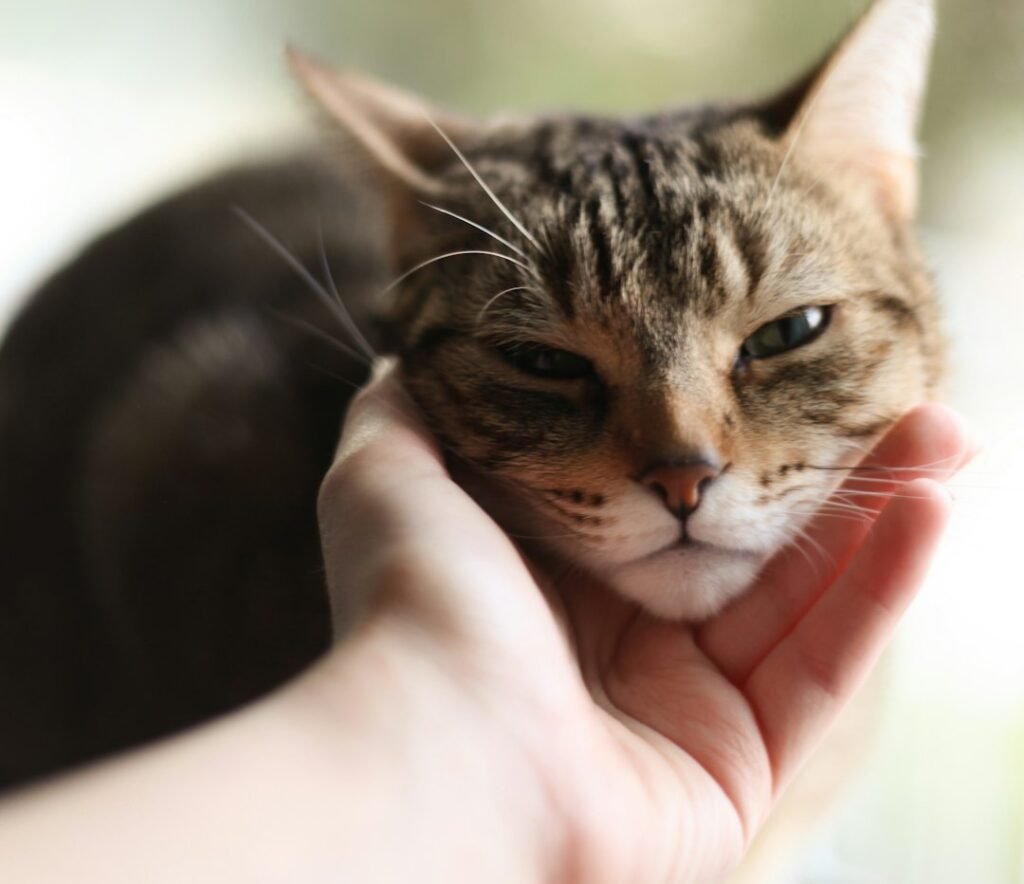
In 2020, psychologists at the University of Sussex conducted the first scientific study on the meaning of the cat slow blink. Led by Dr. Tasmin Humphrey and Professor Karen McComb, the research published in Scientific Reports proved something cat owners had long suspected: slow blinking is genuine cat communication. Not just a cute myth. Actual science.
The first experiment involved 21 cats living in 14 different homes. Owners were asked to slow blink from about three feet away while cameras captured how their cats responded. The reactions were striking: cats consistently returned the slow blink, mirroring it as a sign of acceptance. This suggests that cats see the gesture as a truly positive social cue, one that strengthens their bond with their humans.
A second experiment expanded the findings with 24 cats who had never met the researchers before. This time, experimenters slow blinked while stretching out a hand. Surprisingly, cats not only blinked back – they approached more readily afterward. This showed that the slow blink is effective even with unfamiliar humans, making it a universal, reliable tool for building trust.
Why Closing Their Eyes Is Such a Vulnerable Act for a Cat
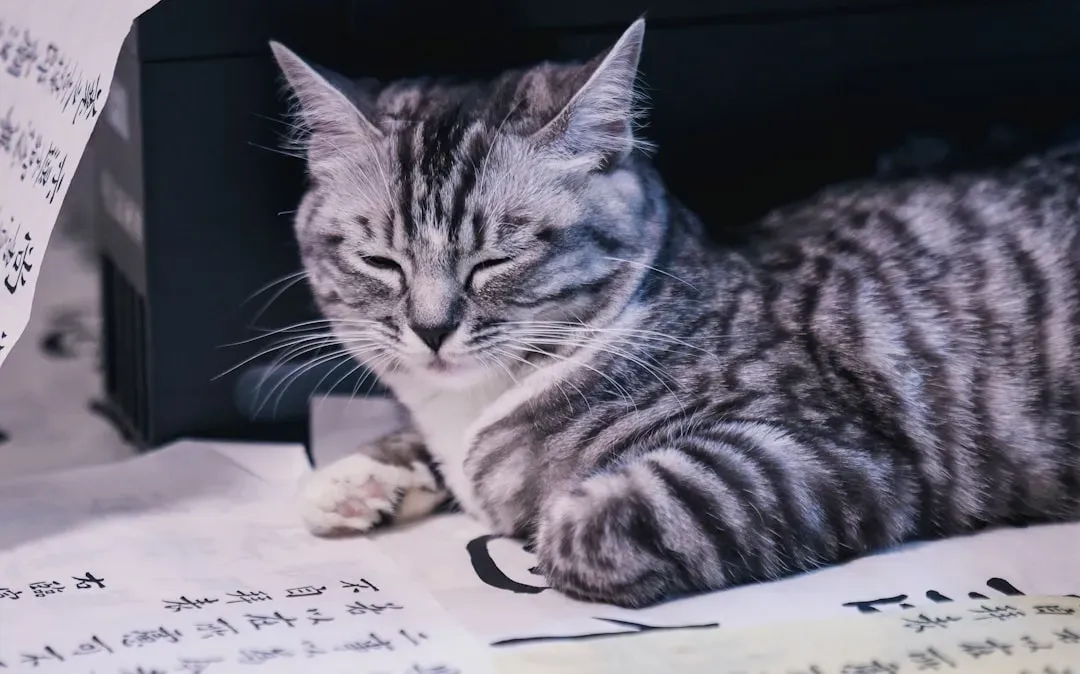
Here’s the thing – you have to understand what it means for a predator to close their eyes voluntarily. In the wild, cats are both predators and prey. Anytime their eyes are closed, they cannot spot potential threats nearby. They’re at risk. Vulnerable. When you’re present and your cat makes themselves vulnerable by closing their eyes – even for a half-second – you have officially made it inside your pet’s circle of trust.
When a cat slow blinks at you, they are often expressing a sense of trust, contentment, and affection. In the feline world, closing their eyes in the presence of another creature makes them vulnerable, as they are unable to detect potential threats. So when your cat does this in front of you, it’s essentially their way of saying, “I’m not worried about you at all.”
How the Slow Blink Compares to a Human Smile
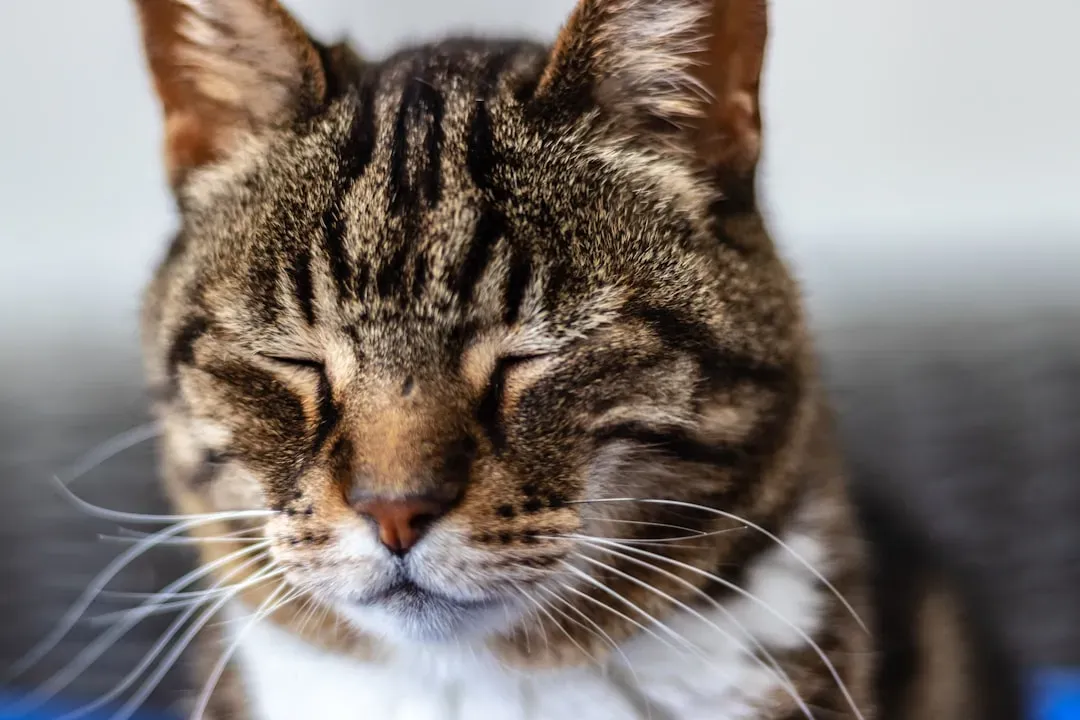
The slow blink is similar to how human eyes narrow when smiling, and it usually occurs when a cat is relaxed and content. It’s honestly a beautiful parallel. We scrunch our eyes when we smile genuinely – think of that warm, crinkle-eyed grin from someone you love – and cats do the same thing, just on their own terms.
Researchers noted that cat slow blinks share similarities with the Duchenne smile in humans – the genuine smile that reaches the eyes. That’s the kind of smile you can’t fake. Your cat, it turns out, isn’t faking it either. What you’re seeing is as real as emotions get in the animal world.
How Cats Use the Slow Blink With Each Other Too
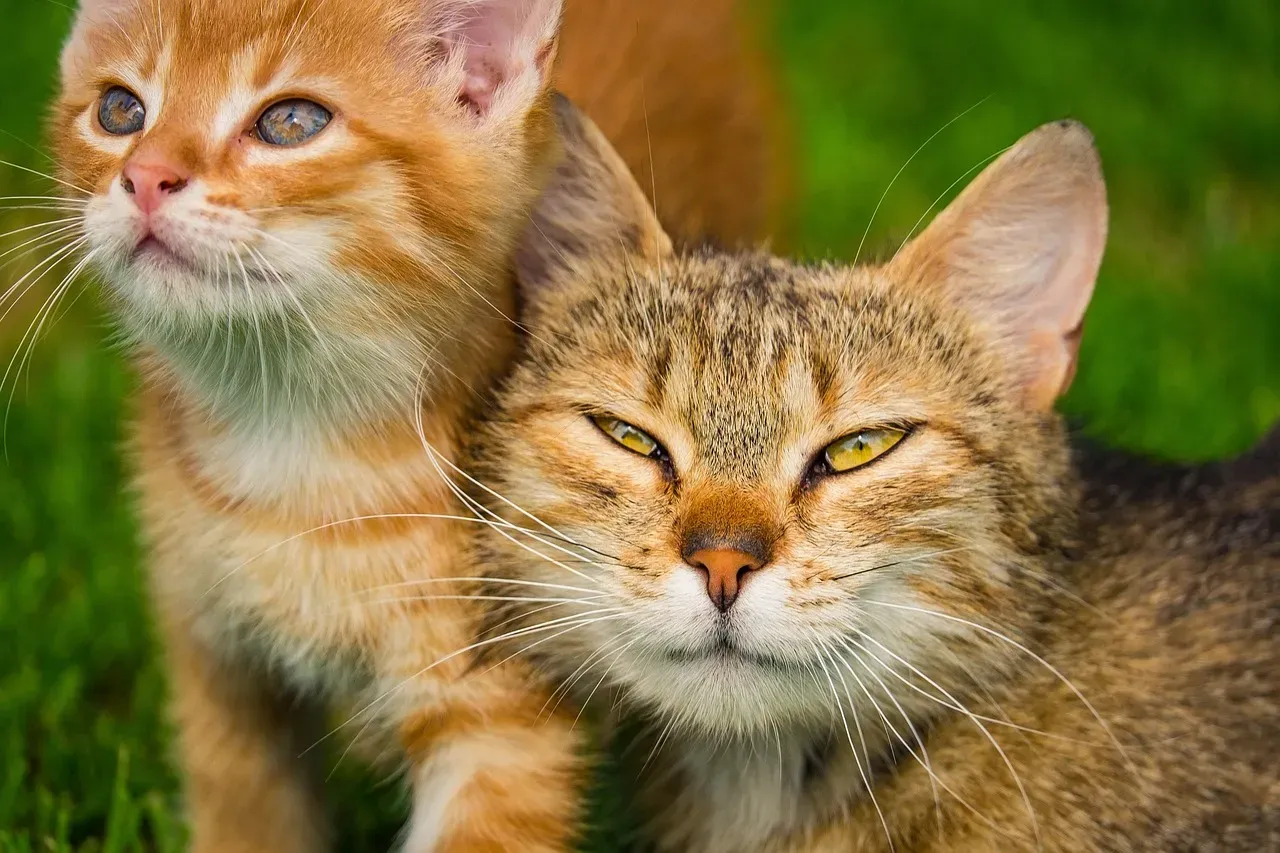
It’s not just for you. If two cats that aren’t familiar with each other meet, they can slowly blink at each other to signal they do not pose a threat and can be trusted. It’s a way cat friendships are forged. Think of it as a handshake, except far more elegant and way less awkward.
It’s common to see cats slow blink at one another. When you see one cat slow blinking at another cat, it means they are communicating that they are friendly and not threatening to the other cat. On the other hand, a hard stare between cats is usually perceived as a threat or a challenge. So if your two cats are exchanging slow blinks on the couch, that’s actually a sign of a really healthy relationship between them.
How to Slow Blink Back at Your Cat the Right Way
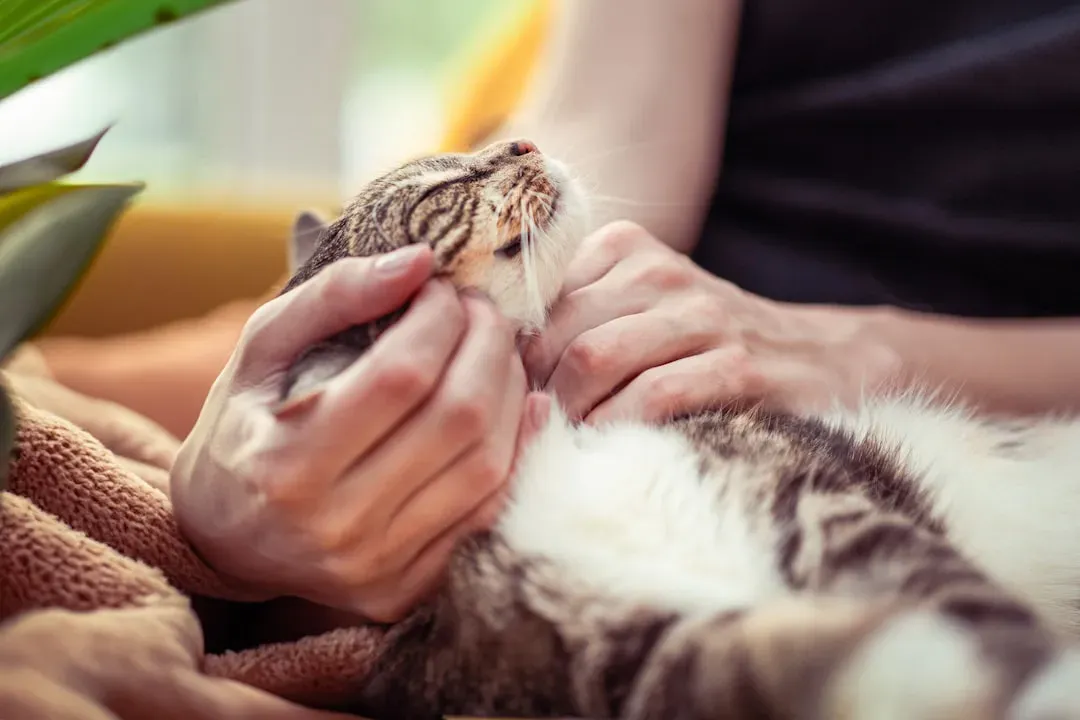
Here’s the fun part – you can actually speak your cat’s language. Look at your cat steadily, close your eyes slowly, keep them shut for a moment, and then open them. Your cat will understand you perfectly. It feels a little silly the first time. Do it anyway. I promise it’s worth it.
Try mirroring your cat’s slow blink by gently closing and opening your eyes in a relaxed manner. This can help to reinforce your bond and create a sense of mutual trust and affection. Use a gentle, soothing tone when talking to your cat as they slow blink. This can help to create a calming atmosphere and further reinforce the positive emotions associated with the slow blink. Pair it with a soft voice, and you’re basically having a full conversation.
When a Slow Blink Might Actually Be a Health Warning
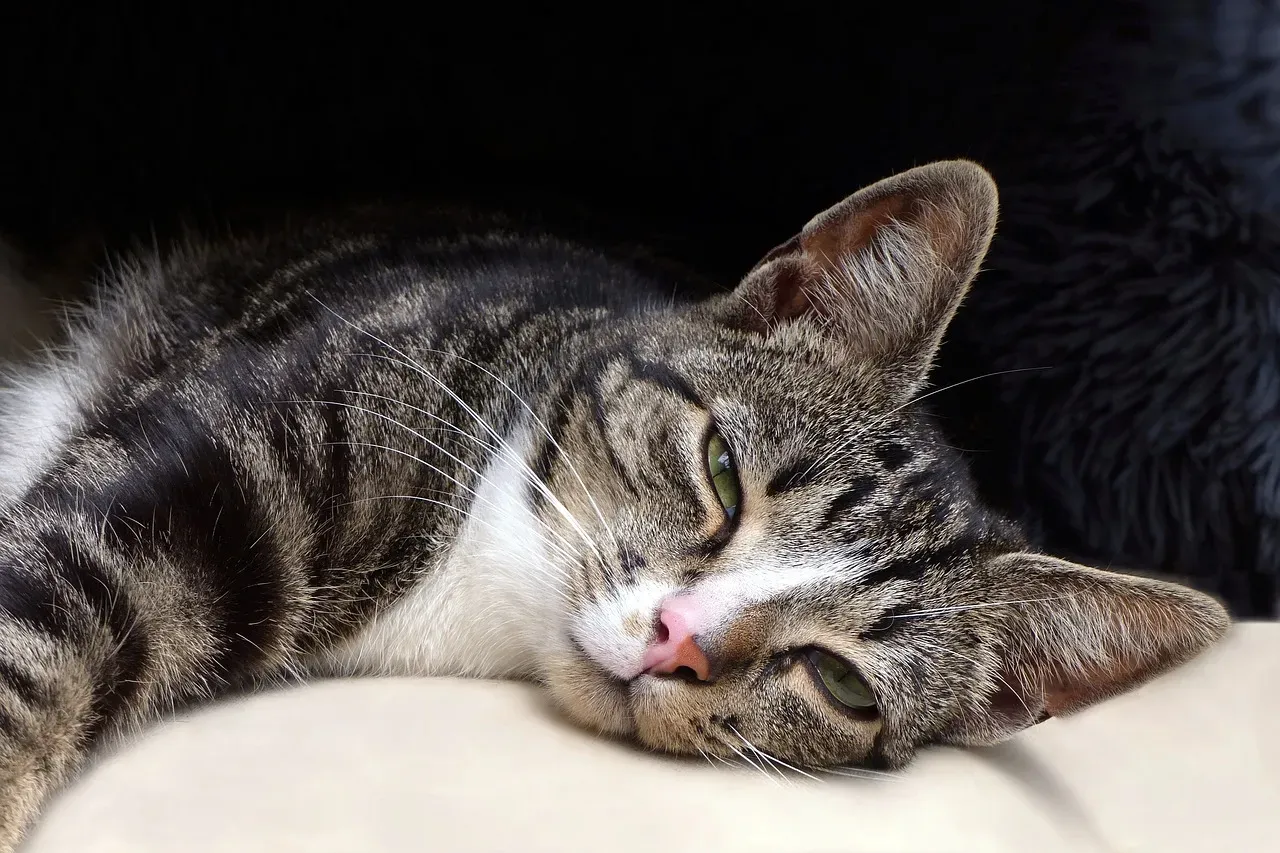
Now, let’s be real about something important. Not every half-closed eye is a love letter. A cat’s slow blinking doesn’t always communicate trust or affection. That’s because what looks like a slow blink is sometimes actually a squint, which generally means your pet is experiencing pain, discomfort, or injury. Knowing the difference could be genuinely important for your cat’s wellbeing.
Rapid blinking can indicate stress or irritation, particularly if accompanied by flattened ears or a twitching tail. Half-closed eyes due to illness or fatigue lack the rhythmic, deliberate quality of a true slow blink. The genuine version is calm, repeated, and often paired with other signs of friendliness like purring or head-butting. If something looks off, it’s always worth a check-in with your vet.
What Slow Blinking Tells Us About Cat Intelligence and Social Awareness
Research highlights something deeper: cats are far more socially aware than many people assume. Tasmin Humphrey, a psychologist involved in the study, noted that understanding positive human-cat interactions can improve public perceptions of cats and enhance their overall well-being. Interpreting their nonverbal cues gives us insight into the social intelligence of cats, an area still full of unanswered questions and exciting possibilities.
Your cat’s slow blinks are similar to why they meow – it’s a form of communication they’ve evolved specifically to better relate to and interact with us humans. That’s extraordinary when you think about it. Your cat didn’t just adapt to living with you. They developed a whole new emotional vocabulary designed specifically for interacting with you.
Not Every Cat Slow Blinks – and That’s Completely Fine
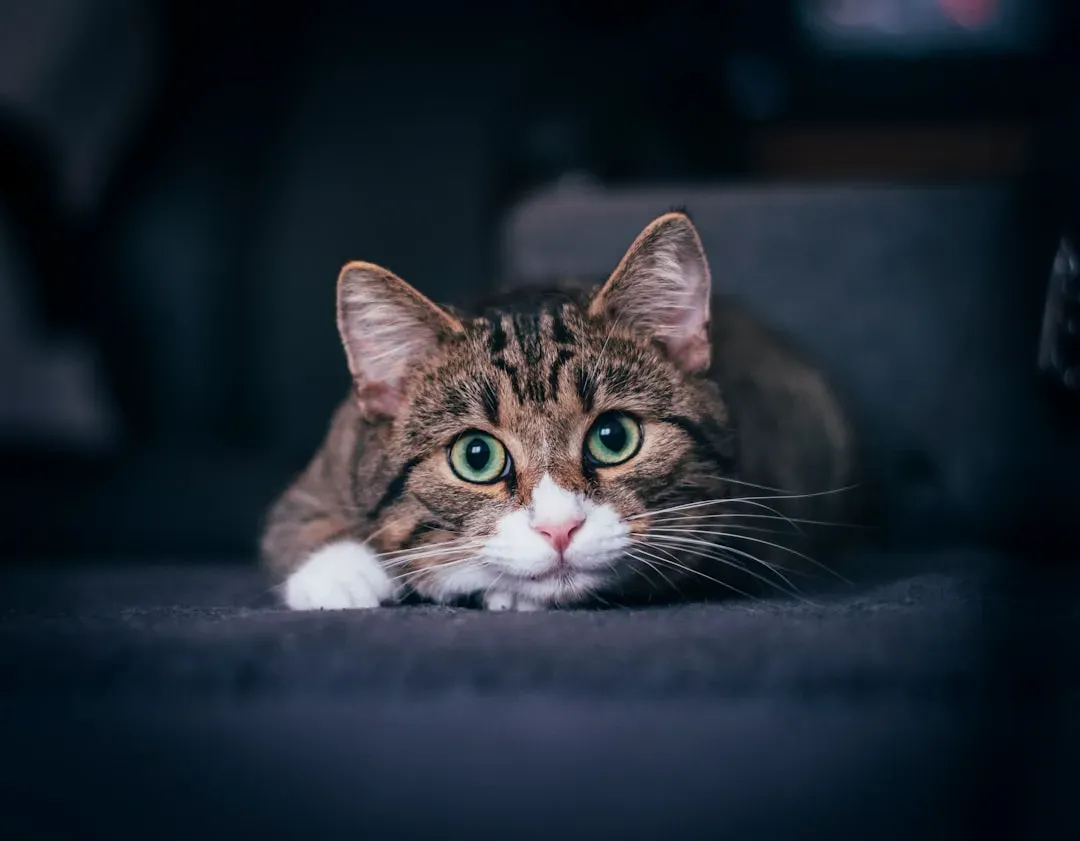
Not all cats slow blink. If your cat doesn’t slow blink at you, there’s nothing to worry about. It doesn’t mean they’re uncomfortable around you or don’t trust you. Cats show affection in lots of different ways. Perhaps your cat prefers rubbing against you, chirping, head-butting, or simply choosing to be near you. Every cat has their own love language.
Cats who are more nervous around people tend to take longer to slow blink back at them. Cats are famously undemonstrative, affection-wise – but they do have their ways of showing they care. So instead of a slow blink, they might gift you socks, purr on your lap, snuggle against you at night, or cry endlessly when you’re behind a locked bathroom door. All of it counts. All of it means the same thing.
Conclusion: A Blink Worth a Thousand Words
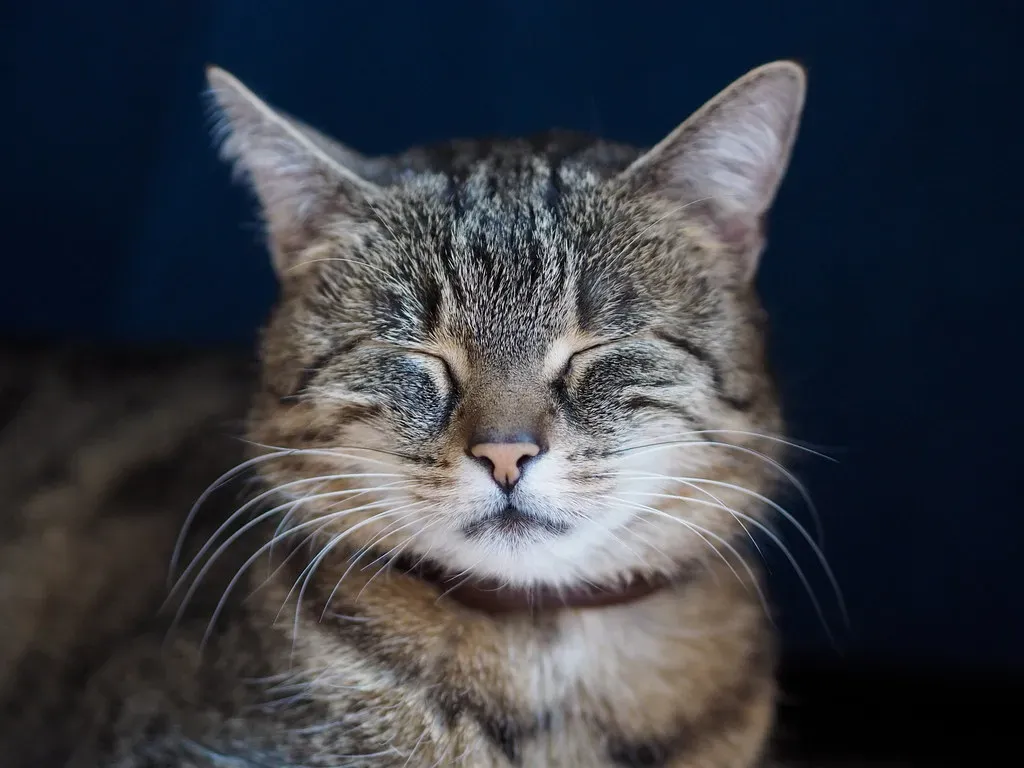
There’s something genuinely moving about the idea that one of the most emotionally significant things your cat can do for you takes less than a second. No grand gesture. No dramatic display. Just a quiet, deliberate closing of the eyes that says, in the clearest possible feline terms: I trust you. I feel safe. You are my person.
Science has confirmed what so many cat lovers already felt in their bones. Slow blinking is a simple yet powerful way to connect with your cat on a deeper, more emotional level. Whether your cat is a slow blinker or shows affection in other ways, being present, observant, and responsive goes a long way.
So the next time your cat catches your eye from across the room and gives you that long, lazy, half-lidded gaze – blink back. Slowly. Softly. You might just be having the most meaningful conversation of your day. Did you ever imagine that learning to “speak cat” would be this simple?
Kristina is a young writer from India. An arts graduate and an avid content creator, Kristina is passionate about animals and wildlife. She enjoys exploring topics related to pet care, animal behavior, conservation, and nature, combining thorough research with engaging storytelling.