You crawl into bed at night, pull up the covers, settle in – and within minutes, your cat materializes at the foot of the mattress like a furry little phantom. Sound familiar? Millions of cat owners experience this exact nightly ritual, and most of us just accept it without ever really questioning it. Here’s the thing, though: your cat isn’t doing this randomly. There’s a whole world of feline instinct, emotion, and evolutionary logic behind that seemingly simple choice. And once you start peeling back the layers, it’s genuinely fascinating. So let’s dive in.
Your Cat Is Hardwired for Strategic Sleeping
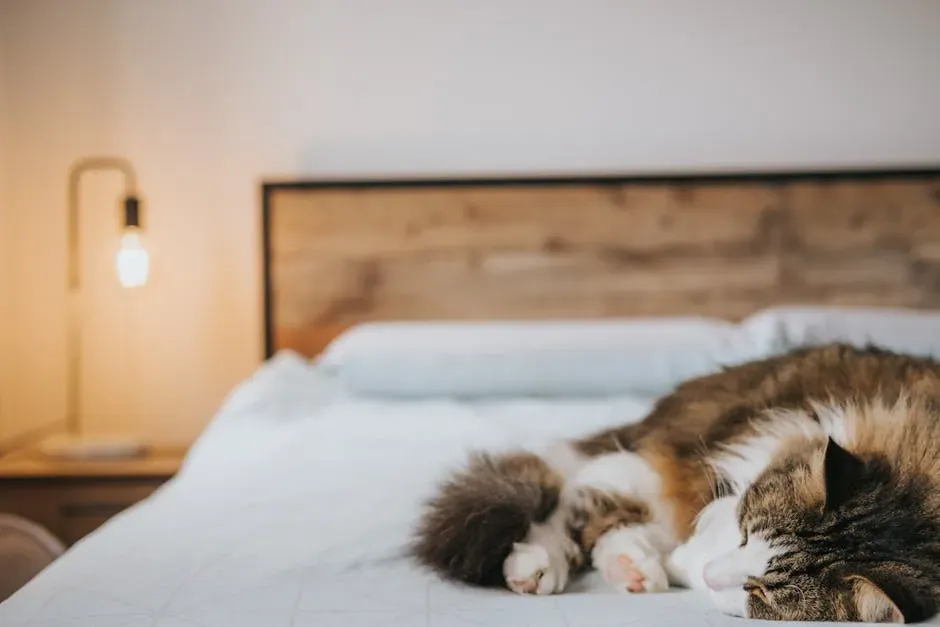
Think of your cat’s wild ancestors for a moment. Every single night in the wild, sleep was a gamble. A sleeping animal is a vulnerable animal, so where you rest could literally mean life or death. Those ancient survival rules didn’t just vanish when cats moved into your apartment.
Like their counterparts in the wild, most cats have natural instincts that influence where and how they sleep. As prey animals, they are always aware of their surroundings – even in REM sleep – and often select resting spots that balance warmth, security, and convenience.
Cats select their sleeping spots with meticulous care, balancing their need for comfort with their survival instincts. The foot of your bed becomes their chosen vantage point, not just for the softness of the linens, but for the elevated view and quick escape it offers. It’s a little like how a soldier always picks the seat facing the door in a restaurant. Tactical. Deliberate. Completely instinctive.
The Door Factor: Always One Paw Ahead of Danger
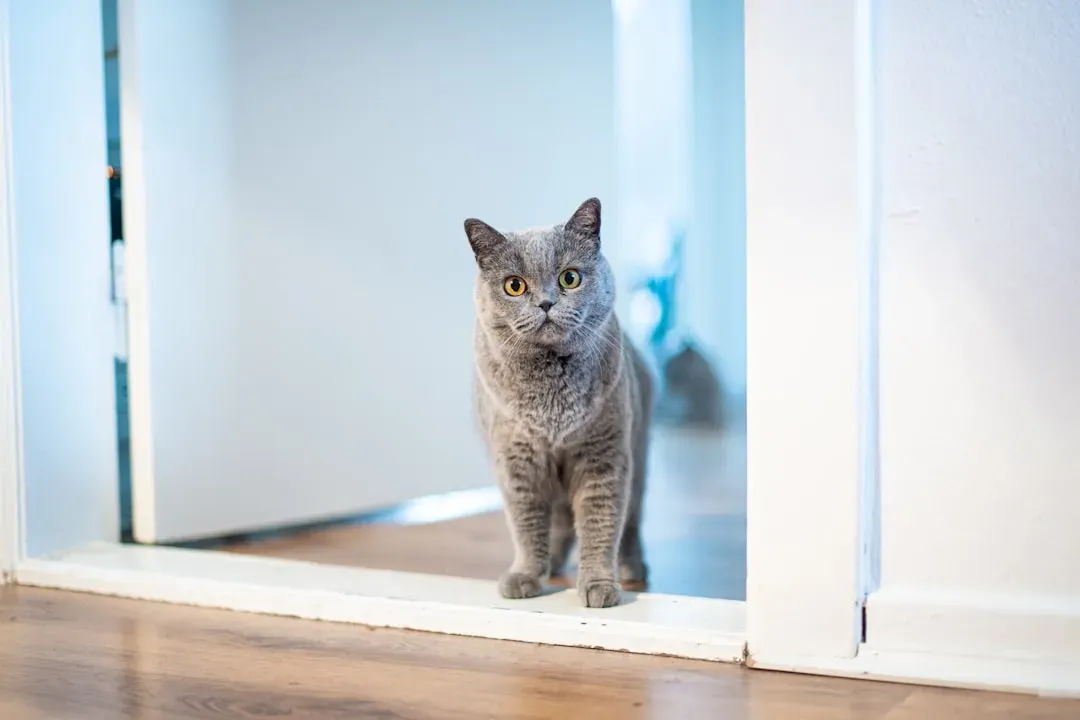
Here’s something you might never have considered. The physical position of the foot of your bed in relation to your bedroom door is not a coincidence. Your cat has probably mapped your entire room already, exits included.
Since cats have a natural survival instinct, they tend to feel more secure and in charge when sleeping at your bed’s foot because it allows the door to be in sight all through the night. That constant visual on the entrance is deeply comforting for them.
In a large percentage of bedrooms, the foot of the bed is the closest point to the door that’s still reasonably comfy compared to the floor – so it makes sense that your feline friends make it their perch for the evening. It’s simply easier to make a quick getaway when you can easily hop down and out of the room with few obstacles. Honestly, when you think about it that way, your cat is basically a tiny tactical genius.
Warmth Without the Overheating Problem
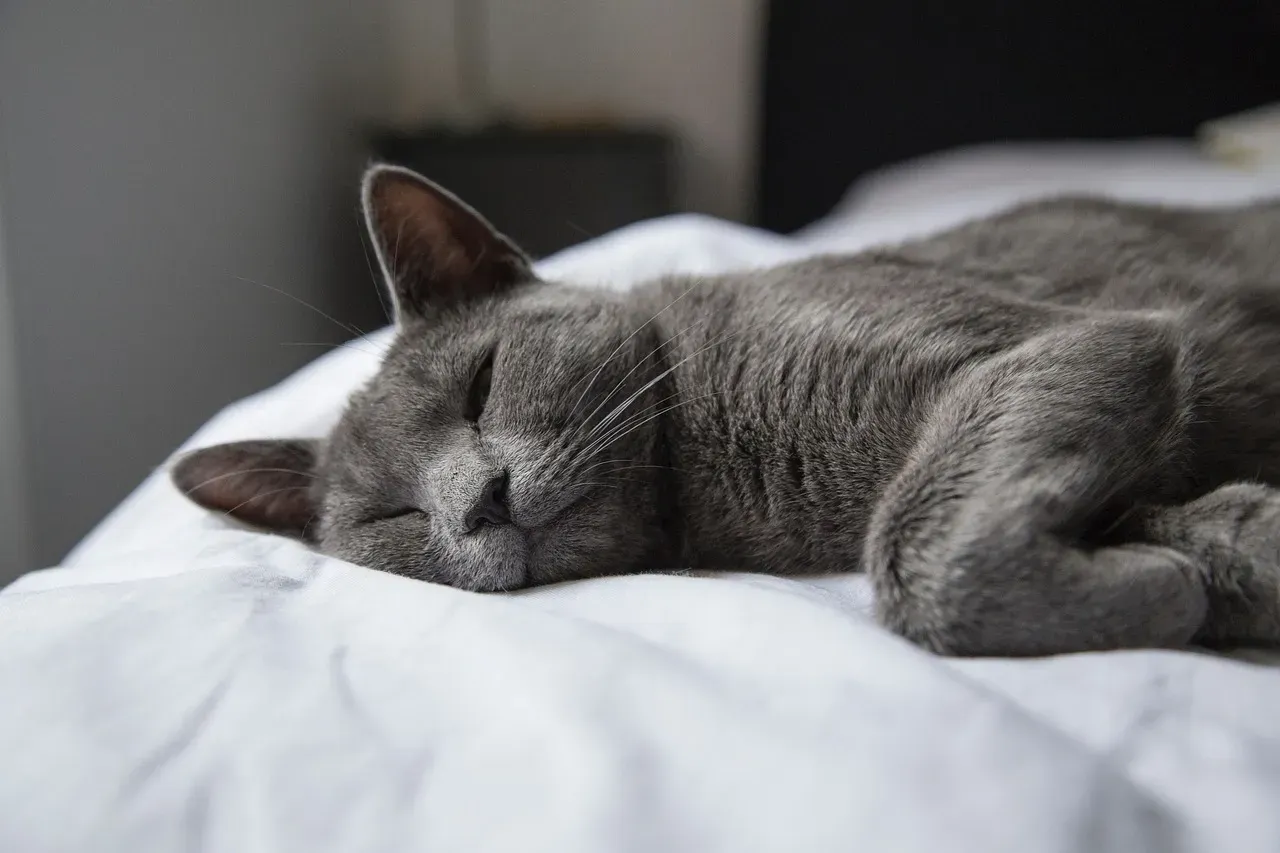
Cats are warmth seekers. Full stop. If there’s a sunny patch on the floor, a warm laptop, or a radiator nearby, your cat will find it within sixty seconds. Your bed is no different. Your sleeping body is, essentially, a giant, breathing heat pad.
Cats have a higher body temperature than humans, typically ranging between 100.5°F and 102.5°F. Maintaining this temperature is important for their comfort and health. By sleeping at your feet, they can either absorb your body heat to stay warm or find a cooler spot to regulate their temperature as needed.
The further out you get from your core, the cooler your limbs will be. Most of your body heat is sitting toward the middle of your body and the middle of your bed. While cats love a warm body to cuddle up to, they also don’t want to overheat. Sleeping near your feet helps them still feel close to you, without actually having to deal with your night sweats. So the foot of the bed is, in a way, the Goldilocks zone – not too hot, not too cold.
Your Movement (Or Lack of It) Makes a Huge Difference
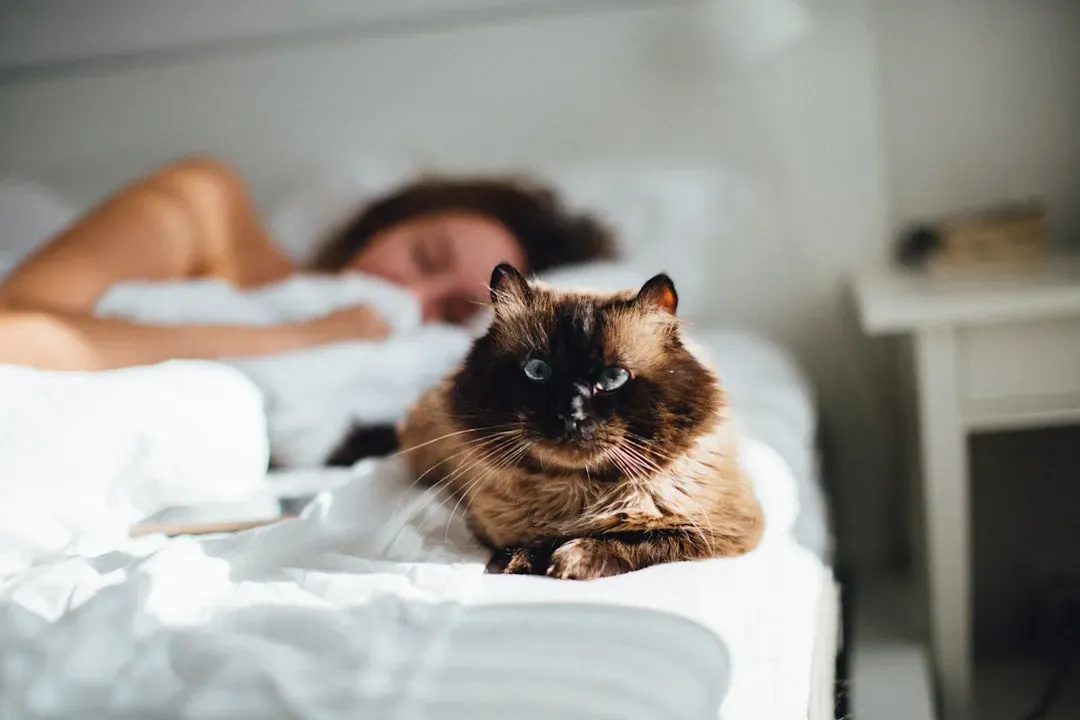
Let’s be real: humans are messy sleepers. You toss, turn, rearrange pillows, fling arms out, and occasionally kick the blankets halfway across the room. Your cat notices all of this, and frankly, it’s not impressed.
As you toss and turn at night, your upper body tends to take up a lot more space than your feet. Moving your arms and rearranging blankets and pillows happens mostly in the top half of the bed, so hunkering down for the night at your feet might be the option that causes the least amount of disturbance.
Unlike your upper body, which moves more as you sleep, your feet provide a relatively stable area. This positioning allows your cat to remain close to you without being disturbed by sudden movements, enhancing their sense of safety. When you think about it from your cat’s perspective, sleeping near your head is basically gambling. The foot of the bed? Relatively safe territory.
Scent Is Everything to a Cat
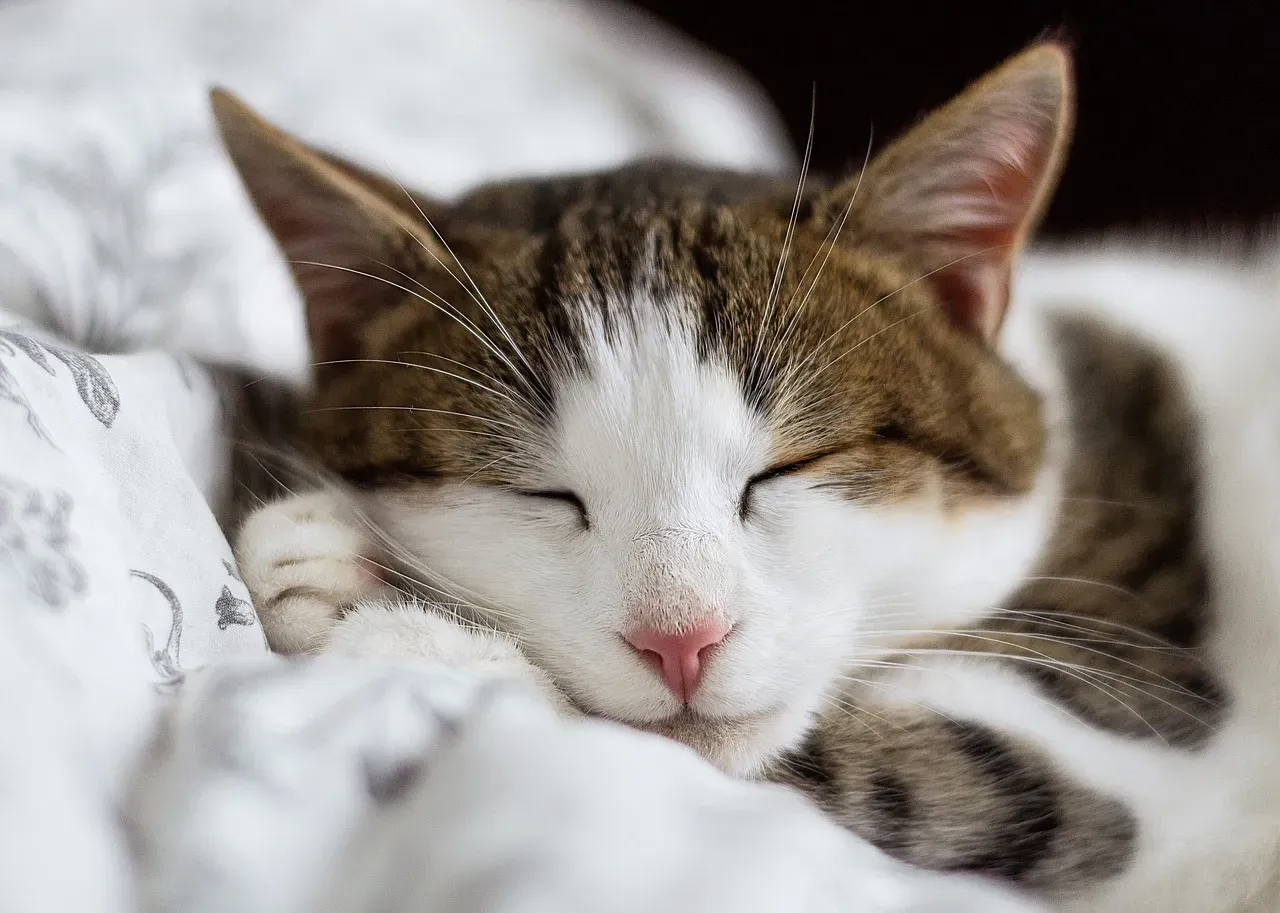
You might not think your feet are particularly fragrant in a good way, but your cat disagrees completely. Scent is the primary language of the feline world. It’s how they communicate, recognize territory, and feel safe. And your feet? They carry a uniquely concentrated version of your personal scent.
Since your feet carry strong, recognizable smells from walking around all day, your cat may prefer sleeping there as a way to feel reassured. By choosing this spot, your cat is reinforcing its bond with you through scent association.
Cats have scent glands in their paws. By sleeping on or near your feet, they are marking their territory, reinforcing their bond with you. It’s a two-way scent exchange. Your cat is absorbing your smell for comfort while simultaneously leaving their own scent on you. Territorial and affectionate all at once. Very cat-like, when you think about it.
It Is Actually a Sign of Deep Trust and Affection
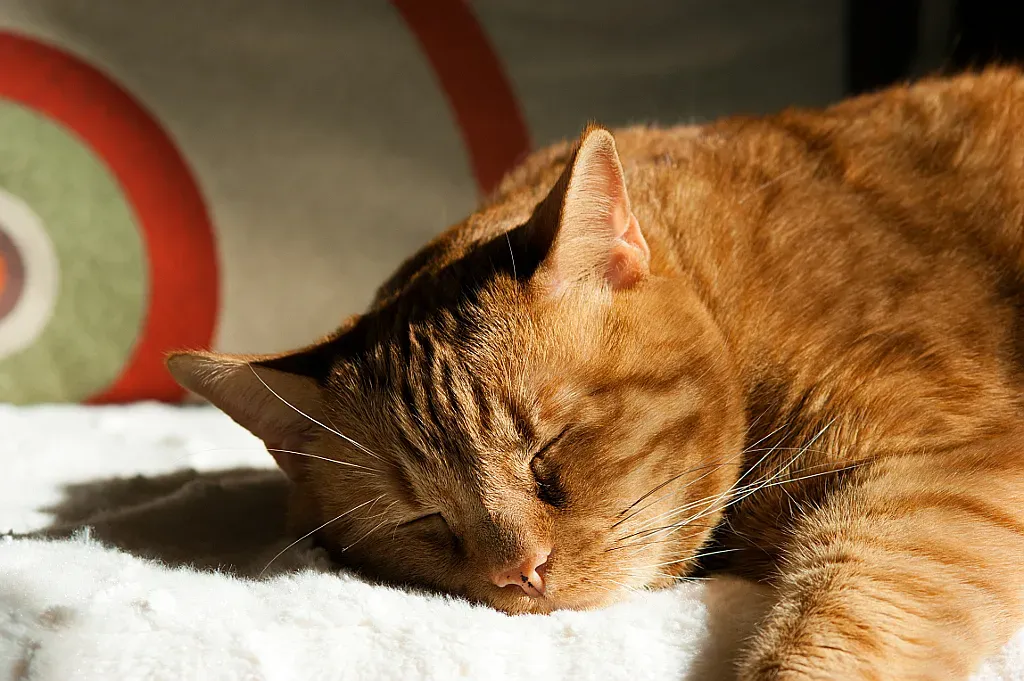
A lot of people misread this behavior as their cat being cold or indifferent. “They won’t even cuddle near my head,” some cat owners say, feeling a little rejected. I think that reading is completely wrong. Sleeping near you at all is a profound act of trust for a cat.
Even more important than the fact that they love their owner is the fact that if they feel safe sleeping at your feet, it means they trust you. That’s not a small thing coming from a species that still carries the survival instincts of a wild predator.
It might seem like a distant or less affectionate choice, but in reality, this sleeping habit is a perfect balance of trust, comfort, and independence. Cats are naturally strategic about where they sleep, and their choice is influenced by security, warmth, alertness, social bonding, and scent familiarity. So the next time your cat curls up at your feet, know that you’ve just received a genuine feline compliment.
Territory Marking and the Ownership Question
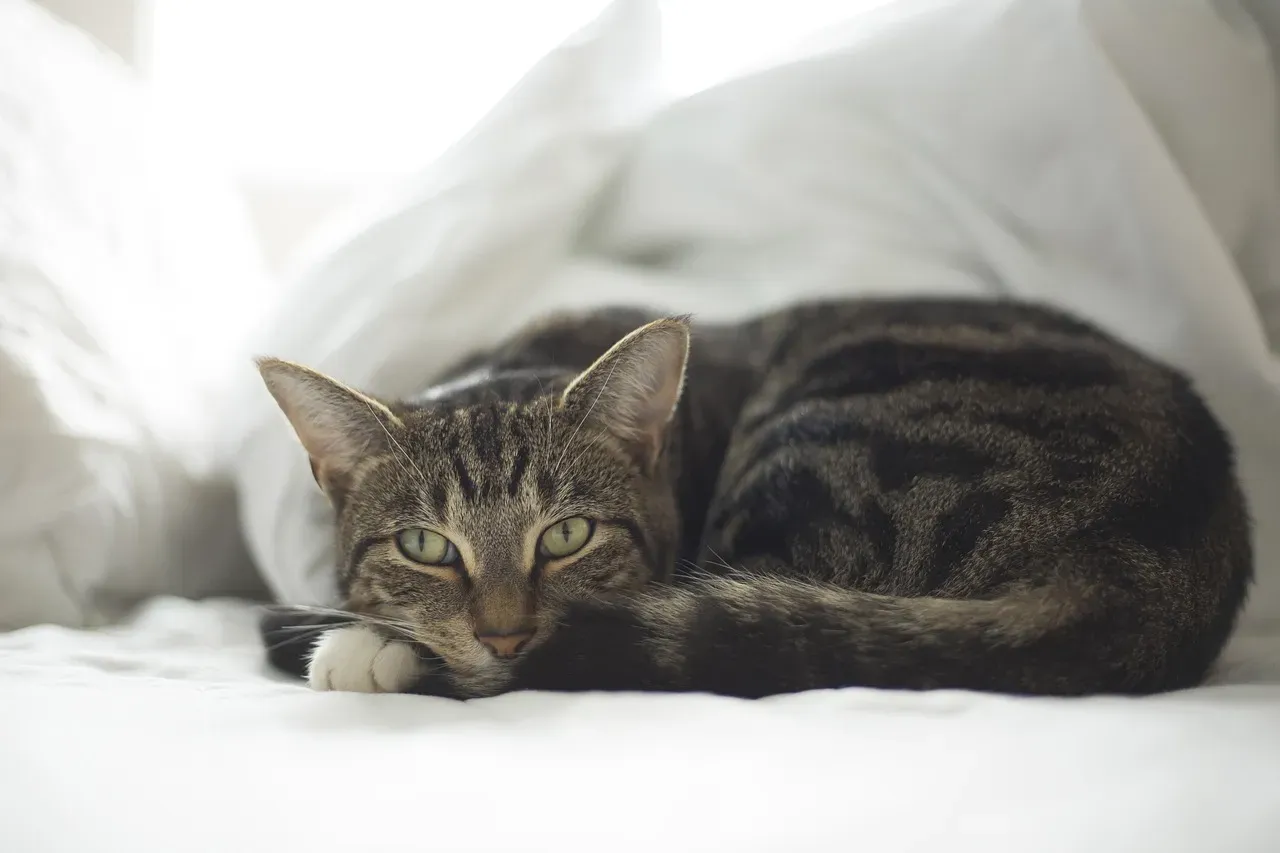
Here’s a perspective shift that might make you chuckle: you probably think that’s your bed. Your cat would like to respectfully disagree. Cats are deeply territorial by nature, and your sleeping space is very much part of the territory they’ve decided to claim.
It’s no secret that cats are territorial creatures, and your bed is no exception. Sharing a sleeping space with you is a sign of trust, but it also reinforces their claim over the area. By sleeping at the foot of the bed, they are marking their scent and signaling to other animals – including any other pets in the home – that they have a special bond with you.
For cats, claiming territory isn’t merely about marking spaces; it extends to protecting what they cherish most – their humans. When your kitty settles down at the end of your bed, it’s not only about finding comfort but also asserting ownership over their beloved caretaker. When you frame it that way, your cat isn’t being possessive. They’re being protective. Honestly, that’s kind of sweet.
The Independence Factor: Close, But Not Too Close
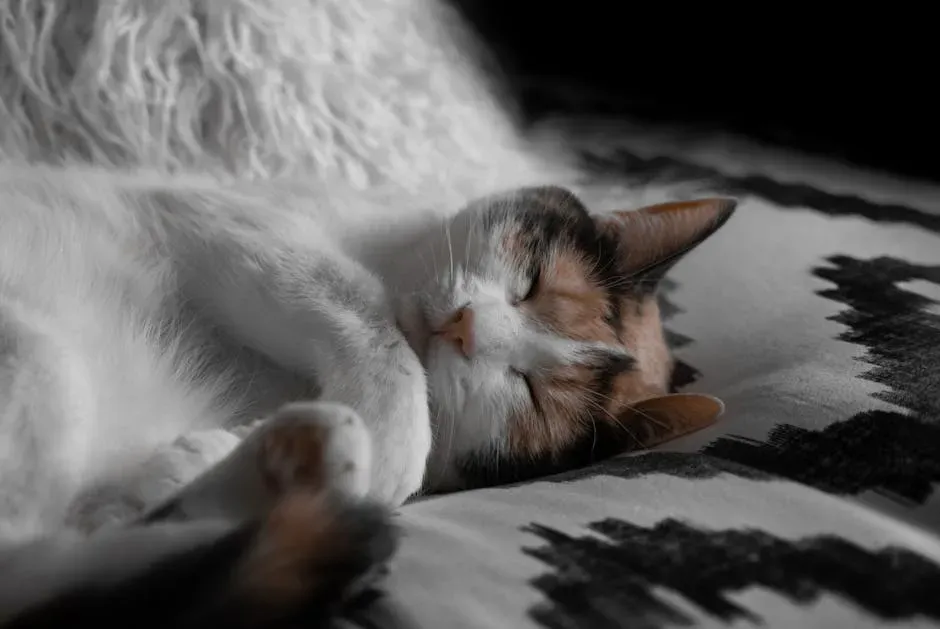
Cats are not dogs. They love you deeply, but they also value their personal autonomy in a way that dogs often don’t. This isn’t aloofness. It’s just a fundamentally different kind of attachment, and the foot-of-the-bed preference reflects that perfectly.
Cats love companionship – but on their own terms. Unlike dogs, who crave constant physical contact, cats prefer sleeping positions that give them both security and freedom. The foot of the bed is essentially the cat’s way of saying: “I want to be with you. I just also want to be able to leave whenever I feel like it.”
While some cats may completely trust their human companions and sleep with their legs stretched in full relaxation, others prefer keeping a safe distance. The end of the bed provides the perfect balance – close enough to feel secure in deep REM sleep but far enough away to react to sudden movements. It’s independence and intimacy coexisting. A fine line that cats somehow walk effortlessly.
When Sleeping Habits Change: What to Watch For
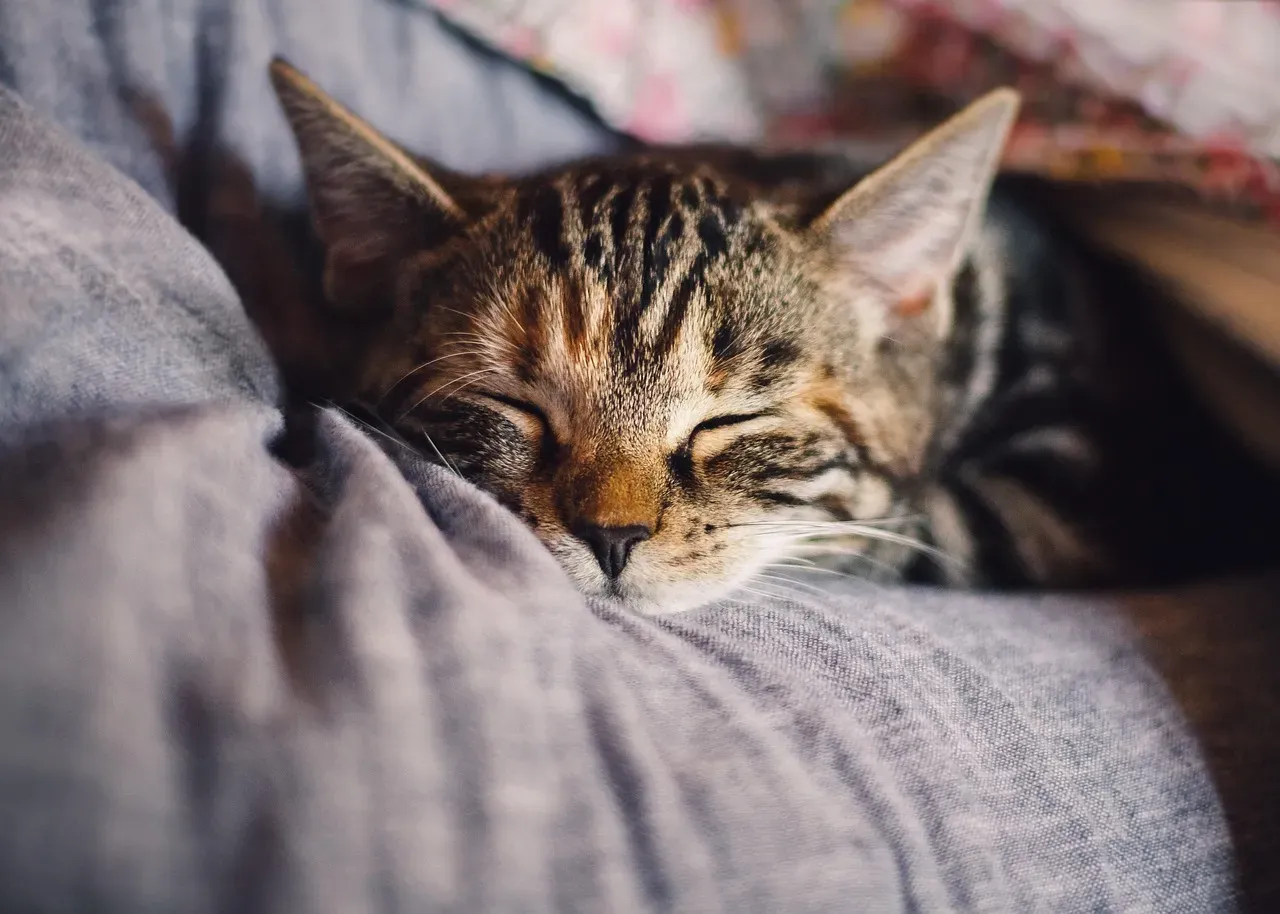
Your cat’s sleeping patterns are more telling than most people realize. They’re not just random behavioral quirks. They can actually serve as a window into your cat’s emotional and physical health. A cat that suddenly changes where it sleeps deserves a second glance.
Factors such as the time of year, the temperature in your home, and the type of bedding you use can influence where your cat decides to sleep. If your cat has recently changed their sleeping habits, it might reflect a shift in their preferences or comfort level. Observing your cat’s behavior can provide insight into their unique personality and needs. While a change in sleeping location is usually harmless, sudden shifts may indicate stress or health concerns.
Certain sleep patterns can indicate health issues. A cat that suddenly starts sleeping in a hunched, tense position, hides in dark or enclosed spaces more than usual, or stops stretching out entirely may be in pain. Combined with changes in appetite, grooming, or litter box habits, altered sleeping behavior is a good reason to schedule a vet visit. Your cat can’t speak to you in words, but their body language says everything – if you’re paying attention.
Conclusion: The Foot of the Bed Means More Than You Think
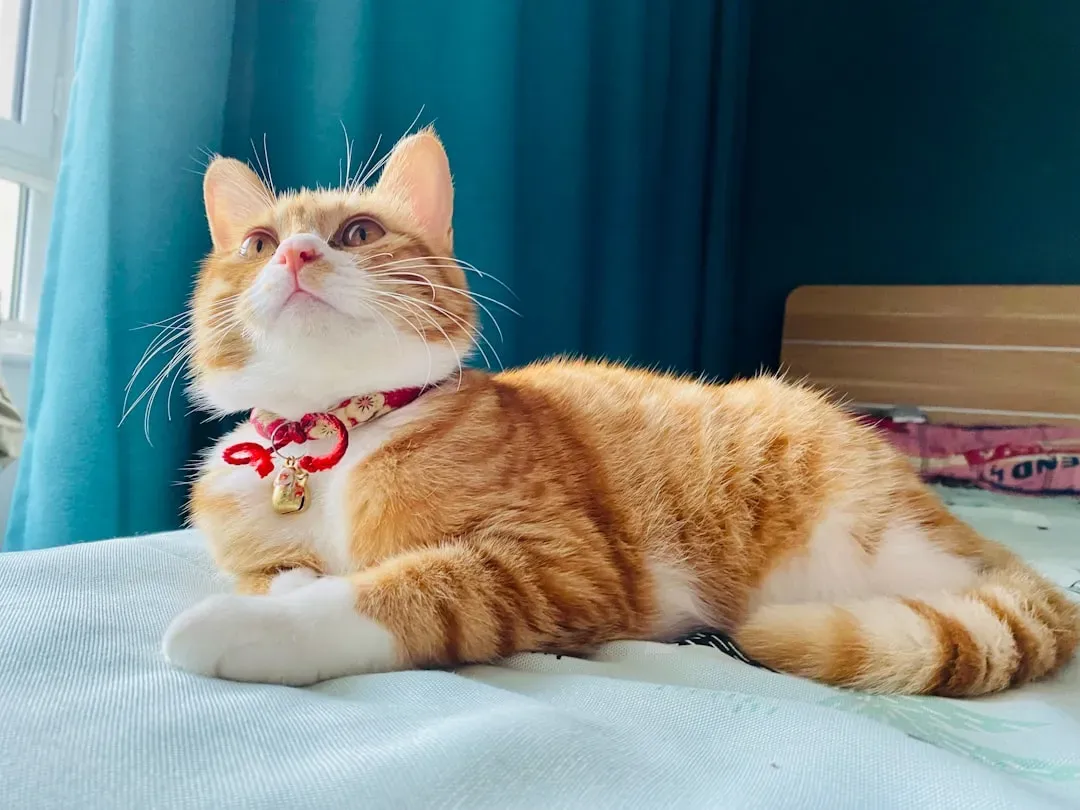
When your cat chooses the foot of your bed night after night, there’s a whole symphony of instinct, trust, warmth-seeking, and quiet affection behind that decision. It’s not random. It’s not indifference. It’s your cat making a deliberate, multi-layered choice that reflects just how safe and bonded they feel with you.
The foot of the bed provides the perfect balance of closeness and distance, warmth and room to breathe, comfort and security without neediness. It allows the cat to feel safe, be close to their trusted owner, and still maintain that level of independence that is so important to our furry felines.
If your cat sleeps at your feet every night, you’re part of their routine. Cats love consistency, and a stable sleeping arrangement helps them feel secure. So the next time you feel that familiar weight settle at the end of your mattress, don’t move them away. That small, furry presence is one of the most honest expressions of love and trust a cat can offer. What do you think – did you ever suspect your cat’s sleeping spot carried this much meaning? Tell us in the comments.
Kristina is a young writer from India. An arts graduate and an avid content creator, Kristina is passionate about animals and wildlife. She enjoys exploring topics related to pet care, animal behavior, conservation, and nature, combining thorough research with engaging storytelling.