You probably think your cat is just lounging in the corner, totally unbothered by whatever is going on with you emotionally. Maybe you’ve had a terrible day, or you’re quietly buzzing with excitement, and your cat just stares at you with that famously unreadable face. Here’s the thing though – that stare might mean a whole lot more than you think. Your cat isn’t zoning out. It’s reading you.
The science behind how cats perceive human emotion, intention, and even stress has exploded in recent years, and honestly, the findings are fascinating enough to rethink everything you thought you knew about your feline companion. From scent detection to gaze tracking, cats have developed a surprisingly sophisticated toolkit for tuning into your inner world. So let’s dive in – because the more you learn, the more you’ll realize your cat was always two steps ahead of you.
Your Cat Smells Your Fear – Literally
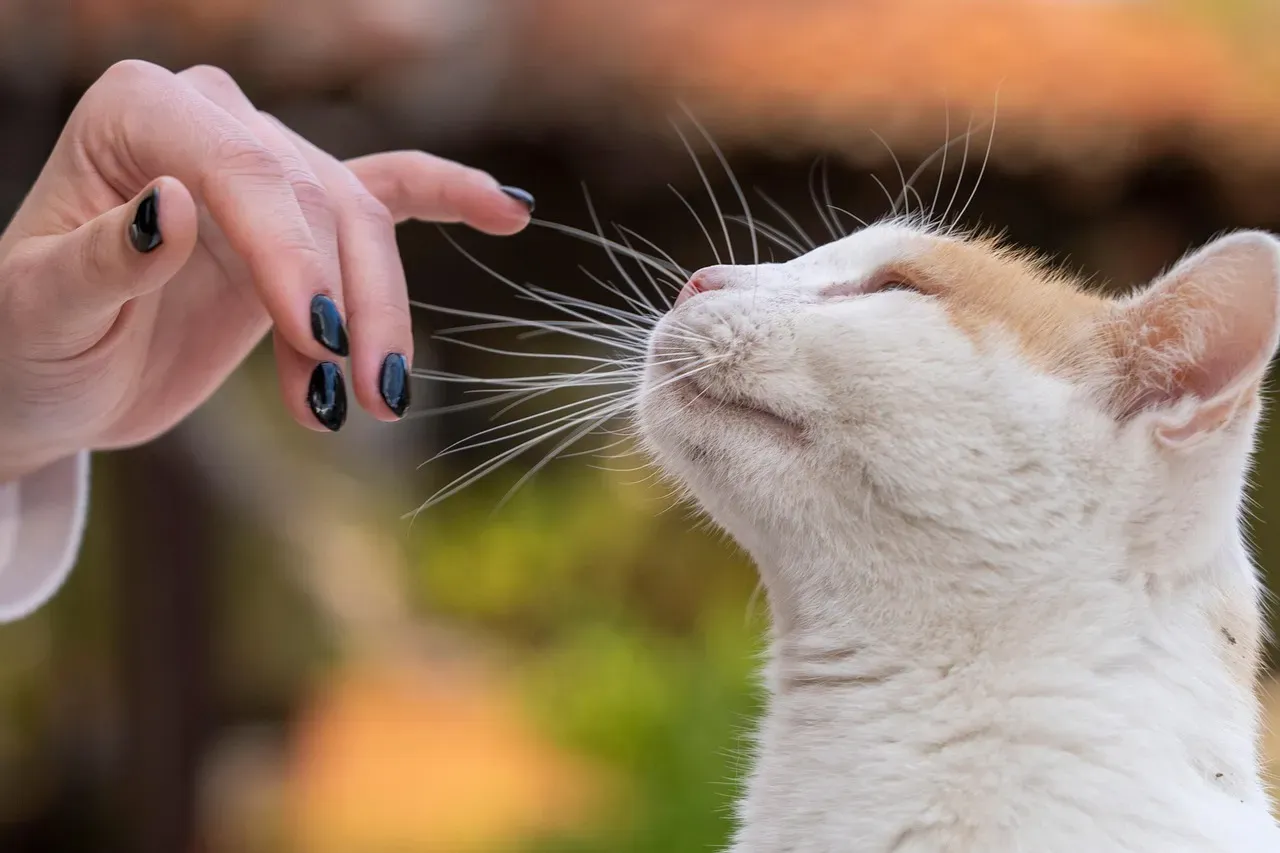
It sounds almost cinematic, but it’s true. A recent study shows cats can detect human emotions through scent, especially fear, suggesting our feline friends might understand us more than we realize. Think about that for a second. You don’t have to cry, frown, or say a single word. Your body chemistry alone can broadcast your emotional state to your cat like a radio signal.
Researchers from the University of Bari Aldo Moro in Italy explored this by examining how cats react to human odors associated with different emotional states, using odor samples from men exposed to fear, happiness, physical stress, and neutral conditions – collected after watching emotionally charged videos, running, or showering. The study revealed that cats’ behaviors changed significantly based on the emotional odors presented, particularly fear-related scents, exhibiting more severe stress-related behaviors when exposed to the “fear” odor compared to “physical stress” and “neutral” odors. You are essentially walking around with a scent-based emotional billboard, and your cat is reading every word.
The Nose Knows: How Your Cat’s Brain Processes Your Emotions
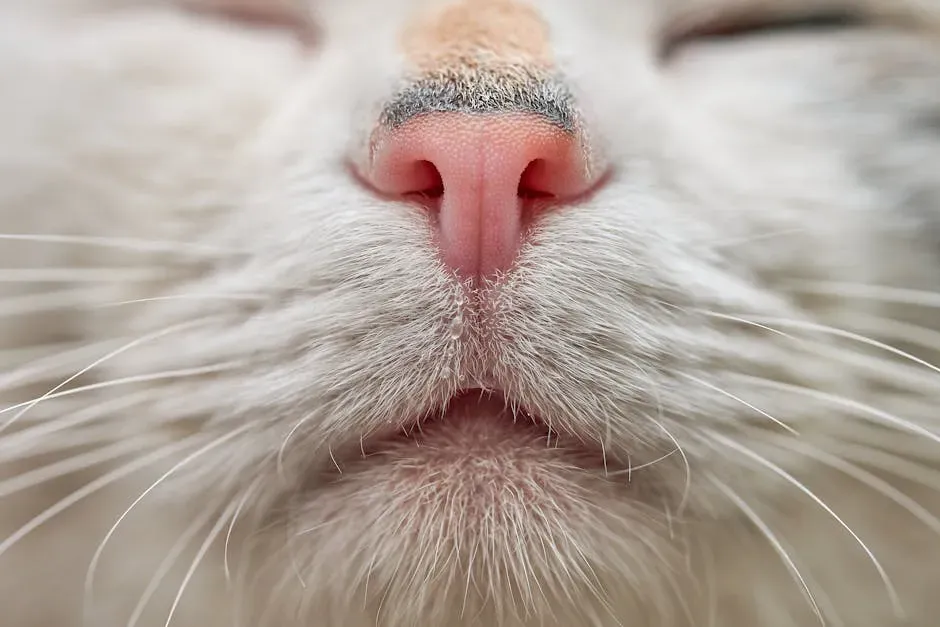
What makes this even more remarkable is the neuroscience behind it. Cats relied on their right nostril more when displaying severe stress behaviors while smelling “fear” and “physical stress” odors – and since the right nostril connects to the right hemisphere of the brain, responsible for processing arousal and intense emotions like anger and fear, this suggests these odors trigger a higher emotional response in cats. It’s not random sniffing. It is a deliberate, brain-driven process.
Conversely, cats used their left nostril more frequently when displaying relaxed behaviors, activating the left hemisphere, which regulates positive and pro-social behaviors. So when you’re calm and content, your cat literally processes that through a completely different neurological pathway than when you’re stressed. Although cats do seem to be sensitive to body language, tone of voice, and facial expressions, they live in a different sensory world – and they have such a sensitive nose that they may be more in tune with changes in your body odor when stressed or afraid.
Your Emotional State Shapes Your Cat’s Behavior
Studies show that cats react to their owners’ visual and vocal signals and adjust their behavior based on human emotions. This means your mood isn’t just background noise to your cat – it’s an active input that changes how your cat moves, reacts, and interacts with its environment. It’s a bit like being a DJ and not knowing the music you’re playing is filling the whole room.
Recent evidence suggests cats are sensitive to human emotional cues, which strongly modulate their interactions. Research found that cats respond more positively to their owners when they express facial and postural signals of happiness than anger. Cats were more likely to engage in positive behaviors – like ears forward and a relaxed body posture – and spent a longer time in contact with their owners when they appeared happy. You set the emotional tone in your home more than you probably realize.
Reading Your Body Like an Open Book
Cats, often perceived as aloof, are remarkably attuned to human emotions, particularly through their keen observation of behavioral cues. They don’t rely on verbal communication but instead decode distress by scrutinizing body language, tone of voice, and facial expressions – so a slumped posture, tense movements, or a trembling voice can signal anxiety or sadness, prompting a cat to approach with caution or offer silent companionship. Honestly, this makes your cat a more perceptive presence than most people give it credit for.
Cats have an uncanny ability to sense human emotions, offering comfort and companionship when most needed. Their keen observational skills help them detect changes in behavior, body language, and tone, allowing them to respond in ways that ease stress and anxiety. Cats are able to sense sadness in a way that they associate the visual and auditory signals of human sadness, such as frowning and a listless voice, with how they are treated whenever their human is in a sad state. If you’ve ever had a cat jump on your lap during a rough night – this is exactly why.
The Slow Blink: Your Cat’s Secret Language of Trust
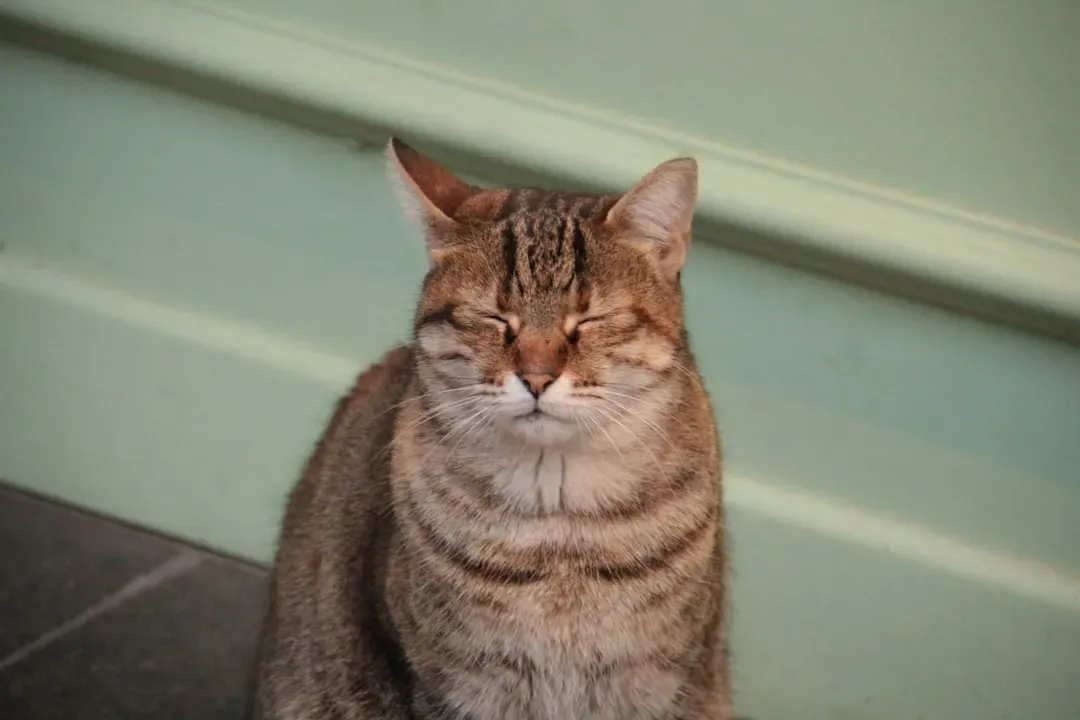
I think the slow blink is one of the most underrated discoveries in feline research. This study examines the communicatory significance of a widely reported cat behavior involving eye narrowing, referred to as the slow blink sequence – which typically involves a series of half-blinks followed by either a prolonged eye narrow or an eye closure. It might look like your cat is just sleepy. It is anything but.
Research revealed that cat half-blinks and eye narrowing occurred more frequently in response to owners’ slow blink stimuli, and cats even had a higher propensity to approach an experimenter after a slow blink interaction than when the experimenter had adopted a neutral expression. Cats are actually attentive students of human behavior and mirror what they perceive from you – so if you show trust, they show trust right back. Try it yourself. Slow blink at your cat and see what happens. You might be surprised.
Cats Know When You’re Paying Attention
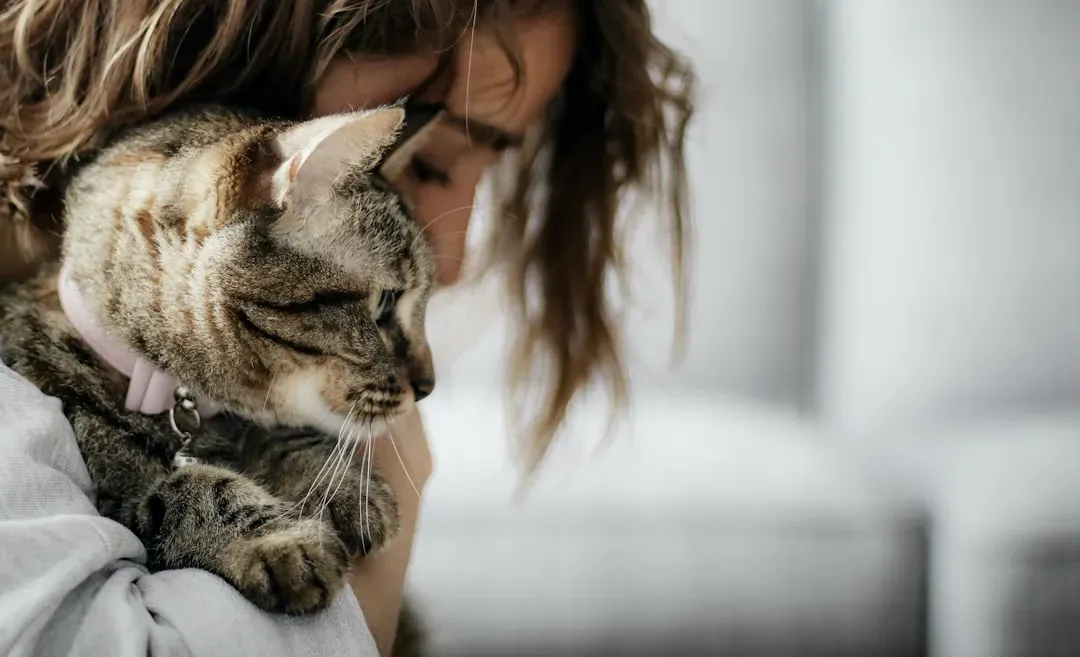
Here’s something that should genuinely impress you. Research investigated social referencing in cats when exposed to solvable and unsolvable scenarios in the presence of either an attentive or inattentive caregiver. When in the presence of an attentive caregiver, cats initiated first gaze at the caregiver faster, gazed at the caregiver for longer, and approached targets more frequently compared to when the caregiver was inattentive. Your cat is not just sensing your emotions – it’s monitoring your availability and awareness in real time.
Results suggest that gaze alternation is a behavior reliably indicating social referencing in cats, and that cats’ social communication with humans is affected by the person’s availability for visual interaction. Think of it like this: your cat is checking whether the line is open before placing a call. The human attentional availability significantly affects the expression of human-directed signals in cats, which spend a longer time in proximity with attentive humans. Your cat literally gravitates toward you more when you’re engaged and present.
Cats Can Follow Your Gaze and Pointing Gestures
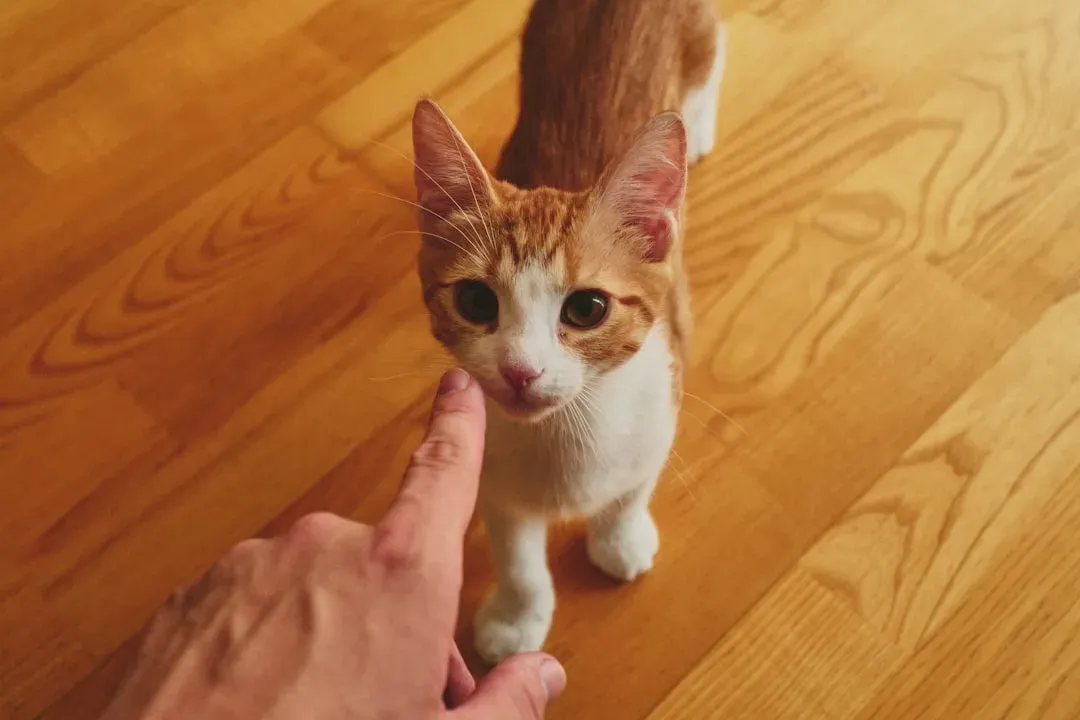
Several studies demonstrate that cats are able to follow human gestures to locate hidden food, including pointing and gazing, and are sensitive to human ostensive cues and attentional states. This is a more sophisticated skill than you might imagine. It requires understanding the communicative intent behind a gesture – not just reacting to movement. It’s what researchers call referential understanding, and it puts cats in surprisingly elite cognitive company.
Cats on the group level achieved roughly a seventy percent overall success rate in following human gaze as a referential cue, and their success rate was unaffected by the type of gazing or the presence or absence of ostensive communication, showing they followed even the more difficult momentary cues. Research also demonstrated that cats are indeed able to read and follow human gaze for referential information. So when you glance across the room, your cat is actually tracking the meaning behind your look, not just the movement of your head.
Your Cat Reads Your Stress – and It Affects Them Too
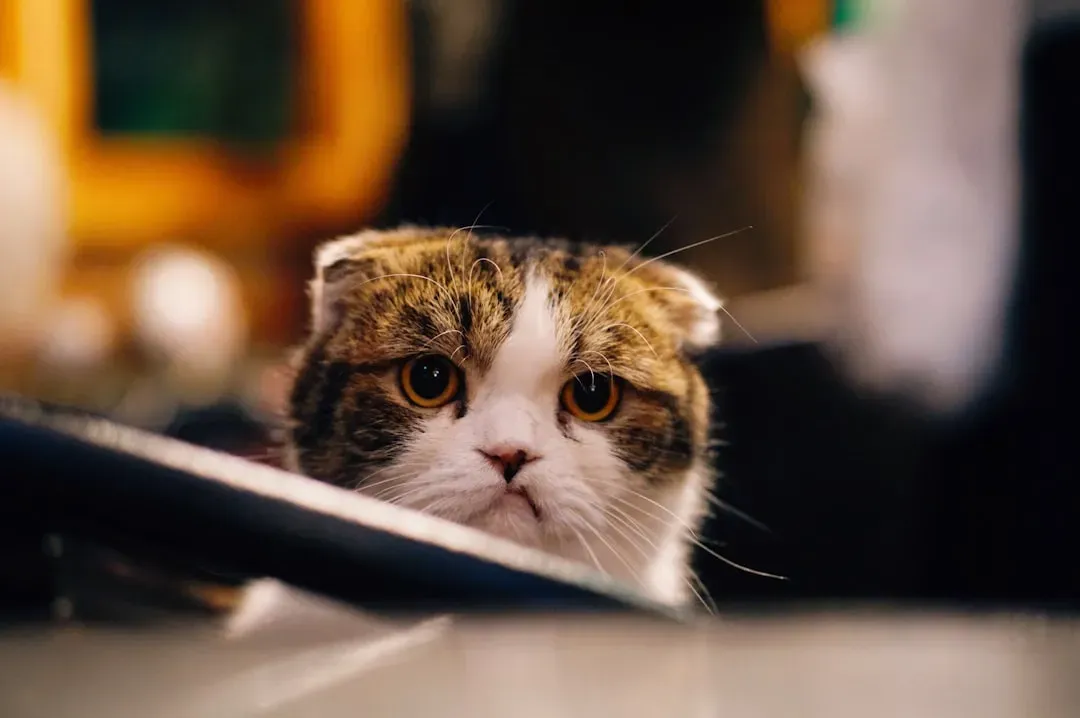
This one might make you feel a little guilty. Cats can sense human emotions by observing body language, tone of voice, and behavior changes, and they respond to anxiety or depression with extra cuddles, energy mirroring, vocalizations, and protective behavior. That’s right – when you spiral into stress, your cat doesn’t just observe it passively. It responds to it, sometimes even absorbing that emotional charge itself.
On average, cats displayed a lower frequency of stress-related behaviors when the owner was present, providing support for the presence of a Secure Base Effect. Research on cats with different temperaments highlighted that those with a calm, affectionate vibe especially helped their humans reduce stress and anxiety – with heart rates being lower, suggesting cats can physically calm you down, and even their mere presence impacted participants’ emotions, helping them feel more relaxed overall. The relationship genuinely runs both ways. Your calm calms your cat, and your cat’s calm can calm you right back.
The Science of the Cat-Human Bond: Deeper Than You Thought
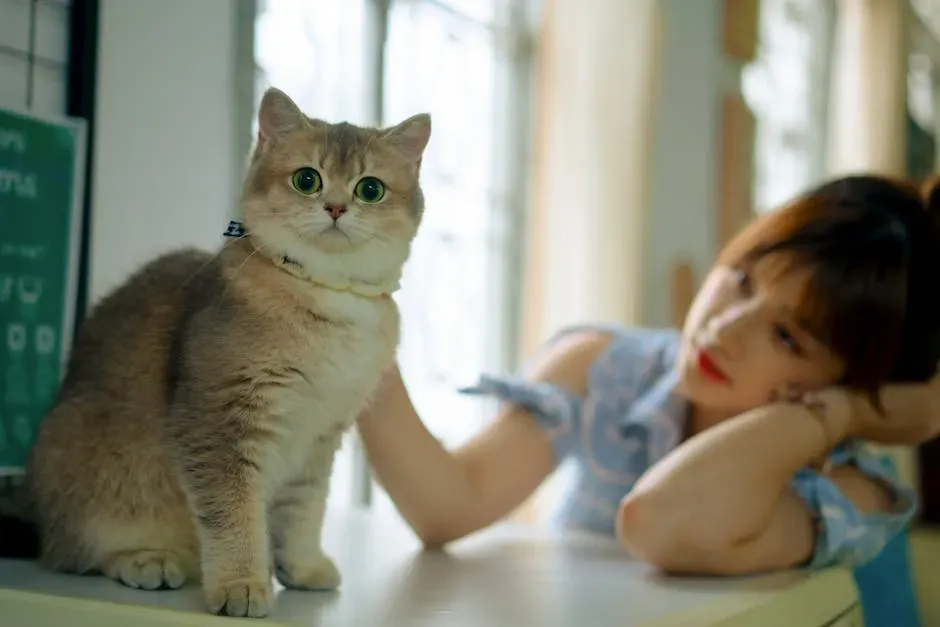
Dogs and cats have exceptionally developed sensory systems and abilities to recognize human signals and emotional states. The difference is that cats have been somewhat unfairly overshadowed by dogs in the research spotlight for decades. These findings challenge the stereotype of cats as indifferent to human emotions – while they may not express their attachment in the same overt ways as dogs, cats are clearly tuned into the emotional states of their humans.
Cats kept indoors for companionship can form a close relationship with owners or primary caretakers, and recent studies have shown that cats attach to their owners in a way similar to the relationship between children and parents. Cats have also been shown to recognize when a human says their name, engage in social referencing, and use some forms of synchronized non-verbal communication with human owners. The bond you share with your cat is not the shallow, transactional thing popular culture likes to joke about. It is complex, layered, and surprisingly mutual.
Conclusion: Your Cat Is Always One Step Ahead of You
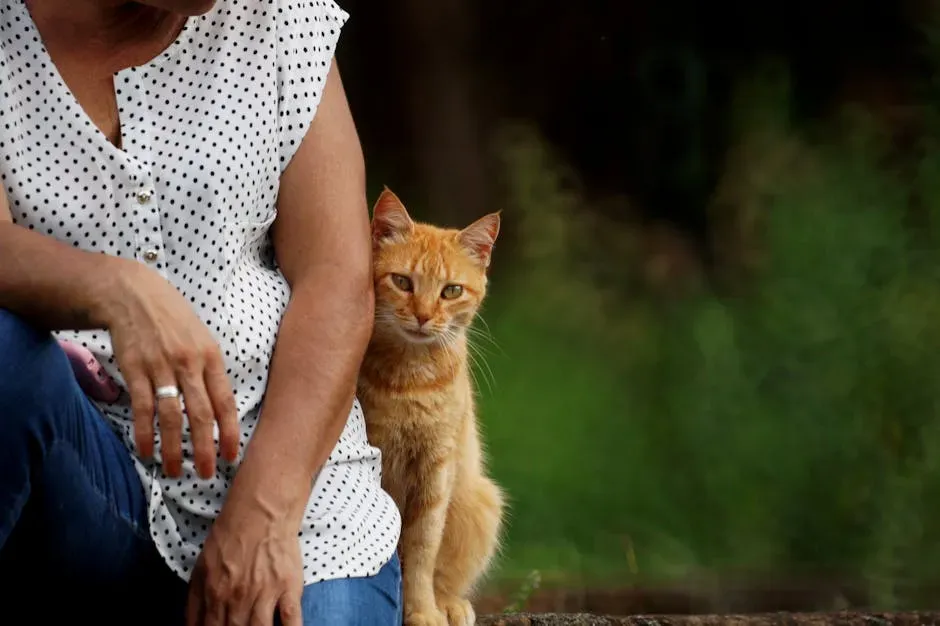
After going through all of this, I think the most honest takeaway is this: you have probably been underestimating your cat for years. The idea that cats are cold, indifferent creatures who only tolerate humans for food? Science has been dismantling that myth piece by piece. Your cat is watching you, smelling you, following your gaze, monitoring your mood, and calibrating its behavior accordingly – all at the same time.
What’s truly remarkable is how multi-layered this sensing ability is. It’s not just vision or just hearing. Their keen observational skills help them detect changes in behavior, body language, and tone, allowing them to respond in ways that ease stress and anxiety. They are wired, at a neurological level, to be aware of you. So the next time your cat curls up next to you during a hard day or suddenly bolts when you’re tense before a stressful event, pay attention. They picked up on something real.
Your cat knows you better than you think. The real question is – do you know your cat as well as it knows you? Drop your thoughts in the comments. We’d love to hear your own “my cat just knew” moments.
Kristina is a young writer from India. An arts graduate and an avid content creator, Kristina is passionate about animals and wildlife. She enjoys exploring topics related to pet care, animal behavior, conservation, and nature, combining thorough research with engaging storytelling.