Cats are deeply misunderstood creatures. Most people assume that as long as the food bowl is full and the litter box is clean, their cat is completely content. Honestly, it’s a little more nuanced than that. Cats carry thousands of years of instinct in those soft, twitchy little bodies, and their sense of safety goes far beyond the basics.
What genuinely surprises most cat owners is how deeply emotional these animals actually are. They read your energy, your scent, your voice, and your consistency. The tiniest gestures can mean everything to them, or absolutely nothing if delivered the wrong way. So let’s dive into the ten things that truly make your cat feel safe, loved, and right at home.
1. Giving Them a Space That Is Fully Their Own
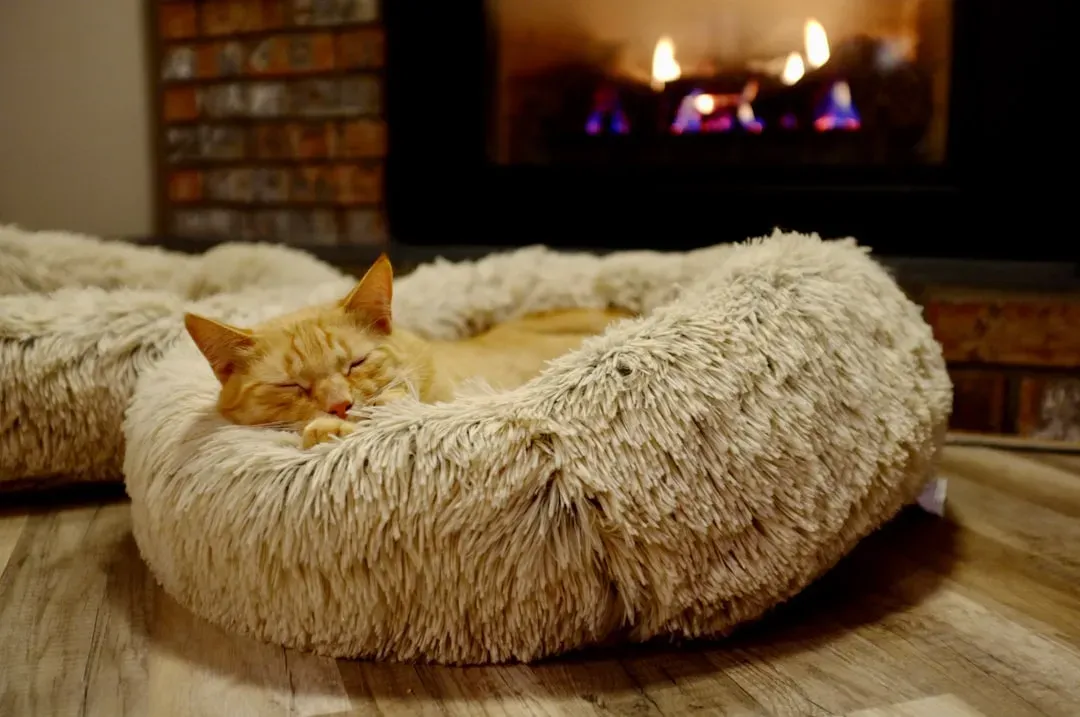
Here’s the thing: cats are territorial by nature, and that instinct doesn’t vanish just because they live indoors. Cats are territorial, and it can be very stressful for them to be suddenly placed into a new environment or asked to share their home without a space they can truly call their own – ensuring your cat has such a space can really help them feel secure.
Think of it like your own bedroom. You need somewhere to decompress, somewhere nobody else barges in uninvited. This space may be a room or even a safe, quiet corner where they can relax fully – set it up with plenty of resources such as beds, food, water, and a litter tray, so they don’t have to venture far if they aren’t feeling confident enough.
Help your cat feel safe and comfortable by designating spaces just for them – this might be a cat bed, a cat cave, or a cozy folded blanket on a chair. Notice which areas they’re already spending time in and find ways to add comfort and security there. That’s all it takes, really. No fancy furniture required.
2. The Slow Blink: Your Cat’s Version of “I Love You”
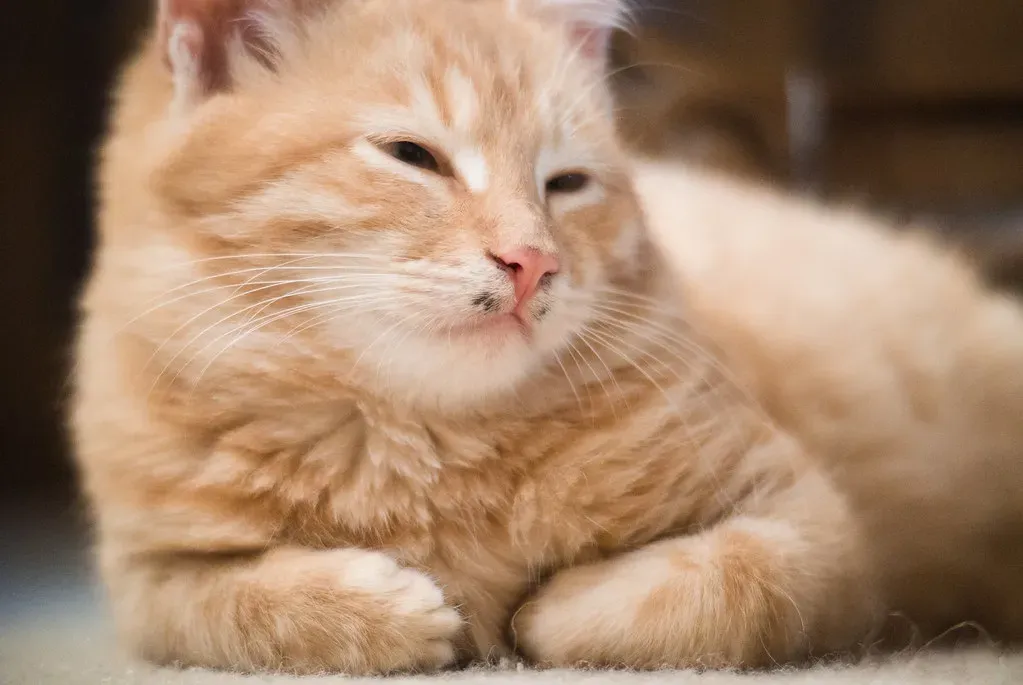
If you’ve never tried slow blinking at your cat, you are genuinely missing out on one of the most intimate exchanges you can have with a feline. When your cat slow blinks at you, it’s their way of saying “I trust you enough to close my eyes in your presence” – and if you return the gesture, you’re letting them know you’ve acknowledged this sign of affection and feel the same way.
Slow blinking is more than just affection – it’s a display of vulnerability and confidence, showing your cat’s trust and sense of security. By slowly closing their eyes near you, your cat signals that they feel secure in your presence, creating a shared sense of safety.
It’s almost poetic when you think about it. Closing your eyes in the presence of a potential predator is about as trusting as it gets. When your cat does this to you, the kindest and most powerful thing you can do is blink back, slowly. Try it tonight. You might just melt a little.
3. Sticking to a Consistent Daily Routine
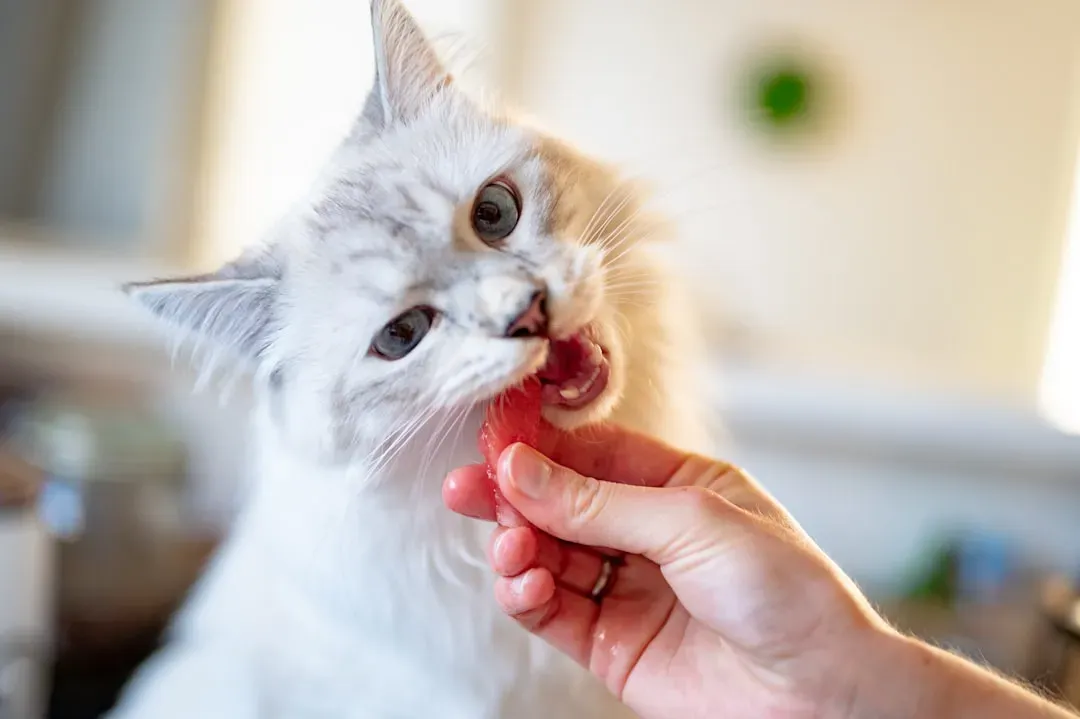
Cats are creatures of habit in a way that makes most humans look spontaneous. Cats feel most secure when they know what’s coming next – feeding your cat at consistent times each day creates a comforting rhythm they can count on.
Cats love routine! They love things being familiar and predictable, for things to always happen in the same way at the same time. Try establishing a routine with feeding, grooming, and playtime all scheduled so that your cat always knows what is happening and what is coming next – which in turn helps them feel secure.
Sticking to a routine each day – considering a fixed schedule for feeding, grooming, litter box maintenance, and playtime – means that having expected events each day reduces anxiety in cats, prevents boredom, and reinforces positive behaviors. Predictability is not boring to a cat. It’s pure bliss. Think of it as their version of knowing the coffee will be ready when they wake up.
4. Vertical Space and High Perches Around Your Home
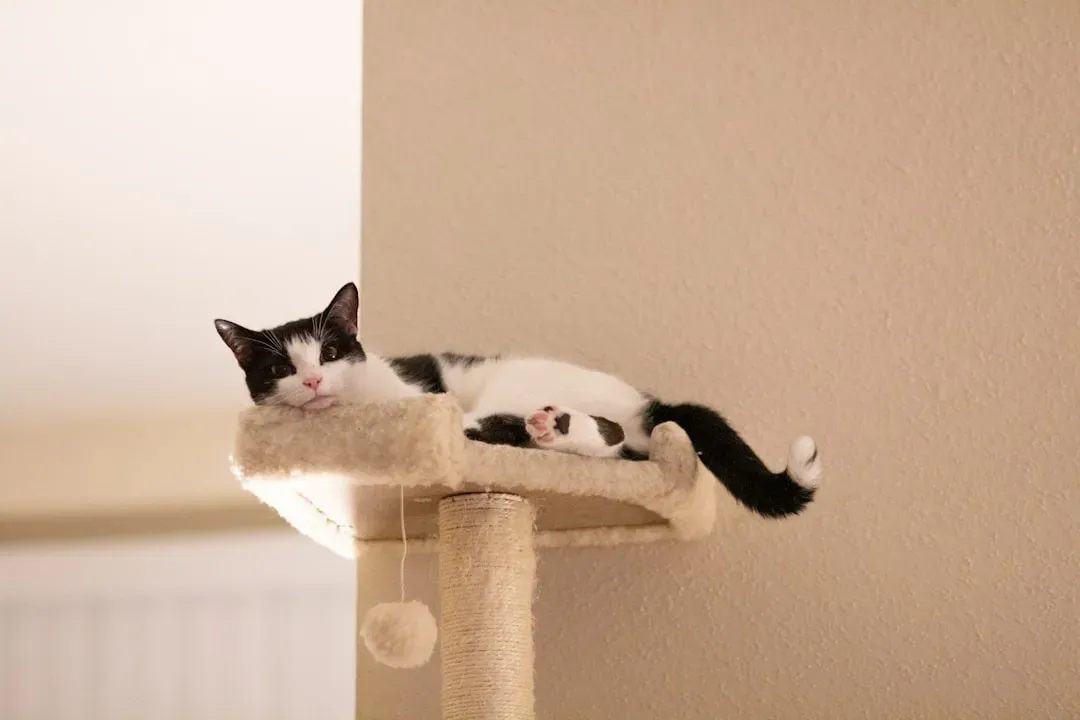
Ever wonder why your cat insists on climbing to the very top of the bookshelf? It’s not just to knock things off, though they do seem to enjoy that too. Cats love high perches so they can easily monitor the space around them – it makes them feel safe and gives them a sense of control over their domain.
Providing multiple safe spaces for cats to retreat to can help them feel safe and secure in the event of a perceived threat. Cats love to be up high, as it gives them a good vantage point and protects them from potential predators, so perches and beds at height are recommended wherever possible.
It’s a bit like sitting at the corner table in a restaurant with your back to the wall. You can see everything, nobody sneaks up on you, and you feel instantly more relaxed. Your cat operates on the exact same logic. A simple cat tree or cleared shelf can transform their whole sense of security at home.
5. Respecting Your Cat’s Sense of Smell
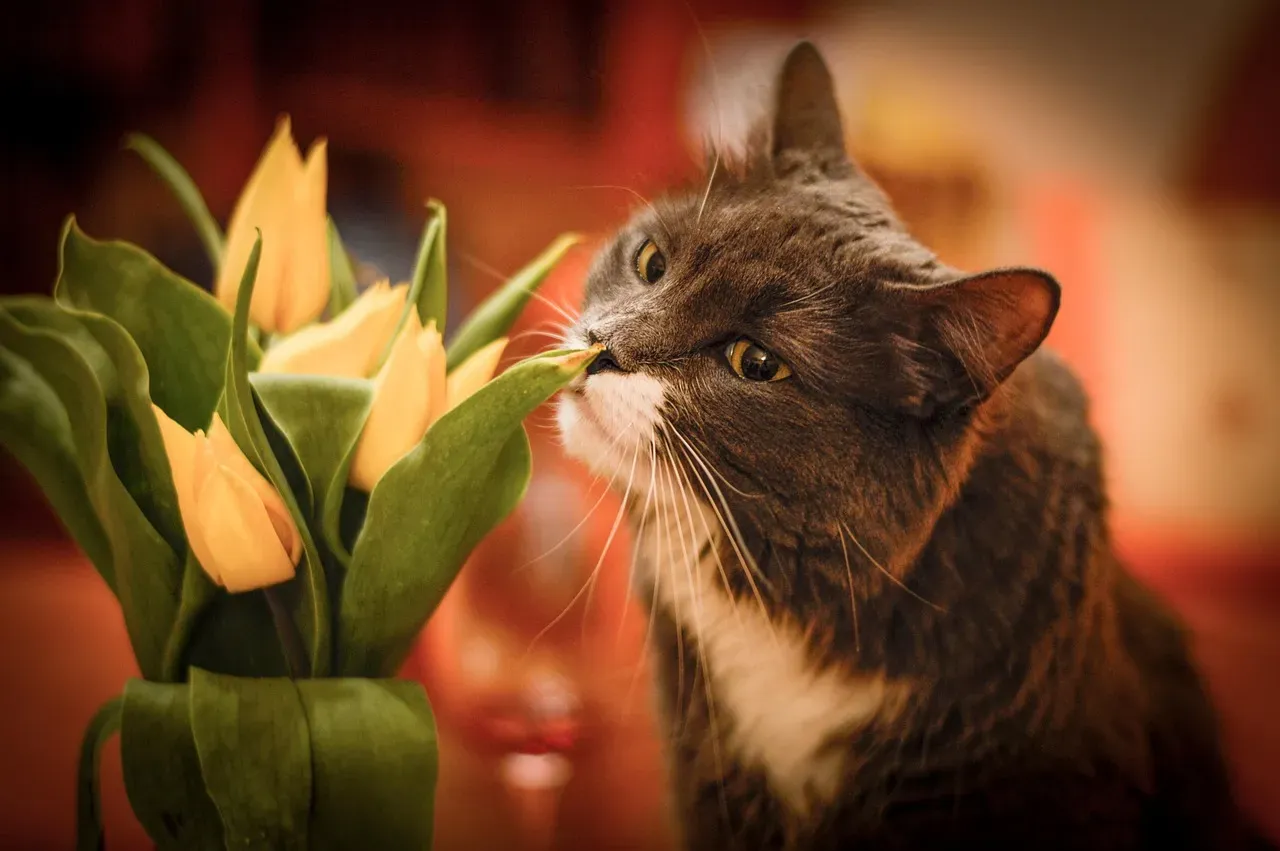
This one surprises almost everyone. You might think your home smells perfectly fine, maybe even lovely thanks to that citrus candle burning on the counter. Your cat, however, almost certainly disagrees. Cats have a keen sense of smell and what we think smells pleasing may be highly irritating to them – for example, cats don’t like citrus scents or strong household cleaners like alcohol or bleach.
Unlike humans, cats use their sense of smell to evaluate their surroundings. Cats mark their scent by rubbing their face and body, which leaves natural pheromones to establish boundaries within which they feel safe and secure. So when you scrub away those invisible scent marks your cat left on the couch leg, you’re essentially erasing their sense of ownership over their own home.
Some smells can be threatening to cats – including unfamiliar animals, scented products, or cleaners – which may lead to problematic behaviors such as urinating outside of the litter box or scratching in undesirable areas. Do a scent inventory of your home with your cat in mind. It can make a surprisingly big difference to their whole mood.
6. Gentle Grooming and Brushing Sessions
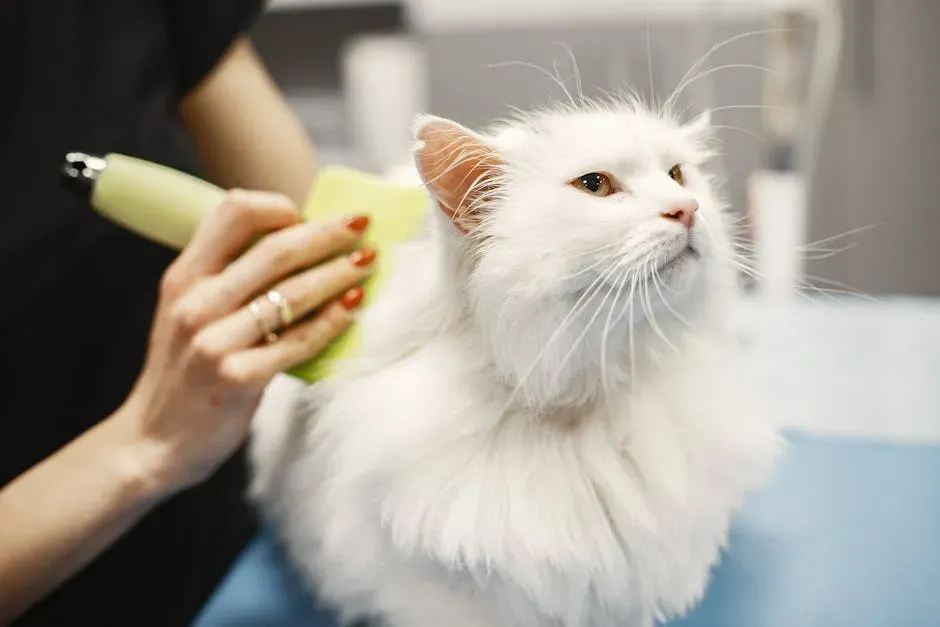
There’s something deeply bonding about grooming. In the cat world, mutual grooming between cats is one of the highest expressions of social trust. When you brush your cat gently, you’re stepping right into that role. Regular brushing sessions and gentle petting create powerful bonding moments that speak directly to your cat’s heart – these mini-massage sessions do double duty by keeping your cat’s coat healthy while flooding them with feel-good hormones.
Although cats are very good at grooming themselves, most will appreciate a little help from time to time, particularly if they have long fur. Gentle brushing or even stroking in hard-to-reach areas such as under the chin and behind the ears is sure to generate a lot of purrs in return.
The key word here is “gentle.” Don’t force it. Cats often demonstrate their affection toward one another through grooming, and it can be a way to bond as a pet parent too – but you shouldn’t force grooming if your cat doesn’t enjoy it, unless they’re a longhaired breed that genuinely needs regular brushing. Start slow, read their cues, and let them lead. Most cats have a sweet spot behind the ears that completely disarms them.
7. Providing Hiding Spots and Cozy Enclosed Spaces
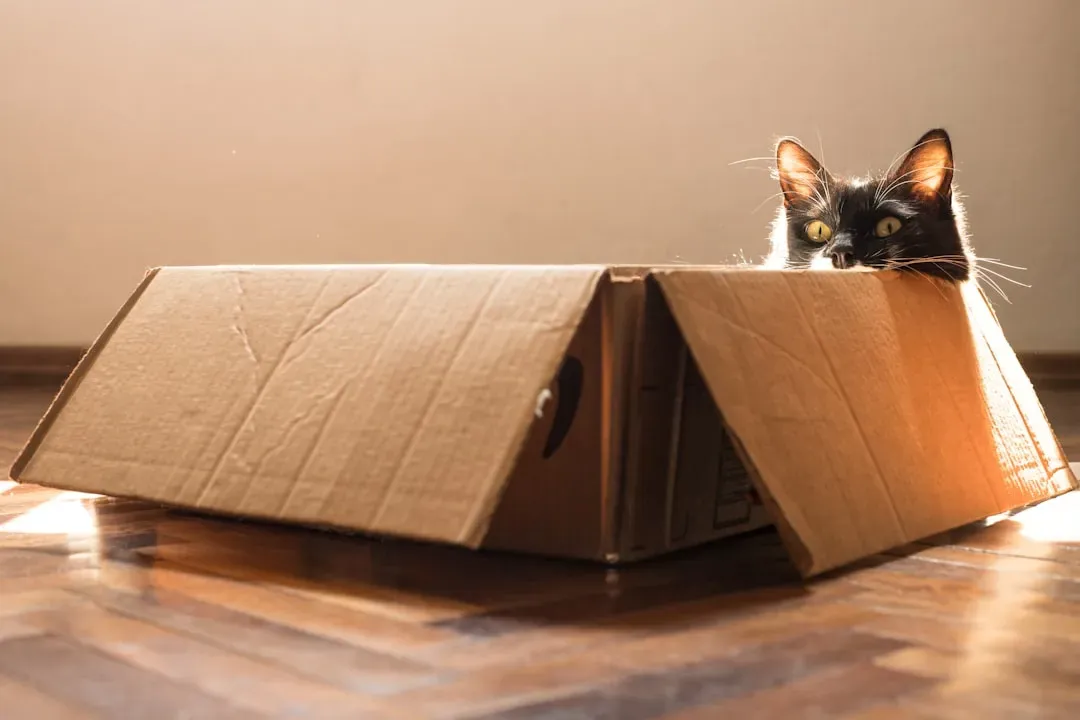
It might seem counterintuitive – if you want your cat to feel loved, why would you encourage them to hide? The truth is that giving your cat places to disappear is one of the most powerful things you can do for their emotional wellbeing. Providing a private and secure place for a cat to hide in or retreat to – such as boxes, perches, and cat condos – satisfies a deeply wired need, as cats evolved to avoid and hide in the wild.
Cats love boxes because they help them feel safe and secure. As solitary creatures by nature, having somewhere to hide and snooze in peace is important – and even better if it’s up high, as it means they can easily see their surroundings. Try filling a box with a blanket to make it even cozier and place it in a quiet corner of the house.
Think of it the way you might think of a weighted blanket or a cozy corner chair. That enclosed feeling isn’t about isolation – it’s about relief. When your cat voluntarily comes out of their hiding spot and chooses to be near you, that choice means so much more because they had the option to stay hidden.
8. Daily Interactive Play That Honors Their Hunter Instinct
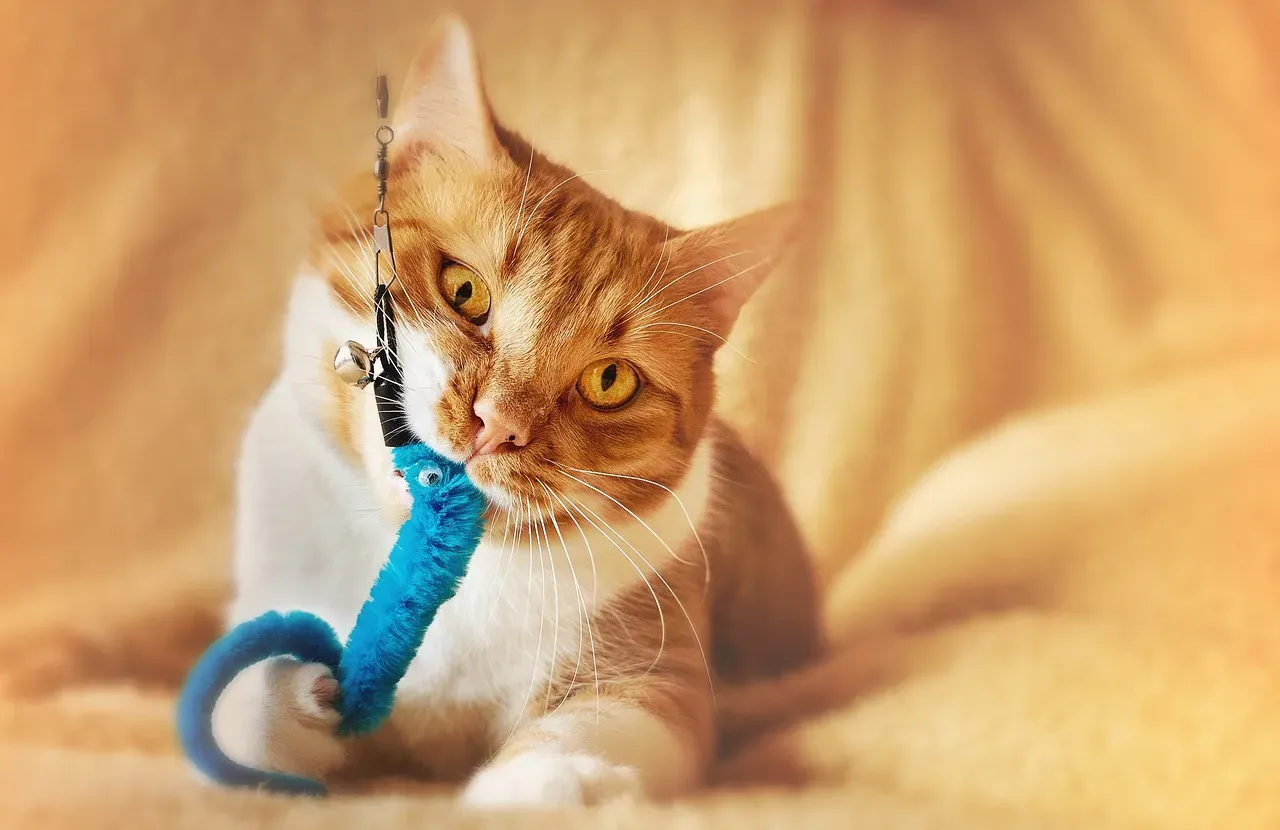
Let’s be real: your cat, regardless of how pampered they are, is a predator. And a predator that never gets to “hunt” is a frustrated, anxious one. Cats need to be provided with the opportunity to play in order to allow them to fulfill their natural need to hunt and stalk, as well as provide mental and physical stimulation.
Playing with your cat causes their brain to release feel-good hormones called endorphins and helps them to burn off excess energy. Just ten minutes of play a day is enough to keep them happy, healthy, and your best friend. Ten minutes. That’s less time than most people spend scrolling their phone after waking up.
Mental challenges are just as important as physical exercise for your cat’s emotional health. Puzzle feeders, hidden treats, and interactive toys keep their minds sharp and engaged – bored cats often become anxious or destructive cats. By providing mental stimulation, you’re helping them feel accomplished and satisfied, like they’ve worked for their rewards. Wand toys, laser pointers, crinkle balls – mix it up. Variety keeps things exciting for them, exactly the way a new jogging trail keeps things interesting for you.
9. Letting Your Cat Initiate Contact and Respecting Their Boundaries
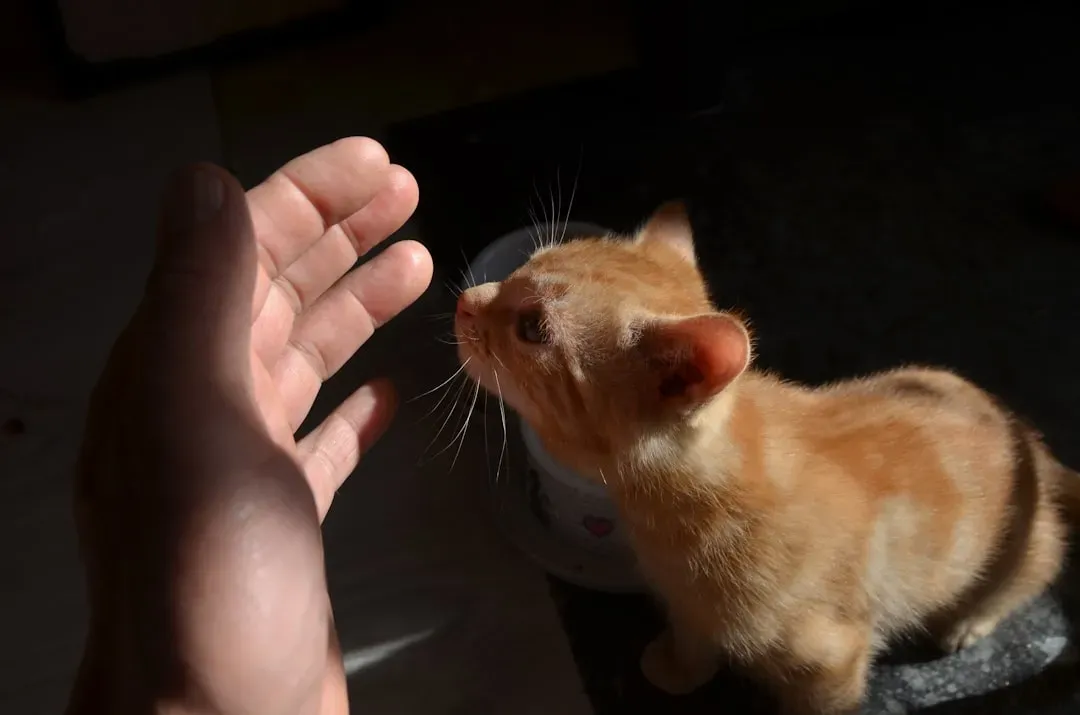
This is the one most cat owners get wrong, especially with new cats. The instinct is to pick them up, cuddle them, and shower them with affection. Understandable. Honestly, I’ve been guilty of it too. As eager as you may be to cuddle your new cat, it’s best to allow them to initiate interaction when they are ready – unexpected or uninvited handling can be scary, especially if the cat has experienced trauma or is nervous around strangers.
It may sound counterintuitive, but one important step to help your cat build trust is by leaving them alone to adjust. Most cats need a little time to simply decompress after coming to a new home. This applies beyond the first days too. Respecting your cat’s “not now” signal on any given afternoon builds far more trust than forcing affection.
Vets say the signs your cat feels safe with you can be subtle. “As a naturally cautious animal, a cat’s trust can be observed in small ways,” according to veterinary professionals who study the cat-human bond. When you give your cat full autonomy and they still choose to come sit beside you, that’s not just cute. That’s profound trust.
10. The Headbutt: Welcoming Their Way of Claiming You
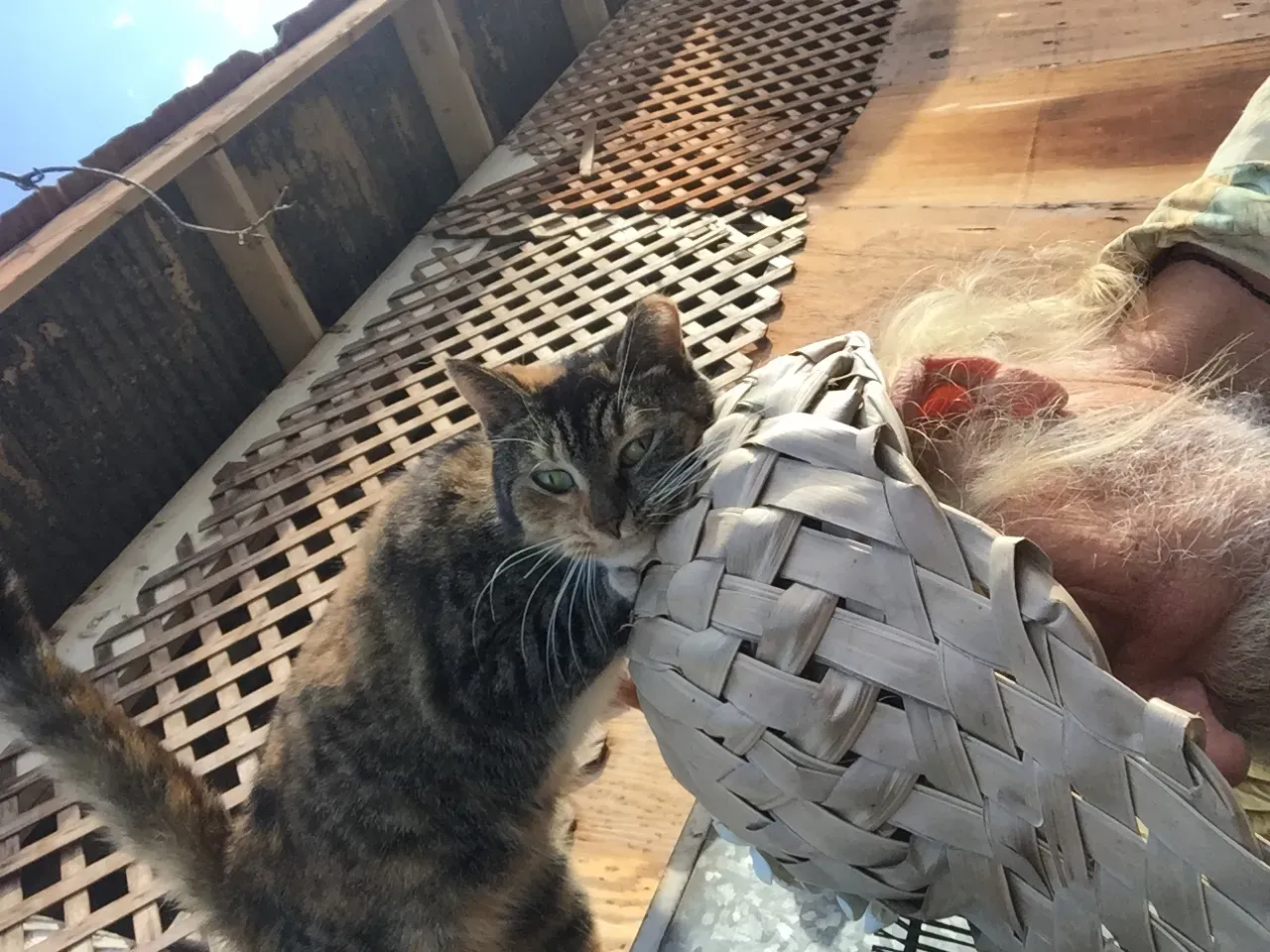
If your cat has ever pressed their forehead firmly into your face, your shin, or your hand, congratulations – you’ve been officially claimed. It might feel random or even a little pushy, but it’s one of the warmest things a cat can do. When a cat butts its head against you, it is most likely indicating that it feels safe with you and wants to mark you as its territory. Cats have scent glands on their foreheads, chins, and cheeks, and when they push their heads against you, this releases pheromones. This behavior, called bunting, can also be a way to reduce stress, express affection, and receive comfort.
Head butting, or bunting, is a primary way cats show affection and claim ownership. Cats have scent glands on their cheeks, forehead, and chin – when they do this, they are depositing their scent and marking you as their territory and part of their family. You are not just their human. You are their person. Their safe landmark in the world.
Another tip-off for cat comfort levels is slow eye blinks – give slow blinks back, and you may be rewarded by a “bunting,” which is when your cat rubs their forehead and side of their face against you to mark you as their own. The next time your cat headbutts you unprovoked, lean in gently and let them finish. They’re telling you something beautiful.
A Final Thought Worth Carrying With You
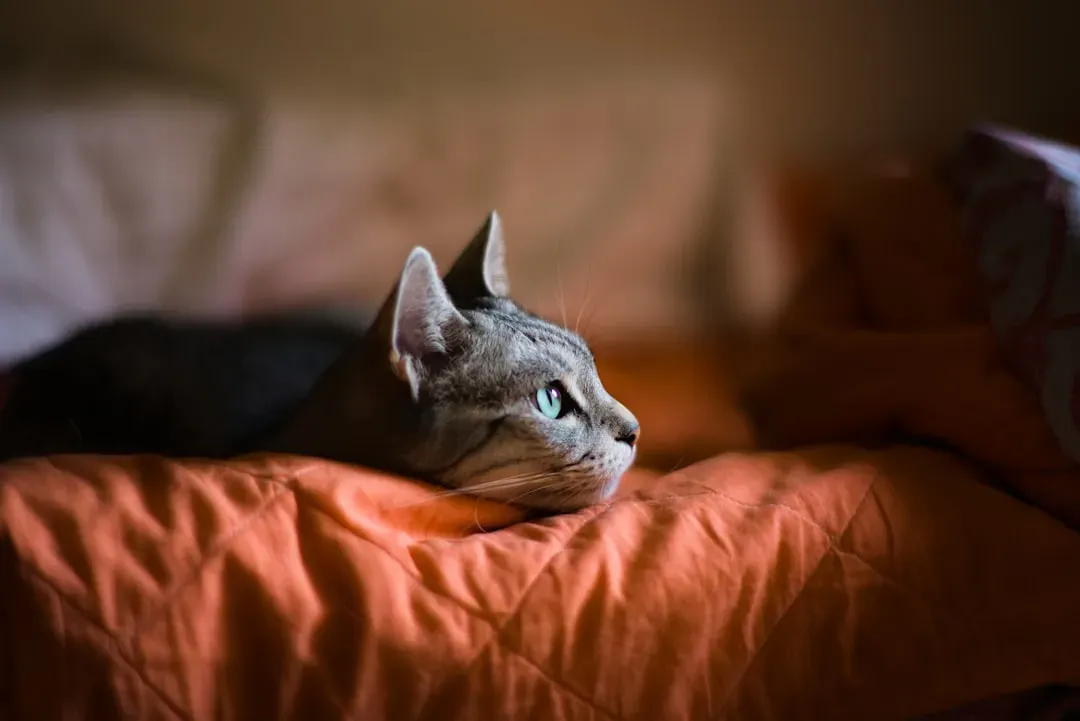
What becomes clear across all of these points is that making a cat feel safe and loved is less about grand gestures and more about quiet, consistent attentiveness. It’s about learning their language instead of expecting them to learn yours. When you respond to your cat’s gestures appropriately – slow blinking back, accepting head bonks gracefully, acknowledging their purrs – you’re having actual conversations with your cat, and these simple gestures add up to something extraordinary: a cat who feels completely secure in your love and care.
Cats don’t ask for much. A perch with a view, a schedule they can rely on, a scent that feels like home, and a person who actually listens. Providing a comfortable space for your cat, with the resources they need, can dramatically reduce your pet’s anxiety – and a more relaxed cat translates into a healthier and better-behaved cat.
The relationship between a human and a cat is one of the most quietly rewarding things in the world, precisely because it is earned. So the next time your cat chooses to sit beside you when they could be anywhere else in the house, take a moment to appreciate what that really means. What small thing will you change today to make your cat feel more at home? Tell us in the comments.
Kristina is a young writer from India. An arts graduate and an avid content creator, Kristina is passionate about animals and wildlife. She enjoys exploring topics related to pet care, animal behavior, conservation, and nature, combining thorough research with engaging storytelling.