Cats are fascinating, complex creatures. They’re tender one moment and indifferent the next, which honestly makes them all the more captivating to live with. Most cat owners will tell you they adore their feline companions deeply – and yet, without even realizing it, many of them are quietly pushing their cats away with everyday habits and well-intentioned choices that simply miss the mark.
Here’s the thing: your cat isn’t being difficult or mysterious without reason. More often than not, the tension, the hiding, the scratch out of nowhere – it all traces back to something you’re doing, or not doing. The good news? Every single one of these mistakes is fixable. So let’s dive in.
Petting Your Cat in All the Wrong Places
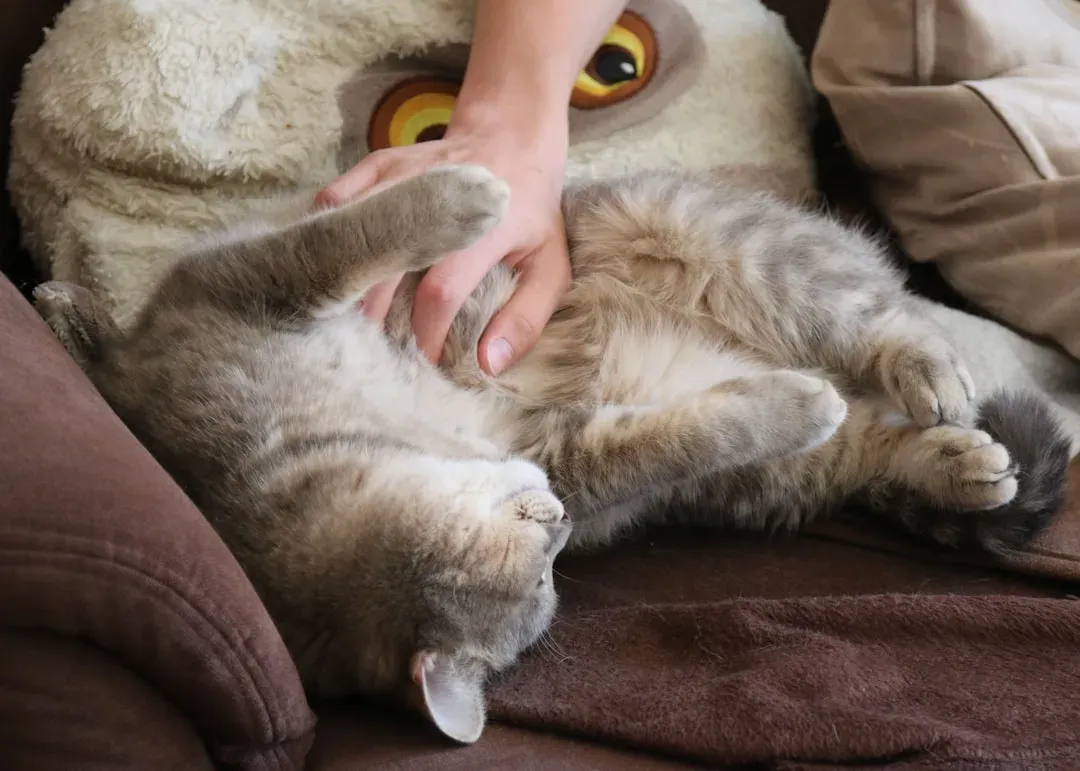
You reach over, give your cat a big, loving stroke along their back, tail, and belly – and suddenly, out comes a paw. Sound familiar? Research involving cat owners interacting with unfamiliar shelter cats revealed a striking pattern: many owners, even those who consider themselves cat experts, consistently pet cats in areas most felines find uncomfortable. Participants frequently stroked cats on their legs, belly, back, and tail tip – all areas cats typically prefer to keep off-limits.
This mistake happens because you assume that if a little petting is good, more extensive touching must be even better. In reality, your cat has very specific preferences about where it enjoys being touched, and these preferences are rooted in natural social behavior and sensory systems. Think of it like a handshake that suddenly turns into an unwanted hug – your cat simply isn’t ready for that level of contact in certain spots. Stick to the cheeks, chin, and the base of the ears, and you’ll likely be rewarded with a purr rather than a scratch.
Forcing Contact Instead of Letting Your Cat Lead
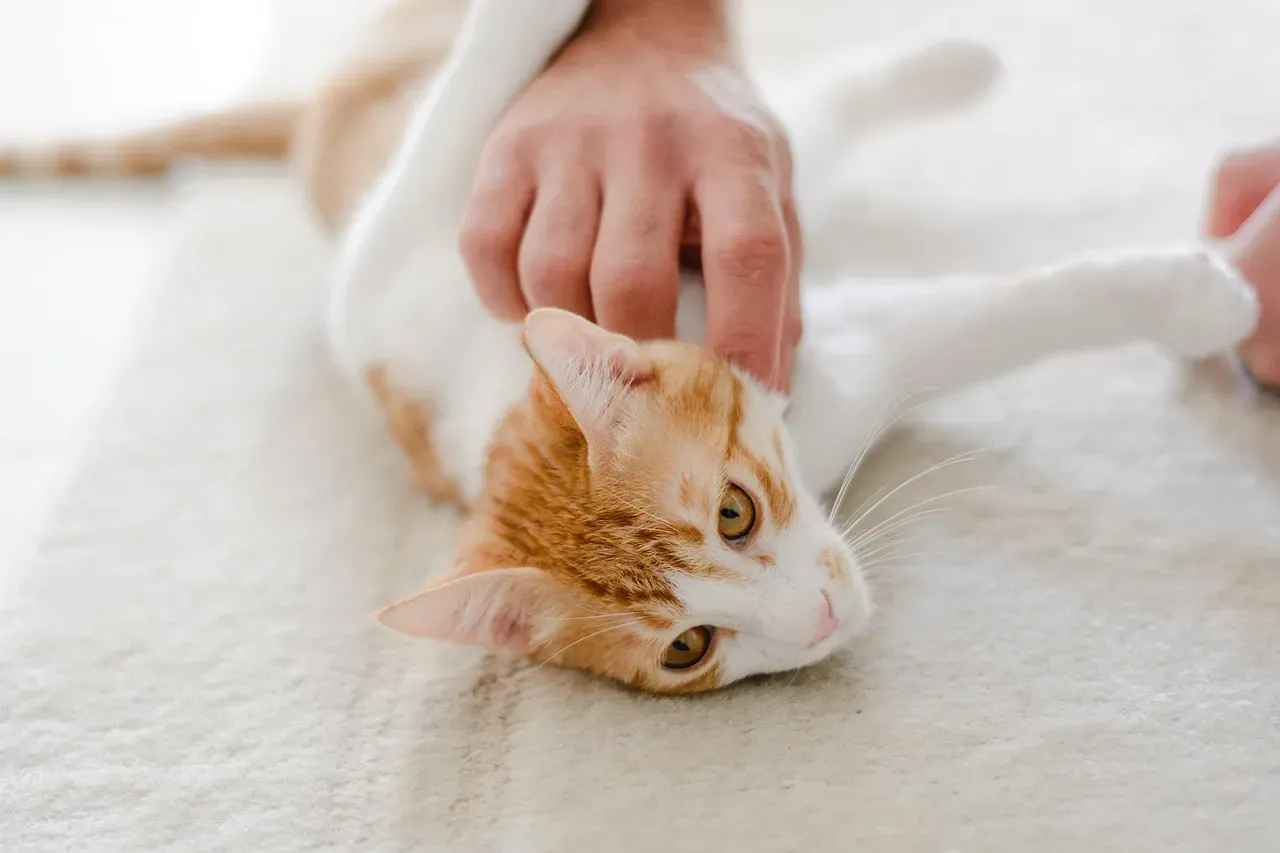
A critical error many owners make involves forcing contact rather than allowing cats to initiate or control interactions. Many owners approach their cats and immediately begin petting or handling them without waiting for signs that the cat is receptive to contact. Honestly, this is one of those mistakes that feels so loving in the moment but has the opposite effect in the long run.
Being stroked or picked up when it’s not wanted or enjoyed is genuinely stressful for cats. Sudden or rough handling makes cats uncomfortable, and they can develop behavioral issues such as reactivity or fear if they are distressed. The best approach? Let your cat walk toward you, sniff your hand, and choose whether to engage. It’s a small shift in behavior that builds an enormous amount of trust over time.
Overfeeding and Ignoring Portion Control
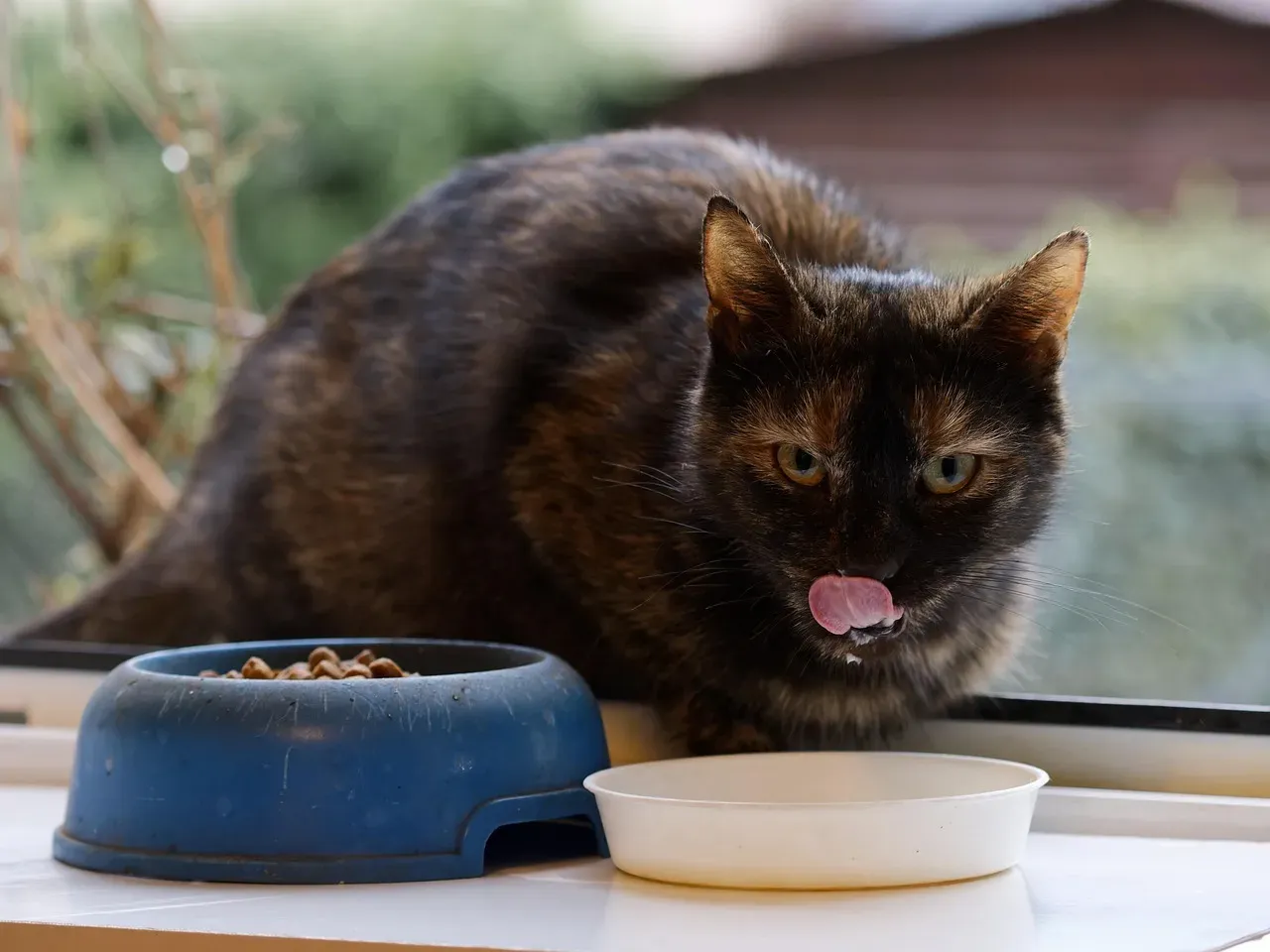
There’s no such thing as too much food as far as your cat is concerned. Every time you visit the kitchen, your cat may run to its food bowl, silently pleading for a little more. Although topping off the bowl may seem harmless, it could increase your pet’s risk of becoming overweight or obese. It’s the cat equivalent of someone leaving an entire pizza in front of you all day – eventually, you’d eat the whole thing too.
The trend is only increasing as cat parents overfill the food bowl, leave it full and available all day, and forget that treats contribute to total daily calorie intake. Feeding is a huge part of your relationship with your cat, but being overweight significantly reduces a cat’s quality of life, making them more prone to developing diseases. Even being moderately overweight can shorten their lifespan. So the next time those big pleading eyes work on you, remind yourself: a lighter bowl now means more years together later.
Using Punishment Instead of Positive Reinforcement
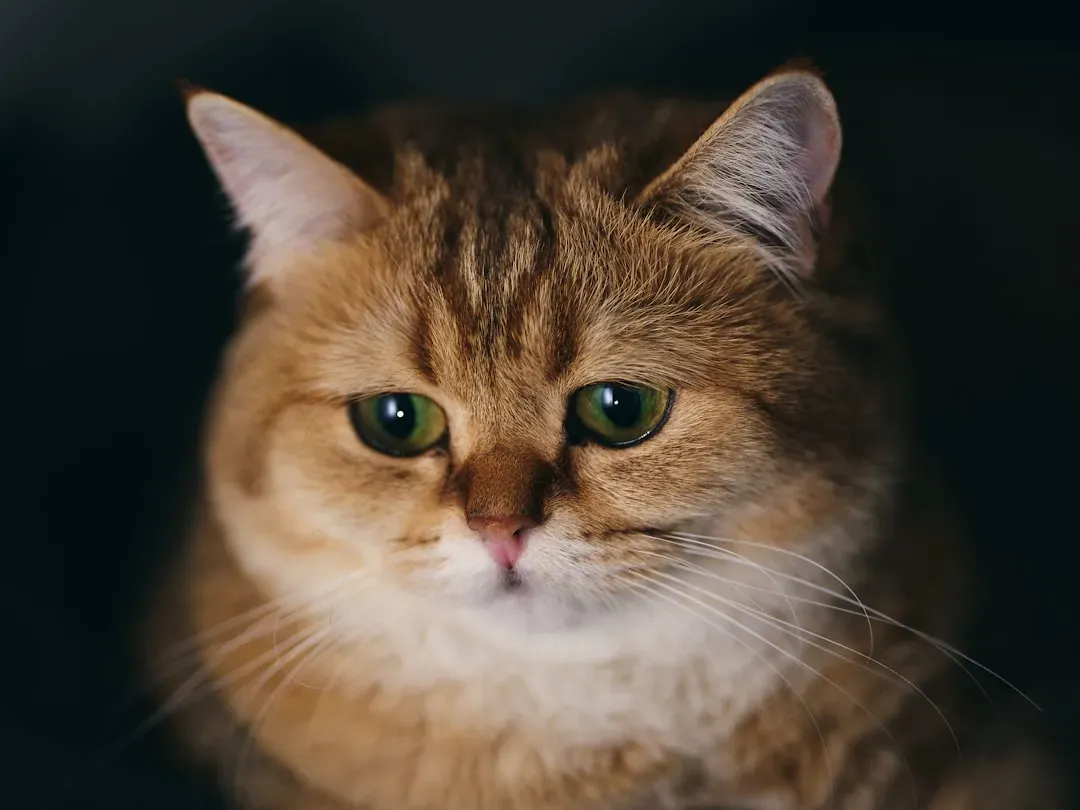
Harsh punishment like yelling or squirting water can create fear and damage your bond with your cat. Wanting more contact than your cat is comfortable with or being inconsistent in how you behave toward your cat – for instance, punishing an unwanted behavior like scratching the carpet – can damage the relationship, as the cat may view its owner as unpredictable and choose to avoid them, or even act defensively by scratching or biting.
Think about it from your cat’s perspective. They don’t have a moral framework around “right” and “wrong” the way humans do. The fastest way to ruin a relationship with a cat is to hit them, scare them, yell at them, or in any way push upon them a negative impression of you. Instead, redirect unwanted behaviors using toys, scratching posts, and positive reinforcement. You’ll get far better results, and your cat will actually want to be around you.
Neglecting the Litter Box Setup and Hygiene
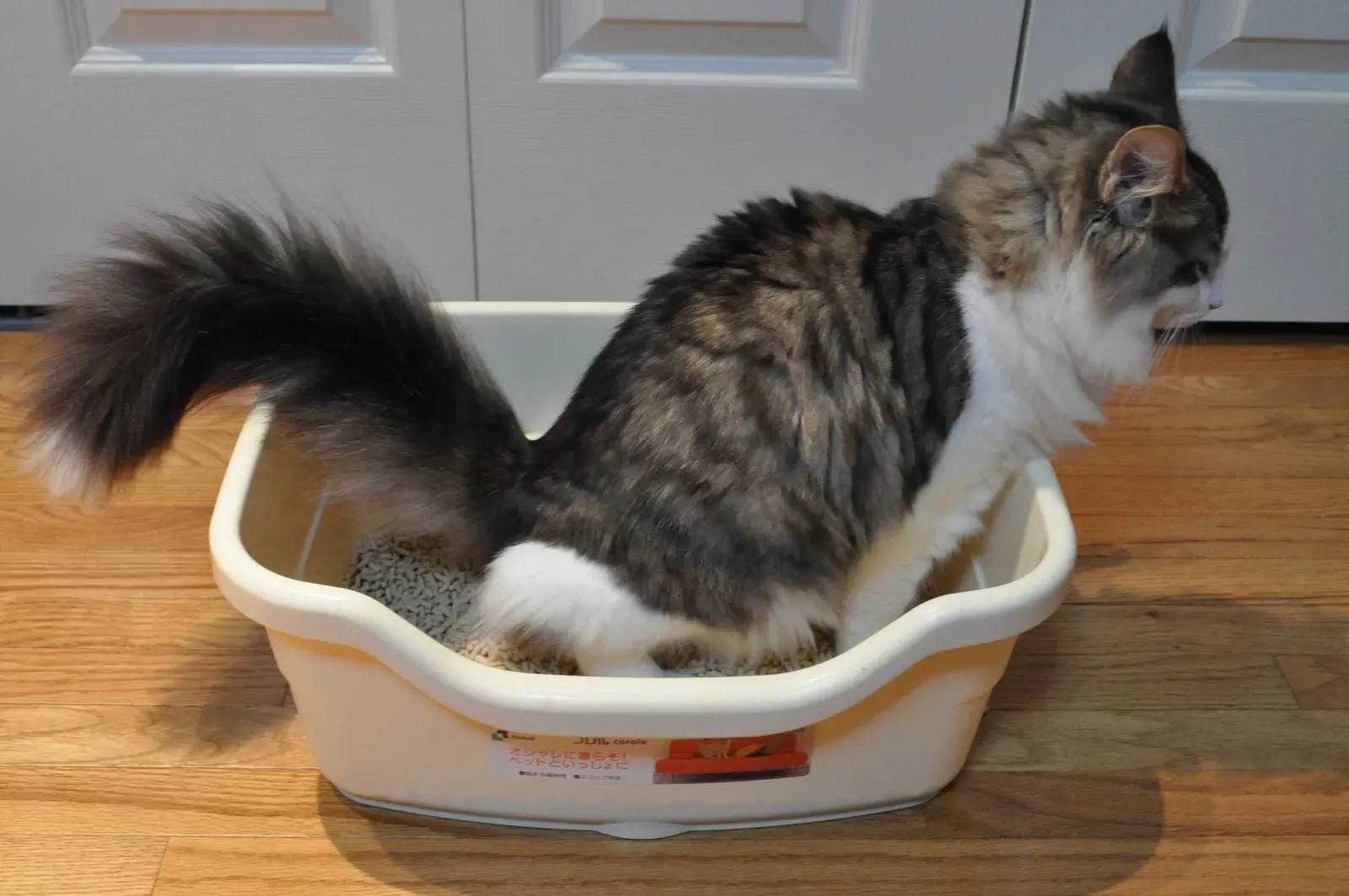
It turns out cats prefer having more than one litter box to choose from. In nature, cats like to separate their urination and defecation behaviors. In the home, having just one box where there’s both urination and defecation can cause a cat to urinate outside the box. The rule of thumb most experts suggest is one box per cat, plus one extra – so if you have two cats, you need three boxes.
Many cat owners neglect to keep the litter boxes as clean as they should. If the litter box gets too dirty and smelly, your cat may begin looking for other places in the home to relieve themselves. Many owners only scoop the litter box once a day, or worse, once every couple of days. You should be scooping each litter box multiple times a day, preferably whenever you notice it has been used. It sounds like a lot, but consider how you’d feel about using a filthy bathroom with no option to leave. Your cat feels exactly the same.
Skipping Regular Vet Visits Because Your Cat “Seems Fine”
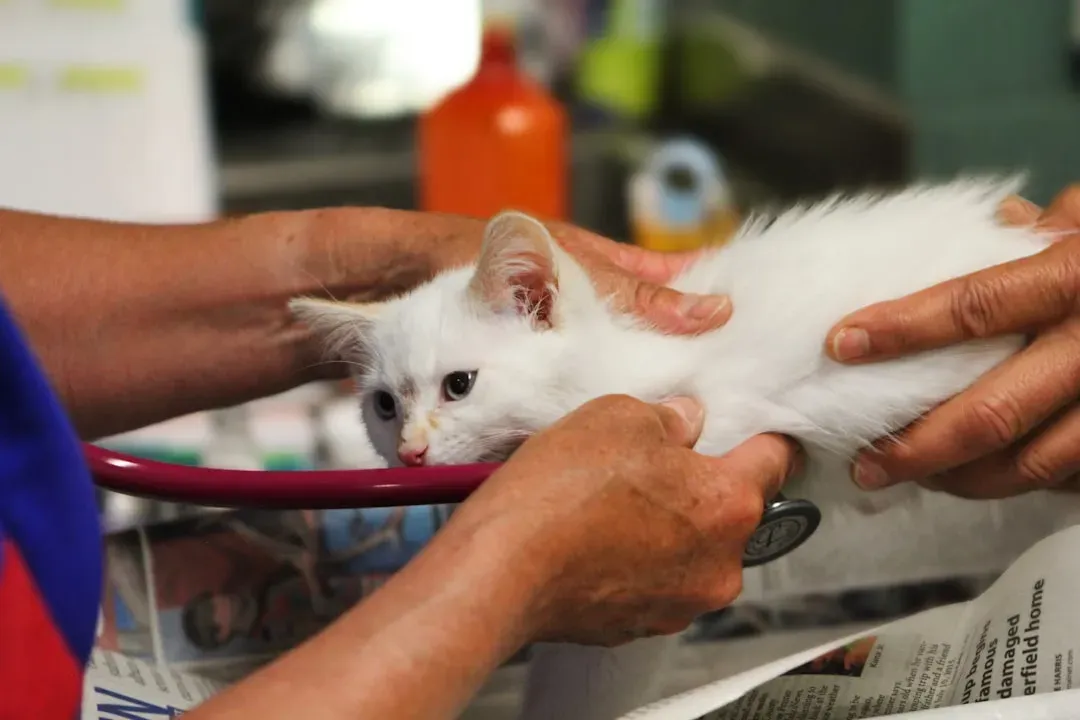
One of the biggest mistakes cat owners make is skipping annual vet checkups. Cats are masters at hiding discomfort or illness, so by the time you notice symptoms, it may already be serious. While you might think your cat would vocalize or limp if they were in pain, the signs are often far more subtle. Cats are good at hiding pain because, in the wild, they are prey as well as predators. It’s not a good survival strategy to broadcast that you’ve got a problem. Unfortunately, this means the signs of pain are easy to miss, which is how many cats suffer for longer than they need to.
Routine blood tests conducted during annual visits provide important information on your pet’s health. The tests can detect diabetes, thyroid disease, heart or bone damage, or liver, kidney, or gallbladder disease long before your pet shows any symptoms. During the appointment, your pet may also receive vaccinations that will prevent potentially deadly diseases such as rabies and distemper. It’s honestly one of the simplest, most impactful things you can do for your cat’s wellbeing – and for your own peace of mind.
Misreading or Ignoring Your Cat’s Body Language and Stress Signals

Many cat owners accidentally push their pets too far by not recognizing when a cat wants to be left alone. This can result in scratches, bites, or anxiety. Learning basic cat body language cues – like tail flicking, flattened ears, or dilated pupils – and giving your cat space when needed makes a significant difference. Felines are subtle animals, and it can be tricky to tell if you’ve got a stressed cat at home. Their behavior might change slightly, or they might begin doing things you perceive as “being naughty.” In fact, the domestic cat can be great at hiding signs of stress – it’s simply in their nature.
Some of the stressors most commonly encountered by cats include changes in environment, inter-cat conflict, a poor human-cat relationship, and the cat’s inability to perform highly motivated behavior patterns. Stress is very likely to reduce feed intake, and stress-related loss of appetite may contribute to serious medical conditions. Stress also increases the risk of cats showing urine marking and some forms of aggression. Pay attention to the quiet signals – a flicking tail, a flattened ear, a slow retreat to the corner of the room. Your cat is always communicating. The question is whether you’re listening.
Conclusion: Your Cat Is Worth the Effort
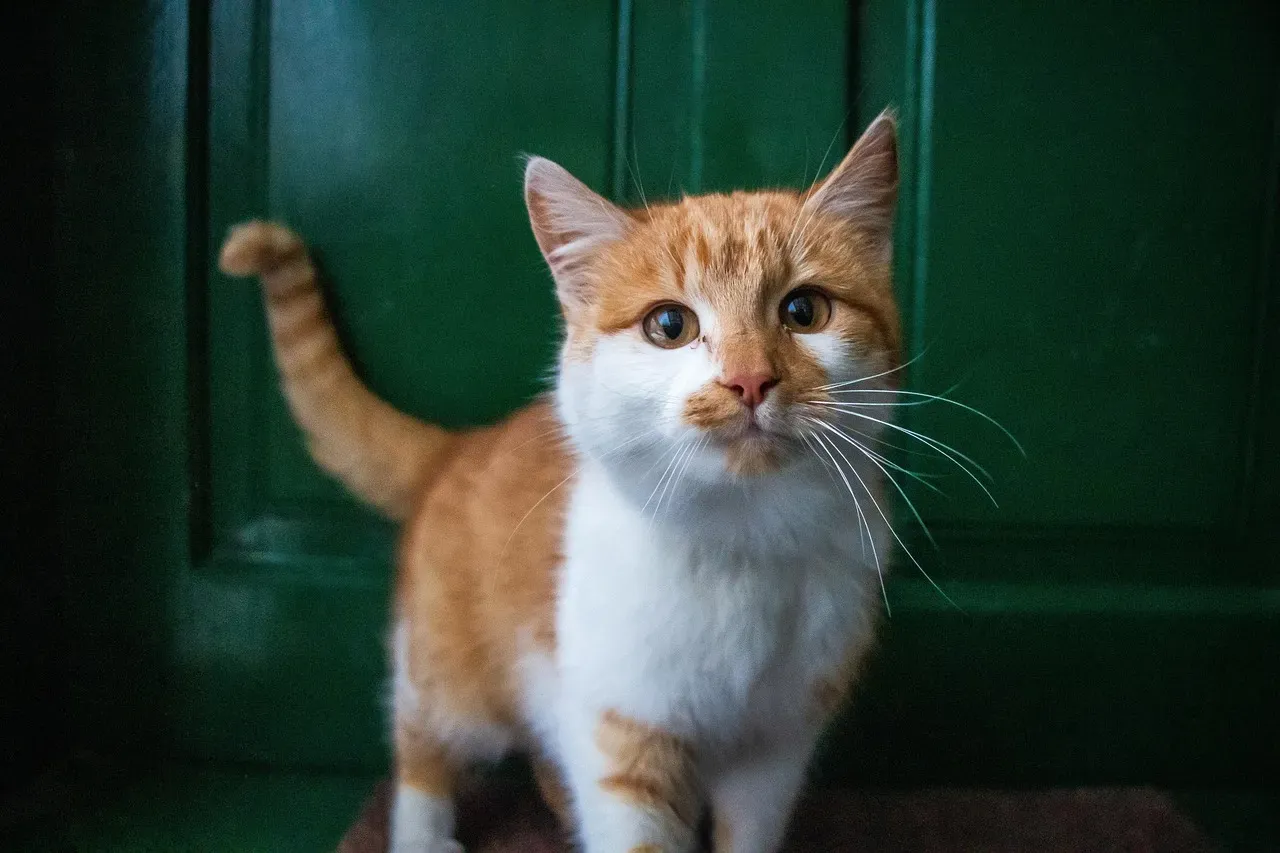
The relationship you build with your cat is genuinely one of the most rewarding bonds a person can have. Spending your life with a cat brings you laughter, companionship, and so much more. Studies even show that petting a cat for just ten minutes a day can reduce your stress levels. That’s a relationship worth protecting and nurturing with care.
None of these seven mistakes are things to feel guilty about. Most cat owners make them simply because nobody told them otherwise. Now you know. Small changes – letting your cat come to you, keeping that litter box spotless, scheduling that annual vet visit – can completely transform the dynamic between you and your feline companion.
Your cat wants to trust you. Give them every reason to. What would you change first – and do you think your cat has been trying to tell you something all along? Share your thoughts in the comments.
Kristina is a young writer from India. An arts graduate and an avid content creator, Kristina is passionate about animals and wildlife. She enjoys exploring topics related to pet care, animal behavior, conservation, and nature, combining thorough research with engaging storytelling.