There’s a moment most cat owners know well. You’ve had one of those truly terrible days, the kind where everything went sideways before noon. You collapse onto the couch, and within minutes, your cat materializes from nowhere, jumps up beside you, and simply stays. No fanfare. No performance. Just presence. It feels almost too deliberate to be coincidental.
Honestly, it isn’t. Science has been quietly catching up to what cat lovers have always sensed: our feline companions are reading us far more deeply than we ever gave them credit for. They pick up on your voice, your body, your scent, and something harder to define. So if you’ve ever wondered whether your cat genuinely knows when you’re struggling, you’re about to find out the answer is a resounding yes. Let’s dive in.
The Science of Feline Emotional Intelligence
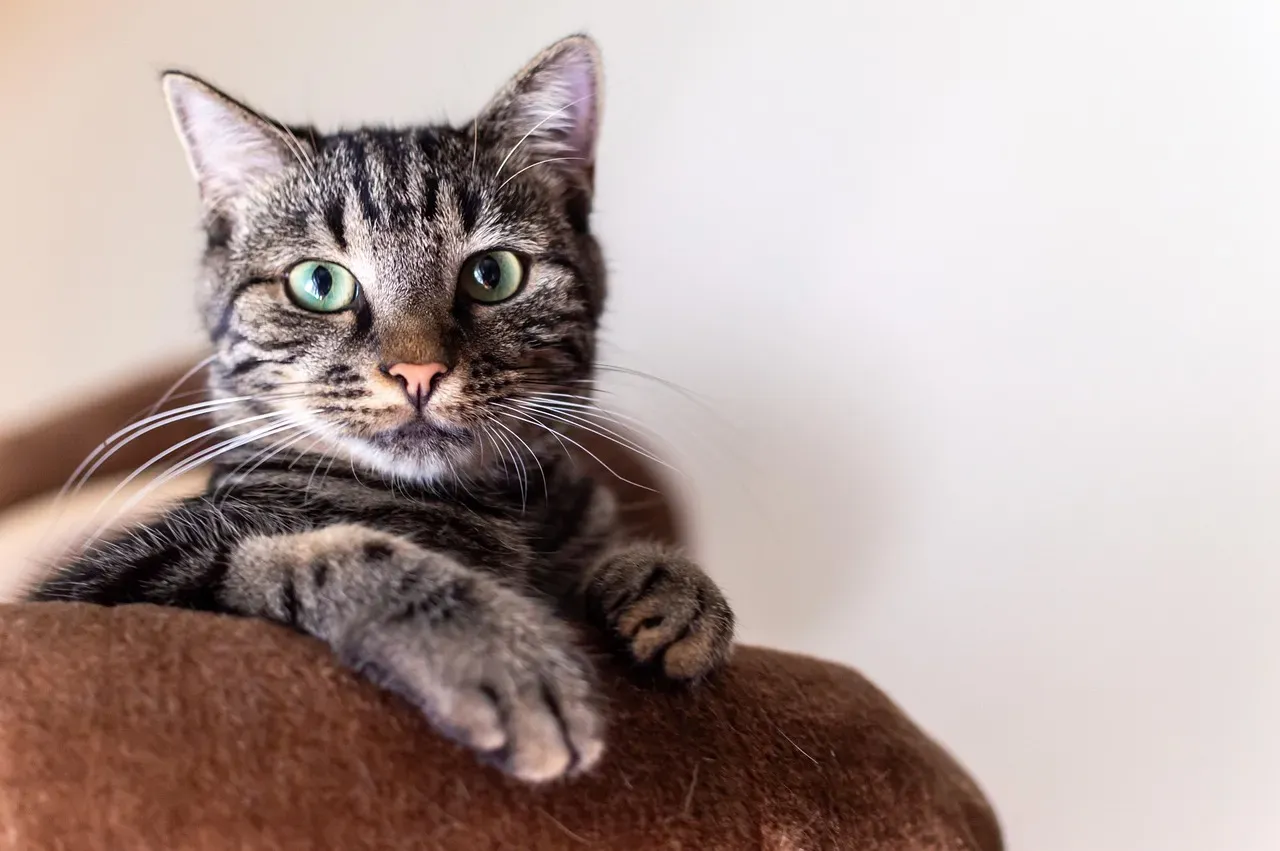
For decades, cats carried an unfair reputation as cold, indifferent creatures who only tolerated humans for food and warmth. Let’s be real, that narrative was always a little lazy. Research demonstrates that cats integrate visual and auditory signals to recognize human and conspecific emotions, and they modulate their behavior according to the valence of the emotion perceived. That’s not instinct. That’s emotional intelligence, plain and simple.
Contrary to earlier studies suggesting that cat sensitivity to human emotional cues is restricted to their owner’s familiar expressions, cats are actually able to recognize and interpret unfamiliar human emotional signals, suggesting they have a general mental representation of humans and their emotions. Think about what that means. Your cat doesn’t just know you personally. It understands humans as a category. That’s a surprisingly sophisticated cognitive feat for an animal we once dismissed as self-absorbed.
Your Mood Is Written All Over Your Body, and Your Cat Is Reading It
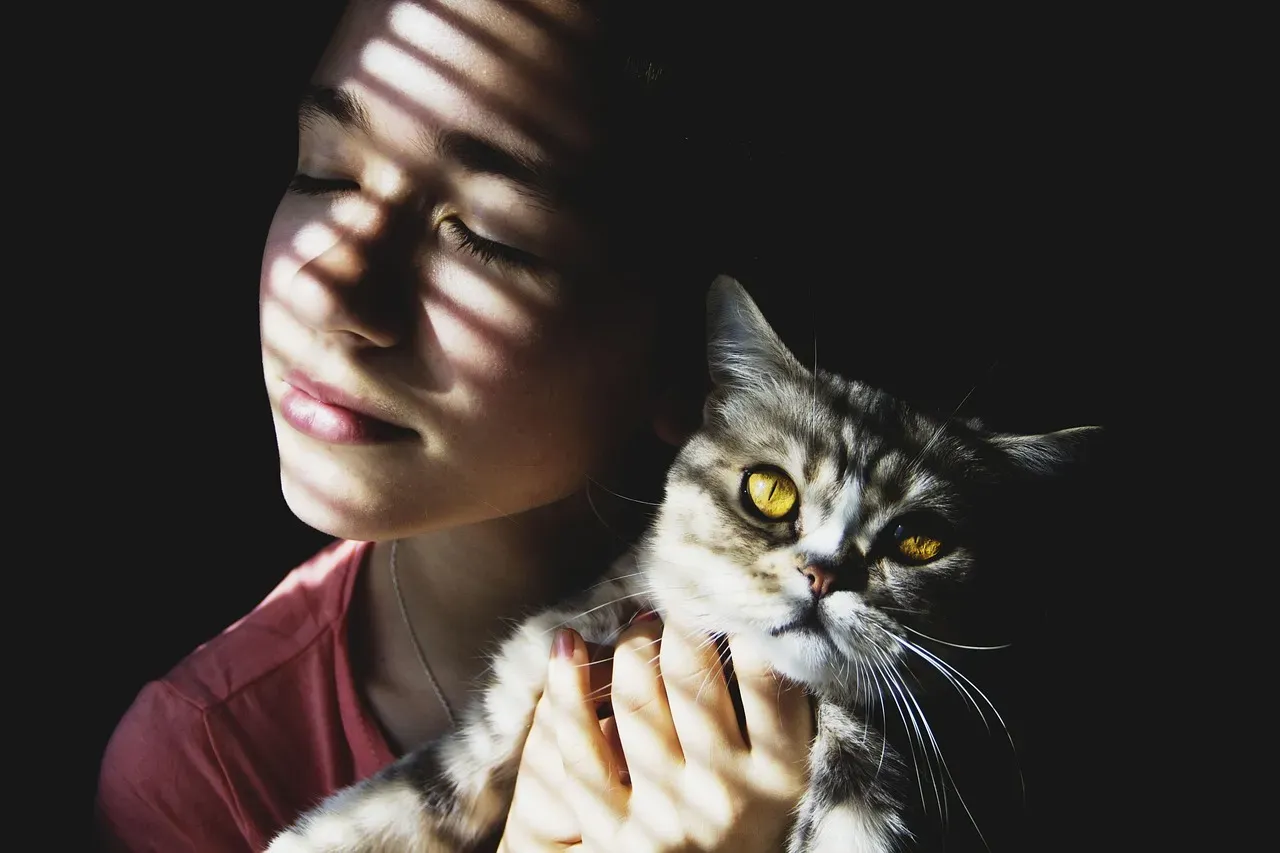
You might think you’re hiding how you feel. You’re sitting quietly, not crying, not yelling, just staring at the ceiling. Your cat, however, is not fooled. Cats are exceptional at reading visual signals, from the slump of your shoulders to the furrow of your brow. They can detect the subtle changes in your facial expressions that accompany sadness, and they are adept at recognizing body language associated with low moods, such as a hunched posture or lack of energy.
The way cats recognize human emotion is based on your body language, behavior, speech, tone of voice, and facial expressions. They can pick up on various behavioral and emotional signals from humans and adjust their behavior accordingly. It’s a bit like having a silent observer in the room who misses nothing. The difference is, this observer then decides to curl up next to you rather than just take notes.
Your Cat Can Literally Smell Your Feelings
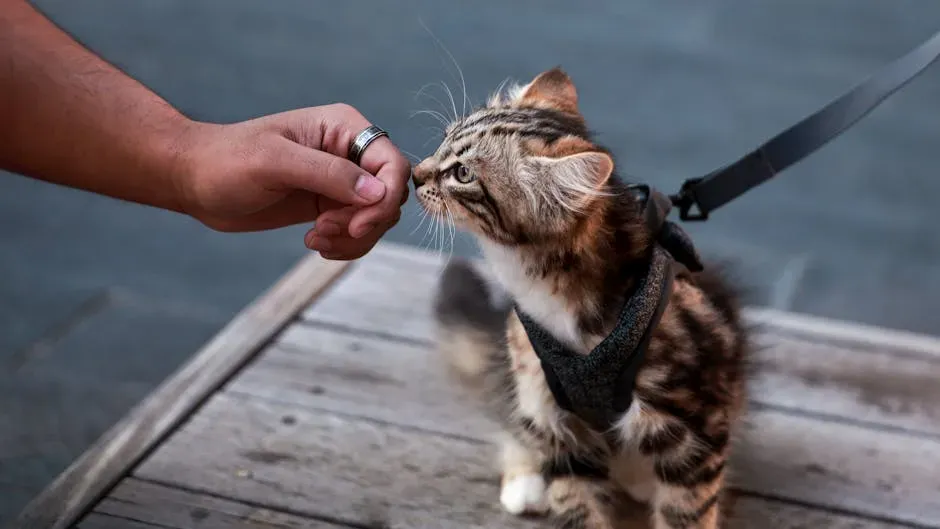
Here’s where things get genuinely fascinating. Your emotions don’t just show on your face. They show in your chemistry. Strong emotions lead to changes in your hormones, which change the scent you give off. Cats are highly receptive to these scents, which is likely how they sense energy and mood shifts. When you feel fear, stress, or sadness, your body announces it at a molecular level, and your cat has a nose built to receive that announcement.
Cats possess an extraordinarily sharp sense of smell. Their olfactory prowess, with roughly 50 to 80 million scent receptors compared to our mere 5 million, allows them to sense chemical changes in your body. They can detect fluctuations in hormones and metabolic byproducts that occur when you’re unwell. Think of it this way: you are essentially walking around broadcasting your emotional state on a frequency your cat is perfectly tuned to receive.
When You’re Sad, They Show Up Differently
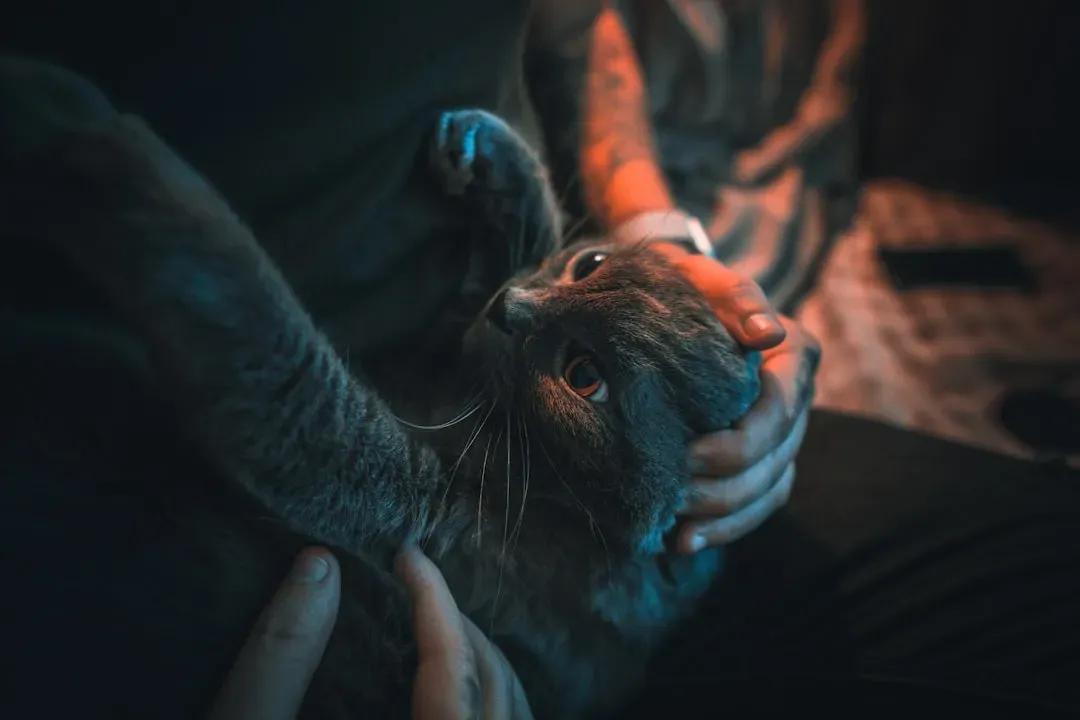
Most cat owners have noticed this one. On a tough evening, your normally aloof cat seems to abandon its usual routine and gravitates toward you. This isn’t coincidence. Cats tend to engage and interact more with their owners if they are depressed or showing negative emotional states like sadness, grief, or loneliness. The way cats recognize human emotion is based on body language, behavior, speech, tone of voice, and facial expressions.
Most cats recognize and engage with their owners more when you’re giving off emotional signals of sadness, grief, or loneliness. They seem to know when they’re needed and will try to bring you comfort by sitting on your lap and purring. Some cats go further. Some cats exhibit comforting behavior when they sense their owner’s sadness. This can manifest in physical affection, such as cuddling, nuzzling, or even gently pawing at their owner’s face. These gestures are often accompanied by soothing purrs, as if the cat is attempting to calm and reassure their human companion.
The Healing Power Hidden Inside a Purr
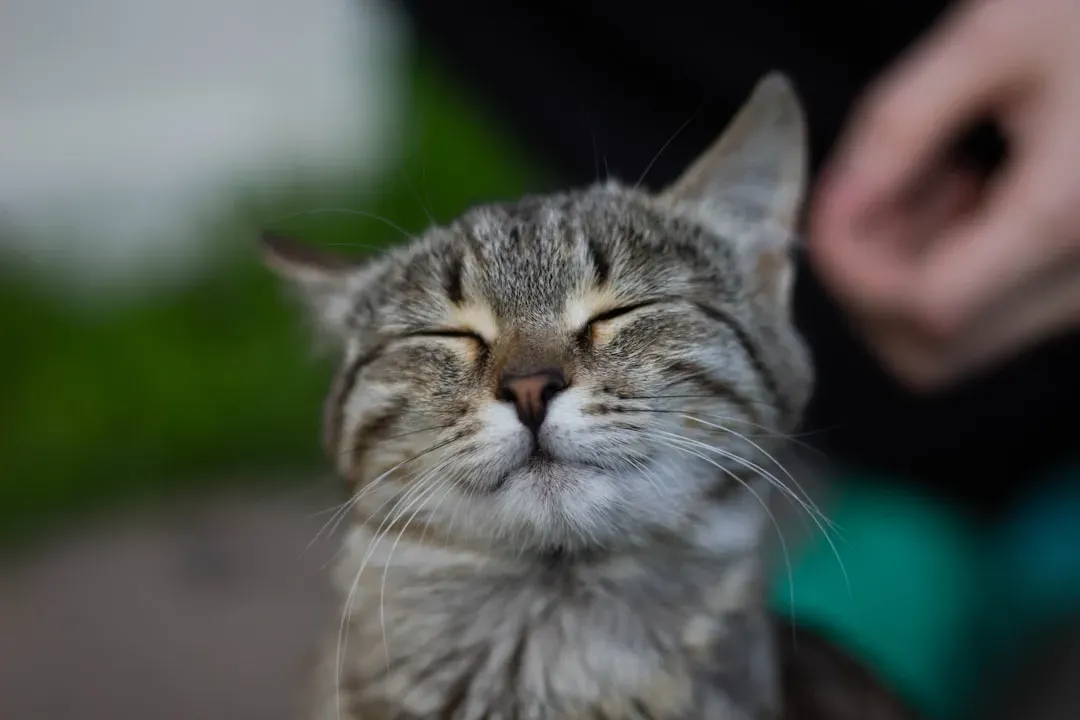
A cat’s purr is not just soothing to the soul. It turns out it’s doing something measurable and real to your body. A cat’s purr is multifrequency, with the average cat purring at a frequency of roughly 25 to 150 hertz while breathing in and out. That range is not accidental. It overlaps with frequencies that scientists have identified as therapeutic for the human body.
Cat purring stimulates the production of endorphins, which are natural chemicals that promote feelings of happiness and well-being. When you interact with a purring cat, your body releases serotonin, a neurotransmitter associated with mood regulation. This physiological response can help lower cortisol levels, the primary hormone associated with stress. Honestly, it’s wild. What looks like a cat just being cozy is actually a biochemical reset happening right in your lap.
Your Cat’s Purr Is Also Good for Your Physical Health
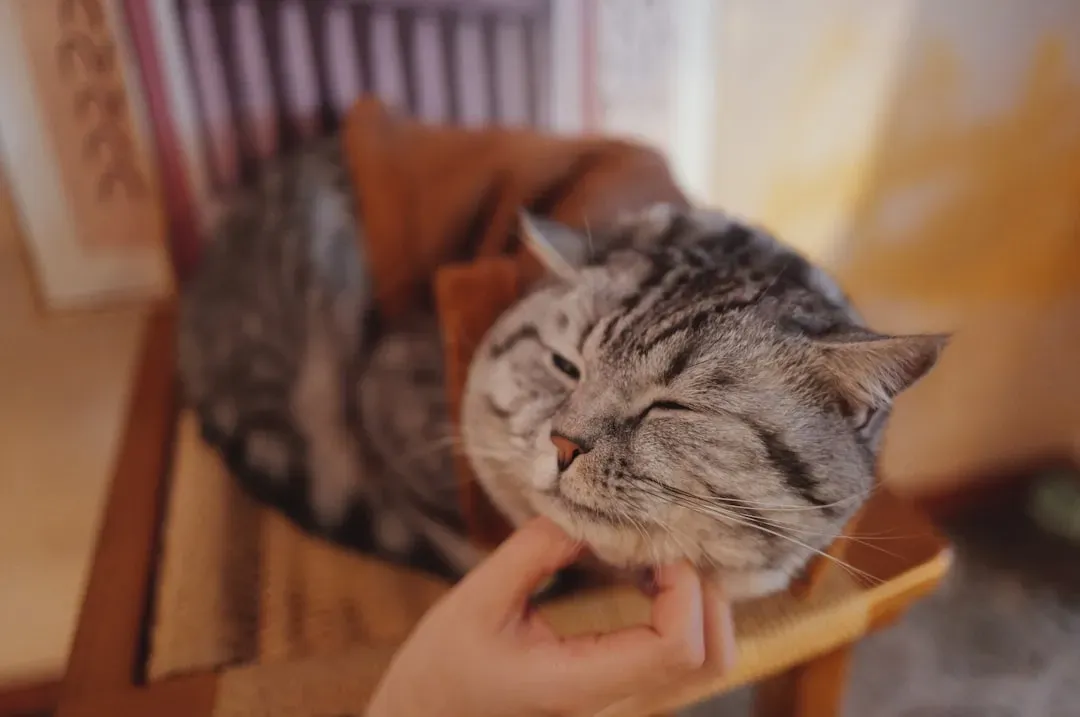
Beyond the emotional lift, the vibrations from a cat’s purr appear to offer real physical benefits. Scientific and anecdotal evidence indicates that the vibrations of a cat’s purr can help fight infections, reduce swelling and pain, and promote muscle growth and repair. A cat’s purr at a frequency of 18 to 35 hertz may also support tendon repair and joint mobility. That’s extraordinary for something that happens when your cat is simply comfortable on your lap.
The soothing vibrations of a cat’s purr can help regulate the autonomic nervous system, which controls involuntary bodily functions like heart rate and breathing. By lowering stress and triggering the body’s relaxation response, purring promotes a sense of calm, balance, and emotional well-being. Studies show that owning a cat could cut your risk of stroke or heart disease by as much as a third. So that fuzzy companion sleeping on your chest is doing more than just being adorable.
Cats Can Sense When You’re Physically Unwell, Too
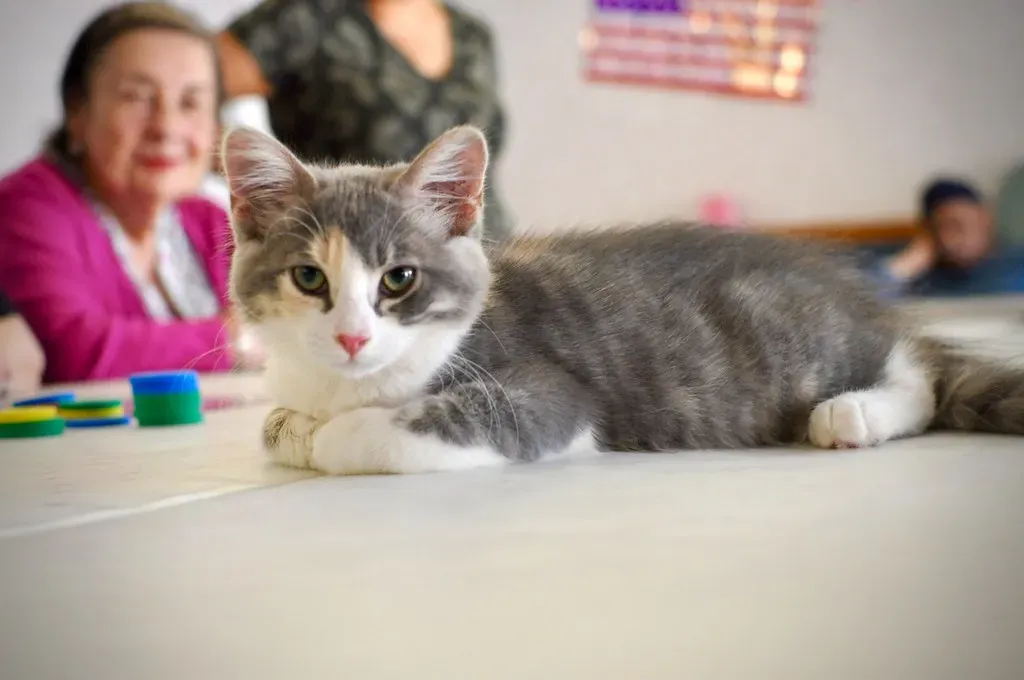
The emotional radar cats carry extends into the realm of physical health, and this is where things get almost eerie. Cats are extremely sensitive animals with very close bonds with their owners. They can smell chemical changes in humans and recognize changes in body language and facial expression. A combination of these helps cats detect when their owners might be suffering from an illness.
Illnesses often alter the chemical composition of a person’s body odor. Cats can detect these changes, which may include volatile organic compounds that signal the presence of disease. Research has shown that cats can identify specific illnesses through these chemical markers, although the exact mechanisms remain a topic of ongoing study. There’s even the remarkable case of Oscar, a cat who lived in a nursing home in Rhode Island. Oscar started to seem to have a sixth sense for when someone was about to die. He would jump onto a resident’s bed and snuggle with them, and sure enough, they would mostly pass away soon after.
How Cats Evolved to Read Us So Well
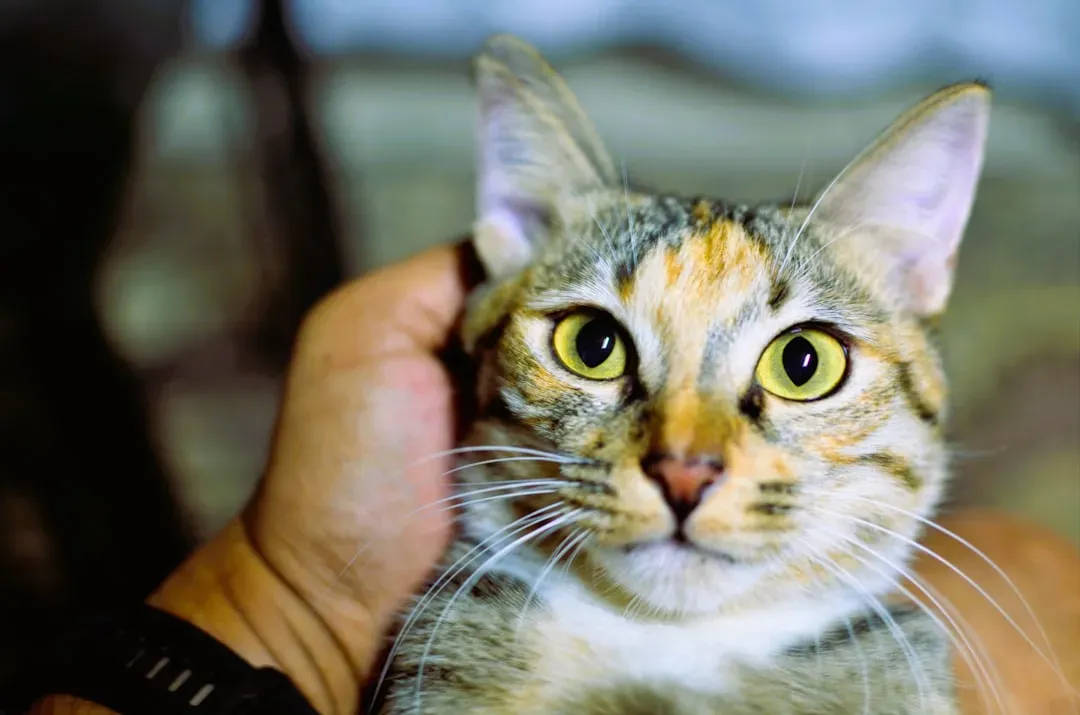
This level of human-reading didn’t happen overnight. It’s the result of thousands of years of shared living. The ability to comprehend human emotions may have evolved as an adaptive trait in domesticated cats. By recognizing and responding to their owners’ emotional states, cats could have enhanced their chances of survival and secured a more harmonious coexistence. This evolutionary advantage may have reinforced the development of emotional intelligence in felines over generations of domestication.
Domestic animals’ ability to perceive human emotions could be a phylogenetic product of sharing the same living environment with humans. Put another way, cats didn’t develop this skill by accident. Living alongside humans for millennia essentially shaped them into expert human interpreters. All of this suggests that cats can learn how to read owner-specific facial expressions over time. The longer your cat has known you, the more precisely it can read you.
What to Do When Your Cat Offers You Comfort
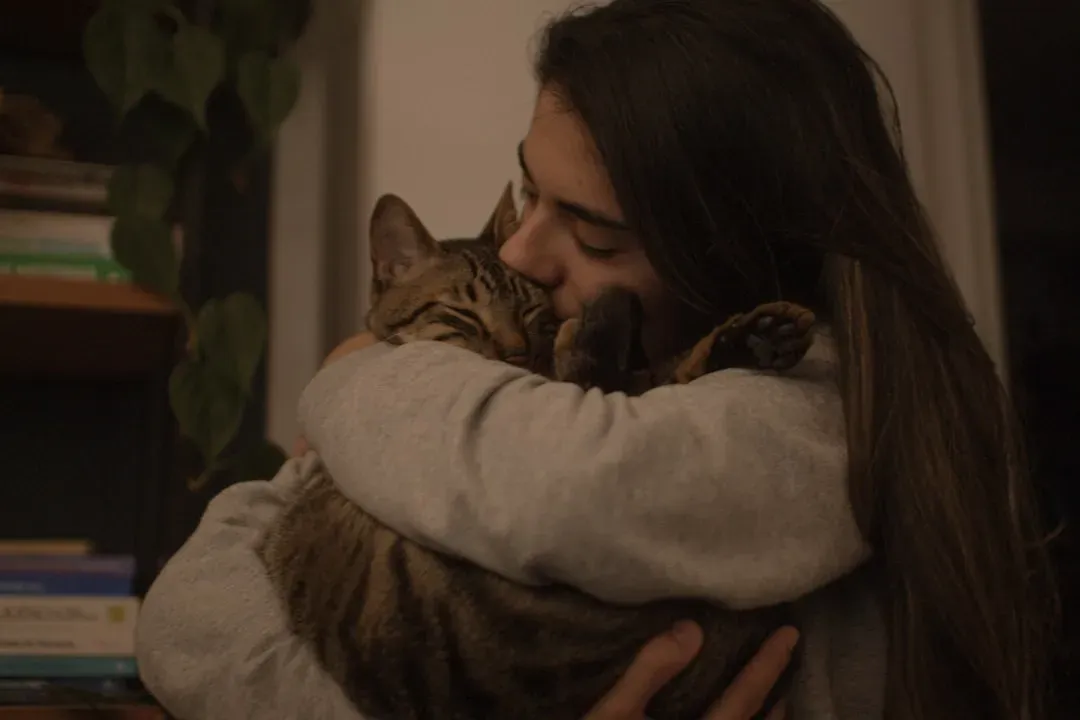
So your cat has picked up on your low energy and is offering its version of support. The best thing you can do is let it happen. In addition to the physical and emotional comfort cats provide, their presence can also distract their owners from their distress. Gently stroking or petting a cat while feeling low can help shift focus and redirect negative emotions, providing a momentary reprieve from pain or sadness.
When you’re sad, your cat might curl up on your lap, nudge your hand, or simply sit nearby, offering silent, non-judgmental support. This physical proximity can release oxytocin, often called the love hormone, in both you and your cat, fostering a sense of calm and connection. For individuals experiencing grief, loneliness, or stress, this simple act of companionship can be profoundly comforting. I think there’s something deeply grounding about the fact that no words are needed. Your cat doesn’t need an explanation. It just knows. And sometimes that is exactly enough.
Conclusion

Cats are not the cold, emotionally disengaged creatures popular culture spent decades making them out to be. The science is clear, the stories are consistent, and the experience of millions of cat owners worldwide points in the same direction: your cat is paying attention to you in ways that go far beyond waiting for dinner. They read your face, your posture, your scent, your voice, and they respond accordingly. That quiet presence on your lap during your hardest evenings is not random.
It’s worth pausing to appreciate how remarkable that really is. In a world that often feels loud and indifferent, there’s a small creature in your home who has calibrated its senses to the frequency of your wellbeing. The next time your cat finds you before you even realize you need to be found, lean into it. That purr was made for exactly this moment.
Have you ever had a moment where your cat seemed to know exactly what you needed before you did? We’d love to hear your story in the comments.
Kristina is a young writer from India. An arts graduate and an avid content creator, Kristina is passionate about animals and wildlife. She enjoys exploring topics related to pet care, animal behavior, conservation, and nature, combining thorough research with engaging storytelling.