You live with a creature who has mastered the art of saying everything while saying nothing at all. Your cat doesn’t need to open its mouth to have a full conversation with you. It communicates in stolen glances, gentle nudges, soft vibrations, and perfectly timed proximity. The trouble is, most of us miss it entirely.
Cats are often described as independent, even distant. Anyone who lives with one knows that is only part of the story. Cats seek connection too. They just do it on their own terms, in their own quiet way. Think of it less like a loud knock on the door and more like a note slipped under it. So if you’ve ever wondered whether your cat actually wants you around, you’re about to find out just how much they’ve been telling you all along. Let’s dive in.
1. The Slow Blink That Says Everything
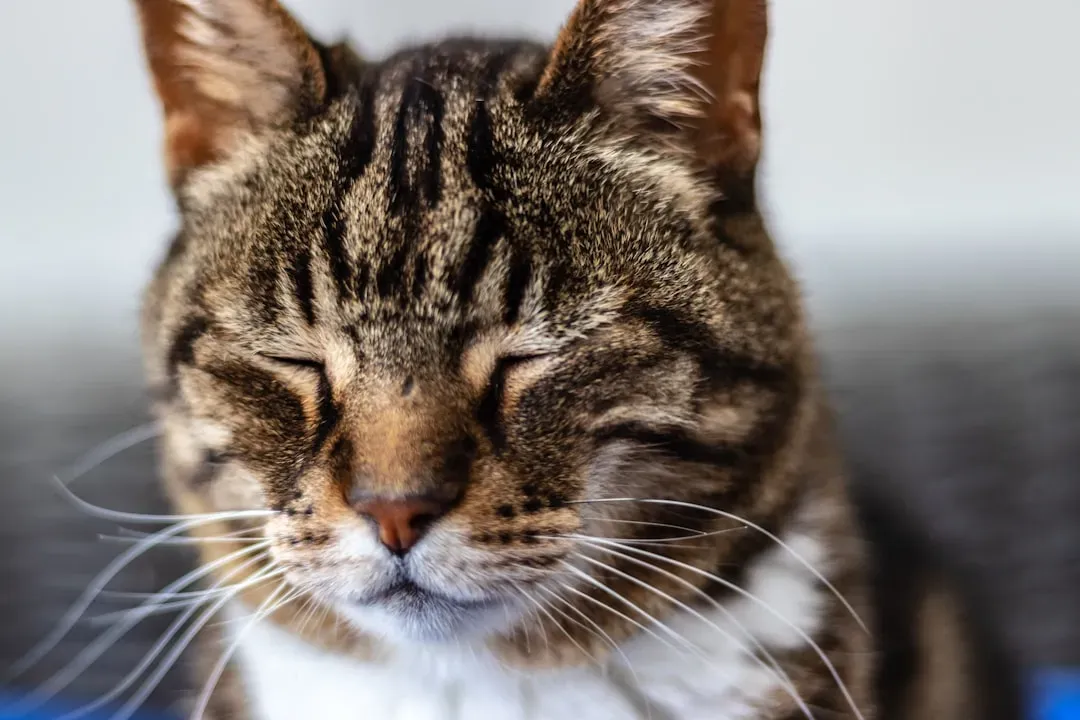
Here’s the thing about a slow blink from your cat: it’s probably one of the most intimate things they’ll ever do for you. One of the sweetest, most understated ways a cat will ask for your attention is with a slow blink. When your cat looks at you and blinks slowly, it’s not falling asleep. Instead, this is a sign of deep trust and affection.
If a cat blinks slowly at you, it means they trust and love you. You can blink slowly back to show them that you love them too. Try it. Seriously, the next time your cat catches your eye from across the room and does that long, lazy blink, mirror it back. It’s their version of a gentle hug or a whispered “I adore you.” Many cat owners say this silent exchange feels like sharing a secret language, building an even deeper bond.
2. Head Butting You Like You’re Their Person
Have you ever felt a little nudge from your cat’s forehead or cheek? This gentle head butt, or “bunting,” is a subtle but powerful sign your cat wants you to pay attention. Cats have scent glands on their faces, and when they rub against you, they’re marking you with their scent, a way of saying, “You belong to me.”
Head butts and chin rubbing are clear signs that your cat loves you because cats have scent glands in their faces that allow them to claim friends and objects as their own. It’s a bit like a cat’s version of a hug, territorial and tender all at once. When your cat nudges their forehead into your chin or cheek, understand that they’re not just saying hello. They’re saying you matter.
3. Sitting on Whatever You’re Doing
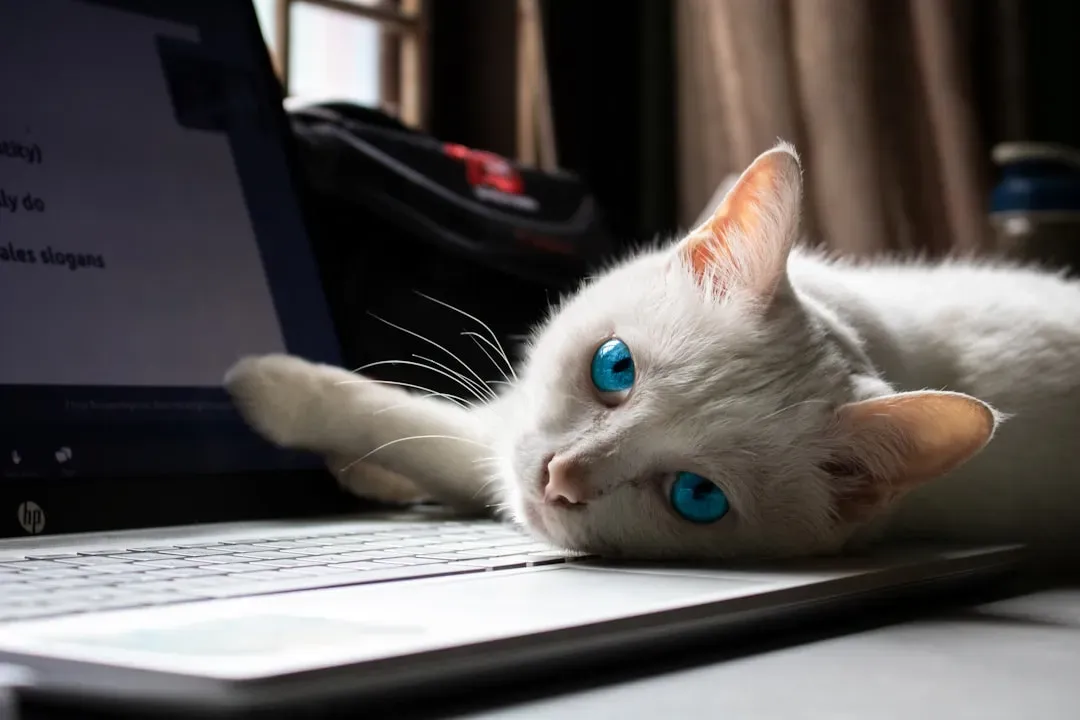
Your laptop. Your book. That bill you were finally trying to pay. Your cat will find it, and they will sit on it. Sitting on your laptop or tablet is your persistent purrer’s way of saying she is the most important thing in your life. She may have you fooled into thinking she’s on your computer because it’s warm, but she’s really just asserting her dominance over the inanimate object that stands in her way.
It can be difficult to judge the motives of cats, and lying down on top of your hands while you’re typing on your laptop is often seen as an act of domination. It clearly wants you to stop paying attention to work, and focus on its adorable self. Honestly, when you think about it, it’s kind of genius. Your cat has identified the exact thing competing for your attention and simply eliminated the competition.
4. The Tail Raised High When You Walk In
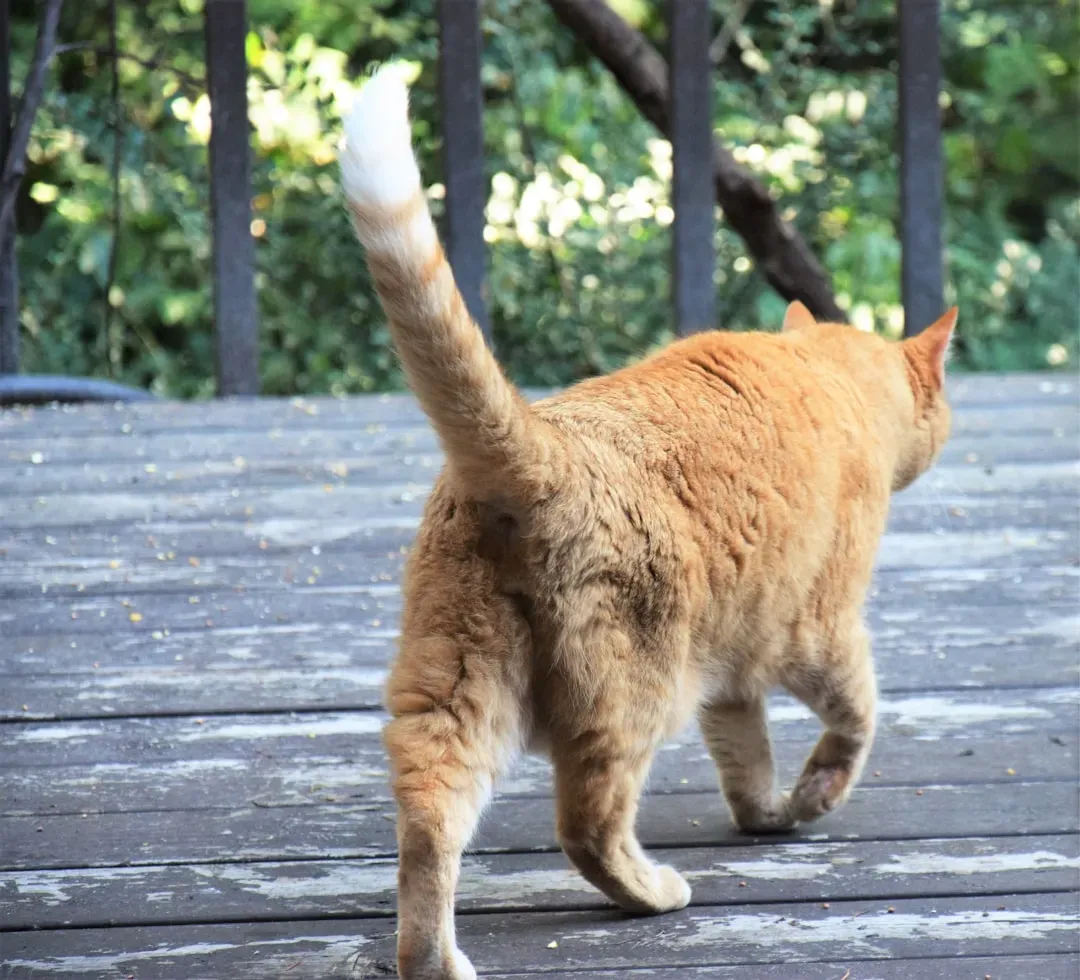
Pay attention to your cat’s tail the moment you come home. One of the most reliable signs of a confident cat is a tail that’s lifted vertically, high in the air. Most of the time, this tail position indicates that the cat feels comfortable and open to interaction. It’s a green flag, plain and simple.
When they’re showing their affection, cats rub themselves on you, often circling or turning in little figure eights. Their tails are held high, often with a tiny curve at the very end, showing that they’re happy to see you or another cat. That tiny curl at the tip? That’s joy. Your cat is literally doing a happy dance, just in the most dignified, feline way possible.
5. Kneading You Like Warm Dough
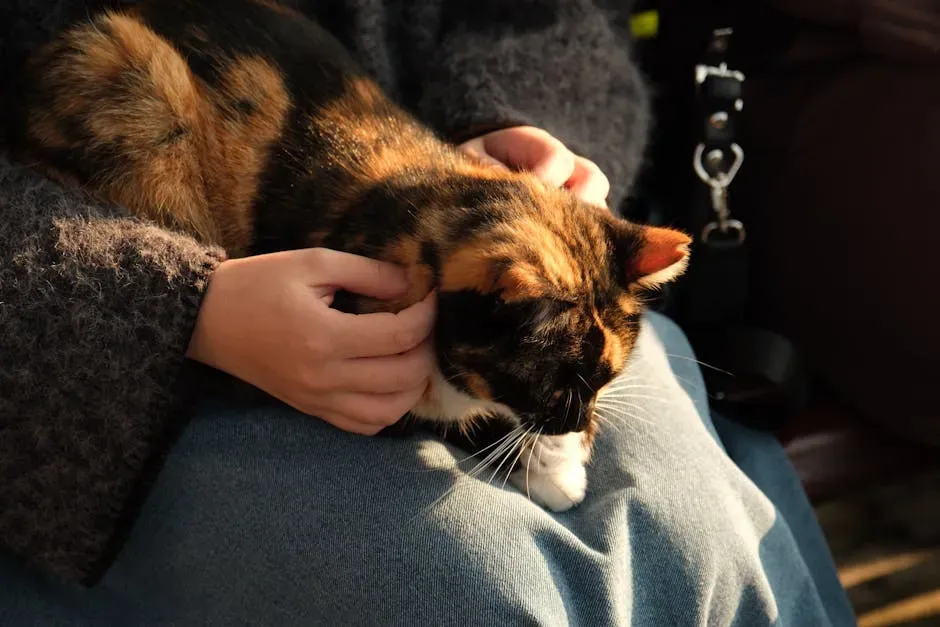
There’s a reason cat people call it “making biscuits,” and it’s one of the most endearing things your cat will ever do to you. When your cat is spending some time cuddling on your lap, you might notice them kneading, another sign of enjoyment because it mimics feeding behavior in nursing kittens.
It is said that kneading is a memory from kittenhood. A suckling kitten stomps its paws on the mother cat’s teat area, so the milk is secreted better. When kneading, the cat feels good and safe. So when your cat rhythmically pushes their paws into your thigh, they’re not just getting comfortable. They’re telling you that being near you feels like being home. That’s not nothing. That’s everything.
6. Purring at a Frequency You Can’t Ignore
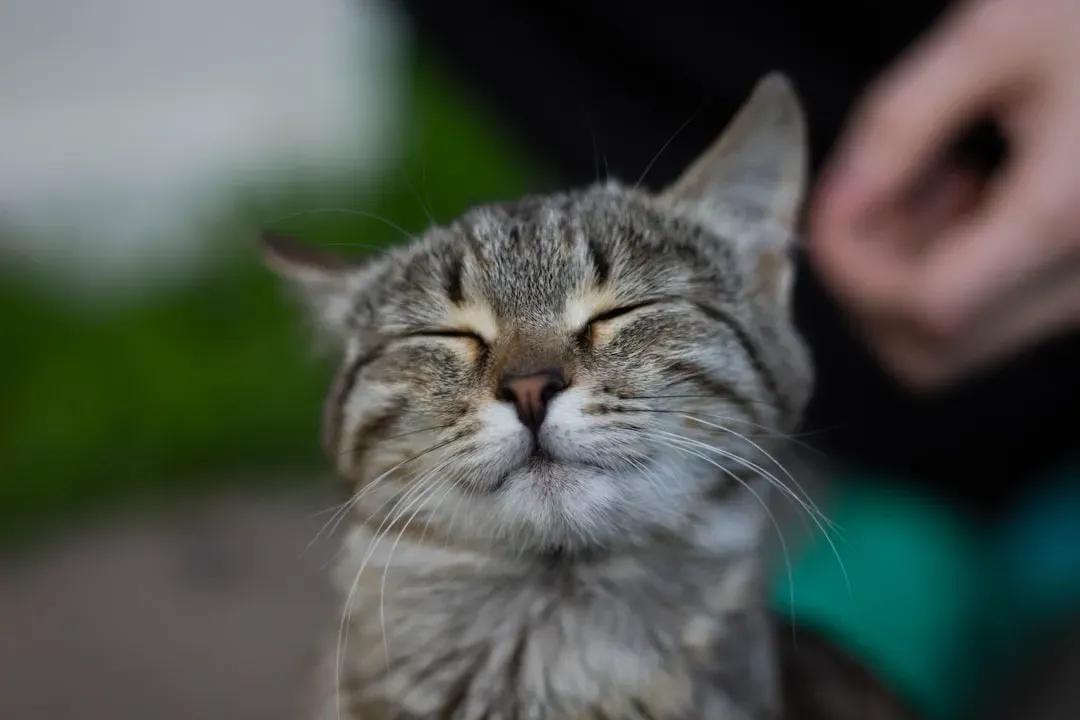
Purring sounds simple, but it’s one of the most complex tools in your cat’s communication kit. Purring is only a sign of happiness if their body language is relaxed. Cats can also purr to get your attention and fuss. So context absolutely matters here, and your job is to read the full picture.
It is claimed that a cat can change the frequency of its purr to match the cry of a human child, which appeals to a human’s nurturing instinct. This often seems to work, especially when combined with a gentle nudge of the leg, making it more likely for the cat to get some treats. I think that last detail is equal parts fascinating and hilarious. Your cat has essentially figured out your emotional weak points and is using them against you. Lovingly, of course.
7. Gentle Paw Taps on Your Arm or Leg
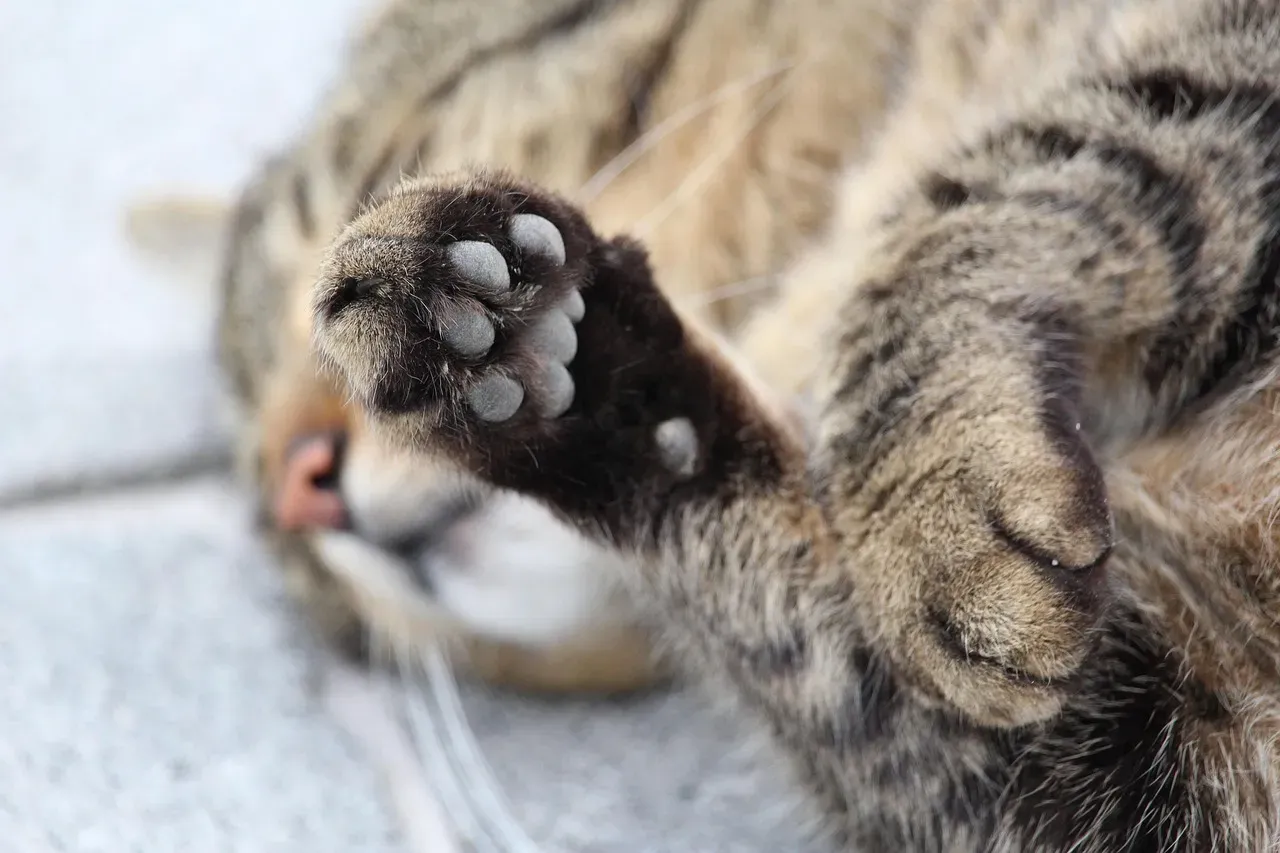
It starts as the lightest little touch. A tap on the forearm, a soft press against your calf. You might dismiss it as accidental. It absolutely is not. Another form of attention-seeking is through physical touch. A cat may reach out with its paw or nudge you with its head. The wish for affection can manifest itself in a myriad of other ways, like sneakily snuggling up or simply lying belly-up.
Cats also use their paws to communicate. Examples include kneading, often called “making biscuits,” which signals comfort and contentment, and gentle paw taps, which are a way of getting your attention without meowing. Consider these tiny taps as polite conversation starters. Your cat is choosing restraint, choosing subtlety, tapping you gently instead of yelling. The least you can do is look up and respond.
8. Rolling Over to Show Their Belly
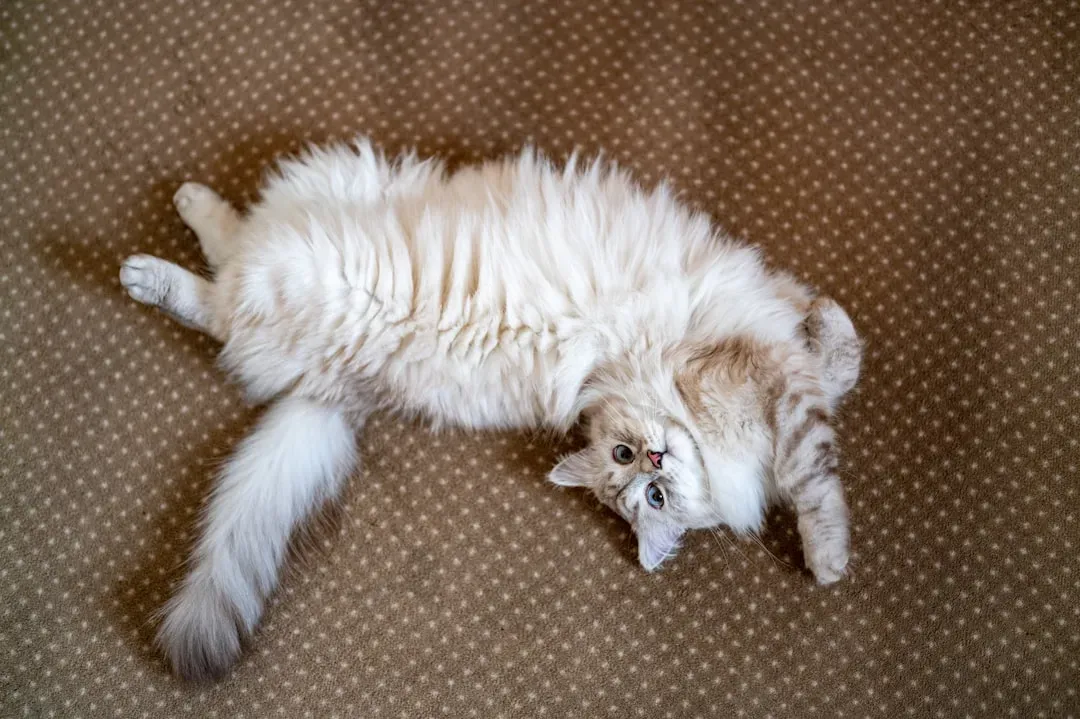
Few moves in the feline attention-seeking playbook are as visually irresistible as the belly roll. Few things are more charming than a cat flopping over and exposing its belly. While this can be a sign of trust, it’s also a gentle way for your cat to ask for attention. By putting themselves in such a vulnerable position, your cat is saying, “I trust you, and I want your affection.”
Here’s where most cat owners get it wrong, though. If they are showing their belly, it probably means that they feel safe, though this is not necessarily an invitation for a belly rub. Watch for relaxed body language and soft purring; these are clues your cat wants a little gentle attention, not rough play. Think of the belly roll as an emotional opening, not a physical one. Respond with calm affection, not enthusiastic wrestling.
9. Staring at You From Across the Room
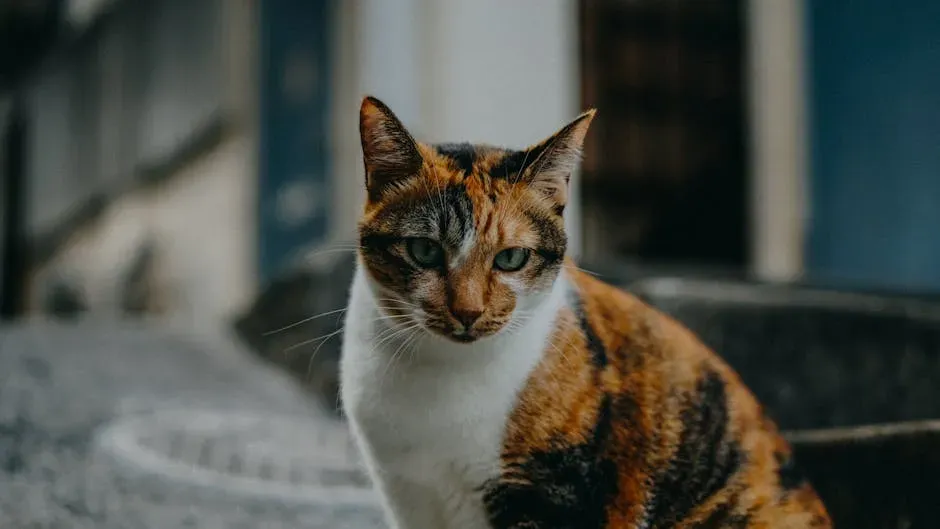
You’re watching TV. You glance over. Your cat is staring at you with those half-lidded, impossibly focused eyes. You look away. You look back. Still staring. This is not creepy. This is a compliment. Cats are naturally curious, but if your cat pauses in the middle of grooming, playing, or exploring just to watch you, it’s a subtle sign they’re seeking your attention. This break in their routine shows that you are as interesting to them as their other activities. Sometimes, you’ll notice them staring at you from across the room, waiting for you to make the first move. This quiet observation is a gentle plea for connection.
Cats sometimes make eye contact with humans as a care-seeking behavior. If it’s dinner time, they may stare at you to get your attention. But often, it goes beyond food. Sometimes your cat is simply watching you exist, and quietly requesting that you watch them back. Make eye contact, offer a slow blink, and see what happens next.
10. Following You From Room to Room
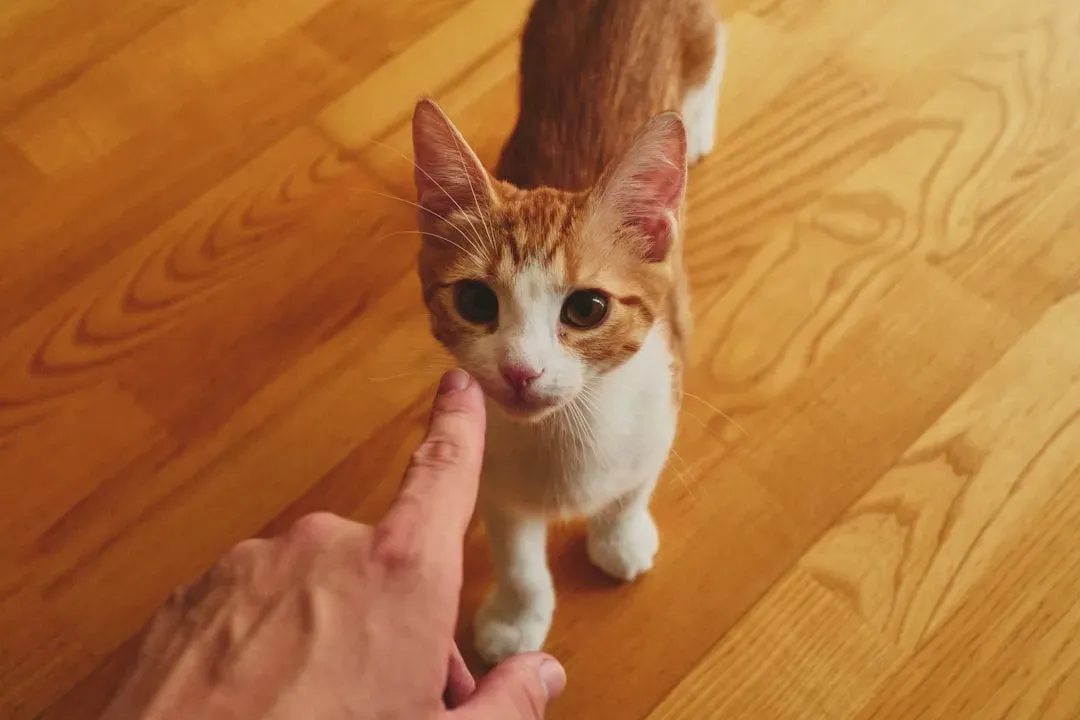
You get up to make coffee. Your cat follows. You move to the bathroom. Your cat is suddenly very interested in the bathroom. You head back to the couch. Your cat is already there. A cat that waits, watches, or gently brushes past your leg may be asking for a connection in the only way that feels natural.
This shadowing behavior is often mistaken for territorial behavior or plain nosiness, and sure, sometimes it is. But most of the time, it’s proximity-seeking. It’s your cat saying, “Wherever you go, that’s where I want to be.” A cat sleeping in the same room, even at the far end of the bed, is offering companionship. They are not avoiding you. They are saying, I feel safe here. Room-following is just the mobile version of that same message.
11. Sitting Nearby Without Asking for Touch
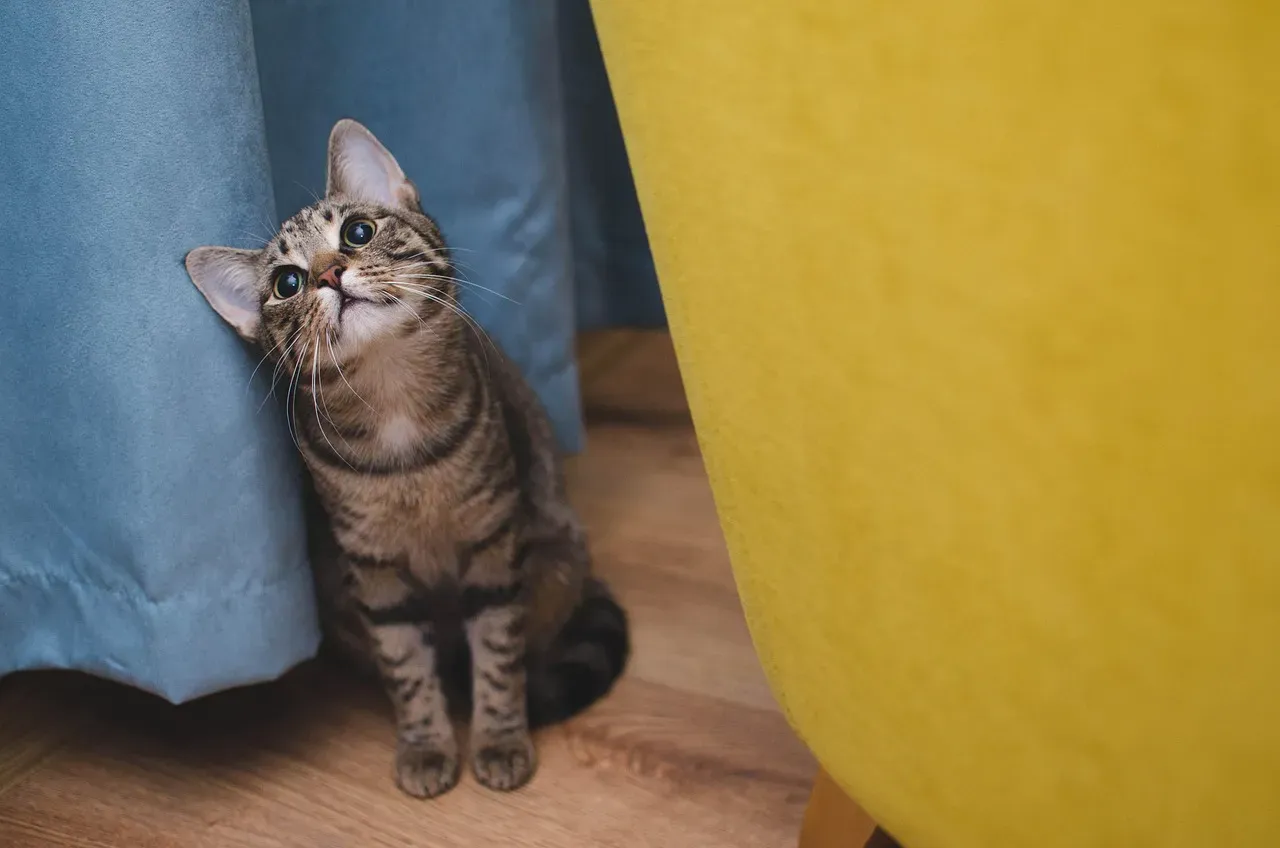
Not every cat wants to be held or stroked every single time they seek attention. Some are content just to be close. This one confuses a lot of cat owners who expect affection to always look like cuddling. This kind of closeness doesn’t ask for constant interaction. It asks to be acknowledged.
Cats don’t seek attention because they are needy. They do it because they form bonds quietly, carefully, and on their own terms. They do it for a connection. So when your cat drapes itself across the armrest two feet away from you and just sits there, looking mildly unbothered, know that this is an act of closeness. Don’t try to force more than what’s being offered. Simply acknowledge them, and let that be enough.
12. Waiting by the Door When You Come Home
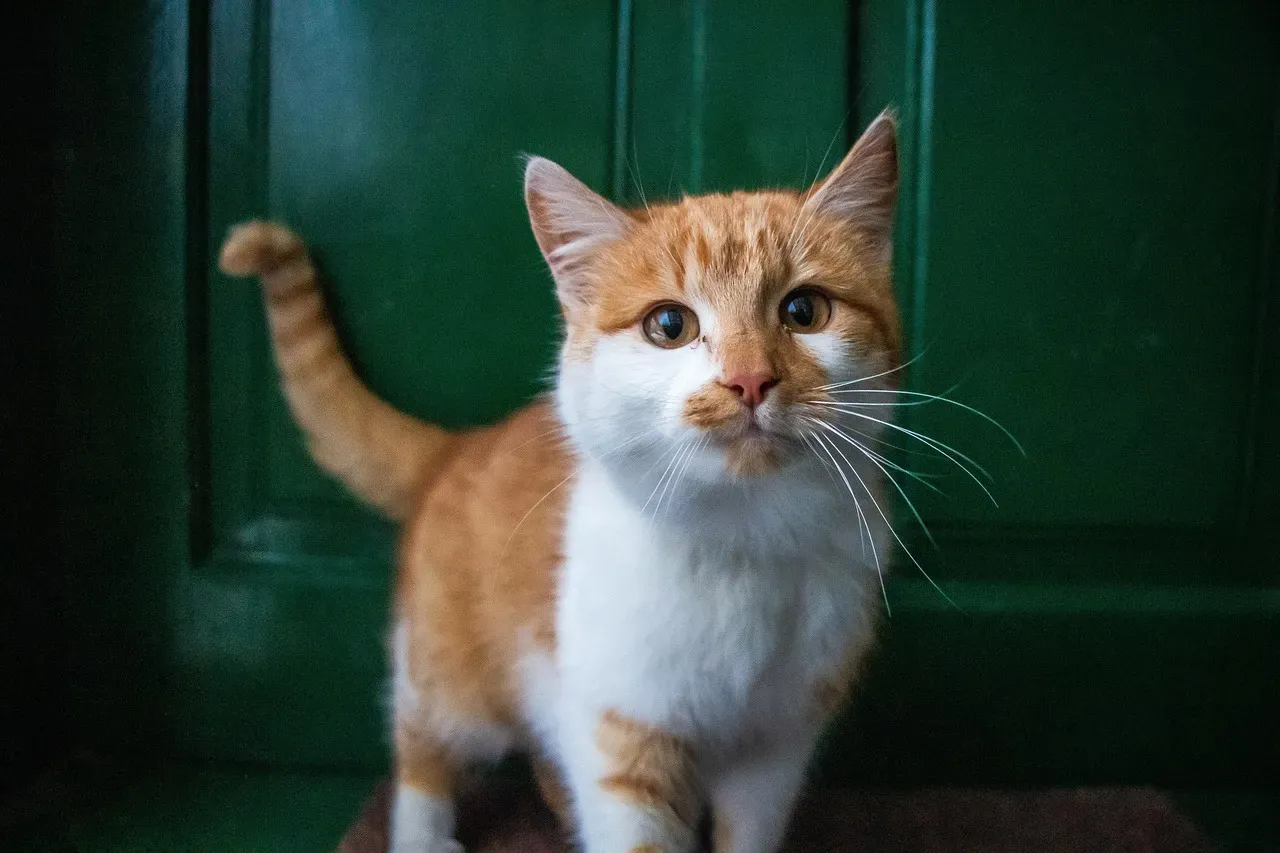
You’ve been gone for three hours. You open the front door. And there, approximately twelve inches from the door, is your cat. Looking at you. Waiting. Whether you’ve been gone for ten minutes or ten hours, some cats will wait by the door or window for your return. This isn’t just about routine; it’s a loving, understated way of showing they’ve missed you.
When you arrive, your cat might greet you with a soft meow, a head bump, or just a lingering look. This behavior is a subtle, heartwarming reminder that your presence matters deeply to your feline friend. You are not just the person who fills the food bowl. To your cat, your arrival is an event worth waiting for. Let that sink in for a moment.
13. Grooming You or Licking Your Hand
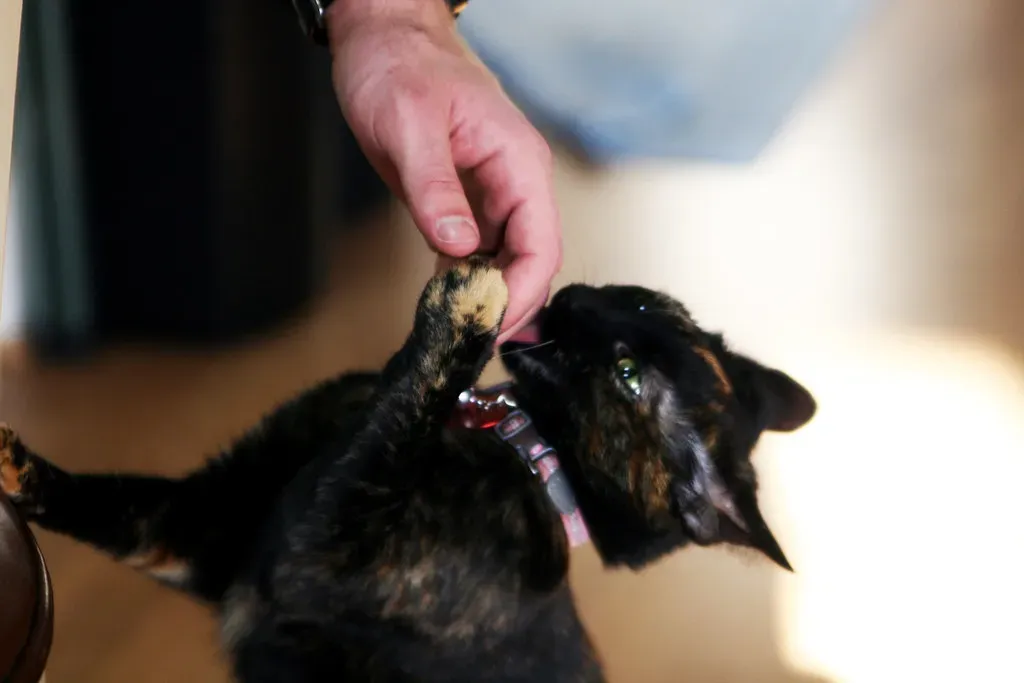
If your cat has ever started licking your hand, your hair, or your face, you’ve officially been socially groomed. This is called allogrooming, and it is about as close as cats get to saying “you are part of my family.” It’s a behavior cats typically reserve for the individuals they feel most bonded to.
All felines use cat body language to share their emotions with us and other animals. Everything from their ears, eyes, and whiskers to their toes and the tips of their tails give us clues as to what our cats think of us and the world around them. Grooming you is your cat extending their social circle to include you in the most intimate way they know. It’s also, admittedly, a little scratchy. But try to appreciate the sentiment over the sandpaper sensation.
14. Bringing You Their Toys or Objects
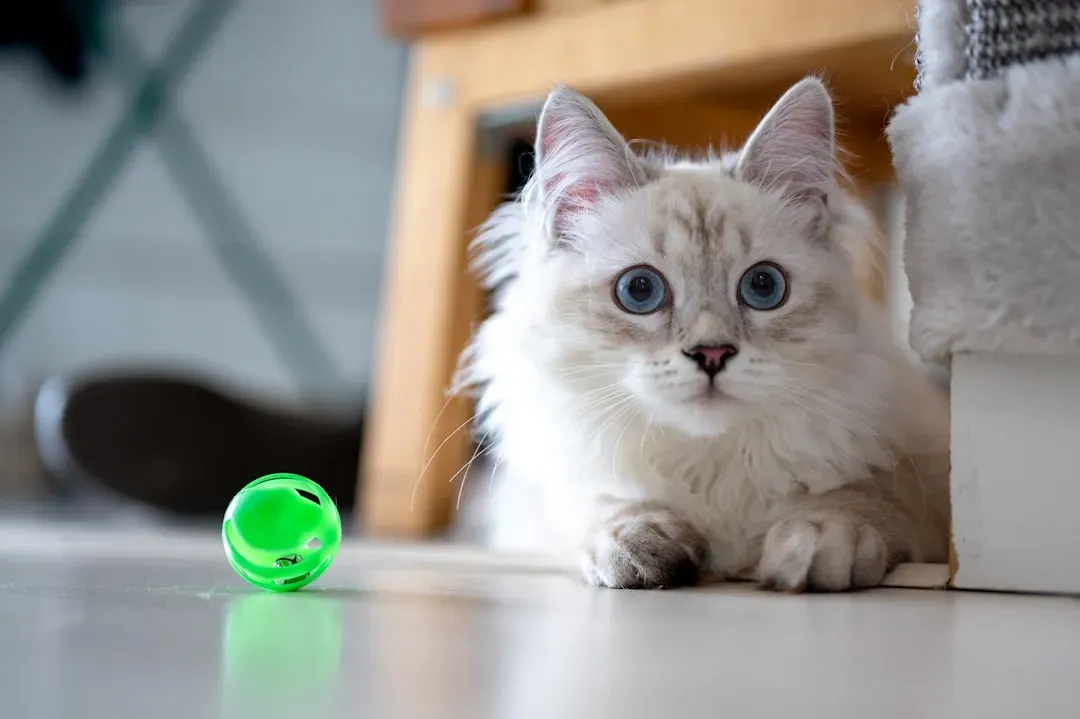
Your cat drops a toy mouse at your feet. Or drags your sock from across the house and deposits it in your lap. Cats want to please their pet parents, and one of the ways they do so is bringing “gifts” to them. This surprise may include catnip mice, stuffed animals, or even shoes and slippers. The trick works especially well if a cat wants attention.
Think of it like a child handing you a drawing. The object itself is secondary. The real message is: “I thought of you. I wanted to share this with you.” Attention-seeking behavior is normal in groups of animals that have some social cohesion and reliance upon each other. It is a behavior or sequence of behaviors exhibited by the cat with the intention of eliciting a response. Gift-giving is one of the most endearing versions of that impulse, and it deserves to be met with genuine enthusiasm on your part.
15. Subtle Changes in Routine Near You
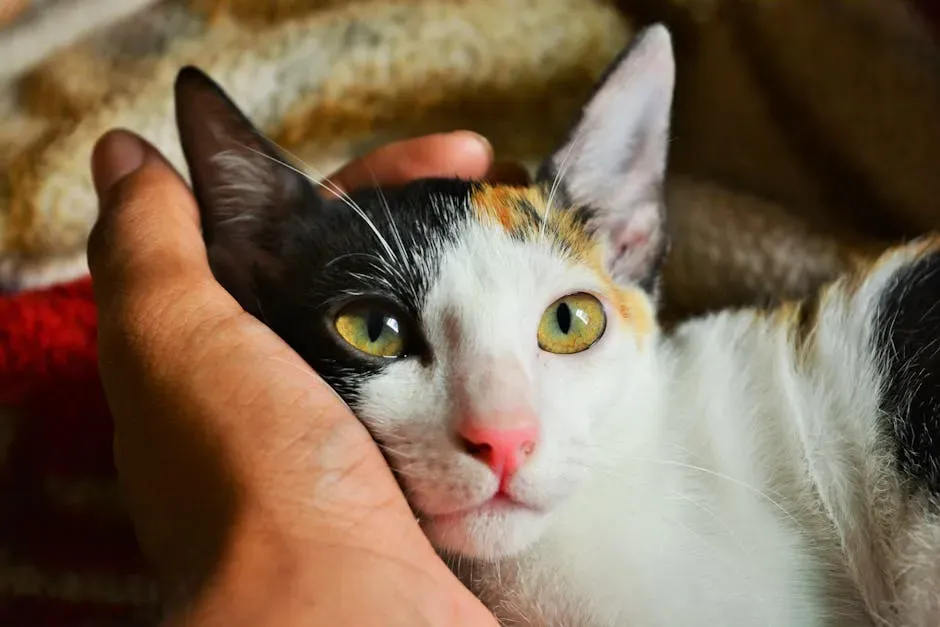
This one is the most overlooked of them all, and in some ways the most telling. Behavior changes in cats can be quite subtle and difficult to notice unless you are really paying attention. When your cat shifts their napping spot to be closer to where you work, or starts appearing in rooms they never used to visit, that’s deliberate. Cats are creatures of habit, and habit changes are intentional messages.
Cats evolved to communicate quietly. In the wild, drawing attention could be dangerous. That instinct remains. A cat that waits, watches, or gently brushes past your leg may be asking for a connection in the only way that feels natural. When your cat recalibrates their daily patterns to orbit closer to yours, they are essentially telling you that your presence has become part of their world. That, perhaps more than any other signal on this list, is the quiet declaration of love that cats are famous for making.
Conclusion: Start Listening With Your Eyes
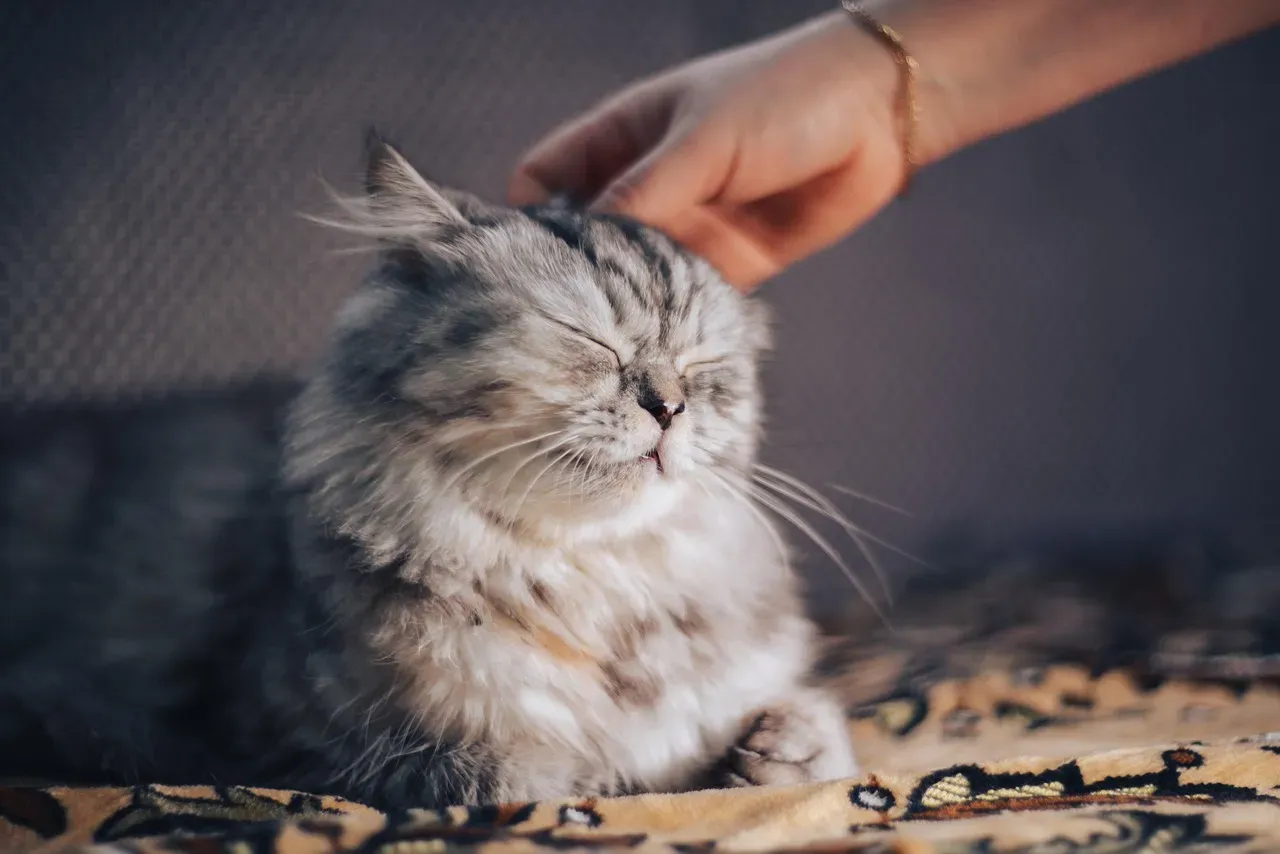
Your cat has never needed a single meow to tell you how they feel about you. Every tail-up greeting, every slow blink, every deliberate paw tap and gift deposited at your feet is part of an ongoing conversation that most of us are only just learning to hear. When we learn to notice the small ways cats reach out, we meet them where they are, without asking them to be louder, clingier, or more like us.
Cats are subtle and complicated in the way they communicate, but taking time to learn their body language can help to strengthen the relationship with your cat. Learning the signs that they are happy, or when they just want to be left alone, can be a big help to you both. The truth is, the more you pay attention to these quiet signals, the richer your relationship with your cat becomes. It’s a two-way dialogue, and they’ve been holding up their end of it all along.
So the next time you feel like your cat is ignoring you, look closer. Chances are, they’ve already said everything. Have you been listening? Tell us in the comments which of these subtle signs you’ve noticed from your own cat.
Kristina is a young writer from India. An arts graduate and an avid content creator, Kristina is passionate about animals and wildlife. She enjoys exploring topics related to pet care, animal behavior, conservation, and nature, combining thorough research with engaging storytelling.