Let’s be honest – living with a cat is one of the most emotionally complex relationships a person can have with another living creature. One moment they’re melting in your lap, and the next they’re staring at the wall like you don’t exist. If you’ve ever caught yourself wondering whether your furry roommate actually adores you or is simply putting up with your presence, you are absolutely not alone.
The question “does my cat love me?” is searched between 3,000 and 4,000 times on Google every month in the United States alone, with thousands of additional searches for “signs my cat loves me.” That tells you something. Cat parents everywhere are losing sleep over this, and honestly, the mystery is part of what makes cats so fascinating. So before you spiral into self-doubt, let’s decode exactly what your cat is – or isn’t – telling you. Let’s dive in.
1. A Loving Cat Seeks You Out Voluntarily – A Tolerating Cat Only Appears When Convenient
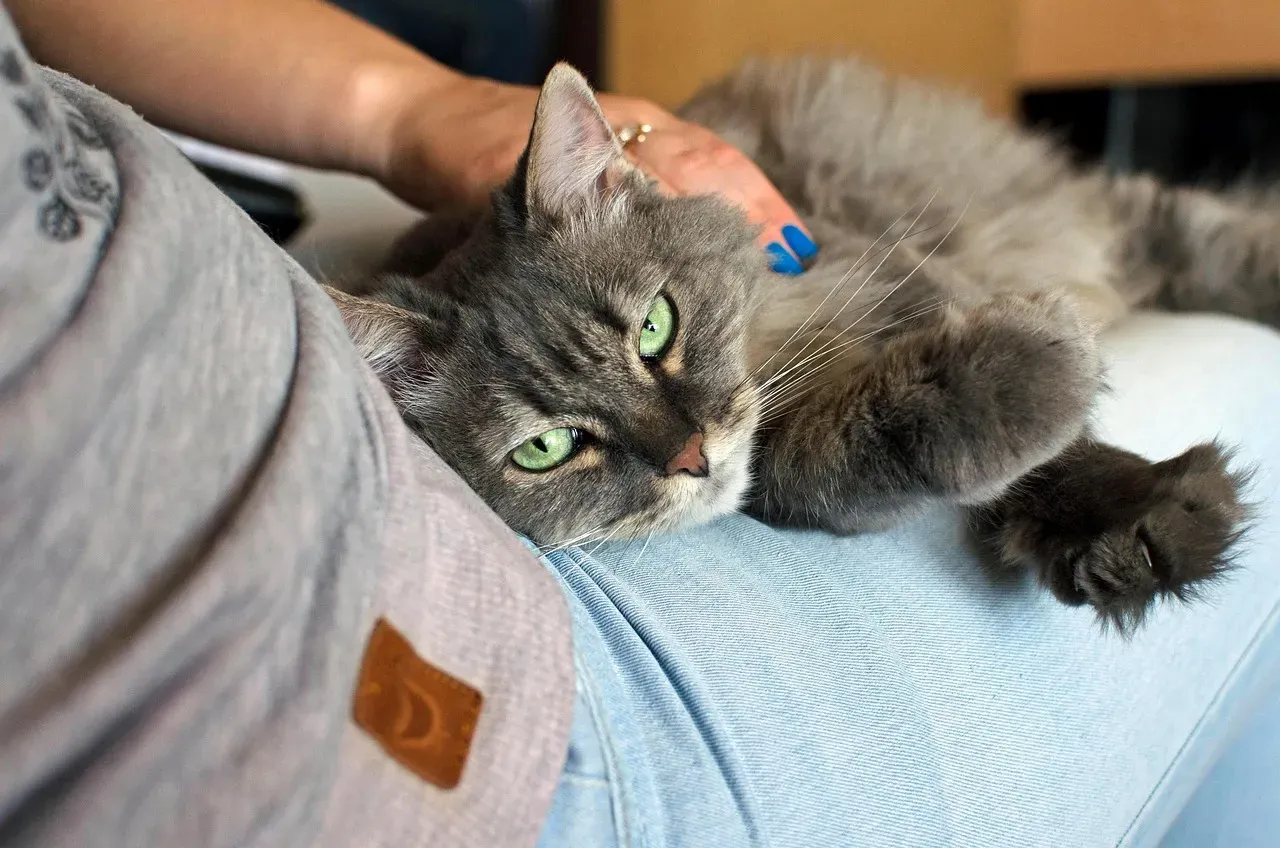
Here’s the thing: the single most revealing sign of how your cat truly feels about you has nothing to do with feeding time. The real factor that shows whether a cat genuinely likes you is the level of attention they provide you whether they are hungry or not – because almost all cats will behave sweetly as they get hungrier. So when your cat seeks you out right after a full meal, that’s the real deal.
Cats who receive lots of affection from their humans associate them with positive interactions and may follow them from room to room – including the bathroom – in pursuit of more. A cat that merely tolerates you, on the other hand, treats your presence like background noise. They share the space. That’s it. Think of it like a coworker who acknowledges your existence only at the coffee machine.
2. The Slow Blink Is a Love Letter – Avoiding Eye Contact Is Indifference
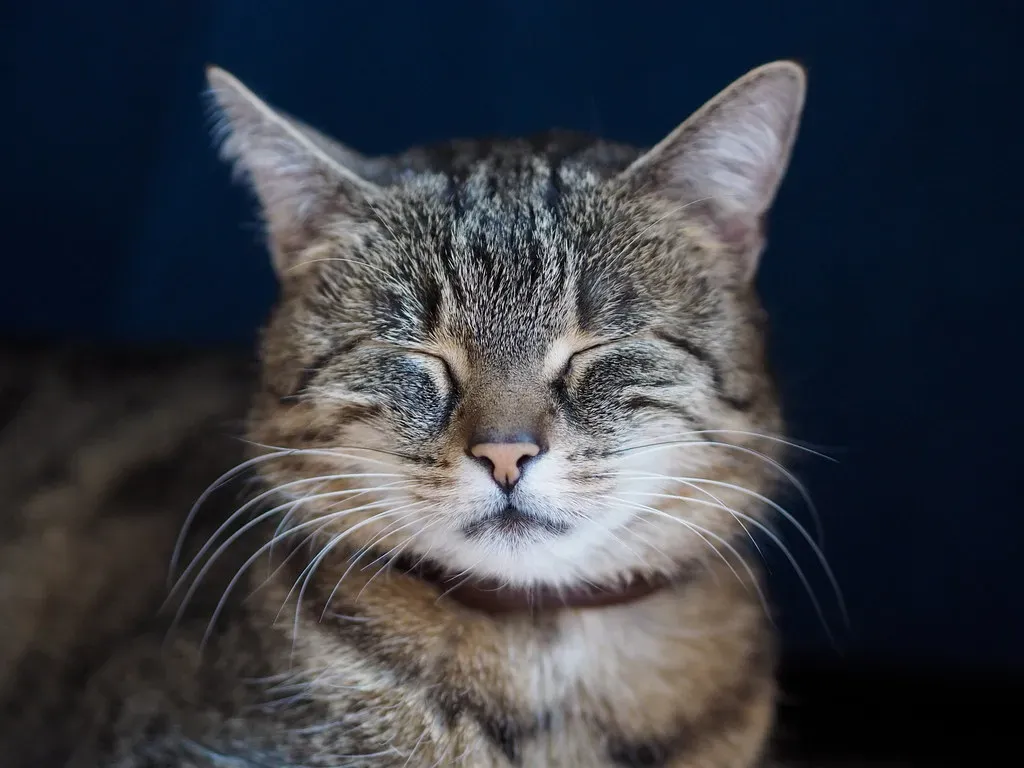
Eyes are said to be the windows to the soul, and cats use eye contact with the people they trust and love. Cats will often make eye contact with lowered eyelids and steady, slow blinks – this is considered a feline version of a kiss, and you can even try slow blinking to show love back. It sounds almost too simple, right? Two blinks and you’re bonded. But that’s genuinely how it works.
If your cat looks at you eye to eye and slowly closes and opens their eyes, it essentially means they trust and love you – because in the feline world, direct eye contact can be seen as a challenge, but a slow blink signals that your cat feels safe and comfortable around you. A cat that just tolerates you will typically look through you like you’re furniture, avoiding that softened gaze entirely. It’s a small difference, but it means everything.
3. Headbutting and Face Rubbing Signal Deep Affection – Keeping Distance Is a Red Flag
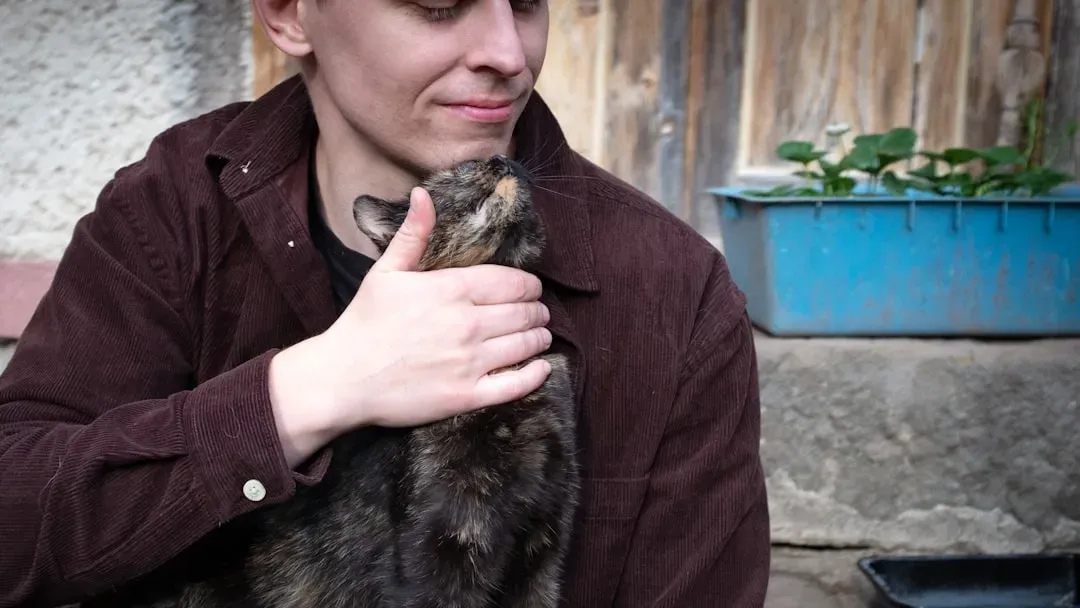
Your cat may bump their head against you or rub their cheeks against you to show affection – this is a social behavior formed in kittenhood through headbutting other kittens and their mother, and it is often an attempt to mark you with their scent to claim you as one of their own. So when your cat plants their face on yours at 6 a.m., they’re not being annoying. They’re basically signing a lease that says “you’re mine.”
Headbutting and cheek rubbing are both social behaviors that are learned and expressed throughout kittenhood, and both are ways in which cats build bonds and affection with other animals and, by extension, with the humans they do it to – because cats have an incredibly sophisticated sense of smell, and when they love another creature, they attempt to both mark and mingle scents with them. A cat that simply tolerates you will stay in the same room, sure, but their face will stay firmly on their side of the invisible line.
4. Purring in Your Presence Is Contentment – Silence and Stiffness Suggest Tolerance
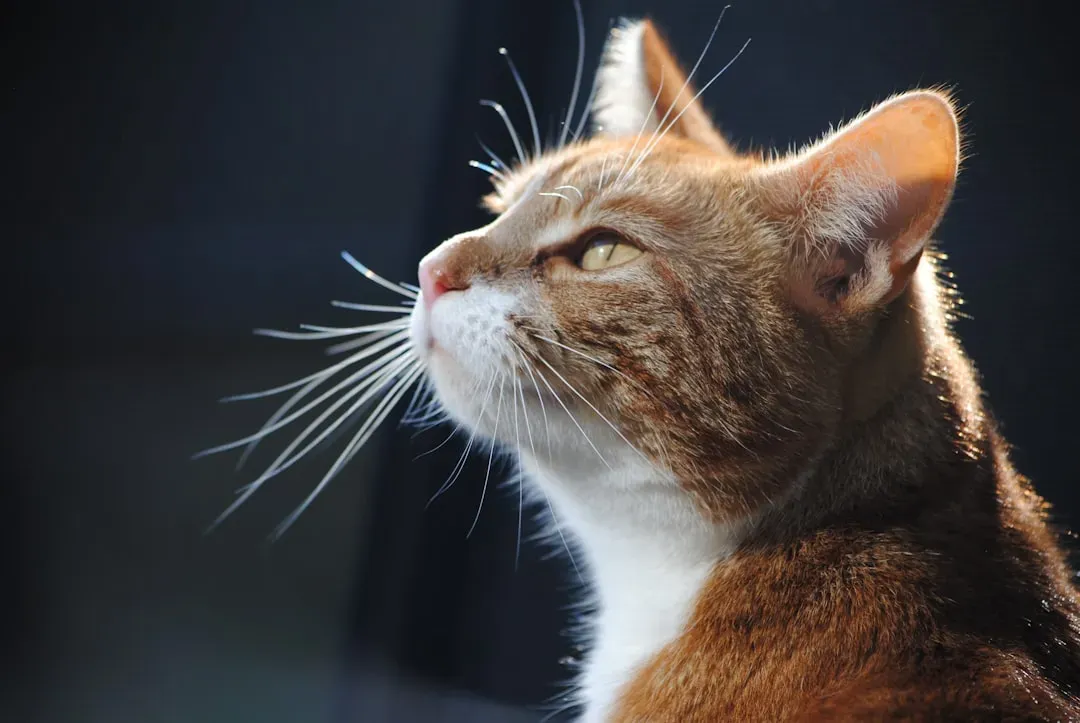
Feline behaviorists have found that cats purr for a variety of reasons, but they believe that purring first starts as a form of communication and bonding mechanism between kittens and their mothers – and it is also a common indicator of comfort and ease. When your cat fires up that little engine just because you walked into the room, you can feel genuinely proud of yourself. That purr is for you.
Still, it pays to know the context. Cats often purr to show contentment when they are resting near you or when you are petting them, but they may also purr when they are nervous, and this is often paired with different body language such as holding their ears back, putting their head down, fast tail-swishing, or hiding. A cat that merely tolerates you might sit nearby in silence, body tight, eyes scanning the room – relaxed in the way a waiting room is relaxed. Not exactly warm.
5. Sleeping Near You (or On You) Is a Trust Declaration – Choosing a Separate Room Says Otherwise
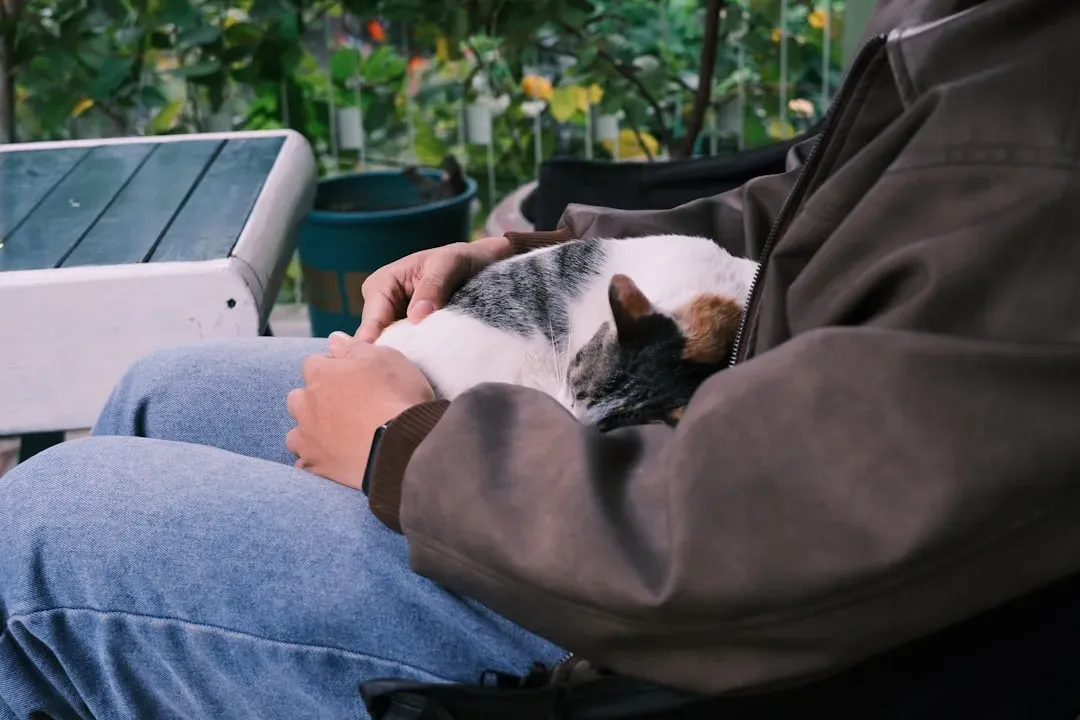
A cat’s desire to be close to you and spend time with you is a big indication of their love, affection, and trust – especially if they sleep with you, because cats are at their most vulnerable when they are asleep, so choosing to sleep with you means they trust you. Honestly, if your cat has ever curled up on your chest while you’re sleeping, that’s one of the most profound expressions of trust an animal can offer.
Sleep is a vulnerable state for cats, and choosing to nap next to you – or even in the same room – is a strong indicator of trust. Some cats may sleep at your feet or nearby rather than directly on you, but that close proximity still counts as a sign of love. A cat that just tolerates you? They’ve already claimed the guest bedroom as their private apartment and have no interest in sharing the mattress.
6. Grooming You Is the Ultimate Compliment – Ignoring Your Hand Signals Cool Distance
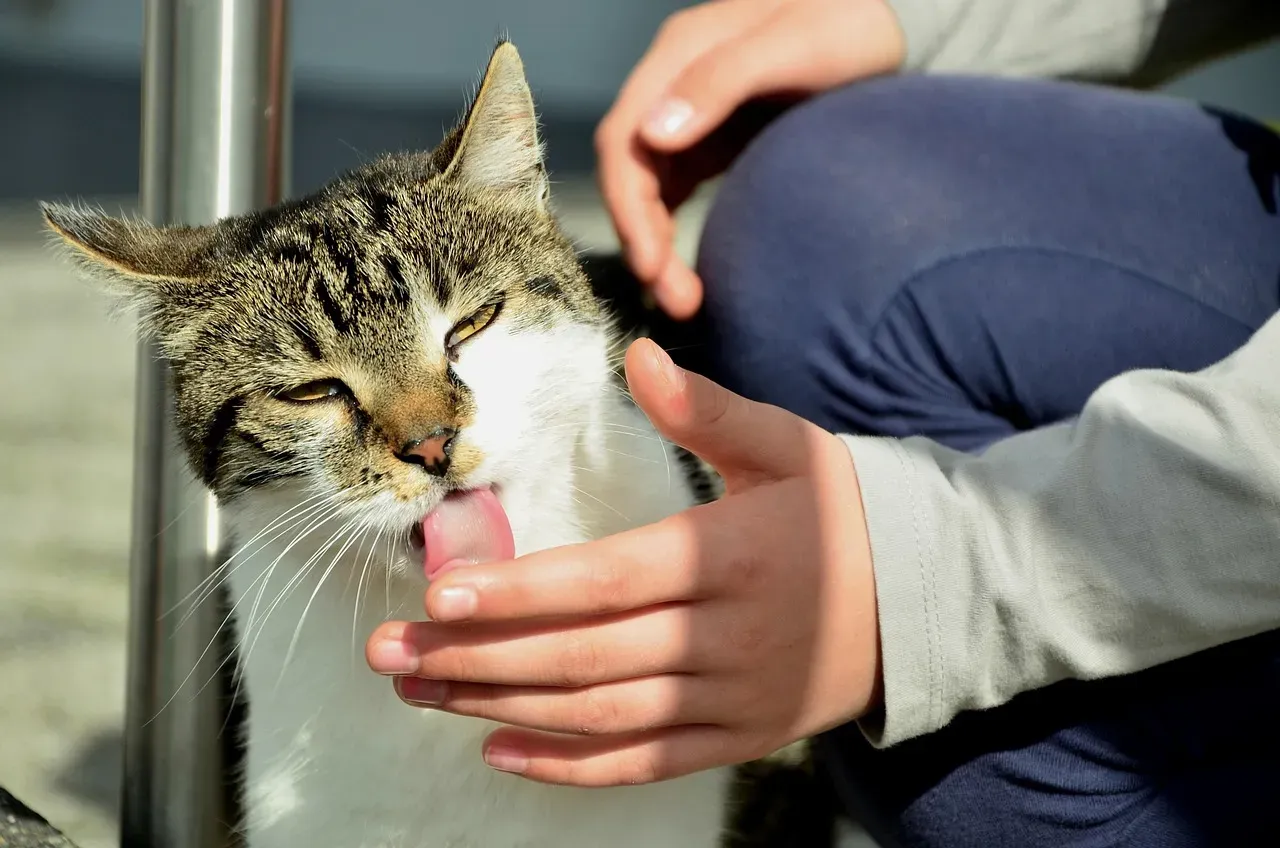
Just as mother cats will groom their young, cats who are bonded with each other will often groom one another, showing comfort and familial acceptance – so if your kitty is licking you repetitively, you’ve either spilled something delicious on yourself, or they see you as a close family member. That’s a pretty beautiful thing when you think about it. Your cat is essentially saying, “You are part of my crew.”
If your cat licks your hand, hair, or even your clothing, they may be engaging in social grooming – and in multi-cat households, grooming is a bonding behavior. When directed at a person, it is often a sign your cat considers you part of their social group. Compare that to a cat that flinches when you try to stroke them. That’s not love. That’s roommate energy at its coldest, and there’s a very clear distinction between the two.
7. Greeting You at the Door Means You Were Missed – Staying Put Means They Barely Noticed
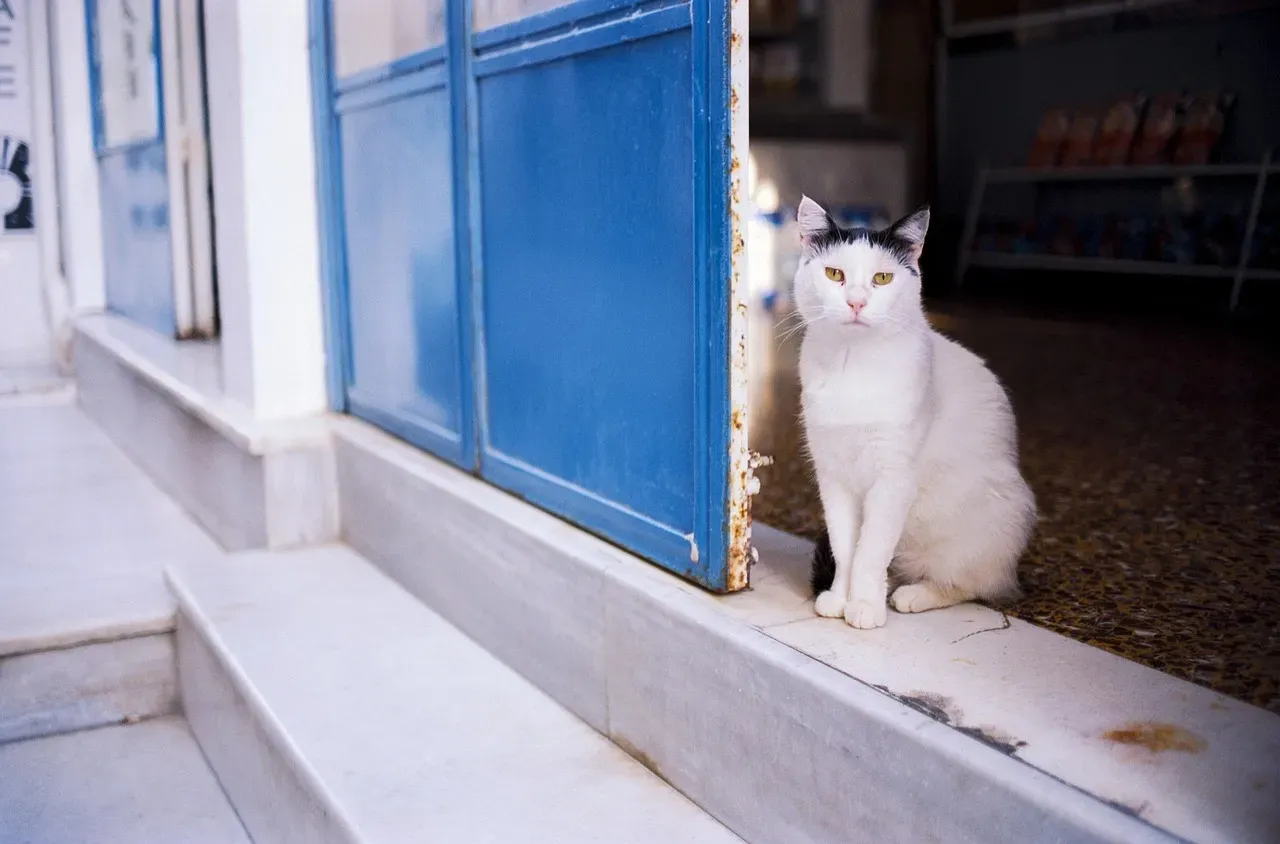
Your cat is trying to show you that they missed you when they greet you at the door – this is often followed by walking in between your legs and curling their tail around your legs, and sometimes accompanied by meowing and “rattle-tail” behavior where your cat shakes their tail quickly. This is your cat’s way of welcoming you home. I know it sounds crazy, but a cat rushing to the door for you is arguably just as meaningful as a dog doing the same.
If your cat enjoys your company, it will feel lonely and sad whenever you leave, even for short trips to the grocery store. A tolerated-human situation looks very different: you walk in, the cat opens one eye from the sofa, determines it isn’t feeding time, and goes back to sleep. No fanfare, no tail quiver. It’s not cruel – it’s just not love. Not yet, anyway.
8. Kneading on You Is a Kitten-Level Bond – Pushing Away Your Hand Is a Boundary Signal
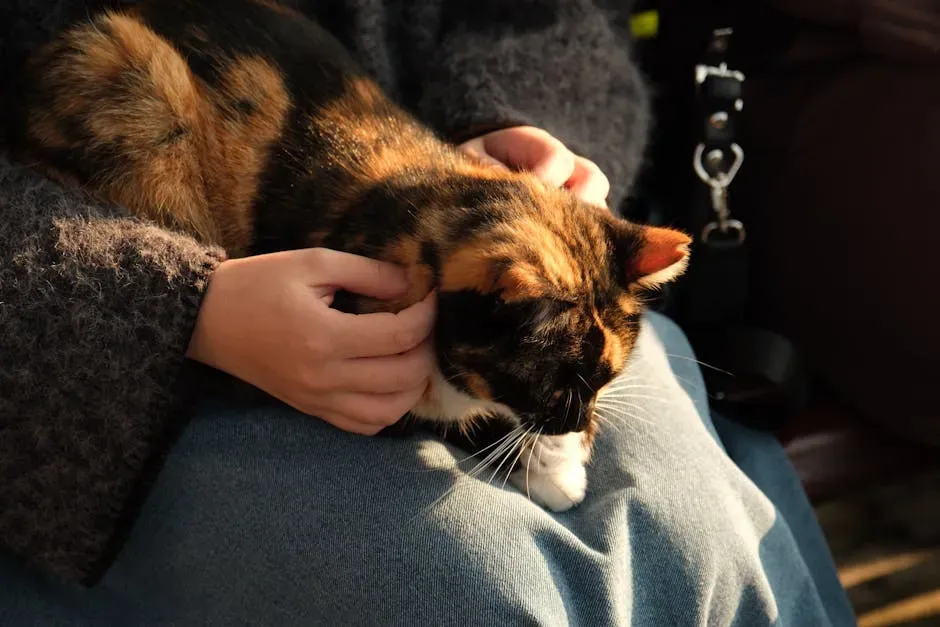
Cats can show affection by kneading their people with their front paws – this is a behavior kittens do with their mothers to stimulate the flow of milk, and it is strongly associated with happy times. Kneading is also a way for cats to activate the scent glands in their paws and mark you as their own. So when your cat turns your thigh into a bread loaf project, take it as the highest possible feline compliment. It is literally rooted in the comfort of their earliest memories.
If your cat kneads against your lap or a soft surface with their paws, it is a behavior reminiscent of their kittenhood – kneading is often associated with feelings of comfort and contentment, and this action mimics the instinctive behavior kittens perform while nursing, stimulating the release of endorphins. Your cat’s kneading is a clear indicator of their affectionate feelings toward you. A cat that tolerates you will simply sit nearby, occasionally swat your hand away, and accept your presence without the warmth. Close, but not connected.
9. Bringing You “Gifts” Is an Act of Love – Ignoring You Entirely Is Just Coexistence
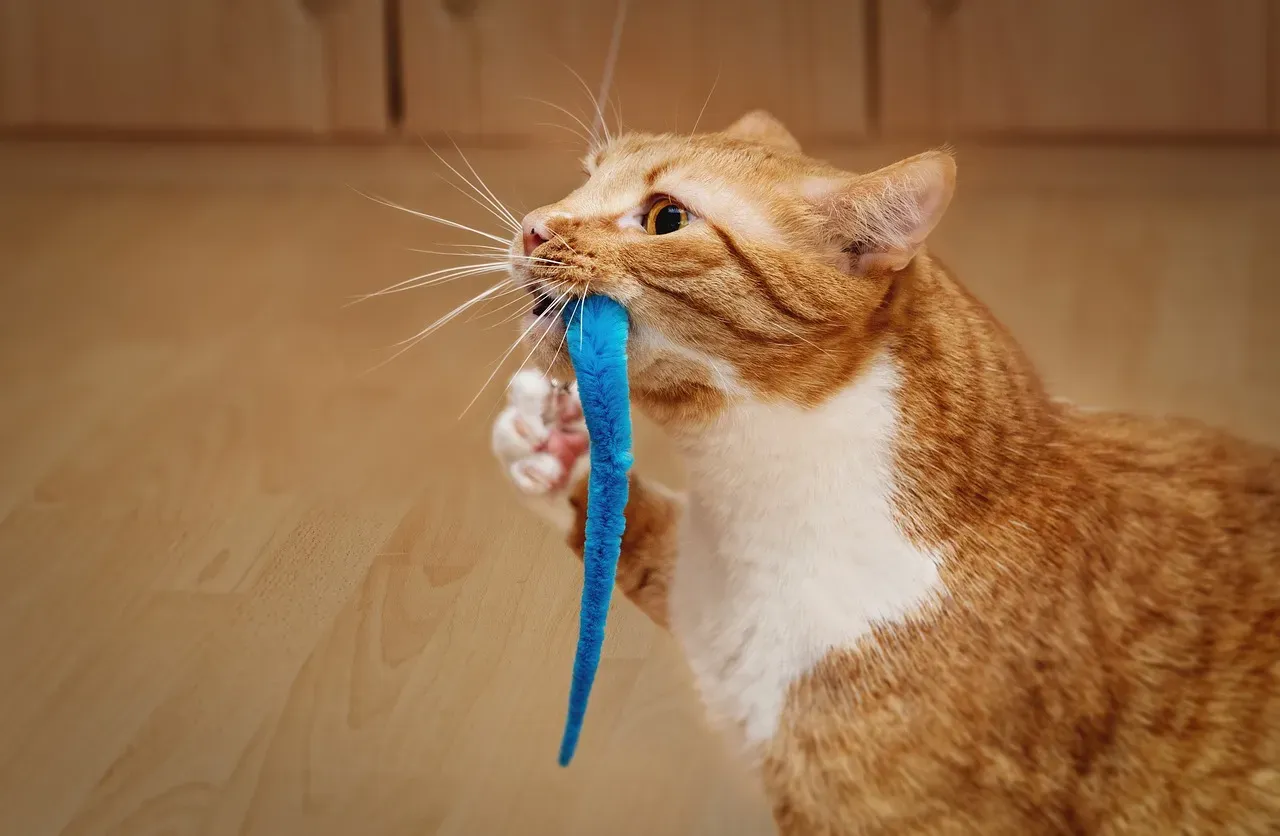
Cats are natural hunters, and outdoor cats will attempt to bring their humans freshly killed “presents” as a sign of goodwill and pride – they are both showing you what they can do and trying to feed you. Indoor cats sometimes mimic this behavior by “hunting” and depositing their toys in front of their humans. Yes, a dead mouse on your doorstep is technically a love letter. Gross, but sincere.
When your cat brings you “gifts” in the form of dead prey or toys, it is actually a sign of their affection – this behavior stems from a cat’s instinct to provide for their social group, and cats view you as a member of their family, essentially sharing their resources with you. A cat that simply tolerates your presence would never bother. They’ll walk past you, curl up alone, and keep all the good stuff for themselves. It’s the feline equivalent of never offering to share their fries – and honestly, that says everything.
Conclusion: Your Cat Is Speaking – You Just Have to Listen
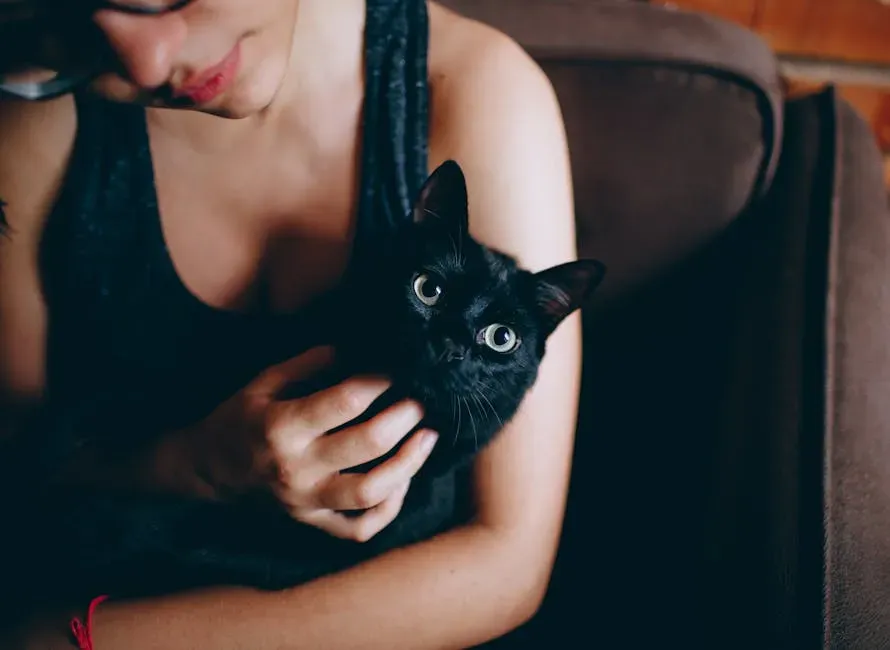
Cats are not cold. They are not unfeeling. They are simply speaking a language that most of us were never taught. Feline affection isn’t always overt or constant – instead, it is often built around trust, safety, and selective social connection, and cats tend to show love through behaviors that signal comfort and familiarity rather than attention-seeking. Once you understand that, everything changes.
A study published in Current Biology found that cats form attachment bonds to their human caretakers in very much the same way that dogs and human children do – and researchers from Oregon State University concluded that “we may be underestimating cats’ socio-cognitive abilities.” Your cat likely loves you more than you realize. The signs are there, quiet and consistent, waiting for you to notice them.
The difference between a cat that loves you and one that merely tolerates you isn’t always dramatic. Sometimes it’s a slow blink. Sometimes it’s a small paw landing on your knee at 11 p.m. for no logical reason. Learn their language, give them space to come to you, and the rewards are genuinely priceless. So here’s the question worth sitting with today: how many of these signs did you recognize in your own cat – and did any of them surprise you? Tell us in the comments below.
Kristina is a young writer from India. An arts graduate and an avid content creator, Kristina is passionate about animals and wildlife. She enjoys exploring topics related to pet care, animal behavior, conservation, and nature, combining thorough research with engaging storytelling.